Uganda Gorilla Trekking Tours with Adeli Kenya Safaris
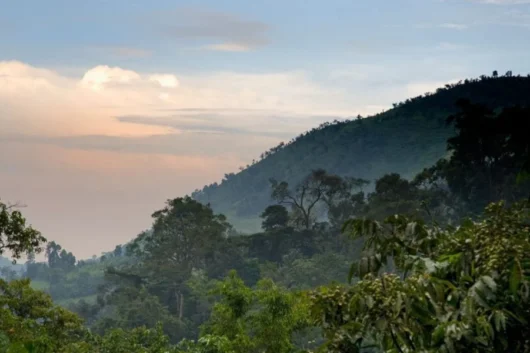
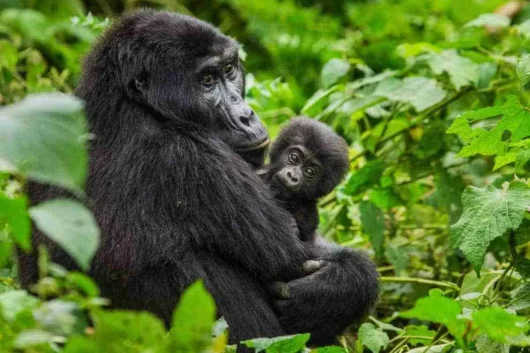
Experience one of the most extraordinary wildlife encounters on Earth with Uganda Gorilla Trekking Tours by Adeli Kenya Safaris, a life-changing adventure deep within the misty rainforests of East Africa. Uganda is globally recognized as the premier destination for mountain gorilla trekking safaris, offering travelers the rare opportunity to observe endangered gorillas in their natural habitat within Bwindi Impenetrable National Park and Mgahinga Gorilla National Park.
Our expertly crafted Uganda gorilla trekking safari packages are designed for wildlife enthusiasts, photographers, adventure travelers, honeymooners, researchers, and small groups seeking an authentic African primate experience. These tours take you through dense tropical jungles, steep forest trails, and breathtaking landscapes in search of habituated gorilla families, where you will spend a magical hour observing their behavior, social interactions, and close-knit family life.
Beyond gorilla trekking, Uganda offers a rich variety of safari experiences including chimpanzee trekking in Kibale Forest National Park, game drives in Queen Elizabeth National Park, boat safaris along the Kazinga Channel, rhino tracking at Ziwa Rhino Sanctuary, birdwatching tours, and scenic visits to Lake Bunyonyi and the Rwenzori Mountains. This makes Uganda one of Africa’s most diverse and rewarding wildlife destinations.
At Adeli Kenya Safaris, we design flexible Uganda gorilla trekking tours including luxury lodge safaris, mid-range packages, budget camping safaris, and private tailor-made itineraries. Every journey is carefully planned to ensure comfort, safety, and seamless travel logistics, while promoting responsible tourism, wildlife conservation, and community empowerment.
Choose Uganda Gorilla Trekking Tours by Adeli Kenya Safaris and embark on a once-in-a-lifetime journey into the heart of Africa’s most iconic primate wilderness.
Uganda Gorilla Trekking Tours FAQs
General Uganda Gorilla Trekking FAQs
1. What is Uganda gorilla trekking?
Uganda gorilla trekking is a guided wildlife experience where visitors hike through Uganda’s rainforest to find and observe endangered mountain gorillas in their natural habitat. Adeli Kenya Safaris offers customized Uganda gorilla trekking tours designed around travelers’ interests, schedules and budgets.
2. Why is Uganda one of the best destinations for gorilla trekking?
Uganda offers exceptional mountain gorilla encounters in the forests of Bwindi Impenetrable National Park and Mgahinga Gorilla National Park. The country’s lush landscapes and combination of gorilla trekking with other wildlife experiences make it an excellent East African safari destination.
3. Where can I go gorilla trekking in Uganda?
Gorilla trekking in Uganda is primarily conducted in Bwindi Impenetrable National Park and Mgahinga Gorilla National Park. Adeli Kenya Safaris can help travelers choose the most appropriate destination based on their itinerary and travel preferences.
4. What is Bwindi Impenetrable National Park famous for?
Bwindi Impenetrable National Park is internationally renowned for its mountain gorillas and exceptional gorilla trekking experiences. The ancient rainforest also supports diverse plant, bird and animal species.
5. What is Mgahinga Gorilla National Park?
Mgahinga Gorilla National Park is a protected mountain ecosystem in southwestern Uganda that forms part of the larger Virunga landscape. It is another important destination for mountain gorilla trekking in Uganda.
6. Which is better, Bwindi or Mgahinga for gorilla trekking?
Both offer memorable mountain gorilla experiences. Bwindi is generally the more extensive and widely known trekking destination, while Mgahinga offers a more compact mountain ecosystem and can be an excellent alternative depending on gorilla group availability and itinerary logistics.
7. Can Adeli Kenya Safaris arrange Uganda gorilla trekking tours?
Yes. Adeli Kenya Safaris specializes in customized East African safari experiences and offers Uganda gorilla trekking adventures as part of its destination portfolio.
8. Can I customize my Uganda gorilla trekking safari?
Yes. Adeli Kenya Safaris can customize your itinerary around your preferred travel dates, accommodation level, activities, group size, budget and other travel requirements.
9. How long does a Uganda gorilla trekking safari take?
A gorilla-focused trip can be arranged over several days, depending on travel logistics and whether you want to include additional activities. Many travelers combine gorilla trekking with chimpanzee trekking or Uganda wildlife safaris.
10. Is Uganda gorilla trekking suitable for first-time safari travelers?
Yes. Uganda gorilla trekking can be an excellent first African safari experience. Adeli Kenya Safaris can help first-time visitors plan accommodation, transfers, permits, trekking arrangements and other itinerary details.
Gorilla Trekking Permit FAQs
11. Do I need a gorilla trekking permit in Uganda?
Yes. A gorilla trekking permit is required to participate in a regulated gorilla trekking experience in Uganda.
12. What does a Uganda gorilla trekking permit allow me to do?
A gorilla trekking permit provides authorization to participate in a designated gorilla trekking experience under the rules established by the relevant Ugandan wildlife authorities.
13. How much does a Uganda gorilla trekking permit cost?
Permit prices can change, so travelers should confirm the current official rate when planning their safari. Adeli Kenya Safaris can advise you on the current permit arrangements when preparing your Uganda gorilla trekking quotation.
14. Should I book my gorilla permit in advance?
Yes. Advance planning is strongly recommended because gorilla trekking permits are limited and particular dates or trekking groups can become unavailable.
15. Can Adeli Kenya Safaris arrange my gorilla trekking permit?
Adeli Kenya Safaris can incorporate gorilla permit arrangements into your Uganda gorilla trekking safari planning, subject to availability and the applicable booking conditions.
16. Are gorilla trekking permits refundable?
Permit refund and cancellation conditions depend on the applicable regulations and booking terms. Travelers should confirm the current conditions before making payment.
17. Can I choose the date of my gorilla trek?
Yes, travelers can request preferred trekking dates. However, availability of permits and gorilla groups determines which dates can ultimately be confirmed.
18. How far ahead should I book a Uganda gorilla permit?
Booking several months ahead is advisable, particularly for popular travel periods, specific dates, private trips and larger groups.
19. Can children go gorilla trekking in Uganda?
There are minimum age requirements for gorilla trekking. Travelers should confirm the current regulations before booking, especially when traveling with children.
20. Can I change the date on my gorilla permit?
Permit date changes are subject to the applicable regulations, availability and administrative conditions. Adeli Kenya Safaris can advise travelers about available options.
Gorilla Trekking Experience FAQs
21. What happens during a Uganda gorilla trek?
The trek begins with briefing and preparation before visitors enter the forest with trained guides and trackers. The group hikes through the forest searching for an assigned gorilla family and observes the gorillas according to strict wildlife guidelines.
22. How long does gorilla trekking in Uganda take?
The duration varies considerably depending on where the gorilla family is located and the terrain. Treks may take several hours, so travelers should prepare for a physically demanding day.
23. Is gorilla trekking difficult?
Gorilla trekking can be physically challenging because it involves hiking through mountainous, dense and sometimes muddy rainforest terrain. Fitness preparation can make the experience considerably more enjoyable.
24. Do I need to be physically fit for gorilla trekking?
A reasonable level of fitness is recommended. The trek involves walking for potentially several hours over uneven terrain, slopes and forest trails.
25. Can older travelers go gorilla trekking?
Yes, provided they are physically capable and medically fit for the activity. Adeli Kenya Safaris can help discuss itinerary options and appropriate trekking arrangements.
26. Can people with limited mobility go gorilla trekking?
Gorilla trekking is physically demanding, but travelers with mobility limitations should discuss their circumstances with Adeli Kenya Safaris before booking so appropriate arrangements can be explored.
27. Is gorilla trekking dangerous?
Gorilla trekking is a regulated wildlife activity conducted with trained guides and strict safety procedures. Visitors must follow the instructions of their guides throughout the trek.
28. How close can I get to mountain gorillas?
Visitors must maintain the minimum distance required by current wildlife regulations and follow their ranger’s instructions. The exact viewing experience can vary depending on the gorillas’ movements.
29. How long can I stay with the gorillas?
Standard gorilla trekking provides a regulated viewing period. Adeli Kenya Safaris can explain the applicable rules and distinguish standard trekking from longer gorilla habituation experiences.
30. Can I touch a mountain gorilla?
No. Visitors should never attempt to touch gorillas. They must maintain the required distance and follow all instructions from the guides and rangers.
What to Wear and Pack FAQs
31. What should I wear for gorilla trekking in Uganda?
Wear lightweight, comfortable hiking clothing, long trousers, a long-sleeved shirt, sturdy hiking boots and suitable rain protection. The forest can be wet and muddy.
32. Do I need hiking boots for gorilla trekking?
Yes. Good-quality hiking boots with strong grip are highly recommended because forest trails can be slippery, muddy and uneven.
33. Should I wear long trousers for gorilla trekking?
Yes. Long trousers help protect your legs from vegetation, insects, mud and other elements encountered during forest trekking.
34. Do I need a rain jacket in Bwindi?
Yes. Bwindi is a rainforest environment and rain can occur even when the weather looks favorable at the beginning of the trek.
35. Should I carry insect repellent?
Yes. Insect repellent is a useful item to pack for rainforest trekking and other outdoor activities in Uganda.
36. Do I need gardening gloves for gorilla trekking?
Lightweight gardening or trekking gloves can be useful for protecting your hands when moving through vegetation or using branches for support.
37. Should I carry walking poles?
Walking poles can be useful, particularly on steep or muddy terrain. Travelers can discuss equipment options with Adeli Kenya Safaris before departure.
38. What should I carry in my daypack?
A daypack can contain water, snacks, rain protection, camera equipment, sunscreen, insect repellent, personal medication and other essential items.
39. Can I take a camera gorilla trekking?
Yes. Photography is an important part of many gorilla trekking experiences. Travelers should follow all photography rules and avoid disturbing the gorillas.
40. What camera equipment is best for gorilla trekking?
A lightweight camera with a versatile zoom lens can be practical. Bring spare batteries and memory cards because charging facilities may not be available during the trek.
Best Time to Visit Uganda FAQs
41. What is the best time for gorilla trekking in Uganda?
Uganda’s gorillas can be trekked throughout the year. Many travelers prefer the relatively drier periods because forest trails may be easier to navigate, although conditions can change and rainfall is possible year-round.
42. Can I go gorilla trekking during the rainy season?
Yes. Gorilla trekking continues during rainy periods. The rainforest remains lush, although trails can become wetter and more challenging.
43. Is Uganda gorilla trekking available all year?
Yes. Gorilla trekking is available throughout the year, subject to permit availability and park regulations.
44. Is December a good time for Uganda gorilla trekking?
December can be a good time to visit Uganda, although travelers should expect the possibility of rain and should book permits and accommodation in advance.
45. Is January a good month for gorilla trekking?
January can be a favorable period for gorilla trekking, although rainforest weather remains unpredictable. Adeli Kenya Safaris can help select suitable travel dates.
46. Is February good for gorilla trekking in Uganda?
February can offer good trekking conditions, but travelers should still prepare for rain because Bwindi and Mgahinga are rainforest environments.
47. Is June a good month for Uganda gorilla trekking?
June is among the months often favored by travelers because of generally favorable safari conditions, but permit demand can also be high.
48. Is July a good month for gorilla trekking?
Yes. July is a popular travel period for East African safaris and can be suitable for gorilla trekking, subject to permit availability.
49. Is August a good time to trek gorillas in Uganda?
Yes. August can be an excellent month for a Uganda gorilla safari, although it is also a popular travel period.
50. What is the weather like in Bwindi?
Bwindi has a cool, humid rainforest climate with rainfall possible throughout the year. Weather can change quickly, making waterproof clothing important.
Uganda Gorilla Safari and Wildlife FAQs
51. Can I combine gorilla trekking with a Uganda wildlife safari?
Yes. Uganda offers excellent opportunities to combine gorilla trekking with traditional wildlife safaris in destinations such as Queen Elizabeth National Park and Murchison Falls National Park.
52. Can I visit Queen Elizabeth National Park after gorilla trekking?
Yes. Queen Elizabeth National Park can be incorporated into a longer Uganda itinerary after your gorilla trekking experience.
53. What wildlife can I see in Queen Elizabeth National Park?
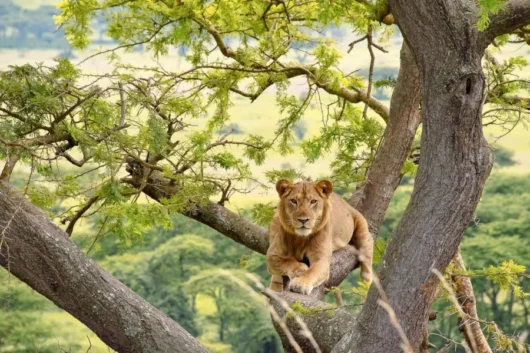
Queen Elizabeth National Park is known for wildlife including elephants, lions, hippos, buffaloes and various antelope species. The park also has famous tree-climbing lions.
54. Can I see chimpanzees in Uganda?
Yes. Uganda is one of Africa’s leading chimpanzee trekking destinations. Kibale Forest National Park is particularly renowned for chimpanzee experiences.
55. Can I combine chimpanzee trekking and gorilla trekking?
Yes. Combining chimpanzee and gorilla trekking creates an exceptional primate-focused Uganda safari.
56. What is Kibale Forest National Park famous for?
Kibale is particularly famous for its chimpanzees and rich primate diversity. It can complement a Uganda gorilla trekking itinerary.
57. Can I visit Murchison Falls on a gorilla safari?
Yes. Murchison Falls National Park can be included in a longer Uganda itinerary, allowing travelers to combine gorilla trekking with classic wildlife viewing.
58. What is Murchison Falls famous for?
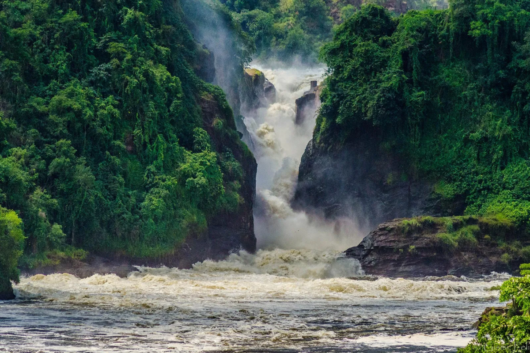
Murchison Falls is famous for the dramatic waterfall formed where the Nile River forces its way through a narrow gorge. The surrounding national park also offers excellent wildlife viewing.
59. Can I visit Kidepo Valley National Park during my Uganda safari?
Yes. Kidepo Valley can be incorporated into an extended Uganda safari for travelers interested in remote landscapes and wildlife experiences.
60. What other national parks can I visit in Uganda?
Besides Bwindi and Mgahinga, Uganda’s safari destinations include Queen Elizabeth, Kibale Forest, Murchison Falls, Kidepo Valley, Lake Mburo and Semuliki. Adeli Kenya Safaris can combine several destinations into a tailor-made itinerary.
Uganda Gorilla Safari from Kenya FAQs
61. Can I travel from Kenya to Uganda for gorilla trekking?
Yes. Uganda is accessible from Kenya by air and overland routes. Adeli Kenya Safaris can help travelers from Kenya plan a complete Uganda gorilla safari.
62. Can I book Uganda gorilla trekking from Nairobi?
Yes. Adeli Kenya Safaris is headquartered in Nairobi and offers Uganda gorilla trekking as part of its East African safari portfolio.
63. Can Adeli Kenya Safaris arrange flights to Uganda?
Adeli Kenya Safaris offers travel services that include flight reservations, allowing flight arrangements to be incorporated into a customized Uganda gorilla safari itinerary.
64. Can I combine Kenya and Uganda in one safari?
Yes. A Kenya-Uganda safari can combine destinations such as the Maasai Mara with Bwindi gorilla trekking, creating a diverse East African adventure.
65. Can I combine Maasai Mara and Uganda gorilla trekking?
Yes. The Maasai Mara and Uganda gorilla trekking make an excellent combination for travelers who want both classic African wildlife and a mountain gorilla encounter.
66. Can I combine Uganda and Rwanda gorilla trekking?
Yes. Travelers can potentially combine gorilla experiences in Uganda and Rwanda, subject to permit availability, travel logistics and applicable regulations.
67. Can I travel to Uganda from Nairobi by road?
Yes, road travel is possible, although flying may be more convenient depending on your itinerary, travel time and budget.
68. How do I get to Bwindi from Kampala or Entebbe?
Bwindi can be reached by road or air, depending on the selected itinerary and trekking sector. Adeli Kenya Safaris can arrange transfers according to the confirmed itinerary.
69. Where do I fly into for a Uganda gorilla safari?
Entebbe International Airport is Uganda’s principal international gateway. From there, travelers can continue to Bwindi or other safari destinations by road or domestic flight arrangements.
70. Can Adeli Kenya Safaris organize airport transfers in Uganda?
Yes. Airport transfers can be included in a customized Uganda gorilla trekking itinerary.
Accommodation FAQs
71. Where do I stay during a Uganda gorilla trekking safari?
Accommodation is available in lodges, hotels, guesthouses and safari properties near Bwindi and Mgahinga. Adeli Kenya Safaris can recommend accommodation according to your budget and preferred level of comfort.
72. Are there luxury lodges near Bwindi?
Yes. Bwindi has several high-end lodges offering comfortable accommodation, scenic forest surroundings and premium safari services.
73. Can Adeli Kenya Safaris arrange luxury gorilla trekking accommodation?
Yes. Adeli Kenya Safaris specializes in customized safari experiences and can incorporate premium accommodation into your Uganda gorilla itinerary, subject to availability.
74. Are there budget accommodations for gorilla trekking in Uganda?
Yes. Uganda offers accommodation across different price categories. Budget and mid-range options can help travelers manage the overall cost of their gorilla safari.
75. Can I choose my own Uganda lodge?
Yes. If you have a preferred lodge, Adeli Kenya Safaris can consider it when preparing your itinerary, subject to availability and applicable rates.
76. How close should my lodge be to the gorilla trekking starting point?
Staying relatively close to the designated trekking briefing point can make the morning of your trek easier. The best lodge location depends on the gorilla trekking sector and assigned group.
77. Can Adeli Kenya Safaris arrange meals during the safari?
Yes. Meal arrangements can be incorporated into the safari package according to the selected accommodation and itinerary.
78. Can dietary requirements be accommodated?
Travelers should communicate dietary requirements when booking. Adeli Kenya Safaris can pass these requirements to the relevant accommodation providers.
79. Can I stay in Uganda before and after gorilla trekking?
Yes. Adding pre- and post-trek nights is often useful, particularly when flights and road transfers require additional travel time.
80. Can I combine a Uganda gorilla safari with a beach holiday?
Yes. Uganda gorilla trekking can be combined with a Zanzibar beach vacation or another East African beach destination for a safari-and-beach holiday.
Responsible and Sustainable Gorilla Trekking FAQs
81. Is gorilla trekking sustainable tourism?
When properly regulated and responsibly managed, gorilla tourism can contribute to conservation, local employment and community development. Adeli Kenya Safaris emphasizes responsible and sustainable safari experiences.
82. Why is gorilla trekking important for conservation?
Revenue and employment generated through regulated tourism can support conservation programs and communities surrounding protected areas. Gorilla tourism also helps create economic incentives for protecting the species and its habitat.
83. Does gorilla trekking benefit local communities?
Responsible tourism can provide employment and business opportunities for communities around Uganda’s protected areas. Local guides, accommodation providers, porters and other service providers can benefit from tourism.
84. Should I hire a porter during gorilla trekking?
Hiring a porter can make the trek easier by carrying your daypack and providing physical support on challenging terrain. It also provides direct income to local community members.
85. Can I take photos of gorillas?
Yes, photography is permitted subject to park rules and guide instructions. Visitors should avoid using flash if prohibited and should never disturb the animals for photographs.
86. What should I do if I am sick before gorilla trekking?
Travelers who are unwell should inform their safari operator and follow the relevant health and park guidance. Gorilla trekking involves close proximity to endangered primates, so health precautions are particularly important.
87. Why are health precautions important during gorilla trekking?
Mountain gorillas are susceptible to some human illnesses. Visitors must follow health and distancing regulations designed to protect both travelers and gorillas.
88. Can I trek gorillas if I have a contagious illness?
Travelers with contagious illnesses should not participate in gorilla trekking until they are medically fit and permitted to do so under applicable wildlife regulations.
89. What should I do to protect the gorillas during my visit?
Follow your guide’s instructions, maintain the required distance, avoid touching the animals, do not feed them, avoid littering and respect all park regulations.
90. Why choose a responsible Uganda gorilla safari with Adeli Kenya Safaris?
Adeli Kenya Safaris emphasizes sustainable, responsible and purposeful African travel. Its safari philosophy focuses on experiences that benefit travelers, wildlife, local communities and the destinations visited.
Booking and Planning FAQs
91. How do I book a Uganda gorilla trekking tour with Adeli Kenya Safaris?
Contact Adeli Kenya Safaris with your preferred travel dates, number of travelers, accommodation preferences, budget and desired activities. The team can then develop a customized Uganda gorilla trekking itinerary.
92. Can Adeli Kenya Safaris create a private Uganda gorilla safari?
Yes. Private and tailor-made safari arrangements can be designed around your preferred itinerary, accommodation and travel style.
93. Can Adeli Kenya Safaris arrange a Uganda gorilla safari for couples?
Yes. Couples can choose private or customized itineraries and combine gorilla trekking with luxury accommodation, wildlife safaris and other experiences.
94. Can Adeli Kenya Safaris arrange Uganda gorilla trekking for families?
Yes. Family itineraries can be customized around the ages, interests and abilities of family members, while ensuring that all applicable gorilla trekking age requirements are met.
95. Can photographers book Uganda gorilla trekking with Adeli Kenya Safaris?
Yes. Adeli Kenya Safaris can design wildlife and photographic safari itineraries for travelers interested in documenting Uganda’s gorillas, primates, wildlife and landscapes.
96. Can I combine gorilla trekking with a chimpanzee safari?
Yes. A Uganda primate safari combining gorilla trekking in Bwindi with chimpanzee trekking in Kibale can create an exceptional wildlife itinerary.
97. Can I combine gorilla trekking with Queen Elizabeth National Park?
Yes. Queen Elizabeth National Park is a natural complement to a Bwindi gorilla trekking itinerary, providing opportunities for game drives, boat experiences and other wildlife encounters.
98. Why book Uganda gorilla trekking with Adeli Kenya Safaris?
Adeli Kenya Safaris is a Nairobi-based East African safari operator offering customized and responsible travel experiences across Kenya, Tanzania, Uganda, Rwanda and other destinations. Its Uganda portfolio includes gorilla trekking alongside broader wildlife and cultural experiences.
99. Can Adeli Kenya Safaris arrange the entire Uganda gorilla holiday?
Yes. Adeli Kenya Safaris can assist with itinerary planning, accommodation, gorilla trekking arrangements, transfers, flights and other travel services required for a seamless Uganda safari. The company’s listed travel services include tours, hotel bookings, flight reservations, car hire, conferences and travel insurance.
100. How can I get a quote for Uganda gorilla trekking from Adeli Kenya Safaris?
To receive a customized Uganda gorilla trekking quotation from Adeli Kenya Safaris, provide your preferred travel dates, number of travelers, nationality, desired accommodation level, preferred activities and approximate budget. Adeli Kenya Safaris can then tailor the itinerary to your requirements and advise you about permit and availability considerations.