
Serengeti National Park Wildebeest Migration safari tour packages
Travel is the only thing you buy that makes you rich….richer culturally, richer in friendships, richer in life experiences and richer in self reflection.


Focus on Serengeti national Park:
Voted best national park in Africa for 6+ years in a raw at the prestigious World Travel Awards
The Serengeti, a true symbol of adventure and wilderness, stands as one of Africa’s most iconic safari destinations. Spanning 14,000 of square kilometers in northern Tanzania, this all-year-round paradise, offers endless opportunities for exploration. The name “Serengeti,” from the Maasai word “Siringet,” meaning “endless plains,” perfectly describes the vast, awe-inspiring landscapes that stretch as far as the eye can see. At its heart is the legendary Great Migration – a breathtaking spectacle that sustains the region’s delicate ecological balance. Serengeti is also one of the few places in Africa where you can witness the Big Five. With so much to see, from dramatic river crossings to abundant wildlife and tranquil savannas, the Serengeti never loses its magic. This is why we focus on the Serengeti; it is a destination that never ceases to amaze and offers endless exploration for all who visit.
Serengeti national Park Regions:
The Serengeti is a year-round safari destination, with resident wildlife in every region. While each area has its peak season aligned with the Great Migration, the off seasons are equally rewarding. With the off seasons you’ll still have the chance to see incredible wildlife, with fewer vehicles around, giving you a more intimate and private safari experience. Whether you visit during the migration or the quieter months, the Serengeti promises unforgettable wildlife encounters throughout the year.
Known For: Seronera Valley’s diverse resident wildlife, bird species, and black rhinos.
Top Locations: Seronera Valley, Retina Pool, Moru & Maasai Kopjes, Simba Kopjes, Long Grass Plains.
Topography: Long grass plains, savannah, riverine areas, lakes, granite kopjes.
Wildlife: All-Year Round
Main Wildebeest Migration: April to May, herds head north through Moru Kopjes and Seronera.
Closest Airstrip: Seronera Airstrip.
Proximity to Cities: Mwanza (320KM, 6Hrs), Ngorongoro Highlands (160KM, 3.5Hrs), Arusha (310KM, 5.5Hrs).
Central Serengeti, especially Seronera Valley, is the heart of the region’s wildlife action. Here, diverse species thrive, making it perfect for year-round game viewing. The area’s rolling long grass plains, savannahs, and iconic granite kopjes offer a classic safari experience. As you journey through these landscapes, every sighting feels like a scene from a nature documentary, bringing the Serengeti’s wild wonders to life.
Getting There
- By Road from Arusha: 325 km, 7 to 8 hours
- By Air from Arusha: 50 minutes to Seronera Airstrip
- By Air from Dar/Zanzibar: 1 hour 40 minutes to Seronera Airstrip
The Seronera Valley
The Seronera Valley, nestled in the heart of the Serengeti National Park, is a dynamic paradise teeming with wildlife. Sweeping plains where acacia trees dot the horizon, casting long shadows in the golden sunlight. This region, often referred to as the “big cat capital,” is a stage for thrilling predator-prey interactions offering a front-row seat to nature’s raw drama. Year-round water sources like the Seronera River attract an astounding variety of wildlife. Each day in the Seronera Valley is a vivid, breathtaking chapter in the unending story of the wild.
Known For: Great Migration river crossings, rare Oribi antelope & black rhinos, and big cat viewing.
Top Locations: Lobo Valley, Mara River, Lamai Triangle, Wogakuria, Bologonja Springs.
Topography: Savannahs, open woodlands, riverine areas, hills, and valleys.
Main Wildebeest Migration: July to mid-November, herds migrate north in dry conditions.
Closest Airstrip: Kogatende & Lobo Airstrip.
Proximity to Cities: Mwanza (320KM, 6.5Hrs), Ngorongoro Highlands (305KM, 6Hrs), Arusha (450KM, 8.5Hrs).
The Northern Serengeti is where the Great Migration’s epic Mara River crossing unfolds. This region’s savannahs, valleys, and riverine areas set the stage for thrilling wildlife encounters. Spot elusive Black Rhinos and the rare Oribi antelope, while Lobo Valley offers unforgettable big cat sightings. Journey through open woodlands, where every turn reveals nature’s raw beauty. It’s an adventurer’s paradise, capturing the Serengeti’s untamed spirit.
Getting There
- By Road from Arusha: 410 km. Requires a night in Central Serengeti due to long driving distances.
- By Air from Arusha: 1 hour 15 minutes to Kogatende (North) Airstrip.
- By Air from Dar/Zanzibar: 1 hour 45 minutes to Kogatende (North) Airstrip.
The Mara River
Serengeti’s 10 stunning viewpoints along the Mara River, offer front-row seats to the thrilling Great Migration. Some are a short drive from popular lodges, while others require a bit more travel time, rewarding you with intimate, uncrowded views of the crossings. Viewpoints 1 to 5, closest to accommodations, can fill up by 9 AM, so arriving early is key. For quieter experiences, the more remote viewpoints showcase the breathtaking savannas and river crossings in peaceful solitude. Even in the off-season, these spots offer serene landscapes and unforgettable wildlife encounters, making the Serengeti a must-visit safari destination year-round.
Known For: Remote wilderness, the highest concentration of cheetahs, and beautiful landscapes.
Top Locations: Sametu Marsh, Naabi Hill, Gol Kopjes, Barfafu Gorge, Lemuta Hill, Lake Natron.
Topography: Short grass plains, granite kopjes, mountains, valleys.
Wildlife: All-Year Round. Close to Serengeti -Central
Main Wildebeest Migration: In December, herds move south with short rains.
Closest Airstrip: Seronera & Ndutu Airstrip.
Proximity to Cities: Mwanza (350KM, 7Hrs), Ngorongoro Highlands (190KM, 4Hrs), Arusha (320KM, 6.5Hrs).
The Eastern Serengeti’s remote wilderness invites you to explore its uncharted beauty. Known for its high concentration of cheetahs, this area’s stunning landscapes are filled with short grass plains and rugged granite kopjes. Each sunrise reveals a new adventure, as you traverse these pristine terrains. Fewer tourists mean intimate, unspoiled encounters with wildlife, making every moment feel like a hidden gem waiting to be discovered.
Getting There
- By Road from Arusha: 325 km, 7 to 8 hours
- By Air from Arusha: 50 minutes to Seronera Airstrip
- By Air from Dar/Zanzibar: 1 hour 40 minutes to Seronera Airstrip.
Semetu Marsh
The Semetu Marshland, located in the eastern Serengeti, is a captivating wetland oasis that teems with life. This lush marsh is a crucial water source, drawing a diverse array of wildlife to its verdant banks. Picture herds of elephants splashing in the shallow waters, hippos lounging in mud pools, and flocks of flamingos creating a vibrant pink carpet across the landscape. The marshland supports a unique ecosystem, making it a haven for bird watchers and nature enthusiasts. Predators, including lions, leopards and hyenas, are also drawn to this area, taking advantage of the plentiful prey. The Semetu Marshland is a testament to the Serengeti’s rich biodiversity and the intricate web of life that flourishes in these wetlands.
Known For: Migration crossing the Grumeti River, rare colobus monkeys, large herds of elephants & giraffes.
Top Locations: Ruwana Plains, Grumeti River, Mbalageti River Valley, Musabi Plains, Ikoma.
Topography: Floodplains, open woodlands, riverine areas, hills, valleys.
Wildlife: All-Year Round
Main Wildebeest Migration: In June to July, herds cross the Grumeti River, facing crocodiles.
Closest Airstrip: Ikoma Airstrip.
Proximity to Cities: Mwanza (200KM, 4Hrs), Ngorongoro Highlands (250KM, 5Hrs), Arusha (380KM, 7Hrs).
In the Western Serengeti, the Grumeti River crossing becomes a battleground during the Great Migration. As wildebeest and zebras brave crocodile-infested waters, the tension is palpable. This region also boasts serene floodplains, where elephants and giraffes roam freely. The open woodlands offer a peaceful contrast, home to rare colobus monkeys. Every safari here is a mix of intense action and serene moments, creating memories that last a lifetime.
Getting There
- By Road from Arusha: 410 km. Requires a night in Central Serengeti due to long driving distances.
- By Air from Arusha: 1 hour 15 minutes to Ikoma (West) Airstrip.
- By Air from Dar/Zanzibar: 1 hour 45 minutes to Ikoma (West) Airstrip.
The Grumeti River
The Grumeti River, a vital artery flowing through the Western Corridor of the Serengeti, is a lifeline for myriad species. This river is famed for the dramatic and often perilous crossing of the Great Migration, where throngs of wildebeest and zebras brave the crocodile infested waters. The riverbanks are lush, providing ample grazing ground and shelter for various wildlife, including hippos that wallow in its deeper pools. Predators, such as lions and hyenas, patrol the vicinity, drawn by the abundance of prey. The Grumeti River, with its blend of beauty and danger, epitomizes the raw, unfiltered essence of the African wilderness, making it a focal point for both wildlife enthusiasts and researchers.
Known For: The calving season of the Great Migration, prime viewing for filmmakers & photographers.
Top Locations: Hidden Valley, Lake Ndutu, Kusini Plains, Olduvai Gorge, Matiti Plains.
Topography: Short grass plains, lakes, small hills, valleys.
Wildlife: All-Year Round
Main Wildebeest Migration: From December to March, wildebeest calve in this area.
Closest Airstrip: Seronera & Ndutu Airstrip.
Proximity to Cities: Mwanza (370KM, 6.5Hrs), Ngorongoro Highlands (115KM, 2.5Hrs), Arusha (260KM, 5Hrs).
In the Southern Serengeti, life begins anew during the calving season. From December to March, witness thousands of wildebeest births on the vast short grass plains. This region, dotted with majestic granite kopjes, is a photographer’s dream. The tranquility of these landscapes contrasts with the vibrant life they support. Every visit captures the essence of renewal and the circle of life in this iconic safari destination.
Getting There
- By Road from Arusha: 275 km, 5 to 6 hours
- By Air from Arusha: 50 minutes to Seronera Airstrip and Ndutu Airstrip.
- By Air from Dar/Zanzibar: 1 hour 40 minutes to Seronera Airstrip and Ndutu Airstrip.
Kusini Plains
As you approach the Serengeti, the Kusini Plains stretch out before you like a vast, unending sea of golden grass. The horizon seems to dissolve into the sky, creating an almost surreal sense of boundless space. This southern gateway to the Serengeti is an iconic introduction to the park’s breathtaking grandeur. Herds of wildebeest and zebras graze across the plains, their silhouettes framed by the rising sun. The air is alive with the sounds of nature, from the distant call of a lion to the rustling of grasses in the gentle breeze. The Kusini Plains are a true embodiment of the Serengeti’s endless beauty, a perfect start to an unforgettable journey.
The complete all-year Africa wilbeest migration cycle from Serengeti in Tanznaia and Masai Mara in Kenyak:
Come experience the greatest wildlife show on earth with Adeli Kenya Safaris
Masai mara wildebeest migration
By the month of June a gentle wind ripples through the tall red oat grass, and the only animals easily visible are the slow moving elephants and giraffes, or a lone topi standing on an abandoned termite mound.
A stillness sits across the savannah and the lions of the Mara lie in the shade of the acacias, waiting in anticipation. One late morning, small specks rise up through the bushes by Sand River and within minutes become clouds of dust. A herd of a few hundred wildebeest swarms its way along and then down the dusty river bank. Some of the herd settles for a few sips of water before the throng returns and takes the thirsty back to the top of the river bank. The migration has arrived. Within a couple of days many herds of thousands of wildebeest are trampling their way through the long grass, snaking their way across to Look-Out Hill and then down to the Mara River.
Many visitors only want to see the river crossings but the true spectacle of the migration is 1,245,000 wildebeest, 200,000 Burchell’s zebra, 18,000 eland and 500,000 Thomson’s Gazelle filling the entire stretch of landscape.
The shifting columns of the herds as they traverse the valleys and the hills can only be watched in awe. There is nothing else like this on earth.
The migration is a phenomenon that started again in the early 1970s; after a widespread immunization campaign against rinderpest in cattle was there an unexpected disappearance of rinderpest among the buffalo and wildebeest.
The wildebeest had, following periodic outbreaks, being kept to around 250,000 animals but following this campaign and an increase in dry season rainfall, the population was able to grow in number and the migration spill over into the Mara. While the migratory population of Serengeti wildebeest has increased, the resident Mara wildebeest have been in steady decline.
The Mara population used to migrate from the Loita Plains to the Maasai Mara around the same time as the Serengeti population, but in recent years the herds are staying in the conservancies just outside the reserve as human activities such as agriculture have limited their migratory routes.
- JANUARY TO MARCH -Calving (birthing) season –LOCATION: Southern Serengeti.
- JANUARY TO MARCH – Intense predator action – LOCATION: Southern Serenget.
- JANUARY TO MARCH – Rutting (a period of sexual excitement, reproductive activity and mating battles between males) – LOCATION: Southern Serengeti.
- MAY TO JULY – Grumeti River crossings – LOCATION: Western Serengeti.
- JULY TO SEPTEMBER – Mara River crossings – LOCATION: Northern Serengeti & Masai Mara
- OCTOBER TO DECEMBER – On the move – LOCATION: Masai Mara & Northern Serengeti
Kenya and Tanzania host a spectacular abundance of wildlife, with the Wildebeest migration being an experience not to miss.
Giant herds of wildebeest, zebras and gazelles make a circular tour between the Serengeti National Park in Tanzania and Maasai Mara National Reserve in Kenya. Moving across ecosystems in search of green pasture, the wildebeest migration is one of the greatest Natural Wonders of the world.
The Great Migration takes a full year to complete a single cycle, which means that you can see the mega-herds throughout the year. But because the animals cover huge distances, certain highlights only happen in specific months:
✅NOTE: the above are guidelines only. The Wildebeest Migration is a year-round journey and the popular river crossings cannot be predicted, although they generally occur between May and September. Sometimes the herds stay put for two weeks, other times they could cross four times in one day
Explore Serengeti National Park:
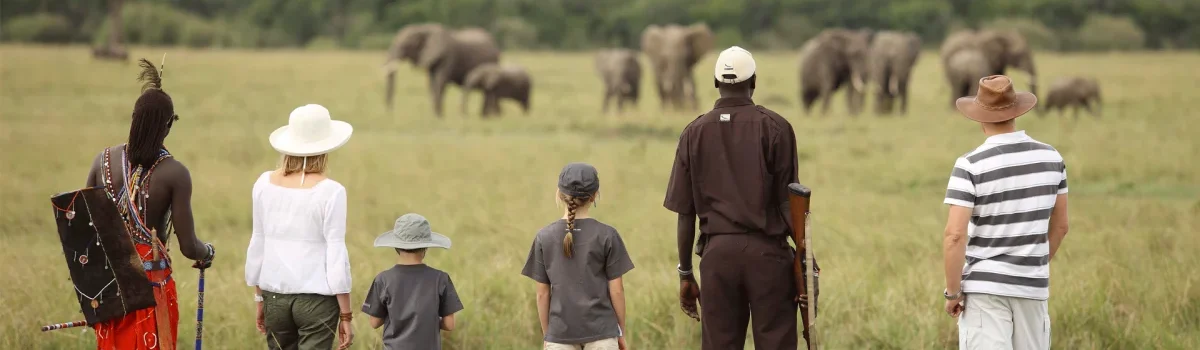
The Serengeti is one of the most iconic and famous safari destinations in the world. It is known for its vast grasslands, wildlife diversity, and the annual Great Wildebeest Migration. Visitors can witness thrilling predator-prey interactions and enjoy game drives, hot air balloon safaris, and guided walks.
The Serengeti National Park in Tanzania is vast and encompasses several regions that offer unique safari experiences. Here are some of the main Serengeti safari regions:
- Seronera: Located in the central part of the Serengeti, Seronera is known for its abundance of wildlife year-round. The region offers open grasslands, acacia woodlands, and the Seronera River, which attracts animals such as lions, leopards, cheetahs, elephants, and a variety of bird species. Seronera is a popular area for game drives and is home to several lodges and camps.
- Western Corridor: The Western Corridor lies in the western part of the Serengeti and is renowned for its dramatic river crossings during the Great Wildebeest Migration. From May to July, millions of wildebeest, zebras, and other herbivores cross the Grumeti River, attracting crocodiles and predators like lions and hyenas. This region offers thrilling wildlife sightings and excellent opportunities to witness the migration.
- Northern Serengeti: The Northern Serengeti is known for its rolling hills, riverine forests, and the Mara River, which marks the border with Kenya’s Maasai Mara Reserve. From July to October, this region is a prime location to witness the Great Wildebeest Migration as the herds cross the Mara River, providing spectacular and intense wildlife encounters. The Northern Serengeti is also known for its high concentration of big cats.
- Eastern Serengeti: The Eastern Serengeti, also known as the Soit Le Motonyi region, offers vast grasslands and is known for its excellent predator sightings. This area is less crowded compared to other regions, providing a more exclusive safari experience. The Eastern Serengeti is home to resident wildlife, including lions, cheetahs, and giraffes, making it a great destination for game drives and wildlife photography.
- Southern Serengeti: The Southern Serengeti is characterized by vast open plains and is an important calving ground during the Great Wildebeest Migration. From December to March, the herds gather here to give birth to their young, attracting predators and providing thrilling wildlife interactions. The area is also known for its abundant birdlife, including flamingos in Lake Ndutu.
These regions within the Serengeti National Park offer different landscapes, wildlife concentrations, and migration experiences throughout the year. Choosing the best region to visit depends on the specific time of year and the wildlife spectacles you wish to witness. Consulting with local tour operators or safari experts can help you plan your Serengeti safari according to your preferences and the seasonal highlights.
The Great Wildebeest migration Accross Serengeti National Park in Tanzania and Masai Mara National Reserve in Kenya:
The Great Wildebeest Migration is one of the most remarkable wildlife spectacles on Earth and occurs in the Serengeti ecosystem, which includes parts of Tanzania and Kenya’s Maasai Mara Reserve. The migration is an annual movement of millions of wildebeest, zebras, and other herbivores in search of fresh grazing and water.
The migration follows a cyclical pattern influenced by rainfall and food availability. Here is a general overview of the migration:
- December to March (Calving Season): The migration begins in the southern Serengeti during the months of December to March. This period is known as the calving season when the wildebeest give birth to their young. It is a time of plenty, with lush green grass attracting predators like lions, cheetahs, and hyenas.
- April to May (Long Rains): As the rains continue, the herds start moving northwest, crossing the central and western Serengeti. They can be found in the Grumeti River area, facing the challenge of crossing crocodile-infested waters. This is a less predictable period for migration movements.
- June to July (Grumeti River Crossing): The wildebeest herds make their way to the western corridor of the Serengeti and face the formidable Grumeti River. The river crossings are dramatic and intense, with wildebeest bravely leaping into the water while evading lurking crocodiles. This is a highly sought-after spectacle for wildlife enthusiasts.
- July to October (Northern Serengeti and Maasai Mara): By July, the migration reaches the northern Serengeti, where the herds must cross the Mara River into Kenya’s Maasai Mara Reserve. These river crossings are the highlight of the migration, as the wildebeest navigate through strong currents and predators. The herds stay in the Maasai Mara until October, feeding on the abundant grasses before heading back to Tanzania.
- November to December (Return to Southern Serengeti): As the short rains begin, the herds start their journey back to the southern Serengeti, completing the cycle. They graze along the way, providing excellent wildlife viewing opportunities.
It’s important to note that the exact timing and movement of the migration can vary each year, influenced by rainfall patterns. To witness the migration, it’s recommended to plan your visit to the Serengeti and Maasai Mara accordingly, taking into account the different regions and river crossings during specific times of the year. Local tour operators and guides can provide up-to-date information and help you plan your safari to experience this incredible natural phenomenon.
Best safari lodges & tented camps in Serengeti National Park Tanzania:
Serengeti National Park in Tanzania is home to numerous outstanding safari lodges and tented camps. Here are some of the best options in the park:
- Singita Sasakwa Lodge: Located in the Grumeti Reserves, Singita Sasakwa Lodge offers luxurious accommodations and stunning views of the Serengeti plains. The lodge features elegant suites and cottages, excellent dining options, a spa, and a swimming pool. Guests can enjoy game drives, guided walks, and horseback safaris.
- &Beyond Grumeti Serengeti Tented Camp: Situated in the western corridor of the Serengeti, this intimate tented camp provides a classic safari experience. The camp offers spacious tents with en-suite bathrooms and a comfortable lounge area. Guests can explore the wildlife-rich area through game drives and guided walks.
- Serengeti Bushtops: Known for its high-quality service and attention to detail, Serengeti Bushtops offers luxury tented accommodations with panoramic views of the Serengeti. Each tent has a private hot tub and a deck for relaxing and wildlife viewing. The camp provides game drives, hot air balloon safaris, and bush picnics.
- Sayari Camp: Located in the northern Serengeti, Sayari Camp offers spacious and stylish tented suites with en-suite bathrooms and private verandas. The camp provides an excellent vantage point for witnessing the Great Wildebeest Migration and offers game drives and guided walks.
- Serengeti Migration Camp: Situated in the northern Serengeti near the Mara River, Serengeti Migration Camp offers comfortable tented accommodations. The camp provides an ideal base for witnessing the river crossings during the migration and offers game drives and guided walks.
- Lemala Kuria Hills: Located in the Wogakurya Hills in the northern Serengeti, Lemala Kuria Hills offers luxurious tented suites with private plunge pools and stunning views. The camp provides exceptional game viewing opportunities, including during the Great Migration, and offers game drives and bush walks.
- Serengeti Serena Safari Lodge: Situated in the central Serengeti, Serengeti Serena Safari Lodge offers comfortable accommodations with panoramic views of the grasslands. The lodge features a traditional Maasai-inspired design, a swimming pool, and a restaurant. Game drives and guided walks are available.
- Four Seasons Safari Lodge Serengeti: This luxury lodge is located in the central Serengeti and offers elegant accommodations, a spa, multiple dining options, and a swimming pool. Guests can enjoy game drives, hot air balloon safaris, and visits to a local Maasai village.
These are just a few examples of the best safari lodges and tented camps in the Serengeti National Park. Each property provides a unique experience, but they all offer exceptional service, comfort, and wildlife viewing opportunities. When choosing a lodge or camp, consider your preferences, budget, and desired location within the park. It’s advisable to consult with reputable & reliable tour operators like Adeli Kenya Safaris or travel experts who can assist in selecting the best accommodation for your Serengeti safari.