


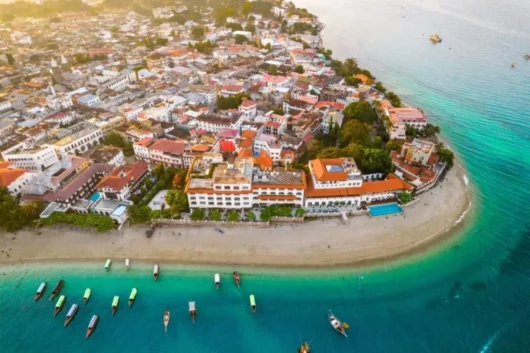


Zanzibar Beach vacations & holidays with Adeli Kenya Safaris
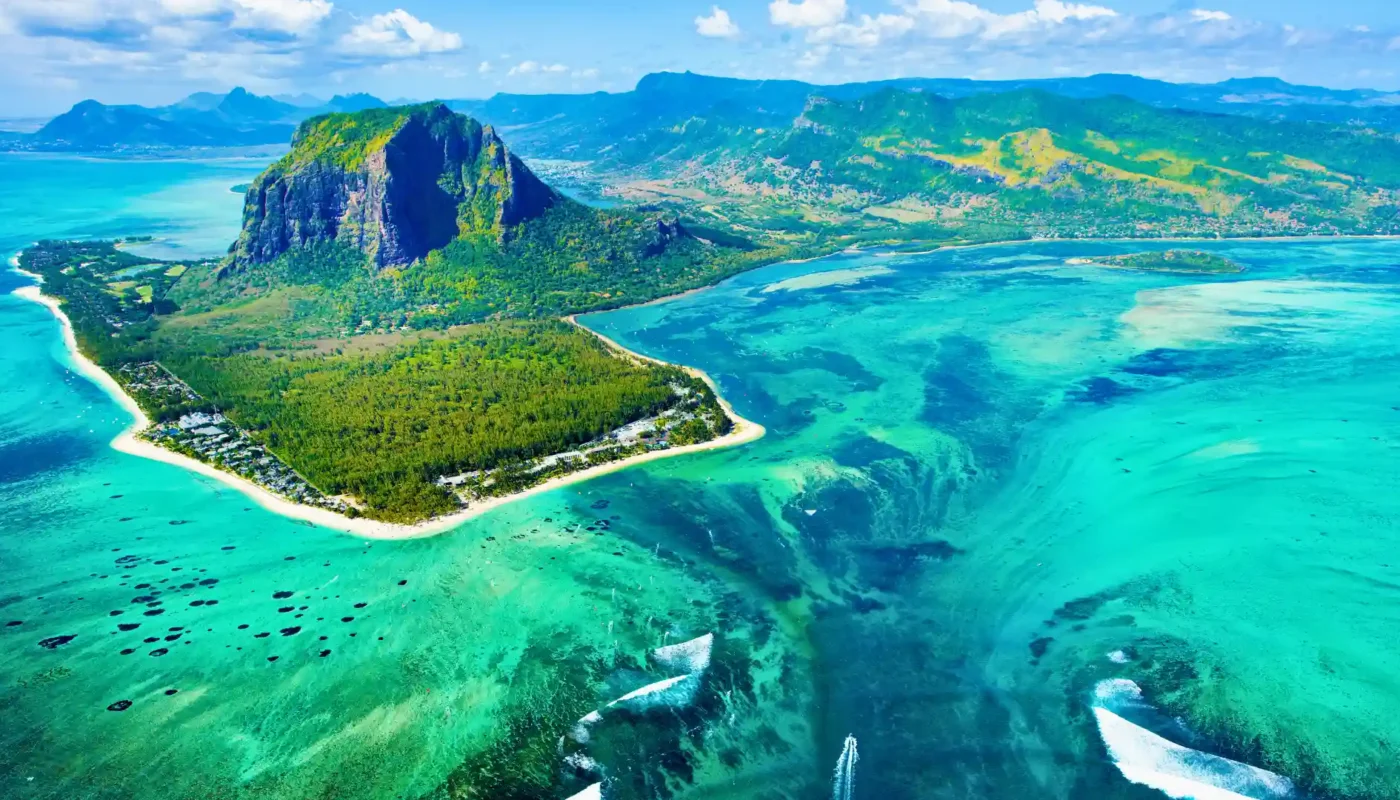
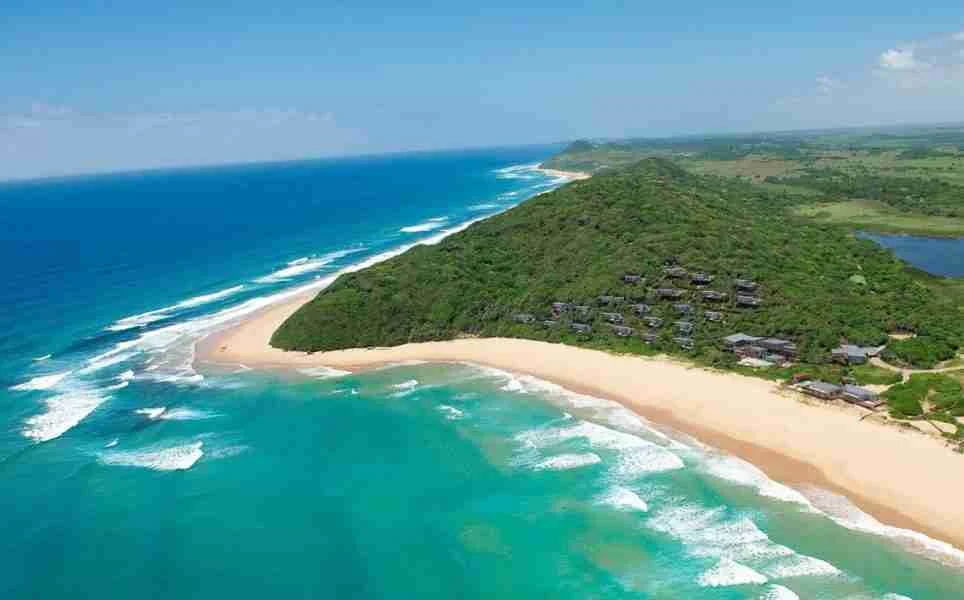
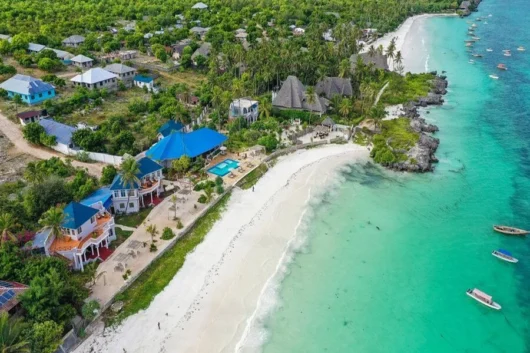
Discover paradise on the Indian Ocean with Zanzibar Beach Vacations & holidays by Adeli Kenya Safaris, offering unforgettable island escapes filled with pristine white-sand beaches, turquoise waters, rich Swahili culture, and world-class hospitality. Zanzibar is one of Africa’s most sought-after beach holiday destinations, perfect for honeymooners, families, couples, luxury travelers, and adventure seekers looking for a tropical getaway after an East African safari.
Our expertly designed Zanzibar vacation packages combine relaxation, culture, and adventure, giving travelers access to stunning beaches such as Nungwi, Kendwa, Paje, Jambiani, Matemwe, and Stone Town’s historic coastline. Whether you prefer luxury beach resorts, all-inclusive beach holidays, budget beachfront stays, private island escapes, or honeymoon beach packages, Adeli Kenya Safaris ensures a seamless and memorable experience.
Zanzibar offers a perfect blend of beach relaxation and cultural discovery, where visitors can explore the UNESCO-listed Stone Town, spice farms, traditional Swahili villages, and vibrant local markets. Water activities include snorkeling, scuba diving, dolphin tours, dhow sailing, deep-sea fishing, and sunset cruises across the Indian Ocean.
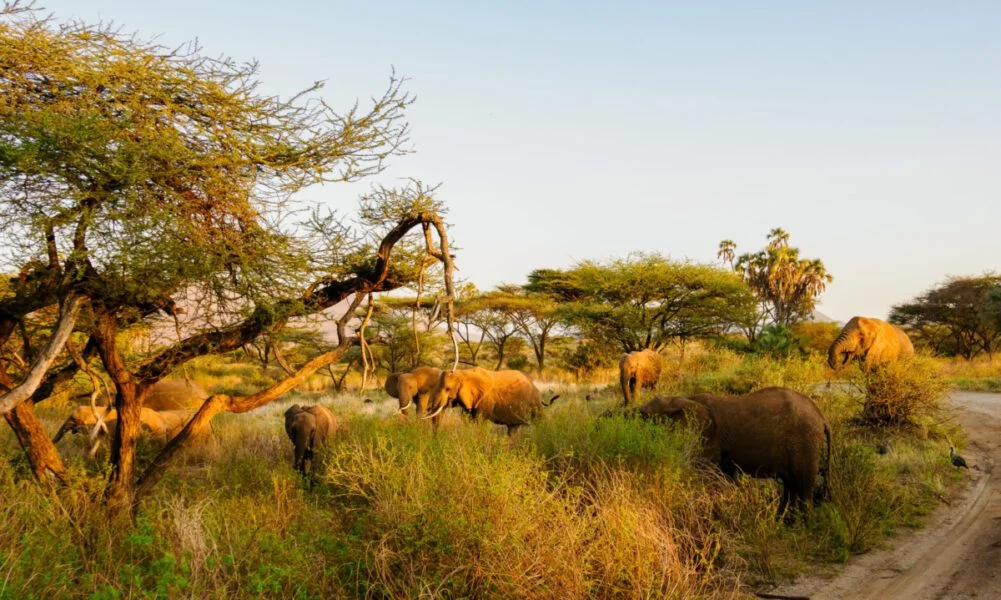
Our Zanzibar beach holiday packages can also be combined with Kenya or Tanzania safari adventures, allowing travelers to enjoy the ultimate East African experience—wildlife safaris followed by tropical beach relaxation.
At Adeli Kenya Safaris, we prioritize sustainable tourism, local community support, and personalized travel experiences, ensuring every Zanzibar vacation is meaningful, relaxing, and unforgettable.
Zanzibar Beach Vacations FAQs: 100 Frequently Asked Questions
General Zanzibar Beach Vacation FAQs
1. What are Zanzibar beach vacations?
Zanzibar beach vacations are holidays combining the island’s white-sand beaches, turquoise Indian Ocean waters, tropical resorts, cultural attractions and exciting activities. Adeli Kenya Safaris offers customizable Zanzibar beach holiday packages for travelers seeking relaxation, romance, adventure or a combination of experiences.
2. Why should I choose Zanzibar for a beach vacation?
Zanzibar is an excellent beach destination because it combines beautiful tropical beaches with fascinating Swahili culture, historic Stone Town, spice plantations, marine activities and a wide selection of resorts. Adeli Kenya Safaris can help you create a Zanzibar holiday around your interests, budget and preferred travel dates.
3. Where is Zanzibar located?
Zanzibar is an archipelago in the Indian Ocean off the coast of Tanzania in East Africa. The main tourist island is Unguja, commonly called Zanzibar, while Pemba Island is another important island in the archipelago.
4. Is Zanzibar part of Tanzania?
Yes. Zanzibar is part of the United Republic of Tanzania and has its own semi-autonomous government. It is one of East Africa’s most popular beach holiday destinations.
5. Is Zanzibar good for a first-time African holiday?
Yes. Zanzibar is particularly attractive for first-time visitors because it offers beautiful beaches, comfortable resorts, cultural experiences and numerous activities within a relatively compact destination. Adeli Kenya Safaris can arrange a customized itinerary for first-time travelers.
6. How many days do I need for a Zanzibar beach holiday?
A stay of 4 to 7 days works well for many travelers. Shorter packages can focus on beach relaxation and selected excursions, while longer Zanzibar holidays allow time for Stone Town, spice tours, marine activities and different beach areas.
7. Can Adeli Kenya Safaris customize my Zanzibar holiday?
Yes. Adeli Kenya Safaris specializes in tailor-made travel and can customize your Zanzibar holiday according to your dates, accommodation preference, budget, activities and travel interests.
8. Does Adeli Kenya Safaris offer Zanzibar holidays from Nairobi?
Yes. Adeli Kenya Safaris promotes Zanzibar holiday packages from Nairobi and can help arrange a seamless trip combining flights, accommodation, transfers, excursions and other travel arrangements according to the selected itinerary.
9. Does Adeli Kenya Safaris offer private Zanzibar holidays?
Yes. Adeli Kenya Safaris can arrange private and customized holiday experiences, allowing travelers to personalize accommodation, activities, transfers and itinerary details.
10. Can I combine a Zanzibar holiday with a safari?
Yes. Zanzibar can be combined with a Kenya or Tanzania safari. Popular combinations include Kenya safari and Zanzibar beach holidays, Masai Mara and Zanzibar packages, and Tanzania safari and Zanzibar holidays.
Zanzibar Beaches and Resorts FAQs
11. What are the best beaches in Zanzibar?
Popular Zanzibar beaches include Nungwi, Kendwa, Matemwe, Paje, Bwejuu and Michamvi. Each offers a different atmosphere, from lively beach experiences to peaceful romantic escapes.
12. Which is the best beach in Zanzibar for a luxury holiday?
Nungwi, Kendwa, Matemwe and Michamvi all have high-end resorts and villas suitable for luxury travelers. The best choice depends on whether you prioritize nightlife, tranquility, diving, privacy or romantic beachfront accommodation.
13. Is Nungwi Beach good for a Zanzibar holiday?
Yes. Nungwi is one of Zanzibar’s most popular beach destinations and is known for beautiful beaches, water activities, restaurants, resorts and lively evening entertainment.
14. Is Kendwa Beach good for couples?
Yes. Kendwa is particularly appealing to couples because of its beautiful beach, relaxed atmosphere, spectacular sunsets and selection of romantic resorts.
15. What is Matemwe Beach known for?
Matemwe Beach is known for its white sandy shoreline, turquoise waters and peaceful atmosphere. It is a strong choice for travelers looking for a quieter Zanzibar beach vacation.
16. Is Paje Beach good for water sports?
Yes. Paje is especially popular for water sports, including kitesurfing and other ocean activities. It also has a youthful and relaxed beach atmosphere.
17. What is Bwejuu Beach like?
Bwejuu is a quieter beach destination on Zanzibar’s southeast coast, making it suitable for travelers looking for relaxation, privacy and a more peaceful tropical environment.
18. Is Michamvi good for a romantic Zanzibar vacation?
Yes. Michamvi is well suited to romantic escapes because of its relatively secluded beaches, beautiful sunsets and intimate resort options.
19. Which Zanzibar beach is best for families?
Nungwi, Kendwa and selected areas around Matemwe can work well for families, depending on the resort, beach conditions and children’s activities. Adeli Kenya Safaris can recommend accommodation based on your family requirements.
20. Which Zanzibar beach is best for honeymooners?
Kendwa, Matemwe, Nungwi and Michamvi are popular choices for honeymooners. The best location depends on whether you prefer privacy, luxury, activities or easy access to restaurants and entertainment.
Zanzibar Accommodation FAQs
21. What types of accommodation are available in Zanzibar?
Zanzibar offers luxury resorts, boutique hotels, beachfront villas, mid-range hotels, guesthouses and budget accommodation. Adeli Kenya Safaris can recommend options according to your preferred comfort level and budget.
22. Can Adeli Kenya Safaris book Zanzibar beach resorts?
Yes. Adeli Kenya Safaris offers Zanzibar holiday packages that can include carefully selected beach resorts and hotels based on availability, budget, location and travel preferences.
23. Are there luxury beach resorts in Zanzibar?
Yes. Zanzibar has numerous luxury beachfront resorts offering private beaches, swimming pools, restaurants, spas, water activities and premium accommodation.
24. Are Zanzibar holidays available on a budget?
Yes. Zanzibar can be enjoyed on different budgets. Choosing mid-range hotels, shorter stays, shared excursions and travel during lower-demand periods can help reduce costs.
25. Can I book an all-inclusive Zanzibar holiday?
Yes. Depending on the selected resort, all-inclusive accommodation may be available. Adeli Kenya Safaris can help identify suitable options based on your preferred dates and budget.
26. Are beachfront hotels worth it in Zanzibar?
For many travelers, yes. Beachfront accommodation provides convenient access to the ocean and can enhance the overall tropical holiday experience.
27. Can I choose my own Zanzibar resort?
Yes. If you already have a preferred resort, you can tell Adeli Kenya Safaris when requesting your customized itinerary, subject to availability and applicable rates.
28. Can Zanzibar accommodation be arranged for honeymooners?
Yes. Honeymoon accommodation can include beachfront rooms, private villas, romantic dining, resort experiences and other enhancements depending on the property.
29. Can Adeli Kenya Safaris arrange family-friendly Zanzibar accommodation?
Yes. Family travel can be customized around room configurations, children’s ages, meal arrangements, activities, transfers and preferred resort locations.
30. Can I upgrade my Zanzibar accommodation?
Yes. Travelers can request upgrades to higher accommodation categories or luxury resorts, subject to availability and additional costs.
Zanzibar Activities and Excursions FAQs
31. What are the best things to do in Zanzibar?
Popular activities include visiting Stone Town, taking a spice tour, exploring Jozani Forest, visiting Prison Island, dolphin excursions, snorkeling, diving, sunset dhow cruises, deep-sea fishing and relaxing on Zanzibar’s beaches.
32. What is a Zanzibar Spice Tour?
A Zanzibar Spice Tour takes visitors to spice-growing areas where they can learn about cloves, cinnamon, nutmeg and other spices that contributed to Zanzibar’s reputation as the “Spice Island.”
33. Is the Stone Town tour worth doing?
Yes. Stone Town offers an opportunity to explore Zanzibar’s history, architecture, markets, narrow streets and Swahili cultural heritage.
34. What is Stone Town famous for?
Stone Town is famous for its historic architecture, Swahili culture, markets, old buildings, narrow streets and long history as a major Indian Ocean trading center.
35. Can I visit Stone Town during a beach vacation?
Yes. A Stone Town tour can easily be incorporated into many Zanzibar beach holiday itineraries.
36. What is Prison Island Zanzibar?
Prison Island, also known as Changuu Island, is a small island near Stone Town known for its history, marine environment and giant Aldabra tortoises.
37. Can I visit Prison Island from Zanzibar?
Yes. Prison Island can be visited by boat from the Stone Town area and is commonly included in Zanzibar excursion itineraries.
38. What is Jozani Forest?
Jozani Forest is a protected natural area in Zanzibar known particularly for the Zanzibar red colobus monkey. Visitors can explore the forest on guided nature walks.
39. Can I see wildlife in Zanzibar?
Yes. Zanzibar offers nature and wildlife experiences, including the Zanzibar red colobus monkey at Jozani Forest, marine life, dolphins, sea turtles and other coastal species.
40. Are dolphin tours available in Zanzibar?
Yes. Dolphin excursions are among the popular marine activities available in Zanzibar, particularly around the southern coast.
41. Can I swim with dolphins in Zanzibar?
Some dolphin excursions may offer opportunities to encounter dolphins in their natural environment. Responsible operators should prioritize animal welfare and avoid practices that unnecessarily disturb wildlife.
42. What is a Zanzibar sunset dhow cruise?
A sunset dhow cruise is a traditional sailing experience where visitors travel along the Zanzibar coastline on a dhow while enjoying the sunset and ocean scenery.
43. Is snorkeling available in Zanzibar?
Yes. Zanzibar’s coral reefs and tropical waters provide opportunities for snorkeling, with colorful fish and other marine life commonly encountered at suitable sites.
44. Is scuba diving available in Zanzibar?
Yes. Zanzibar is a popular diving destination with coral reefs, tropical marine life and several diving locations around the islands.
45. Can I go deep-sea fishing in Zanzibar?
Yes. Deep-sea fishing is one of the activities available to visitors, with trips generally organized according to weather, season and sea conditions.
46. Can I go kayaking in Zanzibar?
Yes. Depending on the location and resort, kayaking and other non-motorized water activities may be available.
47. Can I go kitesurfing in Zanzibar?
Yes. Paje is particularly well known for kitesurfing and attracts travelers interested in wind and water sports.
48. Are Zanzibar excursions suitable for families?
Many Zanzibar excursions are family-friendly, although suitability depends on children’s ages, activity requirements and sea conditions. Adeli Kenya Safaris can help select appropriate activities.
49. Can I book Zanzibar excursions separately?
Yes. Excursions can be incorporated into a customized Zanzibar itinerary or arranged as individual experiences depending on your travel plans.
50. Can I combine several Zanzibar excursions in one holiday?
Yes. A customized itinerary can combine activities such as a Stone Town tour, spice tour, Jozani Forest visit, dolphin excursion and sunset dhow cruise while still allowing plenty of beach relaxation.
Zanzibar Honeymoon FAQs
51. Is Zanzibar a good honeymoon destination?
Yes. Zanzibar is one of East Africa’s most popular romantic beach destinations, offering white-sand beaches, luxury resorts, tropical scenery, sunsets and private experiences.
52. Can Adeli Kenya Safaris arrange Zanzibar honeymoon packages?
Yes. Adeli Kenya Safaris can customize Zanzibar honeymoon packages around accommodation preferences, activities, duration and budget.
53. Which Zanzibar beach is best for honeymooners?
Kendwa, Matemwe, Michamvi, Nungwi and other quieter beachfront areas can be excellent honeymoon choices depending on the couple’s preferred atmosphere.
54. Can I combine a safari with my Zanzibar honeymoon?
Yes. A safari-and-Zanzibar honeymoon combines wildlife adventure with tropical beach relaxation. Kenya’s Maasai Mara or Tanzania’s Serengeti can be paired with Zanzibar.
55. Can my Zanzibar honeymoon include romantic experiences?
Yes. Depending on the resort and itinerary, romantic experiences can include sunset cruises, private dinners, spa treatments, beachfront accommodation and other special arrangements.
56. How long should a Zanzibar honeymoon last?
A 5-7 night stay is popular for honeymooners, although longer holidays allow couples to combine beach relaxation with cultural and marine excursions.
57. Is Zanzibar suitable for an anniversary vacation?
Yes. Zanzibar works well for anniversaries, birthdays and other special occasions, particularly when combined with upgraded accommodation and customized experiences.
58. Can Adeli Kenya Safaris arrange special honeymoon surprises?
Special requests can be discussed during itinerary planning. Depending on the resort and availability, enhancements may include room decorations, romantic dinners or special celebrations.
59. Is Zanzibar romantic outside the beach resorts?
Yes. Couples can explore Stone Town, enjoy sunset dhow cruises, visit spice farms, experience local cuisine and discover Zanzibar’s cultural heritage together.
60. Can a Zanzibar honeymoon be customized to my budget?
Yes. Adeli Kenya Safaris can customize the accommodation, duration, activities and transport arrangements to create a Zanzibar honeymoon that fits your preferred budget.
Zanzibar Family Holiday FAQs
61. Is Zanzibar good for family holidays?
Yes. Zanzibar offers family-friendly beaches, resorts, cultural experiences, marine activities and nature excursions.
62. Can children travel to Zanzibar?
Yes. Families with children can travel to Zanzibar, although parents should consider accommodation facilities, travel times, activities, swimming conditions and individual children’s needs.
63. Are Zanzibar resorts child-friendly?
Many resorts cater to families, although facilities vary. Adeli Kenya Safaris can help identify suitable accommodation based on children’s ages and your requirements.
64. Can I take a baby to Zanzibar?
Families can travel with infants, but should plan carefully around flights, transfers, accommodation, food, health considerations and access to essential services.
65. What activities can children enjoy in Zanzibar?
Depending on age and conditions, children may enjoy beach activities, selected boat trips, snorkeling, nature walks, cultural visits and resort activities.
66. Can Adeli Kenya Safaris arrange family rooms?
Family room arrangements can be requested during booking and are subject to the selected hotel’s room configuration and availability.
67. Can I combine a Kenya family safari with Zanzibar?
Yes. A Kenya family safari followed by a Zanzibar beach holiday can provide a balanced combination of wildlife, education, adventure and relaxation.
68. Are Zanzibar holidays suitable for multigenerational families?
Yes. Zanzibar can work well for groups containing children, parents and grandparents when accommodation, transfers and activities are selected carefully.
69. Can family Zanzibar packages include private transfers?
Yes. Private airport and hotel transfers can be incorporated into customized Zanzibar itineraries where available.
70. Can Adeli Kenya Safaris plan a family Zanzibar itinerary?
Yes. Families can provide their travel dates, group size, children’s ages, accommodation preferences and activities, allowing Adeli Kenya Safaris to create a customized itinerary.
Zanzibar Travel Planning FAQs
71. What is the best time to visit Zanzibar?
Zanzibar can be visited throughout much of the year. The generally drier periods are often considered favorable for beach holidays, while seasonal rainfall can occur during other periods. Travelers should choose dates based on weather preferences, activities and budget.
72. Is Zanzibar hot throughout the year?
Zanzibar has a tropical climate with warm temperatures for much of the year. Humidity, rainfall and sea conditions vary seasonally.
73. Does Zanzibar have a rainy season?
Yes. Zanzibar experiences seasonal rainfall, including periods commonly referred to as the long and short rains. Weather patterns can vary from year to year.
74. Can I visit Zanzibar during the rainy season?
Yes. Rain does not necessarily last throughout the day, and travelers can often enjoy Zanzibar during wetter periods. Lower-season travel may also offer attractive accommodation rates.
75. How far in advance should I book a Zanzibar holiday?
Booking several months ahead is advisable for peak travel periods, honeymoon trips, popular resorts and specific room categories. Early booking also provides more accommodation choices.
76. Can Adeli Kenya Safaris arrange last-minute Zanzibar holidays?
Last-minute arrangements may be possible depending on flight and accommodation availability. However, advance booking is recommended for better choice and planning.
77. What should I pack for a Zanzibar beach holiday?
Pack lightweight clothing, swimwear, sun protection, comfortable footwear, insect repellent, personal medications, travel documents and appropriate clothing for cultural visits.
78. What should women wear in Zanzibar?
Beachwear is appropriate at beaches and resorts, but modest clothing is recommended when visiting villages, Stone Town and other local or religious areas.
79. Is Zanzibar suitable for solo travelers?
Yes. Zanzibar can be an excellent destination for solo travelers, offering beaches, excursions, cultural attractions and organized activities.
80. Is Zanzibar suitable for couples?
Yes. Zanzibar is especially popular with couples because of its romantic beaches, resorts, sunsets, water activities and private experiences.
Zanzibar Travel Documents and Practical FAQs
81. Do I need a passport to travel to Zanzibar?
International travelers generally need a valid passport and must meet Tanzania’s entry requirements. Requirements can vary by nationality.
82. Do I need a visa to visit Zanzibar?
Visa requirements depend on your nationality and current Tanzanian immigration regulations. Travelers should verify the applicable requirements before departure.
83. Can Adeli Kenya Safaris help with Zanzibar travel planning?
Yes. Adeli Kenya Safaris can assist with itinerary planning, accommodation, transfers, excursions and other travel arrangements while advising travelers to verify official entry requirements.
84. What currency is used in Zanzibar?
The Tanzanian shilling is the local currency. Major tourist establishments may also accept widely used foreign currencies and cards, although payment options vary.
85. Can I use credit cards in Zanzibar?
Credit and debit cards are accepted at many hotels and tourist establishments, but travelers should carry some local currency for smaller purchases and places with limited card facilities.
86. Is internet available in Zanzibar?
Yes. Many hotels and resorts offer Wi-Fi, and mobile networks provide connectivity in many populated areas. Coverage and speeds can vary by location.
87. Is Zanzibar safe for tourists?
Zanzibar is a major tourist destination, but normal travel precautions are advisable. Travelers should take care of valuables, follow local advice and use reputable operators for excursions and transfers.
88. Do I need travel insurance for Zanzibar?
Travel insurance is strongly recommended because it can provide protection against eligible medical expenses, trip interruptions, cancellations, baggage problems and other unforeseen circumstances.
89. Do I need vaccinations for Zanzibar?
Health requirements and recommendations depend on your nationality, travel history and current regulations. Travelers should consult an appropriate medical professional and check official requirements before travel.
90. Can I get medical assistance in Zanzibar?
Medical facilities are available, particularly in major populated and tourist areas, although facilities vary. Comprehensive travel insurance and appropriate preparation are recommended.
Kenya, Tanzania Safari and Zanzibar Combination FAQs
91. Can I combine a Kenya safari with a Zanzibar beach holiday?
Yes. A Kenya safari followed by a Zanzibar beach vacation is an excellent East African combination. Adeli Kenya Safaris offers customized Kenya safari and Zanzibar holiday arrangements.
92. Can I combine the Maasai Mara with Zanzibar?
Yes. A Maasai Mara safari can be followed by a relaxing Zanzibar beach stay. Adeli Kenya Safaris promotes Maasai Mara and Zanzibar flying packages among its Zanzibar holiday offerings.
93. Can I combine a Tanzania safari with Zanzibar?
Yes. Tanzania safari and Zanzibar combinations are particularly convenient because Zanzibar is part of Tanzania. Adeli Kenya Safaris offers itineraries combining destinations such as Serengeti, Ngorongoro and Tarangire with Zanzibar.
94. Can I fly from Nairobi to Zanzibar?
Yes. Air connections make Zanzibar a convenient addition to a Kenya holiday, and Adeli Kenya Safaris promotes Zanzibar beach holiday packages from Nairobi.
95. How long should I spend on safari before Zanzibar?
This depends on your interests. A 4-7 day safari followed by 4-6 nights in Zanzibar can provide a balanced combination of wildlife and beach relaxation, but Adeli Kenya Safaris can customize the duration.
96. Can I visit Zanzibar after the Great Migration safari?
Yes. A Maasai Mara or Serengeti migration safari can be followed by a Zanzibar beach vacation, creating a combination of wildlife viewing and tropical relaxation.
97. Can Adeli Kenya Safaris arrange the entire safari and Zanzibar trip?
Yes. Adeli Kenya Safaris can customize multi-destination East African itineraries covering safari, flights, accommodation, transfers and beach experiences. Its website describes a personalized booking process based on travel dates, group size, destinations and budget.
98. Why book a Zanzibar beach holiday with Adeli Kenya Safaris?
Adeli Kenya Safaris combines local East African destination knowledge with customized travel planning, carefully selected accommodation and personalized itineraries. The company is based in Nairobi and specializes in Kenya, Tanzania and Zanzibar travel experiences.
99. How do I get a customized Zanzibar holiday quote from Adeli Kenya Safaris?
You can contact Adeli Kenya Safaris with your preferred travel dates, number of travelers, budget, accommodation preference, activities and any special requirements. The team can then develop a customized itinerary and quotation.
100. How can I book a Zanzibar beach vacation with Adeli Kenya Safaris?
To book a Zanzibar beach vacation, contact Adeli Kenya Safaris and share your travel dates, group size, preferred accommodation, budget and desired experiences. The team can customize your Zanzibar holiday around your interests and requirements.