South Korea Holiday Tour Packages from Kenya
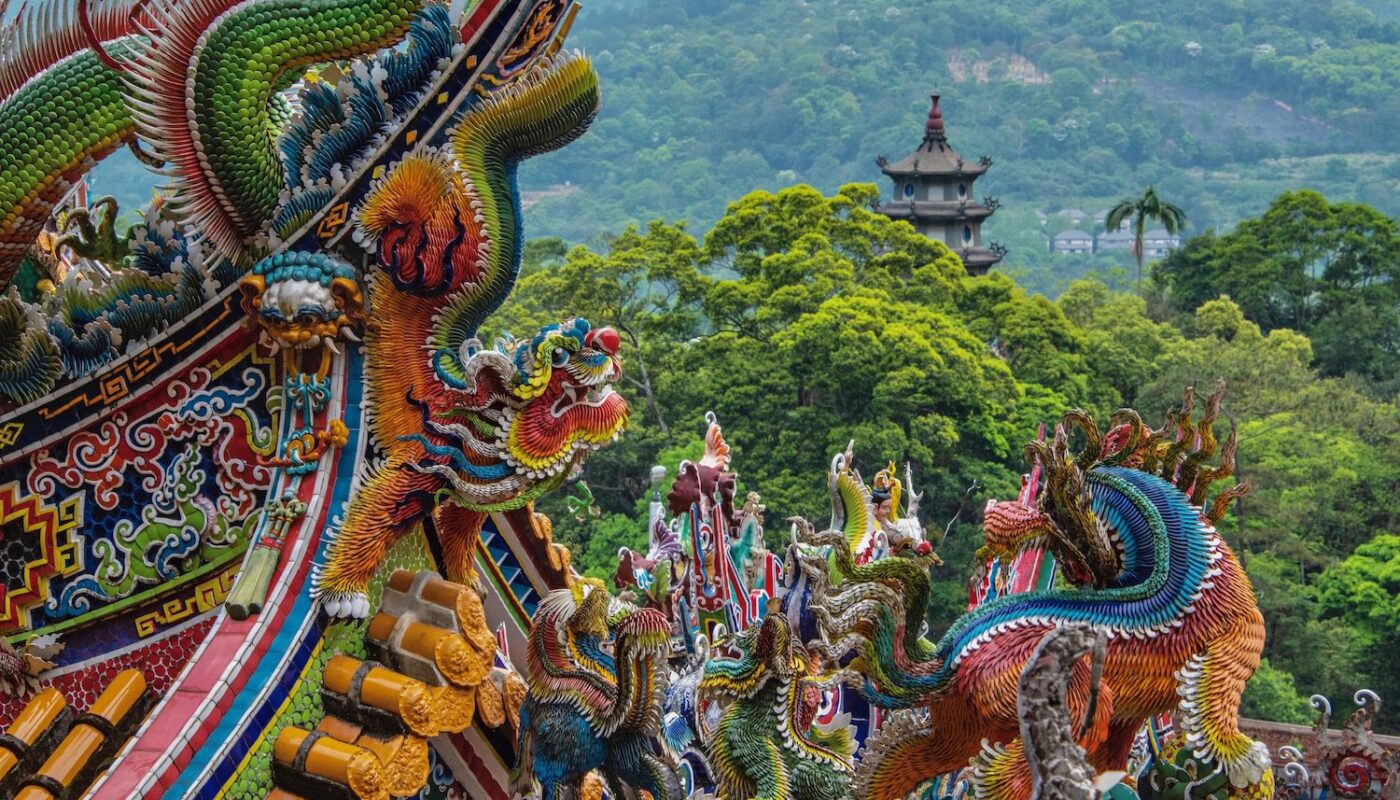
Discover the beauty, culture and modern attractions of South Korea with tailor-made South Korea holiday tour packages from Kenya by Adeli Kenya Safaris. From the vibrant streets of Seoul and the historic royal palaces of Gyeongbokgung to the coastal scenery of Busan, the volcanic landscapes of Jeju Island and the traditional villages of Gyeongju, South Korea offers an unforgettable holiday experience for Kenyan travellers.
South Korea is a fascinating destination where ancient traditions meet modern lifestyles. You can explore centuries-old palaces, experience the excitement of K-pop, shop for Korean fashion and beauty products, enjoy authentic Korean cuisine and discover some of Asia’s most beautiful coastal and mountain landscapes.
Whether you are planning a family holiday, honeymoon, shopping trip, cultural adventure, luxury escape or first-time visit to Asia, Adeli Kenya Safaris can help you organise a personalised South Korea holiday from Nairobi.
South Korea Holiday Packages from Kenya with Adeli Kenya Safaris
South Korea offers a wonderful combination of history, entertainment, shopping, technology, nature and culinary experiences. Its excellent transport network makes it possible to explore several destinations during one holiday.
Our South Korea holiday packages can be customised around your preferred destinations, travel dates, accommodation standards, activities and budget.
Depending on your interests, your holiday can include:
-
Seoul city sightseeing and cultural tours.
-
Visits to royal palaces and traditional Korean villages.
-
K-pop and Korean entertainment experiences.
-
Korean drama filming locations.
-
Shopping in Myeongdong, Hongdae, Gangnam and Dongdaemun.
-
Traditional Korean food tours.
-
Visits to Busan’s beaches, markets and coastal attractions.
-
Jeju Island sightseeing and nature excursions.
-
Gyeongju historical and cultural tours.
-
Mountain scenery, hiking and national parks.
-
Luxury hotels and traditional Korean accommodation.
-
Family-friendly attractions and theme parks.
-
Romantic experiences for honeymooners.
-
Seasonal experiences, including cherry blossoms and autumn foliage.
-
Combined South Korea and Japan holidays.
-
Multi-country Asian holiday packages.
Why Visit South Korea?
South Korea has become one of Asia’s most exciting travel destinations. Its combination of modern cities, historic attractions, natural scenery and internationally recognised entertainment culture makes it suitable for a wide range of travellers.
1. Explore the vibrant city of Seoul
Seoul is one of Asia’s most fascinating capital cities. It combines historic royal palaces, modern skyscrapers, traditional markets, fashionable shopping districts and exciting entertainment venues.
Visitors can explore centuries-old buildings, enjoy panoramic city views, experience Korean street food and discover the country’s modern lifestyle.
2. Discover Korean history and traditions
South Korea has a rich cultural heritage shaped by ancient kingdoms, royal dynasties, Buddhism and Confucian traditions.
Historic palaces, temples, museums and traditional villages offer opportunities to understand the country’s history and cultural identity.
3. Experience K-pop and Korean entertainment
South Korea is the international centre of K-pop and a major destination for fans of Korean dramas, films and entertainment.
Visitors can explore music-related attractions, entertainment districts, merchandise shops, themed cafés and selected filming locations.
4. Enjoy beautiful islands and beaches
South Korea has attractive coastal destinations and islands. Jeju Island is particularly famous for its volcanic landscapes, waterfalls, beaches and scenic countryside.
Busan is another excellent destination, offering sandy beaches, seafood markets, coastal temples and waterfront entertainment.
5. Enjoy authentic Korean cuisine
Food is an essential part of South Korean culture. Visitors can experience Korean barbecue, bibimbap, bulgogi, kimchi, noodles, seafood, fried chicken and a wide range of traditional street foods.
6. Experience four distinct seasons
South Korea experiences spring, summer, autumn and winter, each offering different attractions.
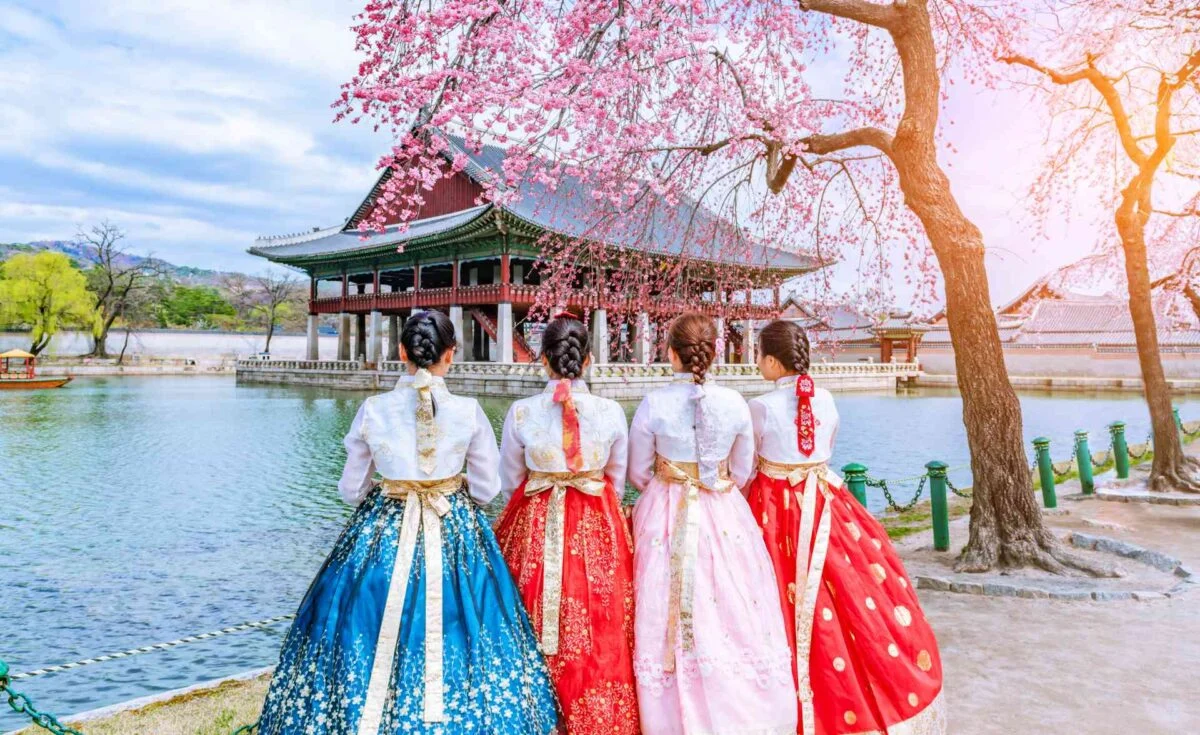
Spring is popular for cherry blossoms, summer for beaches and outdoor activities, autumn for colourful foliage and winter for snow experiences and seasonal scenery.
7. Enjoy world-class shopping
South Korea is internationally recognised for fashion, skincare, cosmetics, electronics and entertainment merchandise.
Seoul is particularly popular with shoppers looking for Korean beauty products, clothing, accessories and contemporary lifestyle products.
8. Discover beautiful mountains and national parks
Beyond the major cities, South Korea offers mountain landscapes, hiking trails, forests, waterfalls and national parks.
Destinations such as Seoraksan, Bukhansan and Hallasan provide excellent opportunities for outdoor exploration.
Best Places to Visit in South Korea
South Korea offers a variety of destinations, from modern metropolitan cities and historic towns to volcanic islands, beaches and mountain landscapes.
1. Seoul
Seoul is the capital and largest city of South Korea. It is usually the starting point for international visitors and provides an excellent introduction to the country’s culture, history and modern lifestyle.
The city is famous for its royal palaces, traditional neighbourhoods, shopping districts, street food, entertainment culture and impressive architecture.
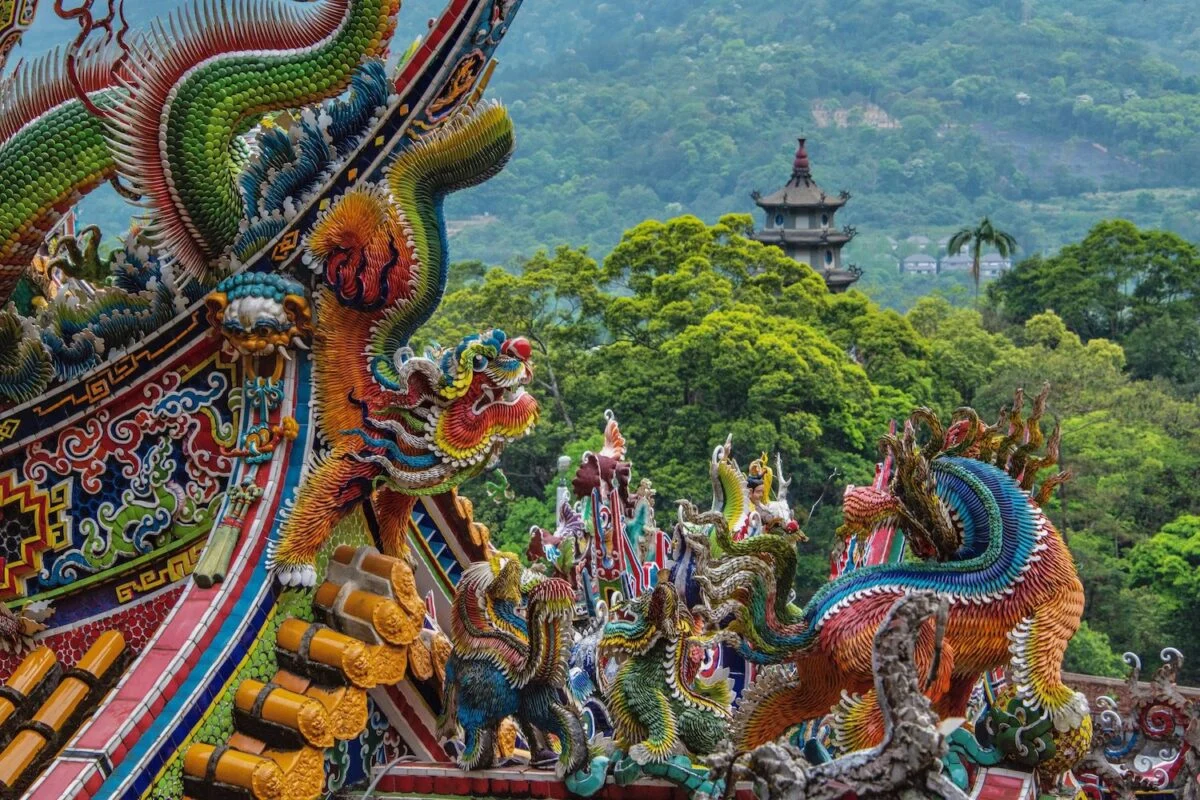
Best attractions in Seoul
Gyeongbokgung Palace
Gyeongbokgung is one of South Korea’s most famous royal palaces. Built during the Joseon Dynasty, it is an important historical landmark featuring traditional palace buildings, courtyards, gates and landscaped grounds.
Visitors can explore the palace and learn about the country’s royal history. Wearing a traditional hanbok during a palace visit is a popular cultural experience.
Changdeokgung Palace
Changdeokgung is another important royal residence known for its traditional architecture and beautiful garden. Its Secret Garden is particularly attractive to visitors interested in Korean history and landscape design.
Bukchon Hanok Village
Bukchon Hanok Village is a traditional neighbourhood featuring historic Korean houses known as hanok. Its narrow streets, traditional architecture and views of the surrounding city make it an excellent destination for cultural exploration and photography.
Visitors should respect residents’ privacy and observe local visitor restrictions.
N Seoul Tower
Located on Namsan Mountain, N Seoul Tower is one of the city’s best-known landmarks. It offers panoramic views of Seoul and is particularly attractive in the evening when the city lights illuminate the skyline.
Myeongdong
Myeongdong is one of Seoul’s most popular shopping and street-food districts. It is known for Korean skincare, cosmetics, fashion shops, restaurants and lively pedestrian streets.
Insadong
Insadong is a cultural district famous for traditional crafts, tea houses, galleries, souvenirs and Korean cultural products. It is an excellent place to purchase gifts and experience a more traditional side of Seoul.
Hongdae
Hongdae is a lively entertainment and shopping district associated with music, art, street performances, cafés, fashion and nightlife. It is particularly popular with younger travellers and fans of Korean pop culture.
Gangnam
Gangnam is a modern district known for luxury shopping, stylish restaurants, entertainment venues and contemporary architecture. It is ideal for travellers interested in the fashionable side of Seoul.
Dongdaemun Design Plaza
Dongdaemun Design Plaza is an architectural landmark and cultural venue. Its distinctive modern design makes it one of Seoul’s most recognisable contemporary attractions.
Cheonggyecheon Stream
This restored urban stream runs through central Seoul and provides a pleasant walking environment surrounded by city buildings, bridges and public spaces.
Lotte World Tower and Seoul Sky
Lotte World Tower is one of the tallest buildings in South Korea. Its Seoul Sky observation deck offers impressive views across the capital.
War Memorial of Korea
This museum presents the history of Korea’s military conflicts and provides important historical context for visitors interested in the country’s development.
National Museum of Korea
The National Museum of Korea houses extensive collections covering Korean history, art, archaeology and cultural heritage.
2. Busan
Busan is South Korea’s second-largest city and one of its most popular coastal destinations. It offers a different atmosphere from Seoul, with beaches, seafood markets, temples, colourful neighbourhoods and beautiful ocean views.
Best attractions in Busan
Haeundae Beach
Haeundae is one of South Korea’s best-known beaches. It is surrounded by hotels, restaurants, cafés and entertainment facilities, making it an excellent destination for a coastal city break.
Gwangalli Beach
Gwangalli Beach is famous for its views of the illuminated Gwangan Bridge. It is particularly attractive in the evening and offers numerous restaurants and cafés.
Gamcheon Culture Village
Gamcheon Culture Village is a colourful hillside neighbourhood known for its artistic murals, painted houses, narrow lanes and creative installations. It is one of Busan’s most photographed attractions.
Haedong Yonggungsa Temple
This beautiful Buddhist temple is situated along the coast, providing a distinctive setting overlooking the sea. It is one of the most memorable cultural attractions in Busan.
Jagalchi Fish Market
Jagalchi is one of South Korea’s best-known seafood markets. Visitors can explore seafood stalls and experience Busan’s strong maritime food culture.
BIFF Square
BIFF Square is associated with the Busan International Film Festival. It is a lively area with street food, shops and entertainment.
Songdo Beach and Cable Car
Songdo offers coastal scenery and a cable car experience overlooking the sea. It is a popular attraction for visitors who enjoy panoramic views.
Taejongdae Resort Park
Taejongdae is known for its dramatic coastal cliffs, walking routes, lighthouse and ocean views.
3. Jeju Island
Jeju Island is one of South Korea’s most beautiful holiday destinations. Located off the southern coast of the Korean Peninsula, it is famous for volcanic landscapes, waterfalls, beaches, traditional villages and scenic countryside.
Jeju is particularly suitable for couples, families, nature lovers and travellers looking for a relaxing escape after exploring Seoul.
Best attractions in Jeju Island
Seongsan Ilchulbong
Also known as Sunrise Peak, Seongsan Ilchulbong is a volcanic tuff cone and one of Jeju’s most famous natural landmarks. It offers spectacular views of the surrounding coastline and is especially popular for sunrise excursions.
Hallasan National Park
Hallasan is home to South Korea’s highest mountain, located in the centre of Jeju Island. The national park offers hiking routes, volcanic scenery, forests and seasonal natural beauty. Hiking access and trail conditions should be checked before visiting.
Manjanggul Lava Tube
Manjanggul is a famous volcanic lava tube system. Its geological formations demonstrate the volcanic origins of Jeju Island. Visitor access can change because of conservation and maintenance work, so current opening arrangements should be confirmed.
Jeongbang Waterfall
Jeongbang is one of Jeju’s best-known waterfalls and is distinctive because its water flows directly towards the sea.
Cheonjiyeon Waterfall
Cheonjiyeon is surrounded by lush vegetation and is a popular natural attraction for visitors exploring the southern part of the island.
Jusangjeolli Cliff
This coastal attraction is famous for its impressive columnar rock formations created by volcanic activity.
Hyeopjae Beach
Hyeopjae is known for its clear water, white sand and attractive views of nearby islands. It is a popular location for relaxation and photography.
O’Sulloc Tea Museum
The O’Sulloc Tea Museum introduces visitors to Korean tea culture and is located near scenic green tea fields.
Seopjikoji
Seopjikoji is a picturesque coastal area known for its dramatic rock formations, walking paths and ocean views.
Udo Island
Udo is a small island off the eastern coast of Jeju, known for its beaches, scenic roads, local food and relaxed atmosphere. It makes an enjoyable day excursion when transport and ferry conditions permit.
4. Gyeongju
Gyeongju is one of South Korea’s most important historical destinations. It was the capital of the ancient Silla Kingdom and is home to royal tombs, temples, archaeological sites and traditional cultural attractions.
Best attractions in Gyeongju
-
Bulguksa Temple, a major Buddhist temple and important cultural heritage site.
-
Seokguram Grotto, a renowned Buddhist shrine featuring a stone Buddha.
-
Daereungwon Tomb Complex, home to large ancient royal burial mounds.
-
Cheomseongdae Observatory, a historic astronomical structure.
-
Donggung Palace and Wolji Pond, especially attractive in the evening.
-
Gyeongju National Museum, showcasing artefacts from the Silla period.
-
Hwangnidan-gil, a popular street featuring cafés, shops and traditional-style architecture.
-
Yangdong Folk Village, known for its historic Korean houses and traditional village setting.
5. Incheon
Incheon is an important port city and the location of South Korea’s main international airport. It is often used as an arrival or departure point, but it also offers attractions worth exploring.
Best attractions in Incheon
-
Songdo Central Park, a modern waterfront park surrounded by contemporary buildings.
-
Incheon Chinatown, known for its Chinese-Korean heritage and food.
-
Wolmido Island, a popular waterfront leisure area.
-
Incheon Open Port Area, featuring historic buildings and cultural attractions.
-
Inspire Entertainment Resort, a major entertainment and leisure complex.
-
Sorae Port, known for its seafood market and coastal atmosphere.
Incheon can be explored as a day trip from Seoul or included in a wider South Korea itinerary.
6. Suwon
Suwon is a historic city located south of Seoul. It is best known for Hwaseong Fortress, a UNESCO World Heritage Site and an important example of Korean military architecture.
Best attractions in Suwon
-
Hwaseong Fortress.
-
Hwaseong Haenggung Palace.
-
Suwon Hwaseong Museum.
-
Traditional markets.
-
Korean food streets and cultural neighbourhoods.
Suwon is a convenient excursion for visitors staying in Seoul.
7. Andong
Andong is an excellent destination for travellers interested in traditional Korean culture. It is known for historic villages, Confucian heritage and traditional architecture.
Best attractions in Andong
-
Hahoe Folk Village.
-
Byeongsanseowon Confucian Academy.
-
Andong Folk Museum.
-
Woryeonggyo Bridge.
-
Traditional cultural performances and local food experiences.
Hahoe Folk Village provides an opportunity to understand traditional Korean village life and architecture.
8. Sokcho and Seoraksan National Park
Sokcho is a coastal city in north-eastern South Korea and a popular base for exploring Seoraksan National Park.
Best attractions in the region
-
Seoraksan National Park.
-
Ulsanbawi Rock.
-
Sinheungsa Temple.
-
Sokcho Beach.
-
Abai Village.
-
Sokcho Tourist and Fishery Market.
-
Scenic mountain and coastal viewpoints.
Seoraksan is especially popular during autumn when the surrounding mountains display beautiful seasonal colours.
9. Jeonju
Jeonju is famous for its traditional architecture, Korean cuisine and cultural heritage. It is particularly popular with visitors interested in food and traditional village experiences.
Best attractions in Jeonju
-
Jeonju Hanok Village.
-
Gyeonggijeon Shrine.
-
Jeondong Cathedral.
-
Omokdae Pavilion.
-
Jeonju Traditional Wine Museum.
-
Traditional food streets and local markets.
Jeonju is also famous for bibimbap, one of South Korea’s most recognised dishes.
10. Daegu
Daegu is a major city in south-eastern South Korea with a strong cultural identity, shopping districts and access to mountain scenery.
Best attractions in Daegu
-
Apsan Park.
-
Seomun Market.
-
Donghwasa Temple.
-
Daegu National Museum.
-
E-World amusement park.
-
Kim Gwangseok-gil Street.
Daegu can be included in a longer itinerary connecting Seoul, Gyeongju and Busan.
11. Daejeon
Daejeon is known for science, technology, research institutions and urban parks. It can be a useful stop for visitors interested in South Korea’s modern development.
Best attractions in Daejeon
-
National Science Museum.
-
Hanbat Arboretum.
-
Expo Science Park.
-
Yuseong Hot Springs area.
-
Daecheong Lake.
12. Pyeongchang
Pyeongchang is a mountainous destination known internationally for winter sports and its association with the 2018 Winter Olympics.
Best attractions in Pyeongchang
-
Alpensia Resort.
-
Yongpyong Resort.
-
Daegwallyeong Sheep Farm.
-
Woljeongsa Temple.
-
Seasonal mountain scenery and winter activities.
Pyeongchang is a good choice for travellers interested in snow experiences and mountain holidays.
Things to Do in South Korea
South Korea offers a wide range of activities, making it easy to create an itinerary that combines sightseeing, culture, entertainment, food, shopping and outdoor adventures.
1. Explore Korean Royal Palaces
Visit Gyeongbokgung, Changdeokgung and other historic palaces to learn about the Joseon Dynasty and traditional Korean architecture.
2. Wear a Traditional Korean Hanbok
Visitors can rent a hanbok, the traditional Korean outfit, and explore selected historic areas and palace surroundings. This is a popular cultural experience and a memorable photography opportunity.
3. Experience K-pop Culture
Explore entertainment districts, music-themed attractions, K-pop merchandise shops and selected venues associated with Korean music and entertainment.
4. Visit Korean Drama Filming Locations
South Korea has become popular with international visitors because of its television dramas and films. Depending on the production and current visitor access, travellers can explore recognised filming locations and themed experiences.
5. Enjoy Korean Street Food
Try local street food in areas such as Myeongdong, Gwangjang Market and other traditional shopping districts. Popular snacks include tteokbokki, hotteok, fish cakes, Korean pancakes and Korean-style fried chicken.
6. Experience Korean Barbecue
Korean barbecue is one of the country’s most popular dining experiences. Guests cook selected meats at the table, usually accompanied by side dishes and sauces.
7. Visit Traditional Markets
Markets offer an insight into daily Korean life. They are excellent places to sample local food, purchase souvenirs and experience the country’s trading culture.
8. Explore Korean Tea Culture
Visit traditional tea houses in areas such as Insadong or experience tea-related attractions in Jeju. Korean tea experiences provide a quieter alternative to the busy shopping districts.
9. Go Hiking
South Korea has many mountain trails and national parks. Popular options include Bukhansan National Park near Seoul, Seoraksan National Park and Hallasan National Park on Jeju Island.
10. Relax on South Korea’s Beaches
Enjoy the coastal atmosphere of Haeundae and Gwangalli in Busan, or explore the beaches of Jeju Island.
11. Enjoy Korean Beauty and Skincare Shopping
South Korea is a major destination for skincare, cosmetics and beauty products. Myeongdong is particularly popular with international visitors.
12. Visit Korean Theme Parks
Families and entertainment enthusiasts can enjoy major theme parks such as Lotte World and Everland.
13. Experience a Traditional Korean Spa
A visit to a Korean jjimjilbang, or traditional bathhouse and sauna complex, can be an interesting cultural experience. Facilities and entry requirements vary.
14. Take a Korean Cooking Class
Learn to prepare popular Korean dishes such as kimchi, bibimbap or Korean pancakes. Cooking experiences are suitable for visitors interested in food and cultural activities.
15. Experience a Korean Temple Stay
Some Buddhist temples offer organised temple-stay programmes that introduce visitors to aspects of Buddhist life, meditation, traditional meals and temple routines. Advance arrangements are normally required.
16. Enjoy Seasonal Festivals
Depending on your travel dates, you may be able to experience flower festivals, cultural celebrations, food festivals and seasonal events.
17. Take a Scenic Train Journey
South Korea has an extensive rail network connecting major cities and regional destinations. A train journey can be a convenient and comfortable way to explore the country.
18. Explore Korean Fashion Districts
Seoul’s fashion districts offer everything from affordable clothing and accessories to luxury designer shopping.
Best Hotels in South Korea
South Korea offers a broad selection of accommodation, including luxury international hotels, stylish city properties, boutique hotels, traditional hanok stays, family-friendly resorts and coastal retreats.
The following are notable properties to consider when planning a holiday. Accommodation suitability, room categories, rates and availability depend on travel dates.
Best Hotels in Seoul
The Shilla Seoul
A renowned luxury hotel offering elegant accommodation, high-end facilities, dining experiences and a sophisticated atmosphere.
Four Seasons Hotel Seoul
A luxury hotel in central Seoul, suitable for travellers seeking premium accommodation, attentive service and convenient access to major city attractions.
Signiel Seoul
Located in Lotte World Tower, Signiel Seoul offers luxury accommodation with impressive views across the capital.
Grand Hyatt Seoul
A well-known luxury hotel set in a hillside location with attractive city views and extensive facilities.
Lotte Hotel Seoul
A popular luxury hotel in central Seoul, offering convenient access to shopping, dining and business districts.
Josun Palace, a Luxury Collection Hotel, Seoul Gangnam
A high-end property in Gangnam, suitable for travellers seeking contemporary luxury and an upscale city experience.
The Westin Josun Seoul
An established luxury hotel in a convenient central location, offering comfortable accommodation and premium services.
RYSE, Autograph Collection
A stylish lifestyle hotel in the Hongdae area, suitable for visitors interested in art, music, fashion and contemporary city culture.
L7 Myeongdong
A modern hotel in the popular Myeongdong district, convenient for shopping and sightseeing.
Nine Tree Premier Hotel Insadong
A practical choice for travellers who want access to cultural attractions, traditional streets and central Seoul.
Best Hotels in Busan
Park Hyatt Busan
A luxury waterfront hotel offering views of the marina and Gwangan Bridge.
Signiel Busan
A premium hotel overlooking Haeundae Beach, suitable for luxury coastal holidays.
Paradise Hotel Busan
A popular beachfront property with resort-style facilities and access to Haeundae.
Ananti at Busan Cove
A high-end coastal retreat offering a more relaxed atmosphere away from the busiest central districts.
Lotte Hotel Busan
A well-established luxury hotel in the Seomyeon area, suitable for shopping and city exploration.
Grand Josun Busan
A stylish hotel in the Haeundae area, well positioned for beach holidays.
Best Hotels in Jeju Island
The Shilla Jeju
A luxury resort known for its facilities, gardens and coastal holiday atmosphere.
Parnas Hotel Jeju
A premium resort property offering ocean views and a relaxing setting.
Grand Hyatt Jeju
A large luxury hotel in Jeju City with extensive accommodation, dining and leisure facilities.
JW Marriott Jeju Resort & Spa
A luxury resort with dramatic coastal scenery and premium leisure facilities.
Lotte Hotel Jeju
A well-known resort-style property suitable for families and couples.
Podo Hotel
A distinctive boutique property known for its architecture and tranquil setting.
Best Hotels in Gyeongju
Lahan Select Gyeongju
A modern hotel offering views of Bomun Lake and convenient access to the resort district.
Hilton Gyeongju
A recognised hotel with leisure facilities and access to the Bomun tourism area.
Commodore Hotel Gyeongju
A traditional-style hotel offering convenient access to the main resort area.
Traditional Korean Accommodation
For a more cultural experience, travellers can consider a hanok stay in destinations such as Seoul, Jeonju and Gyeongju. These properties offer an opportunity to experience traditional Korean architecture and accommodation styles.
Some hanok properties provide modern facilities, while others maintain more traditional features. Guests should check room arrangements, bathroom facilities, heating and sleeping arrangements before booking.
Best Time to Visit South Korea
South Korea is a year-round destination, but the best time to visit depends on the experiences you want. The country has four distinct seasons, each offering different scenery, weather conditions and activities.
Spring: March to May
Spring is one of the most popular seasons for visiting South Korea. Temperatures gradually become milder, parks and gardens come alive with flowers, and cherry blossoms create beautiful scenery across the country.
Best spring experiences include:
-
Cherry blossom viewing in Seoul.
-
Visiting Yeouido Spring Flower Festival areas when events are scheduled.
-
Exploring Gyeongju’s historic attractions surrounded by seasonal flowers.
-
Walking through parks and gardens.
-
Enjoying comfortable weather for sightseeing and photography.
Cherry blossom dates vary each year depending on weather conditions. Travellers should avoid planning around a precise flowering date too far in advance.
Summer: June to August
Summer is generally hot and humid, with a rainy season that commonly affects parts of the country around early summer. July and August can bring heavy rainfall and high temperatures.
Best summer experiences include:
-
Visiting Haeundae and Gwangalli beaches in Busan.
-
Exploring Jeju Island.
-
Enjoying water-based activities where conditions permit.
-
Visiting indoor attractions, shopping centres and museums.
-
Experiencing summer festivals and evening entertainment.
Travellers should allow flexibility in their itineraries because heavy rain and occasional typhoons can affect transport and outdoor activities.
Autumn: September to November
Autumn is widely regarded as one of the best seasons to visit South Korea. The weather is generally more comfortable, and mountains, parks and traditional gardens develop beautiful red, orange and golden colours.
Best autumn experiences include:
-
Exploring Seoraksan National Park.
-
Visiting Nami Island and its tree-lined pathways.
-
Hiking in Bukhansan National Park.
-
Exploring Gyeongju’s historical attractions.
-
Enjoying outdoor sightseeing in Seoul and Busan.
Autumn foliage timing varies by location and weather conditions, so the best viewing period may differ between northern, central and southern regions.
Winter: December to February
Winter brings cold weather, and some regions experience snowfall. It is a particularly attractive season for visitors interested in snow activities, winter landscapes and seasonal city experiences.
Best winter experiences include:
-
Skiing and snowboarding in selected mountain resorts.
-
Visiting winter attractions in Pyeongchang.
-
Enjoying illuminated city streets in Seoul.
-
Experiencing Korean winter food.
-
Exploring museums, galleries and indoor entertainment.
-
Visiting Jeju Island for coastal scenery, subject to winter weather.
Winter travellers should pack warm clothing, including insulated jackets, gloves, scarves and suitable footwear.
Which Month Is Best for a South Korea Holiday from Kenya?
For many first-time visitors, April, May, October and early November are attractive months because they can offer pleasant conditions for sightseeing. However, the best travel period depends on your priorities, whether that is cherry blossoms, autumn foliage, beaches, skiing, shopping or cultural experiences.
Flights from Nairobi, Kenya to South Korea
Travellers from Kenya generally begin their South Korea holiday at Jomo Kenyatta International Airport in Nairobi, flying to Incheon International Airport, which serves the Seoul metropolitan area.
The most suitable flight depends on your preferred airline, travel dates, budget, connection time and baggage requirements. Travellers should compare total journey duration rather than looking at the flight time of an individual sector.
Airlines and Possible Connections from Nairobi
Depending on operating schedules and availability, travellers may find connecting services through major international hubs.
Qatar Airways via Doha
Qatar Airways may offer connections from Nairobi through Hamad International Airport in Doha, with onward travel to Incheon.
Emirates via Dubai
Emirates is another option to consider, connecting Nairobi with Seoul through Dubai.
Ethiopian Airlines via Addis Ababa
Ethiopian Airlines may provide a route connecting Nairobi and Seoul through Addis Ababa, depending on the current schedule.
Turkish Airlines via Istanbul
Turkish Airlines may offer connecting services through Istanbul for travellers travelling from Nairobi to South Korea.
Other Connecting Airlines
Depending on the travel period, additional options may be available through other Asian or Middle Eastern hubs. Airline routes, flight frequencies and connections change, so they should be checked before booking.
Which Airport Should You Fly Into?
Incheon International Airport
Incheon is the principal international gateway for Seoul and the most convenient arrival airport for many international visitors. It is located outside central Seoul, with airport rail services, buses, taxis and private transfers available.
Gimhae International Airport
Gimhae International Airport serves Busan and may be useful for travellers arriving in the south of the country through a domestic or regional connection.
Jeju International Airport
Jeju International Airport serves Jeju Island. Travellers visiting Jeju after Seoul or Busan can consider domestic flights, subject to schedules and baggage conditions.
How Long Is the Flight from Nairobi to South Korea?
There are no journey-time guarantees that apply to every booking. The total travel time depends on the airline, connecting airport, layover duration, routing and operational schedules. A connecting journey can take considerably longer than the combined time spent in the air.
When planning your holiday, allow enough time for international connections, airport transfers and possible schedule changes.
Can Adeli Kenya Safaris Arrange Flights from Nairobi?
Adeli Kenya Safaris can assist with planning your South Korea holiday from Kenya, including coordinating your preferred travel dates, accommodation, sightseeing arrangements and flight options as part of your wider travel plans.
South Korea Visa Requirements for Kenyan Citizens
Kenyan citizens should check the latest South Korean entry and visa requirements before booking a holiday. Entry rules depend on nationality, passport type, purpose of travel, length of stay and any applicable exemptions or temporary policy changes.
Do not assume that a visa-free arrangement or an electronic travel authorisation applies to Kenyan passport holders simply because it is available to citizens of other countries.
What Should Kenyan Travellers Check Before Travelling?
Before making your travel arrangements, confirm:
-
Whether a visitor visa is required for your intended stay.
-
The correct visa category for tourism.
-
The current application procedure and submission arrangements.
-
Passport validity requirements.
-
Whether proof of accommodation is required.
-
Whether return or onward travel documentation is required.
-
Whether evidence of sufficient funds is requested.
-
Whether a travel itinerary and supporting documents are required.
-
The applicable visa fee and processing arrangements.
-
Whether an appointment or personal appearance is necessary.
Common Documents That May Be Requested
Depending on the visa category and the current instructions, applicants may be asked to provide:
-
A valid Kenyan passport.
-
A completed visa application form.
-
Recent passport photographs meeting the required specifications.
-
A proposed travel itinerary.
-
Accommodation details.
-
Flight reservation or travel arrangements, where required.
-
Evidence of financial ability to support the trip.
-
Employment, business or other supporting documents.
-
Evidence of the purpose of travel.
-
Additional documents requested by the relevant South Korean diplomatic mission.
The exact list must be confirmed using the latest official instructions. Submission of an application does not automatically guarantee visa approval.
When Should Kenyans Apply for a South Korea Visa?
Begin checking the visa process well before your intended departure. Allow sufficient time for document preparation, appointments, processing and any additional requests. Avoid purchasing non-refundable travel arrangements until you understand the applicable visa requirements and your personal circumstances.
Adeli Kenya Safaris can help you organise the travel itinerary and supporting travel information needed for your holiday planning. Visa decisions remain the responsibility of the relevant South Korean authorities.
South Korean Food: What to Eat During Your Holiday
South Korean cuisine is an important part of the travel experience. It combines rice, vegetables, meat, seafood, fermented foods, soups, noodles and a wide range of sauces and seasonings.
Visitors can enjoy everything from inexpensive market snacks to refined restaurant dining.
Popular Korean Dishes
Kimchi
Kimchi is a traditional fermented vegetable dish, commonly made with cabbage or radish and seasoned with ingredients such as chilli, garlic and ginger. It is served with many Korean meals.
Bibimbap
Bibimbap is a popular rice dish topped with vegetables, meat or other ingredients, often served with a spicy gochujang sauce. It is particularly associated with Jeonju.
Bulgogi
Bulgogi consists of thinly sliced marinated beef that is grilled or cooked. It is one of the best-known Korean dishes among international visitors.
Korean Barbecue
Korean barbecue is a social dining experience in which diners cook selected meat at a table grill. It is often served with vegetables, dipping sauces and side dishes.
Samgyeopsal
Samgyeopsal is grilled pork belly, commonly eaten with lettuce leaves, garlic, sauces and other accompaniments.
Tteokbokki
Tteokbokki is a popular street food made from chewy rice cakes cooked in a spicy sauce. It is widely available in markets and casual eateries.
Japchae
Japchae is a noodle dish made using glass noodles, vegetables and often meat, seasoned with soy sauce and sesame oil.
Kimchi Jjigae
This is a traditional Korean stew made with kimchi and other ingredients, commonly including tofu and meat or seafood.
Samgyetang
Samgyetang is a traditional chicken soup often prepared with ginseng, rice and other ingredients.
Korean Fried Chicken
Korean fried chicken is known for its crisp coating and different sauces. It is widely available in restaurants and casual dining establishments.
Haemul Pajeon
This is a savoury Korean pancake prepared with spring onions and seafood.
Hotteok
Hotteok is a popular sweet pancake often filled with a mixture of sugar, cinnamon and nuts.
Food Markets to Visit
-
Gwangjang Market in Seoul.
-
Namdaemun Market in Seoul.
-
Myeongdong street-food district.
-
Jagalchi Fish Market in Busan.
-
Seomun Market in Daegu.
-
Jeonju’s traditional food and market areas.
Food Considerations for Kenyan Travellers
Some Korean dishes contain pork, seafood, beef, alcohol-based ingredients or meat broths. Travellers with dietary requirements should explain their preferences clearly before ordering.
Vegetarian and vegan food can be found, but some apparently vegetable-based dishes may contain fish sauce, seafood stock or other animal-derived ingredients. Halal food is also available in selected restaurants and neighbourhoods, particularly in Seoul, but travellers should confirm certification and preparation practices directly with each establishment.
Shopping in South Korea
South Korea is an excellent shopping destination, particularly for fashion, cosmetics, skincare, electronics, accessories and Korean cultural products.
Best Shopping Areas in Seoul
Myeongdong
One of the most popular shopping areas for international visitors, Myeongdong is known for cosmetics, skincare, fashion, accessories and street food.
Dongdaemun
Dongdaemun is famous for its shopping complexes, fashion outlets and wholesale clothing businesses. It is a useful area for visitors interested in Korean fashion.
Hongdae
Hongdae offers youthful fashion, independent shops, accessories, music merchandise and creative products.
Gangnam
Gangnam is associated with upscale shopping, designer boutiques, luxury brands and modern shopping centres.
Insadong
Insadong is ideal for traditional souvenirs, crafts, ceramics, tea products, artwork and cultural gifts.
Namdaemun Market
Namdaemun is a traditional market offering clothing, accessories, household goods, souvenirs and food.
What Should Kenyan Travellers Buy in South Korea?
-
Korean skincare and beauty products.
-
Cosmetics and personal care products.
-
Korean fashion and accessories.
-
K-pop albums and merchandise.
-
Korean snacks and packaged foods.
-
Traditional handicrafts.
-
Ceramics and tea sets.
-
Souvenirs and cultural gifts.
-
Electronics and selected technology products.
Travellers should check airline baggage allowances, customs rules and restrictions on importing particular goods into Kenya before purchasing large quantities.
Getting Around South Korea
South Korea has an extensive transport network that makes it possible to explore major cities and many regional destinations without hiring a private vehicle.
High-Speed Trains
The Korea Train Express, commonly known as KTX, connects major destinations, including Seoul, Daejeon, Daegu, Gyeongju and Busan through the wider rail network. It is a convenient option for travellers planning to visit several cities.
Seoul Subway
Seoul has an extensive metro system serving many shopping districts, attractions and residential areas. It is one of the most practical ways to move around the capital.
Local Buses
Buses serve urban and regional routes. They can be useful for reaching attractions that are not close to train or subway stations.
Taxis
Taxis are widely available in major cities. They are convenient for shorter journeys, late-night transfers and travellers carrying luggage.
Domestic Flights
Domestic flights can be useful when travelling between the mainland and Jeju Island. Flight times and availability depend on the selected route and travel date.
Private Transfers
Private transfers can be arranged for airport journeys, family groups, travellers with extensive luggage or visitors who prefer a more personalised travel experience.
Car Hire
Hiring a car can be useful in destinations such as Jeju Island, where attractions are spread across a wider area. Travellers must check licence, international driving permit, insurance and local driving requirements before arranging a rental.
Sample South Korea Holiday Itineraries from Kenya
The ideal itinerary depends on your available holiday time, arrival airport, interests and preferred travel pace. The following are suggested examples that can be customised.
5-Day South Korea Holiday: Seoul Highlights
Day 1: Arrival in Seoul
Arrive at Incheon International Airport and transfer to your hotel. Spend the remainder of the day relaxing or enjoying a gentle introduction to the city.
Day 2: Royal Seoul
Visit Gyeongbokgung Palace, Bukchon Hanok Village and Insadong. Enjoy traditional Korean food and explore the cultural districts.
Day 3: Modern Seoul
Explore Myeongdong, N Seoul Tower, Dongdaemun Design Plaza and selected shopping areas.
Day 4: Seoul Experiences
Enjoy a day focused on your interests, such as K-pop culture, Korean beauty shopping, museums, theme parks or a food tour.
Day 5: Departure
Enjoy breakfast and transfer to the airport for your return journey or onward flight.
7-Day South Korea Holiday: Seoul and Busan
Day 1: Arrival in Seoul
Arrive in South Korea and transfer to your hotel.
Day 2: Seoul Cultural Tour
Explore Gyeongbokgung Palace, Bukchon Hanok Village, Insadong and other historic attractions.
Day 3: Seoul Shopping and Entertainment
Visit Myeongdong, Hongdae and Gangnam, with time for shopping and Korean entertainment experiences.
Day 4: Travel to Busan
Travel from Seoul to Busan by train. Check in to your hotel and enjoy an evening around the coastal city.
Day 5: Busan Sightseeing
Explore Gamcheon Culture Village, Jagalchi Fish Market, BIFF Square and Haedong Yonggungsa Temple.
Day 6: Busan Beaches
Enjoy Haeundae Beach, Gwangalli Beach and the waterfront attractions.
Day 7: Departure
Transfer to the airport for your onward journey or return connection.
10-Day South Korea Holiday: Seoul, Gyeongju and Busan
Day 1: Arrival in Seoul
Arrive in Seoul and transfer to your hotel.
Day 2: Historic Seoul
Visit Gyeongbokgung Palace, Bukchon Hanok Village and Insadong.
Day 3: Modern Seoul
Explore Gangnam, Myeongdong, N Seoul Tower and Dongdaemun.
Day 4: Day Excursion
Enjoy a selected excursion to Suwon, the DMZ through an authorised tour arrangement, or another attraction according to your interests.
Day 5: Travel to Gyeongju
Travel to Gyeongju and explore the historic city.
Day 6: Gyeongju Heritage
Visit Bulguksa Temple, Daereungwon Tomb Complex, Cheomseongdae Observatory and Donggung Palace and Wolji Pond.
Day 7: Travel to Busan
Continue to Busan and enjoy the coastal city.
Day 8: Busan Sightseeing
Explore Gamcheon Culture Village, Jagalchi Market and Haedong Yonggungsa Temple.
Day 9: Busan Leisure
Enjoy Haeundae Beach, Gwangalli Beach and additional shopping or food experiences.
Day 10: Departure
Transfer for your return journey.
12-Day South Korea Holiday: Seoul, Jeju Island, Gyeongju and Busan
Day 1: Arrival in Seoul
Arrive at Incheon International Airport and transfer to your hotel.
Day 2: Seoul Palace and Culture Tour
Explore Gyeongbokgung Palace, Bukchon Hanok Village and Insadong.
Day 3: Seoul City Experience
Visit N Seoul Tower, Myeongdong and selected shopping and entertainment districts.
Day 4: Travel to Jeju Island
Take a domestic flight to Jeju and settle into your accommodation.
Day 5: Jeju Natural Attractions
Explore Seongsan Ilchulbong, coastal viewpoints and nearby attractions.
Day 6: Jeju Island Tour
Visit waterfalls, scenic beaches, tea attractions and selected volcanic landscapes.
Day 7: Travel to Gyeongju
Return to the mainland and continue to Gyeongju, subject to flight and transfer arrangements.
Day 8: Gyeongju Historical Tour
Explore Bulguksa Temple, Seokguram Grotto, royal tombs and other historic attractions.
Day 9: Travel to Busan
Continue to Busan and enjoy the city’s coastal atmosphere.
Day 10: Busan City Tour
Visit Gamcheon Culture Village, Jagalchi Market and BIFF Square.
Day 11: Busan Coastal Experience
Enjoy Haeundae Beach, Gwangalli Beach and selected leisure activities.
Day 12: Departure
Transfer for your international return journey.
14-Day South Korea Grand Discovery
A two-week holiday allows travellers to explore South Korea at a more relaxed pace and include several regions.
Possible destinations include:
-
Seoul for palaces, shopping, entertainment and modern culture.
-
Suwon for Hwaseong Fortress and historical attractions.
-
Jeonju for traditional Korean architecture and food.
-
Gyeongju for Silla heritage and ancient monuments.
-
Busan for beaches, markets and coastal attractions.
-
Jeju Island for volcanic scenery, waterfalls and nature.
-
Sokcho and Seoraksan for mountain landscapes, depending on seasonal conditions.
The sequence can be adjusted to match domestic transport connections and international flight arrangements.
South Korea Holiday Packages for Different Types of Travellers
South Korea Family Holiday Packages from Kenya
South Korea offers a variety of attractions for families travelling with children of different ages. Families can combine sightseeing, entertainment, educational activities, shopping and outdoor experiences.
Popular family attractions include:
-
Lotte World in Seoul.
-
Everland theme park.
-
Seoul Children’s Grand Park.
-
National Museum of Korea.
-
Busan aquarium attractions.
-
Jeju Island’s natural attractions.
-
Seoul Sky observation deck.
-
Interactive science and technology museums.
-
Korean cultural workshops and cooking classes.
Family itineraries should consider children’s ages, walking distances, hotel locations and the time needed to move between destinations.
South Korea Honeymoon Packages from Kenya
South Korea is an attractive honeymoon destination for couples seeking a combination of luxury, culture, romantic scenery and exciting city experiences.
A honeymoon itinerary can include:
-
Luxury accommodation in Seoul.
-
Romantic evenings overlooking the Seoul skyline.
-
Traditional Korean dining experiences.
-
A relaxing stay on Jeju Island.
-
Coastal experiences in Busan.
-
Scenic photography excursions.
-
Couples’ spa and wellness experiences.
-
Private sightseeing and cultural activities.
Jeju Island is particularly appealing for couples who want to combine natural scenery with a relaxing resort stay.
South Korea Luxury Holiday Packages
Travellers looking for a premium holiday can enjoy luxury hotels, private transfers, fine dining, personalised sightseeing and selected exclusive experiences.
A luxury itinerary may include Four Seasons Hotel Seoul, Signiel Seoul, Park Hyatt Busan, Signiel Busan and premium resorts in Jeju Island, depending on availability and preferences.
Luxury travel arrangements can include private airport transfers, carefully selected accommodation, flexible sightseeing schedules and additional leisure time.
South Korea Shopping Holiday Packages
South Korea is a popular destination for travellers interested in fashion, skincare, cosmetics, electronics and entertainment merchandise.
A shopping-focused itinerary can prioritise Myeongdong, Dongdaemun, Gangnam, Hongdae, Namdaemun Market and selected shopping centres. It can also include sightseeing and food experiences between shopping sessions.
South Korea Cultural and Historical Tours
Travellers interested in Korean heritage can explore Seoul’s royal palaces, traditional villages, Buddhist temples and historical museums.
A cultural itinerary can combine Seoul, Gyeongju, Andong, Jeonju and selected regional destinations. Traditional accommodation, local cuisine and cultural workshops can make the experience more immersive.
South Korea Adventure and Nature Holidays
South Korea is not only about cities and shopping. It also offers mountains, national parks, volcanic landscapes, beaches and scenic walking trails.
Popular nature destinations include Hallasan National Park, Seoraksan National Park, Bukhansan National Park, Jeju Island and the coastal areas around Busan.
Outdoor activities should be selected according to fitness levels, seasonal conditions and any access restrictions.
South Korea and Japan Combined Holiday Packages from Kenya
South Korea and Japan are two of East Asia’s most fascinating destinations. Combining them in one holiday allows travellers to experience two distinctive cultures, cuisines, histories and modern lifestyles.
A combined itinerary can include Seoul, Busan, Tokyo, Kyoto and Osaka.
A possible 12 to 14-day holiday could be structured as follows:
-
Days 1–4: Seoul, including palaces, shopping and cultural experiences.
-
Days 5–6: Busan, including beaches and coastal attractions.
-
Days 7–10: Tokyo, including city sightseeing, shopping and entertainment.
-
Days 11–12: Kyoto, including temples, traditional streets and cultural attractions.
-
Days 13–14: Osaka, including food, shopping and departure arrangements.
International and regional flight or ferry connections should be selected according to current schedules, entry requirements and the preferred direction of travel. Travellers must check the separate visa and entry requirements for both countries.
South Korea and China Combined Holiday Packages
A combined South Korea and China holiday is ideal for travellers interested in East Asian history, culture, architecture, food and major cities.
A possible itinerary could combine Seoul and Busan in South Korea with Beijing and Shanghai in China.
In South Korea, explore royal palaces, traditional villages, shopping districts and coastal attractions. In China, discover historic landmarks, major city attractions and distinctive cultural experiences.
The duration and sequence can be customised according to flight connections and the entry requirements applicable to Kenyan passport holders.
South Korea and Singapore Combined Holiday Packages
Travellers can also combine South Korea with Singapore for a holiday that brings together Korean culture and Singapore’s modern city attractions.
A combined itinerary may include Seoul, Busan and Singapore, with experiences such as Korean palace visits, shopping, Korean food tours, Gardens by the Bay, Marina Bay Sands, Sentosa Island and Singapore’s multicultural neighbourhoods.
This combination is particularly suitable for families and first-time visitors to Asia.
South Korea Holiday Travel Tips for Kenyan Travellers
Before travelling from Kenya to South Korea, consider the following practical recommendations.
1. Check visa requirements early
Confirm the current entry requirements for Kenyan passport holders before booking non-refundable travel arrangements.
2. Choose your travel season carefully
Spring and autumn are popular for sightseeing, while summer is suitable for selected beach holidays and winter appeals to travellers interested in snow activities.
3. Carry suitable clothing
South Korea experiences significant seasonal temperature changes. Pack according to the forecast for your travel dates and destinations.
4. Plan your domestic transport
Seoul, Busan, Gyeongju and Jeju are spread across different parts of the country. Plan train journeys, domestic flights and transfers carefully.
5. Arrange travel insurance
Consider comprehensive travel insurance covering medical emergencies, trip interruption, baggage issues and other relevant travel risks.
6. Understand local payment arrangements
South Korea has a modern payment system, but travellers should confirm that their bank cards will work internationally. Carry a suitable alternative payment method and some local currency for smaller purchases.
7. Download useful travel applications
Navigation, translation, transport and accommodation applications can make travelling around South Korea easier. Some international mapping services have limitations in South Korea, so travellers should consider locally popular navigation applications.
8. Learn a few Korean expressions
Simple greetings and polite expressions can make everyday interactions more enjoyable.
Useful expressions include:
-
Annyeonghaseyo – Hello.
-
Gamsahamnida – Thank you.
-
Juseyo – Please give me.
-
Eolmayeyo? – How much is it?
-
Hwajangsil eodi isseoyo? – Where is the toilet?
9. Respect local customs
Be considerate when visiting temples, traditional neighbourhoods and residential areas. Follow photography restrictions and local instructions.
10. Check luggage and baggage restrictions
If you intend to shop extensively, confirm your international and domestic baggage allowances before departure.
11. Prepare for the time difference
South Korea operates on Korea Standard Time, which is six hours ahead of Kenya. Allow yourself time to adjust after arrival.
12. Keep important travel documents accessible
Carry your passport, visa documentation where applicable, hotel details, travel insurance information and flight arrangements securely.
Estimated Budget for a South Korea Holiday from Kenya
The cost of a South Korea holiday depends on several factors, including travel dates, airline, accommodation category, length of stay, number of destinations, sightseeing arrangements and personal spending.
Adeli Kenya Safaris can prepare a personalised quotation based on your travel requirements.
Your holiday budget may include:
-
International return flights from Nairobi.
-
Accommodation in your preferred hotel category.
-
Airport transfers.
-
Domestic flights or train journeys.
-
Private or shared sightseeing arrangements.
-
Attraction admission fees.
-
Meals, depending on the hotel and package arrangements.
-
Travel insurance.
-
Visa-related costs, where applicable.
-
Personal shopping and additional expenses.
What Determines the Cost of South Korea Holiday Packages?
Travel season: Popular spring and autumn periods may have different accommodation and flight costs from quieter periods.
Hotel category: Luxury hotels, boutique properties and standard hotels have different rates.
Length of stay: A five-day city break will generally require a different budget from a two-week multi-destination holiday.
Number of travellers: Couples, families and larger groups may have different accommodation and transport requirements.
Destination combinations: Adding Jeju Island, Busan or other regional destinations introduces additional transport and accommodation considerations.
Travel style: Private tours and transfers offer greater flexibility, while public transport and selected group experiences may suit travellers seeking a different budget level.
Why Book Your South Korea Holiday with Adeli Kenya Safaris?
Planning an international holiday from Kenya involves more than choosing a destination and booking a hotel. Flights, accommodation, visa preparation, transport, sightseeing and travel dates all need to work together.
Adeli Kenya Safaris helps Kenyan travellers plan personalised international holidays, including trips to South Korea.
Tailor-Made Holiday Planning
We help organise itineraries around your interests, preferred travel dates, available time and budget.
Convenient Planning from Kenya
You can discuss your holiday requirements with a Kenya-based travel team rather than having to coordinate every aspect of the trip independently.
Carefully Planned Accommodation
We help you consider suitable accommodation in Seoul, Busan, Jeju Island and other destinations based on location, comfort and travel preferences.
Multi-Destination Holiday Arrangements
If you want to visit South Korea alongside Japan, China, Singapore or another destination, we can help structure a practical itinerary.
Family, Honeymoon and Luxury Travel
We can tailor your holiday around family requirements, romantic experiences, premium accommodation or cultural exploration.
Personalised Travel Assistance
From the initial holiday idea to the final itinerary, we aim to make the planning process clear, convenient and enjoyable.
Frequently Asked Questions About South Korea Holiday Packages from Kenya
1. Can Kenyans Travel to South Korea for a Holiday?
Yes. Kenyan citizens can travel to South Korea for tourism, subject to meeting the applicable visa and entry requirements. Check the latest requirements with the relevant South Korean authorities before departure.
2. Do Kenyan Citizens Need a Visa to Visit South Korea?
Kenyan passport holders should confirm the current tourist visa requirements before travelling. Do not assume that visa-free entry or an electronic travel authorisation applies. Requirements and procedures can change.
3. How Much Does a South Korea Holiday Package from Kenya Cost?
The cost depends on the duration, flights, accommodation, destinations, travel season and activities included. Adeli Kenya Safaris can prepare a personalised quotation once your travel requirements are established.
4. How Many Days Are Enough for a South Korea Holiday?
Five days can provide an introduction to Seoul. Seven days allow you to combine Seoul and Busan, while 10 to 14 days provide more time to explore Seoul, Gyeongju, Busan and Jeju Island.
5. What Is the Best Time to Visit South Korea from Kenya?
Spring and autumn are popular seasons for sightseeing. April and May are attractive for spring flowers, while October and early November can offer beautiful autumn scenery. Summer and winter are also suitable for travellers interested in beaches, festivals and snow activities.
6. Which Airlines Fly from Nairobi to South Korea?
Depending on current schedules, travellers can consider connecting services through hubs such as Doha, Dubai, Addis Ababa and Istanbul. Airlines and routings should be checked for the intended travel dates.
7. Are There Direct Flights from Nairobi to Seoul?
Travellers should check current airline schedules when planning their journey. Connecting flights are commonly considered for travel between Nairobi and Seoul.
8. Which Airport Should I Use When Visiting South Korea?
Incheon International Airport is the principal international gateway for Seoul and is a convenient arrival airport for many international visitors.
9. Is South Korea Expensive for Kenyan Tourists?
South Korea offers different travel budgets. Public transport, local restaurants and standard hotels can help manage expenses, while luxury accommodation, private transfers and premium dining increase the overall cost.
10. What Currency Is Used in South Korea?
South Korea uses the South Korean won, abbreviated as KRW. Travellers should check current exchange rates before departure.
11. Can I Use Kenyan Shillings in South Korea?
Kenyan shillings are not generally used for everyday purchases in South Korea. Travellers should arrange suitable international payment methods and obtain South Korean won where necessary.
12. Is English Widely Spoken in South Korea?
English is understood in some hotels, airports, tourist attractions and major shopping areas, but it is not universally spoken. Translation applications can be helpful when communicating with local residents.
13. Is South Korea Safe for Tourists?
South Korea is generally regarded as a destination where visitors can enjoy sightseeing and independent travel. Nevertheless, travellers should take normal precautions, protect their belongings, follow local laws and remain aware of their surroundings.
14. Is South Korea Suitable for Family Holidays?
Yes. South Korea offers theme parks, aquariums, museums, beaches, shopping centres, cultural attractions and outdoor activities suitable for families. The itinerary should be adjusted to the children’s ages and interests.
15. Is South Korea Good for Honeymoon Holidays?
Yes. Couples can enjoy luxury hotels, romantic city experiences, coastal scenery, traditional dining and relaxing stays on Jeju Island.
16. Can I Visit Jeju Island During My South Korea Holiday?
Yes. Jeju Island is one of the country’s most popular domestic holiday destinations. It can be reached by domestic flight from mainland airports, subject to schedules and availability.
17. How Do I Travel from Seoul to Busan?
The KTX high-speed train is a convenient option for travelling between Seoul and Busan. Other transport options may also be available depending on your preferred journey.
18. Is Jeju Island Worth Visiting?
Jeju Island is particularly worthwhile for travellers interested in volcanic landscapes, waterfalls, beaches, coastal scenery and nature. It offers a different experience from South Korea’s major cities.
19. Can I Visit South Korea and Japan on One Holiday?
Yes. South Korea and Japan can be combined in one international holiday. The itinerary should account for separate entry requirements, international transport and sufficient time in each country.
20. Can I Combine South Korea with China?
Yes. A combined South Korea and China holiday can include destinations such as Seoul, Busan, Beijing and Shanghai. Kenyan travellers must check the entry requirements for both countries.
21. What Food Should I Try in South Korea?
Popular dishes include bibimbap, bulgogi, Korean barbecue, kimchi, japchae, Korean fried chicken, tteokbokki and samgyeopsal. Travellers with dietary restrictions should confirm ingredients before ordering.
22. Is Halal Food Available in South Korea?
Halal and Muslim-friendly dining options are available in selected areas, particularly in Seoul and other major tourist destinations. Travellers should verify the restaurant’s certification and food preparation practices.
23. Can Vegetarians Find Food in South Korea?
Vegetarian food is available, but some dishes contain fish sauce, seafood stock or meat-based ingredients. It is important to communicate dietary requirements clearly.
24. What Should I Buy in South Korea?
Popular purchases include skincare, cosmetics, fashion, electronics, K-pop merchandise, traditional crafts, Korean snacks and souvenirs.
25. What Should I Pack for South Korea?
Your packing list should reflect the season. Include warm clothing for winter, comfortable walking shoes, weather-appropriate clothing, personal medication, travel documents and suitable electronic adapters.
26. Can Adeli Kenya Safaris Arrange a Private South Korea Tour?
Adeli Kenya Safaris can help plan a personalised holiday with suitable accommodation, transport and sightseeing arrangements. Private services depend on the destination, local suppliers and availability.
27. Does Adeli Kenya Safaris Offer Luxury South Korea Holiday Packages?
Yes. We can help plan premium holidays featuring luxury hotels, personalised itineraries, selected private transfers and carefully chosen experiences, subject to availability.
28. Can Adeli Kenya Safaris Arrange South Korea Holidays for Groups?
Group holidays can be planned according to the number of travellers, travel dates, accommodation requirements and preferred activities.
29. Can I Visit South Korea During the Cherry Blossom Season?
Yes. Spring is a popular period for cherry blossom viewing. Flowering dates vary annually and between regions, so travel dates should allow some flexibility.
30. How Can I Book a South Korea Holiday Package from Kenya with Adeli Kenya Safaris?
Contact Adeli Kenya Safaris with your preferred travel dates, number of travellers, approximate holiday duration, accommodation preferences and the places you would like to visit. We can then help develop a suitable itinerary and travel proposal.
Plan Your South Korea Holiday from Kenya with Adeli Kenya Safaris
From the royal palaces and lively shopping districts of Seoul to the beautiful beaches of Busan, the historical attractions of Gyeongju and the volcanic landscapes of Jeju Island, South Korea offers an exciting holiday for Kenyan travellers.
Whether you want a short city break, a family adventure, a romantic honeymoon, a luxury escape or a longer East Asian journey combining several countries, Adeli Kenya Safaris can help you plan a holiday around your interests and travel preferences.
Start planning your South Korea holiday with Adeli Kenya Safaris.
Contact Adeli Kenya Safaris
Phone/WhatsApp: +254 720 564 538
Email: info@adelikenyasafaris.com
YOUR AFRICA ADVENTURE AWAITS. Tailor-made. Sustainable. Affordable. Immersive. Unforgettable.