

Tanzania Safari Packages & Vacations with Adeli Kenya Safaris
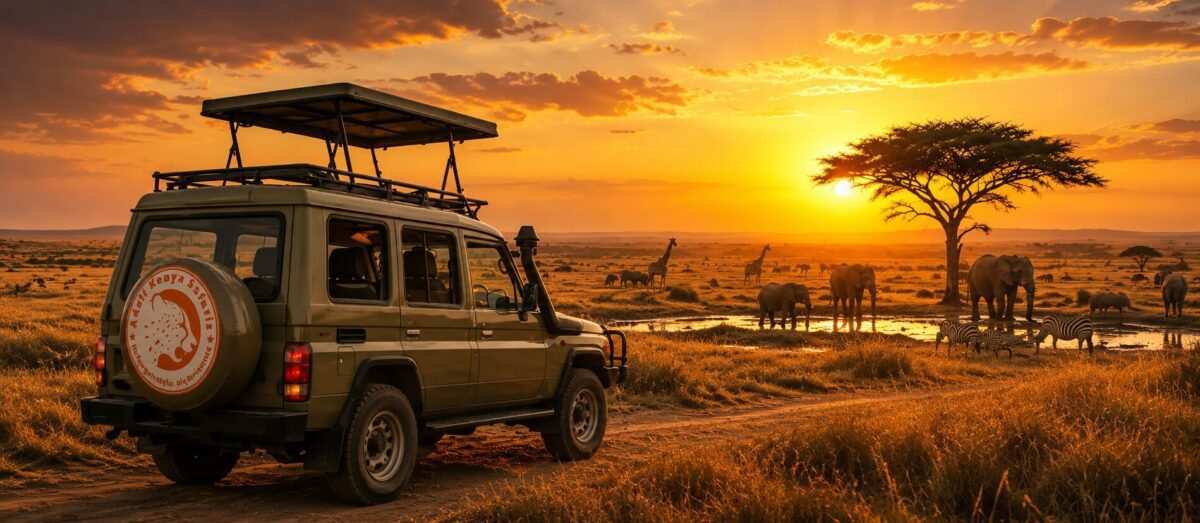
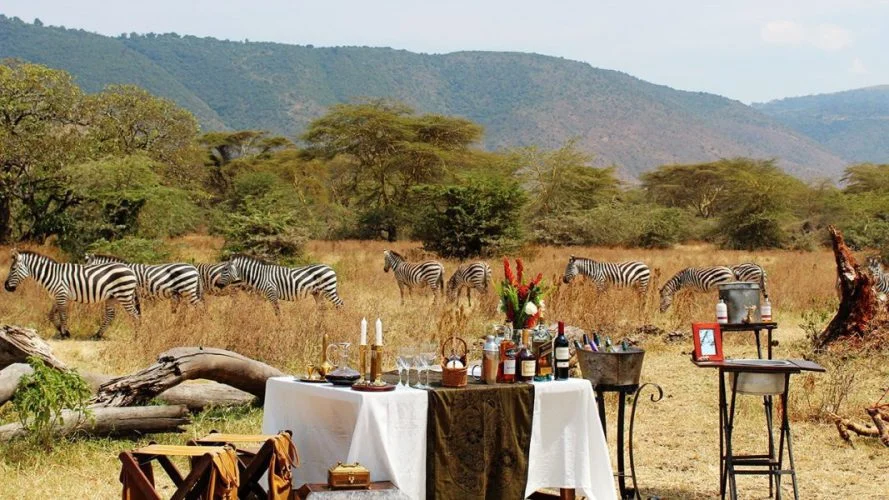
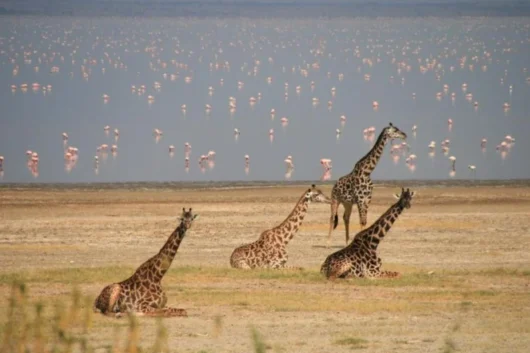
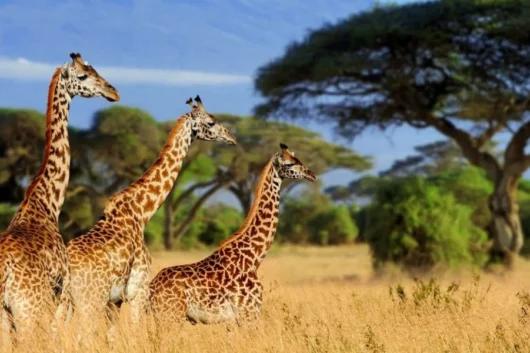
Discover the magic of Tanzania Safari Packages & Vacations with Adeli Kenya Safaris, your trusted gateway to unforgettable East African wildlife adventures, luxury safari holidays, and tailor-made Tanzania travel experiences. Tanzania is one of Africa’s premier safari destinations, renowned for its vast wilderness areas, iconic national parks, and spectacular wildlife encounters. From the endless plains of the Serengeti National Park to the breathtaking Ngorongoro Crater, the elephant-rich landscapes of Tarangire National Park, and the scenic beauty of Lake Manyara, Tanzania offers some of the most diverse and rewarding safari experiences in the world.
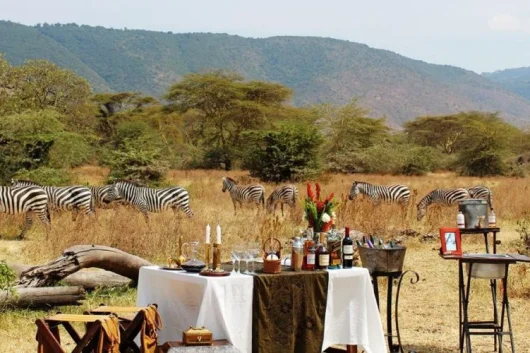
Our expertly designed Tanzania safari vacation packages cater to all travelers, including luxury seekers, honeymooners, families, photographers, solo adventurers, and group explorers. Whether you prefer luxury fly-in safaris, mid-range lodge safaris, budget camping safaris, private guided tours, or group safari holidays, Adeli Kenya Safaris ensures every itinerary is customized for comfort, adventure, and unforgettable wildlife encounters.
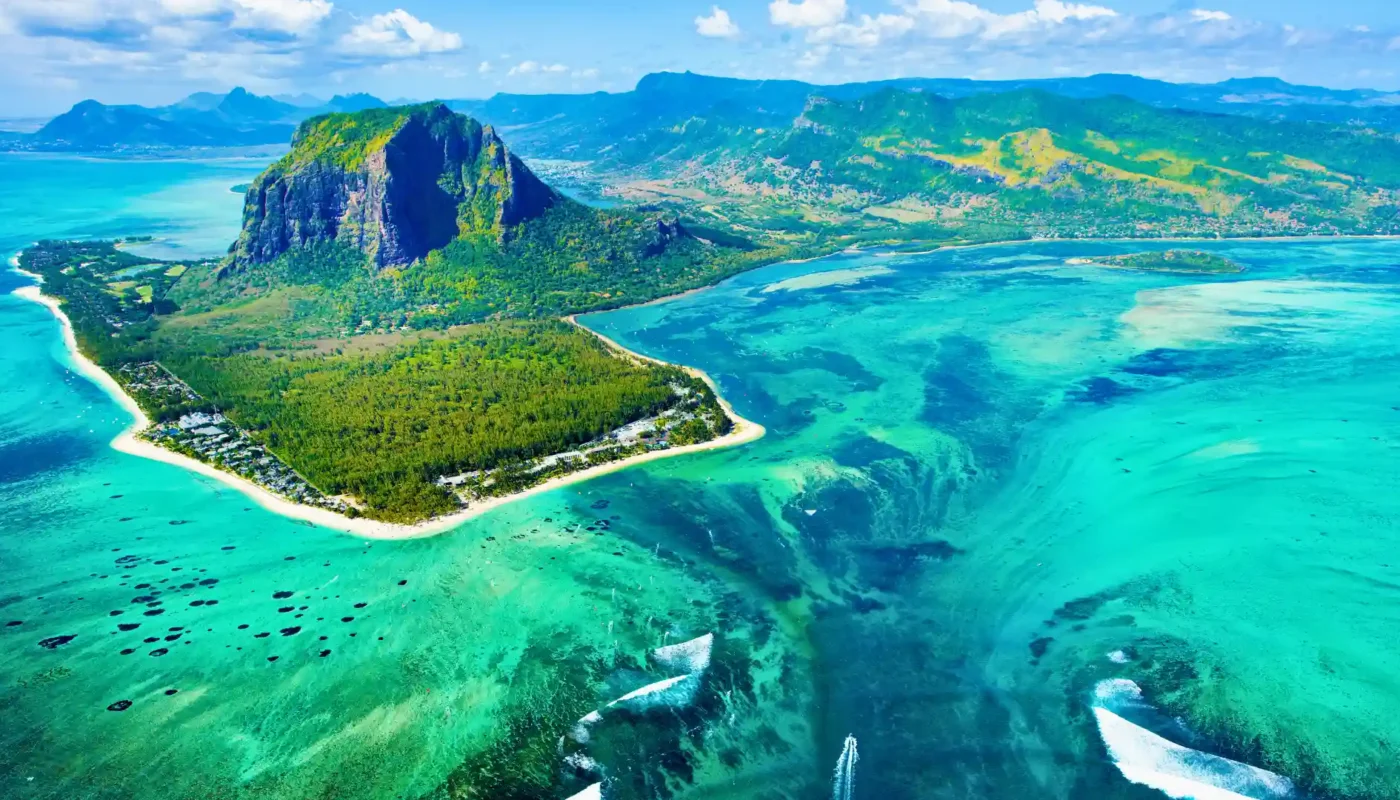
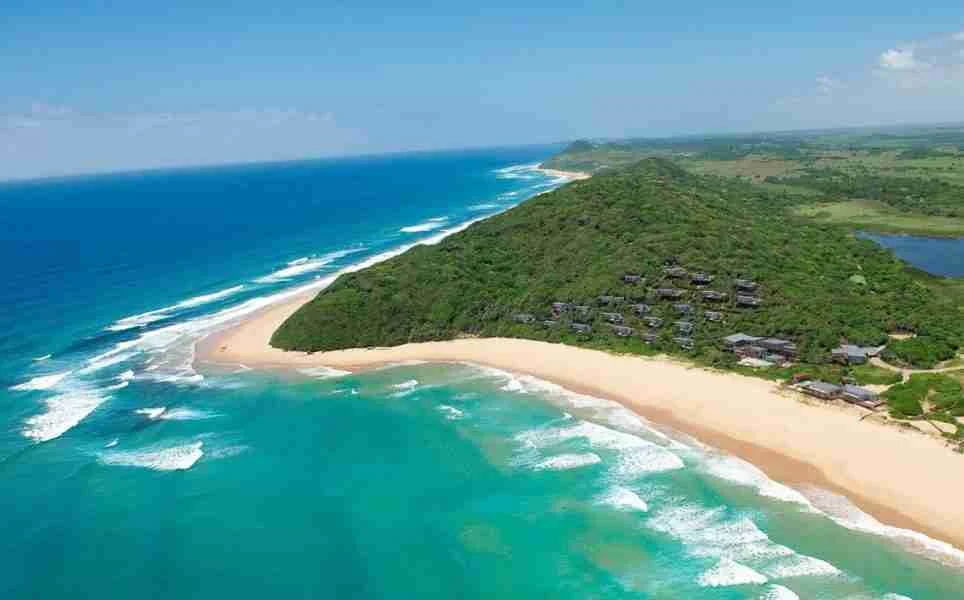
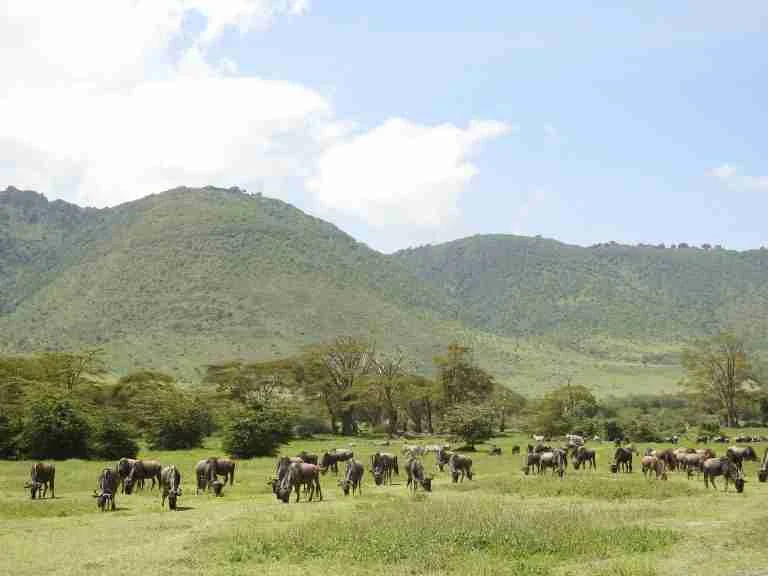
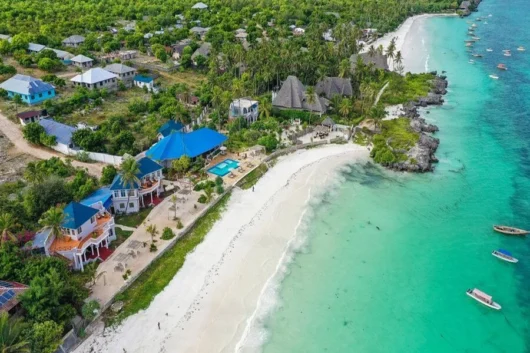
Experience the thrill of witnessing the Great Wildebeest Migration, spotting the Big Five (lion, elephant, leopard, rhino, buffalo), and exploring Tanzania’s rich cultural heritage through interactions with the Maasai and other indigenous communities. Guests can also enjoy optional extensions to Zanzibar Island, combining thrilling safaris with pristine white-sand beaches and turquoise waters.
With a strong commitment to sustainable tourism, wildlife conservation, and community empowerment, Adeli Kenya Safaris delivers responsible Tanzania safari vacations that protect nature while creating life-changing travel experiences.
Frequently Asked Questions About Tanzania Safaris
1. What are the best Tanzania safari packages?
The best Tanzania safari package depends on your travel dates, budget, interests and available time. Popular options include Serengeti, Ngorongoro Crater, Tarangire and Lake Manyara safaris. Adeli Kenya Safaris offers customized Tanzania safari packages designed around your travel preferences.
2. What is a Tanzania safari?
A Tanzania safari is a wildlife holiday exploring the country’s national parks, conservation areas and wilderness regions. A safari with Adeli Kenya Safaris can include game drives, cultural experiences, wildlife photography, walking safaris, hot-air balloon experiences and luxury accommodation.
3. Why choose Tanzania for a safari?
Tanzania offers some of Africa’s most spectacular wildlife destinations, including the Serengeti National Park, Ngorongoro Crater and Tarangire National Park. It is also one of the best places to experience the Great Wildebeest Migration and African Big Five.
4. Why book a Tanzania safari with Adeli Kenya Safaris?
Adeli Kenya Safaris specializes in tailor-made East African safari experiences and operates Tanzania safari packages covering the country’s major wildlife destinations. The company offers private, luxury, family, honeymoon, photography, birdwatching and customized safari experiences.
5. What are the best safari destinations in Tanzania?
Top Tanzania safari destinations include Serengeti National Park, Ngorongoro Conservation Area, Tarangire National Park, Lake Manyara National Park, Arusha National Park, Ruaha National Park and the Selous/Nyerere ecosystem.
6. What is the most popular safari destination in Tanzania?
The Serengeti is Tanzania’s most famous safari destination, particularly because of its wildlife, vast plains and the Great Wildebeest Migration. Adeli Kenya Safaris offers Tanzania safari itineraries featuring the Serengeti.
7. Is Serengeti the best place for a Tanzania safari?
The Serengeti is one of Tanzania’s premier safari destinations, but the best destination depends on your interests. Adeli Kenya Safaris can combine Serengeti with Ngorongoro, Tarangire, Lake Manyara and other destinations for a more comprehensive safari.
8. What is the best Tanzania safari for first-time visitors?
A classic first Tanzania safari can include Tarangire, Ngorongoro Crater and Serengeti. Travelers with additional time can add Lake Manyara, Arusha or a Zanzibar beach extension.
9. How many days do I need for a Tanzania safari?
A short Tanzania safari can take three to four days, while seven to ten days provides more time to explore several parks. Adeli Kenya Safaris can customize the itinerary according to your available travel time.
10. What is the ideal length for a Tanzania safari?
Seven to ten days is a good duration for travelers wanting to experience several northern Tanzania destinations. Longer safaris can include additional wildlife areas, Kilimanjaro or Zanzibar.
11. Can I book a 3-day Tanzania safari?
Yes. A three-day Tanzania safari can focus on destinations such as Tarangire, Ngorongoro and Lake Manyara. Adeli Kenya Safaris can customize short Tanzania safari packages around your schedule.
12. Can I book a 4-day Tanzania safari?
Yes. Four days can provide a compact Northern Tanzania safari covering destinations such as Tarangire, Ngorongoro and Lake Manyara. Adeli Kenya Safaris currently offers a four-day luxury Tanzania safari covering these destinations.
13. Can I book a 5-day Tanzania safari?
Yes. Five days allow travelers to combine several Northern Circuit destinations while maintaining a manageable travel pace.
14. Can I book a 7-day Tanzania safari?
Yes. Seven days provide enough time for a more comprehensive Tanzania safari covering destinations such as Serengeti, Ngorongoro and Tarangire.
15. Can I book a 10-day Tanzania safari?
Yes. Ten-day itineraries can combine multiple wildlife parks with additional experiences or a Zanzibar extension. Adeli Kenya Safaris offers Tanzania safari and Zanzibar holiday combinations.
16. What is the best time to go on a Tanzania safari?
Tanzania is a year-round safari destination. The best time depends on whether you prioritize general wildlife viewing, the Great Wildebeest Migration, calving season, birdwatching, fewer crowds or specific weather conditions.
17. When is the best time to visit Tanzania for wildlife?
Wildlife can be viewed throughout the year. Dry periods are often popular because animals can congregate around water sources, while green seasons offer lush scenery and excellent opportunities for birdwatching.
18. When is the Great Wildebeest Migration in Tanzania?
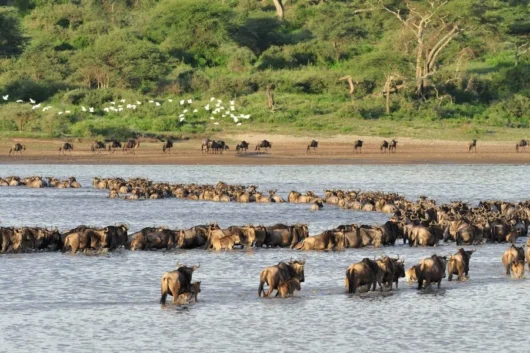
The Great Wildebeest Migration is a year-round movement of wildebeest, zebras and other herbivores through the Serengeti ecosystem and Kenya’s Maasai Mara. Different periods of the year offer different migration experiences.
19. What is the best time for the Serengeti Great Migration?
The ideal period depends on which part of the migration you want to experience, including calving, river crossings or herd movements. Adeli Kenya Safaris can recommend the best Serengeti itinerary based on your intended travel dates.
20. Can I see the Great Wildebeest Migration on a Tanzania safari?
Yes. Tanzania’s Serengeti is one of the principal ecosystems through which the Great Wildebeest Migration moves. However, wildlife movements are influenced by rainfall and cannot be predicted with absolute precision.
21. What is the best Tanzania safari for the Big Five?
Serengeti and Ngorongoro are excellent choices for Big Five viewing, while Tarangire and other destinations add different wildlife experiences. A multi-park safari increases the variety of habitats and species you can encounter.
22. Where can I see lions in Tanzania?
Lions can be found in several Tanzanian wildlife destinations, particularly Serengeti, Ngorongoro, Tarangire and other protected areas.
23. Where can I see elephants in Tanzania?
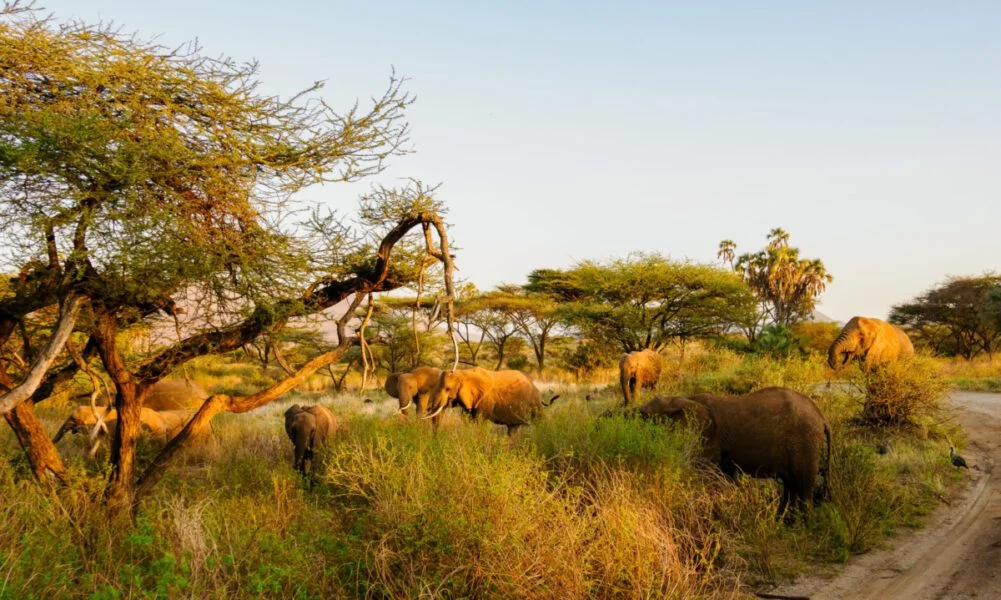
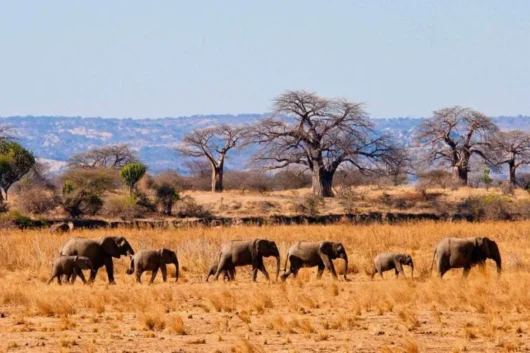
Tarangire National Park is particularly famous for its large elephant populations. Elephants can also be encountered in Serengeti, Ngorongoro and other Tanzanian wildlife areas.
24. Where can I see leopards in Tanzania?
Leopards occur throughout several Tanzanian ecosystems, including Serengeti and Ngorongoro. They are elusive animals, so sightings are never guaranteed.
25. Where can I see cheetahs in Tanzania?
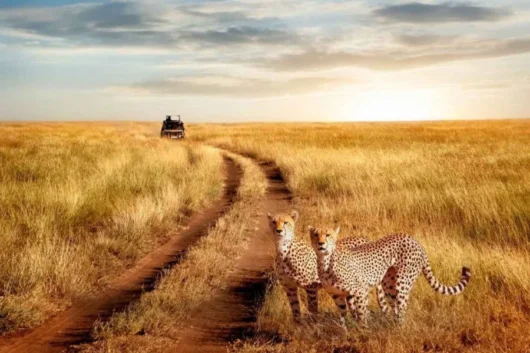
The Serengeti is one of Tanzania’s best destinations for cheetah sightings, particularly across its open grassland habitats.
26. Where can I see rhinos in Tanzania?
The Ngorongoro Crater is one of Tanzania’s notable areas for observing the critically endangered black rhinoceros. Sightings are possible but never guaranteed.
27. What is the best Tanzania safari for wildlife photography?
Serengeti, Ngorongoro, Tarangire and other Tanzanian parks provide excellent photography opportunities. Adeli Kenya Safaris can design photography-focused itineraries allowing additional time for wildlife viewing.
28. What is the best Tanzania safari for birdwatching?
Tanzania has exceptionally diverse birdlife. Serengeti, Ngorongoro, Tarangire, Lake Manyara and other ecosystems provide excellent birdwatching opportunities.
29. Can I book a Tanzania birdwatching safari with Adeli Kenya Safaris?
Yes. Adeli Kenya Safaris can customize Tanzania safari itineraries around birdwatching interests, combining wildlife viewing with specialist birding opportunities.
30. What is the best Tanzania safari for families?
Family-friendly Tanzania safari destinations include Serengeti, Ngorongoro, Tarangire and Lake Manyara. Adeli Kenya Safaris can adapt accommodation, travel times and activities to suit families.
31. Are Tanzania safaris suitable for children?
Yes. Tanzania offers many family-friendly safari experiences. However, age restrictions can apply to particular camps and activities, so children’s ages should be provided when planning your safari.
32. Can I book a family Tanzania safari with Adeli Kenya Safaris?
Yes. Adeli Kenya Safaris can design private family safari itineraries around your children’s ages, preferred accommodation, budget and wildlife interests.
33. Can I book a Tanzania honeymoon safari?
Yes. Tanzania is an exceptional honeymoon destination, combining luxury wildlife experiences with romantic lodges, private game drives and optional Zanzibar beach holidays.
34. What is the best Tanzania honeymoon safari?
Popular honeymoon combinations include Serengeti and Ngorongoro followed by Zanzibar. Couples can also include Tarangire, Lake Manyara or luxury private conservancies.
35. Can I book a luxury Tanzania safari?
Yes. Adeli Kenya Safaris offers luxury Tanzania safari experiences featuring premium lodges, tented camps, private vehicles and tailor-made itineraries.
36. What is included in a luxury Tanzania safari?
Depending on the itinerary, a luxury safari may include premium accommodation, private transportation, professional guides, meals, park fees, game drives and selected activities.
37. Can I book a private Tanzania safari?
Yes. Adeli Kenya Safaris specializes in tailor-made and private safari experiences, allowing travelers greater flexibility over destinations, game drives, accommodation and travel pace.
38. Can I book a budget Tanzania safari?
Yes. Tanzania can be explored on different budgets through carefully selected accommodation, transportation and itinerary options. Adeli Kenya Safaris can tailor the safari according to your budget.
39. What is the cheapest way to go on safari in Tanzania?
Choosing budget or mid-range accommodation, traveling during less busy periods and selecting an efficient itinerary can reduce costs. Group travel can also lower some expenses.
40. Are Tanzania group safaris available?
Group safari options may be available depending on the itinerary and dates. Travelers seeking a private experience can instead request a private Tanzania safari from Adeli Kenya Safaris.
41. What is a private Tanzania safari?
A private Tanzania safari gives your travel party exclusive use of the safari vehicle and greater control over the itinerary, game-drive timing and travel pace.
42. Are private Tanzania safaris worth the cost?
Private safaris are particularly valuable for families, couples, photographers and travelers who want flexibility. They allow your itinerary to be adapted around your interests rather than following a fixed group schedule.
43. What is a Tanzania road safari?
A Tanzania road safari involves traveling between wildlife destinations by safari vehicle. It allows travelers to experience the landscapes between parks while enjoying game drives along the route.
44. What is a Tanzania flying safari?
A flying safari uses domestic or chartered aircraft to connect safari destinations. It can save substantial travel time and is particularly suitable for luxury or remote-area itineraries.
45. Are Tanzania flying safaris worth it?
Flying can be worthwhile when you have limited time or want to maximize time in wildlife areas. It can also make remote destinations more accessible.
46. Can I combine road and flying safaris in Tanzania?
Yes. A mixed road-and-fly itinerary can combine the scenic benefits of road travel with the time-saving convenience of domestic flights.
47. What is the best Tanzania safari circuit?
The Northern Safari Circuit is the most popular Tanzania safari circuit and commonly includes Arusha, Tarangire, Ngorongoro and Serengeti, with Lake Manyara often included.
48. What is the Northern Tanzania Safari Circuit?
The Northern Circuit is a network of Tanzania’s most famous wildlife destinations, including Serengeti, Ngorongoro, Tarangire, Lake Manyara and other northern attractions.
49. Can I visit Serengeti and Ngorongoro on the same safari?
Yes. Serengeti and Ngorongoro are commonly combined into one Northern Tanzania safari itinerary.
50. Can I combine Serengeti, Ngorongoro and Tarangire?
Yes. This is one of the classic Tanzania safari combinations. Adeli Kenya Safaris offers itineraries incorporating these three iconic destinations.
51. What is the best safari combination in Tanzania?
A classic combination is Tarangire, Ngorongoro and Serengeti. Lake Manyara can also be added, while longer itineraries can include additional destinations.
52. What is Serengeti National Park famous for?
Serengeti is famous for its vast savannahs, exceptional wildlife, big cats and the Great Wildebeest Migration. It is one of Africa’s most iconic safari destinations.
53. What is Ngorongoro Crater famous for?
Ngorongoro Crater is famous for its spectacular volcanic landscape and high concentration of wildlife. It provides excellent opportunities for game viewing in a relatively compact area.
54. What is Tarangire National Park famous for?
Tarangire is particularly famous for elephants, enormous baobab trees, seasonal wildlife concentrations and diverse birdlife.
55. What is Lake Manyara National Park famous for?
Lake Manyara is known for its diverse habitats, birdlife, elephants and scenic Rift Valley setting. It can be combined with Tarangire and Ngorongoro on a Northern Circuit safari.
56. What is Arusha National Park famous for?
Arusha National Park offers diverse landscapes close to Arusha, including forests, mountains, lakes and wildlife. It can be an excellent addition to a northern Tanzania itinerary.
57. Can I visit Mount Kilimanjaro on a Tanzania safari?
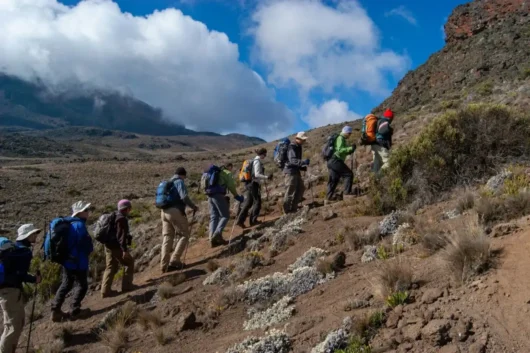
Yes. Mount Kilimanjaro can be incorporated into a wider Tanzania holiday, although climbing the mountain requires a dedicated trekking itinerary rather than a standard wildlife safari.
58. Can I combine a Kilimanjaro climb with a Tanzania safari?
Yes. A Kilimanjaro climb can be combined with a Serengeti, Ngorongoro or Tarangire safari before or after the trek.
59. Can I combine a Tanzania safari with Zanzibar?
Yes. A Tanzania safari and Zanzibar beach holiday is one of East Africa’s most popular combinations. Adeli Kenya Safaris offers Tanzania safari and Zanzibar packages.
60. Can I fly from Zanzibar to Serengeti for a safari?
Yes. Fly-in Serengeti packages can connect Zanzibar with Serengeti. Adeli Kenya Safaris offers a three-day fly-in Serengeti package from Zanzibar.
61. Can I book a Tanzania safari from Zanzibar?
Yes. A safari can be added to a Zanzibar beach holiday. Flying from Zanzibar to Serengeti can be particularly convenient for travelers who want a short wildlife experience.
62. What is the best Tanzania safari and Zanzibar combination?
A popular combination includes Serengeti, Ngorongoro and Zanzibar. Shorter trips can combine Serengeti with Zanzibar, while longer holidays can include Tarangire and Lake Manyara.
63. Can I combine Kenya and Tanzania safaris?
Yes. Adeli Kenya Safaris specializes in East African journeys and offers combined Kenya and Tanzania safari itineraries. These can include Maasai Mara, Serengeti, Ngorongoro and other destinations.
64. What is the best Kenya and Tanzania safari combination?
A classic combined itinerary can include Maasai Mara in Kenya followed by Serengeti and Ngorongoro in Tanzania. Additional destinations can be included depending on the number of days available.
65. Can I see the Great Migration in both Kenya and Tanzania?
Yes. The migration moves through the Serengeti ecosystem in Tanzania and the Maasai Mara ecosystem in Kenya. A carefully timed cross-border safari can provide opportunities to experience different stages of the migration.
66. Can Adeli Kenya Safaris organize a Kenya and Tanzania safari?
Yes. Adeli Kenya Safaris offers combined Kenya and Tanzania safari itineraries and can coordinate the journey between the two countries.
67. Can I start a Tanzania safari from Nairobi?
Yes. Travelers in Nairobi can begin combined Kenya-Tanzania safaris or travel onward to Tanzania depending on their itinerary.
68. Can I start a Tanzania safari from Arusha?
Yes. Arusha is one of the principal gateways to Northern Tanzania’s safari destinations. Adeli Kenya Safaris describes Arusha as Tanzania’s safari capital and a major starting point for Tanzania safari adventures.
69. Can I start a Tanzania safari from Dar es Salaam?
Yes. Tanzania safaris can be arranged from Dar es Salaam, particularly for southern Tanzania or itineraries connecting to Zanzibar. The most suitable route depends on the destinations you want to visit.
70. Can I start a Tanzania safari from Zanzibar?
Yes. Zanzibar can be connected to mainland Tanzania through flights, making fly-in Serengeti and other safari packages possible.
71. How much does a Tanzania safari cost?
Tanzania safari prices vary according to accommodation, season, number of travelers, transportation, park fees, itinerary length and whether the safari is private or shared. Adeli Kenya Safaris provides quotations based on your specific requirements.
72. Why do Tanzania safari prices vary?
Safari costs differ because of accommodation standards, park and conservation fees, vehicle arrangements, guide services, domestic flights, seasonality and the number of nights.
73. Is Tanzania more expensive than Kenya for safari?
Neither destination is always more expensive. Costs depend on the specific itinerary, accommodation, park fees, transportation and travel season. Adeli Kenya Safaris can compare options and design an itinerary around your budget.
74. What is included in a Tanzania safari package?
Depending on the package, inclusions can include accommodation, meals, safari transportation, professional driver-guide, park fees, game drives, flights and airport transfers. Always check the specific itinerary for exact inclusions.
75. What is excluded from a Tanzania safari package?
Common exclusions may include international flights, visas, travel insurance, tips, personal expenses, drinks and optional activities. Exact exclusions vary between packages.
76. Can Adeli Kenya Safaris customize a Tanzania safari?
Yes. Adeli Kenya Safaris provides tailor-made Tanzania safari itineraries built around your dates, budget, destinations, accommodation preferences and interests.
77. Can I choose my Tanzania safari accommodation?
Yes. Depending on availability, travelers can choose from budget camps, mid-range lodges, luxury lodges, tented camps and mobile camps.
78. What types of accommodation are available on Tanzania safaris?
Tanzania offers safari lodges, permanent tented camps, mobile camps, luxury camps, budget camps and other accommodation styles. Adeli Kenya Safaris can recommend properties according to your travel style.
79. Can I book a luxury tented camp in Tanzania?
Yes. Luxury tented camps are available in destinations such as Serengeti and other safari areas. They combine a wilderness atmosphere with premium accommodation and hospitality.
80. Can I book a Tanzania safari for a honeymoon or anniversary?
Yes. Adeli Kenya Safaris can design romantic Tanzania safari itineraries for honeymoons, anniversaries, proposals and other special occasions.
81. Can I book a Tanzania safari for a birthday or special celebration?
Yes. Special occasions can be incorporated into a private Tanzania safari. Your accommodation, meals and selected experiences can be planned around the celebration.
82. Can solo travelers book Tanzania safaris?
Yes. Solo travelers can choose private safari arrangements or suitable shared options depending on dates and availability.
83. Can senior travelers go on a Tanzania safari?
Yes. Tanzania safaris can be adapted for older travelers by selecting comfortable accommodation, minimizing long road transfers and using flights where appropriate.
84. Are Tanzania safaris suitable for travelers with limited mobility?
Some Tanzania safari properties and vehicles can accommodate travelers with mobility requirements. It is important to communicate accessibility needs before booking so Adeli Kenya Safaris can select suitable accommodation and transportation.
85. What should I pack for a Tanzania safari?
Pack lightweight clothing, comfortable walking shoes, a hat, sunglasses, sunscreen, insect repellent, binoculars, camera equipment and a light jacket or fleece for cooler mornings and evenings.
86. Do I need binoculars on a Tanzania safari?
Yes. Binoculars are highly recommended for viewing distant wildlife and birds, particularly across the wide-open landscapes of Serengeti.
87. What colors should I wear on a Tanzania safari?
Neutral and natural colors such as khaki, beige, brown and olive are practical. Comfortable, lightweight clothing is more important than following a strict safari dress code.
88. Is Tanzania safe for safari tourists?
Tanzania is an established international safari destination with experienced tourism professionals. Travelers should follow local guidance, wildlife-safety instructions and advice from their safari operator.
89. Are Tanzania safaris safe for children?
Yes. Family safaris are possible in Tanzania, although age restrictions may apply to particular lodges and activities. A private itinerary can provide greater flexibility for families.
90. How far in advance should I book a Tanzania safari?
Booking several months in advance is recommended for peak periods, luxury lodges and migration-season travel. Early booking gives you a better choice of accommodation and safari vehicles.
91. Can I book a last-minute Tanzania safari?
Yes, subject to availability. Adeli Kenya Safaris can check accommodation, vehicle and guide availability and create an itinerary around your remaining travel dates.
92. Can Adeli Kenya Safaris arrange airport transfers in Tanzania?
Yes. Airport transfers can be incorporated into Tanzania safari itineraries, including airport pickups and transfers to hotels, lodges and safari destinations.
93. Can Adeli Kenya Safaris arrange domestic flights in Tanzania?
Yes. Flying safari itineraries can incorporate domestic flights where appropriate. For example, Adeli Kenya Safaris’ Serengeti-from-Zanzibar package includes flights as part of the safari arrangement.
94. Can Adeli Kenya Safaris arrange a Tanzania safari and Zanzibar holiday?
Yes. Adeli Kenya Safaris offers combined Tanzania safari and Zanzibar beach holidays, including itineraries featuring Serengeti, Ngorongoro, Tarangire and Zanzibar.
95. Does Adeli Kenya Safaris offer Tanzania luxury safari packages?
Yes. Adeli Kenya Safaris offers luxury Tanzania safari experiences featuring premium lodges, tented camps, private transportation and customized itineraries.
96. Does Adeli Kenya Safaris offer Tanzania family safaris?
Yes. Tanzania safari itineraries can be customized for families, with accommodation, transportation and activities selected according to the ages and interests of the travelers.
97. Does Adeli Kenya Safaris offer Tanzania photography safaris?
Yes. Tanzania’s exceptional wildlife and landscapes make it ideal for photography. Adeli Kenya Safaris can customize itineraries around wildlife photography and extended game-viewing opportunities.
98. Does Adeli Kenya Safaris offer sustainable Tanzania safaris?
Yes. Adeli Kenya Safaris positions its Tanzania experiences around responsible and sustainable tourism, conservation awareness, local communities and educational wildlife experiences.
99. How do I book a Tanzania safari with Adeli Kenya Safaris?
You can contact Adeli Kenya Safaris by phone, WhatsApp or email and provide your travel dates, number of travelers, budget, preferred destinations and interests. The company can then prepare a customized Tanzania safari itinerary.
100. Why should I choose Adeli Kenya Safaris for a Tanzania safari?
Adeli Kenya Safaris combines East African destination expertise with tailor-made itinerary planning, professional safari guides, private safari options, carefully selected accommodation and a broad range of Tanzania experiences. Whether you want a Serengeti Great Migration safari, Big Five adventure, luxury honeymoon, family safari, budget trip, flying safari, Kilimanjaro combination or Tanzania and Zanzibar holiday, your itinerary can be customized around your travel dreams.