Understanding the Generations: Generation X vs. Generation Alpha
Generation X, often defined as individuals born between 1965 and 1980, is known for its adaptability and independence. This cohort experienced significant societal shifts and technological advancements as they grew up, which shaped their pragmatic attitudes. Generation X travelers tend to prioritize convenience and cost-effectiveness in their travel choices. When it comes to African safaris, they often seek immersive experiences that balance adventure with comfort. They appreciate the opportunity to engage with local cultures, understand wildlife conservation efforts, and often travel with family, making their preferences particularly relevant for parents.
In contrast, Generation Alpha, encompassing those born from 2010 onwards, represents the first generation to grow up in a fully digital environment. This cohort is characterized by their familiarity and reliance on technology from a young age. Their preferences lean heavily towards interactive and engaging experiences. For travel, Generation Alpha is drawn to eco-friendly options, gamified experiences, and educational activities. When considering African safaris, this generation’s expectations include hands-on learning about wildlife, conservation efforts, and engaging storytelling, often facilitated by technology such as apps and interactive guides.
The differences between these two generations influence their travel experiences significantly. Generation X parents often curate trips that balance the needs of their family, ensuring that younger generations benefit from educational opportunities while maintaining a sense of adventure. On the other hand, Generation Alpha’s travel experiences are influenced by their desire for connectivity and engagement with the surrounding environment. Understanding these generational traits allows parents to tailor their African safari experiences, ensuring they meet the diverse expectations and travel styles of both generations, resulting in memorable family adventures.
Choosing the Right Safari Destination

When planning an African safari with your family, especially with children from Generation X and Generation Alpha, selecting the right destination is paramount. It involves a delicate balance between adventure and safety, ensuring that the experience is enriching and enjoyable for all members of the family.
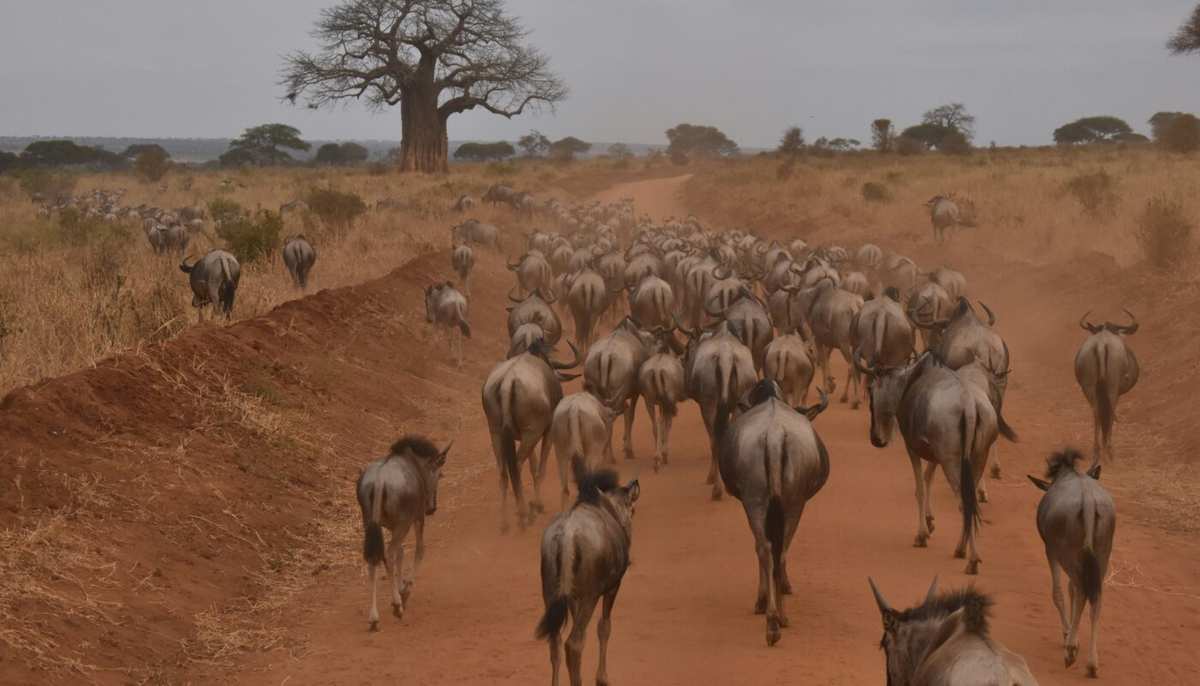
Among the top family-friendly safari destinations, Tanzania’s Serengeti National Park stands out for its vast landscapes and abundant wildlife. The park boasts well-established family accommodations that often offer engaging programs tailored for children, allowing them to learn about the environment in a fun manner. Additionally, the accessibility via well-maintained roads enhances the experience, accommodating families traveling with younger children.
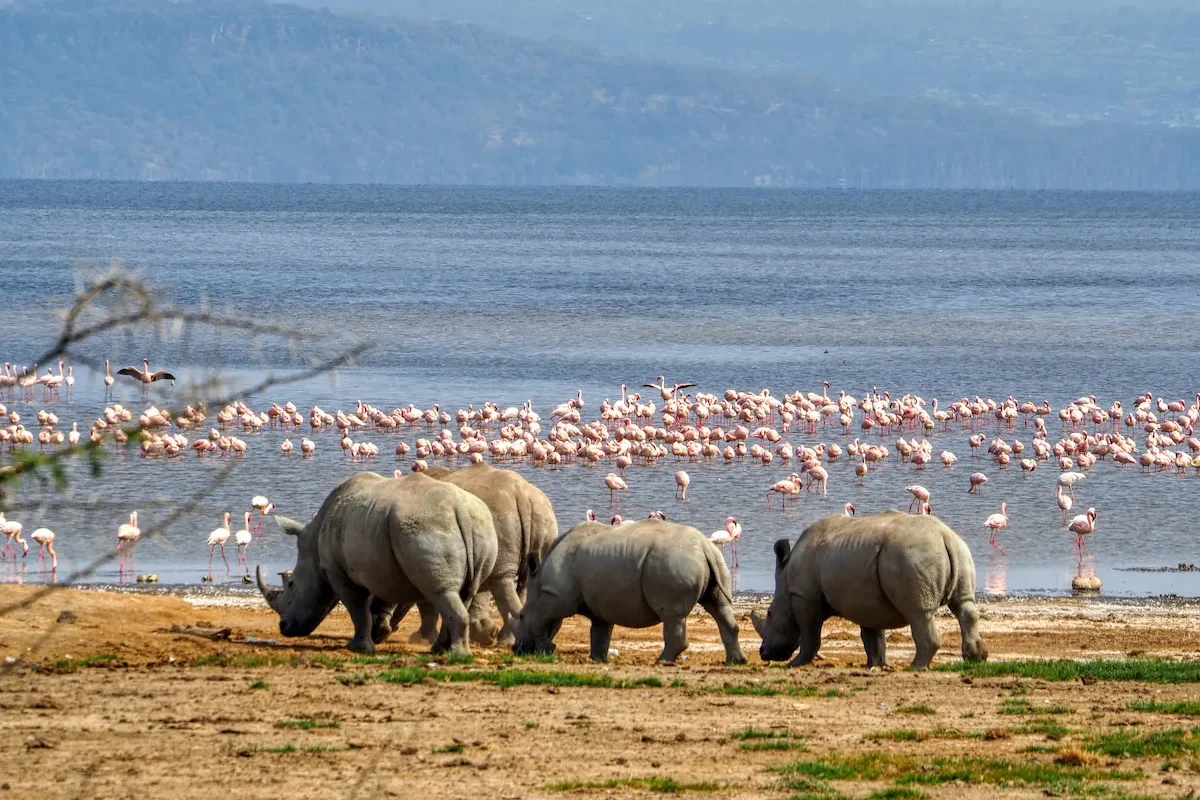
Kenya is another excellent choice, particularly the Maasai Mara National Reserve. This reserve is renowned for the Great Migration, creating a breathtaking backdrop for family adventures. Many lodges in the area provide family-centric amenities and activities, such as guided nature walks and educational talks about local wildlife and culture, making it appealing for both Generation X parents and their Generation Alpha children.
If you’re seeking a more off-the-beaten-track option, consider Botswana’s Okavango Delta. It offers unique water-based safaris that can be both exciting and safe for children, along with high-quality family accommodations. The flexibility of mobile safari options allows for tailored experiences, which can be designed with the interests of both parents and children in mind.
Moreover, safety should be a major consideration. Many reputable safari operators offer comprehensive safety measures, including guides qualified in first aid and eco-friendly practices. It is critical to ensure that the chosen destination provides family-friendly facilities, like medical centers, clean drinking water, and safe transportation. By focusing on these aspects, families can enjoy a memorable and secure safari experience, creating lifelong memories in the heart of the African wilderness.
Planning the Safari Itinerary: Balancing Activities for All Ages
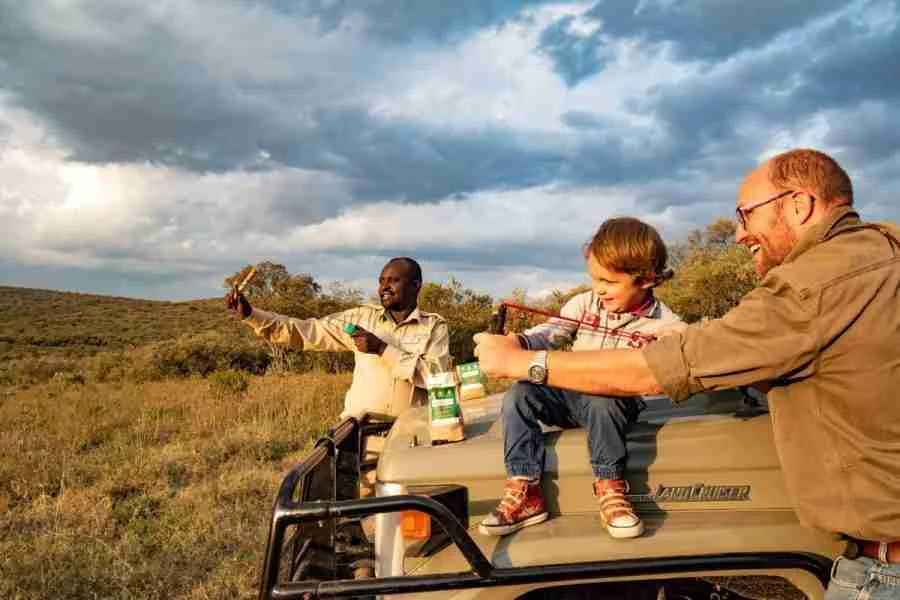
When planning an African safari, it is essential to create an itinerary that appeals to both Generation X parents and Generation Alpha children. A successful safari experience should include a mix of thrilling adventures, educational excursions, and sufficient downtime, ensuring that all family members find satisfaction in their journey.
Start by selecting safari activities that are age-appropriate. For children, consider engaging them with guided nature walks, where they can learn about the local flora and fauna in an interactive setting. Moments such as an opportunity to view wildlife in their natural habitat will not only thrill younger generations but also allow parents to impart valuable lessons on conservation and ecology.
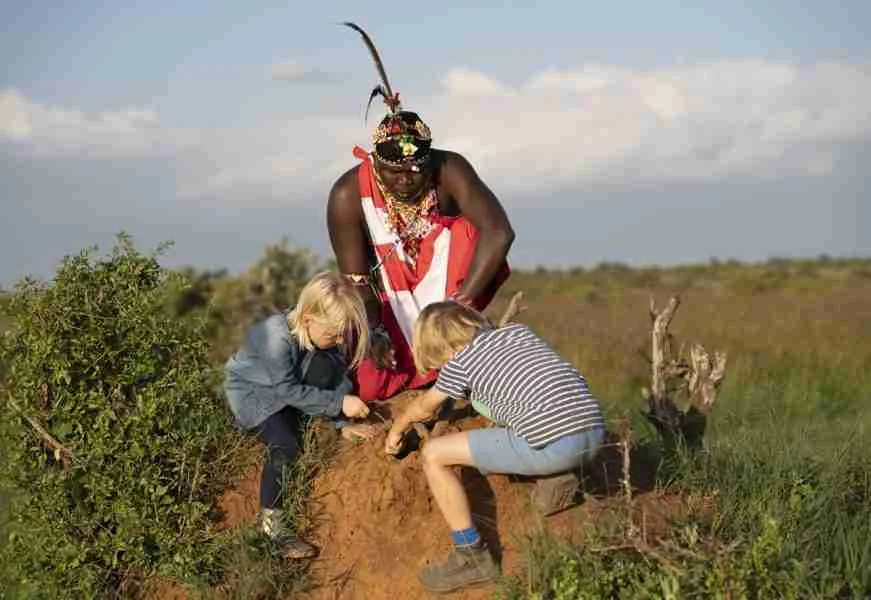
Incorporate educational experiences into the itinerary. Visiting local cultural sites or engaging in workshops with indigenous communities can provide insight into the traditions and lifestyles of the region. Such experiences can foster empathy and understanding within children, bridging the generational gap and enriching their overall safari adventure.
Moreover, it is vital to balance high-energy activities with moments of relaxation. Schedule downtime within the day to allow children to recharge. This can be achieved by planning leisurely lunches, afternoon rests, or gentle swims at the lodge. Ensuring everyone has time to unwind can prevent burnout, which is essential for maintaining a harmonious family atmosphere during the trip.
Furthermore, consider the logistics of family safaris. Opt for accommodations that cater to families, offering spacious rooms and activities suited for children. Ensure that the transportation arrangements are comfortable and child-friendly, making transfers between activities enjoyable for everyone involved. By strategically structuring the itinerary to balance excitement with education and relaxation, families can forge lasting memories on their African safari.
Packing Essentials for Family Safaris
Embarking on a family safari can be an exciting adventure, particularly for families with children from Generation X and Generation Alpha. Packing the right essentials can greatly enhance the experience of exploring Africa’s remarkable wildlife and landscapes. Here is a comprehensive list of items that should not be overlooked when preparing for the journey.
First and foremost, clothing plays a major role in ensuring comfort and protection. For both generations, lightweight, breathable fabrics are ideal for the day’s safari excursions, while layering options such as fleeces or jackets are important for cooler evening temperatures. Earthy tones or neutral colors are preferable, as they blend in with the natural surroundings and avoid startling wildlife. Additionally, it’s advisable to have a wide-brimmed hat and sunglasses to protect against the sun.
Health and safety supplies are also critical components of your safari packing list. First aid kits, insect repellent, and sunscreen with high SPF are essential to protecting your family’s well-being. It may be prudent to consult with a healthcare professional beforehand to ensure any necessary vaccinations or medications are included. For Generation Alpha children, bringing along motion sickness tablets can cater to those prone to discomfort during vehicle travel.
Entertainment will be vital for keeping younger travelers engaged during downtime. Consider packing portable games, books, or electronic devices pre-loaded with age-appropriate content. Noise-canceling headphones can also be helpful to ensure that children can enjoy their entertainment without distraction. Finally, do not forget a durable backpack to hold snacks, water bottles, and any additional gear needed for short excursions.
In short, being well-prepared with the right packing essentials not only ensures a smooth family safari experience but also helps create lasting memories that both generations will cherish for years to come.
Engaging Generation Alpha with Educational Experiences
As parents embark on the enriching journey of planning an African safari with their children, particularly those from Generation Alpha, incorporating educational experiences becomes essential. This generation, generally defined as those born from the early 2010s to the mid-2020s, thrives on digital interaction and hands-on learning. Thus, it is crucial to present wildlife education in a way that resonates with their learning preferences.
One effective strategy to achieve this is through interactive learning sessions led by experienced guides. These professionals can provide insights into local wildlife and the ecosystems they inhabit, enhancing children’s understanding of biodiversity and conservation. Utilizing storytelling techniques can capture their attention, making the information relatable and memorable. For instance, narrating the story of a specific animal, its habitat, and its role in the ecosystem can spark curiosity and foster empathy towards nature.
Another method to engage Generation Alpha is to incorporate technology. Many lodges and safari operators offer apps that children can use to identify animal tracks and calls. Such interactive tools can elevate the safari experience, allowing children to learn through augmented reality features or wildlife games. This alignment with their familiarity with technology bridges the gap between education and entertainment.
Furthermore, creative workshops can be integral to the educational experience. Activities such as painting, photography, or conservation-themed crafts allow children to express their understanding and appreciation of wildlife artistically. By engaging in these activities, children not only learn about animals but also develop a deeper emotional connection with the environment.
By integrating these engaging educational experiences, parents can ensure that their children from Generation Alpha gain valuable insights during their African safari while enjoying the adventure of a lifetime. This rich blend of learning and exploration fosters a lasting appreciation of nature and wildlife conservation in young minds.
Safety Tips for Traveling with Kids in Africa
When embarking on an African safari with children, parents must prioritize safety to ensure a memorable and secure experience. Understanding the unique environment and wildlife of Africa is essential for a smooth journey. One of the first steps in ensuring safety includes discussing wildlife safety protocols with children. Educate them on the importance of staying in designated areas, following guides’ instructions, and maintaining a safe distance from animals. This knowledge can help prevent accidents and foster respect for wildlife.
Health precautions are also critical when traveling to Africa. Parents should consult with healthcare professionals before the trip to understand necessary vaccinations and preventive medications. Children might require vaccinations for diseases like malaria or yellow fever, depending on the regions you plan to visit. It is advisable to pack a comprehensive first-aid kit that includes treatment for common ailments such as stomach upsets and insect bites. Ensure that any prescribed medications for your children are readily available and well-stored, especially in hotter climates.
Navigating local cultures can be enlightening, but parents should prepare children for cultural differences. Engaging in conversations about local customs and traditions can help children approach interactions with respect. Emphasizing the importance of politeness, especially in rural or traditional settings, fosters positive encounters. Moreover, it is wise to keep children informed about their immediate surroundings. Remind them to remain vigilant, keeping their belongings secure and being cautious when approached by unfamiliar individuals.
Lastly, consider the infrastructure within your travel itinerary. Opt for family-friendly lodges and tour operators known for their safety standards and child-friendly amenities. By implementing these safety tips, parents can focus on enjoying the adventure of an African safari while ensuring their children remain safe and engaged throughout the journey.
How to Capture Memories: Photography Tips for Families
Embarking on an African safari offers a unique opportunity for families to create lasting memories, and capturing these moments through photography is essential. However, crafting beautiful images can be particularly rewarding when children are involved in the process. Engaging Generation X and Generation Alpha in photography nurtures their creativity and helps them appreciate the beauty of their surroundings.
One crucial aspect of family photography during a safari is selecting the right equipment. While professional DSLRs offer advanced features, they may not be practical for all family members. A good point-and-shoot camera or even a smartphone can suffice, especially given their portability and ease of use. Parents should ensure that the chosen equipment is equipped with adequate zoom capabilities since many safari highlights occur at a distance. It would also be wise to bring extra batteries and memory cards to avoid any interruptions during your adventure.
In addition to involving children in the photography process and selecting appropriate equipment, storytelling through images adds depth to the captured moments. Encourage your children to explain what they see, share their feelings about specific animals or landscapes, and describe the experiences they encounter. This practice not only enhances their observational skills but also fosters a sense of pride and ownership over the images they create. Group shots can also enrich your family’s visual story; therefore, consider using a tripod or asking fellow travelers for assistance.
The key to successful photography during a safari lies in combining creativity with preparation. By involving children, selecting suitable equipment, and focusing on storytelling, families can effectively document their safari experiences, ensuring that they have cherished memories to share for years to come.
The Importance of Flexibility in Travel Plans
Traveling on an African safari with children from Generation X and Generation Alpha necessitates a level of flexibility that goes beyond typical travel preparations. Both generations exhibit varied expectations and needs, which can change rapidly, making the ability to adapt essential for a successful experience. Young travelers may experience fatigue or overwhelm as they engage in activities that can range from wildlife viewing to cultural experiences. Recognizing these needs allows parents to tailor the journey in real-time, ensuring that everyone remains engaged and enthusiastic.
When planning the safari itinerary, it is beneficial to build in buffer times between activities. For instance, allowing for longer breaks or unscheduled exploration periods can enable children to recharge. Such flexibility provides opportunities for unexpected wildlife sightings or spontaneous detours that add depth to the experience. It is also essential for parents to embrace a go-with-the-flow attitude; wildlife, after all, is unpredictable. Changing wildlife behavior can lead to alterations in planned routes or activities, and being open to these changes ensures that the family does not miss out on extraordinary encounters.
Parents can also implement strategies like engaging their children in discussions about the day’s plans while highlighting the exciting possibilities of wildlife viewing. Briefing them on what to expect can also mitigate any potential frustrations and elevate their excitement. Moreover, equipping the family with essential gear and items that cater to comfort and entertainment can further enhance flexibility, allowing families to adapt to shifting circumstances seamlessly.
Overall, prioritizing flexibility in travel plans while on safari is not merely advisable; it is essential. It ensures that family members from both generations can enjoy a richer, more enjoyable adventure tailored to their unique needs and unexpected moments.
Sharing the Safari Experience: Encouraging Family Bonding
Traveling on an African safari presents a unique opportunity for families to strengthen their bonds through shared experiences. Engaging in activities together not only creates lasting memories but also fosters connections among family members. One effective way to enhance family bonding during the safari is by participating in guided tours and wildlife sightings as a unit. These shared experiences encourage conversation, facilitate learning, and spark curiosity about the incredible biodiversity of the African landscape.
After each day of adventure, families can benefit from reflecting on their experiences together. Simple discussions about the day’s sightings, like the animals observed or the landscapes explored, can deepen understanding and appreciation of the safari journey. Parents should encourage their children to share their thoughts and feelings regarding what impressed or excited them most. This practice nurtures a sense of togetherness and encourages open communication, making the safari more memorable.
Another method to scrapbook their adventures is through journaling or creating a family travel diary. Collecting photographs, sketches, and notes could help each family member document their unique perspective on the safari journey. This not only serves as a tangible keepsake but also provides an avenue for artistic expression—a creative outlet that is particularly appealing to Generation Alpha. Engaging in this activity together promotes cooperative learning and gives children a chance to showcase their creativity while involving parents in an enjoyable task.
Incorporating fun rituals, such as an evening sharing circle where each family member discusses their favorite moment of the day, can also foster a deeper connection. By establishing these traditions, parents can create a supportive family atmosphere that encourages appreciation of nature and highlights family unity. Thus, the African safari becomes not just a trip but a platform for building lasting familial relationships.