Maasai Market Nairobi, Kenya: The Complete 2026 Visitor Guide to the City’s Most Famous Open-Air Craft Market
The Maasai Market Nairobi is one of Kenya’s most popular shopping attractions and a must-visit destination for travelers looking to experience authentic African craftsmanship, vibrant local culture, and unique handmade souvenirs. Renowned for its colorful displays, talented artisans, and lively atmosphere, the Maasai Market offers visitors an opportunity to browse thousands of handcrafted products while interacting directly with local artists and traders. Whether you are visiting Nairobi for business, leisure, or a Kenya safari, a trip to the Maasai Market is one of the best ways to take home a genuine piece of Kenyan heritage.


Unlike a traditional permanent market, the Maasai Market operates as a travelling open-air market, moving between different shopping malls, hotels, and public venues throughout Nairobi on specific days of the week. This unique concept allows visitors to enjoy the market in various convenient locations across the city, including popular areas such as Westlands, Upper Hill, Kilimani, Gigiri, Karen, and the Central Business District. Because the schedule may change from time to time, travelers are encouraged to confirm the current location before planning their visit.
The market is famous for showcasing the incredible creativity and craftsmanship of Kenyan artisans. Visitors can browse an extensive selection of handmade products, including traditional Maasai beadwork, colorful jewelry, hand-carved wooden sculptures, African paintings, woven baskets, leather sandals, textiles, kikoys, kangas, decorative masks, soapstone carvings, handbags, home décor, ornaments, and beautifully crafted souvenirs. Many of these items are handmade using traditional techniques passed down through generations, making every purchase both meaningful and unique.

One of the highlights of visiting the Maasai Market is the opportunity to meet the artisans themselves. Unlike shopping in conventional retail stores, many vendors personally create the products they sell and are happy to explain the inspiration, symbolism, and craftsmanship behind their work. This direct interaction provides valuable insight into Kenya’s rich artistic traditions while supporting local entrepreneurs and small businesses.
The Maasai Market is also well known for its lively bargaining culture. Negotiating prices is an accepted and expected part of the shopping experience, allowing visitors to engage in friendly conversations while often securing excellent value for handmade products. Bargaining should always be conducted respectfully and with a smile, recognizing the skill and effort involved in producing authentic handcrafted goods.

Beyond shopping, the Maasai Market offers an immersive cultural experience. The colorful stalls, vibrant fabrics, intricate beadwork, cheerful atmosphere, and warm hospitality create an exciting environment where visitors can appreciate Kenya’s artistic diversity. Photographers particularly enjoy capturing the bright displays, traditional crafts, and bustling market scenes that showcase the country’s creative spirit.
The market is especially popular with international tourists seeking authentic souvenirs before returning home. Handmade jewelry, carved animals, safari-themed artwork, decorative bowls, traditional musical instruments, and African textiles make thoughtful gifts and lasting reminders of a visit to Kenya. Many items are lightweight and easy to pack, making them ideal for travelers.

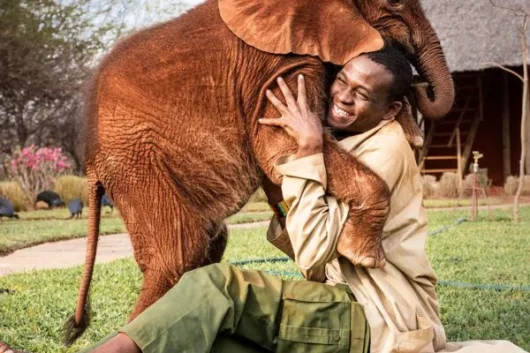
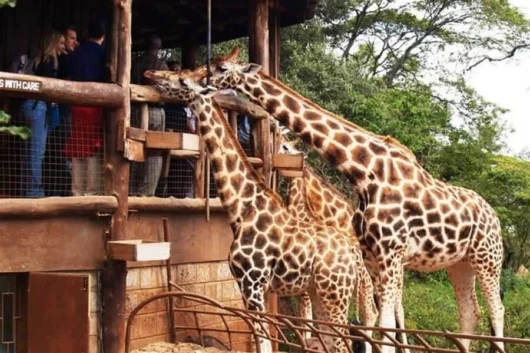
Because of its central locations throughout Nairobi, the Maasai Market can easily be combined with visits to many of the city’s leading attractions. Visitors often include the market in a full-day itinerary alongside Nairobi National Park, the Giraffe Centre, the David Sheldrick Elephant Orphanage, the Karen Blixen Museum, the Bomas of Kenya, or the Nairobi National Museum. It also provides an excellent opportunity to support Kenya’s creative economy while experiencing the country’s rich cultural heritage firsthand.

When visiting the Maasai Market, it is advisable to carry some cash, although many vendors now accept mobile payments and other digital payment options. Comfortable walking shoes, reusable shopping bags, and plenty of time to browse are also recommended, as the variety of handcrafted products can be truly impressive.
Whether you are searching for authentic Kenyan souvenirs, beautiful handcrafted gifts, colorful home décor, or simply an unforgettable cultural experience, the Maasai Market Nairobi delivers one of the most rewarding shopping experiences in East Africa. Combining exceptional craftsmanship, vibrant local culture, friendly artisans, and an atmosphere filled with creativity, it remains one of Nairobi’s top attractions and an essential stop for anyone exploring Kenya’s capital.
Masai Market Nairobi Schedules and locations (Monday to Sunday)
Shop at Maasai Market – Shopping here is one of the best things to do in Kenya. The open-air market is where you can find great things to take back home like curios, paintings, prints and fabrics.
Below is a schedule of where to catch these Jua Kali artisans and find that unique wedding gift or items for your home or wardrobe.
- Monday -There is usually no market on this day.
- Tuesday – Kijabe Street Park next to Nairobi River and Westgate (suspended )
- Wednesday – Capital Center along Mombasa rd
- Thursday – The junction Mall along Ngong road
- Friday – The Village market along Limuru road
- Saturday –The High court parking in the city Center opposite Re-Insurance Plaza
- Sunday –Yaya Center along Valley Road in Hurlingham
Maasai Market Nairobi Frequently Asked Questions (FAQs)
1. What is the Maasai Market?
The Maasai Market is a traveling open-air craft market in Nairobi where local artisans sell handmade jewelry, beadwork, wood carvings, textiles, paintings, baskets, and other authentic Kenyan souvenirs.
2. Where is the Maasai Market located?
The market operates at different venues across Nairobi on different days of the week, often at shopping malls, hotels, and public spaces. It’s advisable to check the current location before visiting.
3. What can I buy at the Maasai Market?
Visitors can purchase Maasai beadwork, handmade jewelry, wood carvings, paintings, leather products, baskets, soapstone sculptures, African fabrics, home décor, traditional crafts, and safari souvenirs.
4. Is bargaining allowed?
Yes. Bargaining is a normal part of the shopping experience and is expected. Friendly and respectful negotiation is encouraged.
5. What are the opening hours?
Opening hours vary depending on the location, but the market generally operates during daytime hours, often from morning until late afternoon.
6. Do vendors accept credit cards?
Some vendors accept mobile payments or card payments, but carrying cash is recommended, especially when purchasing from smaller stalls.
7. Is the Maasai Market worth visiting?
Absolutely. It is one of the best places in Nairobi to buy authentic Kenyan souvenirs while supporting local artisans and experiencing Kenya’s vibrant craft culture.
8. How much time should I spend at the market?
Most visitors spend 1 to 3 hours, depending on how much shopping they plan to do and how many stalls they wish to explore.
9. Is the market suitable for families?
Yes. Families enjoy browsing the colorful stalls, meeting local artisans, and discovering unique handcrafted items suitable for all ages.
10. Can I take photographs?
Photography is generally allowed, but it is polite to ask vendors for permission before taking close-up photos of their stalls or products.
11. Can I combine the Maasai Market with other Nairobi attractions?
Yes. Many visitors include the Maasai Market alongside the Giraffe Centre, Nairobi National Park, the David Sheldrick Elephant Orphanage, the Karen Blixen Museum, the Bomas of Kenya, or the Nairobi National Museum.
12. Why should I visit the Maasai Market?
The Maasai Market offers an authentic Kenyan shopping experience where visitors can buy unique handmade crafts, interact with local artisans, support small businesses, and take home meaningful souvenirs that reflect Kenya’s rich cultural heritage.
Day Excursions & Best things to do in Nairobi with Adeli Kenya Safaris
Showing all 22 results
- Amboseli Kenya safaris
Amboseli National Park Safari Full-Day Trip from Nairobi
Original price was: $340.00.$220.00Current price is: $220.00. - Nairobi Day Excursions | Best Things to Do in Nairobi, Kenya
Nairobi National Park Half-Day Excursion Tour
Original price was: $200.00.$125.00Current price is: $125.00. - Nairobi Day Excursions | Best Things to Do in Nairobi, Kenya
Nairobi National Park & City Full-Day Excursion Tour with Adeli Kenya Safaris
Original price was: $280.00.$215.00Current price is: $215.00. - Nairobi Day Excursions | Best Things to Do in Nairobi, Kenya
Into Africa Nairobi full day excursion tour with Adeli Kenya Safaris
Original price was: $280.00.$210.00Current price is: $210.00. - Nairobi Day Excursions | Best Things to Do in Nairobi, Kenya
Lake Naivasha, Crescent Island & Hell’s Gate Park Full day Safari tour from Nairobi
Original price was: $405.00.$305.00Current price is: $305.00. - Nairobi Day Excursions | Best Things to Do in Nairobi, Kenya
Ol Pejeta Conservancy Big 5 Full-Day Safari from Nairobi
Original price was: $370.00.$250.00Current price is: $250.00. - Nairobi Day Excursions | Best Things to Do in Nairobi, Kenya
Lake Nakuru, Lake Naivasha & Crescent Island Great Lakes Full-Day Safari from Nairobi
Original price was: $405.00.$285.00Current price is: $285.00. - Nairobi Day Excursions | Best Things to Do in Nairobi, Kenya
David Sheldrick Elephant Orphanage & Giraffe Centre half day Nairobi city excursion
Original price was: $225.00.$165.00Current price is: $165.00. - Nairobi Day Excursions | Best Things to Do in Nairobi, Kenya
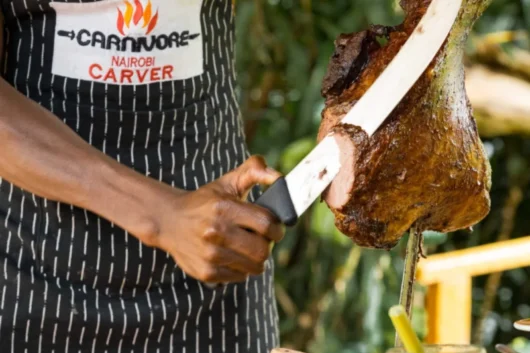
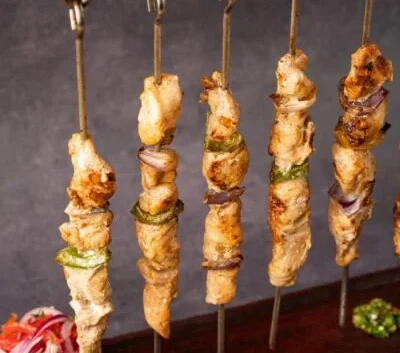
Carnivore Restaurant Lunch Nairobi Excursion: Beast of a Feast experience
$0.00 - Nairobi Day Excursions | Best Things to Do in Nairobi, Kenya
Carnivore Restaurant Dinner Nairobi Excursion: Beast of Beast experience
$0.00 - Nairobi Day Excursions | Best Things to Do in Nairobi, Kenya
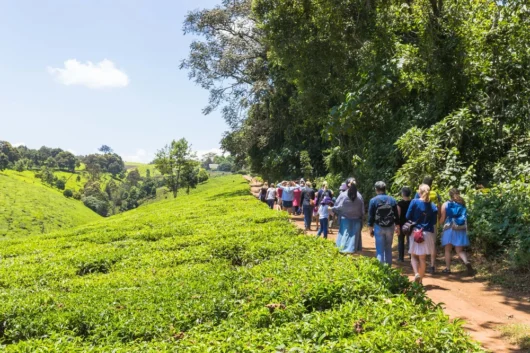
Kiambethu Tea Farm Nairobi City Excursion Tour
$0.00 - Nairobi Day Excursions | Best Things to Do in Nairobi, Kenya
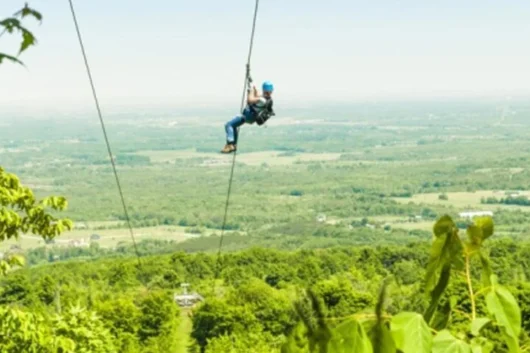
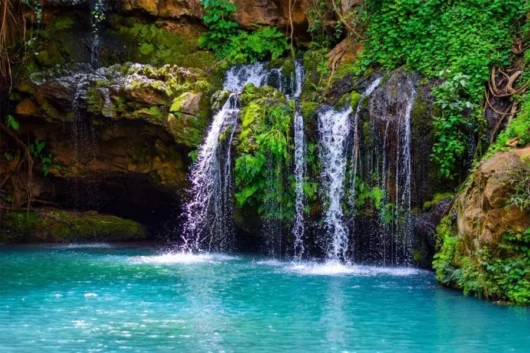
Kereita Forest Zip Lining, Hiking & Waterfall Tour from Nairobi
$0.00 - Nairobi Day Excursions | Best Things to Do in Nairobi, Kenya
Sagana white water rafting & bungee jumping tour from nairobi
$0.00 - Nairobi Day Excursions | Best Things to Do in Nairobi, Kenya
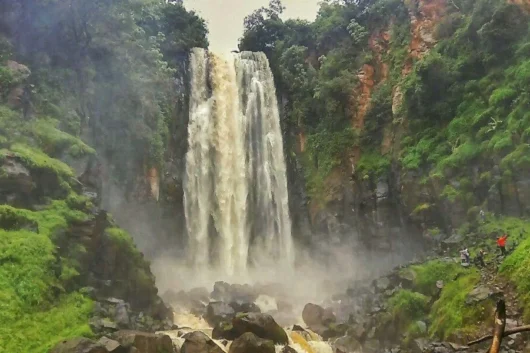
Thomson Falls Nyahururu full day trip tour from Nairobi
$0.00 - Nairobi Day Excursions | Best Things to Do in Nairobi, Kenya
Mount Longonot Full-Day Hiking Adventure Tour from Nairobi
$0.00 - Nairobi Day Excursions | Best Things to Do in Nairobi, Kenya
Ngare Ndare Hiking, Birdwatching, Swimming & Canopy Walk Full-Day Tour from Nairobi
$0.00 - Nairobi Day Excursions | Best Things to Do in Nairobi, Kenya
Kisames Zip Lining and team building tour from Nairobi
$0.00 - Nairobi Day Excursions | Best Things to Do in Nairobi, Kenya
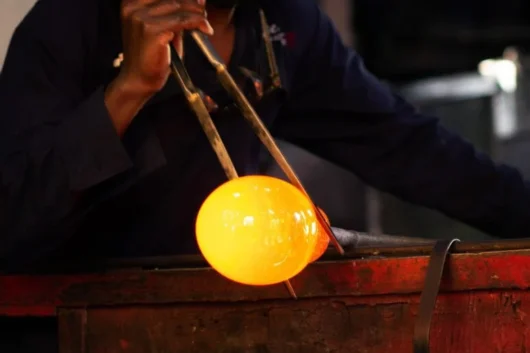
Kitengela Glass Nairobi Full day tour
$0.00 - Nairobi Day Excursions | Best Things to Do in Nairobi, Kenya
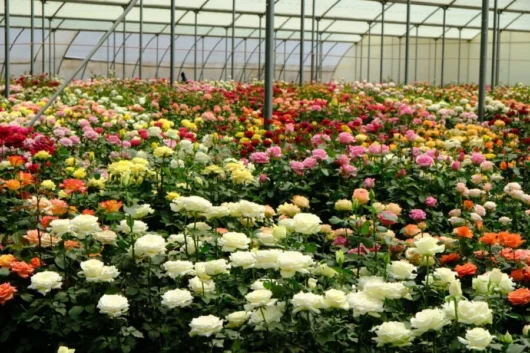
Lake Naivasha Flower Farms Agricultural tour from Nairobi
$0.00 - Nairobi Day Excursions | Best Things to Do in Nairobi, Kenya
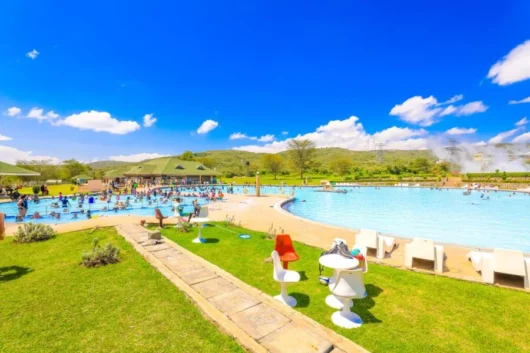
Hells Gate , Lord Egerton & Olkaria Hot Spar full day tour from Nairobi
$0.00