Things to do in Madagascar: Africa safari Holiday tour packages with Adeli Kenya Safaris
Introduction to Madagascar’s Unique Safari Experience
Madagascar, the world’s fourth-largest island, is a treasure trove of biodiversity and natural beauty, firmly establishing itself as an exceptional travel destination for safari enthusiasts. This island nation is famous for its unique wildlife, with around 90% of its species not found anywhere else on Earth. From the lemurs that swing through the trees to the striking chameleons that change colors, Madagascar’s fauna offers an unparalleled experience for nature lovers and wildlife photographers alike.
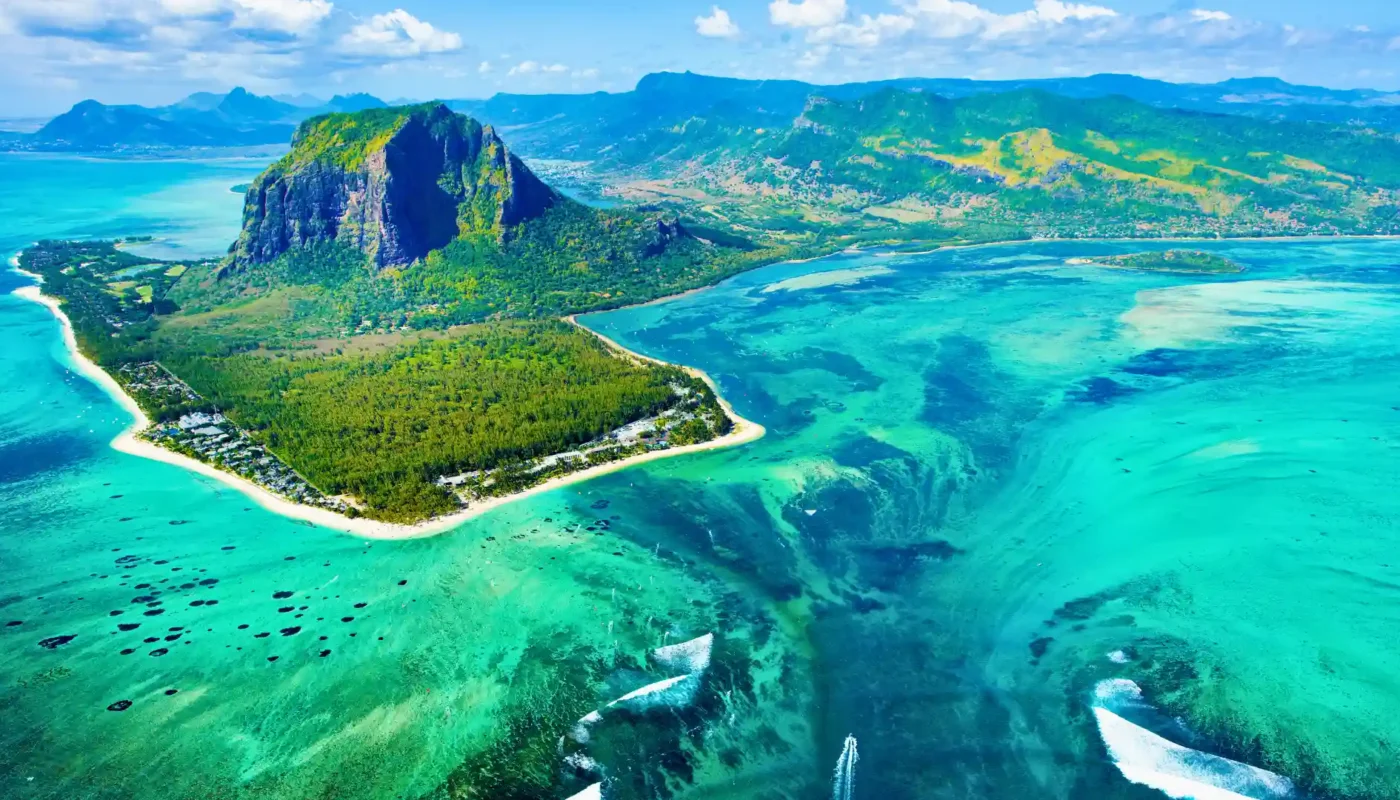
The landscapes of Madagascar are equally captivating, ranging from pristine beaches to dense rainforests, and arid deserts to lush mountains. This variety creates the perfect backdrop for various safari activities, providing tourists the chance to explore uncharted territories and discover breathtaking scenery. As you traverse the island, you may find yourself navigating through its renowned national parks, such as Andasibe-Mantadia, where both wildlife and plant species flourish amid the rich flora.
The culture of Madagascar adds another layer of intrigue to the safari experience. With a rich tapestry woven from African, Asian, and French influences, Madagascar boasts vibrant traditions, festivals, and cuisines that reflect its diverse heritage. Visitors are encouraged to immerse themselves in the local culture, whether through guided village tours, culinary classes, or traditional dancing, creating memories that extend beyond the wildlife itself.
When it comes to safari tours, Madagascar offers an array of options tailored to different interests and budgets. Various tour packages are available, ranging from luxury lodges in remote areas to more budget-friendly camping experiences. These curated tours ensure that each visitor can engage with the island’s unique biodiversity and landscapes, all while enjoying the custom experiences that only Madagascar can provide.
Why Choose Madagascar for Your Safari Holiday?
Madagascar is an unparalleled destination for a safari holiday due to its exceptional biodiversity and unique ecosystems. The island, separated from mainland Africa for millions of years, has become home to species that can be found nowhere else on the planet. This remarkable isolation has fostered a plethora of endemics, the most famous of which include various species of lemurs, chameleons, and the majestic baobab trees, which are revered as icons of conservation.
One of the most significant advantages of a safari in Madagascar is the opportunity to explore its diverse habitats, from lush rainforests and arid deserts to stunning coastal landscapes. The country’s national parks, such as Andasibe-Mantadia and Isalo, offer visitors a chance to immerse themselves in its rich flora and fauna. Each park provides unique experiences, ensuring that every safari holiday is memorable and distinct.
Unlike traditional safari experiences found in mainland Africa, Madagascar allows for a more intimate connection with nature. Tourists can engage in activities such as guided night walks to observe nocturnal wildlife, canopy treks to spot rare bird species, and cultural interactions with local communities. This combination of natural wonders and cultural experiences creates a holistic adventure that many other safari destinations lack.
Moreover, Madagascar’s relatively low tourist footfall compared to other African safari hotspots means that visitors can enjoy a more serene and personal exploration of its landscapes. This tranquility adds to the allure of the island, making a safari holiday in Madagascar not only an adventure into the wild but also a journey of discovery into the heart of a vibrant and diverse culture.
Popular Safari Tour Packages in Madagascar
Madagascar, renowned for its unique biodiversity and stunning landscapes, offers a variety of safari tour packages that cater to diverse interests and preferences. Each package ranges in duration, activities, and pricing, providing options for travelers looking to explore both the wild and cultural aspects of the island.
One of the most popular packages is the “Wildlife Adventure Safari,” which lasts approximately 10 days. This tour focuses on the island’s extraordinary fauna and flora, taking participants through national parks such as Andasibe-Mantadia and Ranomafana. Highlights of this package include guided night walks to spot lemurs and day treks in dense tropical rainforests. Prices typically start at $1,500 per person, depending on accommodation choices and included amenities.
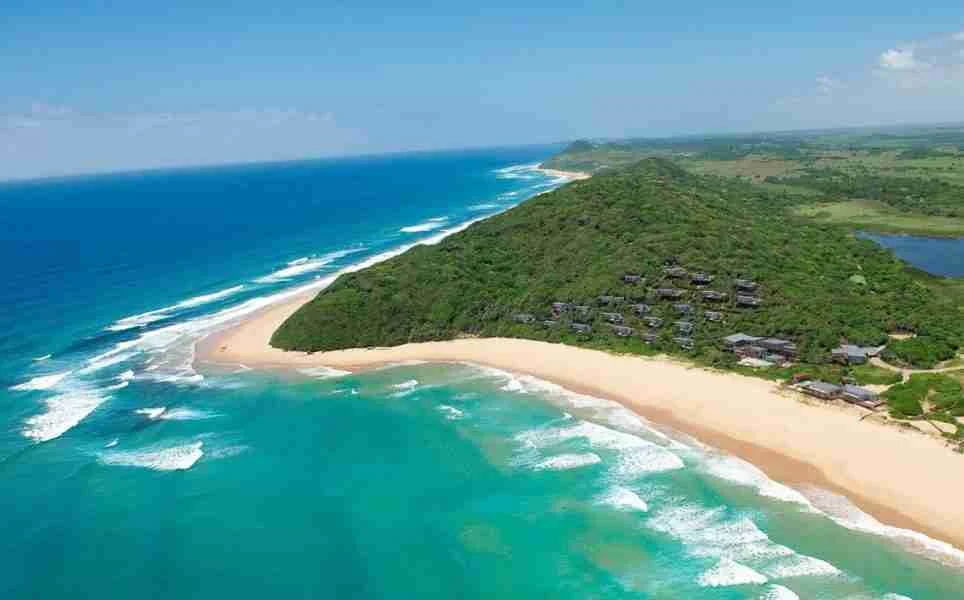
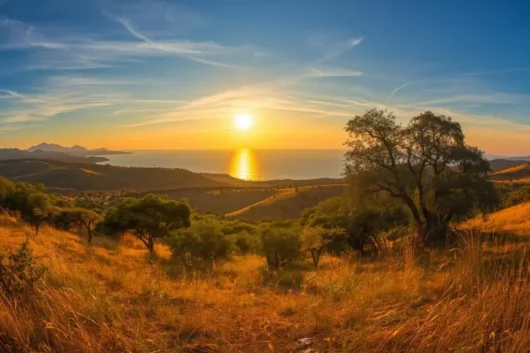
For those drawn to the coast, the “Beach and Nature Safari” spans 7 days, blending relaxation with adventure. This package includes visits to the enchanting Nosy Be island and the pristine beaches of Ifaty. Travelers can enjoy activities such as snorkeling, whale watching, and exploring local fishing villages, all while soaking in the mesmerizing sunset views. Prices for this package start around $1,200 per person, making it a great choice for beach lovers.
Lastly, the “Cultural Discovery Tour” offers a unique experience over 12 days, immersing visitors in Madagascar’s rich cultural heritage. Participants will visit local markets, craft workshops, and historical sites while engaging with local communities. This tour provides a different perspective compared to wildlife safaris, highlighting the island’s traditions and customs. Packages of this nature generally begin at $1,800 per person.
Each of these tour packages ensures that travelers can find one that aligns with their preferences, making their Madagascar safari experience truly unforgettable.
Must-Visit National Parks and Reserves
Madagascar is renowned for its rich biodiversity and unique ecosystems, making it a crucial destination for nature enthusiasts. The island is home to several national parks and reserves that offer unforgettable experiences, showcasing the distinctive flora and fauna. Among the most notable are Andasibe-Mantadia, Isalo, and Ranomafana.
Andasibe-Mantadia National Park, situated east of Antananarivo, is one of the best places to observe the iconic indri lemur, which is famous for its large size and distinctive calls. The park comprises a mix of lush rainforests and unique wildlife, including a variety of chameleons and endemic bird species. Several trails cater to different skill levels, allowing visitors to engage in day or night hikes to witness the park’s vibrant nocturnal life.
Isalo National Park, located in the southwestern part of Madagascar, offers a contrasting landscape characterized by sandstone formations, canyons, and natural swimming pools. The park is known for its unique geological features and is an excellent location for hiking and exploring the breathtaking scenery. Visitors may encounter various species of lemurs, birds, and reptiles throughout their journey. Those interested in cultural interactions can engage with the nearby Bara tribes, gaining insight into local traditions.
Ranomafana National Park, a UNESCO World Heritage site, is another must-visit location on any safari holiday to Madagascar. This tropical rainforest not only protects numerous endangered species, including the golden bamboo lemur but also offers visitors the chance to relax in natural hot springs. The park’s diverse ecosystems host rich wildlife, from vibrant butterflies to elusive nocturnal species, providing an enriching experience for nature lovers and photographers alike.
Wildlife Watching and Unique Species of Madagascar
Madagascar is renowned for its distinct wildlife, offering an unparalleled safari experience that attracts nature enthusiasts from around the globe. Approximately 90% of the species found in Madagascar are endemic, meaning they cannot be found anywhere else. This geographical isolation has led to the evolution of unique flora and fauna, making it a premier destination for wildlife watching.
Lemurs are perhaps the most iconic of Madagascar’s inhabitants. These primates display an extraordinary variety with over 100 species, from the tiny mouse lemurs to the larger indri lemurs. The best places to observe them in their natural habitat include the Andasibe-Mantadia National Park and the Berenty Reserve. Early mornings are usually the best time to visit, as lemurs are most active during this period.
Another fascinating creature native to Madagascar is the fossa, a cat-like carnivore that preys on lemurs. Although elusive, one can increase the chances of spotting a fossa by exploring the Kirindy Forest during dusk when these animals tend to hunt.
Birdwatchers will also find Madagascar to be a treasure trove, with over 300 bird species, more than half of which are endemic. The rainforest of Andasibe is particularly notable for observing endemic birds like the Madagascar blue pigeon and the unparalleled Malagasy kingfisher.
Chameleons, famous for their color-changing abilities, add to the island’s distinct wildlife. Madagascar boasts about half of the world’s chameleon species, with remarkable varieties such as the Parson’s chameleon. Spotting these creatures can be a thrilling experience and often occurs during guided nighttime walks in reserved areas.
To make the most out of wildlife watching in Madagascar, consider visiting during the dry season, from April to October, when wildlife is easier to see as animals gather around water sources. Guided tours led by local wildlife experts can further enhance the experience, providing insights into the behaviors and habitats of these unique species.
Cultural Experiences: Engaging with Local Communities
Exploring Madagascar goes beyond its remarkable wildlife and stunning landscapes; it encompasses rich cultural experiences that deeply engage travelers with local communities. Engaging with the local culture is a vital part of any trip to Madagascar, as it allows tourists to understand the traditions, beliefs, and everyday lives of the Malagasy people.
Travelers can participate in traditional activities, such as participating in famadihana, a unique funerary rite where families celebrate and honor their ancestors. These events offer a poignant glimpse into the Malagasy value system, where respect for the past plays a significant role in communal life. Additionally, visitors can attend local markets brimming with vibrant crafts, spices, and textiles that represent the island’s artisanal heritage.
Cultural experiences in Madagascar also highlight its unique music and dance forms. Tourists have the opportunity to join in on traditional dance performances, featuring colorful attire and rhythmic movements that tell stories of the land and its history. Local music, often rooted in Malagasy folklore, offers insights into the island’s various ethnic groups and their collective history. Engaging with local musicians not only enriches one’s understanding of Madagascar’s traditions but also fosters a genuine connection with its people.
Food plays a pivotal role in the cultural landscape of Madagascar, too. Travelers can indulge in local dishes such as rice, zebu, and unique Malagasy stews while learning about their significance in everyday life. Cooking classes led by local chefs provide firsthand knowledge of the ingredients and techniques used in creating these traditional meals, enhancing the overall experience.
By immersing themselves in these cultural offerings, travelers contribute positively to the local economy while gaining a deeper appreciation for Madagascar’s diverse heritage. Tourism, when approached with cultural sensitivity, becomes a medium for authentic engagement and mutual respect.
Best Time to Visit Madagascar for Safari Tours
When planning a safari tour in Madagascar, timing is a crucial factor that can significantly impact your experience. The best months to visit for wildlife observation typically fall between April and December, with the peak time being from September to November. These months coincide with the region’s dry season, allowing for easier access to remote areas, and with the foliage thinned out, wildlife becomes more visible.
April marks the beginning of the dry season, making it an excellent time for travelers looking to avoid heavy rains and enjoy moderate temperatures. While it is the tail end of the rainy season, visitors might still catch glimpses of some unique flora and fauna, as the landscape bursts into vibrant greens. It is also a notable time for birdwatchers, as migratory species start returning.
Mid to late September is widely considered the optimal time for safari tours. Wildlife viewing peaks during this period as many animals are engaged in mating displays and foraging, which often leads to increased activity and visibility. Madagascar’s diverse ecosystems are actively supporting a wide range of species, including lemurs, chameleons, and various birds. Birdwatching enthusiasts will find this an exceptional time to capture vivid sightings of the unique avian life.
Lastly, December marks the start of the rainy season, which can still be worthwhile for some travelers, particularly those interested in observing newborn wildlife. However, as rains become more frequent, certain national parks may become less accessible. Therefore, aligning your safari tour with these climate variations is essential to maximize your experience while exploring Madagascar’s rich biodiversity.
Travel Tips for a Successful Safari in Madagascar
Embarking on a safari in Madagascar necessitates careful planning and preparation to ensure a memorable experience. The unique biodiversity and distinct landscapes of this island nation not only captivate the senses, but also present various challenges. To maximize enjoyment, travelers should consider several practical tips.
First and foremost, health and safety are paramount. Travelers are advised to consult a healthcare professional at least six weeks prior to their trip. Important vaccinations may include those for hepatitis A, typhoid, and rabies, especially for those planning to engage in wildlife contact. Additionally, it is prudent to carry a basic medical kit, including anti-malarial medication, as malaria is prevalent in certain regions of Madagascar.
Financial preparation is also essential for a successful safari. The local currency is the Malagasy Ariary (MGA). Although credit cards are increasingly accepted in urban areas and major hotels, cash remains king in remote regions. It is advisable to exchange currency before venturing into more isolated areas. Moreover, carrying small denominations is beneficial for tips and local purchases.
Cultural awareness is key to enhancing the safari experience in Madagascar. Understanding local customs and traditions can significantly improve interactions with Malagasy people. Simple gestures, such as greeting locals with “Salama” (hello), can foster goodwill. Observing local etiquette, such as respecting sacred sites and practices, will enrich your journey.
Lastly, packing efficiently can enhance the safari experience. The essentials include sturdy walking shoes, lightweight clothing suitable for varying temperatures, a high-quality camera for wildlife photography, binoculars, and a reliable insect repellent. Preparing wisely for your trip will undoubtedly pave the way for a successful and enriching safari adventure in Madagascar.
Conclusion: Your Adventure Awaits in Madagascar
In conclusion, Madagascar stands out as an exceptional destination for those seeking unforgettable experiences amidst remarkable biodiversity and striking landscapes. It presents a unique combination of adventure, culture, and nature, which is ideal for any enthusiast of Africa safari holiday tours. From the enchanting wonders of its flora and fauna to the rich cultural tapestry woven by its inhabitants, every aspect of the island invites exploration.
The activities highlighted throughout this guide emphasize the diverse offerings available, including wildlife encounters, unique landscapes, and local traditions. Whether it is trekking through lush rainforests, relaxing on pristine beaches, or immersing oneself in local markets, Madagascar provides myriad opportunities for adventure and discovery. Each moment spent on this island reveals something new, underscoring its allure as a premier safari destination.
Given all these exceptional elements, it is clear that Madagascar deserves a position at the top of your travel list. This picturesque country not only promises adventure but also ensures a deeper appreciation for the complexities of nature and culture. By planning your journey now, you open the door to exploring all the picturesque wonders that Madagascar has to offer.
Ultimately, as you consider your next vacation, allow Madagascar to inspire you. The multitude of safari tour packages available can cater to various interests and budgets, ensuring everyone can partake in this enchanting adventure. Book your trip today and begin your expedition to Madagascar, where every day offers a new discovery waiting to unfold.
Madagascar Holiday Packages – General Questions
1. What are Madagascar holiday packages?
Madagascar holiday packages are organized travel experiences combining wildlife, nature, beaches, cultural experiences, sightseeing and accommodation across Madagascar. Adeli Kenya Safaris can help tailor a Madagascar holiday around your interests, travel dates and preferred budget.
2. Why should I choose Madagascar for a holiday?
Madagascar is an exceptional holiday destination because of its endemic wildlife, rainforests, baobabs, dramatic landscapes, beaches and distinctive Malagasy culture. It offers experiences that are very different from a traditional mainland African safari.
3. Is Madagascar good for a safari holiday?
Yes. Madagascar is particularly rewarding for travelers interested in lemurs, chameleons, endemic birds, reptiles, forests and unusual landscapes. It is better described as a specialized wildlife and nature safari destination rather than a conventional Big Five safari destination.
4. What makes Madagascar different from other African safari destinations?
Madagascar’s greatest distinction is its extraordinary endemism. Its long geographic isolation has produced wildlife and plant species found nowhere else, including numerous lemur species and several distinctive chameleons.
5. What can I see on a Madagascar holiday?
Depending on your itinerary, you can see lemurs, chameleons, endemic birds, baobabs, rainforest, sandstone formations, beaches, coral reefs and fascinating local communities.
6. Can Adeli Kenya Safaris arrange a Madagascar holiday?
Yes. Adeli Kenya Safaris offers tailor-made travel planning and includes Madagascar among its African destinations. Its approach allows itineraries to be designed around travelers’ interests, schedules and budgets.
7. Can I customize my Madagascar holiday package?
Yes. A tailor-made Madagascar holiday can be designed around wildlife viewing, photography, beaches, hiking, culture, honeymoon travel, family travel or a combination of experiences.
8. How long should I spend in Madagascar?
A Madagascar holiday can range from approximately one week to several weeks. For a first visit covering wildlife and major landscapes, around 10 to 14 days can provide a good balance, depending on internal travel requirements.
9. Is Madagascar suitable for first-time visitors to Africa?
Yes. Madagascar can be an excellent first African destination, particularly for travelers interested in nature, wildlife and culture. Working with an experienced tour operator can simplify accommodation, transfers, guides and itinerary planning.
10. Is Madagascar suitable for families?
Yes. Family-friendly Madagascar holidays can combine wildlife, nature, beaches and cultural experiences. The itinerary should be adapted to children’s ages, interests and tolerance for longer road journeys.
11. Is Madagascar good for couples?
Yes. Madagascar offers romantic beaches, private nature experiences, scenic landscapes, boutique accommodation and wildlife encounters that can make an excellent couples’ holiday.
12. Is Madagascar suitable for honeymoon holidays?
Yes. Honeymooners can combine wildlife adventures with relaxing beach stays, particularly in destinations such as Nosy Be and other coastal areas.
13. Can I combine wildlife and beach holidays in Madagascar?
Yes. Madagascar is particularly well suited to combining wildlife and beach experiences because the island offers rainforests, wildlife reserves and tropical coastal destinations.
14. Can I combine Madagascar with another African destination?
Yes. Depending on available flight connections and your travel schedule, Madagascar can potentially be combined with destinations such as Kenya, Tanzania, Zanzibar, Mauritius or Seychelles.
15. Can Adeli Kenya Safaris arrange a private Madagascar tour?
A private itinerary can be requested as part of a tailor-made Madagascar holiday. Your travel designer can structure the trip around your preferred destinations, accommodation and activities.
Best Time to Visit Madagascar
16. What is the best time to visit Madagascar?
Madagascar can be visited throughout the year, but the best period depends on the region and activities. The official Madagascar tourism information identifies April to October as the dry season, while September and October are among the particularly favorable periods.
17. What is the best month for a Madagascar safari?
September and October are often excellent months for wildlife and nature travel, although the ideal month depends on the specific parks and regions included in your itinerary.
18. Is Madagascar good to visit in April?
Yes. April marks the transition toward the drier period in many areas and can be a rewarding time for nature and wildlife travel.
19. Is May a good month for Madagascar holidays?
Yes. May can offer pleasant conditions in several regions and is within the broader dry-season period.
20. Is June a good time to visit Madagascar?
Yes. June is generally a good month for exploring Madagascar, particularly for travelers interested in cooler conditions and wildlife experiences.
21. Is July a good month for a Madagascar safari?
Yes. July falls within the dry season and can be a popular month for wildlife and nature holidays.
22. Is August a good time to visit Madagascar?
Yes. August is within the dry season and can be favorable for exploring many destinations.
23. Is September a good month for Madagascar holidays?
Yes. September is widely regarded as one of the attractive months for exploring Madagascar, particularly for wildlife and nature experiences.
24. Is October a good month to visit Madagascar?
Yes. October can be an excellent month for combining wildlife, nature and selected coastal experiences.
25. Is November a good time to visit Madagascar?
November can still be rewarding, although weather patterns begin changing in some regions as the wetter season approaches.
26. Can I visit Madagascar during the rainy season?
Yes, but your itinerary should account for regional weather and road accessibility. Some national parks may be difficult or impossible to access during periods of heavy rain.
27. When is the rainy season in Madagascar?
The rainy season generally occurs from November to March, although conditions vary considerably between regions.
28. When is the dry season in Madagascar?
The broad dry season is generally from April to October.
29. Does Madagascar have the same weather throughout the country?
No. Madagascar has considerable regional climate variation. The highlands, eastern coast, western regions, northern areas and south can experience substantially different conditions.
30. What is the best time for whale watching in Madagascar?
Humpback whales are generally present off parts of Madagascar’s northeastern coast from June to September.
Madagascar Wildlife and Safari FAQs
31. What wildlife is Madagascar famous for?
Madagascar is especially famous for lemurs, chameleons, endemic birds, fossas, baobabs and other unique flora and fauna.
32. Are lemurs found only in Madagascar?
Madagascar is the natural home of lemurs, making the island the world’s premier destination for observing them in the wild.
33. How many types of lemurs can I see in Madagascar?
Madagascar has a remarkable diversity of lemurs, with many species distributed across different forests and protected areas.
34. Where is the best place to see lemurs in Madagascar?
Andasibe-Mantadia is one of the best-known destinations for lemur encounters, while other parks and reserves offer different species and habitats.
35. Can I see lemurs at night in Madagascar?
Yes. Several protected areas offer guided night walks where visitors can search for nocturnal lemurs and other wildlife.
36. Can I see chameleons in Madagascar?
Yes. Madagascar is famous for its extraordinary variety of chameleons, which can be encountered in forests and protected areas.
37. Is Madagascar good for bird watching?
Yes. Madagascar is an excellent destination for birdwatchers because it has many endemic bird species.
38. Can I see the fossa in Madagascar?
Yes, although fossas are elusive. Wildlife-focused itineraries can include areas where sightings may be possible.
39. Is Madagascar good for wildlife photography?
Absolutely. Madagascar offers unusual subjects including lemurs, chameleons, birds, reptiles, baobabs, landscapes and tropical forests.
40. What is the best time of day to see lemurs?
Early morning can be particularly rewarding because many lemur species are active around this time.
41. Can I see wildlife in Madagascar national parks?
Yes. National parks and protected areas are among the best places to experience Madagascar’s distinctive wildlife.
42. Is Madagascar good for nature lovers?
Yes. The island’s forests, mountains, wetlands, beaches, wildlife and endemic flora make it especially appealing to nature enthusiasts.
43. Is Madagascar a Big Five safari destination?
No. Madagascar is not primarily a Big Five safari destination. Its appeal lies in its endemic wildlife, especially lemurs, chameleons, birds and unique ecosystems.
44. Can I see elephants in Madagascar?
No. Wild African elephants are not native to Madagascar. Travelers seeking elephants should consider destinations such as Kenya or Tanzania.
45. Can I see lions in Madagascar?
No. Lions are not native to Madagascar. The island’s wildlife experience is centered on its endemic species.
46. What makes Madagascar wildlife unique?
Geographic isolation has produced an exceptionally high level of endemism, meaning many species evolved exclusively on the island.
47. Can I see wildlife and beaches on the same Madagascar trip?
Yes. This is one of the advantages of a tailor-made itinerary. You can combine inland wildlife areas with coastal destinations such as Nosy Be.
48. Are Madagascar safaris walking safaris?
Some wildlife experiences involve guided walks and hikes, while other transfers between destinations are conducted by vehicle or other forms of transport.
49. Are night walks available in Madagascar?
Yes. Some parks and reserves offer guided nocturnal walks, providing opportunities to search for nocturnal lemurs, chameleons, insects and other wildlife.
50. Are Madagascar wildlife tours suitable for photographers?
Yes. Wildlife, endemic birds, lemurs, reptiles, landscapes and distinctive vegetation make Madagascar particularly attractive for photographers.
Madagascar National Parks and Attractions
51. What are the best national parks in Madagascar?
Popular parks and protected areas include Andasibe-Mantadia, Ranomafana, Isalo and several other reserves and forests.
52. What is Andasibe-Mantadia National Park famous for?
Andasibe-Mantadia is famous for rainforest, lemurs, birds, chameleons and other endemic wildlife. It is also relatively accessible from Antananarivo.
53. What is Ranomafana National Park famous for?
Ranomafana is known for rainforest biodiversity, lemurs, birds, plants and hiking opportunities. It is one of Madagascar’s important wildlife destinations.
54. What is Isalo National Park famous for?
Isalo is famous for dramatic sandstone landscapes, canyons, hiking trails and natural pools.
55. What is the Avenue of the Baobabs?
The Avenue of the Baobabs is one of Madagascar’s most iconic landscapes, featuring spectacular baobab trees and providing excellent opportunities for photography.
56. Why are baobabs important in Madagascar?
Baobabs are among Madagascar’s most recognizable plants, with several species native to the island.
57. What is Nosy Be famous for?
Nosy Be is famous for tropical beaches, marine activities, islands, diving, snorkeling and a relaxed coastal atmosphere.
58. Is Nosy Be good for a beach holiday?
Yes. Nosy Be is one of Madagascar’s most popular coastal destinations and can be incorporated into beach and nature itineraries.
59. Can I visit Tsingy formations in Madagascar?
Yes. The Tsingy formations are among Madagascar’s most remarkable geological landscapes and can be included in suitable itineraries.
60. What are the Tsingy of Madagascar?
The Tsingy are dramatic limestone formations created through geological erosion and are among Madagascar’s most distinctive natural attractions.
61. Can I hike in Madagascar?
Yes. Hiking opportunities range from relatively easy forest walks to more demanding trails in areas such as Isalo and Ranomafana.
62. Is Madagascar suitable for adventure holidays?
Yes. Hiking, wildlife walks, snorkeling, diving, boat excursions, photography and nature exploration can all form part of a Madagascar adventure.
63. Can I visit Madagascar rainforests?
Yes. Rainforest experiences are an important part of many Madagascar safari itineraries, particularly around Andasibe and Ranomafana.
64. Can I visit Madagascar’s beaches?
Yes. Madagascar has numerous coastal destinations offering beaches, marine activities and opportunities for relaxation.
65. Can I visit Madagascar islands?
Yes. Islands such as Nosy Be and nearby islands can be incorporated into selected holiday itineraries.
Madagascar Culture and Local Experiences
66. What is Madagascar’s culture like?
Madagascar has a distinctive culture influenced by African, Austronesian and other historical influences, with diverse traditions across the island.
67. Can I experience Malagasy culture during a holiday?
Yes. Markets, villages, food, music, crafts, traditions and community interactions can be incorporated into a well-designed itinerary.
68. Can I visit local markets in Madagascar?
Yes. Local markets provide opportunities to experience Malagasy daily life, crafts, food, spices and other products.
69. What food should I try in Madagascar?
Rice is a major staple, while local cuisine can include zebu, meat, vegetables, seafood and a variety of Malagasy stews.
70. Can I take cooking classes in Madagascar?
Cooking experiences may be available in selected destinations and can be included when requested as part of a tailor-made itinerary.
71. Is Madagascar good for cultural tourism?
Yes. Travelers can combine wildlife and landscapes with visits to communities, markets, cultural sites and local experiences.
72. Can I buy souvenirs in Madagascar?
Yes. Handicrafts, textiles, spices, carvings and other locally produced items can make memorable souvenirs.
73. Can Madagascar holidays support local communities?
Responsible tourism can support local guides, accommodation providers, artisans, conservation initiatives and community businesses.
74. What language is spoken in Madagascar?
Malagasy and French are widely spoken. English is also used within parts of the tourism industry.
75. What currency is used in Madagascar?
The official currency is the Malagasy Ariary (MGA).
Madagascar Travel Planning
76. Do I need a visa to visit Madagascar?
Visa requirements depend on your nationality and current entry regulations. Madagascar’s official tourism information states that visitor visas can be issued through diplomatic or consular representations and at the airport, subject to applicable rules and fees. Travelers should confirm current requirements before departure.
77. Can I get a Madagascar visa on arrival?
Madagascar’s tourism authority states that eligible travelers can apply for a visitor visa on arrival at the airport. Requirements and charges should be reconfirmed before travel.
78. How much does a Madagascar visa cost?
Visa charges depend on the duration of stay and applicable immigration rules. Because fees can change, travelers should verify the current amount before departure.
79. What vaccinations do I need for Madagascar?
Vaccination and health requirements depend on your travel history, itinerary and nationality. Consult a qualified travel-health professional before departure and check current official requirements.
80. Is malaria present in Madagascar?
Malaria occurs in Madagascar, particularly in certain regions. Travelers should seek professional travel-health advice regarding malaria prevention before departure.
81. Should I carry travel insurance for Madagascar?
Yes. Comprehensive travel insurance is strongly recommended for international travel and should cover medical emergencies, trip interruption and other relevant risks.
82. What should I pack for a Madagascar safari?
Useful items include lightweight clothing, comfortable walking shoes, sun protection, insect repellent, binoculars, a camera, personal medication and rain protection appropriate to your itinerary.
83. What type of shoes should I wear in Madagascar?
Comfortable, supportive walking shoes are recommended for wildlife walks, forest trails and sightseeing. More rugged hiking footwear may be appropriate for demanding trails.
84. Is Madagascar expensive to visit?
The overall cost depends on accommodation, transportation, duration, activities and travel style. A tailor-made itinerary can be structured around different budgets.
85. Can I book a luxury Madagascar holiday?
Yes. Luxury Madagascar holidays can combine high-quality accommodation, private transfers, specialist guides, wildlife experiences and beach stays.
86. Can I book a budget Madagascar holiday?
Yes. Budget-conscious itineraries can use simpler accommodation, shared arrangements and carefully selected destinations to manage costs.
87. Can I book a mid-range Madagascar holiday?
Yes. Mid-range Madagascar holidays can provide a balance between comfort, location, activities and overall cost.
88. Can I travel to Madagascar as a solo traveler?
Yes. Madagascar can be visited by solo travelers, although organized transport and guided experiences can make logistics easier.
89. Is Madagascar suitable for senior travelers?
Yes, provided the itinerary is adapted to fitness levels and mobility requirements. A private or tailor-made itinerary can reduce unnecessary travel strain.
90. Can people with limited mobility visit Madagascar?
Some destinations and accommodation options can accommodate travelers with mobility needs, but accessibility varies considerably. Discuss requirements with Adeli Kenya Safaris before booking so the itinerary can be planned appropriately.
Booking Madagascar Holiday Packages with Adeli Kenya Safaris
91. Why book Madagascar holiday packages with Adeli Kenya Safaris?
Adeli Kenya Safaris provides tailor-made travel planning and specializes in creating personalized journeys based on travelers’ interests, schedules, accommodation preferences and budgets.
92. Can Adeli Kenya Safaris create a tailor-made Madagascar itinerary?
Yes. Adeli Kenya Safaris’ travel planning approach is designed around customized journeys rather than requiring every traveler to follow an identical itinerary.
93. Can Adeli Kenya Safaris arrange Madagascar accommodation?
Accommodation can be incorporated into your holiday itinerary according to your preferred travel style and budget.
94. Can Adeli Kenya Safaris arrange airport transfers in Madagascar?
Airport transfers can be incorporated into a tailor-made itinerary where required.
95. Can Adeli Kenya Safaris arrange domestic travel in Madagascar?
Domestic transportation can be considered when designing your itinerary, particularly because Madagascar’s large size makes internal travel an important part of trip planning.
96. Can Adeli Kenya Safaris arrange a Madagascar beach and safari package?
Yes. A combined itinerary can be designed around wildlife experiences followed by relaxation at a coastal destination such as Nosy Be.
97. Can Adeli Kenya Safaris arrange a Madagascar honeymoon?
Yes. A Madagascar honeymoon can combine private wildlife experiences, scenic destinations, comfortable accommodation and relaxing beach stays.
98. Can Adeli Kenya Safaris arrange a Madagascar family holiday?
Yes. Family itineraries can be customized around children’s ages, interests, accommodation preferences and suitable activities.
99. How do I book a Madagascar holiday with Adeli Kenya Safaris?
Start by sharing your preferred travel dates, number of travelers, approximate budget, interests and destinations. Adeli Kenya Safaris can then use this information to develop a suitable tailor-made itinerary. Its website describes a process based on sharing your travel requirements, receiving a customized quote and refining the itinerary before confirmation.
100. How can I get a quote for Madagascar holiday packages from Adeli Kenya Safaris?
Contact Adeli Kenya Safaris with your preferred dates, group size, budget and desired experiences. The team can then help design a Madagascar holiday package around your requirements.