Best Things to do in Botswana: Africa safari Holiday tour packages with Adeli Kenya Safaris
Introduction to Botswana Safaris
Botswana stands out as a leading destination for safari holidays, offering a unique blend of stunning landscapes, diverse wildlife, and a strong commitment to conservation. The country is renowned for its vast and unspoiled wilderness areas, including the Okavango Delta, the Kalahari Desert, and Chobe National Park. These iconic regions play a vital role in appealing to wildlife enthusiasts from around the globe.
The Okavango Delta, a UNESCO World Heritage Site, is a unique inland delta that supports an incredible variety of flora and fauna. It is home to hippos, crocodiles, and an array of bird species, making it a paradise for birdwatching. The sheer magic of this wetland ecosystem lies in its seasonal flooding, which attracts wildlife during the dry months, providing visitors with breathtaking safari experiences amidst a backdrop of unparalleled beauty.
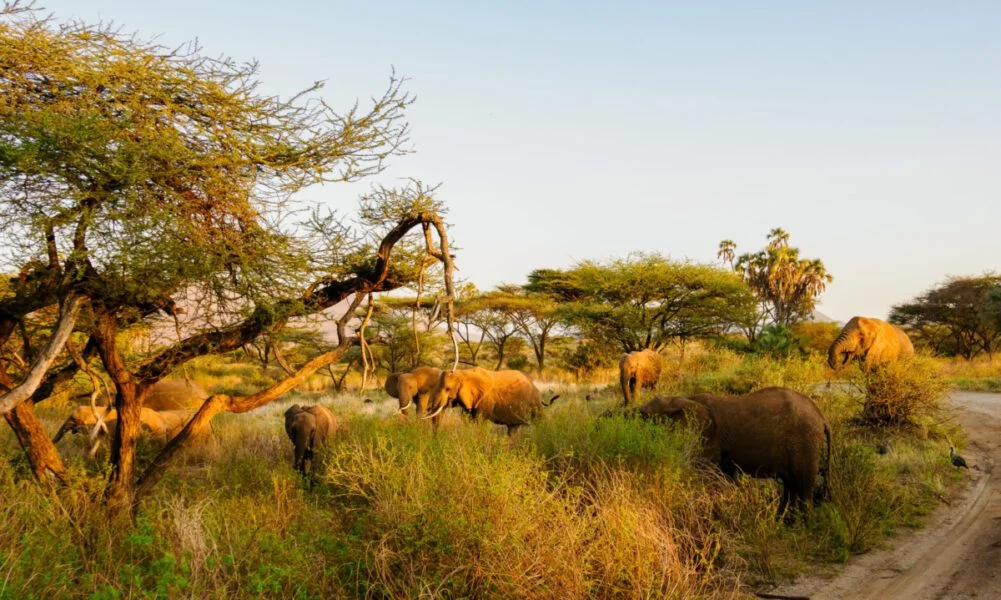
Chobe National Park, known for its large elephant population, is another highlight of Botswana safaris. It offers diverse landscapes, from lush floodplains to dry savannahs, which support an abundance of wildlife. This biodiversity is vital for both ecological balance and for creating immersive experiences for visitors. Notably, the park’s riverfront area provides some of the best opportunities for wildlife viewing as large herds converge for a drink, captivating those on safari.
Moreover, Botswana’s strong dedication to conservation is evident in its management of wildlife resources and sustainable tourism practices. This ensures that the country’s natural wonders are preserved for future generations while enabling visitors to enjoy intimate encounters with its wildlife. The balance between tourism and conservation makes Botswana a model for responsible travel, appealing to those who seek adventure while contributing positively to the environment.
Top National Parks and Wildlife Reserves in Botswana
Botswana is renowned for its remarkable natural beauty and diverse wildlife, making it a prime destination for safari enthusiasts. Among its vast landscapes, several national parks and wildlife reserves stand out, notably Chobe National Park, Okavango Delta, and Moremi Game Reserve.
Chobe National Park is famously home to one of the largest populations of elephants in Africa. Visitors can witness these majestic creatures, especially during the dry season from May to October, when they congregate near the Chobe River. Alongside elephants, the park is teeming with buffalo, giraffes, and various antelope species. Birdwatchers will also delight in spotting over 450 bird species inhabiting the park.
The Okavango Delta, a UNESCO World Heritage site, is a unique ecosystem characterized by its seasonal floods, creating a lush oasis in the Kalahari Desert. This wetland attracts a plethora of wildlife, including lions, lechwe, and hippos. The best time to visit here varies: for large concentrations of wildlife, consider July to October, while the green season from November to March showcases dramatic landscapes and migratory birds.
Moremi Game Reserve, located on the eastern side of the Okavango Delta, combines both wetland and dryland environments, leading to a rich variety of wildlife species. Visitors are likely to encounter the Big Five (lion, leopard, elephant, buffalo, and rhinoceros) throughout the year. The best months for viewing these animals are during the dry season, between May and October, when they are more easily spotted near water sources.
Each of these parks and reserves offers a distinct experience that showcases Botswana’s rich biodiversity. From the vibrant ecosystems of the Okavango Delta to the wildlife spectacles in Chobe, safari tours in Botswana promise unforgettable encounters with some of Africa’s most iconic animals.
Types of Safari Experiences Available
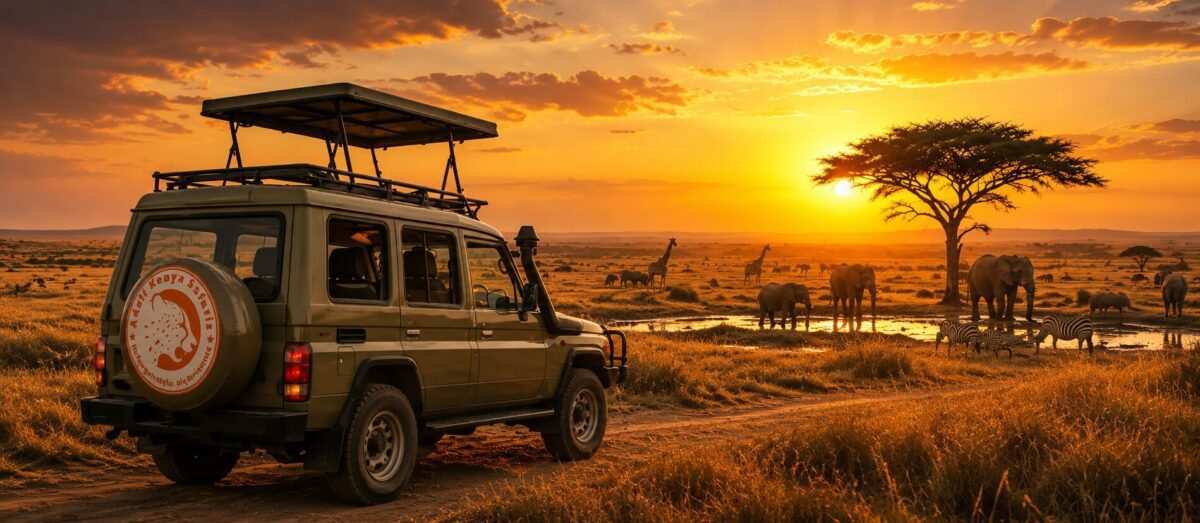
Botswana is renowned for its diverse safari experiences, each presenting unique opportunities to encounter the country’s rich wildlife and breathtaking landscapes. One of the most popular options is the game drive, wherein visitors are transported in an open vehicle, usually during the early morning or late afternoon. This type of safari allows guests to cover vast areas and spot animals during their active hours. Tour guides, often experienced and knowledgeable, enhance the experience by providing insights into animal behavior and ecosystem dynamics.
For those seeking a more intimate interaction with nature, walking safaris offer a compelling alternative. These excursions allow participants to explore the wilderness on foot, guided by skilled professionals who share their understanding of flora, fauna, and the subtle signs of wildlife. Walking safaris invite a deeper connection with the environment, creating memorable moments as travelers track animals or learn about medicinal plants firsthand.
Another unique experience available in Botswana is the mokoro safari, traditionally conducted in a dugout canoe. This method provides a tranquil way to navigate the waterways of the Okavango Delta, enabling guests to observe aquatic wildlife and birds from a different perspective. The gentle movement of the mokoro allows for close encounters with animals while promoting a serene atmosphere in the lush surroundings.
Additionally, the choice between luxury lodges and budget options plays a significant role in shaping the safari experience. Luxury lodges offer premium services and accommodation, often featuring fine dining and exclusive game viewing opportunities. In contrast, budget options, including basic campsites and self-drive tours, cater to more adventurous travelers, making Botswana safari tours accessible to a broader audience. Each type of experience provides distinct advantages that appeal to various preferences, ensuring that every traveler can find their perfect Botswana safari adventure.
Best Time to Visit Botswana for a Safari
When planning a safari in Botswana, understanding the seasonal variations is crucial for optimizing wildlife viewing experiences. Botswana experiences two main seasons: the wet season and the dry season, each offering unique conditions and opportunities for tourists.
The dry season, which typically spans from May to October, is considered the prime time for safari adventures. During these months, animals congregate around water sources as the surrounding vegetation dries up. This behavior significantly enhances wildlife visibility, making it an ideal period for game viewing. Additionally, the weather during the dry season is more temperate, characterized by sunny days and cooler nights, which can be pleasant for outdoor activities.
In contrast, the wet season from November to April brings considerable rainfall, creating lush landscapes and vibrant ecosystems. Although wildlife can be more dispersed during this time, it is also the season for migratory birds, and the opportunity to witness newborn animals can be particularly rewarding. During the wet season, travelers might encounter unique experiences, such as spectacular wildflower blooms and breathtaking landscapes. However, some remote areas may become less accessible due to flooding.
Migration patterns are also noteworthy, especially in regions like the Okavango Delta. The annual migration of elephants and other species occurs mainly during the dry months, providing exceptional opportunities for viewing these majestic creatures. Conversely, the wet season offers rare sightings of specific bird species and the chance to observe animal behavior related to breeding and nurturing young.
Ultimately, the best time to visit Botswana for a safari largely depends on travelers’ preferences regarding wildlife experiences and environmental conditions. Whether one wants to witness the active migration or the vibrant life of the wet season, each timeframe delivers a unique and fulfilling safari allure.
Botswana Safari Tour Packages: What to Expect
Botswana is a premier destination for safari enthusiasts, offering a variety of tour packages that cater to different preferences and budgets. When considering a Botswana safari tour package, it is essential to understand the typical components that come with these offerings. Most packages include accommodation, meals, transportation, and a range of activities designed to provide an immersive experience in the region’s stunning landscapes and rich wildlife.
Accommodation options vary significantly, encompassing luxury lodges, tented camps, and budget-friendly options. Luxury lodges often feature exquisite amenities and personalized services, whereas tented camps provide a more authentic, close-to-nature experience without compromising comfort. Budget options typically include shared accommodations, making them suitable for those looking to conserve resources while still enjoying the beauty of Botswana.
Activities included in safari packages are diverse and may involve guided game drives, walking safaris, boat cruises, and cultural experiences. Guided game drives are particularly popular, offering opportunities to view Botswana’s renowned wildlife, including elephants, lions, and various bird species. Walking safaris enable guests to explore the wilderness on foot, led by experienced guides who share insights into the flora and fauna.
Transportation during the tour is generally arranged through ground transfers between lodges and parks, often in specialized safari vehicles equipped for comfort on rugged terrains. In some cases, packages might also include domestic flights to remote lodges, minimizing travel time and maximizing the experience.
When selecting a Botswana safari tour package, potential travelers should consider their interests, desired level of comfort, and budget. Popular packages often provide a mix of activities while ensuring quality accommodations and meals. Reading reviews and comparing itineraries can also help to identify the package that best suits individual preferences, ultimately enhancing the safari experience.
Cultural Experiences and Community Interactions
One of the most enriching aspects of Botswana safari tours is the opportunity to engage with its vibrant cultural tapestry. The nation is home to diverse ethnic groups, with each offering unique perspectives, traditions, and lifestyles. Touring Botswana presents travelers with the chance to immerse themselves in local communities, fostering a deeper understanding of their customs and values.
Interacting with the San people, one of the oldest indigenous groups in Southern Africa, is a particularly profound experience. Visitors can learn about their traditional lifestyles, which have been maintained over thousands of years, adapting harmoniously to the environment. Engaging in a local guided tour can provide insights into their hunting techniques and foraging practices while sharing stories that keep their rich heritage alive.
Moreover, many safari tours include visits to traditional villages, where travelers can witness daily life, participate in local crafts, and appreciate the intricacies of handmade artifacts. These crafts not only serve as souvenirs but also as a medium of cultural expression. Through workshops led by local artisans, travelers can acquire skills in weaving, pottery, and bead-making, further enhancing their connection to the community.
Participating in community events and celebrations can also offer a glimpse into the nation’s cultural richness. Traditional dances, music performances, and storytelling sessions provide opportunities to appreciate and engage with the local heritage actively. Such experiences are pivotal in helping visitors see beyond wildlife, highlighting the importance of preserving these unique cultures alongside the breathtaking landscapes.
Incorporating cultural interactions into Botswana safari trips fosters mutual respect and understanding between travelers and local communities, ensuring that tourism contributes positively to the livelihood and preservation of cultural heritage.
Essential Tips for Planning Your Safari Holiday
Planning a safari in Botswana requires careful consideration and preparation to ensure a safe and enjoyable experience. Travelers should begin by researching various safari tours and determining the best time to visit, typically between May and October when wildlife visibility is at its peak.
Packing essentials is crucial for a successful safari. Lightweight, breathable clothing in neutral colors can help blend into the environment and keep you comfortable in varying temperatures. A sturdy pair of binoculars, a wide-brimmed hat, and sunscreen are further items that enhance your adventure. Additionally, insect repellent is highly recommended, as mosquitoes are prevalent in certain areas.
Health precautions should not be overlooked. It is advisable to consult your healthcare provider for any vaccinations needed for travel to Botswana, including prophylactic medications for malaria. Carrying a basic first aid kit with common medications can also be beneficial while on safari.
Safety is paramount when exploring the wild. Always adhere to the guidelines provided by your safari guide, as they are experienced in navigating the terrain and wildlife encounters. Avoid approaching or feeding any wild animals, as this can lead to dangerous situations. Additionally, staying in designated areas and being aware of your surroundings enhances personal safety during your trip.
Documentation is equally important. Travelers should ensure their passports are valid for at least six months beyond their arrival date in Botswana. It is wise to carry copies of important documents, such as travel insurance and vaccination records, in case of emergencies. If you intend to fly into Botswana, be mindful of visa requirements depending on your nationality.
Familiarizing oneself with local customs and etiquette can greatly enrich the safari experience. Being respectful of local traditions, engaging with guides and communities, and understanding cultural norms will enhance interactions with residents and wildlife alike.
Wildlife Conservation and Responsible Travel in Botswana
Botswana is renowned for its rich biodiversity and thriving ecosystems, making wildlife conservation a paramount focus for both the government and various organizations. With approximately 40% of the country designated as national parks and wildlife reserves, Botswana stands as a leading example of sustainable practices that aim to protect its remarkable flora and fauna. The nation’s commitment to conservation not only aids in the preservation of endangered species but also supports local communities that rely on these natural resources.
Travelers to Botswana have a unique opportunity to engage in responsible tourism that directly contributes to wildlife conservation efforts. This form of travel encourages visitors to respect local wildlife, adhere to conservation guidelines, and support eco-friendly practices. By doing so, tourists help mitigate the impact of their visit on sensitive ecosystems, ensuring that these habitats remain intact for future generations.
Several organizations and lodges in Botswana prioritize eco-friendly initiatives and community involvement. For instance, the Botswana Predator Conservation Trust works tirelessly to educate the public about the importance of carnivore conservation, thereby fostering a greater understanding of wildlife dynamics. Moreover, various lodges, such as the Okavango Delta’s Kanana Lodge, emphasize sustainable tourism, ensuring that their operations integrate environmental responsibility and community support.
Engaging with local communities also presents an authentic way for travelers to contribute to conservation efforts. Initiatives such as community-based tourism allow visitors to learn about the culture, traditions, and challenges faced by local inhabitants. This experience fosters mutual respect and highlights the interconnectedness of human and wildlife welfare in preserving Botswana’s natural heritage.
Conclusion: Why Botswana Should Be Your Next Safari Destination
In summary, Botswana is a premier destination for safari enthusiasts, offering a unique blend of stunning landscapes, diverse wildlife, and rich cultural experiences. The country stands out due to its commitment to conservation, ensuring that the natural environment is preserved while providing travelers with an unforgettable safari experience. With its remarkable national parks and wildlife reserves, such as the Okavango Delta and Chobe National Park, Botswana showcases a range of ecosystems that host a myriad of animal species, including elephants, lions, and rare birds.
Additionally, Botswana’s emphasis on sustainable tourism allows visitors to engage with nature responsibly. Many safari operators are dedicated to minimizing their ecological footprint, creating a positive impact on the environment and local communities. This commitment enhances not only the travel experience but also promotes the preservation of Botswana’s unique wildlife and habitats.
Moreover, the wide array of safari options available—ranging from luxurious lodges to adventurous camping experiences—caters to diverse preferences and budgets. Adventurers can select from guided game drives, walking safaris, and even mokoro (dugout canoe) excursions, presenting numerous ways to explore the breathtaking scenery and abundant wildlife.
As you consider your next adventure, Botswana’s incredible offerings make it a top choice for those seeking a truly remarkable safari experience. Start planning your journey today, and immerse yourself in the beauty of this enchanting land. For further exploration, resources such as travel guides, online forums, and dedicated safari companies can provide valuable information to help customize your ideal trip.