Nairobi Matatu Culture: The Complete Guide to Kenya’s Iconic Public Transport and Street Art
The Nairobi Matatu Culture is one of Kenya’s most vibrant and recognizable cultural experiences, blending public transport with art, music, fashion, technology, and urban creativity. More than simply a way to travel around Nairobi, matatus have become moving works of art and powerful symbols of the city’s youthful energy, entrepreneurial spirit, and dynamic street culture. Covered in bold graffiti, fitted with state-of-the-art sound systems, LED lighting, custom interiors, and striking graphics inspired by global pop culture, Nairobi’s matatus have earned international recognition as some of the most unique public transport vehicles in the world.


The word “matatu” is widely believed to have originated from the Kikuyu word mang’otore matatu, referring to the original fare of thirty cents charged by early private minibuses in the 1950s. Over the decades, matatus have evolved into the backbone of Kenya’s public transport system, carrying millions of passengers every day across Nairobi and other parts of the country. Today, they connect residential neighborhoods, business districts, shopping centers, universities, industrial areas, and tourist attractions, making them an essential part of daily life in Kenya’s capital.
What truly sets Nairobi’s matatus apart is their extraordinary visual identity. Many vehicles are transformed into rolling masterpieces featuring elaborate murals of musicians, athletes, movie characters, political icons, anime figures, wildlife, and inspirational messages. Each matatu reflects the creativity of talented Kenyan artists who use airbrushing, graffiti, vinyl wrapping, and custom paintwork to create eye-catching designs that constantly evolve with modern trends.

Music is another defining feature of Nairobi Matatu Culture. Many premium matatus are equipped with powerful entertainment systems that play the latest Kenyan hits, Afrobeats, hip-hop, reggae, dancehall, gospel, Amapiano, and international music. Combined with synchronized LED lighting, digital screens, and customized interiors, some matatus offer an experience that feels more like a mobile entertainment lounge than conventional public transport.
Over the past decade, Nairobi’s matatu industry has gained worldwide attention through documentaries, photography exhibitions, travel blogs, fashion campaigns, and social media. International media have celebrated these vehicles as symbols of African creativity, innovation, and urban expression. Today, guided matatu tours and photography experiences allow visitors to safely explore this fascinating aspect of Nairobi’s culture while learning about the artists, designers, drivers, and entrepreneurs behind the industry.

Beyond their artistic appeal, matatus play a critical economic role. Thousands of drivers, conductors, mechanics, painters, graphic designers, electricians, cleaners, and small businesses depend on the industry for employment. The matatu sector supports countless livelihoods while contributing significantly to Nairobi’s economy and providing affordable transportation for millions of residents every day.
For travelers seeking an authentic local experience, riding a matatu offers a unique glimpse into everyday life in Nairobi. Visitors can observe the city’s fast-paced rhythm, interact with local commuters, admire vibrant street art, and experience neighborhoods beyond the traditional tourist attractions. While first-time visitors may prefer guided tours or assistance from local hosts, many find matatu travel to be one of the most memorable aspects of their visit to Kenya.

Safety is an important consideration when using public transport. Travelers are encouraged to use registered matatus operating on established routes, keep personal belongings secure, avoid displaying valuables, and travel during daylight hours whenever possible. Alternatively, several tour operators now offer organized matatu experiences that combine cultural insights with enhanced convenience and safety.
Nairobi Matatu Culture is also closely connected with Kenya’s broader creative industries. Local musicians frequently launch new songs through matatu sound systems, while graphic artists, fashion designers, filmmakers, and digital creators draw inspiration from the vehicles’ bold aesthetics. As a result, matatus have become powerful cultural icons representing innovation, resilience, and youthful expression across East Africa.

Whether you are interested in street photography, contemporary African art, urban design, music, transportation, or cultural experiences, Nairobi Matatu Culture offers an unforgettable perspective on modern Kenya. It showcases a side of Nairobi that extends beyond wildlife safaris and historical landmarks, revealing the creativity, diversity, and entrepreneurial spirit that define one of Africa’s most exciting and rapidly evolving cities.
Nairobi Matatu culture Frequently Asked Questions (FAQs)
1. What is a matatu?
A matatu is a privately operated minibus or bus that forms the backbone of public transportation in Kenya, particularly in Nairobi and other major towns and cities.
2. Why are Nairobi matatus famous?
Nairobi matatus are famous for their colorful graffiti, custom artwork, powerful sound systems, LED lighting, and vibrant representation of Kenyan urban culture.
3. Is it safe for tourists to ride a matatu?
Yes, many tourists use matatus successfully. However, it is advisable to travel during daylight hours, use well-known routes, keep valuables secure, and ask for local guidance if you are unfamiliar with the system.
4. Are there guided matatu tours?
Yes. Several tour operators offer guided matatu experiences that introduce visitors to Nairobi’s street art, neighborhoods, transport culture, and creative industry.
5. How much does it cost to ride a matatu?
Fares are generally affordable and vary depending on the route, distance, time of day, traffic conditions, and demand.
6. What kind of artwork is featured on matatus?
Many matatus display murals of musicians, athletes, actors, wildlife, anime characters, superheroes, inspirational quotes, and Kenyan cultural icons.
7. Why do matatus have loud music?
Music is an important part of Nairobi Matatu Culture and helps create a lively atmosphere while reflecting current trends in Kenyan and international entertainment.
8. Can I take photographs of matatus?
Yes. Their unique artwork makes them popular photography subjects. However, it’s courteous to ask for permission before photographing drivers, conductors, or passengers.
9. Are matatus only found in Nairobi?
No. Matatus operate throughout Kenya, but Nairobi is widely regarded as the country’s cultural hub for custom-designed and artistically decorated vehicles.
10. How do tourists pay for matatu rides?
Payment methods vary. Many operators accept cash, while an increasing number support cashless payment systems. It’s helpful to carry small denominations if paying with cash.
11. Why are matatus important to Kenya?
Matatus provide affordable transport for millions of people, create employment, support small businesses, and have become internationally recognized symbols of Kenyan creativity and entrepreneurship.
12. Is experiencing Nairobi Matatu Culture worth it?
Absolutely. For travelers seeking an authentic local experience, Nairobi Matatu Culture offers a fascinating blend of public transport, contemporary art, music, design, and everyday city life, making it one of the most unique cultural experiences in Kenya.
Day Excursions & Best things to do in Nairobi with Adeli Kenya Safaris
Showing all 22 results
- Amboseli Kenya safaris
Amboseli National Park Safari Full-Day Trip from Nairobi
Original price was: $340.00.$220.00Current price is: $220.00. - Nairobi Day Excursions | Best Things to Do in Nairobi, Kenya
Nairobi National Park Half-Day Excursion Tour
Original price was: $200.00.$125.00Current price is: $125.00. - Nairobi Day Excursions | Best Things to Do in Nairobi, Kenya
Nairobi National Park & City Full-Day Excursion Tour with Adeli Kenya Safaris
Original price was: $280.00.$215.00Current price is: $215.00. - Nairobi Day Excursions | Best Things to Do in Nairobi, Kenya
Into Africa Nairobi full day excursion tour with Adeli Kenya Safaris
Original price was: $280.00.$210.00Current price is: $210.00. - Nairobi Day Excursions | Best Things to Do in Nairobi, Kenya
Lake Naivasha, Crescent Island & Hell’s Gate Park Full day Safari tour from Nairobi
Original price was: $405.00.$305.00Current price is: $305.00. - Nairobi Day Excursions | Best Things to Do in Nairobi, Kenya
Ol Pejeta Conservancy Big 5 Full-Day Safari from Nairobi
Original price was: $370.00.$250.00Current price is: $250.00. - Nairobi Day Excursions | Best Things to Do in Nairobi, Kenya
Lake Nakuru, Lake Naivasha & Crescent Island Great Lakes Full-Day Safari from Nairobi
Original price was: $405.00.$285.00Current price is: $285.00. - Nairobi Day Excursions | Best Things to Do in Nairobi, Kenya
David Sheldrick Elephant Orphanage & Giraffe Centre half day Nairobi city excursion
Original price was: $225.00.$165.00Current price is: $165.00. - Nairobi Day Excursions | Best Things to Do in Nairobi, Kenya
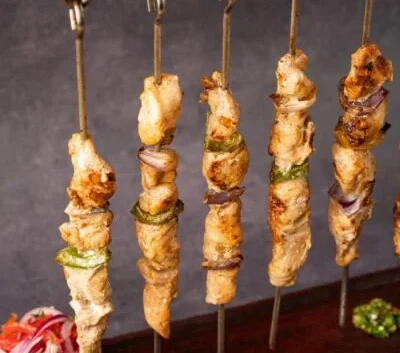
Carnivore Restaurant Lunch Nairobi Excursion: Beast of a Feast experience
$0.00 - Nairobi Day Excursions | Best Things to Do in Nairobi, Kenya
Carnivore Restaurant Dinner Nairobi Excursion: Beast of Beast experience
$0.00 - Nairobi Day Excursions | Best Things to Do in Nairobi, Kenya
Kiambethu Tea Farm Nairobi City Excursion Tour
$0.00 - Nairobi Day Excursions | Best Things to Do in Nairobi, Kenya
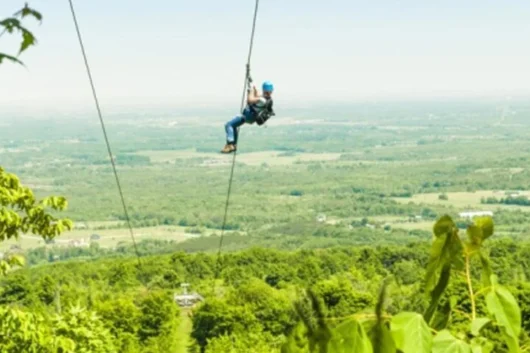
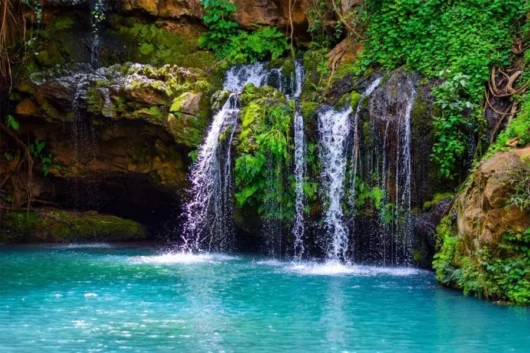
Kereita Forest Zip Lining, Hiking & Waterfall Tour from Nairobi
$0.00 - Nairobi Day Excursions | Best Things to Do in Nairobi, Kenya
Sagana white water rafting & bungee jumping tour from nairobi
$0.00 - Nairobi Day Excursions | Best Things to Do in Nairobi, Kenya
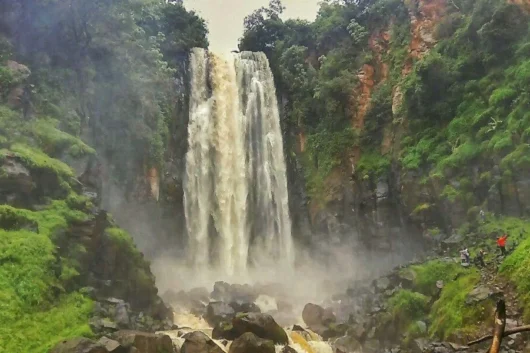
Thomson Falls Nyahururu full day trip tour from Nairobi
$0.00 - Nairobi Day Excursions | Best Things to Do in Nairobi, Kenya
Mount Longonot Full-Day Hiking Adventure Tour from Nairobi
$0.00 - Nairobi Day Excursions | Best Things to Do in Nairobi, Kenya
Ngare Ndare Hiking, Birdwatching, Swimming & Canopy Walk Full-Day Tour from Nairobi
$0.00 - Nairobi Day Excursions | Best Things to Do in Nairobi, Kenya
Kisames Zip Lining and team building tour from Nairobi
$0.00 - Nairobi Day Excursions | Best Things to Do in Nairobi, Kenya
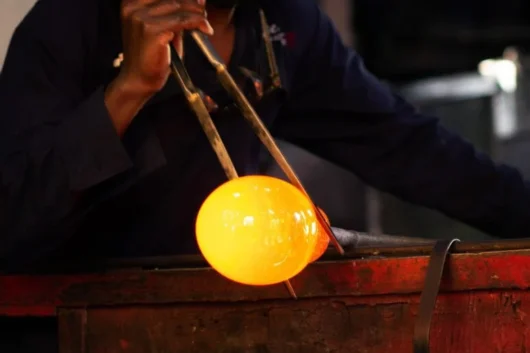
Kitengela Glass Nairobi Full day tour
$0.00 - Nairobi Day Excursions | Best Things to Do in Nairobi, Kenya
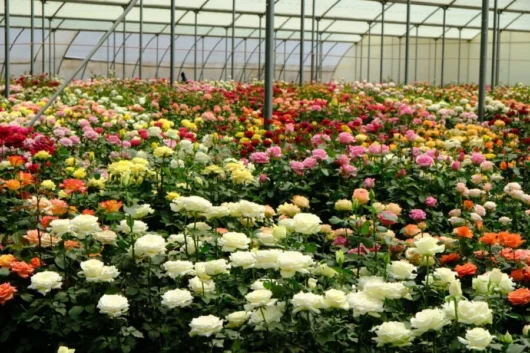
Lake Naivasha Flower Farms Agricultural tour from Nairobi
$0.00 - Nairobi Day Excursions | Best Things to Do in Nairobi, Kenya
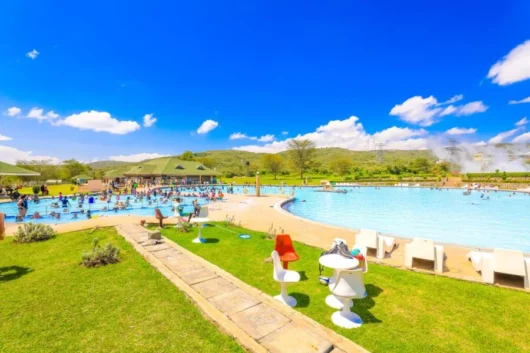
Hells Gate , Lord Egerton & Olkaria Hot Spar full day tour from Nairobi
$0.00