Introduction to Kenya Safaris
Kenya safaris have gained immense popularity among tourists and adventure enthusiasts alike, primarily due to the country’s stunning landscapes and diverse wildlife. Nestled in East Africa, Kenya is renowned for its vast savannahs, rich cultures, and remarkable national parks, where visitors can observe animals in their natural habitats. This unique blend makes Kenya an exceptional destination for wildlife lovers and those seeking unforgettable experiences.
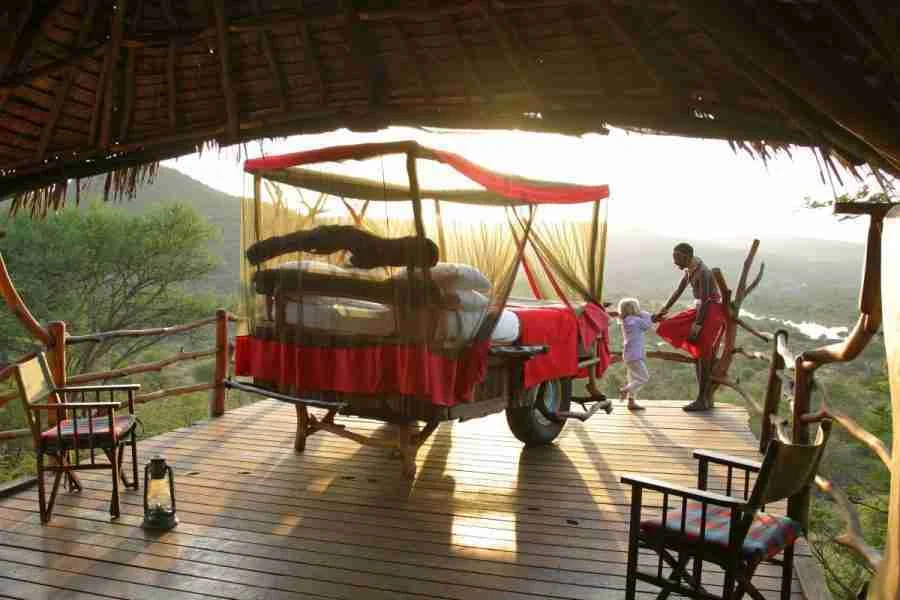
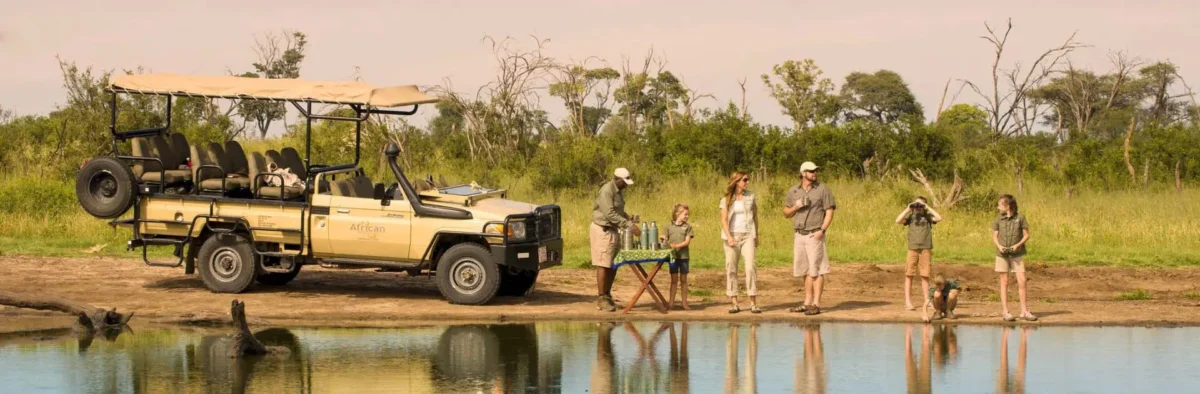
The concept of a safari traditionally involved exploring vast areas of Africa to observe wild animals, but today, it encompasses a range of experiences tailored to meet different preferences. There are various types of safaris available, including road safaris, walking safaris, and luxury glamping experiences. Each safari type offers a unique way to connect with nature, enabling visitors to immerse themselves in the breathtaking beauty of the Kenyan landscape.
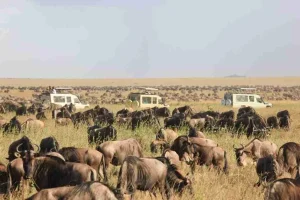
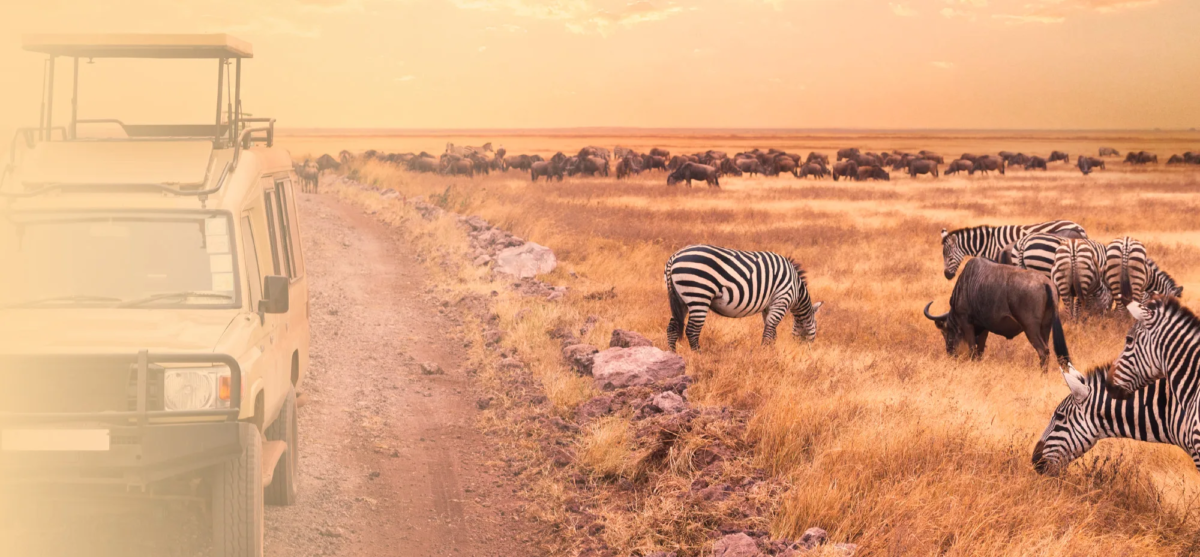
Kenya is often considered one of the best destinations for experiencing wildlife due to its commitment to conservation and the protection of natural habitats. Home to renowned national parks like the Maasai Mara, Amboseli, and Tsavo, Kenya boasts an extraordinary array of species, including the iconic Big Five: lions, leopards, elephants, rhinoceroses, and buffaloes. Moreover, the Great Migration, which occurs annually in the Maasai Mara, showcases millions of wildebeest and other herbivores as they traverse the plains in search of greener pastures. This spectacular event draws animal-lovers from around the globe, eager to witness nature at its most exhilarating.
Overall, the incredible benefits of going on a Kenya safari extend beyond mere adventure; they offer travelers an opportunity to engage deeply with the natural world and understand the importance of wildlife conservation while creating lifelong memories in one of Africa’s most beautiful settings.
Immersive Wildlife Experiences
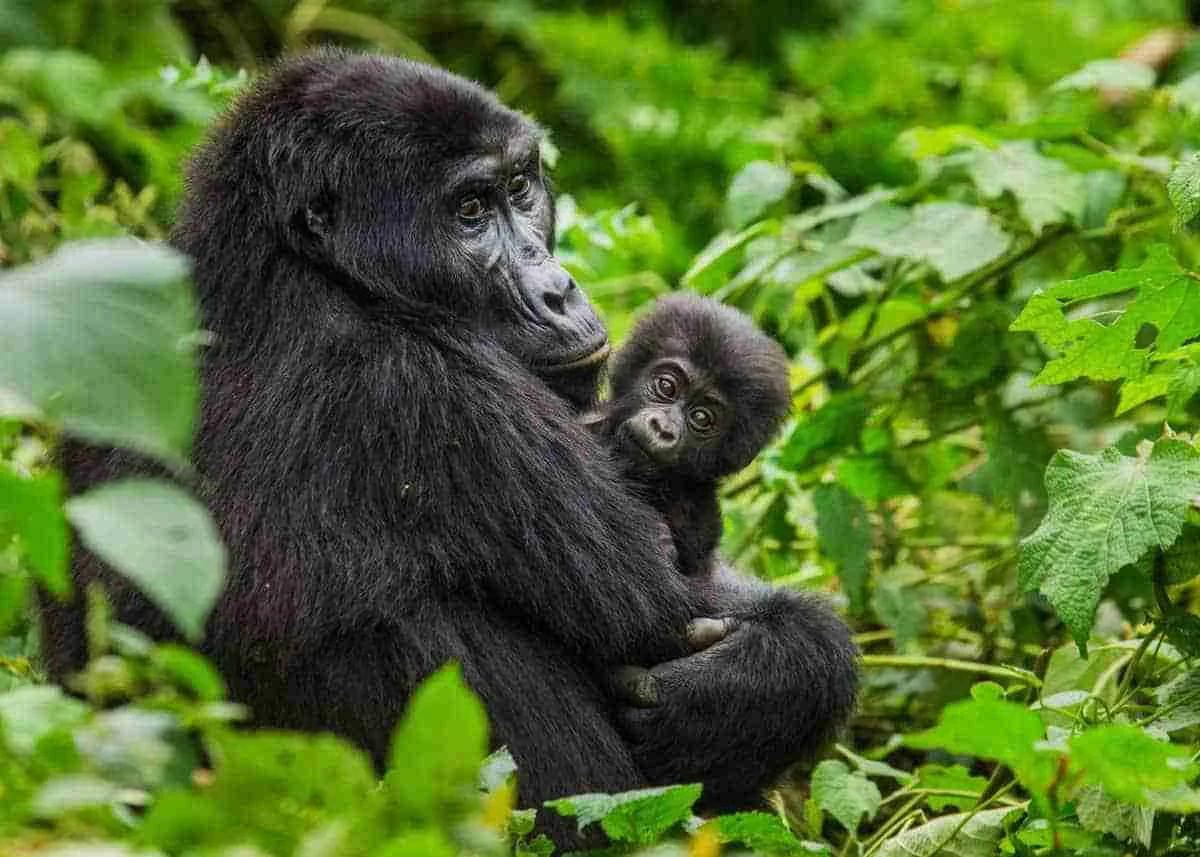
One of the primary attractions of a Kenya safari is the unparalleled opportunity to witness an impressive array of wildlife, often referred to as the “Big Five”: lions, elephants, buffaloes, leopards, and rhinoceroses. Each species plays a pivotal role in the natural ecosystem, and encountering them in their native habitats offers an experience that is both exhilarating and educational.
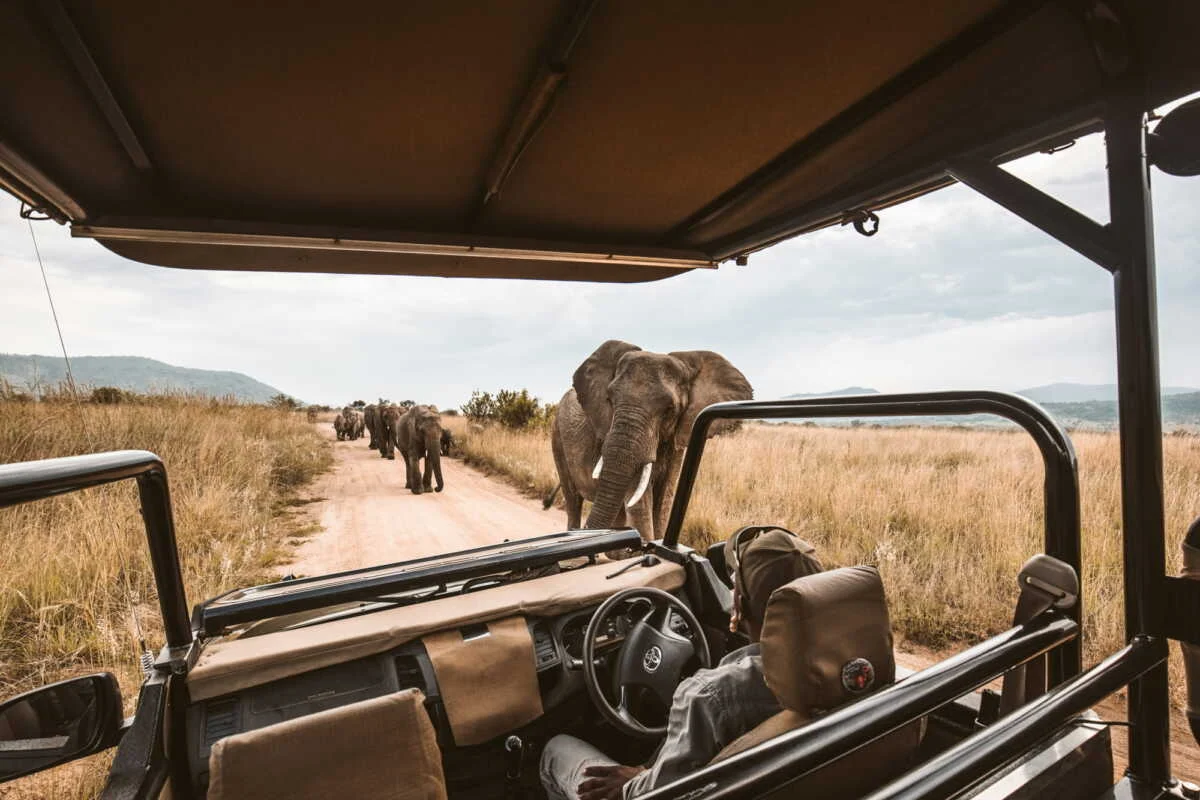
During a safari in Kenya, visitors are met with the thrill of observing these magnificent creatures as they interact freely with their environment. Notably, the lion prides basking in the sun, elephants strolling majestically across the savannah, and leopards stealthily resting on tree branches are just glimpses of the vibrant existence of wildlife in Kenya. This immersive encounter deepens the appreciation of nature and fosters a connection that many travelers find transformative.
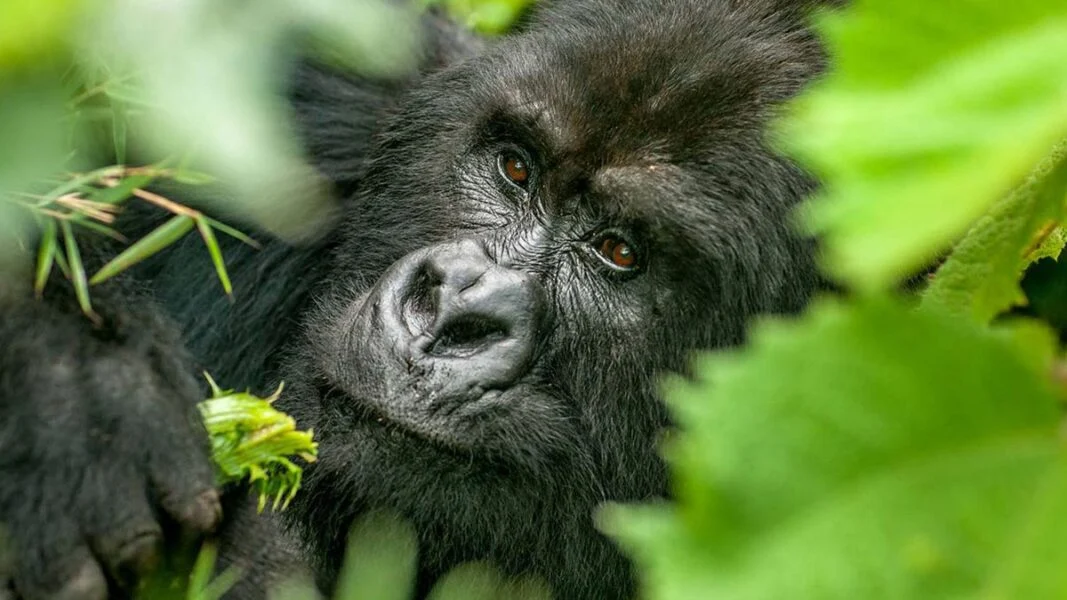
Wildlife experiences in Kenya extend beyond the Big Five. The country boasts a rich diversity of animal species, including giraffes, zebras, cheetahs, and various bird species. Each game drive or walking safari presents a unique opportunity to observe these animals behaving naturally, providing not just excitement but contributing richly to understanding biodiversity and conservation.
Moreover, witnessing wildlife in its natural habitat underscores the importance of global conservation efforts. By participating in responsible tourism through a Kenya safari, travelers support local initiatives aimed at protecting these vulnerable species and their ecosystems. Safaris contribute to fundraising efforts that directly benefit wildlife preservation and local communities, emphasizing the symbiosis between tourism and conservation.
In essence, the immersive wildlife experiences afforded by a Kenya safari not only bring joy and adventure but also reinforce the crucial message of wildlife protection, making every encounter significant for the future of the planet’s biodiversity.
Breathtaking Landscapes and Natural Beauty
Kenya is renowned for its stunning landscapes and diverse ecosystems, offering safari enthusiasts a truly unforgettable experience. From the expansive savannas of the Maasai Mara to the lush green forests of the Aberdare Mountains, the country’s geographical variety is a feast for the eyes. Each region boasts unique natural beauty, contributing to the awe-inspiring atmosphere during a safari adventure.
The Maasai Mara National Reserve is perhaps the most iconic of Kenya’s terrains. Here, wide-open plains stretch as far as the eye can see, dotted with acacia trees and inhabited by an abundance of wildlife. Witnessing the great migration of wildebeest, particularly during the months of July to October, becomes a once-in-a-lifetime experience amidst this breathtaking backdrop. The vastness of the savanna enhances the sense of freedom and connection to nature, making it a prime spot for photographers seeking to capture the essence of the wild.
Contrasting with the savannas, the lush greenery of Kenya’s forests offers another dimension to the safari journey. The forests host a rich variety of flora and fauna, providing habitat for numerous bird species and elusive animals. One can find the impenetrable forests of the Aberdare Range teeming with vibrant life, underscoring the country’s ecological diversity. Additionally, the majestic Mount Kenya, with its snow-capped peaks and deep valleys, stands as a stunning natural monument and a UNESCO World Heritage site, attracting adventure seekers and nature lovers alike.
The diversity of landscapes not only makes for breathtaking scenery but also enhances the safari experience, allowing visitors to appreciate the rich tapestry of natural beauty that Kenya has to offer. Whether standing on the edge of the vast grasslands or trekking through dense forests, every moment spent in this enchanting country reveals the intricate relationship between nature and wildlife.
Cultural Encounters with Local Communities
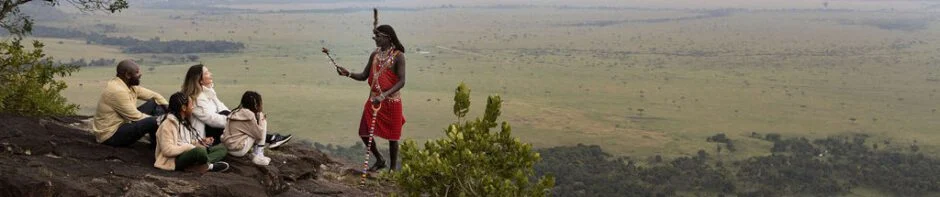
Embarking on a Kenya safari offers an exceptional opportunity to engage with the diverse cultures that inhabit this vibrant nation. One of the highlights of such an adventure is the chance to interact with local tribes, particularly the Maasai people, who are renowned for their rich traditions and captivating customs. This cultural immersion not only enriches the overall safari experience but also fosters a deeper understanding of the region.
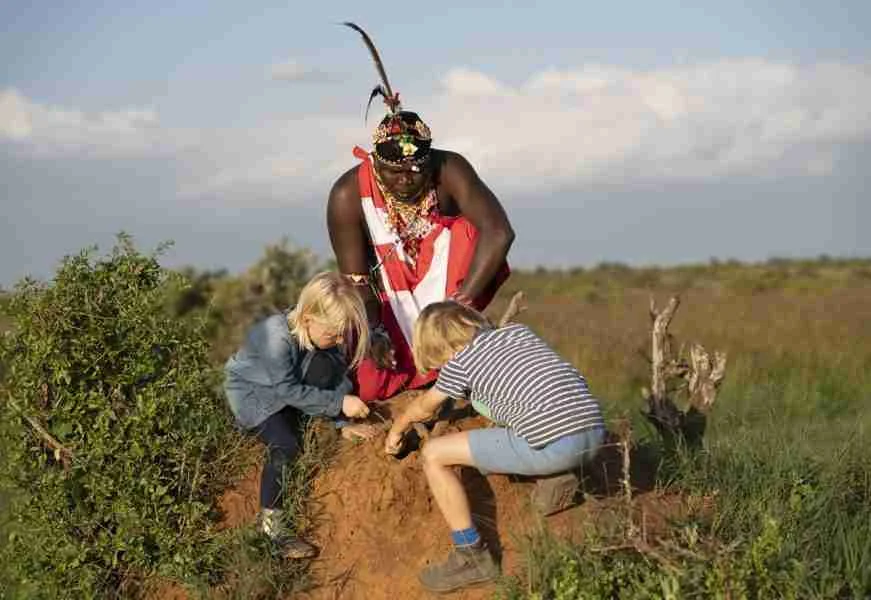
The Maasai community, known for their distinctive attire and traditional lifestyle, welcomes tourists to witness their way of life firsthand. Visitors often have the opportunity to partake in various activities, including traditional dances, storytelling sessions, and even participating in daily chores. These encounters provide invaluable insights into the unique social structure and spiritual beliefs that govern Maasai life.
Additionally, engaging with local artisans opens doors to learning about the crafting of traditional beadwork, intricate wood carvings, and other handicrafts that reflect the tribe’s heritage. Tourists can purchase these handcrafted items, supporting local economies while taking home a piece of authentic Kenyan culture.
Moreover, community-led initiatives often promote sustainable tourism, allowing visitors to contribute positively to the livelihood of local inhabitants by directly investing in their cultural preservation. This approach ensures that the traditions and customs of the Maasai and other tribes continue to thrive amid the modern world.
Overall, cultural encounters during a Kenya safari serve to bridge the gap between different worlds. They create lasting memories and enrich the traveler’s understanding of Kenya’s societal fabric. By stepping into the homes and lives of these communities, visitors gain a profound respect for their heritage, enabling a truly transformative safari experience.
Adventure and Physical Activity
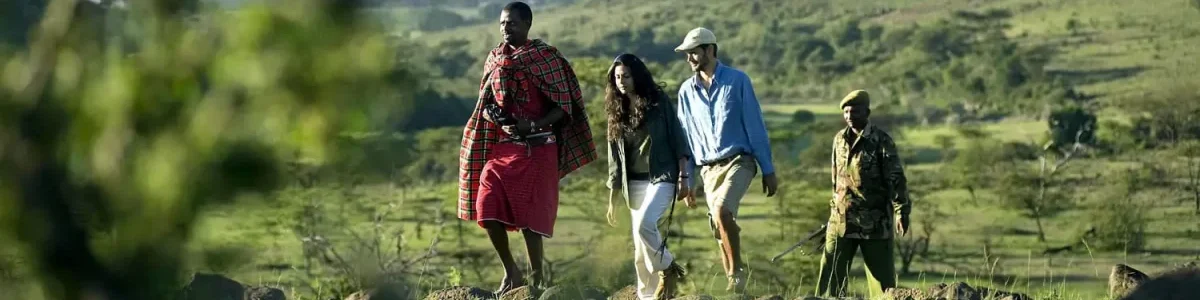
A Kenya safari is not merely an opportunity to observe wildlife; it is an exhilarating adventure that engages travelers both physically and mentally. One of the standout experiences is the walking safari, which allows participants to explore the natural environment at a more intimate level. Guided by experienced rangers, hikers can track wildlife, learn about local flora, and immerse themselves in the sounds and sights of the wild. This physical activity not only invigorates the body but also cultivates a deeper connection with nature.
Hot-air balloon rides offer another thrilling perspective of the Kenyan landscape. As you ascend above the savannah, the expansive view of the wildlife and rolling hills is breathtaking. This unique experience is both exhilarating and tranquil, allowing participants to appreciate the majestic panorama and witness the early morning wildlife activity from an aerial viewpoint. The gentle descent and landing add an element of adventure to what is already an extraordinary leap of excitement.
In addition to walking safaris and hot-air balloon rides, guided treks through the national parks foster both adventure and physical engagement. Trekking through varied terrains challenges one’s endurance and strength, rewarding participants with sightings of diverse ecosystems and wildlife. These treks often involve setting up camp in remote areas, where travelers can enjoy the serenity of nature while fostering camaraderie among fellow trekkers.
Overall, the adventurous activities of a Kenya safari promote not only physical fitness but also a sense of adventure that appeals to travel enthusiasts. Engaging actively with the environment enhances the safari experience, turning simple observations into profound encounters with the rich biodiversity of Kenya.
Educational Opportunities for All Ages
A safari in Kenya serves as a unique opportunity for educational enrichment across various age groups. For families and individuals alike, it offers a firsthand experience of wildlife, ecology, and conservation that few other educational environments can match. The diverse ecosystems found within Kenya’s national parks and reserves pave the way for valuable lessons about animal behaviors and habitats.
Schools can greatly benefit from organizing educational safaris, as these trips provide an engaging alternative to traditional classroom learning. While students observe animals in their natural environment, they can learn about their behaviors, diet, and social structures. This real-world application of theoretical knowledge nurtures a profound understanding of wildlife and fosters a sense of responsibility toward nature.
In addition, safaris can deepen one’s comprehension of ecological systems. Kenya is home to a variety of biomes, from savannas to wetlands, which illustrate the interdependence within ecosystems. Visitors can witness how different species contribute to biodiversity and ecological balance. This observation can lead to discussions about broader global issues, including climate change, habitat destruction, and conservation challenges.
Furthermore, Kenya’s commitment to wildlife conservation offers another layer of education. Engaging with local conservationists and understanding their strategies highlights the importance of protecting endangered species and ecosystems. This can inspire participants, especially younger individuals, to consider their roles in promoting sustainable practices and wildlife preservation.
Ultimately, a safari represents more than just an adventure; it serves as a remarkable educational tool that enhances knowledge awareness of ecological and conservation issues. By immersing oneself in this environment, visitors can truly appreciate the delicate balance of nature and the need for its protection.
Supporting Local Economies and Conservation Efforts
Safari tourism in Kenya holds significant importance not only for adventure-seeking tourists but also for the local communities and wildlife conservation efforts. When visitors embark on a Kenya safari, they contribute directly to local economies through spending on various services such as accommodation, meals, and guided experiences. This influx of tourism revenue is vital for sustaining and developing local livelihoods, thereby creating jobs and supporting local businesses. The economic boost from safari tourism enables families to invest in education and healthcare, laying the groundwork for the betterment of their lives.
Furthermore, responsible safari practices prioritize sustainable tourism, which is essential for minimizing environmental impacts. Safari operators often initiate efforts to work closely with local communities, ensuring that economic benefits from tourism are shared equitably. By engaging local people, these operators promote sustainable practices that help preserve Kenya’s stunning habitats and ecosystems. For instance, many wildlife conservancies involve local residents in wildlife management strategies, creating economic incentives for protecting their natural resources. Such community-based conservation efforts ensure that locals are invested in the preservation of wildlife, transforming potentially destructive practices into protectors of their environment.
Additionally, safari tourism funds various conservation initiatives aimed at protecting endangered species and habitats. A portion of safari fees is allocated to conservation projects such as anti-poaching units and habitat restoration. This funding is essential for preserving Kenya’s rich biodiversity, which attracts millions of tourists each year. In this way, the Kenya safari experience not only enriches the lives of visitors but also empowers local communities and reinforces the importance of conservation. As such, supporting local economies and conservation efforts contribute to a sustainable model of tourism that benefits all stakeholders involved.
Photography and Artistic Inspiration
Kenya is renowned for its breathtaking landscapes, diverse wildlife, and rich cultural heritage, making it a photographer’s paradise. The vast savannahs, dramatic mountains, and mesmerizing coastlines serve as captivating backdrops for photography enthusiasts. Each region of Kenya showcases its unique beauty, offering endless opportunities for capturing stunning images that inspire creativity.
As one embarks on a Kenya safari, the chance to photograph the iconic African Big Five—lions, elephants, leopards, buffalo, and rhinoceroses—provides a thrilling experience. Observing these majestic animals in their natural habitats allows photographers to capture intimate moments, showcasing the raw beauty and essence of wildlife. Furthermore, the seasonal migrations of wildebeest and zebras present a spectacular spectacle for those looking to document nature’s wonders.
The interplay of light and shadow during the golden hours at dawn and dusk creates an enchanting atmosphere. Photographers can take advantage of this unique lighting to highlight the textures and colors of the natural environment. Kenya’s vibrant cultures, including traditional Maasai villages and local communities, also add depth and narrative to photography, allowing for storytelling through images. Portraits of local people, adorned in their traditional attire, provide meaningful insights into the rich tapestry of Kenyan life.
Besides wildlife photography, the country offers chances for landscape photography that can evoke a sense of awe. Areas such as the Great Rift Valley or the stunning shores of Lake Nakuru can inspire artistic expression in various forms. The visual artistry sparked by these experiences often transcends photography, influencing various creative disciplines. Thus, a safari in Kenya does not just yield magnificent photographs but also fosters a deeper artistic appreciation and understanding of the natural world.
Conclusion: The Lasting Impressions of a Kenya Safari
Embarking on a Kenya safari is an experience that transcends mere vacationing; it is a transformative journey that leaves profound impressions on its participants. The emotional impact of witnessing the stunning landscapes, diverse wildlife, and rich cultural heritage of Kenya is unparalleled. From the first sighting of a majestic elephant roaming freely in the savannah to the captivating interactions with local communities, visitors find themselves deeply connected to the natural world and the essence of human existence.
One of the most compelling benefits of a Kenya safari lies in its ability to foster a genuine appreciation for the environment. Being immersed in the vast, untamed wilderness instills a sense of responsibility and urgency to protect these precious ecosystems. Many travelers return home with a renewed commitment to conservation efforts, motivated by the breathtaking beauty they have encountered on their adventures. This connection to nature enhances one’s understanding of global ecological challenges, conveying the importance of sustainable practices.
Moreover, a Kenya safari is an opportunity for cultural enrichment. Interacting with the indigenous tribes and learning about their traditions, music, and art provides a deeper insight into the unique tapestry of human life in this region. These encounters not only broaden one’s perspective but also cultivate empathy and respect for diverse ways of living. Participants often form lasting bonds with the people they meet and carry these memories with them long after their journey ends.
In conclusion, a Kenya safari is not just a holiday; it is a journey that inspires and shapes one’s outlook on life. The combination of awe-inspiring nature, wildlife encounters, and cultural immersion creates lasting impressions that resonate deeply within the heart and mind of every traveler. Considering all these incredible benefits, one cannot overlook the significance of experiencing a Kenya safari as a crucial aspect of personal growth and transformation.