Explore Best Northern Lights Tours & Destinations by Adeli Kenya Safaris: Discover the World’s Most Magical Aurora Destinations.
Discover the best Northern Lights tours in Norway, Finland, Sweden, Iceland, Canada and Alaska. Plan your dream aurora holiday with Adeli Kenya Safaris.
-

Canada North America Holiday tour Packages from Nairobi Kenya1 Product
-
USA North America holiday tour Packages from Nairobi Kenya1 Product
-
Finland Europe holiday tour packages from Nairobi Kenya1 Product
-
Sweden Europe holiday tour packages from Nairobi Kenya1 Product
-
Norway Europe holiday tour packages from Nairobi Kenya1 Product
-
Iceland Europe holiday tour packages from Nairobi Kenya1 Product
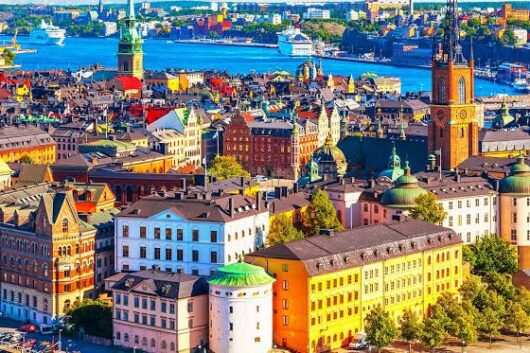
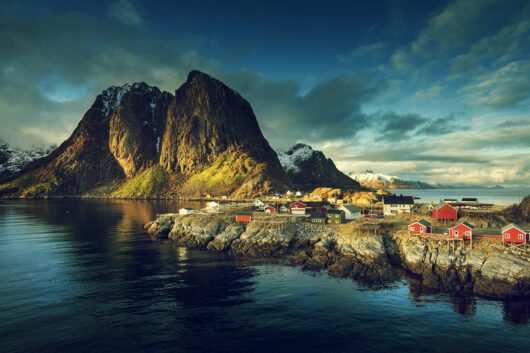
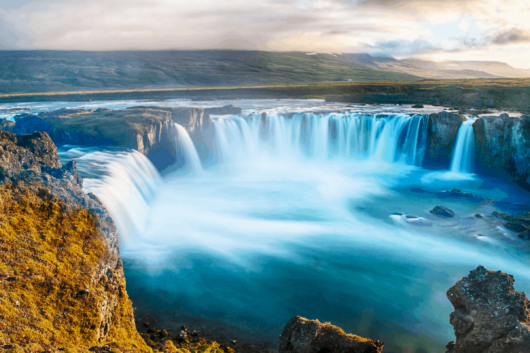
Your dream holiday tour is just a call , chat, or email away. Contact our team of Africa safari experts at Adeli Kenya Safaris today to book your Northern Lights Tours today.
Witnessing the Northern Lights is one of the most extraordinary travel experiences in the world. Imagine standing beneath a vast Arctic sky as waves of green, purple, pink and occasionally red light dance across the darkness, illuminating snow-covered mountains, frozen lakes and remote wilderness landscapes. This spectacular natural phenomenon, also known as the Aurora Borealis, attracts travellers from across the globe who dream of seeing the night sky come alive.
Adeli Kenya Safaris Ltd invites you to discover the world’s best Northern Lights tours, with opportunities to explore some of the most remarkable destinations in Norway, Finland, Sweden, Iceland, Canada and Alaska. Whether you prefer a luxury Arctic escape, a romantic winter holiday, an exciting photography expedition or a family adventure, the right Northern Lights holiday can turn your dream into an unforgettable journey.
Our Northern Lights holiday planning can help you explore destination options, consider suitable travel dates, select experiences that match your interests and plan an itinerary around your travel preferences and budget.
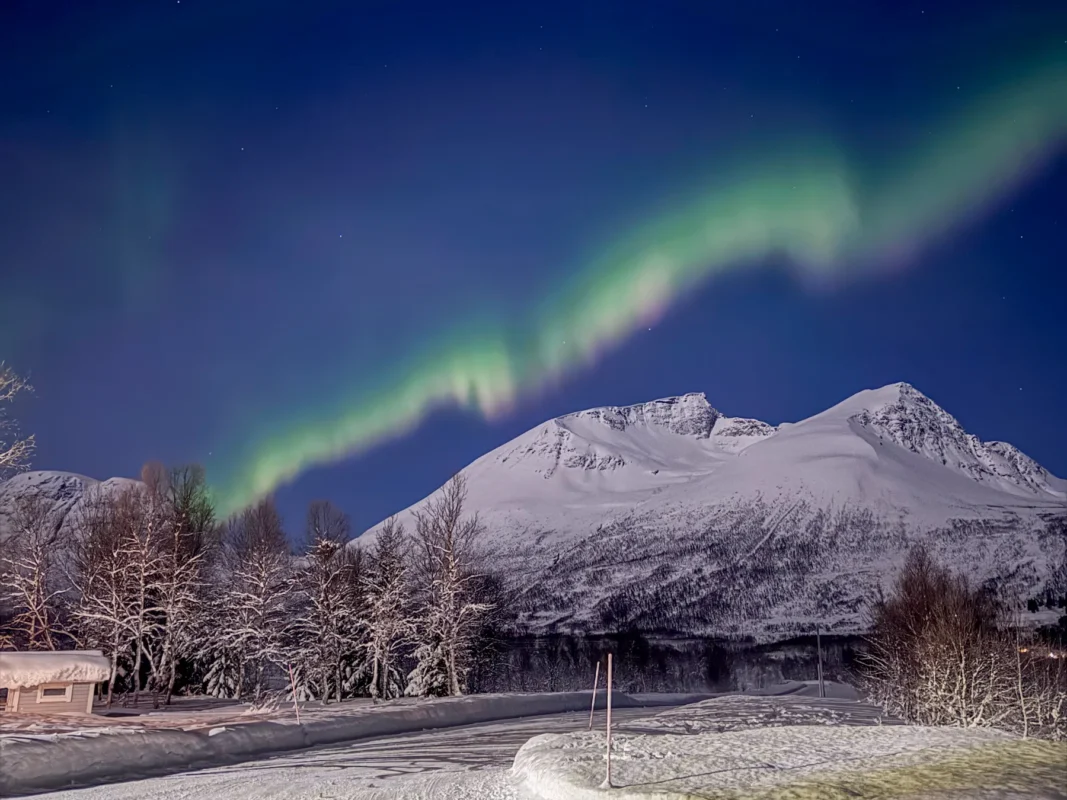
What Are the Northern Lights?
The Northern Lights, scientifically known as the Aurora Borealis, are natural displays of light in the Earth’s sky. They occur when charged particles from the Sun interact with Earth’s magnetic field and upper atmosphere, producing luminous patterns that can appear as curtains, arcs, ribbons and shimmering waves.
Green is the most commonly observed colour, although purple, pink, red and blue tones can also appear under certain atmospheric conditions.
The Northern Lights are most frequently associated with regions close to the Arctic Circle and the auroral oval. However, sightings depend on several factors, including solar activity, darkness, cloud cover, local weather conditions and light pollution.
Although Northern Lights tours offer excellent opportunities to search for the aurora, no tour operator can guarantee a sighting because the phenomenon is a natural event.
Best Northern Lights Destinations in the World
Choosing the right destination is one of the most important decisions when planning a Northern Lights holiday. Each location offers a different combination of scenery, accommodation, winter activities and opportunities to view the aurora.
1. Tromsø, Norway – One of the Best Places for Northern Lights Tours
Tromsø is among the most popular destinations for travellers seeking the Northern Lights. Located in northern Norway, above the Arctic Circle, this lively Arctic city combines convenient travel infrastructure with dramatic natural scenery and access to remote aurora-viewing locations.
Northern Lights tours from Tromsø often travel away from city lights in search of clearer skies. Depending on weather and local conditions, excursions may explore coastal landscapes, mountain areas and quiet Arctic countryside.
Top experiences in Tromsø:
- Guided Northern Lights minibus excursions.
- Aurora photography tours.
- Scenic Arctic fjord cruises.
- Reindeer encounters and Sámi cultural experiences.
- Dog-sledding adventures during suitable winter conditions.
- Arctic cuisine and comfortable city accommodation.
Best for: First-time Northern Lights travellers, couples, photographers and visitors seeking a balance between city comforts and Arctic adventure.
2. Rovaniemi, Finland – Northern Lights and Santa Claus Village
Rovaniemi, the capital of Finnish Lapland, is a popular winter holiday destination that combines Northern Lights excursions with snowy forests, family-friendly attractions and distinctive Arctic accommodation.
Located near the Arctic Circle, Rovaniemi offers visitors the opportunity to combine aurora hunting with a stay in a glass-roofed igloo, a visit to Santa Claus Village or a range of outdoor winter activities.
The Northern Lights can sometimes be observed in the surrounding countryside, where darker skies provide better viewing conditions than brightly illuminated areas.
Top experiences in Rovaniemi:
- Northern Lights hunting by car or minibus.
- Glass-roofed igloo accommodation.
- Visits to Santa Claus Village.
- Husky sledding and reindeer sleigh rides.
- Snowmobile excursions with qualified local guides.
- Finnish sauna experiences and traditional cuisine.
Best for: Families, honeymooners, luxury travellers and visitors seeking a varied Lapland winter holiday.
3. Abisko, Sweden – A Favourite for Aurora Enthusiasts
Abisko, in Swedish Lapland, is renowned among Northern Lights enthusiasts for its remote mountain scenery and location within the Arctic auroral zone.
The surrounding wilderness offers a quieter alternative to larger tourist centres. Abisko National Park is particularly appealing to visitors who want to experience northern Sweden’s natural landscapes while searching for the aurora.
Although the area is often associated with favourable sky conditions, clouds and changing weather can still affect visibility.
Top experiences in Abisko:
- Guided Northern Lights excursions.
- Winter landscape photography.
- Snowshoeing and wilderness walks.
- Cross-country skiing in suitable conditions.
- Scenic stays in Swedish Lapland.
- Visits to the Aurora Sky Station when operating and accessible.
Best for: Aurora enthusiasts, photographers, nature lovers and travellers who prefer quieter wilderness destinations.
4. Reykjavik and Northern Iceland – Aurora Hunting Beneath Iceland’s Dramatic Landscapes
Iceland offers a distinctive Northern Lights holiday experience, combining the possibility of aurora sightings with volcanic landscapes, waterfalls, glaciers, black-sand beaches and geothermal hot springs.
Reykjavik is a convenient starting point for organised Northern Lights excursions. Travellers can also explore northern Iceland, where destinations such as Akureyri and the surrounding countryside provide access to striking landscapes and darker viewing locations.
The best viewing location on any particular night depends on cloud cover, road conditions, weather forecasts and aurora activity.
Top experiences in Iceland:
- Guided Northern Lights tours from Reykjavik.
- The Golden Circle sightseeing route.
- Visits to waterfalls and volcanic landscapes.
- Geothermal bathing experiences.
- Glacier and ice-cave excursions when conditions permit.
- Scenic winter road trips with appropriate planning.
- Photography tours in remote locations.
Best for: Adventure travellers, couples, photographers and visitors who want to combine the Northern Lights with sightseeing.
5. Fairbanks, Alaska, USA – A Classic Northern Lights Destination
Fairbanks is one of Alaska’s best-known destinations for Northern Lights holidays. Its location within the auroral zone and its long winter nights make it an appealing base for travellers seeking the Aurora Borealis.
Visitors can choose from guided aurora excursions, countryside lodges and experiences that introduce them to Alaska’s winter wilderness.
Temperatures can fall significantly during winter, so appropriate clothing and carefully selected accommodation are essential.
Top experiences in Fairbanks:
- Guided Northern Lights viewing tours.
- Aurora photography excursions.
- Winter wilderness experiences.
- Dog sledding with local operators.
- Hot springs visits.
- Scenic drives through Alaska’s winter landscapes.
Best for: Adventure seekers, photographers and travellers looking for an authentic Alaskan winter experience.
6. Yellowknife, Canada – Northern Lights in Canada’s Northwest Territories
Yellowknife, the capital of Canada’s Northwest Territories, is another established destination for Aurora Borealis viewing. Its northern location, expansive landscapes and access to dark-sky viewing areas make it attractive to Northern Lights enthusiasts.
Organised excursions may take visitors to dedicated viewing sites outside the town, where they can watch the night sky while staying warm in heated shelters when available.
Top experiences in Yellowknife:
- Guided aurora-viewing excursions.
- Photography under the Arctic sky.
- Winter wilderness activities.
- Indigenous cultural experiences offered by local providers.
- Scenic stays in northern Canada.
- Snow-based adventures during the winter season.
Best for: Dedicated aurora seekers, photography enthusiasts and travellers interested in Canada’s northern wilderness.
7. Whitehorse, Yukon, Canada – Northern Lights and Mountain Scenery
Whitehorse, in Canada’s Yukon Territory, combines Northern Lights opportunities with rugged mountain scenery, forests and a distinctive northern atmosphere.
It can be an excellent option for travellers who want to experience the aurora alongside outdoor activities and regional cultural attractions.
Top experiences in Whitehorse:
- Guided Northern Lights excursions.
- Winter photography tours.
- Hot springs visits.
- Snowshoeing and other seasonal outdoor activities.
- Scenic excursions through the Yukon.
- Wildlife and wilderness experiences with responsible local operators.
Best for: Couples, photographers, outdoor enthusiasts and visitors seeking a Canadian wilderness holiday.
8. Alta, Norway – Northern Lights with Arctic Comfort
Alta, in northern Norway, offers an appealing combination of Arctic scenery, Northern Lights excursions and accommodation suited to winter travel.
Its location in the far north makes it a worthwhile destination for travellers looking for an alternative to Tromsø. Depending on the season and operator, visitors can combine aurora viewing with outdoor activities and cultural experiences.
Top experiences in Alta:
- Northern Lights tours.
- Dog sledding.
- Snowmobile excursions.
- Visits to the Northern Lights Cathedral.
- Winter wilderness experiences.
- Stays in distinctive Arctic accommodation.
Best for: Couples, adventure travellers and visitors looking for a northern Norwegian winter escape.
9. Kiruna, Sweden – Arctic Wilderness and the Icehotel
Kiruna is an excellent option for travellers seeking a distinctive Swedish Lapland holiday. The surrounding region offers snowy forests, remote landscapes and opportunities to explore the aurora away from major urban centres.
One of the region’s best-known attractions is the Icehotel in Jukkasjärvi, where seasonal ice-and-snow accommodation and artistic ice installations create a memorable Arctic experience.
Top experiences in Kiruna:
- Northern Lights excursions.
- A visit to the Icehotel in Jukkasjärvi.
- Dog sledding and winter activities.
- Sámi cultural experiences with local providers.
- Arctic photography.
- Scenic stays in Swedish Lapland.
Best for: Luxury travellers, couples, photographers and visitors seeking unusual accommodation.
10. Svalbard, Norway – A Remote Arctic Adventure
Svalbard is a remote Norwegian archipelago between mainland Norway and the North Pole. It offers dramatic polar scenery, distinctive wildlife and a very different Arctic experience from the more accessible Northern Lights destinations.
During the polar night, parts of Svalbard experience extended periods without the Sun rising above the horizon. This creates long periods of darkness, although aurora visibility still depends on solar activity and local weather.
Svalbard is a specialist destination where visitors should carefully consider seasonal conditions, tour arrangements, wildlife safety and local guidance.
Top experiences in Svalbard:
- Guided polar-night excursions.
- Arctic landscapes and wildlife experiences.
- Snowmobile tours where seasonally available and appropriate.
- Photography expeditions.
- Visits to Longyearbyen and its local attractions.
Best for: Experienced adventure travellers, photographers and visitors seeking a remote Arctic experience.
Important: Svalbard’s extreme seasonal conditions and specialist travel requirements mean that itineraries should be planned carefully with knowledgeable local providers.
Which Northern Lights Destination Is Best for You?
The best destination depends on your travel priorities, preferred activities, available time and budget.
| Destination | Best known for | Ideal travellers |
|---|---|---|
| Tromsø, Norway | Guided aurora hunting and Arctic excursions | First-time visitors and couples |
| Rovaniemi, Finland | Glass igloos, Santa Claus Village and winter activities | Families and honeymooners |
| Abisko, Sweden | Remote wilderness and aurora-focused trips | Photographers and aurora enthusiasts |
| Iceland | Northern Lights combined with dramatic sightseeing | Adventure travellers and couples |
| Fairbanks, Alaska | Aurora viewing and Alaskan winter experiences | Adventure seekers |
| Yellowknife, Canada | Northern wilderness and dedicated aurora excursions | Aurora enthusiasts |
| Whitehorse, Yukon | Mountain scenery and outdoor adventures | Nature lovers |
| Alta, Norway | Arctic activities and comfortable winter stays | Couples and winter holidaymakers |
| Kiruna, Sweden | Icehotel experiences and Swedish Lapland | Luxury travellers |
| Svalbard, Norway | Remote Arctic landscapes and polar-night experiences | Specialist adventure travellers |
For a first Northern Lights holiday, Tromsø, Rovaniemi and Iceland are useful starting points to compare. Travellers whose primary goal is aurora viewing may also wish to consider Abisko, Fairbanks and Yellowknife.
Best Time to See the Northern Lights
The Northern Lights are generally viewed during the darker months of the year, when nights are sufficiently long and skies are dark.
In many popular Northern Lights destinations, the main viewing season runs approximately from September to March or early April. Exact opportunities vary according to latitude, local climate and seasonal daylight.
September to October: Autumn Aurora Holidays
Autumn can be an appealing time to visit destinations such as Iceland, northern Norway and northern Sweden.
Advantages may include:
- Darkening nights as autumn progresses.
- Opportunities to combine aurora excursions with autumn scenery.
- Potentially milder conditions than during the coldest winter months.
However, cloud cover and rain can affect visibility, particularly in maritime destinations.
November to January: Winter Northern Lights Adventures
These months bring long nights and winter scenery to many Arctic destinations.
Travellers may enjoy snow-covered landscapes, festive activities, glass igloos and seasonal outdoor adventures.
In December and January, some high-latitude destinations experience very limited daylight or polar-night conditions.
February to March: Northern Lights and Winter Activities
Late winter is another popular period for Northern Lights holidays.
Visitors may be able to combine aurora excursions with skiing, dog sledding, snowmobiling and other winter experiences, depending on the destination and conditions.
March can offer a useful balance of dark evenings and opportunities for daytime activities in some locations.
Can You See the Northern Lights in Summer?
In most popular Northern Lights destinations, summer is generally unsuitable for aurora viewing because the nights are too bright, especially in areas experiencing midnight sun or extended twilight.
For this reason, travellers should normally plan their Northern Lights holiday for autumn, winter or early spring rather than the height of summer.
How Many Days Should You Spend on a Northern Lights Tour?
We recommend considering a multi-night stay rather than planning your entire holiday around a single evening.
The aurora is unpredictable, and a longer stay gives you more opportunities to look for clear skies and suitable viewing conditions.
3–4 Days: A Short Northern Lights Escape
A three- or four-day trip may suit travellers who want a short Arctic break. You can schedule one or more aurora excursions while leaving time for sightseeing and other seasonal activities.
5–7 Days: A More Flexible Northern Lights Holiday
A five- to seven-day holiday offers greater flexibility. Depending on your chosen destination, you may have several opportunities to join aurora tours and enjoy winter activities.
This duration can work particularly well for travellers visiting Tromsø, Rovaniemi, Iceland or Fairbanks.
8–10 Days: A Northern Lights and Scenic Exploration Holiday
A longer trip can combine multiple destinations or regions, provided the travel connections and seasonal conditions are suitable.
Examples include exploring several parts of Iceland or combining a city stay with an Arctic wilderness experience.
Multi-destination itineraries should allow sufficient time for transfers, weather disruptions and changes in winter transport schedules.
Best Northern Lights Tours for Different Travellers
Best Northern Lights Tours for Couples and Honeymooners
A Northern Lights holiday can be a memorable choice for a romantic getaway or honeymoon.
Consider experiences such as:
- Glass-roofed accommodation in Finnish Lapland.
- A private aurora excursion in northern Norway.
- A scenic winter escape in Iceland.
- An unusual ice-hotel stay in Swedish Lapland.
- A luxury Arctic lodge with guided evening excursions.
Availability, seasonal opening dates and accommodation facilities should be confirmed before booking.
Best Northern Lights Tours for Families
Families may prefer destinations with convenient transport, a range of daytime activities and accommodation suited to children.
Rovaniemi is a popular option because Northern Lights excursions can be combined with Santa Claus Village, husky experiences and other winter attractions.
Tromsø and Iceland may also suit families, depending on children’s ages, travel dates and tolerance for cold weather.
Parents should check minimum age requirements, excursion duration and temperature conditions before selecting a tour.
Best Northern Lights Tours for Luxury Travellers
Luxury Northern Lights holidays may include boutique hotels, premium Arctic lodges, private excursions and distinctive accommodation.
Potential options include:
- Glass-roofed igloos in Finnish Lapland.
- High-quality Arctic accommodation in northern Norway.
- Exclusive countryside stays in Iceland.
- Specialist wilderness lodges in Alaska or northern Canada.
Luxury accommodation does not guarantee better aurora visibility. Location, weather and the number of nights spent in the destination remain important considerations.
Best Northern Lights Tours for Photographers
Photography enthusiasts should consider destinations offering dark skies, accessible viewing areas and enough time to return to suitable locations when conditions change.
Abisko, Tromsø, Iceland, Fairbanks and Yellowknife are all worth researching.
A successful photography trip should allow time for equipment preparation, night excursions and changing weather conditions.
Best Northern Lights Tours for Adventure Seekers
Travellers looking for more than aurora viewing can combine their holiday with:
- Dog sledding.
- Snowmobiling.
- Snowshoeing.
- Winter hiking where safe and appropriate.
- Arctic fjord excursions.
- Glacier and ice-cave experiences in suitable locations.
- Reindeer-related cultural experiences offered by responsible local providers.
Activity availability depends on the destination, season, weather, operator and safety requirements.
How to Plan Your Northern Lights Holiday from Kenya
Adeli Kenya Safaris Ltd can help travellers from Kenya explore suitable Northern Lights destinations and plan an international holiday around their interests.
Step 1: Choose Your Preferred Destination
Start by deciding whether you prefer the Norwegian fjords, Finnish Lapland, Iceland’s volcanic landscapes, Swedish wilderness or the Arctic regions of Canada and Alaska.
Your choice should reflect your interests, preferred travel dates and the type of holiday you want.
Step 2: Select the Right Travel Dates
Plan around the darker months and allow several nights for aurora viewing.
Before confirming your itinerary, check seasonal tour operations, accommodation availability and expected transport connections.
Step 3: Decide on Your Holiday Style
Consider whether you prefer:
- A guided group tour.
- A private Northern Lights excursion.
- A luxury Arctic holiday.
- A family winter adventure.
- A photography-focused expedition.
- A multi-destination itinerary.
Step 4: Review Your International Travel Requirements
Travellers departing from Kenya should check the entry requirements applicable to their nationality, passport, transit arrangements and destination.
Visa requirements vary by country and individual circumstances. Where applicable, travellers should verify the latest official immigration requirements before booking flights or making non-refundable arrangements.
Step 5: Arrange Suitable Clothing and Travel Insurance
Northern winter conditions can be severe. Thermal layers, insulated outerwear, warm gloves, suitable footwear and weather-appropriate accessories are important.
Travel insurance should be reviewed carefully to understand its coverage, exclusions and any requirements relating to winter activities or medical assistance.
Step 6: Allow Time for More Than One Aurora Excursion
If the Northern Lights are your main priority, consider scheduling multiple viewing opportunities.
This provides more flexibility if cloud cover or poor weather prevents a sighting on your first evening.
Step 7: Plan the Rest of Your Holiday
Balance evening aurora excursions with daytime activities, cultural experiences, sightseeing and sufficient rest.
A well-planned Northern Lights holiday should offer memorable experiences even if the aurora does not appear.
Why Choose Adeli Kenya Safaris for Your Northern Lights Holiday?
Adeli Kenya Safaris Ltd helps travellers explore international holiday possibilities beyond traditional African safari destinations.
For a Northern Lights holiday, we can assist with planning considerations such as destination selection, itinerary design, accommodation preferences, activities and travel arrangements, subject to the services confirmed for your booking.
Our aim is to help you build a holiday around your interests, whether you dream of watching the aurora from a glass igloo in Finland, exploring Iceland’s dramatic landscapes or joining a guided excursion beneath the Arctic sky in Norway.
When planning your trip, we recommend prioritising a suitable destination, enough nights for aurora viewing, reliable local tour arrangements and realistic expectations about weather conditions.
Start planning your Northern Lights adventure with Adeli Kenya Safaris Ltd and discover the destinations that could bring your Arctic travel dream to life.
Plan Your Best Northern Lights Tour
The world’s best Northern Lights destinations each offer something distinctive. Norway combines aurora excursions with spectacular Arctic coastlines; Finland offers glass igloos and family-friendly winter experiences; Sweden appeals to wilderness lovers; Iceland adds dramatic geological scenery; and Canada and Alaska provide access to vast northern landscapes.
The best choice is the destination that matches your preferred travel dates, comfort level, interests and budget.
Contact Adeli Kenya Safaris Ltd to discuss your preferred destination, travel period, number of travellers and desired experiences, and begin planning a memorable Northern Lights holiday.
Frequently Asked Questions About the Best Northern Lights Tours
1. What are the best Northern Lights tours in the world?
Some of the best Northern Lights tours are found in Tromsø and Alta in Norway, Rovaniemi in Finland, Abisko and Kiruna in Sweden, Iceland, Fairbanks in Alaska, and Yellowknife in Canada. Each destination offers different scenery, activities and accommodation options. The best choice depends on your travel dates, interests and budget.
2. Which country is best for Northern Lights tours?
Norway, Finland, Sweden, Iceland, Canada and the United States, particularly Alaska, are among the leading destinations for Northern Lights holidays. Norway is popular for Arctic coastal scenery, Finland for glass igloos and winter activities, Sweden for wilderness experiences, Iceland for dramatic natural landscapes, and Canada and Alaska for expansive northern wilderness.
3. Where is the best place to see the Northern Lights?
There is no single destination that guarantees the best viewing conditions every night. Tromsø, Abisko, Finnish Lapland, Fairbanks and Yellowknife are excellent places to consider. Local cloud cover, darkness, aurora activity and light pollution all influence the experience.
4. When is the best time to book a Northern Lights tour?
The main Northern Lights viewing season in many Arctic destinations runs from late August or September until March or early April. The exact season varies by destination. Booking a trip with several nights available for aurora viewing can provide greater flexibility.
5. Can I see the Northern Lights in Norway?
Yes. Northern Norway is one of the world’s best-known regions for Northern Lights holidays. Tromsø, Alta, the Lofoten Islands and other northern destinations offer opportunities to join guided aurora excursions when conditions are suitable.
6. Is Finland a good destination for Northern Lights holidays?
Yes. Finnish Lapland is particularly popular with travellers who want to combine aurora viewing with glass-roofed accommodation, husky sledding, reindeer experiences, snow-covered forests and winter activities. Rovaniemi, Saariselkä, Ivalo and Inari are worth considering.
7. Is Iceland worth visiting for the Northern Lights?
Iceland is an excellent choice for travellers who want to combine Northern Lights excursions with waterfalls, glaciers, volcanoes, geothermal attractions and spectacular coastal scenery. Reykjavik is a convenient base for guided tours, while other regions offer additional opportunities depending on weather and travel conditions.
8. Can I see the Northern Lights in Sweden?
Yes. Swedish Lapland, particularly Abisko and Kiruna, is a popular region for Northern Lights trips. Visitors can combine aurora excursions with wilderness scenery, winter activities and distinctive accommodation experiences.
9. Can I see the Northern Lights in Canada?
Yes. Yellowknife in the Northwest Territories and Whitehorse in Yukon are among Canada’s recognised Northern Lights destinations. Both offer access to northern landscapes and guided aurora-viewing experiences.
10. Is Fairbanks, Alaska, good for Northern Lights tours?
Fairbanks is a well-known Northern Lights destination in Alaska. Travellers can join guided aurora excursions and combine evening viewing opportunities with dog sledding, winter scenery and other seasonal activities.
11. How many days should I spend on a Northern Lights holiday?
A stay of three to four nights is a useful starting point, while five to seven nights can provide more flexibility. Longer holidays may suit travellers who want to explore several regions or combine aurora viewing with additional sightseeing. The Northern Lights remain a natural phenomenon, so a longer stay does not guarantee a sighting.
12. Are Northern Lights tours guaranteed to see the aurora?
No. The Northern Lights depend on natural conditions that cannot be controlled by tour operators. Cloud cover, solar activity and local weather can prevent sightings. Some operators offer specific rebooking policies or repeat excursions, but travellers should check the terms before booking.
13. Are Northern Lights tours suitable for families?
Yes. Many Northern Lights destinations offer family-friendly activities and accommodation. Rovaniemi is particularly popular with families because of Santa Claus Village and its winter attractions. Parents should check excursion age restrictions, duration, temperatures and transport arrangements.
14. What should I wear on a Northern Lights tour?
Wear thermal base layers, insulating mid-layers, a warm winter coat, insulated trousers where needed, gloves, a hat and waterproof winter footwear. In very cold destinations, hand warmers and additional insulating layers may be useful. The exact clothing required depends on the destination and forecast.
15. Can I photograph the Northern Lights with my phone?
Yes. Modern smartphones with night photography features can sometimes capture the aurora. For better results, use a stable support, enable night mode and avoid moving the phone during longer exposures. A camera with manual settings and a tripod can offer greater control.
16. Are glass igloo stays worth it for Northern Lights holidays?
Glass igloos can provide a memorable accommodation experience in Finnish Lapland. They allow guests to look towards the night sky from indoors when conditions permit. However, cloud cover, daylight, surrounding lights and the orientation of the accommodation can affect visibility. A glass igloo does not guarantee a Northern Lights sighting.
17. Can I combine Northern Lights tours with other activities?
Yes. Depending on your destination and travel dates, you may combine aurora excursions with dog sledding, snowmobiling, reindeer experiences, cultural activities, winter sightseeing, glacier visits or geothermal bathing. Activity availability and safety requirements vary by location.
18. Are Northern Lights holidays expensive?
The cost depends on the destination, travel dates, accommodation standard, international flights, excursion choices, group size and length of stay. Luxury Arctic lodges and glass-roofed accommodation may cost more than standard hotels. Adeli Kenya Safaris Ltd can help you explore suitable options based on your preferred holiday style and budget, subject to confirmed services and availability.
19. Can I book a Northern Lights holiday from Kenya?
Travellers departing from Kenya can plan Northern Lights holidays in Norway, Finland, Sweden, Iceland, Canada and Alaska. International flights, transit arrangements, accommodation, tours and entry requirements should be considered together. Visa requirements depend on your nationality, destination and transit route.
20. Do Kenyan passport holders need visas for Northern Lights destinations?
Visa requirements depend on the destination, the traveller’s nationality and the purpose and duration of the visit. Kenyan passport holders should verify the applicable requirements through the relevant official immigration authorities or embassies before making travel arrangements. Transit visa requirements should also be checked where applicable.
21. Which Northern Lights destination is best for honeymooners?
Finnish Lapland is popular for glass igloos and romantic winter accommodation, while Norway offers dramatic Arctic scenery and private aurora excursions. Iceland is another attractive option for couples who enjoy natural landscapes and distinctive accommodation. The best destination depends on your preferences and travel budget.
22. Which Northern Lights destination is best for photography?
Abisko, Tromsø, Iceland, Fairbanks and Yellowknife are all worth considering. Photographers should prioritise a multi-night stay, dark-sky locations, flexible excursion arrangements and opportunities to move away from cloud cover when safe and practical.
23. Can I see the Northern Lights in summer?
In many high-latitude destinations, summer nights are too bright for aurora viewing. The Northern Lights can occur during summer, but the brightness of the sky makes them difficult or impossible to see. Autumn, winter and early spring are generally more suitable.
24. Are Northern Lights tours available for luxury travellers?
Yes. Depending on the destination, travellers can explore premium hotels, private guided excursions, glass-roofed cabins, boutique Arctic lodges and tailor-made itineraries. Specific services and accommodation should be confirmed for the requested dates.
25. Why book a Northern Lights holiday with Adeli Kenya Safaris?
Adeli Kenya Safaris Ltd can help travellers explore Northern Lights destinations and discuss itinerary preferences, accommodation styles, seasonal activities and travel arrangements, subject to the services available for the booking. Contact us with your preferred travel dates, destination, number of travellers and approximate budget to discuss suitable options.