South Africa tours & holiday packages
SOUTH AFRICA: Best travel destinations in South Africa, Things to do in South Africa, Best travel companies in South Africa, Best Hotels in South Africa, South Africa Visa Information, South Africa Travel Information, Best cheap flights to South Africa, South Africa Tours, South Africa Safaris, South Africa Excursions, Trips to South Africa, South Africa Holidays, South Africa Travel, Go explore South Africa with Adeli Kenya Safaris.
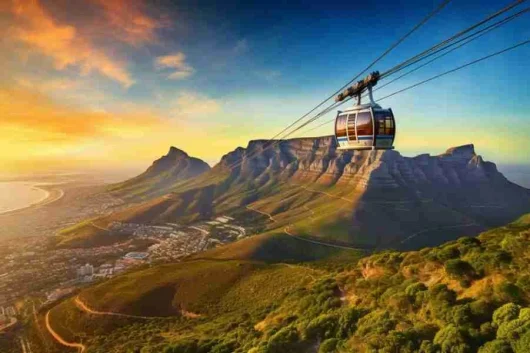

Top places, Attractions & Things to do in South Africa:
- Kruger National Park-Mpumalanga and Limpopo Provinces,
- Table Mountain National Park,
- Cape Town,
- Kgalagadi (Kalahari) Transfrontier Park,
- The Apartheid Museum,
- Gold Reef City,
- Robben Island,
- Nelson Mandela Square,
- Stellenbosch,
- Blyde River Canyon,
- The Drakensberg KwaZulu-Natal,
- The Garden Route,
- ISimangaliso Wetland Park KwaZulu-Natal,
- Blyde River Canyon Nature Reserve Mpumalanga,
- Cage Dive with Great White Sharks,
- Durban’s Golden Mile,
- Johannesburg and Pretoria in Gauteng,
- Cape Point Nature Reserve,
- Boulders Beach,
- V&A Waterfront,
- Table Mountain,
- Franschhoek Motor Museum,
- !Khwa ttu,
- Newlands Brewery,
- Groot Constantia,
- World of Birds,
- Cango Caves,
- The Big Tree at Tsitsikamma,
- Bloukrans Bungee,
- Ostrich Farm,
- Oudtshoorn,
- Addo Elephant National Park,
- Bathurst,
- Jeffrey’s Bay,
- The Big Hole,
- Augrabies Falls,
- Newtown Cultural Precinct,
- Satyagraha House,
- Bush Babies Monkey Sanctuary,
- Lion Park, Voortrekker Monument,
- The Union Buildings, Maropeng,
- Sterkfontein Caves,
- Hartbeespoort Aerial Cableway,
- The Palace of the Lost City,
- uShaka Marine World,
- Durban Beachfront – The Golden Mile,
- Valley of a Thousand Hills,
- Tala Private Game Reserve,
- Sani Pass,
- KZN Battlefields,
- Nelson Mandela Capture Site,
- Spirit of the Emakhosini,
- Howick Falls,
- Gateway Theatre of Shopping,
- St Lucia Estuary
Best Things to do in South Africa: Africa safari Holiday tour packages with Adeli Kenya Safaris
Introduction to South Africa’s Safari Experience
South Africa is renowned as a premier safari destination, attracting adventure seekers and wildlife enthusiasts from around the globe. The country boasts an unparalleled diversity of wildlife and ecosystems, making it a paradise for those yearning to experience the raw beauty of nature. Among its many highlights is the famed Big Five – lions, leopards, elephants, buffaloes, and rhinoceroses – which can be found roaming freely within its national parks and game reserves.
South Africa’s national parks are home to a variety of landscapes, from the rolling savannahs of the Kruger National Park to the majestic mountains of the Drakensberg. These expansive areas not only serve as habitats for wildlife but also play a critical role in conservation efforts. The country’s commitment to preserving its natural treasures is evident in its wide range of protected areas that champion biodiversity and sustainable tourism.
In addition to traditional game drives, South Africa offers unique ways to explore its wildlife. Walking safaris, for instance, provide an intimate and immersive experience, allowing travelers to connect with nature on a deeper level. Birdwatching opportunities abound, attracting avian enthusiasts eager to witness over 800 species of birds found in various regions. Furthermore, the enchantment of encountering wildlife in their natural habitat, whether through open-top vehicles or guided hikes, adds an unforgettable dimension to the safari experience.
Moreover, South Africa’s distinct climate and varying landscapes create ideal conditions for diverse fauna and flora. From the arid regions of the Kalahari Desert to the lush wetlands of the Okavango Delta, every corner of the country reveals a different facet of its ecological richness. This combination of scenic beauty, rich wildlife, and commitment to conservation makes South Africa a sought-after destination for safari holiday packages, inviting travelers to embark on a journey like no other.
The Big Five: An Introduction to Iconic Wildlife
The term “Big Five” refers to five of Africa’s most notable animals: the lion, leopard, rhinoceros, elephant, and Cape buffalo. This designation originated from big-game hunting, where these animals were deemed the most difficult to hunt on foot. Today, however, the Big Five has transformed into a symbol of an enriching safari experience, attracting tourists eager to witness these majestic creatures in their natural habitats.
Each of the Big Five holds significant ecological and cultural importance in South Africa. For instance, lions are often regarded as the kings of the jungle, renowned for their social structures and pride dynamics. Leopards, on the other hand, are elusive and solitary, making sightings a rare and thrilling experience. The rhinoceros, particularly the black and white species found in South Africa, is critically endangered, making encounters with these magnificent animals both poignant and important for conservation efforts.
Elephants, as the largest land mammals, showcase a fascinating social structure, often traveling in family groups led by matriarchs. The Cape buffalo, known for its remarkable resilience and strong herd tendencies, represents a more tenacious spirit of Africa’s wilderness. Understanding these animals’ behaviors and defining characteristics can significantly enhance a visitor’s safari experience.
Safari holiday tour packages often prioritize opportunities for Big Five sightings, providing tailored experiences that increase the likelihood of encountering these animals. Expert guides lead excursions into designated national parks and game reserves, such as Kruger National Park and Addo Elephant National Park, ensuring tourists gain insightful perspectives on wildlife behavior. Through structured tours, guests can appreciate the unique beauty and power of the Big Five, fostering a deeper connection with South Africa’s rich biodiversity.
Top Safari Destinations in South Africa
South Africa is home to some of the most iconic safari destinations in the world. Among these, Kruger National Park stands out as a premier wildlife haven. Spanning nearly 20,000 square kilometers, it offers diverse ecosystems, including savannah, bush, and woodlands. Visitors to Kruger can expect to encounter the Big Five—lion, leopard, elephant, rhino, and buffalo. The park is also rich in birdlife, hosting more than 500 bird species, making it a haven for birdwatchers.
Addo Elephant National Park is another notable destination. Located near Port Elizabeth, this park is famous for its large population of African elephants, which can be observed in their natural habitat. Besides elephants, the park supports a variety of wildlife, including lions, hyenas, and various antelope species. The park’s unique landscape combines dense bush and open grasslands, providing excellent viewing opportunities for visitors.
In addition to national parks, South Africa boasts an array of Private Game Reserves. These reserves offer exclusive safari experiences, often featuring luxurious accommodation, personalized guided tours, and fewer crowds. One of the most renowned private reserves is Sabi Sand Game Reserve, adjacent to Kruger National Park. It is celebrated for its exceptional game viewing, especially leopards. Many private reserves also engage in conservation efforts, safeguarding wildlife and allowing for sustainable tourism practices.
All these destinations reflect the diversity and richness of South Africa’s natural heritage. From the vast savannas of Kruger to the intimate encounters in private reserves, each venue provides unique experiences that emphasize the country’s extraordinary wildlife and landscapes.
Types of Safari Tour Packages Available
When planning a safari holiday in South Africa, it is important to understand the various types of safari tour packages available to cater to different preferences and budgets. These packages can generally be categorized into guided tours, self-drive options, luxury safaris, and camping experiences. Each category comes with its own unique offerings, advantages, and disadvantages.
Guided tours are a popular choice for many travelers who prefer expert insight into the wildlife and landscapes they will encounter. These tours often feature experienced guides who provide commentary and enhance the overall experience with their extensive knowledge. The convenience of guided tours is a significant advantage; however, they may be more expensive than self-drive alternatives. Additionally, set schedules may limit flexibility in terms of time spent at various locations.
On the other hand, self-drive safari packages offer travelers a more independent experience, allowing them to explore at their own pace. This option is generally more budget-friendly and can be appealing for adventurous individuals or families seeking a personalized itinerary. However, self-driving necessitates a good understanding of the terrain and potential risks associated with wildlife encounters, which can be daunting for some visitors.
For those seeking a more upscale experience, luxury safaris often provide lavish accommodations and exceptional service, including gourmet meals and exclusive access to private reserves. While these packages can be quite indulgent and unique, travelers should be prepared for significantly higher costs associated with luxury offerings.
Camping safari experiences, in contrast, tend to provide a more rugged and immersive encounter with nature. This option allows travelers to reside in close proximity to wildlife, creating memorable moments under the stars. While camping can be cost-effective, it may lack certain comforts that other packages offer.
Best Time to Visit for Safari Tours
When planning a safari holiday in South Africa, understanding the seasonal variations is crucial for optimizing the wildlife experience. The two primary seasons—the dry season and the wet season—offer distinct advantages and unique encounters with the region’s abundant wildlife.
The dry season, typically from May to September, is widely regarded as the best time to visit for safari tours. During these months, water sources become scarce, leading animals to congregate around rivers and watering holes, making them easier to spot. The cooler weather and less dense foliage further enhance visibility, allowing for more effective game viewing. This period is particularly favorable for observing larger mammals such as elephants, lions, and rhinos.
In contrast, the wet season, spanning October to April, presents a different safari experience. Although the rains rejuvenate the landscape and provide lush vegetation, wildlife may become harder to find as animals disperse in search of food. However, the wet season is an excellent time for birdwatching, as migratory species arrive and local birds display their stunning breeding plumage. Additionally, the landscapes during this time are vibrant and visually striking, offering unique photographic opportunities.
Ultimately, the best time to plan your safari holiday package in South Africa hinges on the desired experience. Each season allows for different encounters and sights, thus catering to diverse preferences among travelers. Whether one chooses the dry season’s prolific wildlife viewing or the wet season’s lush scenery, understanding these seasonal variations will undoubtedly enhance the safari adventure.
Essential Preparations for a Safari Holiday
When planning a safari holiday in South Africa, thorough preparation is crucial to ensure a smooth and enjoyable experience. One of the key aspects of preparation is effective packing. Travelers should prioritize lightweight, breathable clothing that can be layered for varying temperatures throughout the day. Neutral-colored attire is recommended as this is less likely to disturb wildlife. Additionally, sturdy walking shoes and a wide-brimmed hat are essential to protect against the sun.
In terms of health and safety, visitors must be aware of the potential risks associated with safari activities. It is advisable to consult a healthcare provider regarding vaccinations and prophylactic medications for diseases such as malaria, which can be prevalent in certain areas. Basic first aid kits are also recommended, including items such as antiseptic creams, insect repellent, and necessary prescription medicines. Hydration is vital, so travelers should carry refillable water bottles, especially during day-long excursions.
Furthermore, securing comprehensive travel insurance is imperative before embarking on a safari. This insurance should specifically cater to adventure activities, covering incidents such as flight cancellations, medical emergencies, and any potential loss of baggage. In addition, travelers should familiarize themselves with the terms and conditions of their policy to understand what is included and excluded.
Moreover, having all necessary documentation such as visas, passports, and vaccination certificates readily accessible will streamline the check-in processes at airports and borders. Being well-prepared not only enhances the overall safari experience but also ensures that travelers can fully immerse themselves in the breathtaking landscapes and wildlife that South Africa has to offer.
Cultural Experiences Alongside Safari Adventures
South Africa’s safari tours offer a rich experience not only through wildlife sightings but also through a deep engagement with the local culture. The diverse heritage of the country provides innumerable opportunities for tourists to enhance their adventure by immersing themselves in local traditions and communities. One way to do this is by visiting nearby villages where visitors can interact with indigenous communities. These interactions often include learning about traditional ways of life, engaging in shared activities, or participating in guided community tours.
In addition to village visits, many safari packages include cultural performances that showcase local music, dance, and storytelling. These performances are typically designed to highlight the unique history and customs of the various tribes in South Africa. Attending such events allows tourists to appreciate the artistry and cultural significance behind the performances, significantly enriching their safari experience. Furthermore, many of these performances often occur in open-air settings, providing a stunning backdrop that complements the vibrancy of the local cultural expressions.
Craft markets are another integral aspect of the cultural experiences available alongside safari adventures. Visitors can explore local markets that feature handmade crafts, traditional artwork, and souvenirs that reflect the region’s heritage. Shopping at these markets supports local artisans and provides memorable tokens that resonate with one’s safari journey. The opportunity to connect directly with the makers fosters a deeper appreciation for cultural significance and preservation efforts in South Africa.
Overall, incorporating these cultural elements into safari travels not only broadens one’s understanding of the region but also fosters respect and appreciation for the rich tapestry of human experiences that exist. By engaging with the local culture, travelers create lasting memories that complement the thrilling adventures in the wild.
Eco-Tourism and Responsible Safari Practices
Eco-tourism plays a pivotal role in promoting sustainable practices within the safari industry. As travelers become increasingly conscious of their environmental impact, the demand for responsible safari experiences has risen sharply. This shift not only enhances the traveler’s experience but also ensures the protection and conservation of wildlife and natural habitats in South Africa.
Responsible safari practices involve a combination of strategies aimed at minimizing negative impacts on the environment. Key among these practices is ensuring that safari operators are committed to sustainable tourism. Travelers are encouraged to select tour packages offered by companies that prioritize eco-friendly initiatives, such as utilizing renewable energy sources and minimizing waste. Furthermore, many safari operators invest a portion of their profits into local conservation efforts, helping safeguard endangered species and their habitats.
Travelers can also play a significant role in promoting eco-tourism by making informed choices. Simple actions, such as opting for smaller group tours, can greatly reduce the strain on ecosystems. Choosing lodges and camps that implement sustainable practices, like using solar power or employing local staff, also contributes positively to the local economy and community. Additionally, tourists should familiarize themselves with the ‘Leave No Trace’ principles, ensuring they do not disturb wildlife or their surroundings during safari excursions.
By prioritizing eco-tourism and responsible practices, travelers not only enhance their safari adventure but also contribute to crucial conservation efforts. Ultimately, embracing sustainable tourism ensures that South Africa’s breathtaking landscapes and wildlife can be enjoyed by future generations, allowing the rich biodiversity of the region to thrive for years to come.
Booking Your Safari Experience: Tips and Resources
When planning to embark on a safari holiday, the process of booking your safari experience is crucial to ensuring a memorable adventure. This involves choosing the right tour operator, comparing various safari packages, and gathering essential information to enhance your experience.
To begin with, consider reliable bookings through reputable tour operators who specialize in safari holidays in South Africa. Research each operator’s credentials, customer reviews, and industry recommendations. Websites like TripAdvisor and SafariBookings can provide valuable insights into customer experiences, helping you make informed decisions. Look for operators that offer transparent pricing, clear itineraries, and expert guides, as these factors significantly contribute to a successful safari tour.
When comparing safari packages, focus on the inclusions and exclusions outlined in each offer. Some packages may encompass accommodation, meals, and guided tours, while others could charge separately for park fees and excursions. Evaluate the value you receive for the price by examining what experiences align with your interests, such as wildlife viewing, photography opportunities, or cultural tours.
Moreover, it is beneficial to book your safari well in advance, especially during peak seasons when demand is high. This not only guarantees your desired dates and accommodations but may also unlock early bird discounts. Always read the terms and conditions, particularly concerning cancellations and rescheduling policies, as they can vary between operators.
For travelers eager to expand their knowledge before their journey, several resources exist to assist in your preparation. Consider reading guidebooks focused on South African wildlife and conservation or accessing online forums where past travelers share tips and experiences. Documentaries and wildlife shows can also offer valuable insights into the types of animals you may encounter and the ecosystems they inhabit.
Africa Safari holiday Experiences
- Africa 4×4 road safaris
- Africa Flight safaris
- Africa Family safaris
- Africa Beach holidays
- Africa Photographic safaris
- Africa Honeymoon safaris
- Africa Wildebeest Migration Safaris
- Africa Luxury Safaris
- Africa Customized safaris
- Africa Historical tours
- Africa train safaris
- Africa Cultural Immersion Safaris
- Africa Mountain climbing tours
- Africa Nature safari tours
- Africa Hot Air Balloon safaris
- Africa Horse Riding safaris
- Africa luxury Glamping safaris
- Africa Mobile Safaris
- Africa Agritourism
- Africa Small group safari tours
- Africa Stargazing safari tours
- Africa Sundowner and bush meals
- Africa Solo travel safaris
- Africa Special Occasion safaris
- Africa Sports tourism
- Africa Self- drive tours
- Africa Student educational safaris
- Africa MICE travel
- Africa Spiritual & religious travel
- Africa Helicopter safaris
- Africa Camping safaris
- Africa Walking safaris
- Africa Wellness travel and safaris
- Africa Boat & Canoe safaris
- Africa Tree planting on safari
- Africa Primate Safaris
- Africa volunteer travel
- Africa Medical Tourism
- Africa Community based Tourism
- Africa bird watching safari tours
- Africa Lion tracking safaris
Top Africa safari FAQs with exert answers by Adeli Kenya Safaris
Planning your first African safari is exciting, but it also comes with many questions. What is the best country for safari? How much does an African safari cost? Is Africa safe for tourists? When is the Great Wildebeest Migration? Which animals will you see? Do you need a visa or vaccinations? What should you pack? How do safari lodges work? Can children go on safari?
Our Africa Safari FAQs page answers these and many more questions to help you plan your dream wildlife adventure with confidence.
At Adeli Kenya Safaris, our experienced safari specialists have guided thousands of travelers through Kenya, Tanzania, Uganda, Rwanda, Zanzibar and other African destinations. We’ve compiled this comprehensive collection of frequently asked safari questions based on what our guests ask before booking.
Whether you’re planning a luxury honeymoon, family holiday, photography safari, Big Five safari, Great Migration adventure, gorilla trekking expedition or a combined Kenya and Tanzania safari, you’ll find clear, practical and up-to-date answers here.
Here are the top Africa safari questions (asked by fellow travellers), and expert answers by Adeli Kenya Safaris: