Introduction to Kenya Safari Tours
Kenya safari tours have gained immense popularity in recent years, particularly among families seeking an affordable yet exhilarating adventure immersed in nature. These tours offer families the chance to explore the mesmerizing landscapes of the Kenyan wilderness while engaging with its rich biodiversity and vibrant cultures. Traversing the vast savannahs, families can witness firsthand the remarkable wildlife that Kenya is renowned for, including the Big Five: lion, leopard, elephant, buffalo, and rhinoceros. This accessibility to extraordinary wildlife in their natural habitats creates unforgettable experiences that are cherished by both adults and children alike.
The allure of Kenya lies not only in its stunning wildlife but also in its varied ecosystems. From the lush, green highlands to the arid plains of the Maasai Mara, each region offers unique adventures, allowing families to tailor their safari experience according to their preferences and budget. Affordable Kenya safari tours cater to different economic levels, ensuring that families of all sizes can partake in this adventure without straining their finances. Various accommodations, ranging from economical lodges to luxurious tented camps, complement the diverse experiences on offer.
In addition to the breathtaking wildlife, Kenya’s rich cultural heritage adds another layer of attraction to safari tours. Families can engage with local communities, learning about the traditions and lifestyles of various tribes, such as the Maasai and Samburu. These interactions not only enrich the safari experience but also provide valuable lessons about conservation, respect for nature, and understanding diverse cultures, making Kenya a perfect backdrop for educational family trips.
The Benefits of Family Safari Tours
Embarking on family safari tours presents a myriad of advantages that contribute not only to enjoyable experiences but also to enriching educational opportunities for all ages. One of the primary benefits of these tours is the chance to bond as a family while exploring the remarkable landscapes and diverse wildlife that Kenya has to offer. Shared experiences, such as spotting animals together or engaging in guided nature walks, create lasting memories that strengthen family ties.
In addition to bonding, family safari tours often incorporate educational components that can spark curiosity in children and adults alike. These experiences introduce families to various species, ecosystems, and conservation efforts. The excitement of witnessing elephants, lions, and giraffes in their natural habitats not only captivates the imagination but also fosters an appreciation for wildlife and the importance of preserving it. As families learn together about animals and their environments, they develop a deeper understanding of ecological systems.
One compelling reason to opt for organized family safari tours is the enhanced safety and convenience that guided experiences provide. Professional guides are well-versed in the local terrain and wildlife behavior, ensuring that families can navigate the often unpredictable nature of safaris with confidence. This organized approach minimizes risks and maximizes opportunities for wildlife sightings in a manner that inexperienced travelers may find challenging. Furthermore, guided tours ensure that families spend their time effectively, allowing them to witness the most breathtaking aspects of the Kenyan landscape without the stress of planning and logistics.
Top Affordable Safari Destinations in Kenya
Kenya is renowned for its breathtaking landscapes and rich wildlife, making it an ideal destination for family safari tours. Among the most affordable and family-friendly safari locations in Kenya are Maasai Mara, Amboseli National Park, and Lake Nakuru.
Maasai Mara National Reserve is perhaps the most famous safari destination in Kenya, offering families an unparalleled wildlife experience. Families can witness the Great Migration between July and October, where millions of wildebeest and zebras cross the plains. Additionally, the reserve provides an opportunity for children to learn about the Maasai culture, enhancing the educational aspect of the visit. The variety of accommodation options, including family-friendly lodges and camping sites, also ensures that visitors can stay within budget.
Amboseli National Park is another excellent choice, known for its stunning views of Mount Kilimanjaro and large elephant herds. The park’s family-friendly atmosphere is complemented by well-maintained roads suitable for game drives, allowing children to spot various animals with ease. The park hosts several camps that offer family lodges, making it hassle-free for families to find comfortable accommodations at reasonable prices. Birdwatching enthusiasts will delight in the more than 400 species that populate the area, making it a great educational experience for children as well.
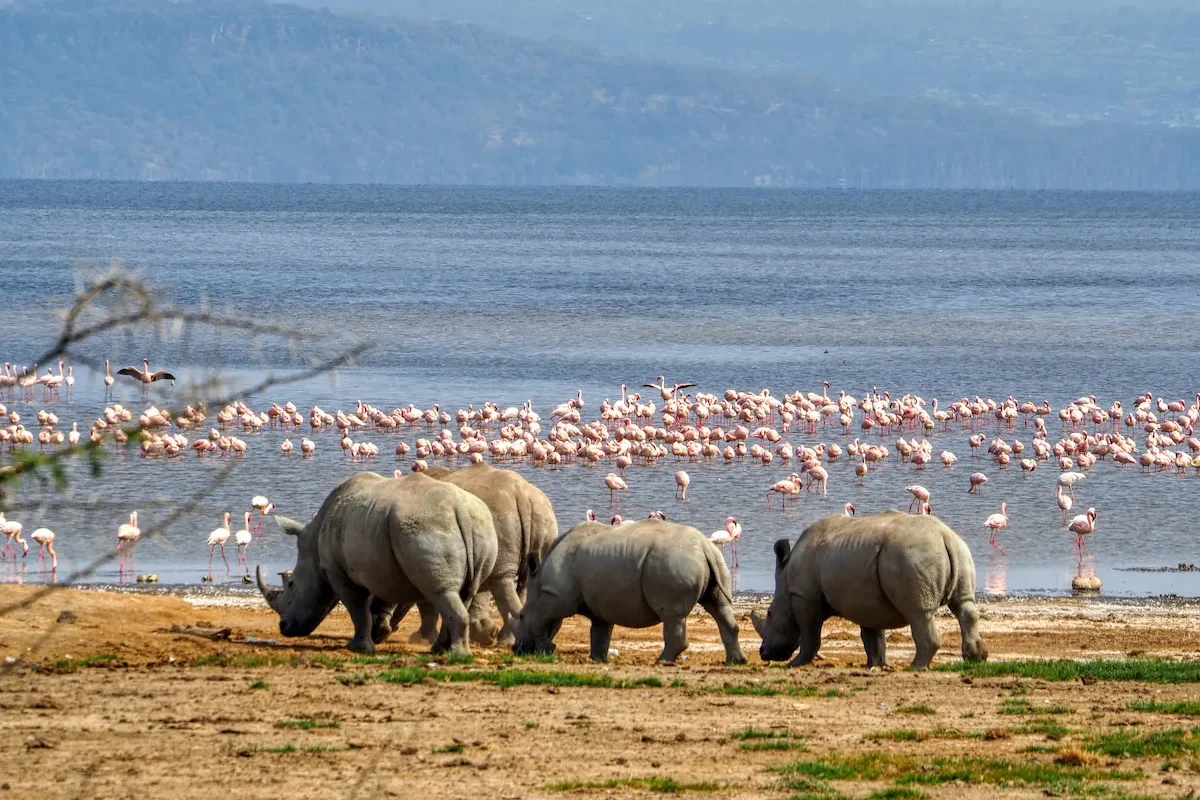
Lake Nakuru National Park is famous for its large populations of flamingos and rhinos. The park is a UNESCO World Heritage Site and features beautiful scenic views, including waterfalls and a diverse ecosystem. Families can engage in game drives, nature walks, and educational talks provided by park rangers. The variety of budget-friendly accommodations and proximity to Nakuru town ensures that families can easily access amenities while enjoying the park’s beauty.
Overall, these three destinations offer a blend of adventure, education, and affordability, making them perfect for families seeking memorable safari experiences in Kenya.
Choosing the Right Safari Tour Package
Selecting the ideal safari tour package is a crucial step for families looking to explore the majestic landscapes of Kenya. A family’s choice of a safari depends on various factors including budget, interests, and specific travel needs. Firstly, it is essential to establish a clear budget. Safari experiences can range widely in price, influenced by factors such as accommodations, included activities, and the length of the tour. Families should decide on their budgetary limits to narrow down suitable options effectively.
Next, families should consider their interests. Some may be drawn to wildlife viewing, while others might prefer cultural interactions or adventure activities. It’s important to select tour packages that align with these interests. For instance, if a family has young children, they may prefer shorter, more family-friendly tours that minimize travel time and maximize comfort. Alternatively, adventurous families might seek packages that include walking safaris or night drives.
Furthermore, the importance of comparing tour inclusions cannot be overstated. Families should look for packages that detail what is included, such as game drives, park entry fees, meals, and accommodations. An appealing package may offer more than just basic game viewing; it might include guided tours, educational sessions, or special activities for children. Additionally, accommodation options must fit the family’s needs and comfort levels, ranging from luxury lodges to more budget-friendly tented camps.
In summary, when selecting a family safari tour package, families should assess their budget, gauge their interests, and review the specifics of what each package offers. This comprehensive approach will ensure a delightful and memorable experience in the captivating environment of Kenya.
Tips for Traveling Safely with Kids on Safari
Embarking on a safari in Kenya offers a unique opportunity for families to bond and create lasting memories in the spectacular wilderness. However, traveling with children requires thoughtful preparation to ensure both adventure and safety. Here are several practical tips for families traveling safely with kids on safari.
First and foremost, it is essential to prioritize safety precautions. Always brief your children about the potential risks associated with wildlife encounters. Teach them to keep a safe distance from animals and to remain calm if they spot wildlife close to the vehicle. Furthermore, ensure adherence to the guide’s instructions during game drives, as these professionals are trained to handle unexpected situations.
Health considerations should also be at the forefront of your planning. Consult a healthcare professional before your trip to discuss appropriate vaccinations and medications, such as malaria prophylaxis, especially for younger children. It is wise to carry a first aid kit tailored to the specific needs of children. This kit should include essentials like antiseptics, pain relievers, sunscreen, and insect repellent.
When packing for your safari, consider essential gear to keep your kids comfortable and safe. Lightweight, breathable clothing that can protect against sunburn and insect bites is crucial. Additionally, sturdy yet comfortable shoes are recommended for walking safaris. Don’t forget to pack a hat, sunglasses, and a water bottle to keep your children hydrated during exploration.
Lastly, balancing adventure with safety is key. Plan your activities conservatively and allow for downtime, ensuring your children have time to rest and recuperate. Other family-friendly options like guided nature walks or visiting local communities can provide enriching experiences without overwhelming young minds.
Cultural Experiences during Safaris
A safari in Kenya offers an unparalleled opportunity for families to immerse themselves in the rich cultural heritage of the nation. One of the most notable experiences is visiting a Maasai village, where families can interact with this proud community known for its vibrant traditions and customs. During these visits, children will gain insights into the Maasai way of life, including their clothing, rituals, and agricultural practices, allowing them to appreciate cultural diversity beyond their own environment.
Moreover, traditional Maasai dancers often perform stunning cultural presentations, showcasing their music, dance, and unique dress. This not only entertains but also fosters an understanding of the community’s history and the significance of their arts in daily life. Such interactive experiences enrich the educational aspect of the safari, providing a memorable experience for younger travelers.
In addition to village visits, families can also engage in local culinary experiences, where they can taste authentic Kenyan dishes. Participating in a cooking class or visiting local markets allows families to appreciate the diverse flavors and ingredients that create Kenya’s cuisine. Dishes such as ugali, sukuma wiki, and samosas can be a delight for children and parents alike, making the culinary journey an integral part of the safari experience.
Lastly, families might have the chance to partake in storytelling sessions with local elders, providing historical context and life lessons passed down through generations. Such interactions connect the younger generation to the past and deepen their understanding of the values held by different communities in Kenya.
Overall, engaging in cultural experiences during a Kenyan safari can create lasting memories and foster a greater appreciation for the interconnectedness of people and cultures worldwide.
Budget-Friendly Accommodation Options
When planning an affordable safari in Kenya, choosing the right accommodation is crucial, especially for families seeking budget-friendly options. Various types of lodging are available, each offering different experiences and practicalities.
Campsites present an adventurous yet economical choice. Camping allows families to immerse themselves in nature while enjoying savings compared to other lodging types. Many campsites are located near national parks, providing easy access to game drives. However, it’s important to consider that amenities may be limited, necessitating families to be prepared for a more rustic experience.
Alternatively, lodges offer a blend of comfort and affordability. Family-friendly lodges often provide essential services such as dining, guided tours, and spacious rooms that accommodate families comfortably. These establishments can enhance the safari experience by allowing families to enjoy their surroundings without sacrificing comfort. However, while lodges can present higher costs compared to campsites, they frequently offer package deals that can make them more affordable.
Another accommodation type to consider is self-catering options. Renting a self-catering cottage or apartment can provide significant savings, and it allows families the freedom to cook their meals. This option is especially cost-effective for families who prefer frequent meals or have specific dietary restrictions. However, being responsible for food preparation may not suit every family’s holiday expectations.
To find the best deals, it is advisable to book accommodations well in advance, especially during peak seasons. Utilizing online travel aggregators can also help compare prices effectively across various options. Additionally, seeking recommendations from fellow travelers, booking directly with accommodations, or investing in all-inclusive packages can lead to significant savings. By exploring these budget-friendly accommodation options, families can enjoy an unforgettable Kenyan safari experience without overspending.
Wildlife Spotting and Education
A family safari in Kenya offers an exceptional opportunity for wildlife spotting and education. The diverse ecosystems within Kenya host a remarkable variety of species, making it one of the premier safari destinations in Africa. Families can expect to encounter the iconic Big Five—lions, elephants, leopards, buffalo, and rhinoceroses—alongside countless other animals such as giraffes, zebras, and wildebeests. These encounters can inspire awe and curiosity in children, turning a simple vacation into an enriching educational experience.
To maximize wildlife viewing, families should consider planning their safari during the early morning or late afternoon hours when animal activity is heightened. Additionally, parents can enhance their children’s experience by involving them in the planning process, allowing them to research and learn about the various wildlife species they might encounter. Gear that includes binoculars and field guides can be a fun way to engage children, encouraging them to identify animals and their behaviors.
Many safari lodges and tour operators offer programs aimed at educating young adventurers about wildlife conservation and ecology. Interactive sessions with guides can teach kids about the importance of biodiversity and the roles different animals play within their ecosystems. Encouraging children to ask questions during wildlife sightings cultivates their curiosity and deepens their understanding of nature.
Furthermore, discussing topics such as animal migration patterns and the effects of climate change on wildlife can help foster a sense of responsibility toward wildlife conservation. With guided learning experiences, children will gain invaluable knowledge about the incredible creatures that inhabit Kenya’s national parks, enriching their overall safari experience while instilling a lifelong appreciation for wildlife.
Planning Your Affordable Family Safari
When planning an affordable family safari in Kenya, there are several crucial factors to consider that will ensure a memorable and fulfilling experience without breaking the bank. Firstly, determining the best time to visit is essential. The peak season spans from July to October, coinciding with the Great Migration, which offers breathtaking wildlife viewing opportunities. However, visiting during the shoulder seasons—April to June and November to December—can offer more budget-friendly options and fewer crowds while still providing excellent wildlife sightings.
Next, it is important to prepare the necessary travel documents. Each family member will require a valid passport, with at least six months remaining before expiration upon arrival in Kenya. Depending on your nationality, you may need a visa, which can typically be obtained online before your trip. It’s crucial to verify the requirements based on your country of residence to avoid any last-minute issues at the airport.
Budgeting is another key aspect of planning your safari. Families should create a detailed budget that outlines all potential expenses, including accommodation, park entrance fees, transportation, and food. It’s advisable to research family-friendly lodges or camps that offer packages catering to children, as these often provide discounts or special family rates. Moreover, consider self-drive options for safaris if you are comfortable, as this can significantly reduce costs compared to guided tours.
Finally, remember to include flexibility in your itinerary. While it is good to have a plan, allowing for spontaneous family adventures can enhance the experience and lead to unexpected opportunities for wildlife encounters or cultural interactions. With careful planning and thoughtful choices, your affordable family safari in Kenya can indeed be an unforgettable adventure.