Introduction to African Safaris for Seniors with Adeli Kenya Safaris
African safaris have emerged as a popular travel option for senior citizens aged 50 and above, offering unique experiences that blend adventure, stunning nature, and rich cultural insights. As travelers in this age group often seek enriching experiences, safaris present a compelling option. Not only do they allow seniors to explore diverse ecosystems and witness incredible wildlife, but they also provide opportunities for engaging with local cultures in a profound manner.
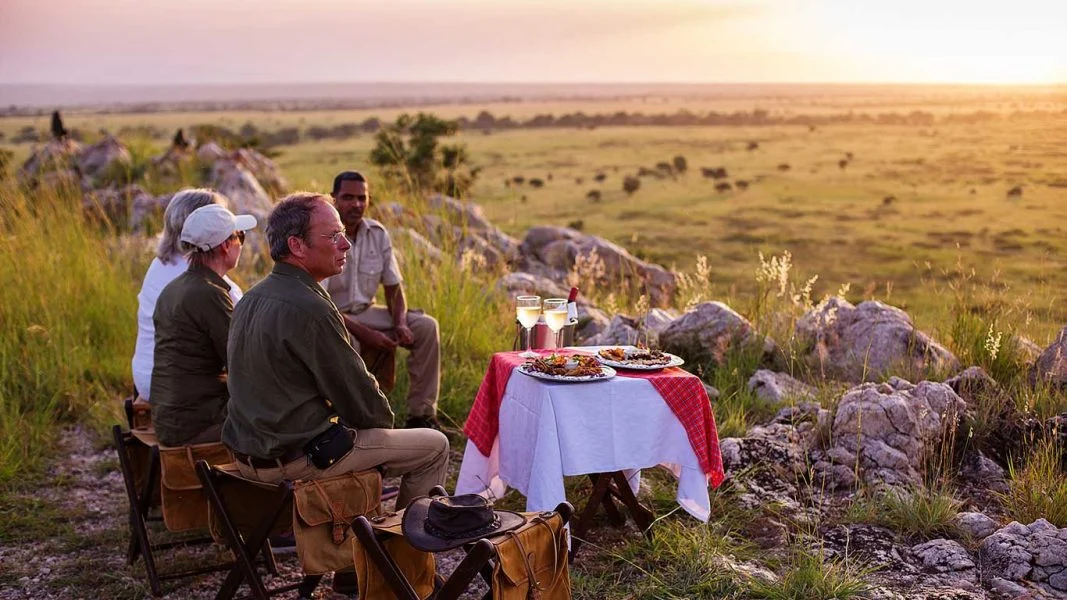
One of the main attractions of an African safari is the chance to venture into the pristine wilderness, where breathtaking landscapes and a variety of animals await. Seniors, often more inclined to appreciate the natural world, can benefit from the tranquility and beauty that these tours provide. The chance to observe elephants bathing, lions lounging in the grass, or vibrant birds in flight can be a dream come true for many older travelers. These experiences are not only stimulating but also promote a sense of connection to the environment.
Moreover, safaris designed for seniors take into consideration the specific needs of older participants, offering comfortable accommodations and accessible transport options. This thoughtful approach ensures that senior travelers can enjoy the adventure without undue strain. Guided tours often include knowledgeable guides who share valuable insights into wildlife behavior, conservation efforts, and local customs, enhancing the overall safari experience.
Cultural immersion is another key component of many safaris. Seniors can engage with local tribes or communities, allowing them to learn about traditional practices and lifestyles that have been preserved through generations. Such experiences can be both educational and personally fulfilling, offering a deeper understanding of the diverse cultures within Africa.
Health and Safety Considerations
Traveling on an African safari can be a thrilling experience for senior citizens aged 50 and above. However, it is crucial to prioritize health and safety during such adventures. Before embarking on a safari, one of the first steps is to consult with a healthcare professional about any necessary vaccinations. Vaccinations for diseases like yellow fever, hepatitis A and B, and typhoid are commonly recommended depending on the specific regions you plan to visit. Ensuring that vaccinations are up to date can significantly minimize health risks while traveling.
In addition to vaccinations, obtaining comprehensive travel insurance is another vital aspect of health and safety for senior travelers. Travel insurance can cover medical expenses, trip cancellations, and delays, providing peace of mind should unexpected situations arise. It is advisable to choose policies that specifically cater to senior travelers, ensuring that they meet unique health needs and limitations. Reading the fine print of your insurance coverage is essential, as some policies may have restrictions that could affect coverage based on age or pre-existing conditions.
Moreover, managing medications while traveling is a critical consideration. Seniors should bring an adequate supply of prescribed medications for the duration of the trip, along with copies of their prescriptions. Carrying medications in their original containers can help avoid complications at customs or during emergencies. It’s also wise to keep a list of all medications, including dosages and schedules, which can be useful to healthcare providers in case of an emergency.
In conclusion, prioritizing health and safety is essential for senior citizens embarking on African safari tours. By addressing vaccinations, securing comprehensive travel insurance, and effectively managing medications, seniors can enjoy their safari experience, while minimizing health risks.
Choosing the Right Safari Tour Package
When selecting an African safari tour package, particularly for seniors aged 50 and above, several factors must be taken into consideration to ensure a memorable and enjoyable experience. Firstly, group size is a crucial aspect. Smaller groups often offer a more personalized experience, allowing for better interaction with guides and fellow travelers, tailoring the safari to specific interests and needs.
Moreover, accessibility is vital for senior travelers who may have mobility concerns. It is essential to evaluate whether the chosen tour package includes vehicles that are comfortable and easy to access. Tour operators should be able to provide vehicles with step-less entry or assistive features for those who require them. Reviews and testimonials can offer insights into the experiences of previous travelers and their ability to navigate the planned itineraries comfortably.
The itinerary flexibility is another critical consideration. Seniors may appreciate travel options that allow for rest days or shorter activity periods. A well-structured itinerary tailored to senior citizens can include game drives during cooler hours, ensuring a more pleasant experience while still enjoying the rich wildlife of Africa.
In terms of accommodation options, selecting lodges or camps that cater specifically to older guests can make a considerable difference in the overall safari experience. High-quality accommodations should offer comfortable bedding, convenient amenities, and accessibility features to facilitate relaxation after adventurous activities.
Lastly, it is beneficial to weigh the advantages of pre-organized tours versus self-planned trips. Pre-organized tours often provide expert guiding, logistical support, and curated experiences, allowing seniors to travel with peace of mind. On the other hand, self-planned trips may allow for more personalized itineraries but can come with the added stress of coordinating travel arrangements, which may not be ideal for every senior.
Types of Safari Experiences
When considering African safari tours for senior citizens aged 50 and above, it is vital to explore the various types of safari experiences available. Each option presents unique advantages and potential drawbacks, which can significantly influence comfort, duration, and wildlife viewing opportunities.
First, traditional game drives are among the most popular safari experiences. These tours typically involve traveling in an open-sided 4×4 vehicle, guided by an experienced ranger. This option is highly comfortable, as it allows seniors to enjoy wildlife from a safe distance while minimizing physical exertion. Additionally, game drives can last from a few hours to whole days, providing flexible scheduling. However, prolonged exposure to sunlight and potential bumpy rides can be considerations for individuals with health concerns.
Next, walking safaris offer a more personal and immersive experience, allowing seniors to explore the African landscape on foot. Guided by knowledgeable rangers, participants can gain insights into animal behavior and the ecology of the region. This experience fosters a deeper connection with nature, but it may pose a challenge for seniors with mobility issues. Walking safaris typically require a moderate level of fitness, as participants may cover varying distances over uneven terrain.
Lastly, luxury lodge stays combine comfort with wildlife viewing, ideal for those wishing to experience an upscale environment. Many lodges provide spacious accommodations, gourmet dining, and guided activities, including both game drives and walking safaris. The downside, however, is the higher cost associated with luxury lodges; thus, planning is essential for budget-conscious travelers. In conclusion, each type of safari experience caters to different preferences, comfort levels, and physical capabilities, enabling seniors to choose the most suitable option for their adventure in the African wilderness.
Wildlife Encounters and Photography Opportunities
Embarking on an African safari offers seniors an extraordinary chance to witness wildlife in their natural habitats. Various national parks and reserves across the continent teem with diverse species, from majestic elephants and roaming lions to graceful giraffes and colorful birds. This exploration not only provides excitement and thrill but also the opportunity for unforgettable wildlife encounters. It is not uncommon to see herds of zebras or a pride of lions, making each moment a potential photographic masterpiece.
For seniors looking to capture these moments, a few photography tips can greatly enhance the experience. Firstly, it is essential to invest in a reliable camera that is not overly complex to handle. A DSLR or mirrorless camera with a zoom lens is preferred as it allows for flexibility in shooting a variety of scenes, whether close-up shots of wildlife or expansive landscapes. However, even smartphones with good camera capabilities can yield excellent results if handled correctly.
When photographing wildlife, patience is crucial. Waiting for the right moment often leads to striking images. Early mornings and late afternoons are ideal for photography as the light is softer and wildlife is more active during these times. Additionally, using a tripod or stable surface while shooting can help mitigate the effects of camera shake, producing clearer images.
Another tip is to focus on composition; placing subjects off-center and utilizing the natural surroundings can create visually compelling photographs. Additionally, seniors should consider their physical comfort during these activities. Lightweight gear is recommended to ensure ease of handling throughout the safari. Ultimately, the combination of awe-inspiring wildlife encounters and thoughtful photographic techniques will provide seniors with lasting memories from their African safari adventure.
Cultural Experiences During Safari
African safari tours for senior citizens aged 50 and above offer unparalleled opportunities to engage with the rich cultural tapestry of the continent. A significant aspect of these experiences is visiting local villages where travelers can witness firsthand the daily lives of indigenous communities. Such visits not only enrich the safari but also foster understanding and appreciation of diverse cultural practices and traditions.
Participants can engage in various activities, such as attending traditional ceremonies that showcase local dances, music, and rituals. These events provide insight into the cultural identity of the region, enabling seniors to learn about the stories, histories, and values ingrained within these communities. Moreover, these experiences often involve cultural exchanges, allowing seniors to share their own stories and traditions, thereby creating a mutual appreciation between travelers and locals.
In addition to immersing themselves in the traditions of local communities, seniors can also partake in conservation efforts. Many safari operators include visits to conservation projects within their itineraries, where seniors can learn about wildlife protection, sustainable tourism practices, and the importance of preserving natural habitats. Engaging in such initiatives not only enhances the educational aspect of the safari experience but also instills a sense of purpose among participants, as they contribute to the betterment of the environment and local communities.
Ultimately, the cultural experiences available during African safari tours serve to deepen the understanding of the continent’s heritage. As seniors engage with local cultures through direct interaction, they gain a broader perspective that enriches their overall travel experience. Such immersion ensures that their safari adventure is not solely about observing wildlife but also about appreciating the vibrant human element that coexists within these stunning landscapes.
Tips for Comfort and Enjoyment on Safari
Embarking on an African safari can be a thrilling and enriching experience, especially for senior citizens aged 50 and above. However, ensuring comfort and enjoyment throughout the journey is paramount. First and foremost, proper packing can significantly enhance the safari experience. It is advisable to pack lightweight clothing that is breathable and suitable for varying weather conditions. Lightweight, long-sleeved shirts and trousers not only provide sun protection but also shield against insects during evening drives.
Durable hiking shoes or comfortable walking sandals are essential, as they offer support and grip on varied terrains. Consider bringing a wide-brimmed hat and polarized sunglasses to guard against sun exposure. Hydration is another critical aspect to factor in; it is vital to carry a reusable water bottle that can be refilled throughout the day. Dehydration can occur quickly in the African climate, so sip water regularly, especially during outdoor activities. Additionally, consulting with a doctor before traveling is wise, particularly to discuss any relevant health concerns or mobility issues.
Pacing oneself during safari activities is also crucial for enjoyment. Be selective about the number and duration of daily excursions to avoid exhaustion. Opt for shorter game drives and allocate time for rest in between; this ensures you can fully enjoy the sights without feeling overwhelmed. Moreover, consider choosing safari lodges that cater to senior travelers, offering comfortable accommodations and amenities tailored to ensure ease of movement.
Incorporating these practical tips will not only enhance the overall enjoyment of the safari adventure but also ensure that the experience remains comfortable and memorable for senior travelers.
Safety and Security While on Safari
When embarking on an African safari, especially for senior citizens aged 50 and above, prioritizing safety and security is essential for an enjoyable experience. Safaris can present unique challenges; therefore, following specific guidelines can significantly enhance the overall safety of all participants.
First and foremost, adhering to park regulations is paramount. Each national park has distinct rules designed to protect both wildlife and tourists. Familiarizing oneself with these guidelines before arrival helps in navigating the environment responsibly. For example, keeping a safe distance from wildlife is critical, as approaching animals can provoke defensive behaviors, potentially leading to dangerous situations.
Another crucial safety measure is to remain with the group at all times. Having trained guides accompanying participants ensures that individuals are not only informed about the landscape but also protected from unforeseen encounters. Group dynamics foster a sense of community and assist in retaining awareness of surroundings, enhancing overall safety. Additionally, traveling in a group reduces the likelihood of getting lost or separated, which can be particularly concerning in remote areas.
Being alert to one’s surroundings is another essential practice. This includes being aware of any wildlife nearby, as well as monitoring the behavior of fellow tourists. It is advisable for seniors to avoid distractions, such as phones or cameras, which can detract from their situational awareness. By keeping a vigilant eye on their environment and understanding potential risks, seniors can take proactive measures to ensure their safety.
Moreover, it is wise to carry a basic first aid kit and have any necessary medications handy. Being prepared for minor incidents contributes to a more secure experience while allowing for swift handling of health-related concerns.
In conclusion, by adhering to park regulations, remaining with the group, and staying aware of their surroundings, senior citizens can enjoy a safer, more enjoyable safari experience in Africa.
Conclusion: Embracing the Adventure
Embarking on an African safari is undoubtedly an exhilarating adventure that presents a unique opportunity for senior citizens to explore the diverse beauty of the continent. For those aged 50 and above, safaris are not just a form of leisure but a pathway to discovering parts of the world that are teeming with life, history, and culture. These tours are meticulously designed to cater to the needs and preferences of older travelers, ensuring that their experience is both comfortable and fulfilling.
One of the remarkable aspects of an African safari is its ability to provide immersive experiences that broaden one’s horizons. The vibrant landscapes, the breathtaking sights of wildlife in their natural habitats, and the rich tapestry of cultures that one encounters can serve to deepen one’s appreciation for the world. Furthermore, activities such as guided game drives, nature walks, and cultural interactions are often tailored to accommodate different mobility levels, making it accessible for seniors to partake in all that a safari has to offer.
In addition to the adventure, the health benefits of travel, particularly at an older age, cannot be overstated. Engaging with different environments can stimulate the mind, foster social connections, and promote physical activity, which is crucial for overall well-being. Choosing an African safari caters to a sense of adventure that is often diminished in later years, encouraging seniors to break away from routine and engage with the world around them.
Ultimately, embracing the adventurous spirit of an African safari can lead to joyous memories and enriching experiences during one’s golden years. Offering a blend of excitement, nature, and cultural insight, these tours present a vibrant way for older adults to etch their footprints in some of the most awe-inspiring locations on the planet. A safari is more than just a travel experience; it is an invitation to celebrate life and the remarkable beauty of Africa.