Introduction to African Safari Clothing
When embarking on an African safari, selecting the right clothing is crucial for ensuring a comfortable and enjoyable experience. The diverse weather conditions, unpredictable terrain, and the unique wildlife one encounters necessitate a careful approach to attire. Proper clothing not only enhances your comfort level but also plays a significant role in personal safety and the overall safari adventure.
First and foremost, consider the climate. African safaris typically involve early morning and late evening activities, when temperatures can be quite cool. Layering is thus essential; lightweight, breathable base layers can be complemented with warmer mid-layers and protective outer layers as necessary. Choosing clothing items that can be easily removed or adjusted will allow for greater adaptability as temperatures fluctuate throughout the day.
Furthermore, the choice of fabric is pivotal in ensuring comfort during a safari. Opting for moisture-wicking and quick-drying materials can help manage perspiration, especially during hot afternoons. Additionally, clothing designed with built-in UV protection is highly beneficial to shield against the sun’s harmful rays, which is especially important when spending extended periods outdoors.
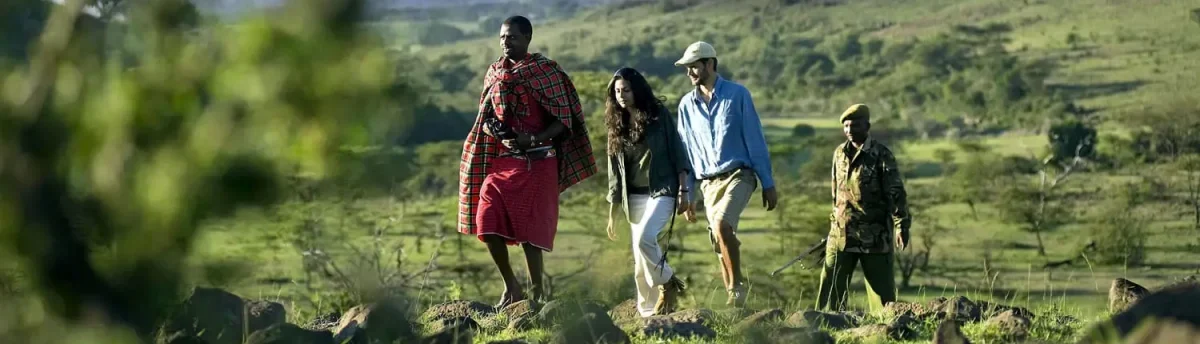
Safety is another vital consideration when selecting your safari attire. Neutral colors such as khakis, browns, and greens allow you to blend into the environment, minimizing the chances of startling wildlife. It is also advisable to choose long-sleeved shirts and long pants, as these provide protection against sun exposure and insect bites, crucial in the African wilderness.
In summary, carefully chosen clothing enhances physical comfort, ensures safety, and contributes to an immersive safari experience. Being adequately prepared with the right attire enables adventurers to focus on the breathtaking surroundings and extraordinary wildlife they are there to explore.
Essential Fabrics for Safari Wear
When preparing for an African safari, the choice of clothing is paramount. The right fabrics can significantly enhance your comfort and protection while exploring the diverse landscapes. Among the most recommended materials are cotton, linen, and synthetic blends, each offering unique advantages suitable for safari conditions.
Cotton is a favored option for safari wear, primarily due to its breathability and softness. It allows air to circulate, keeping you cool during hot daytime temperatures. Cotton also has moisture-wicking properties, which can help in managing sweat when engaged in physical activities such as hiking or game drives. Moreover, cotton garments can provide a measure of UV protection, although it is advisable to wear thicker weaves for enhanced defense against harmful sun rays.
Linen is another exceptional fabric choice, known for its lightweight and quick-drying characteristics. It is more breathable than cotton, making it ideal for extremely hot climates, which are common in many African regions. Linen’s natural fibers help to regulate body temperature effectively, ensuring comfort throughout the day. Importantly, however, linen can wrinkle easily, which may not be appealing to everyone.
Synthetic blends, which often combine polyester and nylon, present an alternative that maximizes durability and performance. These fabrics are designed to wick moisture away and dry rapidly, offering practical benefits in the variable climate typical of safari environments. Many modern synthetic materials also provide built-in UV protection, adding another layer of safety against sun exposure. Additionally, insect-repellent treatments can be applied to synthetic fabrics, which is especially beneficial in areas where mosquito bites and other insect encounters are a concern.
In conclusion, selecting the right fabrics for safari wear is crucial for an enjoyable experience. Cotton, linen, and synthetic blends each bring their unique advantages to the table, helping you stay comfortable, protected, and ready for any adventure that lies ahead.
Color Choices for Safari Clothing
When preparing for an African safari, the color of your clothing plays a pivotal role in ensuring a safe and enjoyable experience. The primary recommendation is to opt for earthy tones. Colors such as khaki, tan, and olive green are particularly favored, as they blend seamlessly into the natural surroundings, helping you remain inconspicuous to both wildlife and fellow travelers. This approach not only enhances the aesthetic of your safari wardrobe but also aligns with the principles of wildlife observation, where the goal is to minimize disturbance to animals in their natural habitat.
Bright colors, while appealing and vibrant, are generally discouraged in safari clothing. Colors such as red, orange, and bright blue can attract unwanted attention from wildlife. Certain animals may perceive these hues as threats or unusual stimuli, which could result in erratic behavior or panic. Furthermore, wearing brightly colored apparel can disrupt the experience for those around you, as it distracts from the serene beauty of the African landscape.
In addition to the visual impact, there are practical considerations for color selection. Light colors tend to show dirt easily, which is a significant factor when traveling through dusty terrains, whereas darker shades are more forgiving when it comes to stains. However, it is advisable to avoid black and other dark colors as they can absorb heat, making the wear uncomfortable in the sun-drenched climate of the savanna.
Choosing the right color for your safari clothing is thus a strategic decision. By selecting earthy tones, you ensure that your clothing aligns with the environment and enhances your overall safari experience while prioritizing safety and comfort.
Layering Techniques for Safari Trips
When embarking on an African safari, understanding the principles of layering clothing is essential for comfort across varying weather conditions. Throughout the day, safari temperatures can fluctuate significantly; thus, having a multi-layer approach allows for adaptability and improved thermal regulation.
The first layer, or base layer, acts as a foundation. It is typically made of moisture-wicking fabrics such as merino wool or synthetic materials. These fabrics help to keep sweat away from the skin, which is crucial in preventing chills when the temperature drops, especially in the early mornings and evenings. Opt for long-sleeved tops or thermal shirts, as they provide added warmth and protection against the sun.
Next, the mid-layer serves as insulation. Fleece jackets or lightweight down vests are ideal choices for this layer. The mid-layer traps heat while still allowing for moisture transfer, providing a balance between warmth and breathability. When selecting a mid-layer, consider packing items that are easy to remove, as temperatures can rise significantly as the day progresses.
Finally, the outer layer is designed to protect against elements such as wind, rain, or dust. A lightweight, waterproof jacket or windbreaker is essential to shield against unexpected weather changes while on safari. Choose an outer layer that is easy to pack and store, as it may not be required during every part of your daily expedition.
By effectively combining base layers, mid-layers, and outer layers, safari participants can enjoy optimal comfort and functionality regardless of fluctuating temperatures during their adventure. Layering not only enhances comfort but contributes to an enjoyable and safe wildlife experience.
Safari Footwear Recommendations
Choosing the right footwear is vital for an enjoyable and safe African safari experience. The rugged terrain often encountered in safari settings necessitates sturdy and reliable footwear. When selecting the ideal shoes, it is crucial to prioritize comfort, durability, and support, as these factors significantly impact the overall safari adventure.
Sturdy hiking boots are a top recommendation for any safari-goer. These boots provide essential ankle support, protecting against potential twists or sprains on uneven surfaces. Furthermore, high-quality hiking boots are typically crafted from durable materials designed to withstand the wear and tear associated with long walks and challenging conditions. When selecting boots, consider options with a good grip to avoid slips, especially during wet conditions.
In addition to hiking boots, breathable sandals can also be an excellent choice for safari excursions. They offer increased comfort in hot weather, allowing for airflow that prevents overheating. Look for sandals with adjustable straps—as a snug fit ensures better grip and support. While sandals are perfect for lighter activities or downtime at the camp, they should not replace your sturdy boots completely when traversing difficult trails.
It is also essential to wear moisture-wicking socks to enhance comfort and provide additional padding. These socks help manage sweat and reduce the likelihood of blisters—an important consideration for those engaging in extensive walking. Overall, whether opting for hiking boots or sandals, prioritize footwear that combines comfort and support, ensuring that your safari experience remains enjoyable despite the physical demands of exploring the beautiful but rugged landscapes of Africa.
Accessories to Enhance Your Safari Experience
When preparing for an African safari, selecting the right accessories can significantly enhance your experience. Key items such as hats, sunglasses, and buffs serve not only a practical purpose but also contribute to your comfort and enjoyment during the trip.
One of the foremost accessories is a wide-brimmed hat. Such hats provide essential sun protection, shielding your face and neck from harsh UV rays, which is particularly beneficial in areas where sunlight is intense. Moreover, a hat can help keep you cool, as it prevents direct sunlight from beating down on your head. Opt for lightweight, breathable materials to ensure maximum comfort, especially when participating in daytime activities.
Sunglasses are another vital accessory for your safari attire. They protect your eyes from both harmful UV rays and glare from the reflective surfaces found in the savannah. Polarized lenses are particularly recommended; they reduce glare and enhance visibility, allowing for a clearer view of the wildlife and landscapes surrounding you. When choosing sunglasses, ensure they provide adequate UV protection and fit securely to avoid any distractions during your safari adventure.
Additionally, buffs or neck gaiters are incredibly versatile accessories that can help in various ways. Buffs can be used to protect your neck or face from sunburn, dust, and insects. They can be worn in multiple configurations, offering flexibility depending on environmental conditions. This adaptability makes them an excellent choice for fluctuating temperatures and weather conditions, ensuring you stay comfortable and protected throughout your safari.
Incorporating these accessories into your clothing for an African safari can not only enhance your comfort but also ensure a more enjoyable and engaging wildlife experience. Being well-prepared with the right gear prioritizes your safety and allows you to immerse yourself fully in the stunning natural surroundings.
Insect Protection Tips for Safari Goers
When embarking on an African safari, protecting oneself from insects is paramount to ensure a comfortable and enjoyable experience. Mosquitoes, tsetse flies, and other pests can be particularly bothersome, making suitable clothing choices and the proper use of insect repellent crucial to safeguarding your well-being during your adventure.
Choosing the right clothing is the first line of defense against insects. Light-colored, long-sleeved shirts and long pants are advisable, as darker colors tend to attract more bugs. Opting for clothing made from tightly woven fabrics can act as an additional barrier against insect bites. Additionally, wearing loose-fitting garments allows for better air circulation while reducing the risk of skin irritation. Specialty safari shirts and pants are available, often treated with insect-repelling chemicals such as permethrin. These garments can greatly enhance your protection and efficacy against insect bites.
In addition to appropriate clothing, utilizing insect repellent is essential. Select a high-quality repellent containing active ingredients like DEET, picaridin, or oil of lemon eucalyptus. These compounds provide effective protection against a variety of insects. When applying repellent, ensure that all exposed skin is evenly coated, and reapply as indicated on the product label, particularly after swimming or sweating.
It is also advisable to perform routine checks to assess for any ticks or other insects that may have latched onto your clothing or skin. By remaining vigilant and adhering to these protective measures, you can minimize the risk of insect bites and enjoy your safari experience to the fullest. Preparing adequately with the appropriate clothing and insect repellents is vital for protecting against potential discomfort and health issues caused by insects during your African safari adventure.
Packing Tips for Your Safari Clothing
Packing for an African safari requires thoughtful consideration to ensure you have everything you need for a comfortable and enjoyable experience. The right clothing can significantly enhance your trip, allowing you to adapt to the variable weather conditions and activities you will encounter. Here is a checklist of essential clothing items, along with tips on how to pack effectively.
First and foremost, prioritize lightweight, breathable, and quick-drying fabrics. Safari trips often involve activities such as hiking, game drives, and early morning excursions, and you will want clothing that allows you to move freely while keeping you dry. As a foundation, pack items such as moisture-wicking shirts, convertible pants, and sturdy walking shoes. Neutral colors like khaki, beige, and olive are not only practical for blending into the environment but also help in hiding dirt and grime.
When it comes to packing efficiently, consider using packing cubes or compression bags. These tools can help you minimize space while keeping your clothing organized. Aim to pack versatile pieces that can serve multiple purposes, such as a lightweight jacket that can be layered for warmth or a pair of pants that can transform into shorts. By choosing clothing that can be easily mixed and matched, you will reduce the number of items you need to bring, ultimately saving space in your luggage.
Color coordination is another key strategy. Select a cohesive color palette to ensure all your outfits work well together. This not only reduces the amount of clothing required but also keeps your safari style looking sharp and polished. Don’t forget to include essentials like a wide-brimmed hat and polarized sunglasses for sun protection, as well as a light rain jacket to prepare for potential weather changes.
By following these packing tips and focusing on versatile clothing options, you can ensure that you are well-prepared for your African safari adventure while keeping your luggage manageable.
Conclusion and Final Thoughts on Safari Clothing
When planning an African safari, choosing the appropriate clothing is crucial for ensuring a comfortable and enjoyable experience. The unique environment of the African safari requires attire that not only protects against the elements but also enhances the overall adventure. Therefore, investing in high-quality, functional clothing is essential for every traveler.
Throughout this guide, we have discussed the importance of selecting lightweight, breathable fabrics that wick moisture and provide UV protection. Neutral colors are advisable, as they help blend into the natural surroundings, minimizing disturbances to wildlife. Additionally, layering is vital due to the variability in temperatures during the day and night, allowing for flexibility as conditions change. Incorporating durable footwear is equally important for navigation through diverse terrains, ensuring one’s comfort remains a priority.
Moreover, considering the potential for diverse weather conditions and the need to protect against insects, packing appropriate accessories such as hats, sunglasses, and insect repellent clothing is also beneficial. These additional items contribute significantly to personal safety and comfort, allowing you to focus on the breathtaking wildlife and stunning landscapes around you.
In summary, investing time and resources into selecting appropriate safari clothing will undoubtedly enhance your experience. The right clothing not only protects but also enables you to fully embrace the adventurous spirit of an African safari. As you prepare for your journey, prioritize the selection of clothing that aligns with your adventure’s needs, ensuring a memorable and enjoyable exploration of Africa’s incredible wildlife and landscapes.