Introduction to Nairobi National Park

Nairobi National Park, established in 1946, is a remarkable ecological sanctuary that lies approximately 7 kilometers south of Nairobi’s bustling city center. This unique location makes it one of the only national parks in the world situated so close to a major urban area. The park spans an impressive 117 square kilometers and provides a stark contrast to the urban skyline of Nairobi, offering residents and tourists alike an opportunity to experience wildlife in a natural habitat.
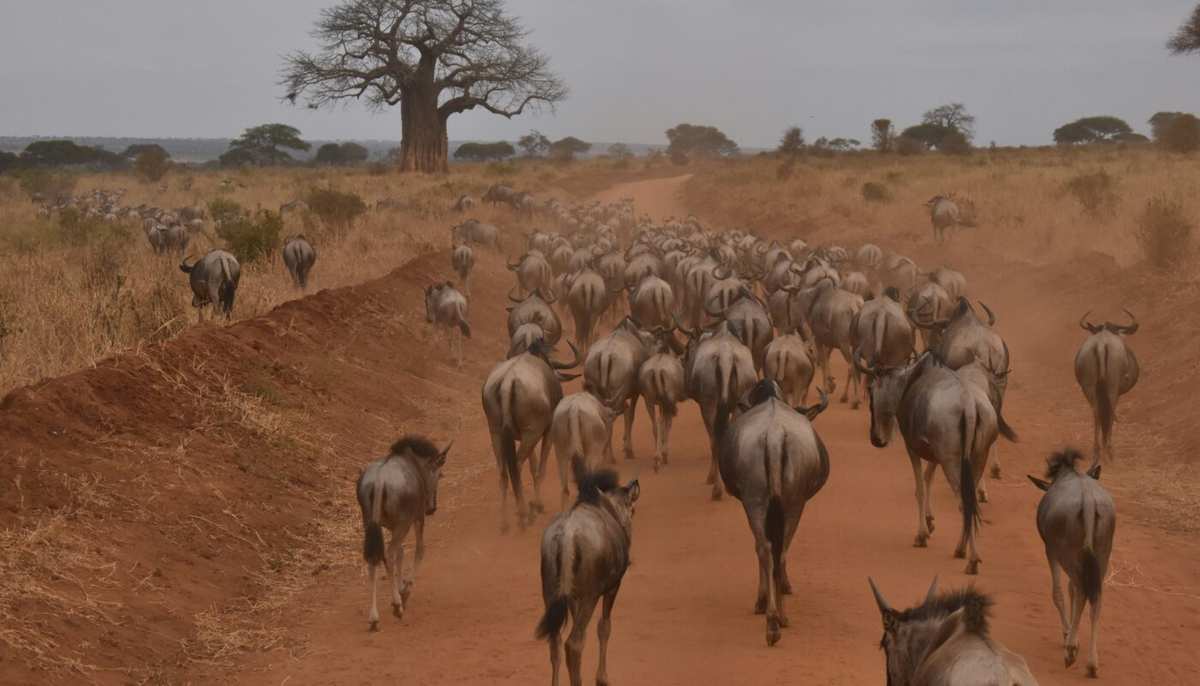
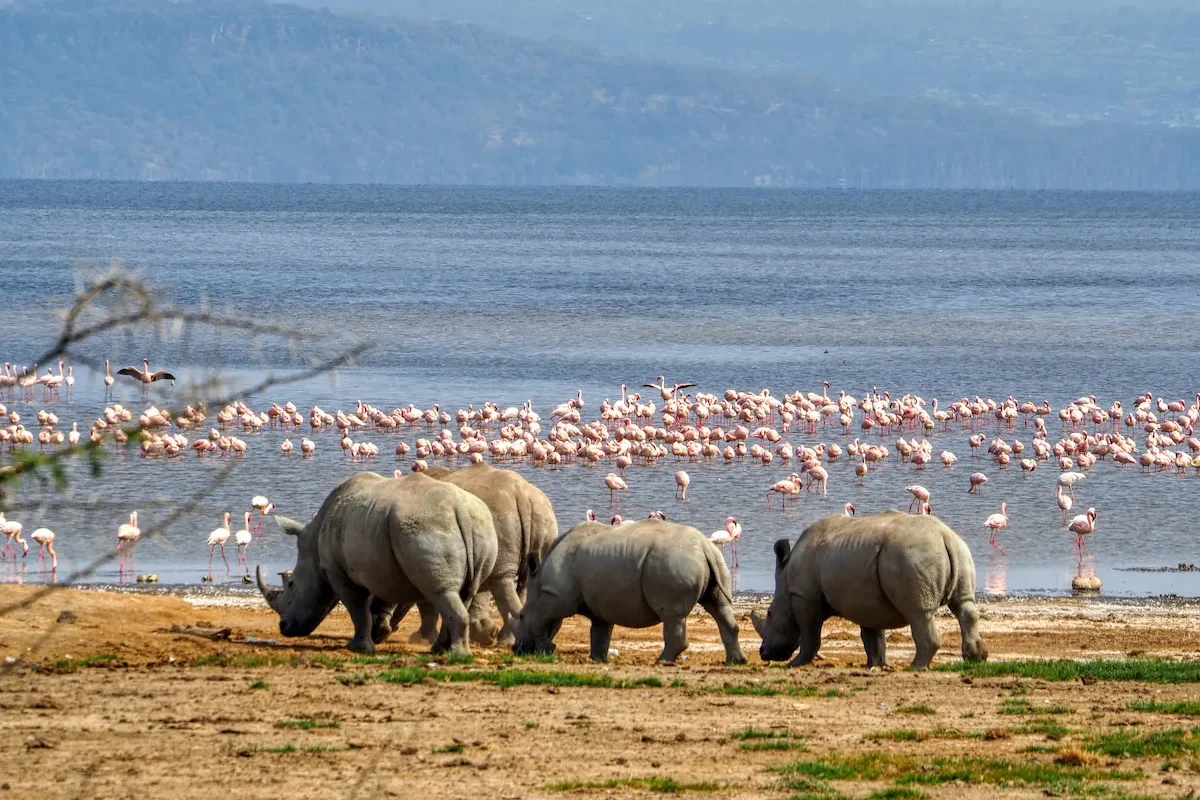
The significance of Nairobi National Park extends beyond its geographical juxtaposition to the city. It serves as a vital refuge for a variety of wildlife, including popular species such as lions, giraffes, zebras, and endangered rhinos. The park is home to over 100 species of mammals, more than 400 species of birds, and numerous reptiles, which contribute to its rich biodiversity. This diverse ecosystem is characterized by open grasslands, dense forests, and wetlands, which not only provide habitats for wildlife but also play a crucial role in the conservation of flora and fauna.
Visitors to Nairobi National Park will be captivated by the scenic beauty and the dramatic landscape as they encounter different ecosystems within a relatively small area. This enclosed wildlife haven allows individuals to observe the stark realities of nature, including predation, mating rituals, and social interactions among various species. The proximity to urban life combined with the immersive experience of the park creates a unique opportunity for both education and relaxation, making it a perfect getaway for nature enthusiasts and tourists seeking an escape from the city’s hustle and bustle. As we delve into the exciting activities one can engage in at Nairobi National Park, it is important to appreciate the significance of this extraordinary destination that harmoniously blends urban and natural environments.
Wildlife Safaris: A Chance to Encounter Diverse Species
Nairobi National Park offers an exceptional opportunity for wildlife enthusiasts to engage in thrilling safaris. Visitors can choose between various types of safaris that cater to different preferences and interests. Guided drives are among the most popular options, allowing tourists to explore the park’s landscapes while benefiting from the expertise of experienced guides. These professionals provide valuable insights into the ecology and behaviors of the resident wildlife, enriching the safari experience.
For those seeking a more immersive encounter with nature, walking safaris are available. This option enables visitors to connect closely with the environment, observe smaller animals and birds that may be overlooked during vehicle tours, and appreciate the intricate details of the park’s ecosystem. Walking safaris are typically led by knowledgeable guides who can educate participants about the flora and fauna encountered along the way.
Moreover, self-guided tours offer an independent experience for visitors who wish to navigate the park at their own pace. This flexibility provides the chance to linger longer at certain locations, offering the opportunity to effectively spot wildlife such as lions, giraffes, and rhinoceroses. The timing of these tours is crucial; early morning and late afternoon are recognized as the best times for animal sightings, as many species are more active during these cooler parts of the day.
In addition to its renowned big cats, Nairobi National Park is a sanctuary for a diverse array of species, making wildlife viewing a major highlight during any visit. The juxtaposition of urban Nairobi against the backdrop of this natural haven underscores the uniqueness of the park, enhancing the appeal for both local and international visitors alike.
Bird Watching: A Paradise for Ornithologists
Nairobi National Park offers a remarkable opportunity for bird watching enthusiasts, boasting over 400 species of birds that call this vibrant ecosystem home. The park provides a unique blend of habitats, from savannah to riverine forests, creating an environment where a variety of avian species thrive. Some of the most notable birds to observe include the African Fish Eagle, the Lilac-breasted Roller, and numerous species of herons, egrets, and kingfishers.
The best locations within Nairobi National Park for bird watching include the wetlands around the park’s rivers, where water birds congregate, and the open savannah areas that attract ground-dwelling species. The park’s diverse landscapes also support habitats for migratory birds, making it a year-round destination for birdwatchers. The months of November to April are particularly advantageous, as this period coincides with the migration of various species, providing an exquisite array of fluttering wings and melodic calls to enchant visitors.
For those looking to enhance their bird watching experience, it is advisable to carry a pair of binoculars, as well as field guides that can assist in identifying various species. A notebook may also be useful for logging bird sightings, which can contribute to ongoing conservation efforts and research. Early morning and late afternoon are the peak times for bird activity, thus planning visits during these hours can significantly increase the likelihood of spotting rare and colorful birds. With its rich avian diversity and scenic surroundings, Nairobi National Park indeed represents a paradise for ornithologists and bird watchers alike.
Photography Opportunities: Capturing Nature’s Beauty
Nairobi National Park offers an exceptional canvas for photographers looking to capture the raw beauty of nature and wildlife. Spanning over 117 square kilometers, this unique urban national park is home to a variety of ecosystems, making it a prime location for both amateur and professional photographers. One of the key aspects to consider while planning your photography excursion is the timing of your visit. Early mornings and late afternoons, often referred to as the golden hours, provide the best natural lighting, enhancing colors and shadows in your photos.
Throughout the park, there are numerous scenic viewpoints where photographers can position themselves for stunning shots. The park’s diverse landscapes—including open savannahs, lush forests, and wetlands—create dynamic backdrops for photographs. The Hyena Dam, for instance, is a popular spot for observing wildlife, particularly during the dry season when animals congregate around water sources. Also, the lookout points scattered throughout the park allow for panoramic views of the Nairobi skyline juxtaposed against the rolling hills of the park.
In terms of wildlife, Nairobi National Park boasts a rich array of animals, including lions, giraffes, zebras, and various bird species. Specific spots, such as the Impala Viewpoint, are renowned for their concentrations of game, particularly impalas and warthogs. Capturing these animals in their natural habitat offers not just an opportunity for stunning imagery but also a chance to document their behaviors. The best practice is to have a telephoto lens on hand, enabling you to close in on wildlife from a safe and respectful distance.
Whether you are looking to conduct a professional photoshoot or just wish to capture memories of your visit, Nairobi National Park is an enthralling destination. Its photographic opportunities present a chance to document nature’s beauty while fostering a deeper appreciation for wildlife conservation.
Picnic and Relaxation Areas: Enjoying Nature at Leisure
Nairobi National Park is not only known for its unique wildlife and stunning landscapes but also for its inviting picnic and relaxation areas, which offer the perfect setting for a leisurely day in nature. Among the popular picnic spots available in the park are the various designated picnic sites that come equipped with essential amenities to make your experience enjoyable.
These areas feature tables and shelters, providing visitors with a shaded and comfortable space to enjoy their meals while taking in the views of the surrounding flora and fauna. Many of these picnic spots are strategically located near tranquil water bodies or open fields, offering glimpses of animals such as zebras, giraffes, and various bird species. The serene environment encourages visitors to unwind and appreciate the natural beauty of the park.
In addition to tables and shelters, convenient restroom facilities are accessible near most picnic areas, allowing families and groups to have a seamless experience without worrying about the necessities. It’s advisable to arrive early in the day to secure a good spot, especially during weekends and holidays, when the park sees increased footfall.
To create a memorable picnic experience, visitors should consider bringing along a blanket, their favorite foods, and plenty of water to stay hydrated. Moreover, packing games or a good book can elevate the enjoyment even further. The lush surroundings and fresh air not only enhance relaxation but also foster a connection to the natural world, making a picnic in the park truly special. Remember to clean up after your meal to preserve the park’s stunning environment for others to enjoy.
Educational Tours and Community Learning Programs
Nairobi National Park offers a variety of educational tours and community learning programs that serve to enhance visitors’ understanding of the park’s ecology and conservation efforts. These programs are designed not just for tourists, but also for local communities, emphasizing the importance of wildlife protection and sustainable practices.
Guided tours through Nairobi National Park provide a unique opportunity to learn about the diverse ecosystems that exist within the park. Expert guides share insights into the flora and fauna, detailing the various species that inhabit the area and the threats they face in their natural habitats. These tours often incorporate discussions on the critical role the park plays in conservation and the various initiatives aimed at protecting its wildlife.
In addition to tours, Nairobi National Park promotes community learning programs that aim to engage local residents in conservation. These initiatives often involve workshops and educational sessions that cover topics such as wildlife management, habitat restoration, and the economic benefits of conservation to local communities. Participants are encouraged to share their traditional ecological knowledge, fostering a sense of ownership and responsibility towards the park’s resources.
Moreover, financial contributions gathered from these educational activities play a significant part in supporting local communities and furthering conservation efforts. Proceeds are typically directed towards community projects aimed at improving livelihoods while ensuring sustainable use of natural resources. Volunteer opportunities also abound, allowing individuals to actively participate in various conservation activities, such as wildlife monitoring and habitat restoration. These hands-on experiences not only benefit the park but also provide volunteers with a profound understanding of the interconnectedness of human and wildlife health. Through these educational tours and community learning programs, Nairobi National Park nurtures a deeper appreciation of nature and promotes a reciprocal relationship between humans and the environment.
Cycling and Walking Trails: An Active Exploration
Nairobi National Park offers a unique opportunity for visitors to engage in active exploration through its well-maintained cycling and walking trails. These pathways allow fitness enthusiasts to immerse themselves in the park’s stunning natural environment while promoting physical health. The trails vary in difficulty, catering to a range of fitness levels from beginners to more experienced cyclists and hikers.
The park features several recommended routes, particularly the popular trail that begins at the main gate and winds through diverse habitats. This trail presents an easy cycling experience, making it ideal for families and those seeking a leisurely ride. In contrast, more challenging trails like those leading toward the wetlands require some degree of physical fitness, offering an invigorating experience laden with beautiful views and wildlife encounters.
As you plan your active exploration in Nairobi National Park, it is vital to prioritize safety and adhere to proper trail etiquette. Visitors should wear suitable gear, including helmets for cyclists, and ensure their bicycles are in good condition to navigate the trails without issues. Walking groups should stay together and keep a steady pace to respect the needs of all participants. It is also advisable to consult park staff for safety tips, including awareness of wildlife, as certain areas of the park may present unique challenges or require additional caution.
Additionally, all trail users should minimize their ecological impact by staying on established paths and avoiding littering. By following these guidelines, visitors can contribute to the preservation of Nairobi National Park while enjoying the invigorating experience of cycling and walking through one of the world’s unique urban wildlife reserves.
Visitor Information: Planning Your Trip to the Park
Nairobi National Park is a unique amenity located just a short distance from the bustling city center, making it an accessible destination for both local and international visitors. To ensure a smooth and enjoyable experience, it is vital to plan your trip effectively.
Entry fees to the park vary depending on the nationality of visitors, with Kenyan citizens enjoying a reduced rate. As of now, a single day ticket for adult Kenyans costs approximately Ksh 500, whereas non-residents might pay around $43. Additionally, children and students can access discounts, making it an affordable trip for families. The park is open daily from 6:00 AM to 7:00 PM, allowing ample time to explore its rich biodiversity.
In terms of accessibility, Nairobi National Park offers several options for visitors with mobility challenges. Many areas within the park are suitable for wheelchair users, and accessible restrooms are available. It is advisable to inquire ahead of time and plan accordingly to maximize your visit.
Transportation to Nairobi National Park can be accomplished through various methods. Private vehicle rentals are a popular choice, and the park is well-signposted from the city center. Alternatively, visitors can use ride-hailing services or join guided tours that include transportation.
For first-time visitors, packing essentials such as water, snacks, sunscreen, and binoculars will enhance the experience. Comfortable footwear is recommended, as the park has rugged terrains to explore. Finally, remember to check on park amenities, including picnic areas and visitor centers, which provide valuable information to enrich your experience while roaming the wilderness.
Conclusion: A Unique Urban Escape in Nature
Visiting Nairobi National Park presents a rare opportunity for urban dwellers and tourists alike to escape into the wild without leaving the confines of the city. This unique park, situated just a short distance from Nairobi’s bustling center, seamlessly blends the vitality of city life with the tranquility of nature. Here, one can witness an impressive array of wildlife, ranging from majestic lions to graceful giraffes, all set against a backdrop of the city skyline. This contrast epitomizes the park’s charm, offering an experience unlike any other.
Nairobi National Park not only serves as a sanctuary for these magnificent animals but also highlights the importance of conservation efforts in urban settings. The park’s diverse ecosystems provide a living example of how nature can coexist alongside urban development, creating a haven for both wildlife and visitors. With numerous activities available—such as guided safaris, walking trails, and educational programs—Nairobi National Park stands as a testament to the beauty of the natural world, inviting exploration and appreciation.
Visitors are encouraged to take part in the park’s offerings, allowing them to connect deeply with nature. From bird watching to capturing stunning photographs of the wildlife, every moment spent within the park is filled with discovery and wonder. Those seeking a unique and enriching experience should plan their visit to Nairobi National Park, as it promises not just a chance to see animals in their natural habitat but also inspires a profound respect for conservation efforts. Embrace the opportunity to revel in the park’s beauty and make unforgettable memories amidst the wildlife, all within a stone’s throw of an urban landscape.