Introduction to Kenya Safaris
Kenya is widely recognized as one of the premier destinations for safari enthusiasts, captivating visitors with its stunning landscapes and extraordinary wildlife. This African nation is home to an array of ecosystems, ranging from lush forests to arid savannas, each hosting unique flora and fauna that contribute to the rich tapestry of the country’s natural heritage.
The thrill of being close to some of the world’s most magnificent animals, such as lions, elephants, and rhinoceroses, is a significant draw for many travelers. The experience of witnessing animals in their natural habitat is not only exhilarating but also offers an opportunity for education and cultural exchange. Visitors have the chance to interact with local communities, learning about their traditions and ways of life, which adds a valuable dimension to the safari experience.
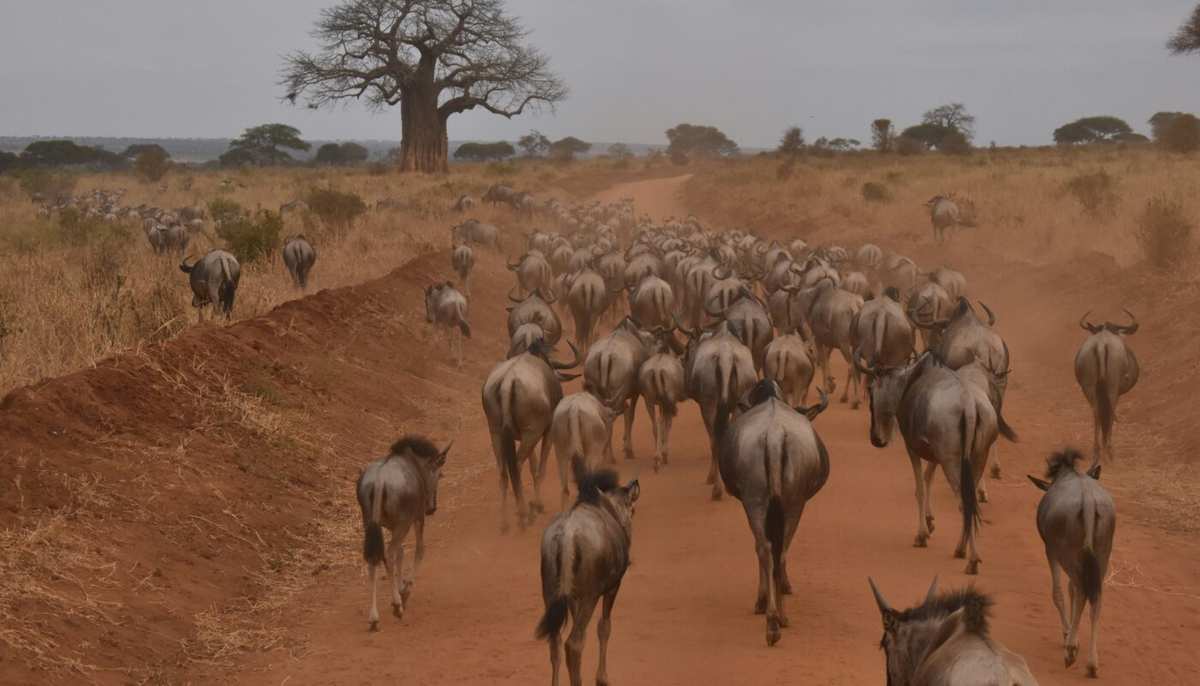
Kenya’s diverse wildlife is complemented by its many national parks and reserves, including the iconic Maasai Mara, Amboseli, and Tsavo. Each of these locations provides a unique landscape and wildlife experience, catering to various interests, from avid photographers to those seeking a more immersive experience. The Great Migration, a phenomenal event occurs annually, where millions of wildebeest and zebras traverse the Mara River, is a particularly notable spectacle that draws visitors from around the globe.
In addition to wildlife viewing, Kenya offers a myriad of activities that enhance the safari experience, including guided walking tours, hot air ballooning, and cultural visits. These activities allow travelers to connect with the natural world and local cultures more deeply. Whether one is exploring the depths of a national park or observing the majestic animals during a game drive, a Kenya safari assures an unforgettable journey rich with discovery and adventure.
Why Choose Kenya for Your Safari Adventure?
Kenya stands out as a premier safari destination, renowned for its vibrant wildlife, diverse landscapes, and rich cultural heritage. The country’s commitment to wildlife conservation plays a significant role in making it a top choice for safari enthusiasts. With numerous national parks and reserves, Kenya offers the opportunity to witness an impressive array of species thriving in their natural habitats.
One of the most compelling reasons to choose Kenya for your safari adventure is the chance to see the Big Five: lions, elephants, buffalo, leopards, and rhinoceroses. These iconic animals draw countless visitors each year, who wish to observe their behaviors and interactions in the wild. The Maasai Mara National Reserve, for instance, is famous for its year-round population of these majestic creatures, particularly during the Great Migration when millions of wildebeests and zebras cross the plains, a spectacular event that attracts not only tourists but predators as well.
Kenya’s landscapes are equally captivating, ranging from the expansive savannahs of the Maasai Mara to the lush highlands of Mount Kenya. The Great Rift Valley, with its stunning lakes and volcanic landscapes, further enriches the diversity of the environment. This variety not only supports an incredible range of wildlife but also provides visitors with striking backdrops for photographs and memorable experiences.
Additionally, Kenya’s cultural richness enhances the safari experience. Visitors have the opportunity to interact with local communities, such as the Maasai, gaining insight into their traditions and way of life. This cultural exchange complements the wildlife experience, allowing travelers to appreciate the interconnectedness of nature and humanity.
Overall, choosing Kenya for a safari adventure means immersing oneself in a world where wildlife conservation, breathtaking landscapes, and cultural experiences combine to create an unforgettable journey.
Planning Your Safari from the UK
Planning a safari from the UK requires careful consideration of various factors to ensure an enjoyable and hassle-free experience. One of the first aspects to address is selecting the best time to visit Kenya. The ideal period for a safari typically ranges from June to October, coinciding with the dry season, when wildlife sightings are optimal. However, the shoulder seasons, from late January to March, also offer excellent opportunities to explore the breathtaking landscapes and observe wildlife.
Visa requirements are another crucial element in the planning process. UK citizens traveling to Kenya must obtain an e-visa prior to arrival. It is advisable to apply for this visa online well in advance to avoid last-minute issues. The e-visa application process is straightforward, requiring a valid passport, a recent photograph, and payment of the relevant fee. Ensure that your passport is valid for at least six months beyond your date of entry.
Health precautions such as vaccinations and malaria prophylaxis are essential when planning your Kenya safari. It is recommended to consult with a healthcare professional at least six to eight weeks before your trip. Vaccinations for diseases such as yellow fever, hepatitis A and B, and typhoid may be advised, alongside the use of anti-malarial tablets, particularly if traveling to rural areas. Taking these health measures will help safeguard your wellbeing while enjoying the vibrant wildlife and natural beauty that Kenya offers.
Finally, consider the types of safari packages available to meet your interests and budget. Options range from luxurious lodges to budget camping safaris, and each package may include guided excursions, transportation, and meals. Research different tour operators and read reviews to ensure you choose a reputable service that aligns with your safari goals.
Popular Safari Destinations in Kenya
Kenya is often hailed as one of the premier safari destinations in the world, showcasing a diverse array of landscapes and wildlife. Among the numerous national parks and reserves, a few stand out due to their unique offerings and experiences.
The Maasai Mara National Reserve is perhaps the most iconic safari destination in Kenya. Renowned for its spectacular annual wildebeest migration, the Mara is home to an abundance of wildlife, including the Big Five: lions, leopards, elephants, buffalo, and rhinoceros. Visitors can enjoy thrilling game drives and guided bush walks, deepening their connection to nature while witnessing some of the most breathtaking wildlife spectacles.
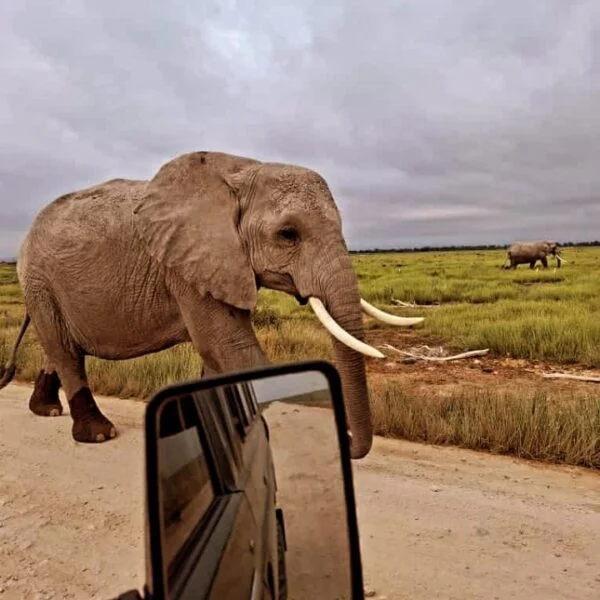
Another noteworthy location is Amboseli National Park, famous for its stunning views of Mount Kilimanjaro and large elephant herds. The park is an excellent spot for photographers, offering opportunities to capture timeless images of these majestic creatures against the backdrop of the highest peak in Africa. In addition to elephants, Amboseli is also teeming with diverse wildlife, including cheetahs and various bird species.
Tsavo National Park, split into Tsavo East and Tsavo West, is one of the largest parks in Kenya. Known for its striking red elephants, the park influences a unique safari experience through its vast open savannahs, rocky hills, and dense bushlands. Tsavo is ideal for adventure seekers, as it offers opportunities for hiking, birdwatching, and visits to the Mzima Springs, where hippos and other wildlife coexist in a lush setting.
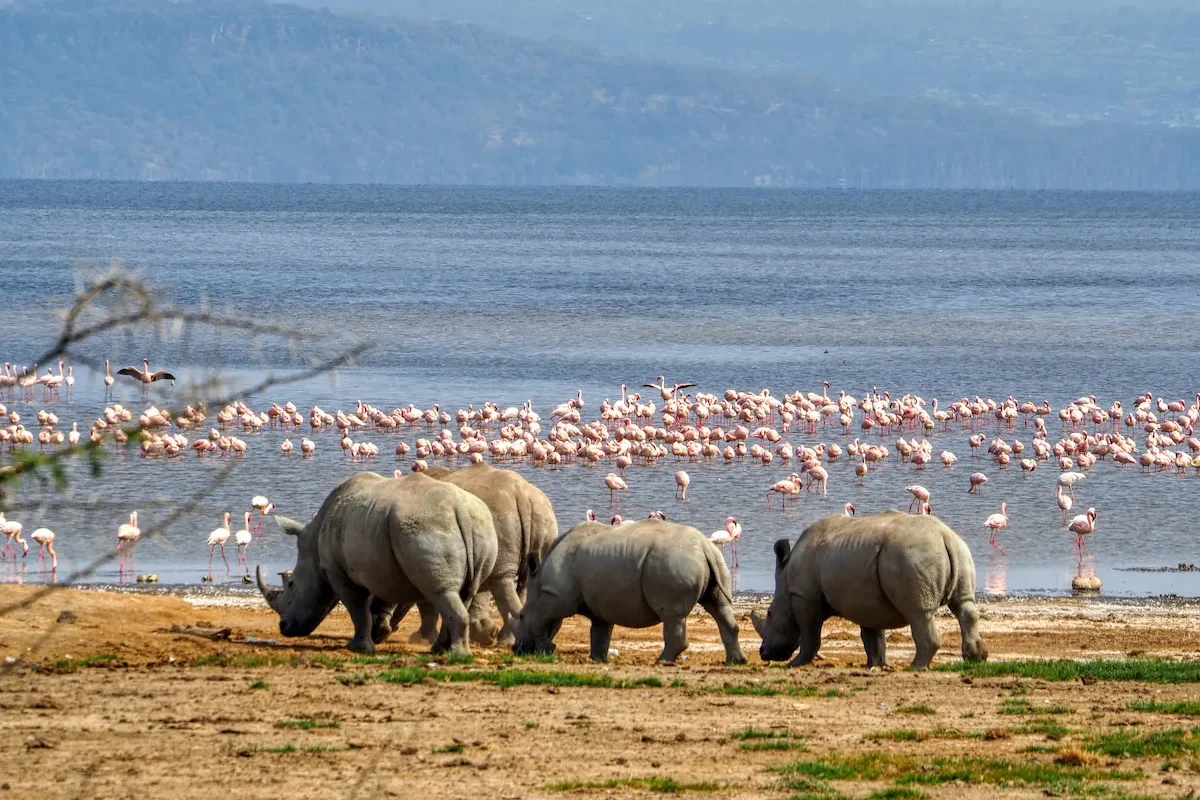
Lastly, Lake Nakuru National Park is celebrated for its vibrant birdlife, particularly its flamingos that flock to the lake during certain seasons. Aside from avian wonders, the park hosts several species of mammals, including white and black rhinos, making it an ideal spot for wildlife enthusiasts keen on conservation.
Types of Safaris Available in Kenya
Kenya is renowned for its diverse range of safari experiences, making it a prime destination for wildlife enthusiasts. Various types of safaris provide unique encounters with nature, each with distinct advantages and disadvantages that cater to different visitor preferences.
One of the most popular options is the game drive, where visitors explore the savannah in a 4×4 vehicle, observing animals in their natural habitat. Game drives generally offer a comfortable way to cover large distances and see a variety of wildlife, particularly during the key hours of dawn and dusk. However, they can sometimes feel less immersive than other safari types due to the fixed nature of the vehicle.
Walking safaris offer a more intimate experience, allowing travelers to venture on foot into the wilderness. This form of safari brings opportunities to learn about the ecosystem intricately, including tracking animals and understanding their behaviors. While walking safaris can provide thrilling moments, they typically require a higher level of fitness and are best suited for those who are adventurous and comfortable with the unpredictability of wildlife.
Another exhilarating choice is the hot air balloon safari, which offers a bird’s-eye view of the stunning landscapes and herds below. This unique experience often concludes with a champagne breakfast in the bush, creating memorable moments. Nevertheless, travelers must be mindful of the higher costs associated with this luxurious option, which may not fit every budget.
Accommodation also plays a vital role in safari experiences. Luxury lodges provide comfort and premium services, allowing guests to enjoy the wild without sacrificing amenities. In contrast, tented camps offer a closer-to-nature experience, with the sounds of wildlife surrounding them. However, they might come with more basic facilities. Ultimately, the choice between these accommodations depends on individual comfort levels and expectations.
What to Expect on a Kenya Safari
A Kenya safari offers a unique blend of adventure and tranquility, providing visitors with an unparalleled opportunity to observe wildlife in their natural habitat. Typically, safari itineraries vary depending on the length of stay and the specific parks included in the journey. Most itineraries involve a series of game drives, with early morning and late afternoon excursions being common to maximize wildlife sightings. These activities are not just about spotting animals; they also provide travelers with the chance to soak in the breathtaking landscapes and varied ecosystems that Kenya has to offer.
During your safari, you can expect daily activities that include guided wildlife viewing, where experienced guides lead the way. These professionals bring a wealth of knowledge about animal behaviors, plant life, and the surrounding environment, enhancing the overall experience. Their expertise ensures not only safety but also a deeper understanding of the ecosystems being explored. Moreover, some safaris may include walking tours, balloon rides, or cultural visits, providing a comprehensive experience of Kenya’s rich biodiversity and heritage.
Respecting wildlife and the environment is crucial during a Kenya safari. Tourists are often advised to maintain a safe distance from animals, avoid littering, and refrain from disturbing natural habitats. The essence of a successful safari lies in appreciation rather than interference. By adhering to these principles, visitors contribute to conservation efforts and ensure that future generations can experience the same awe-inspiring sights. Hence, being mindful of both wildlife and environmental impacts enriches each safari adventure.
In conclusion, a Kenya safari is not only an unforgettable experience but also an opportunity to understand and respect the delicate balance of nature. Anticipating daily activities, valuing the role of expert guides, and acknowledging the importance of sustainable tourism practices is essential for making the most of this extraordinary journey.
Cultural Experiences in Kenya
When embarking on a safari in Kenya, travelers often anticipate the thrill of encountering the diverse wildlife that inhabits its national parks. However, the cultural experiences available in Kenya provide a unique and enriching complement to the adventure. Engaging with the local communities allows visitors to immerse themselves in the vibrant traditions that define the Kenyan landscape.
A notable cultural highlight for many is the opportunity to visit Maasai villages. The Maasai people are famous for their distinct customs and norms, which emphasize a harmonious relationship with nature. Interactions with the Maasai offer travelers insight into their pastoral lifestyle, from traditional dances that showcase their rich cultural heritage to the art of beadwork, which plays a significant role in their identity. Visitors can also participate in discussions about the challenges the Maasai face today, fostering a deeper understanding of their way of life.
In addition to engaging with the Maasai, one can explore other local traditions across various regions in Kenya. For instance, the Kikuyu community, known for their rich folklore and agriculture, may provide opportunities to learn about local farming practices and the significance of the land in their culture. Tourists can also partake in culinary experiences, where they can savor traditional Kenyan dishes such as ugali and sukuma wiki, all while understanding the cultural significance behind the cuisine.
These cultural experiences enhance the overall safari adventure, creating memorable connections with the people of Kenya. By incorporating cultural experiences into the journey, travelers not only witness the stunning beauty of the landscapes but also gain a richer perspective on the lives and traditions that thrive within them. In this way, a safari in Kenya becomes not just a viewing of wildlife but an exploration of the diverse cultural tapestry that enriches the experience.
Safety and Health Considerations
Embarking on a safari in Kenya is a thrilling venture that offers unique encounters with wildlife and breathtaking landscapes. However, ensuring personal safety and health is paramount while traveling in this beautiful country. This section will outline essential safety precautions and health recommendations for travelers, particularly for those coming from the UK.
Wildlife safety is a critical aspect of any safari experience. Visitors are advised to maintain a safe distance from animals and to adhere to the guidance of tour guides, who are trained in animal behavior. Engaging with wildlife, such as feeding or attempting to touch them, poses risks to both travelers and animals. Moreover, most national parks and reserves have set regulations and designated areas for tourists, aimed at ensuring safe observation of animals.
Traveling in remote areas requires an understanding of the terrain and accessibility. Roads can be rough and sometimes inaccessible, especially during the rainy season. It is important to choose reliable transport options and be prepared for potential delays. Keeping a map or a GPS device handy can also enhance safety while exploring Kenya’s wilderness.
Health precautions should not be overlooked. Before traveling to Kenya, it is highly recommended to consult a healthcare professional to understand necessary vaccinations and medications. Vaccinations for diseases such as Yellow Fever, Hepatitis A and B, and Typhoid are advisable. Additionally, anti-malarial medication is often recommended, as certain regions in Kenya present a higher risk for malaria transmission. Staying hydrated, applying insect repellent, and practicing good hygiene will further contribute to overall wellness.
In summary, understanding and preparing for safety and health considerations can significantly enhance your safari experience in Kenya, ensuring that you enjoy the captivating wildlife while minimizing risks.
Your Journey Awaits
As we reflect on the captivating allure of Kenya, it is evident that a safari adventure is not merely a trip, but rather an unforgettable experience that promises to enrich your life in countless ways. From the majestic landscapes of savannahs to the breathtaking wildlife spectacles, embarking on a Kenya safari from the UK offers a unique and exciting opportunity to connect with nature and explore the rich tapestry of cultures that define this remarkable destination.
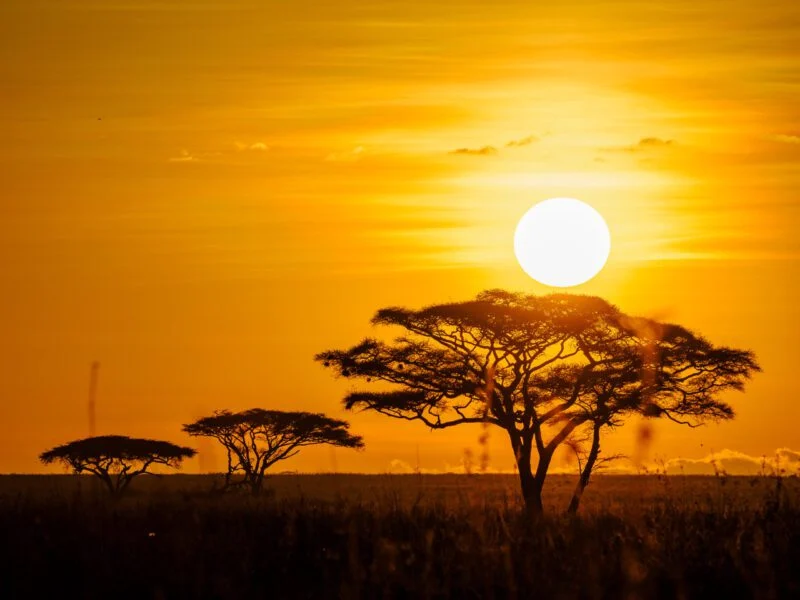
Imagine standing in the heart of the Masai Mara, witnessing the Great Migration, or observing a pride of lions basking in the golden sunlight. These are the moments that create lasting memories, a vivid reminder of the beauty and diversity that exists within our world. A safari in Kenya is a chance to engage with local communities and gain insights into their traditions, enhancing your understanding of the intricate balance between humanity and the wild.
Furthermore, the well-curated safari experiences available cater to varying interests and preferences, whether you are a seasoned adventurer or a first-time traveler. Luxury lodges and eco-friendly camps provide comfortable accommodations, while seasoned guides ensure that your exploration is both safe and informative. This combination of natural splendor and cultural richness makes Kenya a one-of-a-kind adventure.
Ultimately, choosing to embark on a Kenya safari is an invitation to experience life at its fullest. Each moment spent in this extraordinary land offers the promise of discovery, personal growth, and an appreciation for the majestic wildlife and landscapes that define Kenya. So take that step, plan your journey, and prepare to create stories that you will cherish for years to come.