Introduction to Kenya Safaris
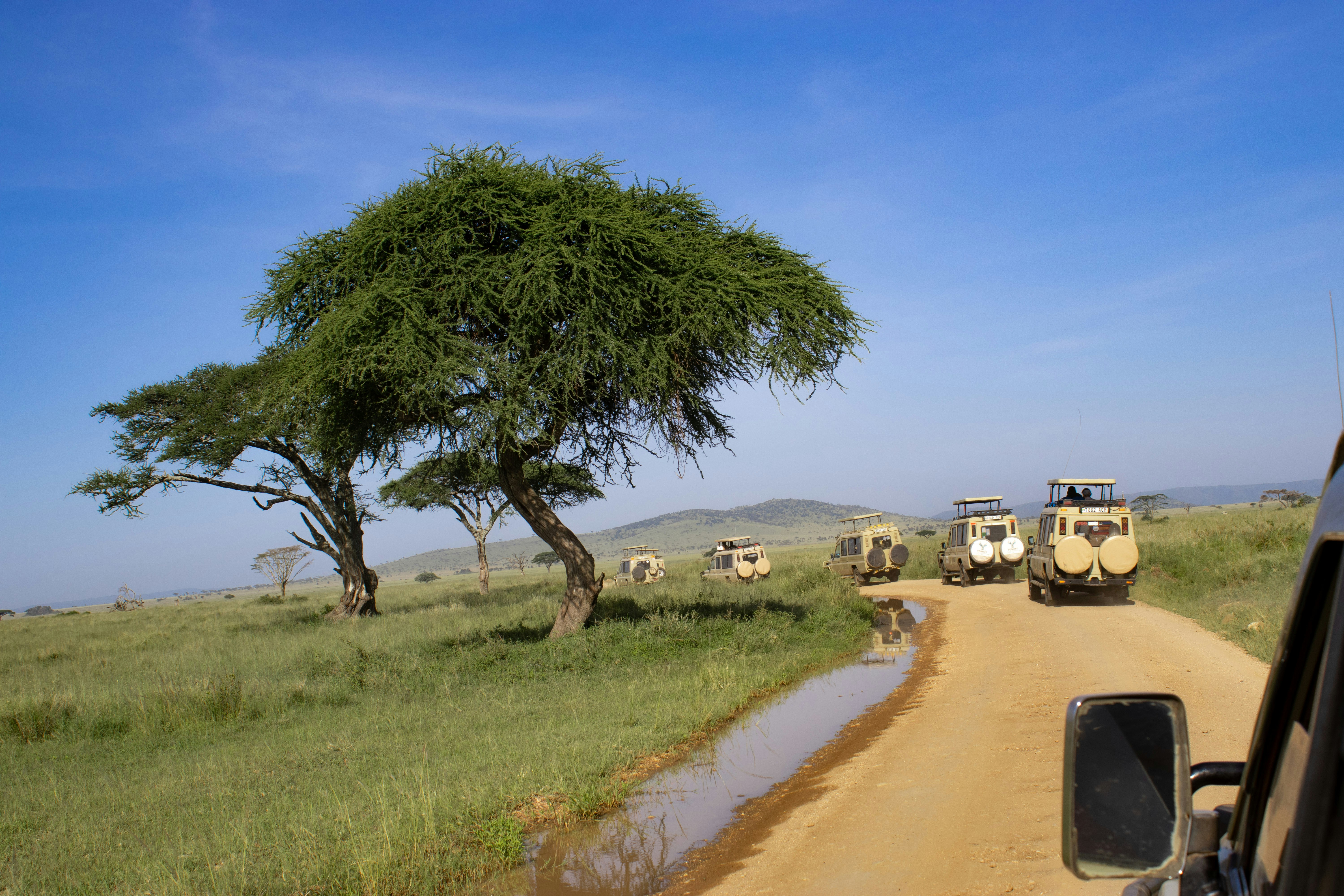
Kenya is renowned globally for its picturesque landscapes and vibrant wildlife, making it a premier destination for safari enthusiasts. The country’s rich safari culture is deeply intertwined with its heritage and environment, drawing millions of tourists each year to experience firsthand the wonders of nature. Kenya’s national parks and wildlife reserves, such as the Maasai Mara, Amboseli, and Tsavo, showcase the country’s diverse ecosystems, ranging from savannahs and plains to forests and wetlands.
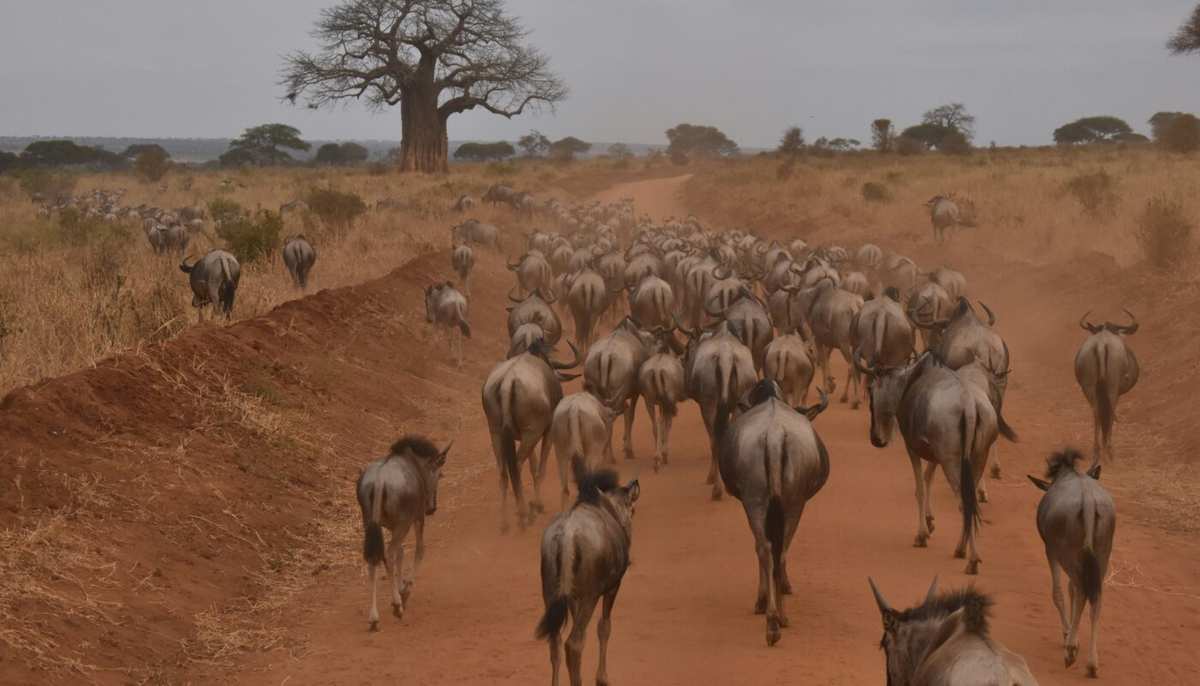
Among the major attractions of a Kenyan safari is the Great Migration, a breathtaking phenomenon where millions of wildebeest and other herbivores travel from the Serengeti in Tanzania to the Maasai Mara in search of greener pastures. This annual migration, often referred to as a natural spectacle, not only highlights the intricate balance of life in the wild but also allows visitors to witness thrilling predator-prey interactions. Additionally, Kenya is home to the legendary Big Five—lions, elephants, buffalo, leopards, and rhinoceros—which are often sought after by safari-goers aiming for a transcendent wildlife experience.
Beyond the wildlife, Kenya’s diverse cultures enrich the safari experience. Engaging with local communities, such as the Maasai, provides deeper insight into the ties between the people and the land. Tourists can learn about traditional practices, crafts, and ways of life that have persisted for generations.
Amidst the natural beauty and cultural richness of Kenya, connectivity has become increasingly important for travelers. With the rapid advancement of eSIM technology, visitors can easily stay connected during their safaris, ensuring they can share their experiences in real-time, access travel information, and maintain communication with loved ones. This seamless connectivity enhances the overall safari experience, allowing travelers to immerse themselves fully in the adventure while enjoying the conveniences of modern technology.
Understanding eSIM Technology
An eSIM, or embedded SIM, represents a significant advancement in mobile communications technology, changing the way users connect to cellular networks. Unlike traditional SIM cards, which are removable physical cards, eSIMs are integrated directly into a device’s hardware. This design eliminates the need for a physical card, allowing for a seamless experience when switching carriers.
One of the standout advantages of eSIM technology is its flexibility for travelers. With traditional SIM cards, changing carriers often involves physically swapping out the SIM card, which can be cumbersome and time-consuming. In contrast, an eSIM enables users to store multiple carrier profiles directly on their device and switch between them with just a few taps. This flexibility is particularly beneficial for frequent travelers, allowing for seamless connectivity as they move across borders without the need to find or purchase a new physical SIM card.
Furthermore, the compatibility of eSIMs is growing rapidly, with many modern devices, including smartphones, tablets, and wearable technology, now supporting this feature. Major global carriers are also increasingly adopting eSIM technology, making it easier for users to find a compatible plan that suits their travel needs. The ability to manage cellular plans remotely via apps enhances user experience by providing real-time options, allowing travelers to stay connected without the hassles of traditional SIM management.
In summary, the integration of eSIM technology offers numerous advantages for maintaining connectivity while traveling. By simplifying the process of switching carriers, eSIMs empower travelers with enhanced convenience, making it easier to stay connected regardless of location. This innovative technology symbolizes a shift toward more efficient mobile communication, catering to the ever-evolving demands of today’s global travelers.
Benefits of Using eSIM While on Safari in Kenya
Traveling on safari in Kenya offers an unforgettable experience, with stunning landscapes and incredible wildlife. However, staying connected while exploring remote areas can pose significant challenges. This is where an eSIM, or embedded SIM card, becomes a valuable asset for travelers. One of the primary benefits is improved connectivity in these hard-to-reach regions. Traditional SIM cards may struggle to maintain a signal in the savannah or national parks, whereas an eSIM allows travelers to select local networks that provide better coverage and data speed.
Another crucial advantage of eSIM technology is the convenience it offers in managing mobile data. By utilizing an eSIM, travelers can switch between various data plans without the need to physically swap out SIM cards. This is especially beneficial when moving between different areas of Kenya, as travelers can quickly adapt their mobile data plans based on local connectivity and pricing. Consequently, managing data usage becomes seamless, allowing for uninterrupted communication and navigation during the safari.
Cost savings are also a significant factor to consider. Using an eSIM can be particularly economical compared to international roaming fees associated with traditional SIM cards. By purchasing a local eSIM plan specifically tailored for Kenya, travelers can enjoy affordable rates for calls and data without incurring exorbitant charges from their home carriers. This cost efficiency enables travelers to allocate more resources towards their safari adventures.
Additionally, eSIMs considerably enhance communication options, allowing travelers to share their experiences in real-time. With a reliable internet connection, it becomes easy to post updates on social media, send images, or communicate with friends and family, capturing the excitement of wildlife sightings or breathtaking sunsets immediately. Overall, the advantages of using an eSIM while on safari in Kenya are multifaceted, combining connectivity, convenience, cost savings, and enhanced communication.
How to Purchase and Activate a Kenya Safari eSIM
Purchasing and activating a Kenya Safari eSIM can enhance your travel experience by ensuring you stay connected during your adventure. To begin the process, travelers have two primary options: they can buy the eSIM online before embarking on their journey or purchase one locally upon arrival in Kenya. Purchasing online via reliable telecommunications websites or services allows for a seamless experience. Leading providers offer support for eSIMs dedicated to travelers, which can be activated instantly upon arrival, saving time and providing peace of mind.
For those considering local purchases, eSIMs can often be acquired at major airports or local mobile network shops. It’s advisable to check the stores’ operating hours, especially if you are arriving late or early in the day. When choosing a provider, ensure they support data coverage in the remote areas where many safaris are conducted, as connectivity can vary significantly.
Once you have obtained your eSIM, activating it is a straightforward process, though certain technical requirements must be met. Your device needs to be eSIM compatible; ensure your smartphone or tablet supports eSIM functions. Typically, activation is done through scanning a QR code provided by the service provider. After scanning, follow the on-screen instructions to set up the eSIM on your device. Make sure to have a stable Wi-Fi connection to download any necessary profiles or updates.
For a seamless activation experience, consider the following tips: check that your phone is unlocked before travel, as some devices may be carrier-locked; fully charge your device; and keep necessary identification or documentation handy, as some providers may request proof of identity during the purchase or activation process. By preparing in advance, you can ensure smooth connectivity throughout your safari journey.
When selecting an eSIM provider for your safari in Kenya, it’s crucial to consider several factors that can significantly impact your travel experience. The choice of provider can influence data availability, pricing, coverage, and overall customer service. Here, we analyze several notable eSIM providers that operate within Kenya, highlighting their offerings to assist you in making an informed decision.
One prominent eSIM provider is Orange, which offers competitive pricing and a variety of data plans suitable for short visits and longer stays. Their plans range from daily packages to monthly subscriptions, making it easy to select a plan that aligns with your travel duration. Coverage is robust in urban areas and popular safari destinations, providing a reliable network for travelers.
airtel also presents itself as a strong option, particularly with their extensive coverage across remote areas often frequented by safari-goers. They provide both prepaid and postpaid eSIM options, which can be ideal for those planning extended trips. Users have praised airtel’s customer support, noting quick response times and helpful assistance.
Another provider worth considering is Safaricom, renowned for its exceptional network coverage throughout Kenya. With a variety of well-priced data plans that cater to different traveler needs, Safaricom stands out as a reliable choice. Travelers have reported positive experiences, particularly regarding the ease of setting up the eSIM and accessing support when needed.
For travelers seeking flexibility, MTN may offer suitable options, particularly with their pay-as-you-go plans designed for tourists. Their packages are easy to activate and can be customized based on data consumption patterns.
Ultimately, when choosing the best eSIM provider for your safari in Kenya, it’s essential to assess your personal needs—be it extensive data coverage for sharing pictures from the savannah or a simple plan for navigation. By comparing the offerings of these providers, you can ensure your experience is seamless and enjoyable.
Tips for Staying Connected During Your Safari
When embarking on a safari adventure in Kenya, ensuring reliable connectivity can enhance your overall experience. First, consider investing in an eSIM, as it provides flexibility in data plans and helps you stay connected without the need for a physical SIM card. Frequent updates can keep you informed about your travel plans while offering the ability to share your experiences with family and friends.
Data management is crucial in remote areas where connectivity might be inconsistent. To maximize data usage, prioritize essential applications such as navigation tools and messaging services. Disable automatic updates on non-essential apps and consider downloading maps or content while connected to Wi-Fi before your trip. By doing so, you can minimize data depletion while ensuring necessary resources are readily available.
Keeping devices charged is another fundamental aspect of staying connected during your safari. Safari vehicles may have limited charging facilities, so it is advisable to bring a power bank. A solar charger can also be beneficial, especially in sunny environments, enabling you to recharge devices sustainably. Always carry extra cables and ensure that your devices are fully charged each day before heading out on excursions.
To safely store mobile devices while on safari, use protective cases that can withstand dust and potential impacts. Be mindful of the environment; never leave devices unattended in plain sight. Common connectivity issues may arise, such as weak signals or network drops. In such instances, consider switching network options or restarting your device to resolve the problem. Familiarizing yourself with basic troubleshooting steps can alleviate the frustration of poor connectivity.
By implementing these practical tips, you can effectively navigate connectivity challenges while enjoying the breathtaking landscapes and wildlife that Kenya has to offer.
Recommended Apps and Services for Safari Enthusiasts
Enhancing the safari experience in Kenya involves more than just being in the right place at the right time. The advent of technology has made it possible for travelers to have enriched experiences through various applications. A range of essential apps is available that can significantly improve your safari adventures, facilitating everything from wildlife identification to cultural insights.
One such essential app is a wildlife identification app, like iNaturalist or Seek by iNaturalist, which allows users to document and recognize various species encountered during safaris. These apps use image recognition technology to provide users with immediate information about animal and plant species, thus deepening their understanding of the biodiversity of Kenya.
Another valuable resource is a guide to Kenyan culture, such as Lonely Planet or TourRadar, which offers insights into local customs, traditions, and etiquette. Understanding these cultural nuances not only enhances the safari experience but also promotes respectful interactions with local communities.
Navigation plays a critical role in safari adventures, and apps like Google Maps or AllTrails can help users locate parks, camps, and points of interest, ensuring that no stunning sight goes unnoticed. These tools ensure that adventurers can efficiently explore the diverse habitats Kenya has to offer.
For those keen on sharing their experiences, social media platforms such as Instagram or Facebook can effectively document and disseminate memories and wildlife encounters. These platforms are particularly enhanced when accessed through an eSIM, allowing travelers to stay connected without the hassle of changing SIM cards or risking connectivity issues.
By leveraging these apps effectively with an eSIM, safari enthusiasts can fully immerse themselves in the breathtaking landscapes of Kenya while remaining informed and connected throughout their journey.
Real Traveler Experiences: Using eSIM in Kenya
Traveling through the breathtaking landscapes of Kenya is an unforgettable experience, but staying connected during a safari can enhance that journey significantly. Many travelers have opted for eSIM technology to maintain connectivity without the hassle of traditional SIM cards. For instance, Sarah, a frequent traveler, shared her experience of using an eSIM while exploring the Maasai Mara. She noted how easy it was to activate her eSIM right upon landing, which allowed her to immediately share stunning photos with friends and family back home.
Another traveler, Mark, recounted his adventure while on a safari in Amboseli National Park. He praised the eSIM for providing seamless access to maps and travel guides. “With the eSIM, I was able to quickly find directions and navigate to the best wildlife viewing spots. I was never lost, which was crucial when chasing the big five,” Mark explained. He also appreciated that he could stay connected with local guides via messaging apps, making the experience even richer.
Additionally, many travelers have highlighted the convenience of managing their data plans through apps. For example, Lisa shared her experience of effortlessly switching between different data packages based on her needs. “It felt liberating to browse the internet without needing to worry about finding Wi-Fi in remote locations. The eSIM allowed me to capture my adventures in real-time and share them instantly,” she remarked. This technology not only simplified connectivity but also provided peace of mind for those venturing into the wild.
In turn, these positive anecdotes underscore the advantages of utilizing eSIMs while traveling in Kenya. Many find that the convenience and flexibility of eSIM technology not only meet their connectivity needs but also enhance the overall safari experience, allowing travelers to immerse themselves fully in the beauty of Kenya while staying connected with the world.
Conclusion: Embrace Technology for a Modern Safari Experience
As technology continues to evolve, incorporating eSIM capabilities into your travel plans represents a significant advancement for the modern traveler embarking on a Kenya safari. The advantages of utilizing eSIM technology are manifold, particularly in regards to maintaining connectivity in remote areas often frequented during safaris.
The primary benefit of eSIM use lies in its convenience. Travelers no longer need to rely on physical sim cards that require replacement or the hassle of locating local vendors for activation. Instead, with an eSIM, visitors can instantly activate mobile data plans upon arrival in Kenya, facilitating seamless communication and access to necessary information while on the go. This ease of connectivity can significantly enhance the overall safari experience by allowing travelers to stay connected with friends and family back home, share stunning wildlife photographs in real-time, and access navigation tools effortlessly.
Moreover, eSIMs provide flexibility in data plans and pricing. Travelers can select packages that best meet their needs without being locked into lengthy contracts, ensuring that they have access to reliable internet service throughout their journey. As visitors traverse Kenya’s varied landscapes—from bustling cities to serene wildlife reserves—having constant access to information and online resources can enrich their exploration, making the journey more informative and enjoyable.
In stimulating discussions about travel technologies, we encourage those who have already integrated eSIM into their safari adventures to share their experiences. Embracing the modern safari era not only enhances personal travel experiences but also fosters a community of tech-savvy travelers who value connectivity and innovation. Adopting eSIM technology is a step towards a more connected and enhanced safari experience in Kenya, making it an invaluable addition to your travel preparations.