Introduction to Kenya and its Wildlife
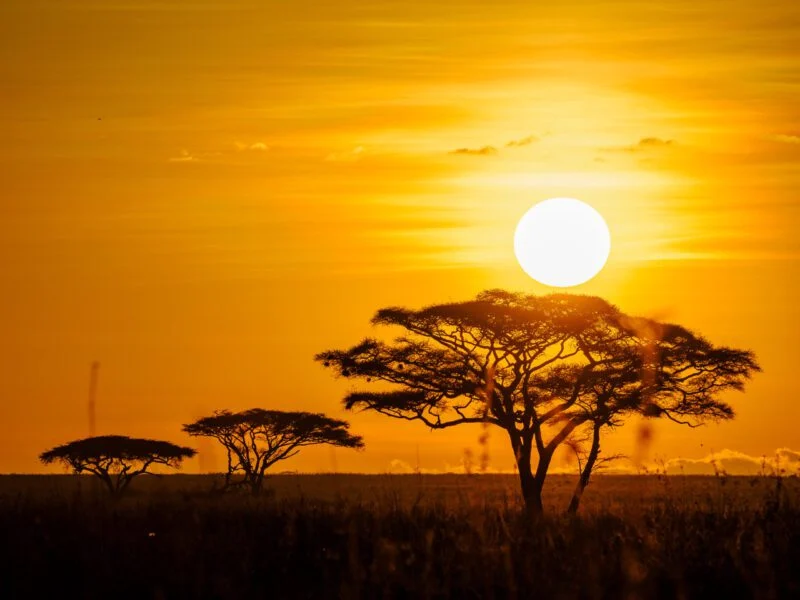
Kenya stands out as one of the premier safari destinations globally, renowned for its breathtaking landscapes and rich, diverse ecosystems. From the rolling savannahs of the Maasai Mara to the arid plains of Tsavo National Park, Kenya’s geographic variety offers a unique backdrop for an extraordinary wildlife experience. This remarkable country is home to some of the most iconic wildlife species in the world, providing tourists with the chance to witness them in their natural habitat.
The focal point of Kenya’s wildlife allure is undoubtedly the Big Five: lions, leopards, elephants, buffalo, and rhinoceroses. These majestic animals not only epitomize the essence of African wildlife but also attract thousands of visitors eager for the thrill of spotting them during game drives. Beyond the Big Five, Kenya is a treasure trove of unique species such as the endangered Grevy’s zebra, the rare African wild dog, and over 1,000 species of birds, making it a paradise for nature enthusiasts and wildlife photographers alike.
Moreover, wildlife conservation holds significant cultural importance in Kenya. Initiatives aimed at protecting habitats and endangered species are vital for maintaining ecological balance and supporting local communities. Many safari tour packages from India include opportunities to engage with conservation programs, allowing travelers to contribute positively to wildlife preservation efforts. By emphasizing the importance of sustainable tourism, these programs ensure that Kenya’s natural wonders can be appreciated by future generations.
In summary, Kenya is not just a destination; it is a vibrant ecosystem rich in wildlife and cultural heritage. Choosing a safari tour package from India offers travelers a rare glimpse into the heart of this extraordinary country, where adventure awaits at every turn.
Benefits of Choosing Safari Packages from India
Booking a safari tour package from India presents numerous advantages that enrich the travel experience while providing peace of mind to adventurers. One of the primary benefits is affordability. Tour packages often incorporate various elements such as airfare, accommodation, and excursions at a competitive price, making it more budget-friendly than planning independent travel.
Moreover, convenience plays a significant role in the popularity of safari packages. Traveling from India to Kenya can be complicated, involving various arrangements. However, safari packages streamline this process, ensuring that every detail is meticulously planned. Travelers can bypass potential hassles related to bookings, logistics, and itineraries, allowing them to focus on enjoying their trip.
Another compelling advantage of selecting curated safari experiences is local expertise. Safari companies operating in Kenya possess extensive knowledge of the region, including its diverse wildlife, geography, and cultural nuances. This local insight ensures travelers have access to exclusive spots that may not be readily available to the average tourist, enhancing the authenticity of the experience.
Guided tours are also a significant aspect of safari packages, which add layers of safety and organization. Professional guides lead tours, providing a wealth of information about the wildlife and ensuring that guests do not miss any highlights. This arrangement not only enhances enjoyment but also adds a level of safety that independent travelers may not experience. Guides are well-trained and familiar with the terrain, which is particularly beneficial in the event of unexpected encounters with wildlife.
In sum, choosing safari packages from India combines affordability and convenience with local expertise and guided tours, making it an optimal choice for those looking to explore Kenya’s remarkable landscapes and wildlife.
Types of Safari Tour Packages Available
When planning a safari trip to Kenya from India, travelers can choose from a variety of safari tour packages that cater to different preferences and budgets. Each package typically encompasses several key components, including accommodation, transportation, meals, and activities, allowing travelers to experience the beauty and wildlife of Kenya in their own way.
One of the most popular options is the economic safari package. These packages are designed for budget-conscious travelers and usually include basic accommodations, shared transport, and standard meals. Economic packages provide a fantastic way to explore Kenya’s renowned national parks and reserves without stretching financial limitations, making them ideal for solo travelers or small groups.
For those seeking a more opulent experience, luxury safari packages offer high-end accommodations, often in exclusive lodges or tented camps that come with premium amenities. These tours also feature private transportation and gourmet meals, alongside personalized guided tours. Luxury safaris are well-suited for couples or families looking to indulge and create memorable experiences amidst the landscapes and wildlife of Kenya.
Family-friendly safari packages are crafted with the needs of families in mind. They tend to include activities that are suitable for children, such as nature walks, interactive wildlife experiences, and educational programs, all while ensuring comfortable lodging and transportation. This type of package is designed to provide an adventurous yet safe environment for families to bond and learn together.
Lastly, adventure-focused safari tours cater to the more thrill-seeking travelers. These packages often incorporate activities such as hiking, ballooning over the Maasai Mara, or even diving in coastal areas. Adventure safaris allow individuals to engage more actively with their environment and often include expert guides to enhance the experience.
Popular Destinations for Safari in Kenya
Kenya is renowned for its stunning wildlife and diverse ecosystems, making it a premier destination for safari enthusiasts. Among the most sought-after locations are the Maasai Mara, Amboseli National Park, Tsavo National Park, and Lake Nakuru, each offering a unique safari experience.
The Maasai Mara is perhaps the most famous safari destination in Kenya, known for the Great Migration that occurs annually between July and October. Here, millions of wildebeest and zebras traverse the plains in search of greener pastures, creating a spectacular scene for wildlife photographers and nature lovers. The Maasai Mara is also home to the Big Five—lion, leopard, rhinoceros, elephant, and Cape buffalo—making it an unforgettable experience.
Amboseli National Park is known for its impressive views of Mount Kilimanjaro and its large elephant herds. The park’s diverse habitats, including swamps and savannahs, support a rich array of wildlife. Birdwatchers will also appreciate the variety of avian species found in the wetlands. The best time to visit Amboseli is in the dry months of June to October when animals are drawn to the water sources.
Tsavo National Park, one of the largest national parks in the world, is divided into Tsavo East and Tsavo West. It is characterized by its red soil and diverse landscapes, offering visitors the chance to see wildlife such as lions, cheetahs, and unique species like the red-dusted elephants. The park is best visited during the dry seasons between June and October and January to February.
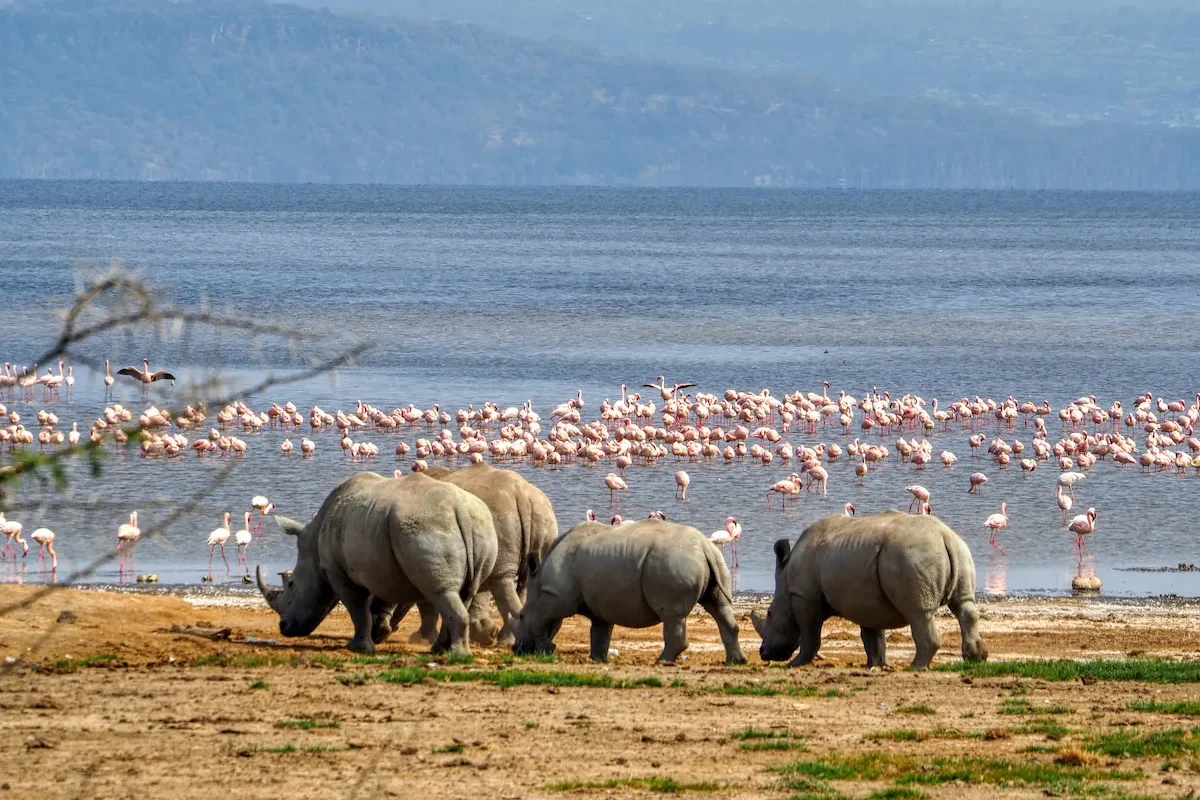
Lastly, Lake Nakuru is famous for its flocks of flamingos and boasts a rich diversity of bird species, making it a must-visit for birdwatchers. The park is also home to both black and white rhinoceroses, providing an opportunity for safari-goers to witness these endangered animals in their natural habitat. The best months to visit Lake Nakuru are from June to October when the chances of wildlife spotting are highest.
Best Time to Visit Kenya for Safari Tours
When planning a safari in Kenya, choosing the best time to visit is crucial for an optimal experience. Kenya’s diverse wildlife and breathtaking landscapes can be appreciated throughout the year, but certain seasons present unique advantages that can enhance your safari tour.
The dry season, which typically runs from late June to October, is often considered the best time for wildlife viewing. During this period, animals congregate around water sources, making them easier to spot. Additionally, the lack of rain means drier roads, allowing for more comfortable travel between different parks and reserves. Many visitors flock to Kenya during this peak season, resulting in busy safari tours, but the opportunity to witness the famed Great Migration in the Maasai Mara during this time is a remarkable experience for any traveler.
Contrarily, the wet season, from November to May, offers its own unique benefits. The landscape is lush and verdant, creating a stunning backdrop for wildlife photography. Additionally, many young animals are born during this period, providing additional viewing opportunities. The wet season also tends to attract fewer tourists, which can result in a more intimate and personal experience with nature. This period is split into two main phases: the long rains from March to May and the short rains from November to December. Visitors willing to brave the occasional downpour will find great rewards, including lower prices on accommodations and safari tours.
Ultimately, the best time to visit Kenya for safari tours depends on individual preferences regarding wildlife interactions, climate comfort, and tourism levels. Whether one prefers the bustling dry season or the serene ambiance of the wet season, Kenya offers unmatched beauty and adventure at any time of the year.
Essential Preparations Before Your Safari
Embarking on a safari tour in Kenya can truly be a life-changing experience, but it requires careful planning and preparation to ensure everything goes smoothly. One of the first steps in this process is to obtain the necessary visas. Travelers from India need to acquire an e-Visa before entering Kenya, which can be applied for online through the official government portal. It is advisable to start this process well in advance of your travel dates.
Health precautions are another crucial aspect of preparing for your safari. Vaccinations, particularly for yellow fever, are often required to enter Kenya. Moreover, it is recommended to have vaccinations for typhoid, hepatitis A, and other communicable diseases. Additionally, carrying a supply of malaria prophylaxis and a basic first-aid kit can prove beneficial during your travels.
Packing essentials is equally important when preparing for your safari. Travelers should prioritize lightweight, breathable clothing suitable for warm climates, keeping in mind that mornings and evenings can be quite chilly. Neutral-colored attire is recommended as it helps blend in with the environment and minimizes disturbances to wildlife. Accessories such as wide-brimmed hats, sunglasses, and sturdy hiking boots are also advised.
Photography enthusiasts should not forget to bring their cameras and lenses, along with extra batteries and memory cards, as capturing the rich wildlife and breathtaking landscapes will undoubtedly be a highlight of your trip. Moreover, a good pair of binoculars can enhance your safari experience by allowing you to observe animals from a distance.
Lastly, understanding local customs and etiquette is vital when visiting Kenya. Familiarizing yourself with basic Swahili phrases, respecting local traditions, and practicing appropriate behaviors, especially in tribal and rural areas, will not only show your respect but also enrich your interactions with the local communities. By following these preparations, you can ensure a memorable and rewarding safari experience in Kenya.
What to Expect During Your Safari Experience
A typical day during a safari in Kenya is packed with exploration and adventure. Most safari experiences begin at dawn, allowing travelers to witness the stunning morning light and enjoy the vibrant awakening of wildlife. Early morning game drives are a hallmark of safari tours, providing an opportunity to observe the Big Five—lions, leopards, elephants, buffaloes, and rhinoceros—in their natural habitats. The early hours are when animals are most active, making it an ideal time for wildlife sightings.
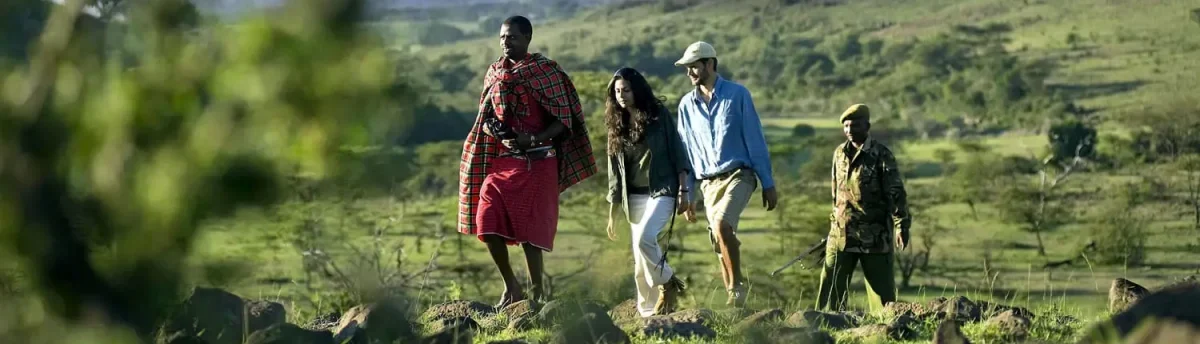
As the day progresses, participants may engage in various activities, including guided nature walks. These walks allow visitors to immerse themselves in the environment, observe smaller wildlife, and learn about flora and fauna from experienced local guides. These guides are not only knowledgeable about the ecosystems but also play a crucial role in promoting responsible tourism practices, ensuring that guests understand the importance of preserving the delicate balance of nature.
Cultural visits are another enriching aspect of a safari experience. Many tour packages include visits to local communities, where travelers can interact with indigenous peoples, learn about their customs, and contribute to community initiatives. These encounters foster a deeper understanding and respect for the local culture, enhancing the overall experience.
Accommodations vary and can range from luxurious lodges to more rustic tented camps. Each type of accommodation offers a unique experience, with lodges often providing all the comforts of modern amenities, while tented camps offer a closer connection to nature. Regardless of the choice, ensuring that accommodations adhere to sustainable practices is vital. This consideration promotes eco-friendly tourism, enabling travelers to enjoy the beauty of Kenya while safeguarding its future for generations to come.
Traveler Reviews and Testimonials
Traveling to Kenya for a safari experience is often described as a life-changing adventure. Many travelers from India who have embarked on this journey recount exhilarating memories that linger long after their return. A common theme among these travelers is the unparalleled opportunity to witness wildlife in their natural habitat. One reviewer noted, “Seeing elephants roam freely against the backdrop of the African savannah was breathtaking. It truly felt like a scene from a documentary come alive!” Such experiences highlight the authenticity that safari tour packages offer.
Aside from thrilling wildlife encounters, travelers frequently emphasize the cultural richness of Kenya. Comments such as “Meeting the Maasai people and learning about their traditions was just as impactful as the safaris themselves” reflect the interconnectedness of wildlife and culture that the tours present. Many tour operators facilitate visits to local communities, allowing travelers to engage in meaningful interactions, which often enhances their overall travel satisfaction.
Moreover, logistical aspects also play a significant role in shaping travelers’ experiences. A consistent piece of feedback is the seamless organization of safari tours, from accommodation to transportation. One past traveler mentioned, “Our guide was knowledgeable and friendly, making our journey smooth and enjoyable. It was comforting to know we were in good hands.” Such positive testimonials indicate that selecting reputable safari tour packages can significantly enhance the overall safari experience.
Potential travelers considering a safari in Kenya from India will find that reading these personal accounts can provide valuable insights. Whether it’s the thrill of observing the Big Five or engaging with local communities, the testimonials paint a vivid picture of what one might expect on this unique journey. Choosing the right safari tour can indeed lead to unforgettable memories and deep appreciation for the natural world.
Conclusion: Planning Your Dream Safari
Embarking on a safari adventure in Kenya is an exhilarating experience that offers a unique opportunity to witness the majesty of wildlife in their natural habitat. Through the exploration of various safari tour packages from India, it has become evident that careful planning is essential to making the most of this journey. Key considerations include selecting the appropriate time to visit, as different seasons offer varying wildlife experiences, and identifying the best tour package that aligns with your preferences and budget.
Travelers should also take the time to research the specific regions in Kenya, such as the Maasai Mara or Amboseli National Park, as each location has distinct attractions and unique wildlife. Communicating with travel agencies specializing in Kenyan safaris can provide valuable insights and help tailor a journey that fits individual desires, from luxurious accommodations to immersive cultural experiences.
For those eager to book their safari, numerous online resources are available, making the process straightforward. Websites specializing in travel itineraries can provide comparative insights on different safari tour packages, ensuring a well-informed decision when selecting the right one. It is advisable for travelers to secure their bookings in advance, particularly during peak seasons when demand is high.
Ultimately, the magic of a Kenyan safari lies in its wildlife encounters and breathtaking landscapes. Preparations should include not only focusing on logistics but also embracing the adventurous spirit of exploration. By considering the aspects outlined above, each traveler can create a well-rounded safari experience that will be both memorable and fulfilling. Take the first step toward your dream safari today and immerse yourself in the wonders of Kenyan nature.