Lewa Wildlife Conservancy Entry Fees | Guide by Adeli Kenya Safaris
Lewa Wildlife Conservancy is one of Africa’s most celebrated private conservancies, located in Laikipia County, at the foothills of Mount Kenya. A Lewa Wildlife Conservancy is internationally renowned for its rhino conservation, the world’s largest single population of Grevy’s zebras, excellent Big Five sightings, and luxury safari experiences. It is also a UNESCO World Heritage Site.
Unlike Kenya’s national parks, Lewa is a private conservancy, and conservation fees differ from Kenya Wildlife Service (KWS) park fees.
Lewa Wildlife Conservancy Entry Fees
| Visitor Category | Adult | Child (6–12 Years) |
|---|---|---|
| Kenyan / East African Resident | KES 2,800 | 50% of adult rate |
| Non-Resident | USD 126 | 50% of adult rate |
Day Visitors
| Visitor Category | Adult | Child (6–12 Years) |
|---|---|---|
| Kenyan / East African Resident | KES 8,074 | 50% of adult rate |
| Non-Resident | USD 198 | 50% of adult rate |
Children under 6 years are generally admitted free when accompanied by paying adults, subject to the conservancy’s current visitor policy. Rates are subject to change without notice.
What Does the Conservation Fee Include?
Your conservation fee generally includes:
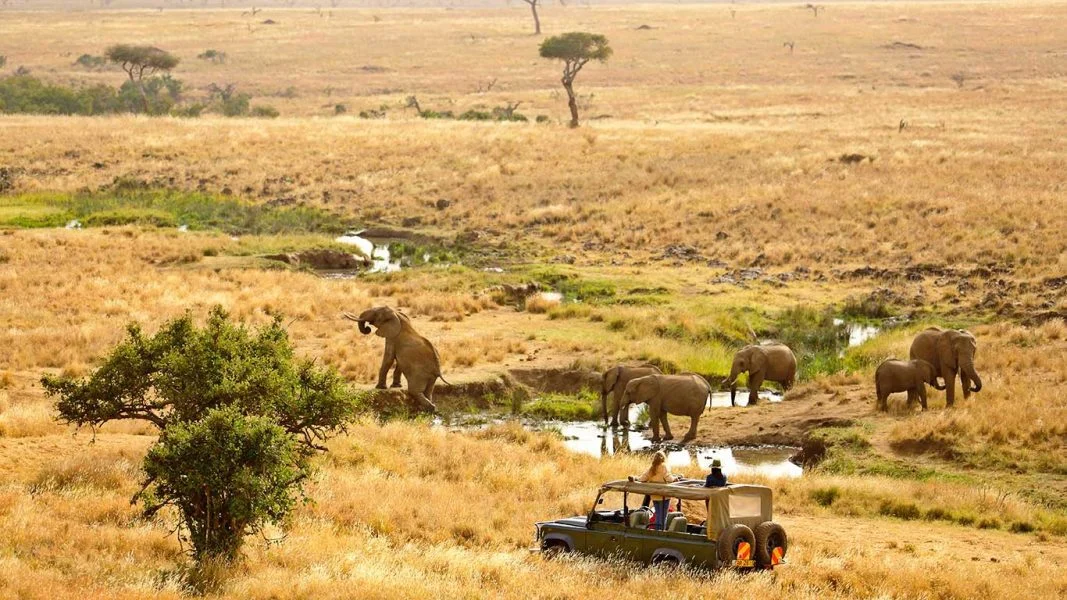
- Unlimited game drives during your valid entry period
- Access to the conservancy’s wildlife viewing areas
- Big Five game viewing
- Rhino conservation areas
- Grevy’s zebra habitat
- Birdwatching
- Scenic viewpoints
Some guided activities and premium experiences may incur additional charges depending on your lodge or safari operator.
Activities Available
Visitors can enjoy:
- Morning and afternoon game drives
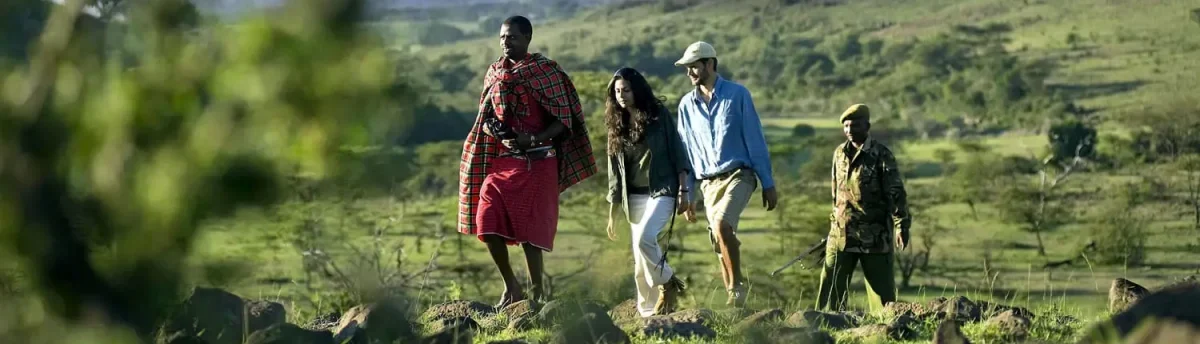
- Guided bush walks
- Horseback safaris (selected lodges)
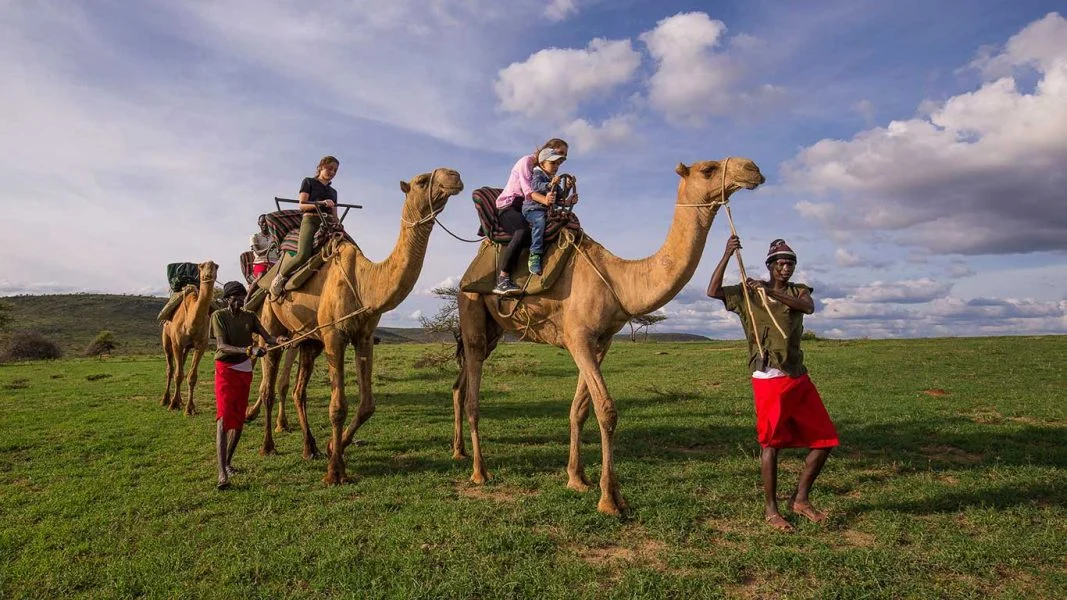
- Camel safaris
- Behind-the-scenes conservation tours
- Cultural visits
- Birdwatching
- Photography safaris
Some activities are included at certain lodges, while others are available at an additional cost.
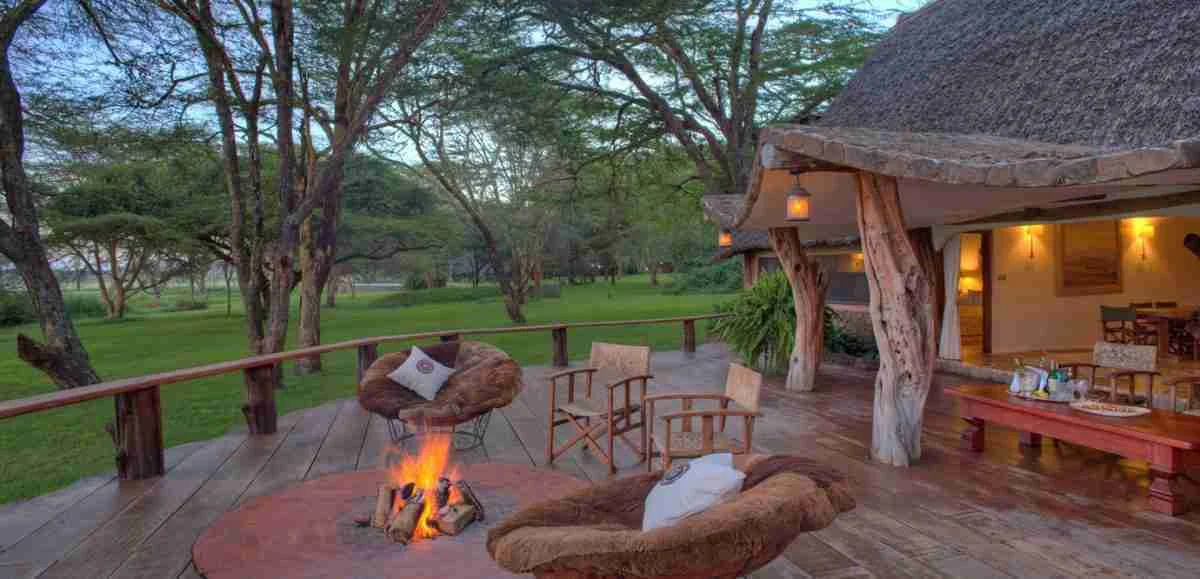
Best Time to Visit
| Season | Safari Experience |
|---|---|
| January–March | Excellent wildlife viewing and clear Mount Kenya views |
| June–October | Peak safari season with dry weather |
| April–May | Green season with fewer visitors |
| November–December | Excellent birdwatching and lush landscapes |
Lewa offers rewarding wildlife viewing throughout the year thanks to its successful conservation management.
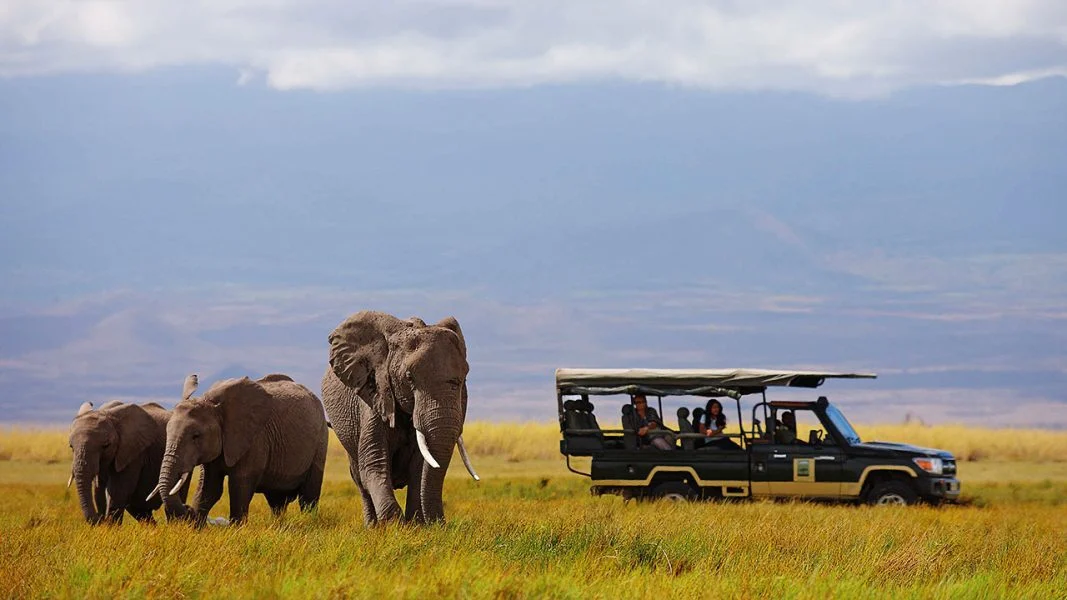
Wildlife You Can See
Lewa is famous for:
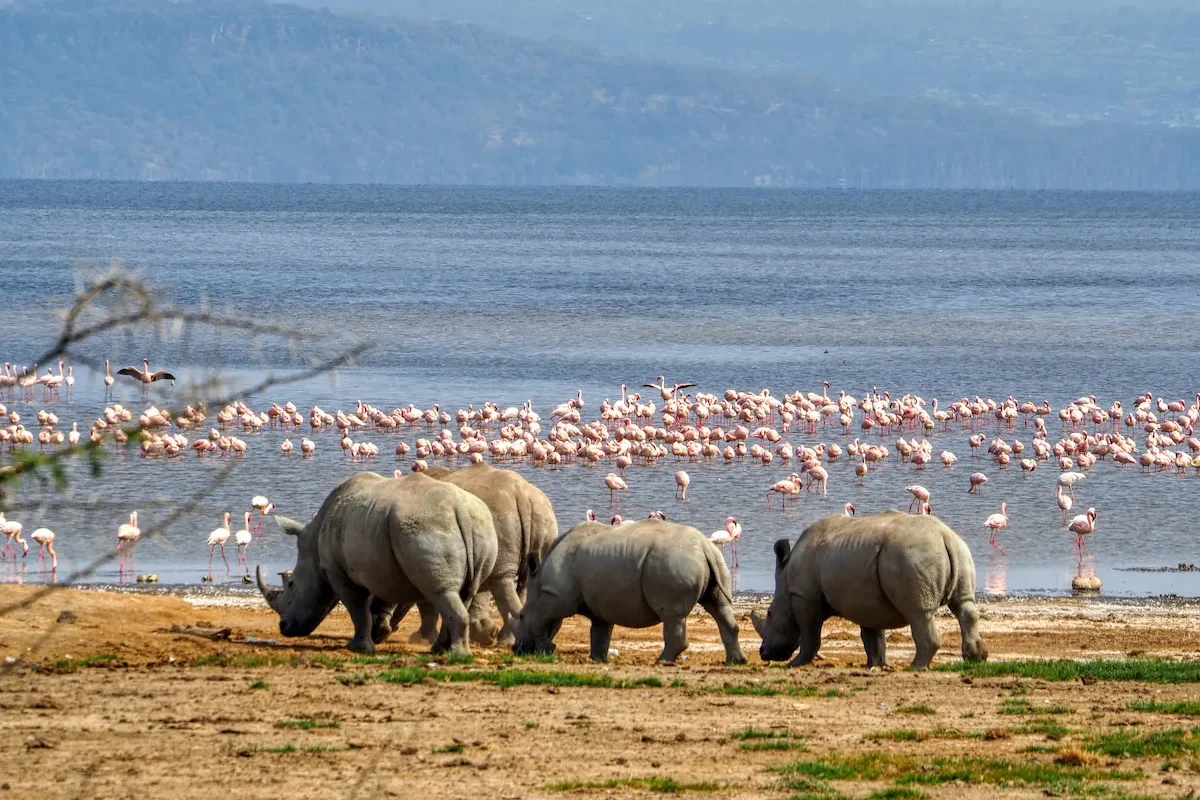
- Black rhinos
- White rhinos
- Grevy’s zebras
- Lions
- Leopards
- Elephants
- Buffaloes
- Cheetahs
- Reticulated giraffes
- African wild dogs (occasionally)
- More than 450 bird species
Safari Tips
- Spend 2–3 nights to fully experience the conservancy.
- Combine Lewa with Samburu National Reserve, Ol Pejeta Conservancy, or Meru National Park for an unforgettable northern Kenya safari.
- Bring binoculars and a telephoto lens for wildlife photography.
- Advance booking is highly recommended, especially during the dry season.
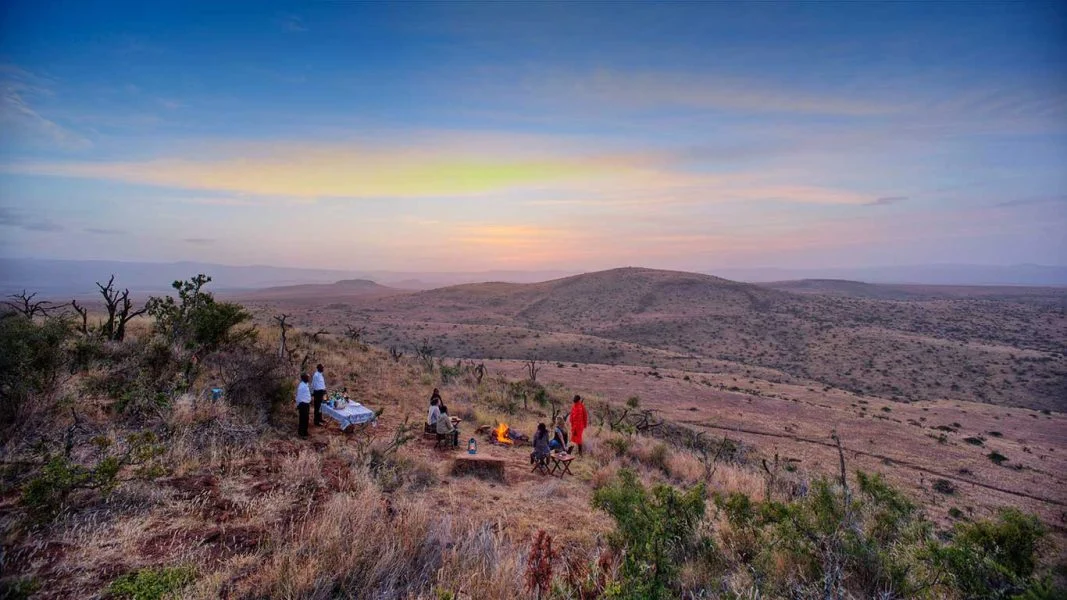
Frequently Asked Questions
1. Is Lewa Wildlife Conservancy worth visiting?
Yes. Lewa is widely regarded as one of Africa’s premier conservation destinations, offering exceptional rhino sightings, luxury accommodation, and uncrowded game viewing.
2. Can I self-drive in Lewa?
No. Lewa primarily operates through its partner lodges and approved tour operators. Independent self-drive access is generally not available.
3. Why are Lewa’s entry fees higher than national parks?
The conservation fees support intensive wildlife protection, anti-poaching operations, community development, habitat management, and world-renowned conservation programs.
4. How many days should I stay?
A stay of 2–3 nights is ideal for enjoying game drives, conservation activities, and the beautiful landscapes surrounding Mount Kenya.
5. Can I combine Lewa with other safari destinations?
Yes. Lewa pairs perfectly with Samburu National Reserve, Ol Pejeta Conservancy, Meru National Park, and Aberdare National Park for a diverse northern Kenya safari.