Overview of Safari Experiences in Kenya
Kenya stands as one of the premier destinations for safari enthusiasts worldwide, renowned for its breathtaking landscapes and rich biodiversity. The country’s combination of diverse ecosystems—from savannahs to forests—creates an unparalleled setting for witnessing wildlife in their natural habitats. The unique geographical and climatic variations across different regions offer visitors a chance to experience numerous distinct safari experiences.

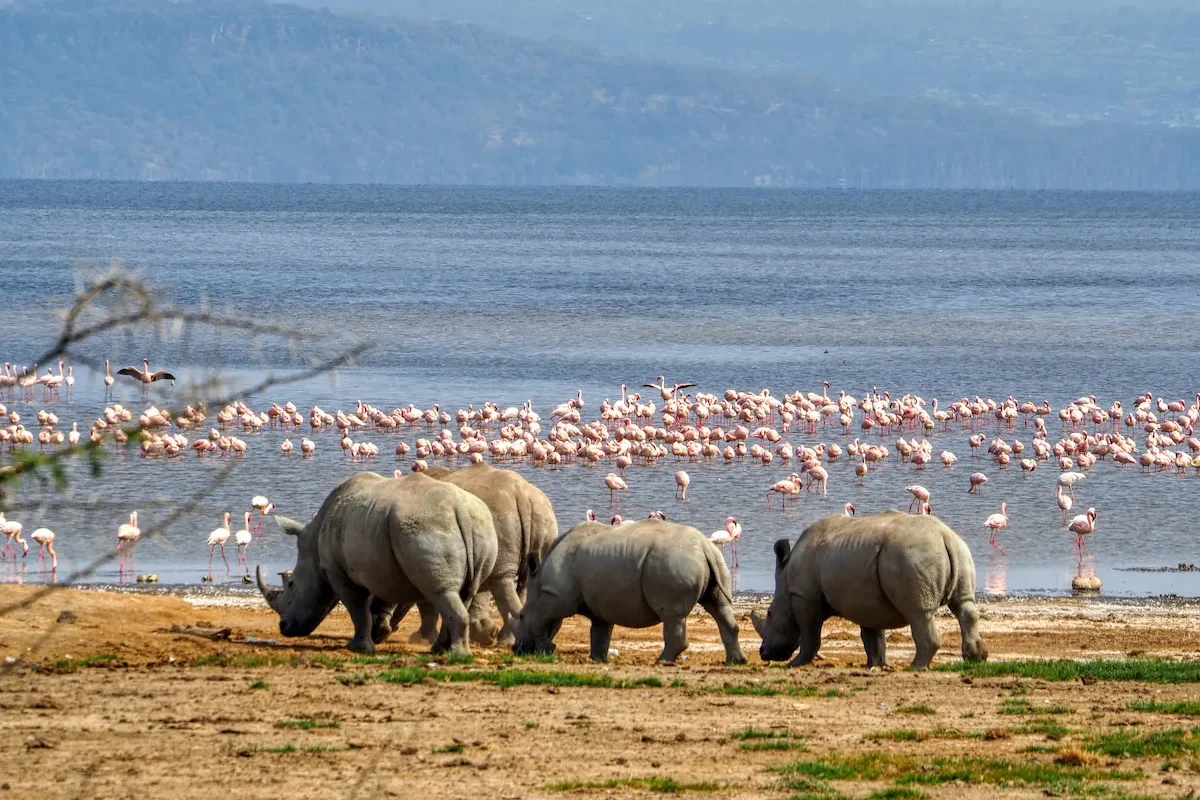
Among the outstanding features of Kenya’s safari tourism is the opportunity to observe an array of wildlife. The country is home to the famous Big Five: lions, leopards, elephants, buffaloes, and rhinoceroses, alongside numerous other mammals, birds, and reptiles. This diversity makes it a prime spot for wildlife photography and for those interested in ecological conservation studies. Tourists flock to Kenya, drawn by the chance to see these magnificent creatures, often in large numbers, interacting with their environment, which adds to the overall richness of the safari experience.
The increasing popularity of safari tours has led to the establishment of various national parks and reserves, each with its own distinct offerings. Among these, the Masai Mara and Amboseli National Parks are two of the most prominent and frequently visited. Each park presents unique landscapes and wildlife viewing opportunities, appealing to different preferences and interests of safari-goers. Knowledge of these contrasting experiences can significantly enhance one’s safari planning, making it crucial for potential visitors to consider which park aligns best with their expectations.
In Kenya, the safari experience goes beyond mere wildlife viewing; it encompasses cultural interactions with the local communities, exemplifying the deep-rooted traditions of the Maasai people. This multifaceted approach not only elevates the travel experience but also fosters a deeper understanding of the delicate balance between nature and culture in this remarkable country. As such, Kenya continues to be a leading choice for those seeking both adventure and knowledge in the heart of the African wilderness.
Introduction to Masai Mara National Reserve
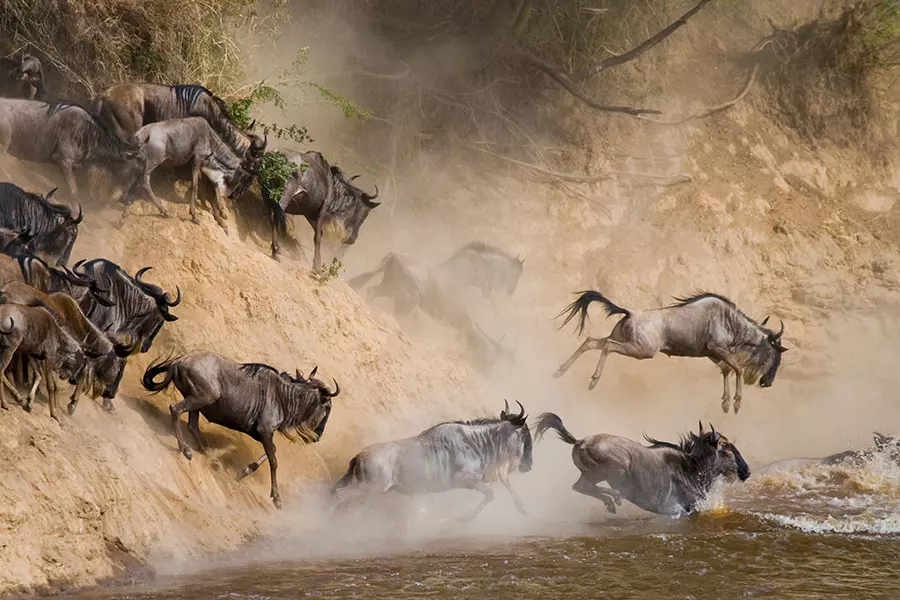
The Masai Mara National Reserve, often regarded as one of the most iconic wildlife destinations in Africa, spans approximately 1,510 square kilometers. Nestled in southwestern Kenya, adjacent to the Serengeti National Park in Tanzania, this stunning reserve is known for its diverse landscapes, which include rolling savannahs, acacia woodlands, and riverine forests. These geographical features contribute not only to the visual beauty of the reserve but also to its rich biodiversity.
One of the most significant aspects of the Masai Mara is its role in the Great Migration, where millions of wildebeest and zebra traverse the ecosystem in search of fresh grazing. This annual event, occurring between July and October, attracts numerous wildlife enthusiasts and photographers eager to witness the dramatic river crossings and predation events, making it a major highlight for anyone undertaking a safari. The dramatic interaction between predators, including lions, leopards, and cheetahs, contributes to the reserve’s reputation as a prime location for observing big cat behavior.
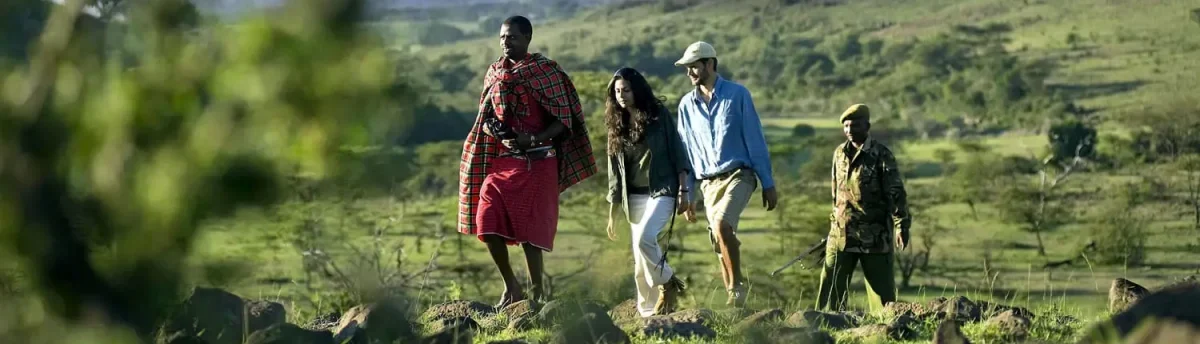
In addition to its wildlife, Masai Mara offers visitors a unique cultural experience through encounters with the Maasai people. The Maasai community’s rich traditions and vibrant culture provide insight into their way of life, harmoniously coexisting with the surrounding natural environment. Tourists can participate in guided tours to visit Maasai villages, where they can learn about local customs, traditional dances, and crafts, enhancing their safari experience.
The combination of breathtaking landscapes, prolific wildlife, and cultural richness ensures that Masai Mara remains a pivotal destination in the safari tourism landscape, attracting travelers from around the globe. For those seeking unforgettable encounters with nature, the Masai Mara National Reserve promises memorable adventures that encapsulate the essence of the African safari experience.
Introduction to Amboseli National Park
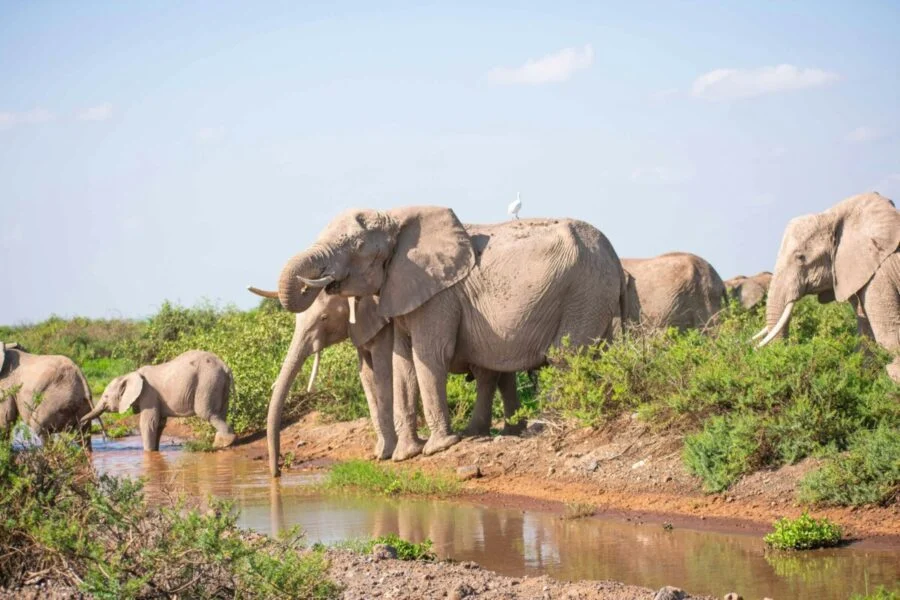
Amboseli National Park, located in southern Kenya, spans an impressive 392 square kilometers. The park is famously known for its stunning landscapes, which include open plains, swamps, and diverse ecosystems that provide habitats for various wildlife species. One of the park’s most striking features is its unobstructed views of Mount Kilimanjaro, Africa’s highest peak, which towers majestically at 5,895 meters. This iconic backdrop not only enhances the park’s beauty but also creates unique photographic opportunities that draw photographers and nature enthusiasts alike.
Wildlife is abundant in Amboseli, most notably its extensive populations of elephants. The park is home to some of the largest elephant herds in Africa, providing visitors with the chance to observe and photograph these majestic animals in their natural habitat. These elephants are often seen foraging for food among the acacia trees and walking through the expansive savannahs, typically in close sight of the impressive Kilimanjaro. Amboseli’s varied topography and seasonal swamps also attract various other species, including lions, cheetahs, giraffes, zebras, and wildebeests, making it an enthralling destination for wildlife enthusiasts.
Apart from the remarkable wildlife, Amboseli National Park is also a hotspot for ornithologists, showcasing over 400 bird species. The park’s wetlands and grasslands provide ideal conditions for both resident and migratory birds, further enhancing its ecological diversity. This mix of incredible wildlife sightings, comprising large herds of elephants and an array of bird species set against the magnificent backdrop of Mount Kilimanjaro, renders Amboseli a captivating destination for those seeking an enriching safari experience.
Wildlife Comparison: Masai Mara vs Amboseli
The Masai Mara and Amboseli National Parks are two of Kenya’s most iconic safari destinations, each boasting unique wildlife experiences that attract nature enthusiasts year-round. The Masai Mara is renowned for its impressive population of the Big Five—lion, leopard, elephant, buffalo, and rhinoceros—and is particularly famous for the Great Migration. This phenomenon sees millions of wildebeest and zebras traverse the Mara River from the Serengeti, creating a spectacular display of natural drama every year between July and October. This seasonal migration greatly enhances the biodiversity of the park during this period, as numerous predators congregate in pursuit of prey.
In contrast, Amboseli National Park is celebrated for its views of Mount Kilimanjaro and large elephant herds that roam its open plains. The park supports an extraordinary variety of wildlife, including cheetahs, giraffes, and numerous bird species. One of Amboseli’s highlights is the opportunity to observe elephants at close range and witness their social structures in a backdrop of breathtaking landscapes. Additionally, Amboseli’s wetlands serve as crucial habitats for migratory bird species, particularly around the rainy seasons when the ponds fill up. This seasonal influx not only enriches the wildlife viewing but enhances the park’s overall biodiversity.
While both parks offer incredible wildlife experiences, the best choice may depend on the specific wildlife one wishes to encounter and the time of year. High animal concentrations can be observed in the Great Migration period in Masai Mara while Amboseli offers a more stable game viewing experience with its resident elephant populations year-round. Each park showcases the richness of the Kenyan wilderness, but seasonal variations significantly shape wildlife encounters, making it essential to plan visits with local wildlife patterns in mind.
Scenic Landscapes and Photography Opportunities
The Masai Mara and Amboseli National Parks present unique and contrasting landscapes that offer numerous photography opportunities for visitors. Understanding these environments can enhance the safari experience significantly. Each reserve showcases its breathtaking features, enticing photographers and nature enthusiasts alike.
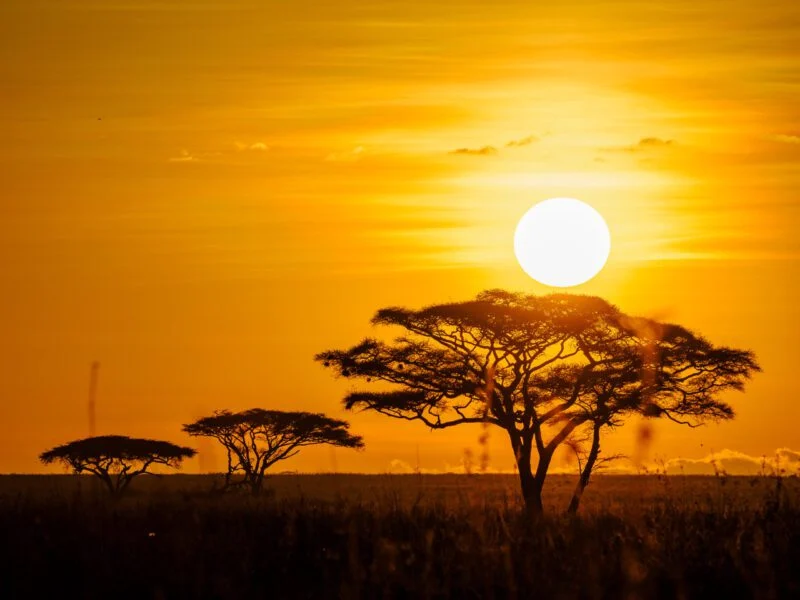
The Masai Mara, known for its vast open savannahs, is characterized by rolling plains dotted with iconic acacia trees. This expansive scenery allows for uninterrupted views of wildlife, making it an ideal location for capturing the great migration, which sees millions of wildebeest and zebras crossing the plains. The Mara River, with its banks teeming with life, provides an additional stunning backdrop for photography, especially during early mornings or late afternoons when the light casts a golden hue over the landscape.
In contrast, Amboseli National Park is renowned for its striking wetlands and the backdrop of Mount Kilimanjaro. The park’s diverse ecosystems, including marshes and swamps, create vibrant and lush environments that attract a plethora of wildlife, especially elephants, which are often referred to as the “giants of Amboseli.” The contrasting colors and textures found in Amboseli offer photographers captivating images, particularly at sunrise and sunset, when the mountain is bathed in colors and the wetlands reflect the stunning scenery. The acacia woodlands further add to the photographic appeal, providing varied locales for shooting wildlife in their natural habitat.
Ultimately, both Masai Mara and Amboseli present extraordinary landscapes that cater to diverse photography styles. Whether one seeks the sweeping vistas of the savannah or the intimate sights of wetlands, each park promises unrivaled opportunities to capture the essence of Kenya’s unparalleled wildlife and landscapes.
Cultural Experiences and Interactions
When considering the cultural experiences and interactions available in Kenya, both Masai Mara and Amboseli offer unique opportunities for engaging with the rich heritage of the local Maasai people. Cultural tourism in these regions plays a significant role, not only enhancing the visitor experience but also contributing to the sustainability of the communities.
In Masai Mara, visitors often have the opportunity to visit traditional Maasai villages, known as “enkangs.” These visits allow for interactive experiences, where tourists can engage directly with local families. Through guided tours, guests learn about Maasai customs, traditions, and daily life. This immersive experience often includes demonstrations of traditional dance and song, offering a glimpse into the cultural identity of the Maasai. Such interactions foster mutual understanding and respect, promoting an appreciation for the richness of tribal heritage.
Conversely, Amboseli provides a different cultural encounter. The proximity to Mount Kilimanjaro adds a scenic backdrop to cultural experiences. In Amboseli, community-based tourism initiatives often collaborate with local artisans, allowing visitors to witness and participate in crafts such as beadwork and pottery. Workshops led by Maasai artisans offer not only a hands-on creative experience but also an understanding of the cultural significance these crafts hold within the community. Such engagements contribute to the preservation of traditions that might otherwise be lost in the face of modernization.
Both destinations, therefore, emphasize the importance of cultural tourism. Visitors to Masai Mara are likely to enjoy more direct interactions with the Maasai lifestyle, while Amboseli provides avenues for appreciating craftsmanship. Ultimately, each location offers enriching cultural experiences that enhance the overall safari adventure.
Accommodation Options and Travel Logistics
When planning a safari in Kenya, such as a visit to Masai Mara or Amboseli, choosing the right accommodation can significantly enhance the experience. Both parks offer a range of lodging options tailored to various budgets and preferences. In the Masai Mara, visitors can choose from luxurious lodges that provide stunning views of the savannah, like the renowned Mara Serena Lodge, which boasts premium comforts and exceptional service. For those seeking a closer connection with nature, tented camps such as the Governor’s Camp offer a more rustic yet comfortable experience amid wildlife. Budget-conscious travelers can opt for campsites or budget lodges that still ensure a memorable stay.
Conversely, Amboseli National Park also showcases unique accommodation facilities. Lodges like the Amboseli Serena Safari Lodge offer spectacular views of Mount Kilimanjaro and luxurious amenities, making it an attractive choice. Simple campsites are available as well, making it possible for visitors to immerse themselves in the local environment without overspending. Each option in Amboseli tends to provide a different perspective of the region’s unique wildlife and breathtaking landscapes.
As for travel logistics, both parks are relatively accessible from Nairobi. The Masai Mara can typically be reached via a short domestic flight of approximately 45 minutes, or a longer drive lasting around six to seven hours, depending on traffic and road conditions. In contrast, Amboseli is around four hours by road from Nairobi, though flights are also available. Visitors should consider the weather when planning their visit; the best time for wildlife sightings generally aligns with the dry season, which runs from June to October. This consideration ensures a more enjoyable safari experience, with manageable road conditions and optimal wildlife activity.
Tips for Choosing Between Masai Mara and Amboseli
When selecting between the renowned Masai Mara and Amboseli National Park for your Kenyan safari adventure, it is essential to consider several factors that align with your interests and preferences. Each of these iconic destinations provides a unique experience, making the choice a matter of personal priorities.
Begin by assessing your wildlife interests. The Masai Mara is celebrated for its incredible concentration of wildlife and the spectacle of the Great Migration, attracting thousands of wildebeests and zebras between July and October. If your primary interest lies in viewing these magnificent herds, as well as big cats, the Mara may be the ideal selection for your safari experience. In contrast, Amboseli is famed for its stunning views of Mount Kilimanjaro and large elephant herds. Those particularly interested in observing elephants in their natural habitat may find Amboseli more fulfilling.
Another crucial aspect to consider is family-friendliness. If you are traveling with children or a larger group, Amboseli tends to be more accommodating with family-oriented activities and facilities. Many lodges in Amboseli offer child-friendly programs, ensuring a memorable experience for visitors of all ages. In comparison, the Masai Mara may cater more to seasoned travelers looking for a rugged, adventurous experience without as many family amenities.
Adventure levels can also sway your decision. The Masai Mara presents a variety of thrilling activities such as hot air balloon rides and walking safaris, appealing to those seeking excitement. Alternatively, Amboseli allows for a more relaxed tempo, ideal for visitors who appreciate leisurely game drives and nature photography, particularly around the iconic swamps and marshes.
Ultimately, weighing these factors based on your preferences will assist in making the best choice for an unforgettable safari in Kenya’s stunning landscapes.
Conclusion: Making the Right Choice for Your Safari Adventure
Choosing between the Masai Mara and Amboseli National Parks for a Kenyan safari can indeed be a challenging decision, as both locations offer unique experiences tailored to different interests. The Masai Mara is renowned for its breathtaking wildlife viewing opportunities, particularly during the Great Migration. Visitors to this park can witness an array of animals, including lions, elephants, and wildebeests, as they traverse the rolling plains. This destination is highly favored by wildlife enthusiasts and photographers looking to capture the essence of Africa’s fauna in their natural habitat.
On the other hand, Amboseli presents a distinct experience, combining incredible wildlife sightings with stunning views of Mount Kilimanjaro. The park’s swamps and marshes attract diverse wildlife, making it an excellent location for observing elephants and other animals up close while also enjoying the majestic backdrop. Thus, Amboseli is an ideal choice for those who appreciate dramatic landscapes and want to engage with the abundant wildlife against the iconic mountain scenery.
Furthermore, cultural experiences differ greatly between both parks. The Masai Mara offers opportunities to visit traditional Maasai villages and engage in cultural exchanges with the local communities. Conversely, Amboseli allows visitors to explore the interactions between wildlife and local tribes, particularly with respect to how their coexistence shapes cultural narratives.
Ultimately, the choice between Masai Mara and Amboseli boils down to personal preferences regarding wildlife viewing, cultural immersion, and natural beauty. Each destination holds allure and magic, ensuring unforgettable experiences for those who embark on a safari adventure. Reflecting on your own priorities and desires will guide you in making the right choice for your Kenyan safari, creating memories to last a lifetime.