Discover the Seven Natural Wonders of Africa with Adeli Kenya Safaris.
Experience unforgettable wildlife, waterfalls, mountains, deserts, and natural landscapes.
Discover the Seven Natural Wonders of Africa with Adeli Kenya Safaris and embark on an unforgettable journey through the continent’s most breathtaking natural landmarks. From the spectacular Great Wildebeest Migration across Masai Mara National Reserve in Kenya and Serengeti National Park in Tanzania, the majestic Mount Kilimanjaro, and the awe-inspiring Victoria Falls, to the legendary Nile River, the vibrant Red Sea Reef System, the vast Sahara Desert, and the remarkable Ngorongoro Crater, these iconic destinations showcase Africa’s unparalleled beauty, biodiversity, and geological wonders.
Whether you are planning a luxury African safari, wildlife adventure, mountain trekking expedition, cultural tour, honeymoon, family holiday, photography safari, scuba diving vacation, or multi-country African travel experience, the Seven Natural Wonders of Africa offer extraordinary opportunities to explore diverse landscapes, abundant wildlife, rich cultural heritage, and world-renowned UNESCO World Heritage Sites.
At Adeli Kenya Safaris, we specialize in tailor-made African safari packages that combine unforgettable wildlife encounters, luxury accommodations, sustainable tourism, expert local guides, and personalized itineraries, helping you experience the very best of Africa’s most extraordinary natural attractions in one seamless and memorable adventure.
| Wonder | Best Time to visit |
|---|---|
| Great Migration | July–October |
| Victoria Falls | February–May |
| Kilimanjaro | January–March, June–October |
| Nile River | Year-round |
| Sahara Desert | October–April |
| Ngorongoro | Year-round |
| Red Sea | March–May & September–November |
Your dream safari / holiday is just a call or email away. Contact Adeli Kenya Safaris today. Tel: +254720564538 | WhatsApp: +254720564538 | Email: [email protected]
The Great Wildebeest Migration from Serengeti in Tanzania to Masai Mara in Kenya
 https://www.youtube.com/watch?v=IrRPnCsc1To
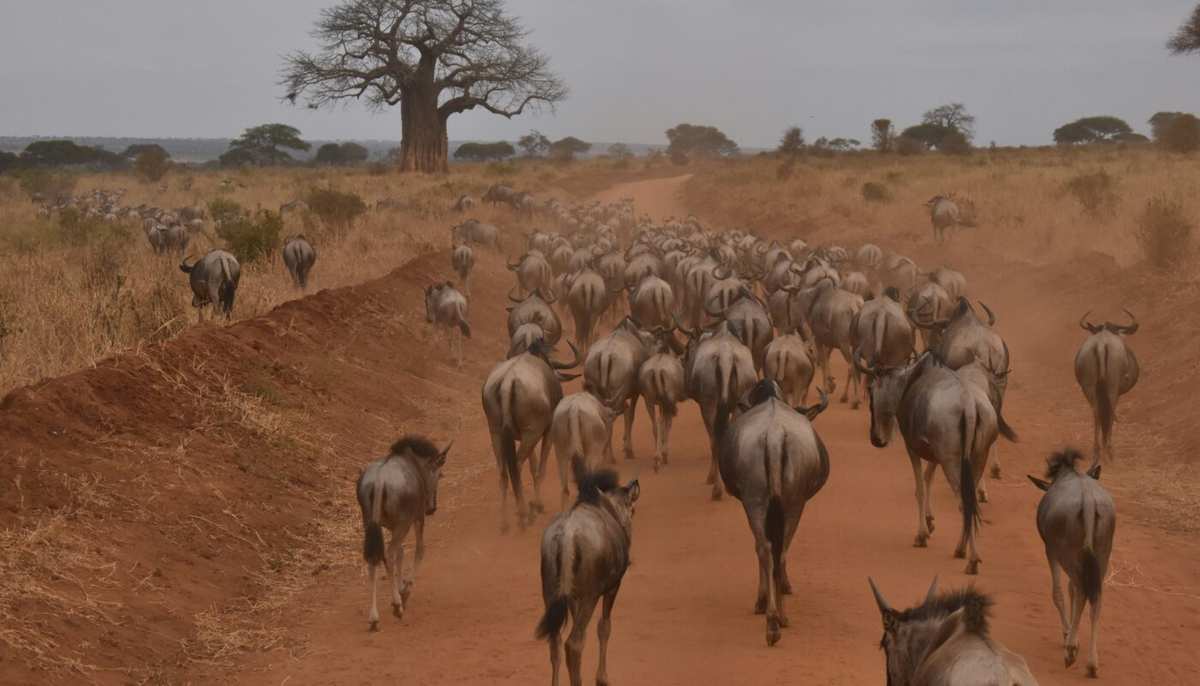
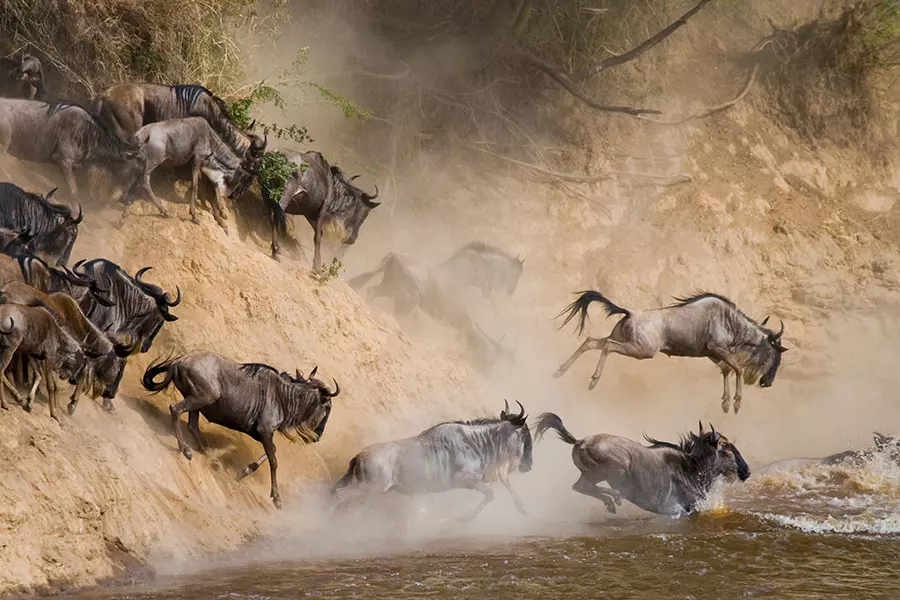
Arguably the greatest wildlife spectacle on Earth, the Great Migration involves over 2 million wildebeest, zebras, gazelles, and antelopes moving between Tanzania’s Serengeti and Kenya’s Maasai Mara every year.
The dramatic Mara River crossings feature crocodile attacks, lion hunts, and unforgettable wildlife action.
Why Visit?
- Witness millions of migrating animals
- See the Big Five
- Experience luxury safari camps
- Incredible wildlife photography
- Balloon safaris
- Predator-prey interactions
Best Time
July – October (Kenya)
December – March (Southern Serengeti)
The Great Wildebeest Migration FAQs and expert answers by Adeli Kenya Safaris
What is the Great Wildebeest Migrations?
The Great Wildebeest Migration is the world’s largest terrestrial wildlife migration, involving over 1.5 million wildebeest, accompanied by hundreds of thousands of zebras, gazelles, elands, and other herbivores moving annually between Tanzania’s Serengeti National Park and Kenya’s Maasai Mara National Reserve in search of fresh grazing and water.
Why is the Great Wildebeest Migration considered one of the Seven Natural Wonders of Africa?
The migration is recognized as one of Africa’s Seven Natural Wonders because of its incredible scale, dramatic river crossings, rich biodiversity, and the vital role it plays in maintaining the Serengeti-Mara ecosystem.
Where does the Great Migration take place?
The migration occurs across the Serengeti-Mara ecosystem, including:
- Serengeti National Park (Tanzania)
- Ngorongoro Conservation Area (Tanzania)
- Grumeti Game Reserve (Tanzania)
- Maasai Mara National Reserve (Kenya)
How many animals participate in the Great Migration?
Each year, approximately:
- 1.5 million wildebeest
- 250,000–300,000 zebras
- 500,000 Thomson’s gazelles
- Thousands of elands, impalas, and other antelope species
travel together in one of nature’s most extraordinary spectacles.
Why do wildebeest migrate?
The migration is driven by seasonal rainfall. The herds follow fresh grass and reliable water sources throughout the year, creating a continuous circular journey between Tanzania and Kenya.
When is the best time to witness the Great Migration?
The migration is a year-round event, but the highlights include:
- January–March: Calving season in southern Serengeti.
- April–June: Herds move northwest through central and western Serengeti.
- July–October: Famous Mara River crossings between Serengeti and Maasai Mara.
- November–December: Herds return to southern Serengeti after the short rains.
When do the Mara River crossings occur?
The dramatic Mara River crossings usually occur between July and October, although exact timing depends on rainfall and grazing conditions. Wildlife movements are unpredictable, making every safari unique.
What makes the Mara River crossing so famous?
The river crossings are among the most dramatic wildlife events on Earth, featuring:
- Massive herds entering crocodile-filled rivers
- Strong river currents
- Predator-prey interactions
- Thousands of animals crossing simultaneously
- Spectacular photography opportunities
Can the migration be guaranteed?
No. The migration follows natural weather patterns and cannot be predicted with complete certainty. Experienced safari operators like Adeli Kenya Safaris monitor herd movements to maximize viewing opportunities.
Which country is better for seeing the migration: Kenya or Tanzania?
Both offer exceptional experiences.
Kenya (July–October):
- Mara River crossings
- Large concentrations of predators
- Luxury safari camps
- Excellent wildlife photography
Tanzania (Year-round):
- Calving season
- Vast Serengeti plains
- Longer migration cycle
- Diverse landscapes
Many travelers choose a combined Kenya-Tanzania safari for the most comprehensive experience.
What animals can I see during the migration?
Besides wildebeest, visitors often see:
- Lions
- Leopards
- Cheetahs
- Elephants
- Buffaloes
- Black rhinos (in selected areas)
- Hyenas
- Nile crocodiles
- Hippos
- Giraffes
- Zebras
- Gazelles
- Topi
- Warthogs
Is the Great Migration suitable for families?
Yes. Family-friendly safaris are available with age-appropriate activities, comfortable accommodations, private game drives, and flexible itineraries.
Is the Great Migration good for photographers?
Absolutely. The migration offers some of Africa’s finest wildlife photography opportunities, including:
- Mara River crossings
- Predator hunts
- Golden sunrise and sunset scenes
- Balloon safari photography
- Vast savannah landscapes
- Dramatic storm clouds
- Newborn calves during calving season
Can I take a hot air balloon safari during the migration?
Yes. Hot air balloon safaris over the Serengeti or Maasai Mara provide breathtaking aerial views of migrating herds and conclude with a champagne bush breakfast.
How many days should I spend on a Great Migration safari?
A stay of 4–7 days is ideal for maximizing wildlife sightings and increasing the chances of witnessing memorable migration events such as river crossings.
Which accommodations are available during the migration?
Accommodation options include:
- Luxury tented camps
- Boutique safari lodges
- Mid-range safari camps
- Budget campsites
- Exclusive mobile camps that follow the migration
Adeli Kenya Safaris can recommend options to suit different budgets and travel styles.
Is the Great Migration dangerous?
For visitors, safaris are generally very safe when guided by experienced professionals and park regulations are followed. Travelers should always remain inside safari vehicles unless instructed otherwise by their guide.
What should I pack for a Great Migration safari?
Recommended items include:
- Neutral-colored clothing
- Comfortable walking shoes
- Wide-brimmed hat
- Sunglasses
- Sunscreen
- Camera with extra batteries
- Binoculars
- Light jacket for early morning game drives
- Insect repellent
- Personal medications
Can I combine the Great Migration with other safari destinations?
Yes. Popular combinations include:
- Amboseli National Park
- Lake Nakuru National Park
- Ngorongoro Crater
- Tarangire National Park
- Lake Manyara National Park
- Zanzibar beach holidays
- Mount Kilimanjaro trekking
Adeli Kenya Safaris offers customized itineraries that combine the Great Migration with Kenya and Tanzania’s top attractions.
Do I need a visa for a Kenya and Tanzania migration safari?
Most international travelers require visas for Kenya and Tanzania. Visa requirements vary by nationality, so check the latest immigration regulations before traveling. Adeli Kenya Safaris can provide guidance during the booking process.
Read more below:
Is the Great Migration available year-round?
Yes. The migration never stops; the herds are constantly moving through the Serengeti-Mara ecosystem. Different months offer different highlights, from calving season to river crossings and dramatic predator encounters.
Why is the Great Migration important for conservation?
The migration supports one of Africa’s most important ecosystems by:
- Maintaining healthy grasslands
- Dispersing seeds
- Supporting predator populations
- Enhancing biodiversity
- Contributing to wildlife conservation and eco-tourism
Responsible tourism helps fund conservation efforts and benefits local communities.
Can honeymooners enjoy a Great Migration safari?
Yes. A Great Migration safari is an unforgettable honeymoon experience, featuring luxury tented camps, private game drives, bush dinners, sundowners, hot air balloon safaris, and optional beach extensions to Zanzibar or the Kenyan coast.
Why choose Adeli Kenya Safaris for a Great Wildebeest Migration safari?
Adeli Kenya Safaris offers expertly planned migration safaris with:
- Customized Kenya and Tanzania itineraries
- Professional and knowledgeable safari guides
- Carefully selected lodges and tented camps
- Luxury, mid-range, and budget safari options
- Private and group departures
- Family-friendly and honeymoon packages
- Photography-focused safaris
- Cross-border safari logistics
- 24/7 customer support
- Commitment to responsible and sustainable tourism
Our local expertise and personalized service ensure you experience the Great Wildebeest Migration at the right place and the right time, creating memories that will last a lifetime.
How do I book a Great Wildebeest Migration safari with Adeli Kenya Safaris?
Booking is easy. Contact Adeli Kenya Safaris with your preferred travel dates, group size, budget, and interests. Our safari specialists will create a tailor-made itinerary that matches your travel goals, whether you’re seeking luxury, adventure, photography, family travel, or a once-in-a-lifetime wildlife experience.
Book Safe, Sustainable, Affordable & Unforgettable Africa safari experiences that Educate, Connect, Transform and Inspire. Your dream safari / holiday is just a call or email away. Contact Adeli Kenya Safaris today. Tel: +254720564538 | WhatsApp: +254720564538 | Email: [email protected]
Travel far enough, you meet yourself. Your journey of self discovery starts now. Follow the signs & get lost in the right direction!
The Great Wildebeest Migration is the world’s largest terrestrial wildlife migration, involving over 1.5 million wildebeest, accompanied by hundreds of thousands of zebras, gazelles, elands, and other herbivores moving annually between Tanzania’s Serengeti National Park and Kenya’s Maasai Mara National Reserve in search of fresh grazing and water.
The migration is recognized as one of Africa’s Seven Natural Wonders because of its incredible scale, dramatic river crossings, rich biodiversity, and the vital role it plays in maintaining the Serengeti-Mara ecosystem.
The migration occurs across the Serengeti-Mara ecosystem, including:
- Serengeti National Park (Tanzania)
- Ngorongoro Conservation Area (Tanzania)
- Grumeti Game Reserve (Tanzania)
- Maasai Mara National Reserve (Kenya)
Each year, approximately:
- 1.5 million wildebeest
- 250,000–300,000 zebras
- 500,000 Thomson’s gazelles
- Thousands of elands, impalas, and other antelope species
travel together in one of nature’s most extraordinary spectacles.
The migration is driven by seasonal rainfall. The herds follow fresh grass and reliable water sources throughout the year, creating a continuous circular journey between Tanzania and Kenya.
The migration is a year-round event, but the highlights include:
- January–March: Calving season in southern Serengeti.
- April–June: Herds move northwest through central and western Serengeti.
- July–October: Famous Mara River crossings between Serengeti and Maasai Mara.
- November–December: Herds return to southern Serengeti after the short rains.
The dramatic Mara River crossings usually occur between July and October, although exact timing depends on rainfall and grazing conditions. Wildlife movements are unpredictable, making every safari unique.
The river crossings are among the most dramatic wildlife events on Earth, featuring:
- Massive herds entering crocodile-filled rivers
- Strong river currents
- Predator-prey interactions
- Thousands of animals crossing simultaneously
- Spectacular photography opportunities
No. The migration follows natural weather patterns and cannot be predicted with complete certainty. Experienced safari operators like Adeli Kenya Safaris monitor herd movements to maximize viewing opportunities.
Both offer exceptional experiences.
Kenya (July–October):
- Mara River crossings
- Large concentrations of predators
- Luxury safari camps
- Excellent wildlife photography
Tanzania (Year-round):
- Calving season
- Vast Serengeti plains
- Longer migration cycle
- Diverse landscapes
Many travelers choose a combined Kenya-Tanzania safari for the most comprehensive experience.
Besides wildebeest, visitors often see:
- Lions
- Leopards
- Cheetahs
- Elephants
- Buffaloes
- Black rhinos (in selected areas)
- Hyenas
- Nile crocodiles
- Hippos
- Giraffes
- Zebras
- Gazelles
- Topi
- Warthogs
Yes. Family-friendly safaris are available with age-appropriate activities, comfortable accommodations, private game drives, and flexible itineraries.
Absolutely. The migration offers some of Africa’s finest wildlife photography opportunities, including:
- Mara River crossings
- Predator hunts
- Golden sunrise and sunset scenes
- Balloon safari photography
- Vast savannah landscapes
- Dramatic storm clouds
- Newborn calves during calving season
Yes. Hot air balloon safaris over the Serengeti or Maasai Mara provide breathtaking aerial views of migrating herds and conclude with a champagne bush breakfast.
A stay of 4–7 days is ideal for maximizing wildlife sightings and increasing the chances of witnessing memorable migration events such as river crossings.
Accommodation options include:
- Luxury tented camps
- Boutique safari lodges
- Mid-range safari camps
- Budget campsites
- Exclusive mobile camps that follow the migration
Adeli Kenya Safaris can recommend options to suit different budgets and travel styles.
For visitors, safaris are generally very safe when guided by experienced professionals and park regulations are followed. Travelers should always remain inside safari vehicles unless instructed otherwise by their guide.
Recommended items include:
- Neutral-colored clothing
- Comfortable walking shoes
- Wide-brimmed hat
- Sunglasses
- Sunscreen
- Camera with extra batteries
- Binoculars
- Light jacket for early morning game drives
- Insect repellent
- Personal medications
Yes. Popular combinations include:
- Amboseli National Park
- Lake Nakuru National Park
- Ngorongoro Crater
- Tarangire National Park
- Lake Manyara National Park
- Zanzibar beach holidays
- Mount Kilimanjaro trekking
Adeli Kenya Safaris offers customized itineraries that combine the Great Migration with Kenya and Tanzania’s top attractions.
Most international travelers require visas for Kenya and Tanzania. Visa requirements vary by nationality, so check the latest immigration regulations before traveling. Adeli Kenya Safaris can provide guidance during the booking process.
Read more below:
Yes. The migration never stops; the herds are constantly moving through the Serengeti-Mara ecosystem. Different months offer different highlights, from calving season to river crossings and dramatic predator encounters.
The migration supports one of Africa’s most important ecosystems by:
- Maintaining healthy grasslands
- Dispersing seeds
- Supporting predator populations
- Enhancing biodiversity
- Contributing to wildlife conservation and eco-tourism
Responsible tourism helps fund conservation efforts and benefits local communities.
Yes. A Great Migration safari is an unforgettable honeymoon experience, featuring luxury tented camps, private game drives, bush dinners, sundowners, hot air balloon safaris, and optional beach extensions to Zanzibar or the Kenyan coast.
Adeli Kenya Safaris offers expertly planned migration safaris with:
- Customized Kenya and Tanzania itineraries
- Professional and knowledgeable safari guides
- Carefully selected lodges and tented camps
- Luxury, mid-range, and budget safari options
- Private and group departures
- Family-friendly and honeymoon packages
- Photography-focused safaris
- Cross-border safari logistics
- 24/7 customer support
- Commitment to responsible and sustainable tourism
Our local expertise and personalized service ensure you experience the Great Wildebeest Migration at the right place and the right time, creating memories that will last a lifetime.
Booking is easy. Contact Adeli Kenya Safaris with your preferred travel dates, group size, budget, and interests. Our safari specialists will create a tailor-made itinerary that matches your travel goals, whether you’re seeking luxury, adventure, photography, family travel, or a once-in-a-lifetime wildlife experience.
Book Safe, Sustainable, Affordable & Unforgettable Africa safari experiences that Educate, Connect, Transform and Inspire. Your dream safari / holiday is just a call or email away. Contact Adeli Kenya Safaris today. Tel: +254720564538 | WhatsApp: +254720564538 | Email: [email protected]
Travel far enough, you meet yourself. Your journey of self discovery starts now. Follow the signs & get lost in the right direction!
2. Victoria Falls (Zambia & Zimbabwe)
 https://www.youtube.com/watch?v=g1vFeo97y4c
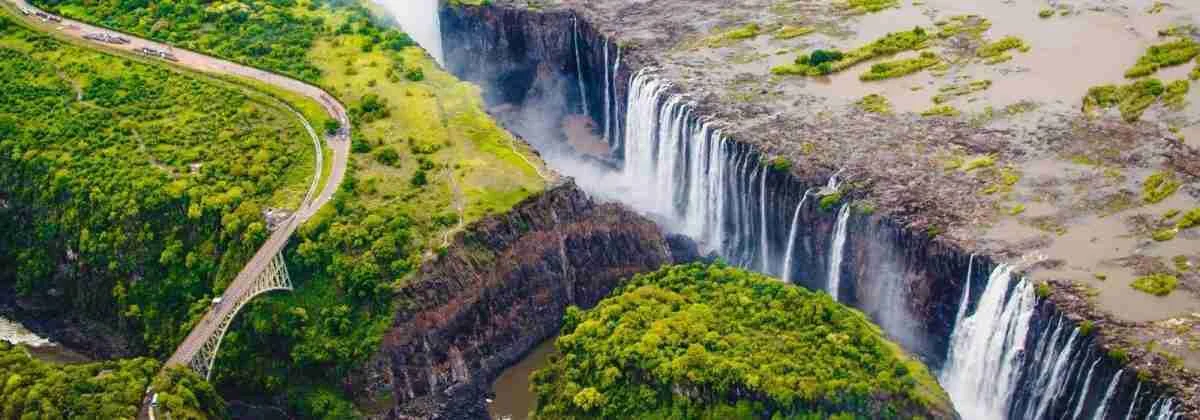
Known locally as “The Smoke That Thunders,” Victoria Falls is one of the largest waterfalls on Earth.
Stretching over 1.7 kilometers wide, millions of liters of water plunge into the Zambezi Gorge every minute during peak season.
Top Activities
- Helicopter flights
- Devil’s Pool
- Sunset cruises
- White-water rafting
- Bungee jumping
- Photography tours
Best visited between February and May.
Victoria Falls FAQs and expert answers by Adeli Kenya Safaris
What is Victoria Falls?
Victoria Falls is one of the world’s largest and most spectacular waterfalls, located on the Zambezi River between Zambia and Zimbabwe. Locally known as Mosi-oa-Tunya, meaning “The Smoke That Thunders,” it is a UNESCO World Heritage Site and one of Africa’s most iconic natural attractions.
Where is Victoria Falls located?
Victoria Falls lies on the border between:
- Zambia
- Zimbabwe
Visitors can access the falls from either country, each offering unique viewpoints and experiences.
Why is Victoria Falls famous?
Victoria Falls is famous for:
- Being among the largest waterfalls on Earth
- Spectacular spray visible from miles away
- UNESCO World Heritage status
- Adventure activities
- Incredible wildlife nearby
- Stunning rainbows throughout the year
- Rich cultural and historical significance
How wide is Victoria Falls?
Victoria Falls stretches approximately 1.7 kilometers (1.1 miles) across the Zambezi River.
How tall is Victoria Falls?
The waterfall reaches heights of approximately 108 meters (354 feet).
Is Victoria Falls one of the Seven Natural Wonders of the World?
Yes. Victoria Falls is widely recognized as one of the Seven Natural Wonders of the World because of its immense size, beauty, and ecological significance.
Who discovered Victoria Falls?
Scottish explorer David Livingstone became the first European to document the falls in 1855 and named them after Queen Victoria.
What does Mosi-oa-Tunya mean?
“Mosi-oa-Tunya” translates to “The Smoke That Thunders,” referring to the towering mist and roaring sound produced by the waterfall.
When is the best time to visit Victoria Falls?
The best time depends on your interests:
February–May
- Peak water flow
- Most dramatic scenery
- Powerful spray
June–August
- Pleasant weather
- Excellent photography
- Great wildlife viewing
September–December
- Lower water levels
- Better visibility into the gorge
- Ideal for adventure activities
When is the best time to visit Victoria Falls?
The best time depends on your interests:
February–May
- Peak water flow
- Most dramatic scenery
- Powerful spray
June–August
- Pleasant weather
- Excellent photography
- Great wildlife viewing
September–December
- Lower water levels
- Better visibility into the gorge
- Ideal for adventure activities
Which side is better—Zambia or Zimbabwe?
Both sides offer unique experiences.
Zimbabwe Side
- Approximately 75% of panoramic viewpoints
- Best during high-water season
Zambia Side
- Close-up experiences
- Devil’s Pool
- Livingstone Island
- Easier access to adventure activities
Many travelers visit both sides.
Can I visit both Zambia and Zimbabwe in one day?
Yes. Travelers with appropriate visas can cross the border and experience both sides in a single day.
What is Devil’s Pool?
Devil’s Pool is a natural rock pool located at the edge of Victoria Falls where visitors can safely swim during the dry season under the supervision of experienced guides.
Is Devil’s Pool safe?
Yes, when visited with licensed guides during the official season. Safety regulations are strictly followed.
When is Devil’s Pool open?
Typically from August through January, depending on river levels.
Can I swim in Victoria Falls?
Swimming is only permitted in designated areas like Devil’s Pool during safe water conditions.
What animals can I see around Victoria Falls?
Wildlife includes:
- Elephants
- Hippos
- Crocodiles
- Buffalo
- Giraffes
- Zebras
- Baboons
- Antelopes
- Numerous bird species
Are there safaris near Victoria Falls?
Yes. Popular safari destinations include:
- Hwange National Park
- Chobe National Park
- Mosi-oa-Tunya National Park
Many travelers combine Victoria Falls with wildlife safaris.
What adventure activities are available?
Popular adventures include:
- White-water rafting
- Bungee jumping
- Ziplining
- Helicopter flights
- Microlight flights
- Gorge swings
- Canoeing
- Sunset cruises
- River safaris
How long should I stay?
- 2–3 days for the falls
- 4–5 days with safari activities
- 5–7 days for a complete Southern Africa adventure
What should I wear?
-
Recommended items:
- Comfortable walking shoes
- Waterproof jacket
- Lightweight clothing
- Sun hat
- Sunglasses
- Sunscreen
- Camera protection from spray
Do I need a visa?
Visa requirements vary depending on nationality. Some travelers may benefit from the KAZA Univisa, which allows travel between Zambia and Zimbabwe where eligible. Check current immigration requirements before traveling.
Is Victoria Falls suitable for families?
Yes. Families enjoy:
- Guided walks
- Wildlife viewing
- Boat cruises
- Cultural experiences
- Scenic flights
- Educational tours
Is Victoria Falls accessible for seniors?
Yes. Most viewing paths are well-maintained, and guided tours can be tailored for travelers of different mobility levels.
Can I visit Victoria Falls all year?
Absolutely. Each season offers a different experience, from thunderous waterfalls during the rainy season to clear gorge views and adventure activities during the dry months.
What makes Victoria Falls unique?
Victoria Falls stands out because of its:
- Immense curtain of water
- Powerful mist visible for kilometers
- UNESCO World Heritage status
- Exceptional biodiversity
- Rich cultural heritage
- Wide range of adventure activities
- Easy combination with African safaris
Why Book Your Victoria Falls Adventure with Adeli Kenya Safaris?
Adeli Kenya Safaris offers unforgettable Victoria Falls experiences combined with East and Southern African safaris. Whether you’re planning a romantic honeymoon, family vacation, photography expedition, luxury escape, or multi-country safari, our travel experts create personalized itineraries that maximize your adventure.
Our Victoria Falls tour packages can be combined with unforgettable destinations including:
- Kenya’s Maasai Mara
- Tanzania’s Serengeti
- Botswana’s Chobe National Park
- Namibia
- South Africa
- Rwanda Gorilla Trekking
- Uganda Wildlife Safaris
With professional planning, expert guides, seamless logistics, and exceptional customer service, Adeli Kenya Safaris ensures your journey to Victoria Falls is safe, memorable, and truly extraordinary.
Victoria Falls is one of the world’s largest and most spectacular waterfalls, located on the Zambezi River between Zambia and Zimbabwe. Locally known as Mosi-oa-Tunya, meaning “The Smoke That Thunders,” it is a UNESCO World Heritage Site and one of Africa’s most iconic natural attractions.
Victoria Falls lies on the border between:
- Zambia
- Zimbabwe
Visitors can access the falls from either country, each offering unique viewpoints and experiences.
Victoria Falls is famous for:
- Being among the largest waterfalls on Earth
- Spectacular spray visible from miles away
- UNESCO World Heritage status
- Adventure activities
- Incredible wildlife nearby
- Stunning rainbows throughout the year
- Rich cultural and historical significance
Victoria Falls stretches approximately 1.7 kilometers (1.1 miles) across the Zambezi River.
The waterfall reaches heights of approximately 108 meters (354 feet).
Yes. Victoria Falls is widely recognized as one of the Seven Natural Wonders of the World because of its immense size, beauty, and ecological significance.
Scottish explorer David Livingstone became the first European to document the falls in 1855 and named them after Queen Victoria.
“Mosi-oa-Tunya” translates to “The Smoke That Thunders,” referring to the towering mist and roaring sound produced by the waterfall.
The best time depends on your interests:
February–May
- Peak water flow
- Most dramatic scenery
- Powerful spray
June–August
- Pleasant weather
- Excellent photography
- Great wildlife viewing
September–December
- Lower water levels
- Better visibility into the gorge
- Ideal for adventure activities
The best time depends on your interests:
February–May
- Peak water flow
- Most dramatic scenery
- Powerful spray
June–August
- Pleasant weather
- Excellent photography
- Great wildlife viewing
September–December
- Lower water levels
- Better visibility into the gorge
- Ideal for adventure activities
Both sides offer unique experiences.
Zimbabwe Side
- Approximately 75% of panoramic viewpoints
- Best during high-water season
Zambia Side
- Close-up experiences
- Devil’s Pool
- Livingstone Island
- Easier access to adventure activities
Many travelers visit both sides.
Yes. Travelers with appropriate visas can cross the border and experience both sides in a single day.
Devil’s Pool is a natural rock pool located at the edge of Victoria Falls where visitors can safely swim during the dry season under the supervision of experienced guides.
Yes, when visited with licensed guides during the official season. Safety regulations are strictly followed.
Typically from August through January, depending on river levels.
Swimming is only permitted in designated areas like Devil’s Pool during safe water conditions.
Wildlife includes:
- Elephants
- Hippos
- Crocodiles
- Buffalo
- Giraffes
- Zebras
- Baboons
- Antelopes
- Numerous bird species
Yes. Popular safari destinations include:
- Hwange National Park
- Chobe National Park
- Mosi-oa-Tunya National Park
Many travelers combine Victoria Falls with wildlife safaris.
Popular adventures include:
- White-water rafting
- Bungee jumping
- Ziplining
- Helicopter flights
- Microlight flights
- Gorge swings
- Canoeing
- Sunset cruises
- River safaris
- 2–3 days for the falls
- 4–5 days with safari activities
- 5–7 days for a complete Southern Africa adventure
-
Recommended items:
- Comfortable walking shoes
- Waterproof jacket
- Lightweight clothing
- Sun hat
- Sunglasses
- Sunscreen
- Camera protection from spray
Visa requirements vary depending on nationality. Some travelers may benefit from the KAZA Univisa, which allows travel between Zambia and Zimbabwe where eligible. Check current immigration requirements before traveling.
Yes. Families enjoy:
- Guided walks
- Wildlife viewing
- Boat cruises
- Cultural experiences
- Scenic flights
- Educational tours
Yes. Most viewing paths are well-maintained, and guided tours can be tailored for travelers of different mobility levels.
Absolutely. Each season offers a different experience, from thunderous waterfalls during the rainy season to clear gorge views and adventure activities during the dry months.
Victoria Falls stands out because of its:
- Immense curtain of water
- Powerful mist visible for kilometers
- UNESCO World Heritage status
- Exceptional biodiversity
- Rich cultural heritage
- Wide range of adventure activities
- Easy combination with African safaris
Adeli Kenya Safaris offers unforgettable Victoria Falls experiences combined with East and Southern African safaris. Whether you’re planning a romantic honeymoon, family vacation, photography expedition, luxury escape, or multi-country safari, our travel experts create personalized itineraries that maximize your adventure.
Our Victoria Falls tour packages can be combined with unforgettable destinations including:
- Kenya’s Maasai Mara
- Tanzania’s Serengeti
- Botswana’s Chobe National Park
- Namibia
- South Africa
- Rwanda Gorilla Trekking
- Uganda Wildlife Safaris
With professional planning, expert guides, seamless logistics, and exceptional customer service, Adeli Kenya Safaris ensures your journey to Victoria Falls is safe, memorable, and truly extraordinary.
3. Mount Kilimanjaro (Tanzania) – ‘the ‘Roof of Africa’
 https://www.youtube.com/watch?v=cKKr6k3KnNA
Africa’s highest mountain rises to 5,895 meters (19,341 ft) above sea level.
Its snow-capped summit towers over the surrounding plains and attracts thousands of climbers annually.
Popular Routes
- Machame Route
- Marangu Route
- Lemosho Route
- Rongai Route
Even non-climbers enjoy viewing Kilimanjaro from Amboseli National Park in Kenya.
Mount Kilimanjaro climbing FAQs and expert answers by Adeli Kenya Safaris
When is the best time of the year to climb Mount Kilimanjaro?
Kilimanjaro is climbable all year round.
The best months to climb, however, are July to October and December to February, as these are the warmest and driest months respectively.
July, August and September tend to be the busiest months on the mountain.
Another factor to take into consideration is the full moon. Summiting Kilimanjaro on a cloudless evening with the moon as your guide instead of headlamp is without a doubt an unforgettable experience. Also imagine seeing the glaciers glitter in the moonlight – absolutely stunning!
Can I combine my Kilimjanjaro climb with a Kenya & Tanzania wildlife safari and beach vacation?
Definitely Yes! After you Kilimanjaro climb, continue on one of our local safaris to Tanzania’s Serengeti, Ngorongoro, Lake Manyara, Tarangire or other colorful Tanzania wildlife parks.
You can also embark on a combined Kenya & Tanzania safari and explore Kenya’s incredible wildlife parks like Masai Mara, Amboseli, Lake Nakuru, Tsavo East, Tsavo West, Ol Pejeta, Meru National Park, Samburu National Reserve e.t.c.
What’s more?
After safari, you can also treat yourself to a magical laid-back beach vacation to Zanzibar beach, Diani beach, Mombasa, Malindi, Watamu and Lamu Island.
Can I climb Mount Kilimajaro without a guide and porter?
A straightforward answer to that question is NO! It is illegal to explore Kilimanjaro independently without a guide. Unlike many other treks, it is not possible to just turn up at the foot of Kilimanjaro with a backpack and camping gear and head up the mountain.
Furthermore, Mount Kilimanjaro is not an easy climb, so climbing it with experienced guides is a must not only from a legal point of view but also for your safety.
Can I Hire mountain climbing equipement?
Yes, at our our Mountain climbing base hotel in Moshi Tanzania, we have a wide array of mountain climbing equipment for hire at competitive prices.
We will send you a comprehensive equipment checklist, including items available for hire, upon inquiry. Prices are for the duration of the climb, not per day, and costs can be paid in USD$ cash at your briefing. All equipment is of good quality, however, we advise bringing your own walking boots, socks, and base layer clothing, as these will inevitably be a better fit than items you hire.
How difficult is it to climb Mount Kilimanjaro?
Mount Kilimanjaro requires no technical climbing skills and is considered a “safe” mountain. However, climbing Kilimanjaro exposes your body and mind to a number of challenges. On your way to the top, expect to hike about 4-7h per day and around 10-13h on summit day.
But that’s just the physical challenge. In addition, your body is also exposed to altitude and needs time to acclimatise. Some routes offer a better acclimatisation profile than others. Here is an article with an overview of all Kilimanjaro routes. Machame or Lemosho route are popular choices due to their acclimatisation profile and higher success rate. Both routes go early (day 3) up to 4600m and then down again to 3900m. What’s called “Hike high sleep low” is an important concept to acclimatise efficiently.
The third challenge for your body (beside the hiking and the high altitude) are temperature fluctuations and camping below 0 degrees celsius. Once the sun sets, temperatures go down quickly below 0.
That being said, any person with good physical and mental fitness and the right attitude is able to summit Kilimanjaro. But be aware of the above factors (physical challenge, altitude, temperature) and know how to mitigate them. I.e. get yourself solid gear, take the right safety measures and prepare physically for the climb. You should be all set then for an adventure of a lifetime.
Which are the climbing routes on Mount Kilimanjaro?
MARANGU ROUTE: The Marangu or main route is by far the most popular way to the summit. The ascent is more gradual and no professional equipment is required. The accommodation on the way up and down is provided in mountain huts with all the basic necessities. There are 60 bunk beds each (for 60 people each) at Mandara Hut (2700m) and Kibo Hut (4700m), and 120 bunk beds (for 120 people) at Horombo Hut (3720m) which is also used for descent. Climbers are supplied with mattresses and pillows, but sleeping bags should be brought along. There are communal dining halls, washrooms and toilets.
It usually takes 5 days/4nights for the round trip. The trek can also be taken in 6 days/5 nights to add acclimatization with an extra day at Horombo Hut. The supplementary cost for an extra day is indicated separately as an option.
MACHAME ROUTE: This is probably the most scenic route up Kilimanjaro. The accommodation on the way up and down is strictly camping (mobile tents) only. This trek is strenuous and may be better suited to more adventurous hikers. The Machame route is normally completed in a minimum of 6 days/5nights on the mountain.
RONGAI ROUTE: There is only one route over on the north eastern side of the mountain, Rongai, which is usually a five night climb. This lesser known track may not be quite as spectacular as the western routes, but it does usually have far lower traffic than the other five night routes. This route retains a sense of unspoilt wilderness and offers a different perspective on Kilimanjaro by approaching it from the north.It is generally considered to be the easiest of the quality routes on the mountain. Rongai is the best route for people who are looking for a decent quality experience and are perhaps not absolutely confident about their fitness.
UMBWE ROUTE: The Umbwe route, which is based in the south, is a 6-day / 5-night tour and is said to be the most scenic and difficult one offered on Kilimanjaro. The first two days are extremely steep, muddy and generally strenuous making it only suitable for well-trained mountaineers. An acclimatization day is rarely offered on the standard programme, but can be added whereby giving the climber an extra day in the Karanga Valley. The descent trail is the same as the Mweka Route.
LEMOSHO(SHIRA) GLADES ROUTE: The Lemosho Glades route is perhaps the least used initial ascent route on Kilimanjaro, partly because of its remote location and likewise the difficult roads leading to the trailhead. The road to the trailhead is only accessible by 4-wheel drive vehicles and can be impassable during wet periods. The trailhead is at relatively high elevation, and thus we start slow and easy on this route. Buffalo and elephant sightings are possible on the first day trekking through the forest, and the trail is often overgrown from lack of use.
The route is the longest distance to trek up Kilimanjaro, so fitness certainly plays a role in the enjoyment and success of this trek. The Lemosho (Shira) route takes 7 days / 6 nights on the mountain. Overall, the distance covered and the intensity of the final few days make this trek a good choice only for the experienced hiker. The many changes of scenery and spectacular hike across the Shira Plateau make this trek truly special. There are no huts on this route, the accommodation is in mountain tents.
Which is the best route to climb Mount Kilimanjaro?
Each route has its own benefits and drawbacks. The Marangu Route is most popular with beginner trekkers, as it is one of the easiest – but you’ll also find it busier than some of the other routes. The Umbwe Route is one of the most difficult, and shouldn’t be undertaken unless you have mountaineering experience.
Why Marangu Route is the easiest and best route for beginners:
The Marangu route is one of the most popular routes to the summit of Kilimanjaro. This could partly be as a result of the fact that it is the least expensive route, or perhaps the fact that it is possible to do the Marangu route in 5 days, thereby getting to the summit one day earlier compared to the Machame route, that takes 6 or 7 days and is nicknamed Whisky Route – for being a tough climb, but with impressive views and a variety of habitats.
Due to a shorter acclimatisation period, it might not be the best option though.
What to consider when choosing your Kilimanjaro climbing route:
When you come to choose your Kilimanjaro route, there are several factors you need to take into consideration. The first of these is acclimatisation – some routes climb more steeply, making altitude sickness more of a risk. The next is the difficulty of the route, in particular the summit night – its success rate gives you some indication of this. The accommodation options and how busy the route is are something to take into consideration. Finally, there’s how scenic the route is – a decent view really enriches the hiking experience.
Are there any Age Restrictions to climb Mount Kilimanjaro?
Children under the age of 10 are not allowed to climb Mount Kilimanjaro. The highest a child can go on Kilimanjaro is 3,100 meters (10,170 feet). Most of the routes on Kilimanjaro reach that elevation by the second day of the climb.
This rule is enforced by the Tanzania National Parks Authority (TANAPA). They will not allow a child under 10 to climb unless under special circumstances. If you desire your child to climb, you must have approval from TANAPA before arriving in Tanzania. Few children have received this special permission.
Who is the Youngest Person to Summit Mount Kilimanjaro?
Several children under the age of ten have requested special permission to climb Kilimanjaro, and were granted right(s) to do so.
Coltan Tanner – from Albuquerque, New Mexico, USA – holds the place as the youngest person to summit Mount Kilimanjaro.
Who is the Oldest Person to Summit Mount Kilimanjaro?
Anne Lorimor – from Arizona, USA – is the oldest person to have climbed to Mount Kilimanjaro’s summit. She was 89 years and 37 days old when she stood on top of the continent of Africa.
This was actually Lorimor’s second time climbing Mount Kilimanjaro – she first climbed when she was 85 years old – setting the record for oldest person to summit at that time. Another climber, Angela Vorobeva, from Russia climbed and had beat Lorimor’s record.
How Long Does it Take to Climb Kilimanjaro up to the summit?
Mount Kilimanjaro routes and their variations take between five to nine days to complete. Although Mount Kilimanjaro is known as a “walk-up” mountain, you should not underestimate it and its risks. The overall statistics show that less than half of all climbers reach the summit.
Which are the peaks, Points, Craters & Cliffs on Mount Kilimajaro?
PEAKS ON MOUNT KILIMANAJARO:
Kibo:
Kibo is the tallest of the volcanoes. It rises above two other peaks: Shira to the west and Mawenzi to the southeast. Kibo is dormant, while Shira and Mawenzi are extinct. Scientists expect no volcanic activity anywhere on Kilimanjaro in the foreseeable future.
Mawenzi:
Mawenzi is the second-highest peak on Kilimanjaro, standing at 16,890 feet. Trekkers get a great view of Mawenzi toward the end of the journey because the most popular summit routes snake up the eastern side of the mountain.
Shira:
Shira is the shortest “peak” at roughly 13,000 feet in elevation. It was once higher but collapsed to its current height thousands of years ago, creating the bowl-shaped Shira Plateau. Each of our preferred routes, except the Umbwe Route, trek the Shira Plateau within the first 3 days of the climb.
CRATERS & CLIFFS ON MOUNT KILIMAJARO:
Lava Tower:
At roughly 15,200 feet in elevation on the western side of mountain, the 300-foot Lava Tower looms. The rock formation was created by a volcanic vent long ago. Trekkers with technical mountaineering skills and equipment used to climb Lava Tower, but park officials have since banned the practice. Now, it’s simply a favorite sight for trekkers on the mountain.
The Barranco Wall:
Trekkers still climb this 800-foot cliff that rises over the Barranco Valley to the southwest of Uhuru Peak. The Barranco Wall is simultaneously one of the most difficult and one of our guests’ favorite portions of the climb. Machame, Umbwe and Western Approach trekkers use their hands and legs to “scramble” up the rocky slopes – no technical equipment or expertise required.
Rebmann Glacier:
You may see a few different glaciers while you trek around the rim of Kibo. The first will likely be the Rebmann Glacier, which is part of the Southern Icefield. Keep an eye out when you pass Stella Point on your way to Uhuru Peak. If you’re lucky, you’ll see this wall of ice standing in the distance down the mountain opposite the crater. You likely won’t get that close to it, though.
Furtwängler Glacier:
If you have your heart set on a close encounter with one of the few glaciers in Africa, Furtwängler is your best bet. This wall of ice is a short distance from Crater Camp inside the caldera on top of Kibo.
POINTS ON MOUNT KILIMANJARO:
Gilman’s Point:
This where the Rongai, Marangu and Grand Traverse trails reach the eastern side of Kibo’s rim at roughly 18,650 feet.
Stella Point:
This where the Umbwe, Machame and Western Approach routes reach the rim of Kibo at about 18,885 feet. Stella Point is closer to the summit than Gilman’s Point. Trekkers reaching Kibo’s rim from Gilman’s Point will trek to Stella Point on the way to Uhuru Peak.
Uhuru Peak:
This is the end of your journey – the summit of Kilimanjaro and the “Roof of Africa” where the iconic summit sign is. It is the highest point on Kibo’s rim.
How do I prepare physically for Kilimanjaro climb?
Don’t underestimate how tough Kilimanjaro is. Too many people do, and don’t make it to the top!
Depending on your current fitness, we suggest that you start your physical training at least two or three months prior to the climb.
Remember, the fitter you are, the more enjoyable the whole experience will be for you.
What is accommodation like during Mount Kilimanjaro climb?
On the day before the trek (arrival day) and the day after the trek (departure day), we stay in a comfortable hotel in Moshi. It has lovely views as well as lovely rooms and facilities to match.
During the climb, you sleep in three-person, four-season dome-style mountain tents, two people per tent. If you’d like a tent of your own, you’ll need to pay a single-person supplement.
Our tents are modern and have an outer flysheet and large vestibules where you can store your equipment during the night.
How much should I tip the guides, porters and other staff during Kilimanjaro climbing adventure?
Tipping is highly appreciated at the end of safari/ hiking:
Tips will vary depending on the length and complexity of the trip, the number of staff on the trip and the number of clients on the trip. Generally, groups like to meet together before the end of the trek to discuss how much they would like to tip each staff member based on their individual trek experience.You should prepare an envelope after your trek for your tip money at the Springlands Hotel.
You can use US dollars, Euros, TZ Shillings or a combination of these. The envelope will be submitted to mountain coordinator.
The following are daily rates for each climber recommended to tip per staff member:
- Per Chief Guide: $15- 20 Per day
- Per Assistant guide: $10- 15 Per day
- Per Cook$10 Per day
- Per Porter: $8-10 Per day
NB: THESE ARE JUST GUIDELINES AND TIPS CAN BE GIVEN TO SAFARI STAFFS/MOUNTAIN CREW ACCORDING TO SERVICES PROVIDED.
For Marangu Route, you will have:
- 1 guide and 1 cook for each 8 climbers,
- 1 extra assistant guide per each
- 3 climbers, 2 porters per climber
For all Kilimanjaro routes except Marangu you will have:
- 1 climber: 1 guide, 3 porters, 1 cook
- 2 climbers: 1 guide, 6 porters, 1 extra assistance guide, 1 cook
- 3 climbers: 1 guide, 9 porters, 1 extra assistance guide, 1 cook
- 4 climbers: 2 guides, 9 porters, 1 extra assistance guide, 1 cook, 1 waiter
Will I have telphone signal during my Kilimanjaro Climb?
On the first day of your climb, you are likely to lose signal before reaching the gate and will not regain it until day two. From then onwards, for most routes, you will find the signal at some point, and sometimes even in camp. On the Rongai route and Northern, Circuit reception can be more limited and tends to be via Kenyan networks, as the routes pass close to the border.
What are the temperatires like on Mount Kilimanjaro?
At the base of the mountain, average temperatures are 70 to 90°F (21 to 32°C) throughout the year. On the summit, temperatures range from -10 to 23°F (-23 to -5°C) with windchill. Weather is changeable, and you should be prepared for these extremes. Your guide will help you decide on appropriate clothing in a detailed daily briefing.
Do I need to have travel insurance to climb Moutn Kilimjaro?
Please ensure you have sufficient Medical Cover for the duration of your trip and in particular to cover you while doing the Kilimanjaro Climb. Africa Kenya Safaris recommends WORLD NOMADS . Check them out: https://www.worldnomads.com/travel-insurance
What is the importance of using walking poles during Kilimanjaro climb?
Trekking poles have a number of benefits, especially if you have trouble with your knees or hips. There is scientific evidence they reduce the forces on your body, especially when walking down steep hills. Poles improve power and endurance when walking uphill, as energy output is distributed over more muscle groups. They help with balance on uneven trails and improve posture, which in turn can help with breathing.
Mount Kilimanjaro expert guide by Adeli Kenya Safaris
MARANGU ROUTE: The Marangu or main route is by far the most popular way to the summit. The ascent is more gradual and no professional equipment is required. The accommodation on the way up and down is provided in mountain huts with all the basic necessities. There are 60 bunk beds each (for 60 people each) at Mandara Hut (2700m) and Kibo Hut (4700m), and 120 bunk beds (for 120 people) at Horombo Hut (3720m) which is also used for descent. Climbers are supplied with mattresses and pillows, but sleeping bags should be brought along. There are communal dining halls, washrooms and toilets.
It usually takes 5 days/4nights for the round trip. The trek can also be taken in 6 days/5 nights to add acclimatization with an extra day at Horombo Hut. The supplementary cost for an extra day is indicated separately as an option.
MACHAME ROUTE: This is probably the most scenic route up Kilimanjaro. The accommodation on the way up and down is strictly camping (mobile tents) only. This trek is strenuous and may be better suited to more adventurous hikers. The Machame route is normally completed in a minimum of 6 days/5nights on the mountain.
RONGAI ROUTE: There is only one route over on the north eastern side of the mountain, Rongai, which is usually a five night climb. This lesser known track may not be quite as spectacular as the western routes, but it does usually have far lower traffic than the other five night routes. This route retains a sense of unspoilt wilderness and offers a different perspective on Kilimanjaro by approaching it from the north.It is generally considered to be the easiest of the quality routes on the mountain. Rongai is the best route for people who are looking for a decent quality experience and are perhaps not absolutely confident about their fitness.
UMBWE ROUTE: The Umbwe route, which is based in the south, is a 6-day / 5-night tour and is said to be the most scenic and difficult one offered on Kilimanjaro. The first two days are extremely steep, muddy and generally strenuous making it only suitable for well-trained mountaineers. An acclimatization day is rarely offered on the standard programme, but can be added whereby giving the climber an extra day in the Karanga Valley. The descent trail is the same as the Mweka Route.
LEMOSHO(SHIRA) GLADES ROUTE: The Lemosho Glades route is perhaps the least used initial ascent route on Kilimanjaro, partly because of its remote location and likewise the difficult roads leading to the trailhead. The road to the trailhead is only accessible by 4-wheel drive vehicles and can be impassable during wet periods. The trailhead is at relatively high elevation, and thus we start slow and easy on this route. Buffalo and elephant sightings are possible on the first day trekking through the forest, and the trail is often overgrown from lack of use.
The route is the longest distance to trek up Kilimanjaro, so fitness certainly plays a role in the enjoyment and success of this trek. The Lemosho (Shira) route takes 7 days / 6 nights on the mountain. Overall, the distance covered and the intensity of the final few days make this trek a good choice only for the experienced hiker. The many changes of scenery and spectacular hike across the Shira Plateau make this trek truly special. There are no huts on this route, the accommodation is in mountain tents.
TRAVEL DOCUMENTS:
- Valid passport and visa
- Airline ticket
- International health card with immunizations
- Travel insurance
- Medical insurance
- US$ cash / Travelers Checks / Credit Card
ESSENTIAL ITEMS:
- Duffel bag – large enough for all climbing gear and clothing. To be carried by the porters. An extra bag to be left at the hotel with extra gear
- Small luggage lock – to lock zippers
- Day backpack – between 20 – 35 litres. Large enough to carry your water, camera, raincoat, lunch pack, snacks & warm clothing
- Sleeping bag
- Ski-pole / walking stick
- Water bottle / containers
- Mount Kilimanjaro/Mount Kenya map (Can be bought at Park gate)
HIGH ALTITUDE GEAR:
- Waterproof, breathable & windproof jacket (outer wear like Ventex or Gore-Tex)
- Waterproof, breathable & windproof pants (outer wear)
- Polar fleece (middle layer)
- Thermal underwear (under layers)
- Mittens or warm gloves
- Glove liners (if necessary)
- One pair thermal socks
- Balaclava
- Gaiters
- Thermal water flask
HIKING GEAR:
- Shorts
- Hiking pants
- Regular underwear
- T-shirts
- Raincoat or Poncho
FOOTWEAR:
- Water resistant semi-stiff hiking boots – mid weight boots work great
- Shoes for overnight camps – i.e. sneakers, running shoes, etc.
- Socks – several pairs for the climb
- Liner socks – to keep your feet dry and limit the risk of blisters
EQUIPMENT:
- Sun hat or similar (with a brim)
- Collapsible ski stick (optional but highly recommended)
- Water bottles – two or three (total capacity at least 4 litres)
- Head lamp, good strong one with spare batteries and an extra light bulb
- Water purification tablets
- Sunglasses, good quality dark lenses for the climb, with a securing strap
- Flashlight (torch) with spare batteries
PERSONAL ITEMS:
- Toilet kit (soap, tooth brush, toilet articles, wet wipes, etc.)
- Towel
- Sun screen and lip protection, SPF 30+
- Ziploc bags, to protect camera, binoculars, etc. from dust
- Toilet paper
- Money belt for passport and valuables
MEDICAL & FIRST AID SUPPLIES:
- Headache tablets
- Altitude sickness-Diamox (if not allergic to sulpha)
- Diarrhoea – Imodium
- Nausea – Valoid
- Malaria – Prophylaxis
- Water purification tablets
- Painkillers
- Muscular sprains
- Abrasions blisters and cuts – Plaster, bandages
- Antiseptic cream – Betadine
- Flu and colds
- Eye drops
- Insect repellent
OPTIONAL ITEMS:
- Camera, extra lenses, memory cards and spare batteries
- Binoculars
- Powdered sports drinks for the climb (ex. Game or Isotonic drinks)
- Pocket knife
- Notebook & pencil
- Plastic bags to keep clothing dry (masking tape)
- Energy snacks and sweets
- Video camera, tapes / memory cards, battery packs and tri-pod
MARANGU ROUTE: The Marangu or main route is by far the most popular way to the summit. The ascent is more gradual and no professional equipment is required. The accommodation on the way up and down is provided in mountain huts with all the basic necessities. There are 60 bunk beds each (for 60 people each) at Mandara Hut (2700m) and Kibo Hut (4700m), and 120 bunk beds (for 120 people) at Horombo Hut (3720m) which is also used for descent. Climbers are supplied with mattresses and pillows, but sleeping bags should be brought along. There are communal dining halls, washrooms and toilets.
It usually takes 5 days/4nights for the round trip. The trek can also be taken in 6 days/5 nights to add acclimatization with an extra day at Horombo Hut. The supplementary cost for an extra day is indicated separately as an option.
MACHAME ROUTE: This is probably the most scenic route up Kilimanjaro. The accommodation on the way up and down is strictly camping (mobile tents) only. This trek is strenuous and may be better suited to more adventurous hikers. The Machame route is normally completed in a minimum of 6 days/5nights on the mountain.
RONGAI ROUTE: There is only one route over on the north eastern side of the mountain, Rongai, which is usually a five night climb. This lesser known track may not be quite as spectacular as the western routes, but it does usually have far lower traffic than the other five night routes. This route retains a sense of unspoilt wilderness and offers a different perspective on Kilimanjaro by approaching it from the north.It is generally considered to be the easiest of the quality routes on the mountain. Rongai is the best route for people who are looking for a decent quality experience and are perhaps not absolutely confident about their fitness.
UMBWE ROUTE: The Umbwe route, which is based in the south, is a 6-day / 5-night tour and is said to be the most scenic and difficult one offered on Kilimanjaro. The first two days are extremely steep, muddy and generally strenuous making it only suitable for well-trained mountaineers. An acclimatization day is rarely offered on the standard programme, but can be added whereby giving the climber an extra day in the Karanga Valley. The descent trail is the same as the Mweka Route.
LEMOSHO(SHIRA) GLADES ROUTE: The Lemosho Glades route is perhaps the least used initial ascent route on Kilimanjaro, partly because of its remote location and likewise the difficult roads leading to the trailhead. The road to the trailhead is only accessible by 4-wheel drive vehicles and can be impassable during wet periods. The trailhead is at relatively high elevation, and thus we start slow and easy on this route. Buffalo and elephant sightings are possible on the first day trekking through the forest, and the trail is often overgrown from lack of use.
The route is the longest distance to trek up Kilimanjaro, so fitness certainly plays a role in the enjoyment and success of this trek. The Lemosho (Shira) route takes 7 days / 6 nights on the mountain. Overall, the distance covered and the intensity of the final few days make this trek a good choice only for the experienced hiker. The many changes of scenery and spectacular hike across the Shira Plateau make this trek truly special. There are no huts on this route, the accommodation is in mountain tents.
TRAVEL DOCUMENTS:
- Valid passport and visa
- Airline ticket
- International health card with immunizations
- Travel insurance
- Medical insurance
- US$ cash / Travelers Checks / Credit Card
ESSENTIAL ITEMS:
- Duffel bag – large enough for all climbing gear and clothing. To be carried by the porters. An extra bag to be left at the hotel with extra gear
- Small luggage lock – to lock zippers
- Day backpack – between 20 – 35 litres. Large enough to carry your water, camera, raincoat, lunch pack, snacks & warm clothing
- Sleeping bag
- Ski-pole / walking stick
- Water bottle / containers
- Mount Kilimanjaro/Mount Kenya map (Can be bought at Park gate)
HIGH ALTITUDE GEAR:
- Waterproof, breathable & windproof jacket (outer wear like Ventex or Gore-Tex)
- Waterproof, breathable & windproof pants (outer wear)
- Polar fleece (middle layer)
- Thermal underwear (under layers)
- Mittens or warm gloves
- Glove liners (if necessary)
- One pair thermal socks
- Balaclava
- Gaiters
- Thermal water flask
HIKING GEAR:
- Shorts
- Hiking pants
- Regular underwear
- T-shirts
- Raincoat or Poncho
FOOTWEAR:
- Water resistant semi-stiff hiking boots – mid weight boots work great
- Shoes for overnight camps – i.e. sneakers, running shoes, etc.
- Socks – several pairs for the climb
- Liner socks – to keep your feet dry and limit the risk of blisters
EQUIPMENT:
- Sun hat or similar (with a brim)
- Collapsible ski stick (optional but highly recommended)
- Water bottles – two or three (total capacity at least 4 litres)
- Head lamp, good strong one with spare batteries and an extra light bulb
- Water purification tablets
- Sunglasses, good quality dark lenses for the climb, with a securing strap
- Flashlight (torch) with spare batteries
PERSONAL ITEMS:
- Toilet kit (soap, tooth brush, toilet articles, wet wipes, etc.)
- Towel
- Sun screen and lip protection, SPF 30+
- Ziploc bags, to protect camera, binoculars, etc. from dust
- Toilet paper
- Money belt for passport and valuables
MEDICAL & FIRST AID SUPPLIES:
- Headache tablets
- Altitude sickness-Diamox (if not allergic to sulpha)
- Diarrhoea – Imodium
- Nausea – Valoid
- Malaria – Prophylaxis
- Water purification tablets
- Painkillers
- Muscular sprains
- Abrasions blisters and cuts – Plaster, bandages
- Antiseptic cream – Betadine
- Flu and colds
- Eye drops
- Insect repellent
OPTIONAL ITEMS:
- Camera, extra lenses, memory cards and spare batteries
- Binoculars
- Powdered sports drinks for the climb (ex. Game or Isotonic drinks)
- Pocket knife
- Notebook & pencil
- Plastic bags to keep clothing dry (masking tape)
- Energy snacks and sweets
- Video camera, tapes / memory cards, battery packs and tri-pod
4. The Nile River (Uganda, South Sudan, Sudan & Egypt)
 https://www.youtube.com/watch?v=brxY6U9tMKE
Flowing over 6,650 km, the Nile is among the world’s longest rivers.
It flows through eleven African countries while supporting millions of people and countless wildlife species.
Popular destinations include:
- Uganda
- South Sudan
- Sudan
- Egypt
Activities include:
- River cruises
- Birdwatching
- Fishing
- Cultural experiences
- Historical tours
The Nile River FAQs and expert answers by Adeli Kenya Safaris
What is the Nile River?
Nile River is the longest river in Africa and one of the most famous rivers in the world. Stretching approximately 6,650 kilometers (4,130 miles), it flows north through northeastern Africa before emptying into the Mediterranean Sea.
Which countries does the Nile River flow through?
The Nile River basin covers parts of 11 African countries:
- Burundi
- Rwanda
- Tanzania
- Uganda
- Kenya
- Democratic Republic of the Congo
- South Sudan
- Sudan
- Ethiopia
- Eritrea (within the basin)
- Egypt
Why is the Nile River considered one of Africa’s greatest natural wonders?
The Nile stands out because of its:
- Extraordinary length
- Historic significance
- Biodiversity
- Cultural heritage
- Economic importance
- Scenic beauty
- Opportunities for wildlife viewing, river cruises, and adventure activities
Where does the Nile River begin?
The Nile has two major tributaries:
- The White Nile, commonly traced to the region around Lake Victoria, with its most distant headwaters extending farther south.
- The Blue Nile, which originates from Lake Tana.
These rivers meet in Khartoum.
Where does the Nile River end?
The Nile empties into the Mediterranean Sea through the fertile Nile Delta in northern Egypt.
Why is the Nile River so famous?
The Nile is renowned because it:
- Sustained one of the world’s earliest civilizations
- Supports millions of people today
- Flows through diverse landscapes
- Offers world-famous river cruises
- Is rich in wildlife and birdlife
- Has immense historical, cultural, and economic importance
Is the Nile River the longest river in the world?
The Nile has traditionally been regarded as the world’s longest river, though some modern measurements suggest the Amazon River may be slightly longer depending on how each river’s source is defined. Both are recognized among the world’s greatest rivers.
What are the White Nile and Blue Nile?
The Nile consists of two major tributaries:
- White Nile – Provides a relatively steady year-round flow.
- Blue Nile – Supplies most of the river’s water and fertile silt during the rainy season.
Which wildlife can be seen along the Nile River?
Visitors may encounter:
- Hippos
- Nile crocodiles
- Elephants (in some regions)
- Buffalo
- Antelopes
- Monkeys
- Fish eagles
- Kingfishers
- Herons
- Hundreds of bird species
Can you take a cruise on the Nile?
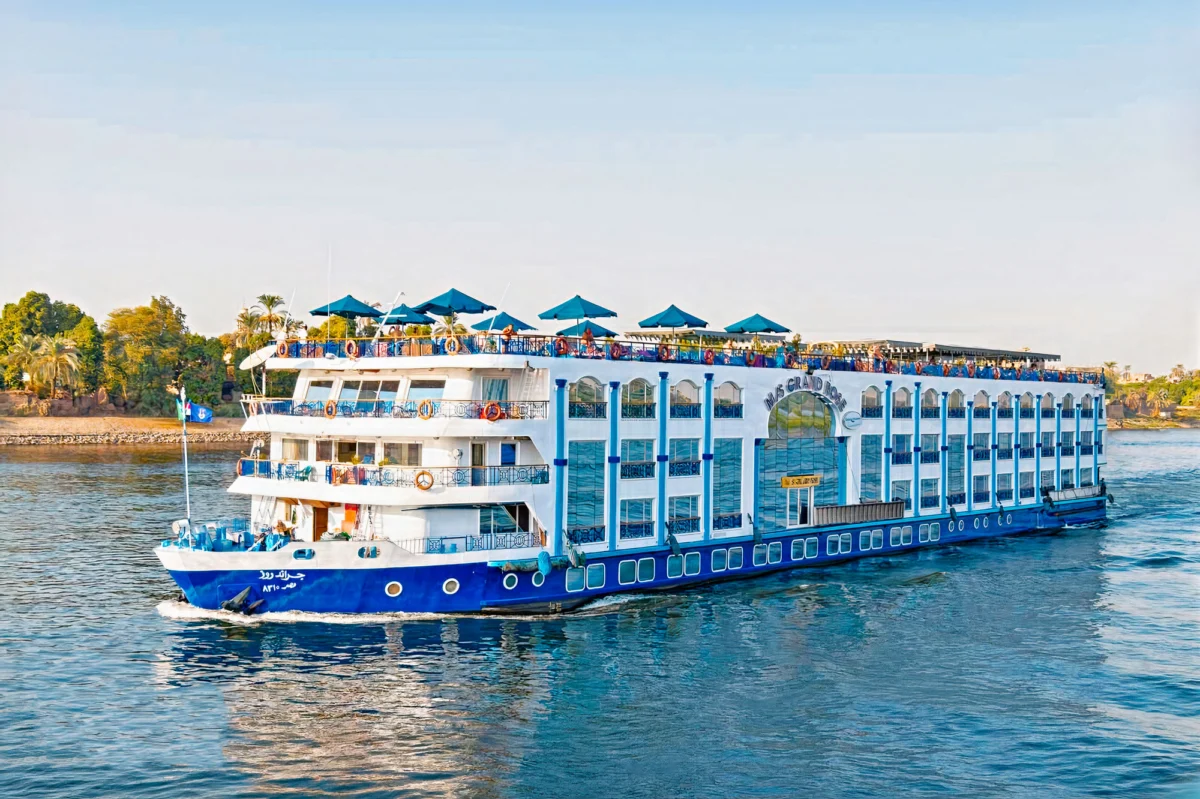
Yes. Nile cruises are among Africa’s most iconic travel experiences, particularly between the Egyptian cities of Luxor and Aswan.
What is the best time to visit the Nile River?
The ideal travel periods are:
- October to April for Egypt, when temperatures are cooler.
- June to September for parts of East Africa, depending on activities and weather.
Is the Nile River safe for tourists?
Yes. Guided tours, cruises, and organized safaris are generally safe when booked through reputable tour operators and when travelers follow local advice.
Can I see the Nile River during an East African safari?
Yes. Travelers can experience sections of the Nile in Uganda, especially around Jinja, which is widely known as a source area of the White Nile and a hub for adventure tourism.
What adventure activities are available on the Nile?
Popular activities include:
- White-water rafting
- Kayaking
- Boat cruises
- Fishing
- Birdwatching
- Bungee jumping (in some locations)
- Stand-up paddleboarding
- Jet boating
- Scenic photography
What fish live in the Nile River?
Common species include:
- Nile perch
- Tilapia
- Catfish
- Tiger fish (in some regions)
Why was the Nile important to Ancient Egypt?
The Nile provided:
- Fresh water
- Fertile farmland
- Transportation
- Food
- Trade routes
Without the Nile, Ancient Egypt could not have flourished.
What are the major attractions along the Nile?
Highlights include:
- Murchison Falls National Park
- Source of the Nile
- Abu Simbel
- Valley of the Kings
- Karnak Temple
- Aswan High Dam
How many people depend on the Nile?
More than 300 million people across the Nile Basin rely on the river for drinking water, agriculture, transportation, fishing, and electricity generation.
Can families visit the Nile?
Yes. Families can enjoy:
- Scenic boat cruises
- Wildlife viewing
- Cultural tours
- Historical landmarks
- Educational experiences
- Nature photography
Is the Nile suitable for photographers?
Absolutely. The Nile offers stunning opportunities to photograph:
- Sunrises and sunsets
- Wildlife
- Historic monuments
- Traditional villages
- River landscapes
- Birds and wetlands
Can I combine the Nile River with an African safari?
Yes. Many travelers combine Nile experiences with safaris in:
- Kenya
- Uganda
- Tanzania
- Rwanda
- Egypt
This creates a diverse itinerary featuring wildlife, culture, history, and adventure.
What should I pack for a Nile River trip?
Recommended items include:
- Lightweight clothing
- Comfortable walking shoes
- Sunscreen
- Hat
- Sunglasses
- Camera
- Binoculars
- Insect repellent
- Reusable water bottle
Are there luxury Nile cruises?
Yes. Travelers can choose from luxury cruise ships featuring:
- Spacious cabins
- Fine dining
- Swimming pools
- Guided excursions
- Spa services
- Cultural entertainment
Why Explore the Nile River with Adeli Kenya Safaris?
Adeli Kenya Safaris offers tailor-made journeys that showcase the wonders of the Nile alongside East Africa’s premier wildlife and cultural destinations. Whether you’re interested in visiting the Source of the Nile in Uganda, enjoying a luxury Nile cruise in Egypt, or combining your river adventure with a safari in Kenya, Tanzania, Rwanda, or Uganda, our experienced team designs seamless itineraries to suit your interests and budget.
With expert planning, knowledgeable local guides, comfortable accommodations, and personalized service, Adeli Kenya Safaris helps you experience one of Africa’s greatest natural wonders through unforgettable river adventures, wildlife encounters, and cultural discoveries.
Nile River is the longest river in Africa and one of the most famous rivers in the world. Stretching approximately 6,650 kilometers (4,130 miles), it flows north through northeastern Africa before emptying into the Mediterranean Sea.
The Nile River basin covers parts of 11 African countries:
- Burundi
- Rwanda
- Tanzania
- Uganda
- Kenya
- Democratic Republic of the Congo
- South Sudan
- Sudan
- Ethiopia
- Eritrea (within the basin)
- Egypt
The Nile stands out because of its:
- Extraordinary length
- Historic significance
- Biodiversity
- Cultural heritage
- Economic importance
- Scenic beauty
- Opportunities for wildlife viewing, river cruises, and adventure activities
The Nile has two major tributaries:
- The White Nile, commonly traced to the region around Lake Victoria, with its most distant headwaters extending farther south.
- The Blue Nile, which originates from Lake Tana.
These rivers meet in Khartoum.
The Nile empties into the Mediterranean Sea through the fertile Nile Delta in northern Egypt.
The Nile is renowned because it:
- Sustained one of the world’s earliest civilizations
- Supports millions of people today
- Flows through diverse landscapes
- Offers world-famous river cruises
- Is rich in wildlife and birdlife
- Has immense historical, cultural, and economic importance
The Nile has traditionally been regarded as the world’s longest river, though some modern measurements suggest the Amazon River may be slightly longer depending on how each river’s source is defined. Both are recognized among the world’s greatest rivers.
The Nile consists of two major tributaries:
- White Nile – Provides a relatively steady year-round flow.
- Blue Nile – Supplies most of the river’s water and fertile silt during the rainy season.
Visitors may encounter:
- Hippos
- Nile crocodiles
- Elephants (in some regions)
- Buffalo
- Antelopes
- Monkeys
- Fish eagles
- Kingfishers
- Herons
- Hundreds of bird species
Yes. Nile cruises are among Africa’s most iconic travel experiences, particularly between the Egyptian cities of Luxor and Aswan.
The ideal travel periods are:
- October to April for Egypt, when temperatures are cooler.
- June to September for parts of East Africa, depending on activities and weather.
Yes. Guided tours, cruises, and organized safaris are generally safe when booked through reputable tour operators and when travelers follow local advice.
Yes. Travelers can experience sections of the Nile in Uganda, especially around Jinja, which is widely known as a source area of the White Nile and a hub for adventure tourism.
Popular activities include:
- White-water rafting
- Kayaking
- Boat cruises
- Fishing
- Birdwatching
- Bungee jumping (in some locations)
- Stand-up paddleboarding
- Jet boating
- Scenic photography
Common species include:
- Nile perch
- Tilapia
- Catfish
- Tiger fish (in some regions)
The Nile provided:
- Fresh water
- Fertile farmland
- Transportation
- Food
- Trade routes
Without the Nile, Ancient Egypt could not have flourished.
Highlights include:
- Murchison Falls National Park
- Source of the Nile
- Abu Simbel
- Valley of the Kings
- Karnak Temple
- Aswan High Dam
More than 300 million people across the Nile Basin rely on the river for drinking water, agriculture, transportation, fishing, and electricity generation.
Yes. Families can enjoy:
- Scenic boat cruises
- Wildlife viewing
- Cultural tours
- Historical landmarks
- Educational experiences
- Nature photography
Absolutely. The Nile offers stunning opportunities to photograph:
- Sunrises and sunsets
- Wildlife
- Historic monuments
- Traditional villages
- River landscapes
- Birds and wetlands
Yes. Many travelers combine Nile experiences with safaris in:
- Kenya
- Uganda
- Tanzania
- Rwanda
- Egypt
This creates a diverse itinerary featuring wildlife, culture, history, and adventure.
Recommended items include:
- Lightweight clothing
- Comfortable walking shoes
- Sunscreen
- Hat
- Sunglasses
- Camera
- Binoculars
- Insect repellent
- Reusable water bottle
Yes. Travelers can choose from luxury cruise ships featuring:
- Spacious cabins
- Fine dining
- Swimming pools
- Guided excursions
- Spa services
- Cultural entertainment
Adeli Kenya Safaris offers tailor-made journeys that showcase the wonders of the Nile alongside East Africa’s premier wildlife and cultural destinations. Whether you’re interested in visiting the Source of the Nile in Uganda, enjoying a luxury Nile cruise in Egypt, or combining your river adventure with a safari in Kenya, Tanzania, Rwanda, or Uganda, our experienced team designs seamless itineraries to suit your interests and budget.
With expert planning, knowledgeable local guides, comfortable accommodations, and personalized service, Adeli Kenya Safaris helps you experience one of Africa’s greatest natural wonders through unforgettable river adventures, wildlife encounters, and cultural discoveries.
5. The Sahara Desert (North Africa – 11 countries) – largest hot desert in the world
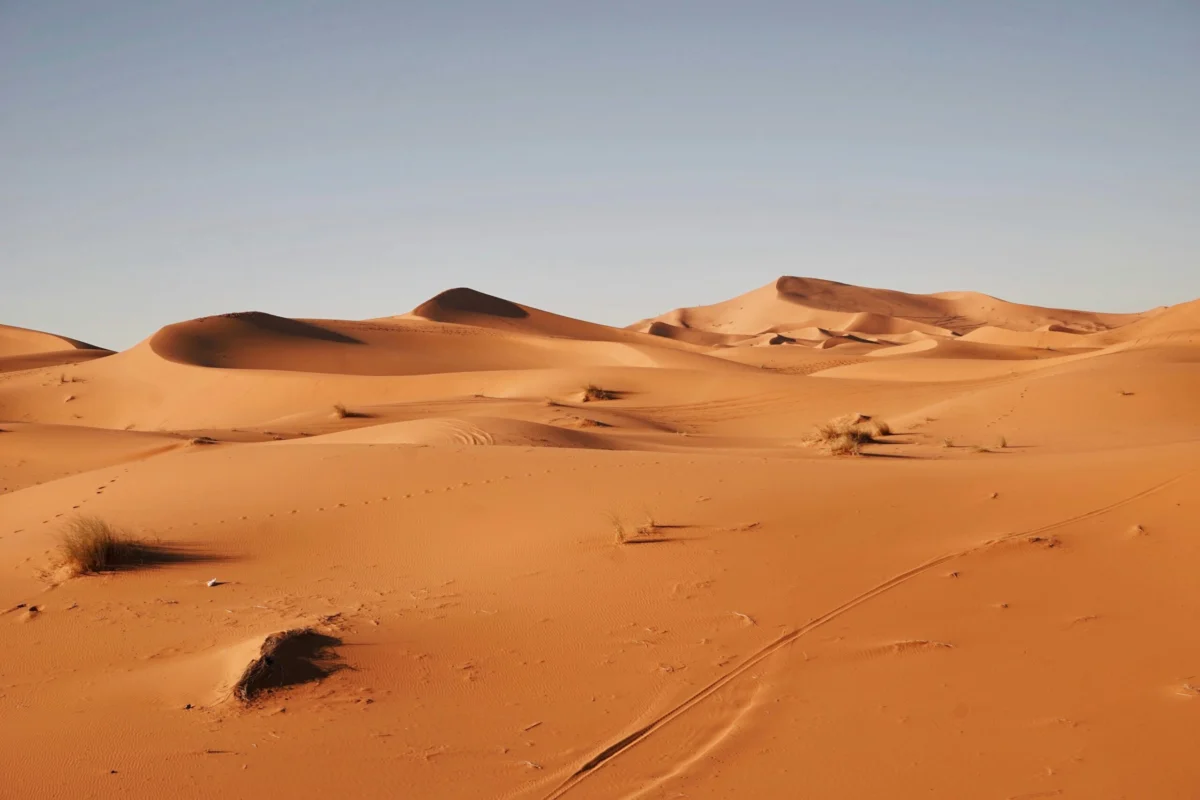 https://www.youtube.com/watch?v=LMHfYnS65w0
The Sahara is the world’s largest hot desert, covering approximately 9.2 million square kilometers across North Africa.
Despite appearing barren, it hosts:
- Sand dunes
- Rock formations
- Desert wildlife
- Ancient trade routes
- Oases
- Nomadic cultures
Top experiences include:
- Camel trekking
- Desert camping
- Stargazing
- 4×4 expeditions
- Photography
Sahara Desert FAQs and expert answers by Adeli Kenya Safaris
What is the Sahara Desert?
Sahara Desert is the largest hot desert in the world, covering approximately 9.2 million square kilometers (3.6 million square miles). It stretches across much of North Africa and is renowned for its towering sand dunes, rocky plateaus, dramatic landscapes, and rich cultural heritage.
Where is the Sahara Desert located?
The Sahara extends across parts of the following countries:
- Algeria
- Chad
- Egypt
- Libya
- Mali
- Mauritania
- Morocco
- Niger
- Sudan
- Tunisia
- Western Sahara
Why is the Sahara Desert famous?
The Sahara is known for:
- Vast golden sand dunes
- Spectacular desert landscapes
- Ancient caravan trade routes
- Camel trekking adventures
- Unique desert wildlife
- Rich Berber and Tuareg cultures
- Incredible stargazing opportunities
- UNESCO World Heritage sites and ancient rock art
How big is the Sahara Desert?
The Sahara spans approximately 9.2 million square kilometers, making it almost as large as the United States and accounting for about one-third of the African continent.
Is the Sahara the largest desert in the world?
The Sahara is the largest hot desert in the world. Overall, the largest deserts are the cold deserts of Antarctica and the Arctic.
What is the weather like in the Sahara Desert?
The Sahara experiences:
- Extremely hot daytime temperatures, often exceeding 40°C (104°F) in summer.
- Cool to cold nights, especially during winter.
- Very little annual rainfall.
- Clear skies for much of the year.
When is the best time to visit the Sahara Desert?
The most comfortable months are:
- October to April, when daytime temperatures are milder and nights are cooler.
Summer travel is possible but can be challenging due to extreme heat.
Which country is best for a Sahara Desert tour?
Popular destinations include:
- Morocco – Erg Chebbi and Erg Chigaga dunes
- Tunisia – Desert oases and film locations
- Egypt – White Desert and Black Desert
- Algeria – Vast remote landscapes
Each offers a distinct desert experience.
What activities can I enjoy in the Sahara Desert?
Popular experiences include:
- Camel trekking
- 4×4 desert safaris
- Sandboarding
- Camping under the stars
- Sunrise and sunset photography
- Cultural visits
- Hiking
- Stargazing
Can you spend the night in the Sahara Desert?
Yes. Many visitors stay in:
- Luxury desert camps
- Traditional Berber camps
- Eco-lodges
- Mobile expedition camps
Overnight stays offer unforgettable sunsets, sunrises, and star-filled skies.
What animals live in the Sahara Desert?
Wildlife includes:
- Fennec foxes
- Dorcas gazelles
- Addax antelope
- Dromedary camels
- Desert hedgehogs
- Desert foxes
- Scorpions
- Lizards
- Snakes
- Numerous migratory and resident bird species
Are camel rides safe?
Yes. Camel trekking is generally safe when conducted by experienced local guides using well-trained animals.
What should I wear in the Sahara Desert?
Recommended clothing includes:
- Lightweight long-sleeved shirts
- Breathable trousers
- Wide-brimmed hat
- Sunglasses
- Scarf or head covering
- Comfortable walking shoes
- Warm layers for cool nights
Is the Sahara Desert safe for tourists?
Many areas of the Sahara are popular tourist destinations and can be visited safely with reputable tour operators. However, conditions and travel advisories vary by country and region, so travelers should always check current government travel advice before planning a trip.
Can families visit the Sahara Desert?
Yes. Family-friendly activities include:
- Camel rides
- Desert camping
- Cultural experiences
- Sand dune exploration
- Stargazing
- Traditional music performances
Can families visit the Sahara Desert?
Yes. Family-friendly activities include:
- Camel rides
- Desert camping
- Cultural experiences
- Sand dune exploration
- Stargazing
- Traditional music performances
What is the highest sand dune in the Sahara?
Some of the tallest dunes are found in regions such as Erg Chebbi, where dunes can reach heights of around 150 meters (492 feet).
What is an oasis?
An oasis is a fertile area in the desert where groundwater reaches the surface, allowing vegetation and human settlements to thrive.
Can you see the Milky Way in the Sahara?
Yes. The Sahara’s low light pollution and clear skies make it one of the world’s best places for observing the Milky Way, planets, and meteor showers.
Is the Sahara good for photography?
Absolutely. Photographers are drawn to:
- Rolling sand dunes
- Dramatic sunrises and sunsets
- Camel caravans
- Desert landscapes
- Night skies
- Traditional villages
- Rocky plateaus and oases
Is the Sahara good for photography?
Absolutely. Photographers are drawn to:
- Rolling sand dunes
- Dramatic sunrises and sunsets
- Camel caravans
- Desert landscapes
- Night skies
- Traditional villages
- Rocky plateaus and oases
How long should I spend in the Sahara Desert?
Most travelers choose:
- 2–3 days for a desert camping experience.
- 4–7 days for a more immersive adventure with cultural visits and multiple desert regions.
Can I combine the Sahara with other African destinations?
Yes. Many travelers combine a Sahara adventure with:
- Morocco imperial cities
- Egypt historical tours
- Tunisia Mediterranean attractions
- East African wildlife safaris in Kenya and Tanzania
What should I pack for a Sahara Desert trip?
Essentials include:
- Sunscreen
- Sunglasses
- Reusable water bottle
- Camera
- Power bank
- Moisturizer and lip balm
- Lightweight backpack
- Flashlight or headlamp
- Personal medications
Why is the Sahara Desert considered one of Africa’s greatest natural wonders?
The Sahara is celebrated for its:
- Immense size
- Stunning landscapes
- Towering sand dunes
- Diverse ecosystems
- Ancient cultural traditions
- Archaeological treasures
- Exceptional stargazing
- Unique adventure experiences
What makes the Sahara Desert unique?
Unlike many deserts, the Sahara is not made up entirely of sand. It also features rocky plateaus, gravel plains, volcanic mountains, dry valleys, salt flats, and scattered oases, creating an incredibly diverse landscape.
Why choose Adeli Kenya Safaris for your Sahara Desert adventure?
Adeli Kenya Safaris creates tailor-made African journeys that can combine the magic of the Sahara Desert with East Africa’s premier wildlife, cultural, and beach destinations. Whether you’re dreaming of a luxury desert camp in Morocco, an adventure through Egypt’s desert landscapes, or a multi-country itinerary that includes Kenya, Tanzania, Rwanda, or Uganda, our experienced travel specialists handle every detail.
With personalized itineraries, expert local partners, carefully selected accommodations, reliable transportation, and outstanding customer service, Adeli Kenya Safaris delivers unforgettable African adventures that showcase the continent’s remarkable natural wonders.
Sahara Desert is the largest hot desert in the world, covering approximately 9.2 million square kilometers (3.6 million square miles). It stretches across much of North Africa and is renowned for its towering sand dunes, rocky plateaus, dramatic landscapes, and rich cultural heritage.
The Sahara extends across parts of the following countries:
- Algeria
- Chad
- Egypt
- Libya
- Mali
- Mauritania
- Morocco
- Niger
- Sudan
- Tunisia
- Western Sahara
The Sahara is known for:
- Vast golden sand dunes
- Spectacular desert landscapes
- Ancient caravan trade routes
- Camel trekking adventures
- Unique desert wildlife
- Rich Berber and Tuareg cultures
- Incredible stargazing opportunities
- UNESCO World Heritage sites and ancient rock art
The Sahara spans approximately 9.2 million square kilometers, making it almost as large as the United States and accounting for about one-third of the African continent.
The Sahara is the largest hot desert in the world. Overall, the largest deserts are the cold deserts of Antarctica and the Arctic.
The Sahara experiences:
- Extremely hot daytime temperatures, often exceeding 40°C (104°F) in summer.
- Cool to cold nights, especially during winter.
- Very little annual rainfall.
- Clear skies for much of the year.
The most comfortable months are:
- October to April, when daytime temperatures are milder and nights are cooler.
Summer travel is possible but can be challenging due to extreme heat.
Popular destinations include:
- Morocco – Erg Chebbi and Erg Chigaga dunes
- Tunisia – Desert oases and film locations
- Egypt – White Desert and Black Desert
- Algeria – Vast remote landscapes
Each offers a distinct desert experience.
Popular experiences include:
- Camel trekking
- 4×4 desert safaris
- Sandboarding
- Camping under the stars
- Sunrise and sunset photography
- Cultural visits
- Hiking
- Stargazing
Yes. Many visitors stay in:
- Luxury desert camps
- Traditional Berber camps
- Eco-lodges
- Mobile expedition camps
Overnight stays offer unforgettable sunsets, sunrises, and star-filled skies.
Wildlife includes:
- Fennec foxes
- Dorcas gazelles
- Addax antelope
- Dromedary camels
- Desert hedgehogs
- Desert foxes
- Scorpions
- Lizards
- Snakes
- Numerous migratory and resident bird species
Yes. Camel trekking is generally safe when conducted by experienced local guides using well-trained animals.
Recommended clothing includes:
- Lightweight long-sleeved shirts
- Breathable trousers
- Wide-brimmed hat
- Sunglasses
- Scarf or head covering
- Comfortable walking shoes
- Warm layers for cool nights
Many areas of the Sahara are popular tourist destinations and can be visited safely with reputable tour operators. However, conditions and travel advisories vary by country and region, so travelers should always check current government travel advice before planning a trip.
Yes. Family-friendly activities include:
- Camel rides
- Desert camping
- Cultural experiences
- Sand dune exploration
- Stargazing
- Traditional music performances
Yes. Family-friendly activities include:
- Camel rides
- Desert camping
- Cultural experiences
- Sand dune exploration
- Stargazing
- Traditional music performances
Some of the tallest dunes are found in regions such as Erg Chebbi, where dunes can reach heights of around 150 meters (492 feet).
An oasis is a fertile area in the desert where groundwater reaches the surface, allowing vegetation and human settlements to thrive.
Yes. The Sahara’s low light pollution and clear skies make it one of the world’s best places for observing the Milky Way, planets, and meteor showers.
Absolutely. Photographers are drawn to:
- Rolling sand dunes
- Dramatic sunrises and sunsets
- Camel caravans
- Desert landscapes
- Night skies
- Traditional villages
- Rocky plateaus and oases
Absolutely. Photographers are drawn to:
- Rolling sand dunes
- Dramatic sunrises and sunsets
- Camel caravans
- Desert landscapes
- Night skies
- Traditional villages
- Rocky plateaus and oases
Most travelers choose:
- 2–3 days for a desert camping experience.
- 4–7 days for a more immersive adventure with cultural visits and multiple desert regions.
Yes. Many travelers combine a Sahara adventure with:
- Morocco imperial cities
- Egypt historical tours
- Tunisia Mediterranean attractions
- East African wildlife safaris in Kenya and Tanzania
Essentials include:
- Sunscreen
- Sunglasses
- Reusable water bottle
- Camera
- Power bank
- Moisturizer and lip balm
- Lightweight backpack
- Flashlight or headlamp
- Personal medications
The Sahara is celebrated for its:
- Immense size
- Stunning landscapes
- Towering sand dunes
- Diverse ecosystems
- Ancient cultural traditions
- Archaeological treasures
- Exceptional stargazing
- Unique adventure experiences
Unlike many deserts, the Sahara is not made up entirely of sand. It also features rocky plateaus, gravel plains, volcanic mountains, dry valleys, salt flats, and scattered oases, creating an incredibly diverse landscape.
Adeli Kenya Safaris creates tailor-made African journeys that can combine the magic of the Sahara Desert with East Africa’s premier wildlife, cultural, and beach destinations. Whether you’re dreaming of a luxury desert camp in Morocco, an adventure through Egypt’s desert landscapes, or a multi-country itinerary that includes Kenya, Tanzania, Rwanda, or Uganda, our experienced travel specialists handle every detail.
With personalized itineraries, expert local partners, carefully selected accommodations, reliable transportation, and outstanding customer service, Adeli Kenya Safaris delivers unforgettable African adventures that showcase the continent’s remarkable natural wonders.
6. The Ngorongoro Crater (Tanzania Northern safari circuit)
 https://www.youtube.com/watch?v=7WV5yDU5ADA
Often called Africa’s Garden of Eden, Ngorongoro Crater is the world’s largest intact volcanic caldera.
It supports:
- Black rhinos
- Lions
- Elephants
- Flamingos
- Buffaloes
- Leopards
- Hippos
The crater offers one of Africa’s highest wildlife densities.
Ngorongoro Conservation Area (Ngorongoro Crater) FAQs and expert answers by Adeli Kenya Safaris
What makes Ngorongoro Crater a good safari destination?
The Ngorongoro Crater is an incredible safari destination that offers visitors a unique and unforgettable wildlife experience. One of the main reasons why the crater is so popular with safari-goers is its incredible concentration of wildlife. The crater is home to an estimated 25,000 large mammals, including elephants, lions, leopards, cheetahs, hyenas, and more. Visitors can enjoy game drives through the crater to observe the animals up close and in their natural habitat.
Stunning Landscapes
In addition to its incredible wildlife, the Ngorongoro Crater is also known for its stunning landscapes. The crater is surrounded by rugged mountains and is home to a diverse range of ecosystems, from lush forests and grassy plains to swamps and soda lakes. The varied landscapes make for a breathtaking backdrop to any safari, and visitors can enjoy panoramic views of the crater from various lookout points.
Cultural Experience
Finally, the Ngorongoro Conservation Area offers visitors a unique cultural experience. The area is home to the Maasai people, who have lived here for centuries and continue to practice their traditional way of life. Visitors can learn about Maasai culture and traditions, visit local villages, and even take part in traditional activities such as cattle herding and beadwork. The Maasai people also play an important role in conservation efforts in the area, and visitors can learn about their efforts to preserve the local wildlife and ecosystems. Overall, the Ngorongoro Crater is a must-visit destination for any safari enthusiast, offering a unique combination of wildlife, landscapes, and culture.
Ngorongoro is a world-renowned conservation area located in northern Tanzania, East Africa. It spans an area of approximately 8,293 square kilometres (3,200 square miles) and encompasses the Ngorongoro Crater, a large volcanic caldera that is home to a diverse range of wildlife. The area is also home to the Maasai people, who have lived here for centuries and continue to practice their traditional way of life.
A UNESCO World Heritage Site
The Ngorongoro Conservation Area is a UNESCO World Heritage Site and is widely regarded as one of the most important and unique conservation areas in the world. It is home to a wide range of wildlife, including the “big five” (lions, elephants, leopards, rhinoceroses, and Cape buffalos), as well as numerous other species such as zebras, giraffes, hippos, and wildebeest. The area is also known for its stunning landscapes, which include lush forests, grassy plains, and rugged mountain ranges.
Home of the Ngorongoro Crater
One of the main attractions of the Ngorongoro Conservation Area is the Ngorongoro Crater, which is often described as a natural wonder of the world. The crater is the largest unbroken caldera in the world and is home to an incredible array of wildlife, including over 25,000 large mammals. Visitors can enjoy game drives and guided walks to explore the crater and observe the animals in their natural habitat. The area also offers a range of accommodation options, from luxury lodges to basic campsites, making it accessible to a wide range of budgets and travel styles.
When is the best time to visit Ngorongoro Conservation Area?
The Ngorongoro Conservation Area is a year-round destination, but the best time to visit will depend on your specific interests and priorities. Here are some things to consider when planning your visit to the area:
Weather and Wildlife
The best time to visit the Ngorongoro Conservation Area for wildlife viewing is during the dry season, which typically runs from June to October. During this time, the vegetation is less dense, and animals tend to congregate around water sources, making them easier to spot. The dry season also offers pleasant weather conditions, with cool temperatures and clear skies. However, this is also the busiest time of year, so expect crowds and higher prices.
Low Season
If you prefer to avoid the crowds, the low season from April to May is a good option. During this time, there are fewer visitors, and prices are generally lower. However, it’s important to note that this is also the rainy season, so expect wet conditions and potentially muddy roads. On the plus side, the rain brings lush vegetation, and many animals give birth during this time, so there are plenty of cute baby animals to spot.
Shoulder Season
The shoulder season from November to March is a good compromise between the busy and low seasons. The weather is still pleasant, with occasional rain showers, and there are fewer visitors than during the peak season. Wildlife viewing is still good, although some animals may be harder to spot due to the denser vegetation. This is also a good time for bird watching, as many migratory species visit the area during this time.
Any Time is a Good Time to Visit Ngorongoro
Overall, the best time to visit the Ngorongoro Conservation Area will depend on your preferences and priorities, but with its year-round wildlife viewing opportunities, there is no wrong time to visit.
What other safari parks are near Ngorongoro Conservation Area?
If you’re planning a safari to the Ngorongoro Conservation Area, you’ll be pleased to know that there are several other top-notch parks and reserves in the surrounding area that you can easily combine with your visit. Here are some of the best safari parks near the Ngorongoro Conservation Area:
Serengeti National Park
The Serengeti National Park is perhaps the most famous safari destination in Tanzania, and for good reason. The park is home to the annual wildebeest migration, where millions of wildebeest and other grazers move across the plains in search of fresh grazing. The park is also home to a large number of predators, including lions, cheetahs, and leopards. Visitors to the park can enjoy game drives, hot air balloon safaris, and guided walks.
Lake Manyara National Park
Lake Manyara National Park is a compact park that packs a punch in terms of wildlife viewing opportunities. The park is known for its tree-climbing lions, as well as its large elephant herds and prolific birdlife. Visitors can enjoy game drives, night drives, and guided walks, as well as cultural activities such as visits to local villages.
Tarangire National Park
Tarangire National Park is known for its large elephant herds, which congregate around the Tarangire River during the dry season. The park is also home to a diverse range of other wildlife, including giraffes, zebras, and a variety of antelope species. Visitors can enjoy game drives, guided walks, and cultural activities such as visits to local Maasai villages.
Overall, the Ngorongoro Conservation Area is an excellent base from which to explore the surrounding safari parks and reserves. With our multi-park safari tours, you can easily combine these multiple parks into a single itinerary and experience the best of Tanzania’s wildlife and landscapes.
How do you pronounce Ngorongoro?
The name “Ngorongoro” can be a bit tricky to pronounce for non-native speakers, but it’s not as difficult as it may seem at first glance. Here’s a guide to pronouncing the name correctly:
Pronunciation
The first syllable is pronounced “ngoh,” with a nasal sound at the beginning that’s similar to the “ng” sound in the English word “sing.” The second syllable is “roh,” pronounced with a long “o” sound as in “go.” The final syllable is “ngoh” again, with the same nasal sound as the first syllable. So the full pronunciation is something like “ngoh-ROH-ngoh.”
Local Languages
The name “Ngorongoro” comes from the Maasai language, which is spoken by the Maasai people who live in the area. The Maasai are one of the indigenous cultures in the region, and their language is one of several that are spoken in Tanzania. Other local languages include Swahili, which is the national language of Tanzania and widely spoken throughout East Africa, as well as various Bantu languages such as Kinyarwanda and Kirundi.
Cultural Importance
The Ngorongoro Conservation Area is not only a wildlife destination but also a place of cultural importance. The Maasai people have lived in the area for centuries and still maintain their traditional way of life, with a strong connection to the land and its wildlife. Visitors to the area can learn about Maasai culture through cultural activities such as visits to local villages, where they can see traditional dances, meet local artisans, and learn about the Maasai’s unique way of life.
The Ngorongoro Conservation Area is a vast, protected area in northern Tanzania that is home to a wide range of wildlife, including the iconic Ngorongoro Crater. Here’s what you need to know about this fascinating geological wonder:
Formation and Location
The Ngorongoro Crater is a large, volcanic caldera that was formed millions of years ago when a massive volcano exploded and collapsed in on itself. The crater is located within the Ngorongoro Conservation Area and is surrounded by steep walls that rise up to 600 meters in some places. The crater is around 20 kilometres wide and is home to a diverse array of plant and animal life.
Wildlife in the Crater
The Ngorongoro Crater is one of the best places in Tanzania to see wildlife up close and personal. The crater floor is home to a wide range of grazing animals such as wildebeest, zebras, and gazelles, as well as predators such as lions, hyenas, and cheetahs. The crater is also home to a large population of elephants and is one of the best places in Tanzania to see black rhinos. Visitors to the crater can enjoy game drives, guided walks, and cultural activities such as visits to local Maasai villages.
Visit Ngorongoro Crater for a Truly Unforgettable Safari Experience
Overall, the Ngorongoro Crater is a must-visit destination for anyone interested in wildlife and natural history. With its stunning landscapes and diverse array of plant and animal life, the crater offers visitors a truly unforgettable safari experience.
Why is Ngorongoro Crater famous?
The Ngorongoro Crater is one of the most famous and spectacular natural wonders in Africa. Here are some of the reasons why it is so well-known and highly regarded:
1. Biodiversity
The Ngorongoro Crater is home to an incredible variety of wildlife, including some of the most iconic and sought-after species in Africa. The crater’s diverse habitats, ranging from grasslands and wetlands to forests and rocky outcrops, support a wide range of animals, from large herds of grazing mammals to predators such as lions, cheetahs, and hyenas. The crater is also one of the few places in Tanzania where you can still see black rhinos in the wild.
2. Unique Setting
The Ngorongoro Crater’s dramatic setting also adds to its fame and allure. The crater is situated within the Ngorongoro Conservation Area, a vast protected area that encompasses forests, savannas, and highlands, as well as numerous other natural and cultural attractions. Visitors to the area can enjoy stunning views of the crater from viewpoints on the rim, and can also explore the surrounding landscape on foot, on horseback, or by vehicle.
3. Cultural Significance
Finally, the Ngorongoro Crater is also famous for its cultural significance. The Maasai people have lived in the area for centuries, and their traditional way of life and close connection to the land and its wildlife have made them an important part of the region’s cultural heritage. Visitors to the area can learn about Maasai culture through cultural activities such as visits to local villages and traditional dances, making the Ngorongoro Crater not just a wildlife destination but also a cultural one.
How was the Ngorongoro Crater formed?
The formation of the Ngorongoro Crater is a fascinating geological story that goes back millions of years. Here is a brief overview of how the crater was formed:
Volcanic Activity
Around three million years ago, a massive volcanic eruption occurred in what is now northern Tanzania. The eruption was so powerful that it created a vast caldera, or collapsed volcano, that is now known as the Ngorongoro Crater. The eruption also created the nearby Olmoti and Empakaai craters.
Geological Evolution
Over time, the Ngorongoro Crater continued to evolve, shaped by erosion, tectonic activity, and changes in climate and vegetation. The crater’s unique topography and geology have played a key role in creating its diverse habitats and supporting its rich biodiversity. For example, the crater’s high walls create a natural barrier that helps to retain water, creating a wetland habitat that is vital for many species.
Conservation and Protection
Today, the Ngorongoro Crater and the surrounding Ngorongoro Conservation Area are protected as a UNESCO World Heritage Site, recognized for their outstanding natural and cultural value. The area is managed by the Ngorongoro Conservation Area Authority, which works to balance conservation with sustainable tourism and the needs of the local Maasai communities. As one of Tanzania’s most iconic and beloved natural wonders, the Ngorongoro Crater continues to inspire and fascinate visitors from around the world.
What is the Ngorongoro Crater size?
The Ngorongoro Crater is one of the largest volcanic calderas in the world, with a diameter of approximately 19.2 kilometers (11.9 miles) and a depth of more than 610 meters (2,000 feet) – double the height of the Eiffel Tower. It covers an area of approximately 260 square kilometers (100 square miles) and is home to a remarkable variety of wildlife and ecosystems. Here is more information about the size of the Ngorongoro Crater:
Comparison to Other Craters
To give a sense of the Ngorongoro Crater’s size, it is useful to compare it to other well-known volcanic calderas. For example, the Yellowstone Caldera in the United States is approximately 55 kilometers (34 miles) in diameter, while the Toba Caldera in Indonesia measures around 100 kilometers (62 miles) across. By contrast, the Ngorongoro Crater is relatively small, but its high walls and unique topography make it a fascinating and highly biodiverse ecosystem.
Protected Area
The Ngorongoro Crater and the surrounding Ngorongoro Conservation Area are protected as a UNESCO World Heritage Site and a crucial part of Tanzania’s natural heritage. The conservation area covers more than 8,000 square kilometers (3,100 square miles) and includes a range of habitats, from montane forest to grassland and acacia woodland. In addition to the Ngorongoro Crater, the area is home to other iconic sites such as Olduvai Gorge, a world-famous archaeological site where fossils of early human ancestors have been found. Together, these areas represent some of the most important natural and cultural treasures in Tanzania and the world.
What is the Ngorongoro climate like?
Ngorongoro Conservation Area is situated in a highland plateau region, which means that its climate is cooler and milder compared to other safari destinations in Tanzania. The area experiences a temperate climate with mild temperatures throughout the year.
Ngorongoro Temperatures
Temperatures in the Ngorongoro Conservation Area are generally cool and comfortable, with daytime temperatures ranging from 15°C to 25°C (59°F to 77°F) and night-time temperatures ranging from 5°C to 10°C (41°F to 50°F). The temperatures tend to be slightly cooler during the months of June to August, which is Tanzania’s winter season. Visitors are therefore advised to pack warm clothing, especially for early morning game drives and evening walks.
Seasons of Ngorongoro
The area experiences two rainy seasons, the first being from March to May and the second from November to December. During these periods, the weather tends to be wetter and the landscape more lush and green. The rest of the year is generally dry and sunny, which is ideal for game viewing. Visitors planning to visit the Ngorongoro Conservation Area are advised to check the weather forecast prior to their trip and pack accordingly.
What safari wildlife can be seen in Ngorongoro Conservation Area?
The Ngorongoro Conservation Area is a unique safari destination, as it boasts an incredibly diverse array of wildlife species. This area is home to the famous Ngorongoro Crater, which is the largest unflooded, intact volcanic caldera in the world. Visitors to this area can expect to see an abundance of wildlife species, from big game to small and elusive predators.
Big Game
The Ngorongoro Conservation Area is home to some of the world’s most famous big game animals, including the African elephant, lion, leopard, buffalo, and black rhino. These animals can be seen grazing and roaming around the grasslands of the crater. The Ngorongoro Crater is also home to the largest population of Masai giraffes in the world, which can be seen gracefully wandering around the crater.
Elusive Predators
Aside from big game, the Ngorongoro Conservation Area is also home to elusive predators such as cheetahs and hyenas. These animals can often be seen stalking their prey and hunting in the early mornings or late afternoons. Visitors to this area can also spot smaller predators such as the bat-eared fox and the aardvark, which are nocturnal and can be spotted on guided night drives.
Birdlife
The Ngorongoro Conservation Area is a haven for bird enthusiasts, as it is home to over 500 bird species. Visitors can spot various bird species such as flamingos, eagles, vultures, ostriches, and secretary birds, amongst others. Birdwatchers can also take guided walks and drives around the crater to spot some of the rare and unique bird species that call this area home.
7. The Red Sea Reef System
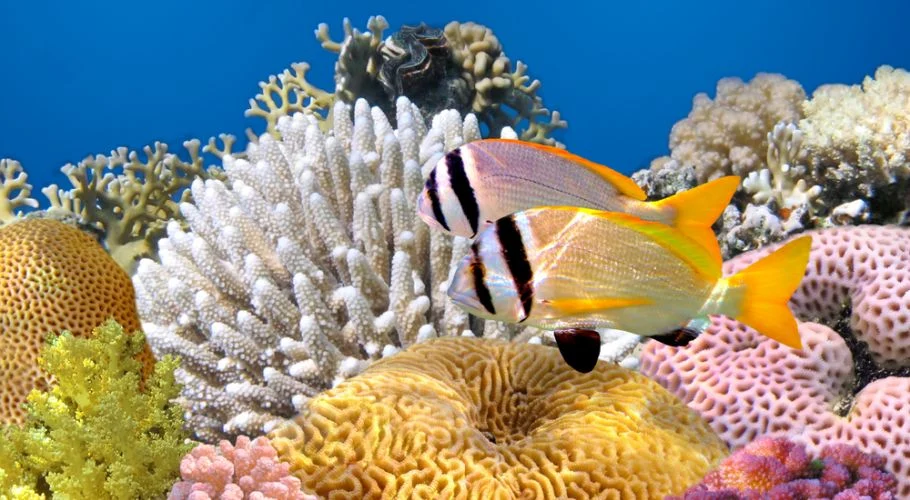 https://www.youtube.com/watch?v=UnpgheQe93Q
Stretching along northeastern Africa, the Red Sea features some of the world’s healthiest coral reefs.
Visitors enjoy:
- Scuba diving
- Snorkeling
- Marine photography
- Dolphin encounters
- Coral gardens
- Shipwreck diving
Marine life includes:
- Sea turtles
- Reef sharks
- Rays
- Colorful tropical fish
- Dolphins
Red Sea Reef System FAQs and expert answers by Adeli Kenya Safaris
What is the Red Sea Reef System?
The Red Sea Reef System is one of the world’s most diverse and well-preserved coral reef ecosystems. Stretching along the coasts of countries bordering the Red Sea, it is famous for its crystal-clear waters, vibrant coral gardens, abundant marine life, and world-class diving and snorkeling opportunities. It is widely regarded as one of Africa’s greatest natural wonders.
Where is the Red Sea Reef System located?
The Red Sea Reef System extends along the coastlines of several countries, including:
- Egypt
- Sudan
- Eritrea
- Saudi Arabia
- Jordan
- Israel
- Yemen
Egypt’s Red Sea coast is the most popular destination for reef tourism.
Why is the Red Sea Reef System famous?
The reef system is renowned for:
- Exceptional coral diversity
- More than 1,200 species of fish
- Crystal-clear water with excellent visibility
- Warm temperatures year-round
- World-class scuba diving and snorkeling
- Shipwreck diving
- Colorful coral formations
- Unique marine species, including many found nowhere else
What marine life can I see in the Red Sea?
Visitors may encounter:
- Clownfish
- Butterflyfish
- Angelfish
- Parrotfish
- Sea turtles
- Dolphins
- Reef sharks
- Moray eels
- Rays
- Octopuses
- Giant clams
- Vibrant hard and soft corals
Depending on the season and location, larger pelagic species such as whale sharks may also be seen.
What marine life can I see in the Red Sea?
Visitors may encounter:
- Clownfish
- Butterflyfish
- Angelfish
- Parrotfish
- Sea turtles
- Dolphins
- Reef sharks
- Moray eels
- Rays
- Octopuses
- Giant clams
- Vibrant hard and soft corals
Depending on the season and location, larger pelagic species such as whale sharks may also be seen.
When is the best time to visit the Red Sea Reef System?
The Red Sea can be enjoyed throughout the year, but the best conditions are generally from:
- March to May (spring)
- September to November (autumn)
These months offer pleasant temperatures, calm seas, and excellent underwater visibility.
Is the Red Sea good for beginners?
Yes. The Red Sea offers numerous calm, shallow reefs that are ideal for first-time snorkelers and beginner scuba divers, alongside advanced dive sites for experienced divers.
What are the best activities besides scuba diving?
In addition to diving, visitors can enjoy:
- Snorkeling
- Glass-bottom boat tours
- Sailing
- Fishing (where permitted)
- Kiteboarding
- Windsurfing
- Dolphin watching
- Beach relaxation
- Underwater photography
Is the Red Sea Reef System suitable for families?
Absolutely. Families can enjoy safe snorkeling areas, sandy beaches, marine parks, educational boat excursions, and resort activities suitable for children and adults alike.
What should I bring for a Red Sea reef trip?
Essential items include:
- Swimwear
- Reef-safe sunscreen
- Sunglasses
- Wide-brimmed hat
- Waterproof camera
- Snorkeling gear (if preferred)
- Lightweight clothing
- Reusable water bottle
- Waterproof bag
What should I bring for a Red Sea reef trip?
Essential items include:
- Swimwear
- Reef-safe sunscreen
- Sunglasses
- Wide-brimmed hat
- Waterproof camera
- Snorkeling gear (if preferred)
- Lightweight clothing
- Reusable water bottle
- Waterproof bag
Why book a Red Sea adventure with Adeli Kenya Safaris?
Adeli Kenya Safaris offers customized African travel experiences that can combine the spectacular Red Sea Reef System with unforgettable safaris, cultural tours, and beach holidays across Africa. Whether you’re interested in snorkeling among colorful coral reefs, learning to scuba dive, or pairing your Red Sea escape with wildlife adventures in Kenya, Tanzania, Uganda, or Rwanda, our expert team designs seamless itineraries tailored to your travel style and budget.
With professional planning, trusted local partners, quality accommodations, and personalized service, Adeli Kenya Safaris ensures your Red Sea holiday is relaxing, adventurous, and truly unforgettable.
The Red Sea Reef System is one of the world’s most diverse and well-preserved coral reef ecosystems. Stretching along the coasts of countries bordering the Red Sea, it is famous for its crystal-clear waters, vibrant coral gardens, abundant marine life, and world-class diving and snorkeling opportunities. It is widely regarded as one of Africa’s greatest natural wonders.
The Red Sea Reef System extends along the coastlines of several countries, including:
- Egypt
- Sudan
- Eritrea
- Saudi Arabia
- Jordan
- Israel
- Yemen
Egypt’s Red Sea coast is the most popular destination for reef tourism.
The reef system is renowned for:
- Exceptional coral diversity
- More than 1,200 species of fish
- Crystal-clear water with excellent visibility
- Warm temperatures year-round
- World-class scuba diving and snorkeling
- Shipwreck diving
- Colorful coral formations
- Unique marine species, including many found nowhere else
Visitors may encounter:
- Clownfish
- Butterflyfish
- Angelfish
- Parrotfish
- Sea turtles
- Dolphins
- Reef sharks
- Moray eels
- Rays
- Octopuses
- Giant clams
- Vibrant hard and soft corals
Depending on the season and location, larger pelagic species such as whale sharks may also be seen.
Visitors may encounter:
- Clownfish
- Butterflyfish
- Angelfish
- Parrotfish
- Sea turtles
- Dolphins
- Reef sharks
- Moray eels
- Rays
- Octopuses
- Giant clams
- Vibrant hard and soft corals
Depending on the season and location, larger pelagic species such as whale sharks may also be seen.
The Red Sea can be enjoyed throughout the year, but the best conditions are generally from:
- March to May (spring)
- September to November (autumn)
These months offer pleasant temperatures, calm seas, and excellent underwater visibility.
Yes. The Red Sea offers numerous calm, shallow reefs that are ideal for first-time snorkelers and beginner scuba divers, alongside advanced dive sites for experienced divers.
In addition to diving, visitors can enjoy:
- Snorkeling
- Glass-bottom boat tours
- Sailing
- Fishing (where permitted)
- Kiteboarding
- Windsurfing
- Dolphin watching
- Beach relaxation
- Underwater photography
Absolutely. Families can enjoy safe snorkeling areas, sandy beaches, marine parks, educational boat excursions, and resort activities suitable for children and adults alike.
Essential items include:
- Swimwear
- Reef-safe sunscreen
- Sunglasses
- Wide-brimmed hat
- Waterproof camera
- Snorkeling gear (if preferred)
- Lightweight clothing
- Reusable water bottle
- Waterproof bag
Essential items include:
- Swimwear
- Reef-safe sunscreen
- Sunglasses
- Wide-brimmed hat
- Waterproof camera
- Snorkeling gear (if preferred)
- Lightweight clothing
- Reusable water bottle
- Waterproof bag
Adeli Kenya Safaris offers customized African travel experiences that can combine the spectacular Red Sea Reef System with unforgettable safaris, cultural tours, and beach holidays across Africa. Whether you’re interested in snorkeling among colorful coral reefs, learning to scuba dive, or pairing your Red Sea escape with wildlife adventures in Kenya, Tanzania, Uganda, or Rwanda, our expert team designs seamless itineraries tailored to your travel style and budget.
With professional planning, trusted local partners, quality accommodations, and personalized service, Adeli Kenya Safaris ensures your Red Sea holiday is relaxing, adventurous, and truly unforgettable.
Many areas of the Sahara are popular tourist destinations and can be visited safely with reputable tour operators. However, conditions and travel advisories vary by country and region, so travelers should always check current government travel advice before planning a trip.
Yes. Family-friendly activities include:
- Camel rides
- Desert camping
- Cultural experiences
- Sand dune exploration
- Stargazing
- Traditional music performances
Yes. Family-friendly activities include:
- Camel rides
- Desert camping
- Cultural experiences
- Sand dune exploration
- Stargazing
- Traditional music performances
Some of the tallest dunes are found in regions such as Erg Chebbi, where dunes can reach heights of around 150 meters (492 feet).
An oasis is a fertile area in the desert where groundwater reaches the surface, allowing vegetation and human settlements to thrive.
Yes. The Sahara’s low light pollution and clear skies make it one of the world’s best places for observing the Milky Way, planets, and meteor showers.
Absolutely. Photographers are drawn to:
- Rolling sand dunes
- Dramatic sunrises and sunsets
- Camel caravans
- Desert landscapes
- Night skies
- Traditional villages
- Rocky plateaus and oases
Absolutely. Photographers are drawn to:
- Rolling sand dunes
- Dramatic sunrises and sunsets
- Camel caravans
- Desert landscapes
- Night skies
- Traditional villages
- Rocky plateaus and oases
Most travelers choose:
- 2–3 days for a desert camping experience.
- 4–7 days for a more immersive adventure with cultural visits and multiple desert regions.
Yes. Many travelers combine a Sahara adventure with:
- Morocco imperial cities
- Egypt historical tours
- Tunisia Mediterranean attractions
- East African wildlife safaris in Kenya and Tanzania
Essentials include:
- Sunscreen
- Sunglasses
- Reusable water bottle
- Camera
- Power bank
- Moisturizer and lip balm
- Lightweight backpack
- Flashlight or headlamp
- Personal medications
The Sahara is celebrated for its:
- Immense size
- Stunning landscapes
- Towering sand dunes
- Diverse ecosystems
- Ancient cultural traditions
- Archaeological treasures
- Exceptional stargazing
- Unique adventure experiences
Unlike many deserts, the Sahara is not made up entirely of sand. It also features rocky plateaus, gravel plains, volcanic mountains, dry valleys, salt flats, and scattered oases, creating an incredibly diverse landscape.
Adeli Kenya Safaris creates tailor-made African journeys that can combine the magic of the Sahara Desert with East Africa’s premier wildlife, cultural, and beach destinations. Whether you’re dreaming of a luxury desert camp in Morocco, an adventure through Egypt’s desert landscapes, or a multi-country itinerary that includes Kenya, Tanzania, Rwanda, or Uganda, our experienced travel specialists handle every detail.
With personalized itineraries, expert local partners, carefully selected accommodations, reliable transportation, and outstanding customer service, Adeli Kenya Safaris delivers unforgettable African adventures that showcase the continent’s remarkable natural wonders.
14-Day Seven Natural Wonders of Africa Safari wih Adeli Kenya Safaris
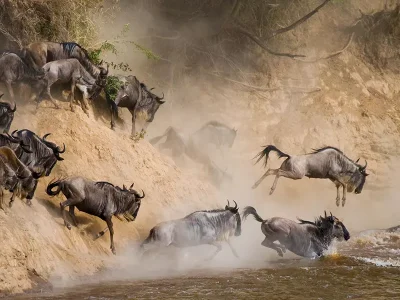
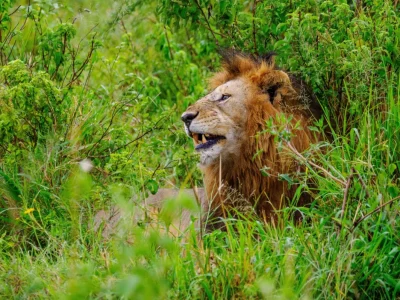
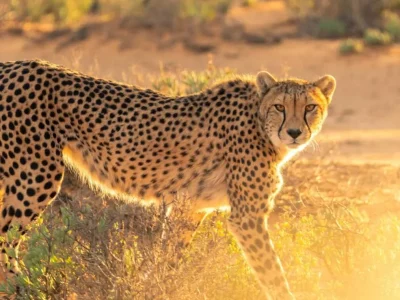
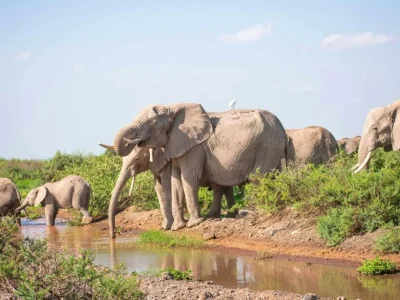
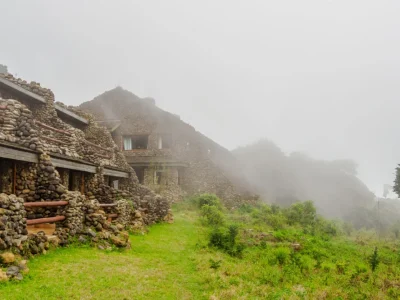
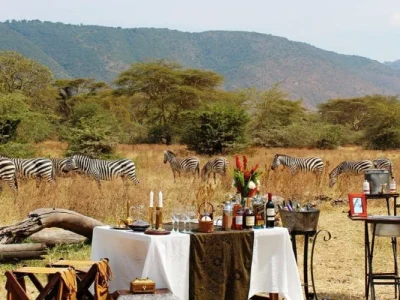
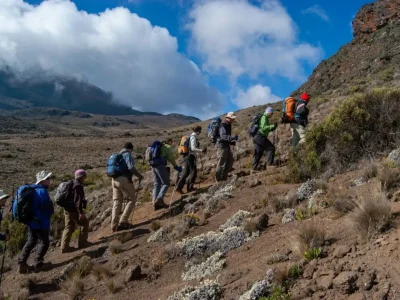
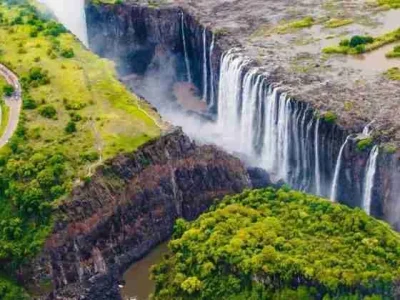
Day 1
Arrival in Nairobi
Days 2–5
Maasai Mara – Great Migration
Day 6
Amboseli National Park
Days 7–9
Mount Kilimanjaro & Ngorongoro
Days 10–11
Days 12–13
Victoria Falls
Day 14
Departure
Optional extensions:
- Zanzibar
- Uganda Gorilla Trekking
- Rwanda
- Nile River Cruise
- Red Sea Diving
- Sahara Desert Expedition
Why explore Africa’s Natural Wonders with Adeli Kenya Safaris?

Choosing Adeli Kenya Safaris means enjoying:
- Tailor-made safari holidays
- Competitive pricing
- Experienced multilingual guides
- Comfortable safari vehicles
- 24/7 travel support
- Flexible booking options
- Trusted local expertise
- Excellent customer service
- Cross-border safari planning
- Memorable and authentic experiences
Whether you dream of witnessing the Great Migration, standing beside the mighty Victoria Falls, climbing Mount Kilimanjaro, exploring the Ngorongoro Crater, cruising the Nile, diving in the Red Sea, or venturing into the Sahara Desert, Adeli Kenya Safaris can turn your African adventure into reality.
General FAQs regarding the Seven Natural Wonders of Africa
What are the Seven Natural Wonders of Africa?
They are the Great Migration, Victoria Falls, Mount Kilimanjaro, the Nile River, the Sahara Desert, Ngorongoro Crater, and the Red Sea Reef System.
Which African natural wonder is best for wildlife?
The Great Migration and Ngorongoro Crater offer some of the world’s finest wildlife viewing experiences, including opportunities to see the Big Five.
Can I visit several natural wonders on one trip?
Yes. Adeli Kenya Safaris designs multi-country itineraries that combine destinations such as Kenya, Tanzania, Zambia, Zimbabwe, Uganda, Egypt, and other African highlights into one seamless journey.
What is the best time to see the Great Migration?
The famous Mara River crossings typically occur from July to October in Kenya, while calving season in Tanzania usually takes place from December to March.
Is Mount Kilimanjaro suitable for beginners?
Many first-time trekkers successfully summit Mount Kilimanjaro with proper preparation, fitness, acclimatization, and experienced guides.
Which natural wonder is best for photographers?
All seven are exceptional, but the Great Migration, Victoria Falls, Ngorongoro Crater, and Mount Kilimanjaro are especially renowned for landscape and wildlife photography.
Are family-friendly tours available?
Yes. Adeli Kenya Safaris offers customized family safaris with child-friendly accommodations, activities, and flexible itineraries.
Do you offer accessible safaris for travelers with disabilities?
Yes. Adeli Kenya Safaris provides accessible safari options with adapted vehicles, suitable accommodations, and personalized assistance to ensure an enjoyable experience for travelers with different mobility needs.
Can honeymooners visit the Seven Natural Wonders?
Absolutely. Romantic safari packages can combine luxury lodges, private game drives, hot-air balloon rides, beach extensions in Zanzibar, and sunset cruises at Victoria Falls.
How do I book a Seven Natural Wonders of Africa safari?
Contact Adeli Kenya Safaris with your travel dates, group size, interests, and budget. A travel specialist will create a personalized itinerary tailored to your preferences.
Your dream safari / holiday is just a call or email away. Contact Adeli Kenya Safaris today. Tel: +254720564538 | WhatsApp: +254720564538 | Email: [email protected]
They are the Great Migration, Victoria Falls, Mount Kilimanjaro, the Nile River, the Sahara Desert, Ngorongoro Crater, and the Red Sea Reef System.
The Great Migration and Ngorongoro Crater offer some of the world’s finest wildlife viewing experiences, including opportunities to see the Big Five.
Yes. Adeli Kenya Safaris designs multi-country itineraries that combine destinations such as Kenya, Tanzania, Zambia, Zimbabwe, Uganda, Egypt, and other African highlights into one seamless journey.
The famous Mara River crossings typically occur from July to October in Kenya, while calving season in Tanzania usually takes place from December to March.
Many first-time trekkers successfully summit Mount Kilimanjaro with proper preparation, fitness, acclimatization, and experienced guides.
All seven are exceptional, but the Great Migration, Victoria Falls, Ngorongoro Crater, and Mount Kilimanjaro are especially renowned for landscape and wildlife photography.
Yes. Adeli Kenya Safaris offers customized family safaris with child-friendly accommodations, activities, and flexible itineraries.
Yes. Adeli Kenya Safaris provides accessible safari options with adapted vehicles, suitable accommodations, and personalized assistance to ensure an enjoyable experience for travelers with different mobility needs.
Absolutely. Romantic safari packages can combine luxury lodges, private game drives, hot-air balloon rides, beach extensions in Zanzibar, and sunset cruises at Victoria Falls.
Contact Adeli Kenya Safaris with your travel dates, group size, interests, and budget. A travel specialist will create a personalized itinerary tailored to your preferences.
Your dream safari / holiday is just a call or email away. Contact Adeli Kenya Safaris today. Tel: +254720564538 | WhatsApp: +254720564538 | Email: [email protected]