African Lions (Panthera leo) are part of the renowned Big Five animals of the animal Kingdom whose other members include African Elephant (Loxodonta africana), Leopard (Panthera pardus), Black Rhinoceros ( Diceros bicornis) and AfricanBuffalo (Syncerus caffer). The are also part of the Big cats family whose other members include Cheetah (Acinonyx jubatus), Leopard (Panthera pardus), Tiger (Panthera tigris), Jaguar (Panthera onca) and Snow Leopard (Panthera uncia).
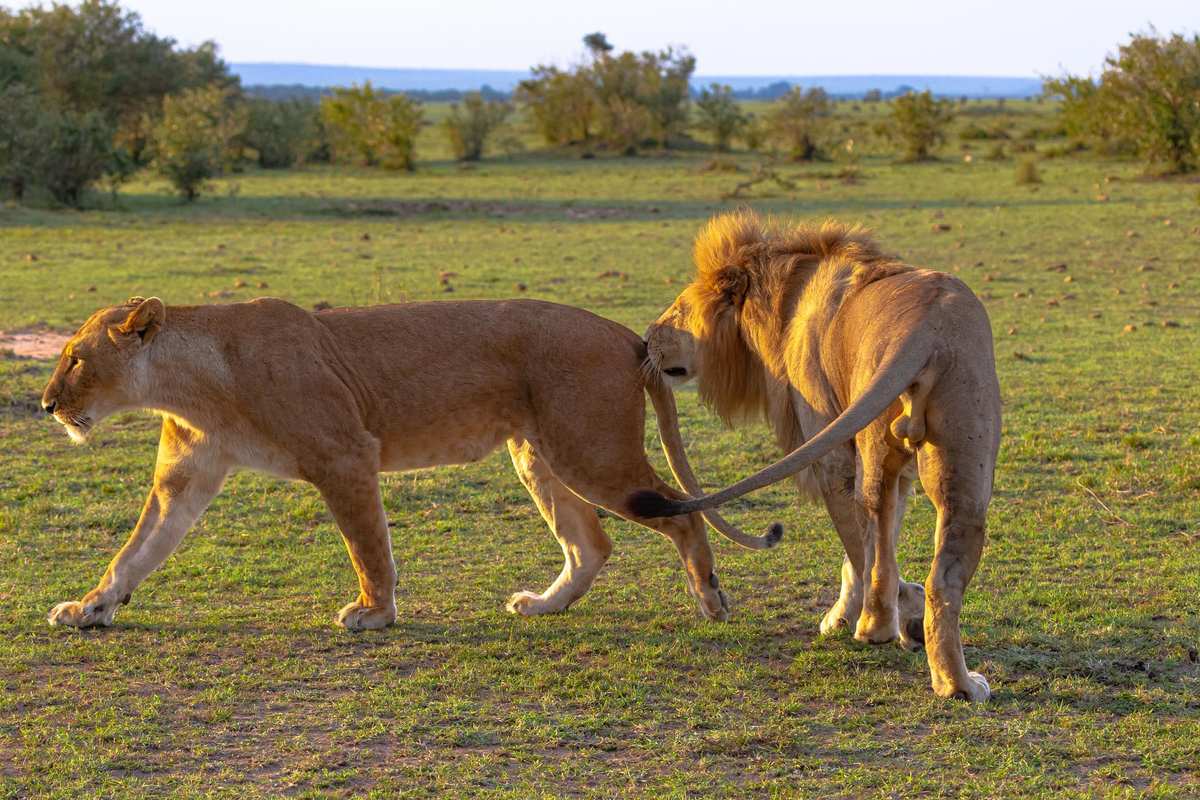
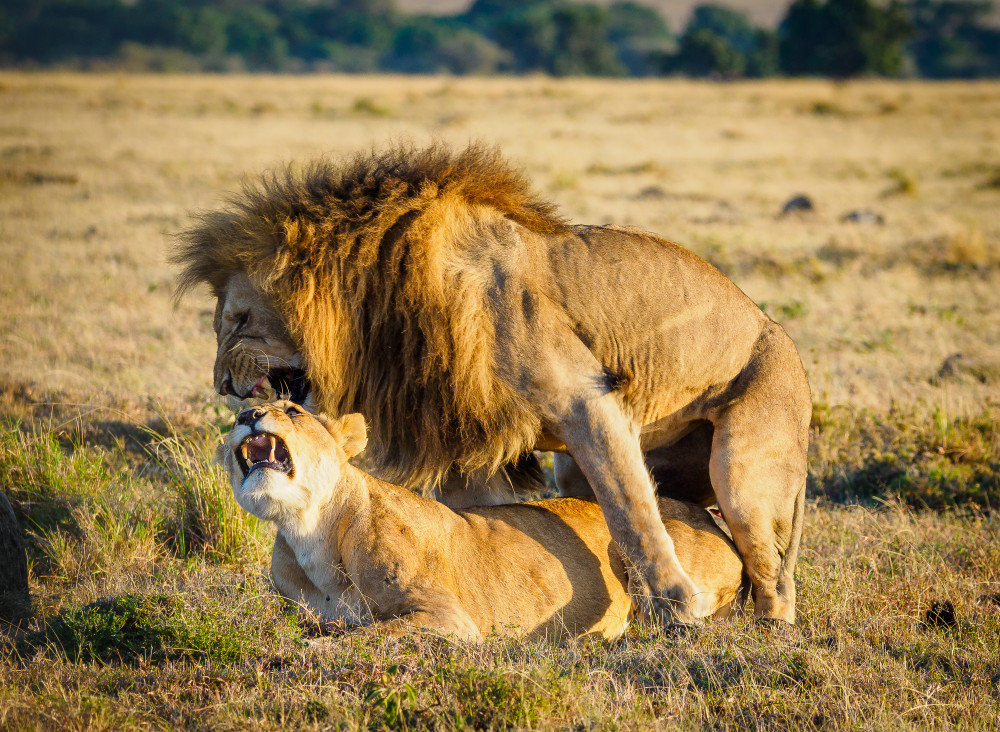
Lions have fascinating mating rituals which, when averaged out, has them mating every 15 minutes for up to 5 days. This means that if they last a full 5 days, they can mate more than 250 times. This may seem a little excessive, but there is a good reason for this. In humans, females produce an egg every 28 days. If it is not fertilized, the egg and the lining of the uterus will be discarded. This does not happen with lions though. The act of producing something that is not used is a waste of energy, so the female leopard requires a stimulus to start ovulation.
- A lioness on her own, may go into false oestrus if she has cubs and if a new male arrives on the scene. She does this to protect her cubs, by diverting his interest away from potentially killing the cubs to mating with her.
- A male lion can mate up to 100 times a day in a process that lasts only about 17 seconds. They can keep this up for around four to five days. Phew!
- The male lions seldom hang around with the pride to nurture their cubs and may even kill them.
- It’s usually lionesses who approach the male of their choosing, rather than the male approaching the female.
- The female can mate with a number of different pride males and the males do likewise, resulting in cubs in the same litter having different fathers. This can protect the cubs from infanticide as each male then may believe the cubs belong to him.
- When the cubs are born, they have spots, like a cheetah or leopard, but loose them as they mature.
- When they reach two years old, (sexually mature) the male cubs will be ousted from the pride by the dominant male. Sadly, many will die in the first few weeks, as most are inexperienced hunters. The female cubs are normally allowed to stay in the pride.
- Lionesses are often seen biting males during mating. This is because the male’s spiked penis can cause pain when withdrawn, which understandably makes her want to retaliate. But nature has a purpose for this, because but in hurting her it stimulates ovulation to occur. Still, seems a bit unfair to me!
- In some prides up to 80% of the cubs don’t survive. Either they are killed by other males, or they don’t get enough to eat (they typically eat last in the hierarchy of the pride).
- When the dominant male lion dies, the effect can be far reaching in the pride, as less genetically strong males step into the dominant male position, weakening the overall genetic make-up of the pride.
FAQs about lions
1. What is a lion?
A lion is the largest carnivore in Africa after the tiger globally and is one of the famous Big Five safari animals. Lions are social cats that live in groups called prides across Africa’s savannahs.
2. Where can you see lions in Kenya?
The best places to see lions in Kenya include the Masai Mara National Reserve, Amboseli National Park, Tsavo East National Park, Tsavo West National Park, Samburu National Reserve, Meru National Park, Nairobi National Park, and Lake Nakuru National Park.
3. Why are lions called the King of the Jungle?
Although lions rarely live in jungles, they earned the title “King of the Jungle” because of their strength, courage, powerful roar, and position as apex predators.
4. What do lions eat?
Lions primarily feed on zebras, wildebeests, buffaloes, antelopes, warthogs, giraffes, and occasionally elephants or hippos. They are carnivores that hunt fresh prey.
5. How long do lions live?
Wild lions usually live between 10 and 14 years, while lions in protected environments or captivity can live up to 20 years.
6. Are lions endangered?
Lions are listed as Vulnerable due to habitat loss, human-wildlife conflict, and declining prey populations.
7. How many lions are left in Africa?
Experts estimate that fewer than 25,000 wild lions remain across Africa, making conservation efforts increasingly important.
8. Which safari offers the best chance of seeing lions?
Masai Mara safaris provide some of the highest chances of seeing lions throughout the year, especially during the Great Wildebeest Migration.
9. Are lions dangerous to humans?
Yes. Lions are powerful predators and should always be viewed from a safe distance with an experienced safari guide.
10. Do lions hunt every day?
No. Lions may rest for up to 20 hours a day and usually hunt every few days depending on the availability of prey.
11. Why do female lions hunt more than males?
Lionesses perform most of the hunting because they are faster, more agile, and work together as a team, while males primarily defend the pride.
12. What is a lion pride?
A pride is a family group consisting of related lionesses, cubs, and one or more dominant males.
13. How many cubs does a lion have?
Lionesses usually give birth to between one and four cubs after a pregnancy lasting about 110 days.
14. Can lions climb trees?
Although not expert climbers, lions can climb trees to rest, avoid insects, or enjoy better viewpoints. Tree-climbing lions are commonly seen in Uganda and Tanzania.
15. When is the best time to see lions on safari?
Early mornings and late afternoons are the best times because lions become more active when temperatures are cooler.
16. What is the loudest roar of a lion?
A lion’s roar can be heard from as far as 8 kilometers (5 miles) away under ideal conditions.
17. Why do lions roar?
Lions roar to communicate, defend territory, locate pride members, and warn rival lions.
18. Which African countries have the most lions?
Tanzania, Kenya, Botswana, South Africa, Zambia, Zimbabwe, and Namibia have some of Africa’s healthiest lion populations.
19. Are white lions rare?
Yes. White lions are extremely rare and owe their white color to a recessive genetic trait rather than albinism.
20. Can lions swim?
Yes. Lions can swim when necessary, although they generally avoid water unless crossing rivers or cooling off.
21. What is the difference between a male and female lion?
Male lions have large manes and are generally larger, while females lack manes and are the primary hunters.
22. Why do male lions have manes?
The mane protects the neck during fights and also signals health, strength, and maturity to rivals and potential mates.
23. Are lions part of the Big Five?
Yes. Lions are one of Africa’s famous Big Five animals alongside elephants, leopards, buffaloes, and rhinoceroses.
24. Can children safely see lions on safari?
Yes. Family safaris are safe when visitors remain inside safari vehicles and follow their guide’s instructions.
25. What should you do if you encounter a lion during a walking safari?
Remain calm, follow your guide’s instructions, avoid running, and slowly back away if instructed to do so.
26. Which national park is famous for large lion prides?
Kenya’s Masai Mara National Reserve is renowned for its large lion prides and exceptional predator sightings.
27. What role do lions play in the ecosystem?
Lions help maintain healthy ecosystems by controlling herbivore populations and removing weak or sick animals.
28. Are lions active during the day?
Lions are mostly active during dawn, dusk, and nighttime, spending much of the day resting.
29. Can you photograph lions on safari?
Yes. Kenya and Tanzania offer some of the world’s finest wildlife photography opportunities, especially during golden-hour game drives.
30. Why should I choose a guided safari to see lions?
Professional safari guides know lion territories, understand animal behavior, maximize wildlife sightings, and ensure visitor safety.
Explore Safari Tours & holiday packages in Kenya, Africa & beyond with Adeli Kenya Safaris
Tailor-made, affordable, immersive & sustainable safari experiences
Discover unforgettable tours and holiday packages with Adeli Kenya Safaris, from Kenya safaris and African adventures to beach holidays and worldwide destinations. Explore expertly planned trips, flexible travel experiences and memorable journeys designed for travellers from Kenya and beyond.
Immerse and indulge your body, mind and soul in immersive Africa safari tour packages and safari holiday experiences that will awaken & captivate your 7 senses by what you see, feel, hear, touch, smell and taste, leaving you speechless, restored & inspired.
Your dream safari / holiday is just a call or email away. Contact Adeli Kenya Safaris today. Tel: +254720564538 | WhatsApp: +254720564538 | Email: info@adelikenyasafaris.com
Explore our travel quotes, travel blog, FAQs, safari guides and vlogs for expert travel tips, destination inspiration, and the latest African travel news.
Kenya safari tours from Nairobi and Kenya beach resorts of Mombasa, Diani beach, Malindi & Watamu:
Discover unforgettable Kenya Safari Tour Packages with Adeli Kenya Safaris and experience wildebeest migration, big five, big cats, small 5, ugly 5, special 5 of Samburu, awe-inspiring, landscapes, beautiful beaches, magical sunsets & sunrises, prolific wildlife & birdlife, indigenous cultures, lakes, mountains, farms, historical sites, religious sites, sports sites. UNESCO World Heritage Sites, natural wonders of Africa e.t.c as you stay in the best hotels, safari lodges, tented camps & homestays.
-

Kenya safari tour packages120 Products
-
Kenya Road safaris45 Products
-
Kenya flying safaris32 Products
-
Nairobi Day Excursions | Best Things to Do in Nairobi, Kenya22 Products
-
Kenya Residents holiday packages20 Products
-
Kenya Self Drive Hotel Deals15 Products
-
Kenya beach holidays11 Products
-
Nairobi to Kenya beach safaris6 Products
-
Kenya SGR Safari Packages3 Products
-
Kenya group safaris2 Products
-
Combined Kenya & Tanzania safaris with Adeli Kenya Safaris2 Products
-
Kenya team building packages1 Product




Unforgettable budget & luxury Africa safari holidays
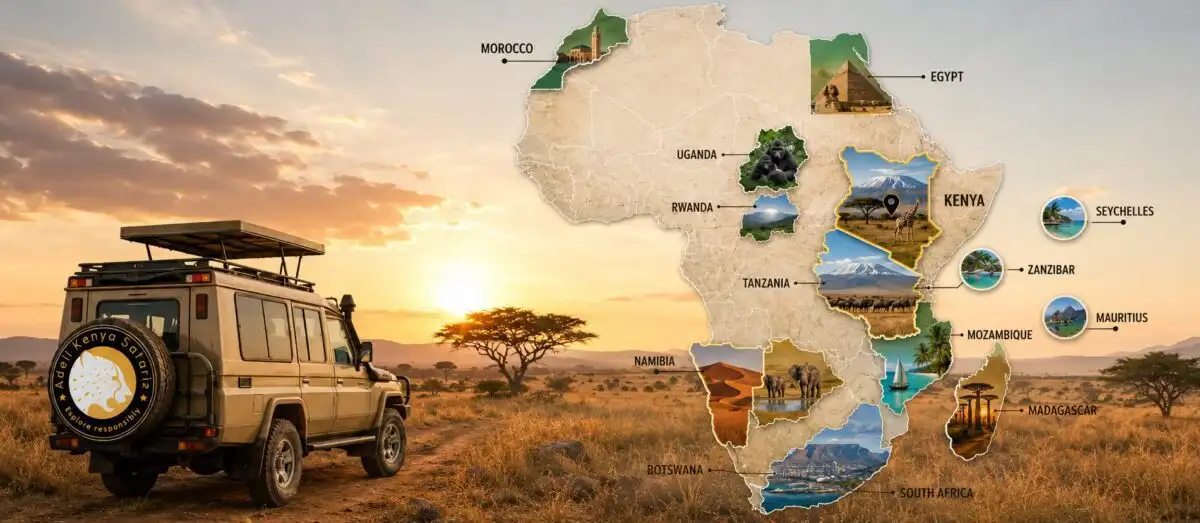
Explore Africa Safari Tour Packages with Adeli Kenya Safaris, from Kenya safaris and Kenya & Tanzania combined safaris to Tanzania safaris, Zanzibar beach vacations, Uganda and Rwanda gorilla treks. Discover unforgettable tours and holidays across South Africa, Egypt, Botswana, Namibia, Ethiopia, Malawi, Zambia, Zimbabwe, Mauritius, Seychelles, Morocco, Mozambique and Madagascar.
-
Kenya safari tour packages120 Products
-
Tanzania safari tour packages19 Products
-
Zanzibar Beach vacations & holidays9 Products
-
Uganda Gorilla trekking tours with Adeli Kenya Safaris8 Products
-
Rwanda Gorilla trekking tours with Adeli Kenya Safaris5 Products
-
Mauritius holiday packages from Kenya : Things to do in Mauritius with Adeli Kenya Safaris5 Products
-
Things to do in South Africa: Africa safari Holiday tour packages from Nairobi Kenya3 Products
-
Things to do in Malawi: Africa safari Holiday tour packages from Nairobi Kenya3 Products
-
Things to do in Seychelles: Africa safari tour packages from Nairobi Kenya2 Products
-
Things to do in Egypt: Africa safari Holiday tour packages from Nairobi Kenya2 Products
-
Combined Kenya & Tanzania safaris with Adeli Kenya Safaris2 Products
-
Things to do in Botswana: Africa safari Holiday tour packages from Nairobi Kenya1 Product
-
Ethiopia Africa Holiday tour Packages from Nairobi Kenya1 Product
-
Things to do in Madagascar: Africa safari Holiday tour packages from Nairobi Kenya1 Product
-
Morocco Africa Holiday tour Packages from Nairobi Kenya1 Product
-
Mozambique Africa Holiday tour Packages from Nairobi Kenya1 Product
-
Zambia Africa safari Holiday tour packages from Nairobi Kenya1 Product
-
Namibia Tours and Holiday Packages1 Product
-
Zimbabwe Africa safari tour packages from Nairobi Kenya1 Product
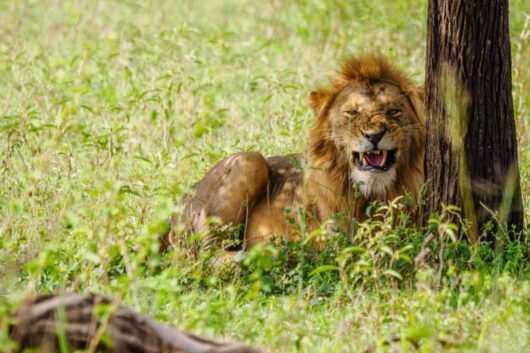
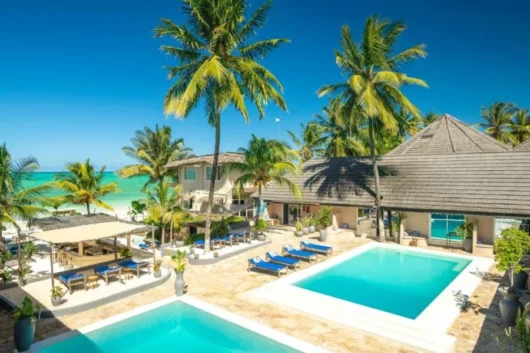
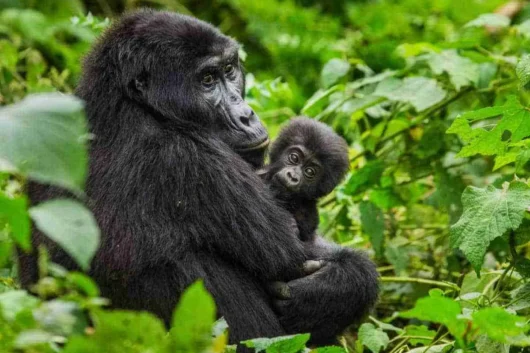

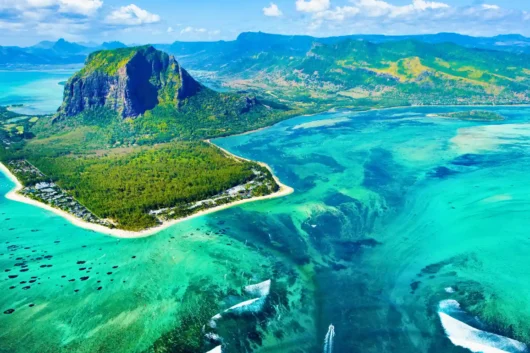
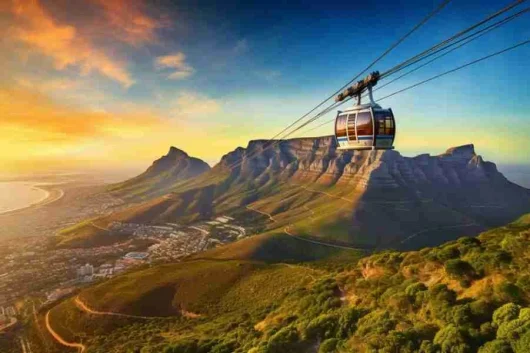
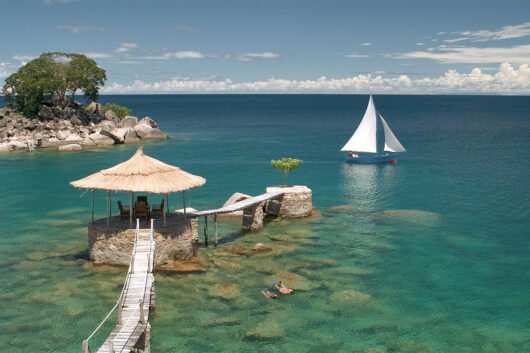
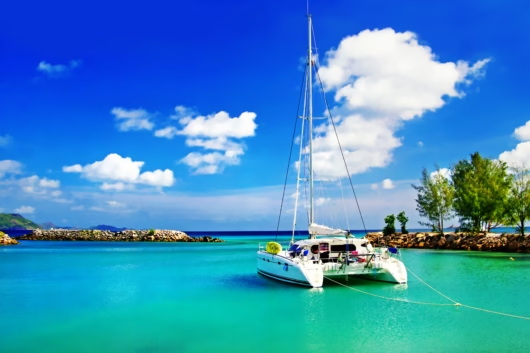
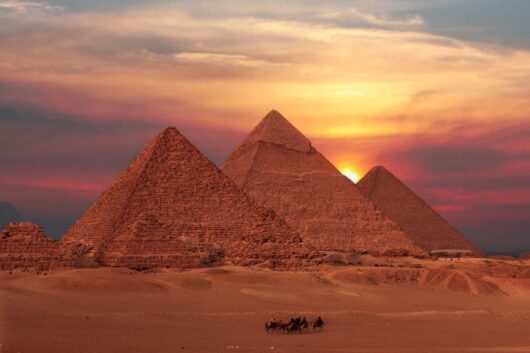
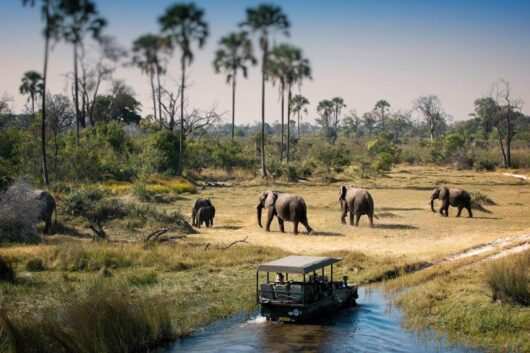
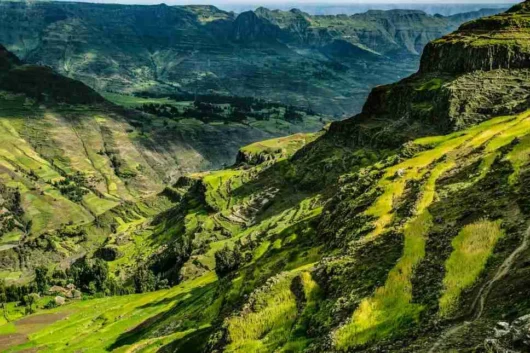
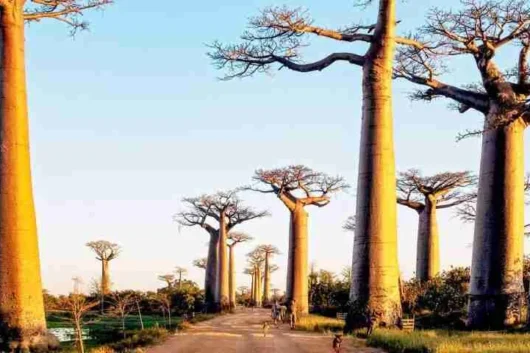
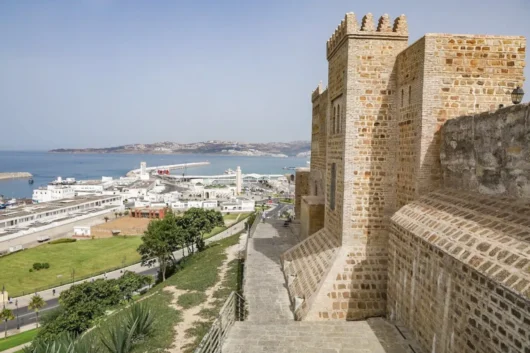
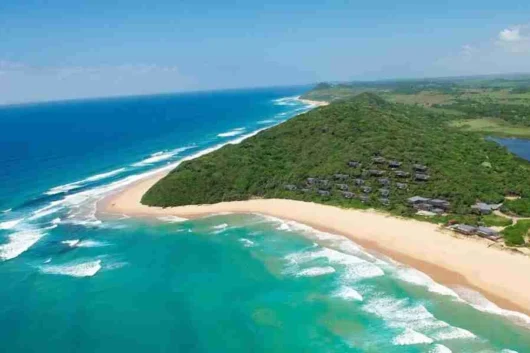
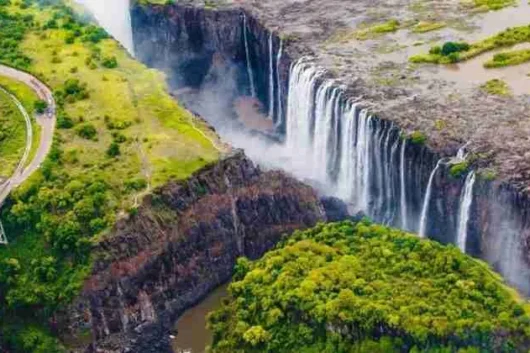
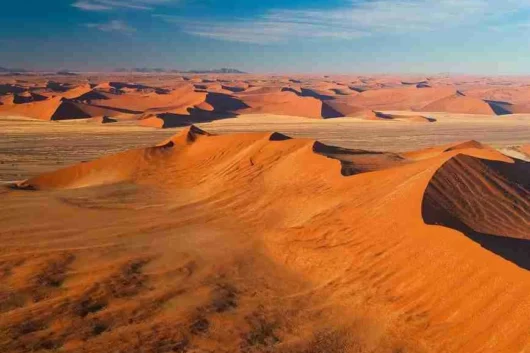
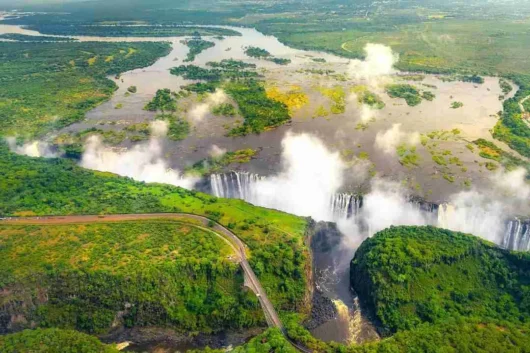
Our expertly curated Africa wildlife safaris, luxury safaris, honeymoon safaris, photographic safaris, wildebeest migration safaris, cultural tours, beach holidays and family-friendly Africa safari holidays, that have moved us the most before (we too are avid nomadic souls), feature the natural wonders of Africa and off-the-beaten-track destinations like Masai Mara National Reserve (Kenya), Serengeti National Park (Tanzania), Kruger National Park (South Africa), Bwindi Impenetrable Forest National Park (Uganda), Chobe National Park (Botswana) e.t.c, where Africa still feels vast and wild. Explore destinations where the signal is weak but connection with mother nature is enviably strong….off the beaten track places where silence is only broken by the calls of the wild and its enchanting horizons seem to stretch forever.
Our best selling Africa safari tour packages for 2026/2027
-
Amboseli Kenya safaris
3 Days Amboseli Kenya elephant safari: from Nairobi with SGR drop-off to Mombasa
Tour Price from Original price was: $800.00.$605.00Current price is: $605.00. -
Kenya Road safaris
3 Days Masai Mara Kenya budget private road safari from Nairobi
Tour Price from Original price was: $800.00.$695.00Current price is: $695.00. -
Kenya Road safaris
3 Days Masai Mara Kenya medium luxury road safari from Nairobi
Tour Price from Original price was: $900.00.$745.00Current price is: $745.00. -
Kenya flying safaris
2 Days Masai Mara Kenya luxury flight safari from Nairobi
Tour Price from Original price was: $1,200.00.$925.00Current price is: $925.00. -
Kenya Road safaris
4 Days Masai Mara Kenya medium luxury road safari from Nairobi
Tour Price from Original price was: $1,300.00.$1,045.00Current price is: $1,045.00. -
Amboseli Kenya safaris
5 Days bush to beach Kenya Safari: Amboseli (2 Nights)– Tsavo West (1 Night) – Tsavo East (1 Night) then SGR drop-off to Mombasa
Tour Price from Original price was: $1,200.00.$1,050.00Current price is: $1,050.00. -
Kenya Road safaris
3 Days Masai Mara Kenya luxury road safari from Nairobi
Tour Price from Original price was: $1,600.00.$1,175.00Current price is: $1,175.00. -
Kenya flying safaris
3 Days Masai Mara Kenya luxury flight safari from Nairobi
Tour Price from Original price was: $1,500.00.$1,185.00Current price is: $1,185.00. -
Kenya flying safaris
4 Days Masai Mara Kenya luxury flight safari from Nairobi
Tour Price from Original price was: $1,600.00.$1,275.00Current price is: $1,275.00. -
Kenya Road safaris
5 Days Kenya road safari from Nairobi: Masai Mara, Lake Naivasha & Lake Nakuru
Tour Price from Original price was: $1,500.00.$1,290.00Current price is: $1,290.00. -
Amboseli Kenya safaris
7 Days Kenya Big 5 to beach safari: Nakuru (1 Night), Masai Mara (2 Nights), Lake Naivasha (1 Night), Amboseli (2 Nights) plus SGR drop-off to Mombasa
Tour Price from Original price was: $2,000.00.$1,560.00Current price is: $1,560.00. -
Amboseli Kenya safaris
6 Days Kenya luxury safari: Amboseli, Naivasha & Masai Mara
Tour Price from Original price was: $1,900.00.$1,610.00Current price is: $1,610.00. -
Amboseli Kenya safaris
9 Days Best of Kenya bush & beach combo safari: Nakuru (1 Night), Mara (2 Nights), Lake Naivasha (1 Night), Amboseli (2 Nights) & Tsavo West (1 Night & Tsavo East (1 Night) with SGR drop-off to Mombasa
Tour Price from Original price was: $2,200.00.$1,995.00Current price is: $1,995.00. -
Kenya Road safaris
7 Days Kenya luxury safari to Ol Pejeta, Lake Nakuru, Lake Naivasha & Masai Mara
Tour Price from Original price was: $2,500.00.$2,080.00Current price is: $2,080.00. -
Kenya Road safaris
4 Days Masai Mara Kenya luxury 4×4 road safari from Nairobi
Tour Price from Original price was: $2,500.00.$2,245.00Current price is: $2,245.00. -
Amboseli Kenya safaris
13 Days Ultimate Kenya Bush & Beach combo safari: Aberdare -Ark (1 Night), Samburu (2 Nights), Ol Pejeta (1 Night), Lake Nakuru (1 Night), Masai Mara (2 Nights), Lake Naivasha (1 Night), Ambose
Tour Price from Original price was: $3,500.00.$3,005.00Current price is: $3,005.00. -
Kenya Road safaris
5 Nights Yoga & Safari Retreat at Entumoto Safari Camp
Tour Price from Original price was: $4,500.00.$3,950.00Current price is: $3,950.00. -
Kenya flying safaris
10 Days Kenya Signature Luxury flight safari – Samburu, Masai Mara & Lumo Conservancy
Tour Price from Original price was: $12,320.00.$9,850.00Current price is: $9,850.00. -
Kenya flying safaris
8 Days Kenya Luxury Sky Air safari Exploring Meru, Loisaba & Masai Mara
Tour Price from Original price was: $13,000.00.$11,000.00Current price is: $11,000.00. -
Tanzania flying safaris
8 Days Tanzania Luxury Sky Air safari Exploring Tarangire, Ngorongoro & Serengeti
Tour Price from Original price was: $13,000.00.$11,000.00Current price is: $11,000.00. -
Amboseli Kenya safaris
10 Days Kenya Luxury Sky Air safari Exploring Amboseli, Laikipia & Masai Mara
Tour Price from Original price was: $14,000.00.$12,500.00Current price is: $12,500.00. -
Tanzania flying safaris
10 Days Tanzania Luxury Sky Air safari Exploring Tarangire, Lake Manyara, Ngorongoro & Serengeti
Tour Price from Original price was: $14,500.00.$12,500.00Current price is: $12,500.00.
Africa wildlife safari & beach vacation combo
After your Africa wildlife adventure tour, bumping along dry, dusty savanna roads, a beach vacation holiday in Diani, Mombasa, Watamu, Lamu, Zanzibar, Cape Town, Mauritius & Seychelles is the perfect reward to relax, rejuvenate and soothe your tired muscles after bumpy game drives.
Africa Safari holiday Experiences
- Africa 4×4 road safaris
- Africa Flight safaris
- Africa Family safaris
- Africa Beach holidays
- Africa Photographic safaris
- Africa Honeymoon safaris
- Africa Wildebeest Migration Safaris
- Africa Luxury Safaris
- Africa Customized safaris
- Africa Historical tours
- Africa train safaris
- Africa Cultural Immersion Safaris
- Africa Mountain climbing tours
- Africa Nature safari tours
- Africa Hot Air Balloon safaris
- Africa Horse Riding safaris
- Africa luxury Glamping safaris
- Africa Mobile Safaris
- Africa Agritourism
- Africa Small group safari tours
- Africa Stargazing safari tours
- Africa Sundowner and bush meals
- Africa Solo travel safaris
- Africa Special Occasion safaris
- Africa Sports tourism
- Africa Self- drive tours
- Africa Student educational safaris
- Africa MICE travel
- Africa Spiritual & religious travel
- Africa Helicopter safaris
- Africa Camping safaris
- Africa Walking safaris
- Africa Wellness travel and safaris
- Africa Boat & Canoe safaris
- Africa Tree planting on safari
- Africa Primate Safaris
- Africa volunteer travel
- Africa Medical Tourism
- Africa Community based Tourism
- Africa bird watching safari tours
- Africa Lion tracking safaris
Travel Info
- Kenya Evisa/ETA
- Tanzania Evisa
- Kenya destination guide
- Tanzania destination guide
- Safari transport options
- Accommodation options
- Safari FAQs
- Sustainability
- Africa Safari blog
Africa wildlife safari & beach vacation combo
After your Africa wildlife adventure tour, bumping along dry, dusty savanna roads, a beach vacation holiday in Diani, Mombasa, Watamu, Lamu, Zanzibar, Cape Town, Mauritius & Seychelles is the perfect reward to relax, rejuvenate and soothe your tired muscles after bumpy game drives.
About Adeli Kenya Safaris
Best Sustainable Africa tours & travel agency in Kenya
Adeli Kenya Safaris is an East African DMC, sustainable safari tour operator & travel agency in Westlands, Nairobi Kenya that specializes in Nairobi excursions, Kenya safari tours, Kenya safari and beach holidays, combined Kenya & Tanzania safaris, Tanzania safari tours, Zanzibar beach vacations, Uganda and Rwanda gorilla trekking tours, Mount Kenya and Mount Kilimanjaro climbing adventures, outbound holiday packages, and luxury cruise holidays.
Have questions? Here are our Top Africa safari FAQs with answers
An African safari is a wildlife adventure that takes you into national parks and game reserves to observe animals in their natural habitat. Unlike visiting a zoo, safari experiences allow you to witness wild animals roaming freely across vast landscapes, including elephants, lions, leopards, rhinos, buffaloes, giraffes, zebras, cheetahs, hippos, crocodiles, and hundreds of bird species.
Depending on your interests, a safari may include game drives, walking safaris, hot air balloon rides, cultural visits, photography tours, birdwatching, mountain trekking, gorilla trekking, or relaxing beach holidays after your wildlife adventure.
Adeli Kenya Safaris specializes in tailor-made African safaris across Kenya, Tanzania, Uganda, Rwanda, and Zanzibar for solo travelers, couples, families, photographers, honeymooners, and private groups.
The word safari comes from the Swahili language, where safari means "journey." It originated from the Arabic word safar, meaning travel.
Today, an African safari refers to a journey into wildlife conservation areas to observe animals in their natural environment while learning about Africa's ecosystems, landscapes, and cultures.
There isn't a single best country because each destination offers something unique.
Kenya is famous for the Masai Mara, Big Five safaris, and the Great Wildebeest Migration.
Tanzania offers the Serengeti, Ngorongoro Crater, Tarangire, and Mount Kilimanjaro.
Uganda and Rwanda are renowned for unforgettable gorilla trekking experiences.
Botswana is ideal for luxury safaris and water-based wildlife viewing in the Okavango Delta.
South Africa is popular for first-time visitors seeking excellent infrastructure and malaria-free safari options.
For many travelers, Kenya provides one of the best combinations of wildlife, scenery, affordability, accessibility, and authentic safari experiences.
Kenya and Tanzania consistently rank among the world's best destinations for seeing the Big Five:
Lion
Leopard
Elephant
Buffalo
Rhinoceros
Kenya's Masai Mara National Reserve and Ol Pejeta Conservancy offer exceptional opportunities to see all five species during a single safari.
Depending on the destination and season, you may encounter:
Lions
Leopards
Cheetahs
African elephants
Black and white rhinos
African buffaloes
Giraffes
Zebras
Wildebeest
Hippos
Nile crocodiles
Hyenas
Jackals
Warthogs
Antelopes
Gazelles
Ostriches
Vultures
Eagles
Flamingos
More than 1,000 bird species
No two game drives are ever the same, making every safari unique.
Kenya is often considered the perfect introduction to African safaris because it offers:
Excellent wildlife viewing year-round
The famous Masai Mara National Reserve
The Great Wildebeest Migration
Big Five safaris
Beautiful beaches along the Indian Ocean
Experienced English-speaking guides
Excellent road and flight connections
Luxury, mid-range, and budget accommodations
Rich Maasai cultural experiences
Diverse landscapes, from mountains to savannahs and lakes
Kenya combines adventure, comfort, and accessibility, making it ideal for first-time safari travelers.
Absolutely.
An African safari is often described as a once-in-a-lifetime experience because it offers unforgettable encounters with wildlife, breathtaking scenery, cultural interactions, and memories that last forever.
Unlike many vacations, a safari allows you to experience nature in its purest form while supporting wildlife conservation and local communities.
Many travelers return multiple times because every safari is different.
The ideal safari length depends on your interests and budget.
3–4 days: Perfect for a quick wildlife escape.
5–7 days: Ideal for first-time visitors.
8–10 days: Explore several parks at a relaxed pace.
11–14 days: Combine multiple countries or include a beach holiday.
15+ days: Experience East Africa in depth.
A 6- to 8-day safari remains the most popular choice for travelers visiting Kenya or Tanzania.
Most safari packages include:
Accommodation
Meals
Professional safari guide
Safari vehicle
Game drives
Park entry fees
Drinking water during game drives
Airport transfers
Government taxes
Depending on the itinerary, packages may also include domestic flights, cultural visits, boat rides, balloon safaris, or beach extensions.
Always review your itinerary to confirm exactly what is included.
Yes.
Most reputable tour operators, including Adeli Kenya Safaris, offer tailor-made safaris designed around your:
Budget
Travel dates
Preferred destinations
Wildlife interests
Accommodation style
Number of travelers
Activity preferences
Family needs
Honeymoon plans
A customized safari ensures your trip matches your expectations rather than following a fixed schedule.
Yes. Combining Kenya and Tanzania is one of the most popular safari options.
Travelers often visit:
Masai Mara
Serengeti
Ngorongoro Crater
Amboseli
Lake Nakuru
Tarangire
This combination provides excellent wildlife diversity and increases your chances of witnessing the Great Wildebeest Migration.
Absolutely.
Many visitors end their safari with a relaxing beach vacation.
Popular beach destinations include:
Diani Beach
Watamu
Malindi
Zanzibar
Mombasa
Pemba Island
This combination offers the perfect balance between adventure and relaxation.
Yes.
East Africa is one of the easiest regions for first-time safari visitors. Professional guides, organized itineraries, comfortable accommodations, and well-established tourism infrastructure make planning straightforward.
Whether you choose a budget camping safari or a luxury lodge experience, your guide handles the logistics so you can focus on enjoying the wildlife.
No.
Every safari is unique because wildlife moves freely, weather conditions change, and each park has different habitats.
One day may feature a lion hunt, while another may reveal a leopard resting in a tree or thousands of migrating wildebeest crossing a river.
This unpredictability is what makes safaris so exciting.
Yes.
Solo safaris are increasingly popular. You can choose:
Private safari
Shared group safari
Luxury fly-in safari
Photography safari
Women's safari
Birdwatching safari
Solo travelers enjoy flexibility and often meet like-minded adventurers during their journey.
Yes, when traveling with a reputable safari company.
Tourist routes, national parks, and safari lodges are generally very safe. Professional guides are trained in wildlife behavior, emergency procedures, and guest safety.
As with any destination, follow local advice, avoid displaying valuables unnecessarily, and use common travel precautions.
Africa offers excellent wildlife viewing throughout the year, but the best timing depends on your goals.
June–October: Dry season with outstanding wildlife viewing.
July–October: Great Wildebeest Migration river crossings.
January–March: Excellent weather and abundant newborn wildlife.
April–May: Green season with lush landscapes and fewer visitors.
November–December: Short rains and good value for travelers.
Your ideal travel period depends on whether you prioritize migration, birdwatching, photography, or lower prices.
Travel insurance is highly recommended.
A comprehensive policy should cover:
Medical emergencies
Trip cancellations
Lost baggage
Flight delays
Emergency evacuation
Personal belongings
Insurance provides peace of mind throughout your journey.
Safaris are suitable for travelers of almost all ages.
Many lodges welcome children, while others have minimum age requirements for certain activities such as walking safaris or balloon rides.
Families, couples, seniors, and solo travelers can all enjoy memorable safari experiences with the right itinerary.
Yes.
Many safari itineraries are designed specifically for senior travelers, featuring comfortable lodges, shorter driving distances, and flexible game-drive schedules.
Accessibility requirements can often be accommodated with advance planning.
Yes.
Most travelers visit multiple parks to experience different landscapes and wildlife.
Popular combinations include:
Masai Mara + Lake Nakuru + Amboseli
Amboseli + Tsavo West + Diani Beach
Samburu + Ol Pejeta + Lake Naivasha + Masai Mara
Serengeti + Ngorongoro + Tarangire
Each destination offers unique ecosystems and animal sightings.
Yes.
Professional safari guides are trained to identify wildlife, explain animal behavior, track species, interpret ecosystems, and ensure guest safety.
Their local knowledge significantly enhances your safari experience.
Yes, subject to availability.
However, booking 6 to 12 months in advance is recommended for travel during peak seasons, especially if you want popular lodges in the Masai Mara or Serengeti during the Great Wildebeest Migration.
Adeli Kenya Safaris offers personalized safari experiences backed by local expertise and a commitment to exceptional service. Whether you're planning a budget adventure, a luxury escape, a honeymoon, or a family holiday, the team designs itineraries that match your interests, travel style, and budget. Guests benefit from experienced guides, carefully selected accommodations, reliable transportation, and dedicated support before, during, and after the safari.
Planning your safari begins with identifying your travel dates, budget, preferred destinations, and interests. From there, a safari specialist can recommend the best itinerary, accommodations, and activities based on your goals. Contact Adeli Kenya Safaris for a personalized quotation and expert advice to create a seamless and unforgettable African safari experience.
The cost of an African safari depends on your destination, travel season, accommodation standard, transportation, park fees, and whether you choose a private or group safari.
As a general guide:
Budget Safari: USD 180–350 per person per day
Mid-range Safari: USD 350–700 per person per day
Luxury Safari: USD 700–1,500+ per person per day
Ultra-Luxury Safari: USD 1,500–5,000+ per person per day
A safari may seem expensive compared to a typical holiday, but it usually includes accommodation, meals, park fees, transportation, game drives, and the services of an experienced professional guide.
Many first-time travelers are surprised by safari prices, but several factors contribute to the cost:
National park conservation fees
Professional safari guides
Custom-built 4×4 safari vehicles
Fuel for long-distance travel
High-quality lodges and camps
Wildlife conservation contributions
Tourism licenses and insurance
Staff salaries
Meals and accommodation
Limited visitor numbers in protected areas
Your safari investment directly supports wildlife conservation and local communities throughout Africa.
Absolutely.
A memorable safari doesn't have to cost a fortune. Budget travelers can save money by:
Traveling during the Green Season
Joining scheduled group safaris
Staying in budget lodges or camps
Traveling during weekdays
Choosing road safaris instead of fly-in safaris
Booking longer itineraries with shared costs
Even budget safaris provide incredible wildlife experiences.
Most safari packages include:
Accommodation
Breakfast, lunch, and dinner
Private or shared safari vehicle
Professional English-speaking driver-guide
Unlimited game drives
National park entrance fees
Drinking water during game drives
Government taxes
Airport or hotel transfers
Always read your itinerary carefully to understand exactly what is included.
Items commonly excluded include:
International flights
Visa fees
Travel insurance
Personal expenses
Alcoholic beverages
Laundry services
Optional balloon safaris
Tips and gratuities
Souvenirs
Extra hotel nights
Your quotation should clearly list all exclusions before booking.
For many travelers, yes.
Private safaris offer:
Flexible schedules
Exclusive use of the safari vehicle
Personalized wildlife viewing
Freedom to spend more time at sightings
Greater privacy
Better photography opportunities
Custom itineraries
Families, photographers, honeymooners, and small groups often find private safaris well worth the additional investment.
Yes.
Group safaris reduce costs because travelers share:
Safari vehicle
Fuel expenses
Guide services
Park logistics
They are an excellent option for solo travelers and budget-conscious visitors who don't mind traveling with others.
The Green Season, generally between April–May and November, often offers the best value.
Benefits include:
Lower accommodation rates
Fewer tourists
Beautiful green landscapes
Excellent birdwatching
Dramatic photography
Special promotional offers
Wildlife is still abundant, although some roads may be affected by seasonal rains.
Yes.
The dry season (June to October) is considered peak safari season because wildlife gathers around water sources, making animals easier to find.
Due to increased demand:
Lodges fill quickly
Airfares increase
Luxury camps charge premium rates
Popular parks become busier
Booking well in advance helps secure better prices.
For the best availability and pricing:
Peak Season: Book 6–12 months ahead.
Great Migration: Book 9–12 months ahead.
Luxury Lodges: Book up to a year in advance.
Budget Safaris: Book at least 3–6 months ahead.
Early bookings often qualify for promotional rates and wider accommodation choices.
Yes.
Many safari lodges and tour operators offer reduced rates for children, especially when sharing a room with parents.
Discounts vary depending on:
Child's age
Accommodation policy
Destination
Safari type
Always check the specific child policy before booking.
Many safari operators, including Adeli Kenya Safaris, offer flexible payment options.
A typical payment schedule may include:
Deposit to confirm booking
Interim payment(s)
Final balance before arrival
Flexible payments make it easier to budget for your dream safari.
Most reputable safari companies accept:
Bank transfers
Major credit cards
Debit cards
Secure online payment platforms
Confirm accepted payment methods before making your reservation.
Most comprehensive safari packages include all applicable national park and conservation fees.
These fees contribute to:
Wildlife conservation
Anti-poaching initiatives
Road maintenance
Ranger services
Community development
Environmental protection
If park fees are excluded, this should be clearly stated in your quotation.
It depends on your itinerary.
Fly-in safaris generally include internal flights between destinations, while road safaris typically do not.
Always review your itinerary to determine whether domestic flights are included in the total cost.
No.
Tipping is voluntary but greatly appreciated.
Many travelers tip:
Safari guide
Camp staff
Porters
Housekeeping
Tips recognize exceptional service and support the hardworking teams who make your safari memorable.
While there is no fixed rule, many travelers budget:
Safari Guide: USD 10–20 per guest per day
Camp Staff: USD 5–10 per guest per day
Porters: USD 1–2 per bag
Tip according to the quality of service you receive.
Yes, although availability is limited.
Last-minute offers may become available when:
Lodges have unsold rooms
Travelers cancel bookings
Operators release promotional packages
However, flexibility with travel dates and accommodation is essential.
Luxury safaris provide exceptional comfort and exclusive experiences, including:
Spacious suites
Fine dining
Private plunge pools
Butler service
Charter flights
Exclusive game drives
Prime wildlife locations
Premium photography opportunities
For many travelers, the comfort and personalized service justify the additional cost.
Yes.
Many travelers choose affordable safari-and-beach packages by combining a mid-range safari with destinations such as:
Diani Beach
Watamu
Malindi
Zanzibar
Booking both together often offers better value than arranging each separately.
In addition to your safari package, consider budgeting for:
Visa fees
Travel insurance
Tips
Souvenirs
Optional activities
Premium drinks
Laundry
Airport snacks
Personal shopping
Knowing these expenses in advance helps avoid surprises.
Yes.
Although the upfront cost may seem significant, safaris typically include accommodation, meals, transportation, professional guiding, park fees, and daily wildlife activities. Few holidays offer such an all-inclusive experience with the opportunity to witness some of the world's most iconic wildlife in their natural habitat.
Absolutely.
Adeli Kenya Safaris provides personalized quotations based on your:
Travel dates
Number of travelers
Preferred destinations
Accommodation style
Budget
Activities
Travel duration
This ensures you receive an itinerary and price tailored to your exact travel requirements.
In many cases, yes.
Booking directly with an experienced local operator like Adeli Kenya Safaris can provide better value because there are fewer intermediaries involved. Local experts also offer firsthand destination knowledge, personalized service, and direct support before and during your trip.
You can maximize value by:
Traveling during the shoulder or Green Season.
Booking early to secure the best rates.
Joining a small group safari.
Choosing mid-range accommodations.
Combining nearby parks in one itinerary.
Staying longer to reduce per-day transport costs.
Booking directly with a trusted local tour operator.
With careful planning, you can enjoy an unforgettable African safari that fits your budget without sacrificing the quality of your wildlife experience.
Kenya is widely regarded as one of Africa's premier safari destinations because of its incredible wildlife diversity, spectacular landscapes, world-famous national parks, and well-developed tourism infrastructure. It is home to the iconic Masai Mara National Reserve, Amboseli National Park, Tsavo East and West National Parks, Samburu National Reserve, Lake Nakuru National Park, and Ol Pejeta Conservancy.
Visitors can experience the Big Five, the Great Wildebeest Migration, authentic Maasai culture, luxury lodges, budget-friendly safaris, and beautiful Indian Ocean beaches—all within one country. Kenya is also easily accessible through Nairobi's international airport, making it an excellent choice for first-time safari travelers.
The answer depends on what you hope to experience.
Masai Mara National Reserve: Best overall wildlife viewing and the Great Migration.
Amboseli National Park: Best for large elephant herds and views of Mount Kilimanjaro.
Tsavo East National Park: Famous for vast wilderness and red elephants.
Tsavo West National Park: Known for dramatic scenery, Mzima Springs, and black rhinos.
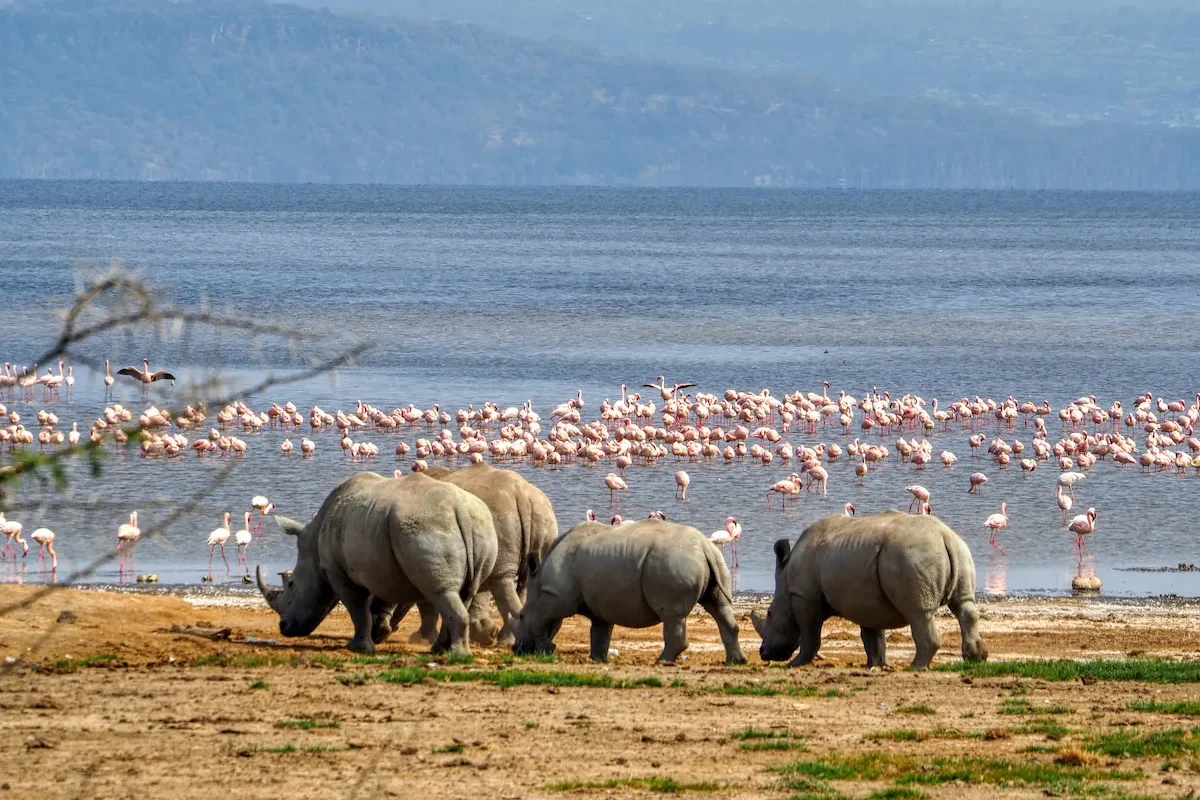
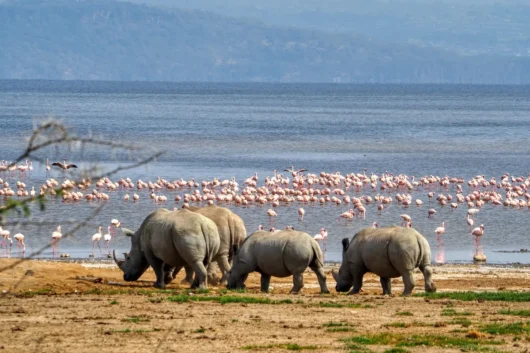
Lake Nakuru National Park: Excellent for rhinos, flamingos (seasonal), and birdlife.
Samburu National Reserve: Home to unique northern species like Grevy's zebra and reticulated giraffe.
Ol Pejeta Conservancy: One of the best places to see black and white rhinos.
Each park offers a unique safari experience, and many visitors combine two or more parks for greater wildlife diversity.
The Masai Mara National Reserve is one of the most celebrated wildlife destinations in the world. It is renowned for:
The Great Wildebeest Migration.
Exceptional Big Five sightings.
High concentrations of lions and cheetahs.
Open grasslands that make wildlife easy to spot.
Hot air balloon safaris.
Rich Maasai cultural experiences.
Outstanding photography opportunities.
The Masai Mara consistently ranks among Africa's top safari destinations and is a must-visit for wildlife enthusiasts.
The Masai Mara offers excellent wildlife viewing throughout the year, but the best time depends on your interests.
July to October: Great Wildebeest Migration and river crossings.
January to March: Warm, dry weather with newborn animals.
April to May: Green landscapes, fewer visitors, and attractive lodge rates.
November to December: Good wildlife viewing with occasional short rains.
Every season offers unique experiences, making the Masai Mara a year-round safari destination.
Yes. Kenya is one of the best countries in Africa to see the Big Five:
African Lion (Panthera leo)
African Leopard (Panthera pardus pardus)
African Elephant (Loxodonta africana)
African Buffalo (Syncerus caffer)
Black Rhino (Diceros bicornis)
The Masai Mara, Amboseli, Lake Nakuru, Tsavo, and Ol Pejeta are among the top destinations for Big Five safaris.
Amboseli National Park is famous for its large elephant herds and breathtaking views of Mount Kilimanjaro. The elephants here are among the most studied in Africa and are known for their impressive tusks.
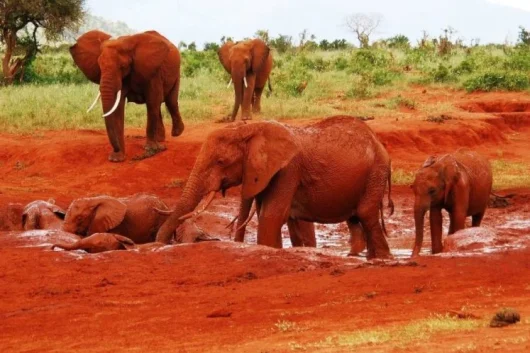
Tsavo East and Tsavo West also have significant elephant populations, including the famous "red elephants," which appear reddish after dust bathing in the region's red volcanic soil.
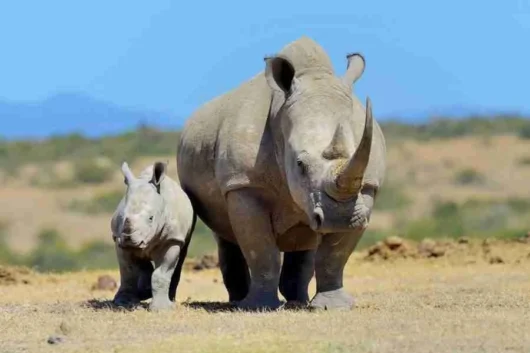
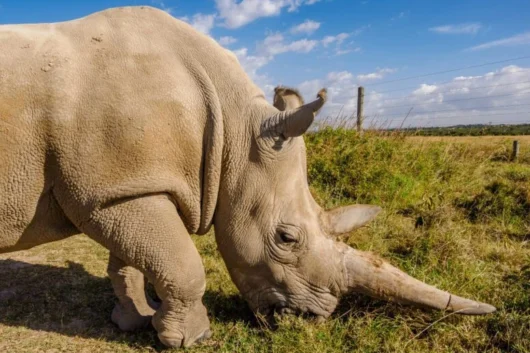
Ol Pejeta Conservancy is one of Africa's leading rhino conservation areas and offers exceptional opportunities to see both black and white rhinos. It is also home to the world's last two remaining northern white rhinos.
Lake Nakuru National Park and Tsavo West National Park are also excellent destinations for rhino viewing.
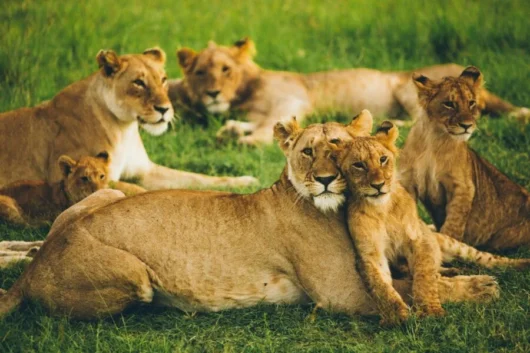
The Masai Mara has one of the highest lion densities in Africa. It is home to several well-known lion prides and has been the setting for numerous wildlife documentaries.
Visitors also have good chances of seeing lions in Amboseli, Tsavo East, Tsavo West, and Nairobi National Park.
Amboseli National Park is best known for:
Spectacular views of Mount Kilimanjaro.
Large free-ranging elephant herds.
Excellent wildlife photography.
Diverse habitats, including swamps, grasslands, and woodlands.
High populations of buffaloes, zebras, wildebeest, giraffes, and predators.
It is considered one of the best parks in Africa for elephant photography.
Both parks are exceptional but offer different experiences.
Tsavo East National Park
Larger and flatter landscape.
Famous for red elephants.
Excellent for large herds and open savannah.
Home to the Galana River and Lugard Falls.
Tsavo West National Park
More mountainous and scenic.
Home to Mzima Springs.
Better for black rhinos.
Rich volcanic landscapes and lava flows.
Many travelers combine both parks for a more complete safari experience.
Absolutely.
Samburu offers a unique safari experience with species rarely found in southern Kenya, including:
Grevy's zebra
Reticulated giraffe
Somali ostrich
Beisa oryx
Gerenuk
Known as the "Samburu Special Five," these animals make the reserve a favorite among returning safari enthusiasts.
Yes, although flamingo numbers vary throughout the year depending on water levels and food availability.
Lake Nakuru remains one of Kenya's top birdwatching destinations and is also renowned for its thriving populations of black and white rhinos, Rothschild's giraffes, lions, leopards, and over 450 recorded bird species.
Yes. Many itineraries combine multiple parks to showcase Kenya's diverse landscapes and wildlife.
Popular combinations include:
Masai Mara + Lake Nakuru + Lake Naivasha
Amboseli + Tsavo West + Tsavo East
Samburu + Ol Pejeta + Masai Mara
Amboseli + Masai Mara
Tsavo + Diani Beach
Combining parks increases your chances of seeing a wider variety of wildlife.
Yes.
Located just a short drive from Nairobi's city center, Nairobi National Park is one of the few national parks in the world situated next to a capital city.
Visitors may see:
Lions
Black rhinos
Giraffes
Zebras
Buffaloes
Cheetahs
Numerous bird species
It is an excellent option for travelers with limited time or those beginning or ending their safari in Nairobi.
The Masai Mara is approximately 225–280 kilometers (140–175 miles) from Nairobi, depending on the gate and route.
Travel options include:
Road transfer: Approximately 5–6 hours.
Domestic flight: Approximately 45–60 minutes.
Flying is ideal for travelers with limited time, while road safaris offer scenic views of the Great Rift Valley.
Yes.
Many travelers combine a beach holiday with a safari. Popular options include departures from:
Mombasa
Diani Beach
Watamu
Malindi
From the coast, you can easily visit Tsavo East, Tsavo West, Amboseli, or fly to the Masai Mara.
Yes.
Kenya offers many family-friendly safari lodges and activities suitable for children. Families can enjoy:
Short game drives.
Junior ranger programs.
Nature walks (where permitted).
Cultural visits.
Swimming pools at many lodges.
Spacious family accommodations.
Many lodges also provide child-friendly meals and flexible schedules.
Absolutely.
One of the most popular East African holidays combines a Kenya safari with several days on Zanzibar's white-sand beaches. After exploring the Masai Mara, Amboseli, or Tsavo, travelers can relax on Zanzibar before returning home.
This combination blends thrilling wildlife encounters with tropical island relaxation.
Yes.
Kenya's national parks, conservancies, and major tourist destinations are generally safe for visitors. Professional safari guides are trained in guest safety, wildlife behavior, and emergency procedures.
As with travel anywhere, follow your guide's instructions, use common sense, and keep valuables secure.
Adeli Kenya Safaris is a locally based safari specialist with in-depth knowledge of Kenya's national parks, wildlife, and travel logistics. The company creates tailor-made itineraries for individuals, couples, families, photographers, and groups, offering everything from budget camping safaris to luxury fly-in experiences.
By booking with a local expert, you'll benefit from personalized service, experienced driver-guides, carefully selected accommodations, transparent pricing, and dedicated support throughout your journey. Whether your dream is to witness the Great Wildebeest Migration, photograph elephants beneath Mount Kilimanjaro, or enjoy a Kenya safari and beach holiday, Adeli Kenya Safaris can help you create an unforgettable adventure.
Tanzania is home to some of Africa's most spectacular wildlife areas, including the Serengeti National Park, Ngorongoro Crater, Tarangire National Park, Lake Manyara National Park, Nyerere National Park, and Ruaha National Park. It offers incredible Big Five sightings, the world-famous Great Wildebeest Migration, diverse landscapes, and luxurious safari lodges.
Many travelers choose Tanzania for its pristine wilderness, abundant wildlife, and the opportunity to combine a safari with a beach holiday in Zanzibar.
Each park offers a unique safari experience.
Serengeti National Park: Best overall wildlife viewing and the Great Migration.
Ngorongoro Crater: Outstanding Big Five sightings in a compact area.
Tarangire National Park: Famous for elephants and giant baobab trees.
Lake Manyara National Park: Known for tree-climbing lions, flamingos, and birdlife.
Ruaha National Park: Excellent for predators and fewer crowds.
Nyerere National Park: Ideal for boat safaris and remote wilderness experiences.
The best park depends on your interests, travel dates, and safari itinerary.
The Serengeti is one of the world's most iconic wildlife destinations because it hosts:
The Great Wildebeest Migration.
Millions of wildebeest, zebras, and gazelles.
Exceptional lion populations.
Large numbers of cheetahs and leopards.
Endless open plains.
Outstanding wildlife photography opportunities.
It has been recognized as a UNESCO World Heritage Site and remains one of Africa's premier safari destinations.
The Great Wildebeest Migration is the world's largest overland wildlife migration.
Each year, more than 1.5 million wildebeest, along with hundreds of thousands of zebras and gazelles, move in a continuous cycle between Tanzania's Serengeti and Kenya's Masai Mara in search of fresh grazing and water.
The migration includes dramatic river crossings, predator interactions, and the calving season, making it one of the greatest wildlife spectacles on Earth.
The Serengeti offers excellent wildlife viewing throughout the year.
January–March: Calving season in southern Serengeti.
April–June: Herds move northwest through central Serengeti.
July–October: River crossings near northern Serengeti and into Kenya.
November–December: Herds begin returning south.
Because the migration is constantly moving, the best area to visit depends on the month of travel.
The Ngorongoro Crater is the world's largest intact volcanic caldera and one of Africa's most remarkable wildlife destinations.
Within the crater, visitors can see:
Lions
Black rhinos
Elephants
Buffaloes
Hippos
Hyenas
Flamingos
Numerous antelope species
Its enclosed ecosystem allows for exceptional wildlife viewing throughout the year.
Absolutely.
Tarangire National Park is renowned for:
Huge elephant herds.
Ancient baobab trees.
Large buffalo populations.
Excellent birdwatching.
Lions, leopards, and cheetahs.
Fewer tourists than Serengeti.
During the dry season, wildlife gathers around the Tarangire River, creating spectacular game-viewing opportunities.
Yes.
Although smaller than many other Tanzanian parks, Lake Manyara offers:
Tree-climbing lions.
Hippos.
Flamingos (seasonal).
Forest elephants.
Blue monkeys.
Baboons.
More than 400 bird species.
It is often included in Northern Circuit safari itineraries.
Yes.
Tanzania is one of Africa's premier Big Five destinations.
Excellent parks for Big Five sightings include:
Serengeti National Park.
Ngorongoro Conservation Area.
Tarangire National Park.
Ruaha National Park.
Nyerere National Park.
The Ngorongoro Crater offers particularly high chances of seeing all five species.
Tarangire National Park is famous for its enormous elephant herds, some numbering several hundred individuals.
Elephants are also commonly seen in:
Serengeti National Park.
Ruaha National Park.
Nyerere National Park.
Tarangire remains one of the best elephant-viewing destinations in Africa.
The Serengeti supports one of Africa's largest lion populations.
Visitors frequently observe:
Lion prides.
Cubs.
Hunting behavior.
Territorial interactions.
Predator-prey encounters.
The Ngorongoro Crater and Ruaha National Park also provide excellent lion sightings.
Yes.
Many travelers choose a combined Kenya and Tanzania safari to experience East Africa's most famous wildlife destinations.
Popular combinations include:
Masai Mara + Serengeti.
Amboseli + Ngorongoro Crater.
Lake Nakuru + Tarangire.
Samburu + Serengeti.
Kenya safari followed by Zanzibar.
This allows visitors to experience a greater diversity of wildlife and landscapes in one unforgettable trip.
Yes.
Tanzania is considered one of Africa's leading safari destinations and welcomes visitors from around the world each year.
Professional safari guides, reputable lodges, and established tourism infrastructure help ensure a safe and enjoyable experience. As always, follow your guide's instructions and standard travel precautions.
Most visitors spend:
4–5 days: Explore the Northern Circuit highlights.
6–8 days: Visit Serengeti, Ngorongoro, Tarangire, and Lake Manyara.
9–12 days: Add Zanzibar or southern parks.
14+ days: Comprehensive Tanzania safari with multiple regions.
The ideal duration depends on your travel goals and budget.
Yes.
Many travelers combine a Mount Kilimanjaro trek with a safari in northern Tanzania.
Popular combinations include:
Kilimanjaro + Serengeti.
Kilimanjaro + Ngorongoro.
Kilimanjaro + Tarangire.
Kilimanjaro + Zanzibar.
Allow at least one rest day between the climb and your safari for recovery.
Absolutely.
This is one of East Africa's most popular holiday combinations.
After exploring the Serengeti and Ngorongoro Crater, travelers often relax on Zanzibar's white-sand beaches, enjoying snorkeling, diving, spice tours, and luxury beachfront resorts.
A safari-and-beach itinerary offers the perfect balance of adventure and relaxation.
The Northern Circuit is Tanzania's most popular safari route and includes:
Arusha National Park (optional).
Tarangire National Park.
Lake Manyara National Park.
Ngorongoro Crater.
Serengeti National Park.
This circuit provides outstanding wildlife viewing and is ideal for first-time visitors.
The Southern Circuit is less crowded and ideal for travelers seeking a more remote safari experience.
It typically includes:
Nyerere National Park.
Ruaha National Park.
Mikumi National Park.
Udzungwa Mountains National Park.
Activities may include traditional game drives, walking safaris, and boat safaris.
Yes.
Domestic flights connect major safari destinations, allowing visitors to maximize their time and minimize long road journeys.
Fly-in safaris are especially popular for luxury travelers and those with limited vacation time.
Adeli Kenya Safaris designs tailor-made Tanzania safari experiences that include the Serengeti, Ngorongoro Crater, Tarangire, Lake Manyara, Mount Kilimanjaro, and Zanzibar. Whether you're seeking a luxury honeymoon, a family holiday, a photographic safari, or a combined Kenya and Tanzania adventure, the team provides expert itinerary planning, carefully selected accommodations, experienced guides, and seamless travel arrangements.
With local expertise and personalized service, Adeli Kenya Safaris helps you experience the very best of Tanzania while ensuring excellent value and unforgettable wildlife encounters.
The Big Five are Africa's most famous wildlife species:
African Lion (Panthera leo)
African Leopard (Panthera pardus pardus)
African Elephant (Loxodonta africana)
African Buffalo (Syncerus caffer)
Black Rhinoceros (Diceros bicornis)
The term was originally coined by big-game hunters to describe the five most difficult and dangerous animals to hunt on foot. Today, the Big Five are celebrated through wildlife photography and conservation, making them the highlight of many African safaris.
The name "Big Five" has nothing to do with the animals' size. Instead, it refers to the five species that were historically considered the most challenging and dangerous to hunt on foot due to their strength, speed, intelligence, and defensive behavior.
Modern safaris focus on observing and photographing these magnificent animals rather than hunting them.
Several countries offer excellent Big Five safaris, but Kenya and Tanzania are among the most popular.
Top destinations include:
Masai Mara National Reserve (Kenya)
Amboseli National Park (Kenya)
Ol Pejeta Conservancy (Kenya)
Serengeti National Park (Tanzania)
Ngorongoro Crater (Tanzania)
Kruger National Park (South Africa)
Chobe National Park (Botswana)
Kenya is particularly popular because visitors can combine Big Five game viewing with the Great Wildebeest Migration and beautiful Indian Ocean beaches.
Yes, although sightings are never guaranteed because wildlife moves freely.
A well-planned itinerary visiting destinations such as the Masai Mara and Ol Pejeta Conservancy in Kenya or the Serengeti and Ngorongoro Crater in Tanzania offers an excellent chance of seeing all five species during a single safari.
The African leopard is generally considered the most elusive member of the Big Five.
Leopards are:
Solitary
Mostly nocturnal
Masters of camouflage
Often found resting in trees or dense vegetation
Spotting a leopard is one of the most exciting moments on safari and often depends on the skill of your guide.
Lions can be found in many African national parks, but some of the best places include:
Masai Mara National Reserve
Serengeti National Park
Ngorongoro Crater
Amboseli National Park
Ruaha National Park
Queen Elizabeth National Park (Uganda)
The Masai Mara and Serengeti are especially renowned for their healthy lion populations and dramatic predator-prey interactions.
Africa's largest elephant populations are found in:
Amboseli National Park (Kenya)
Tsavo East National Park (Kenya)
Tarangire National Park (Tanzania)
Chobe National Park (Botswana)
Hwange National Park (Zimbabwe)
Amboseli is particularly famous for its magnificent tuskers set against the backdrop of Mount Kilimanjaro.
Rhinos are among Africa's most endangered animals, making sightings especially memorable.
Top locations include:
Ol Pejeta Conservancy (Kenya)
Lake Nakuru National Park (Kenya)
Ngorongoro Crater (Tanzania)
Tsavo West National Park (Kenya)
Kruger National Park (South Africa)
Ol Pejeta Conservancy is internationally recognized for its rhino conservation efforts.
Excellent leopard destinations include:
Masai Mara National Reserve
Serengeti National Park
South Luangwa National Park (Zambia)
Sabi Sand Game Reserve (South Africa)
Ruaha National Park (Tanzania)
Patience, a skilled guide, and a little luck greatly increase your chances of seeing these elusive cats.
Cheetahs thrive in open grasslands where they can use their incredible speed.
Top destinations include:
Masai Mara National Reserve
Serengeti National Park
Amboseli National Park
Central Kalahari Game Reserve (Botswana)
Etosha National Park (Namibia)
The Masai Mara is one of the world's best places to photograph wild cheetahs.
Although both are spotted cats, they differ significantly.
Leopard
Rosette-shaped spots
Muscular body
Excellent climber
Mostly hunts at night
Solitary
Cheetah
Solid black spots
Slim body
Fastest land animal
Hunts during the day
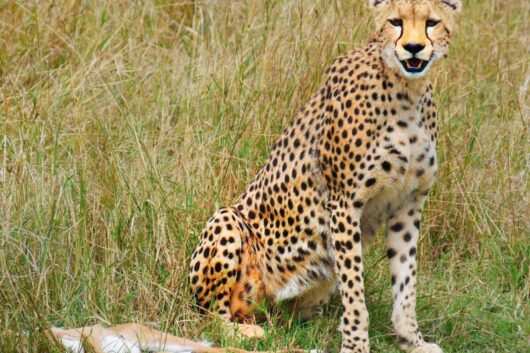
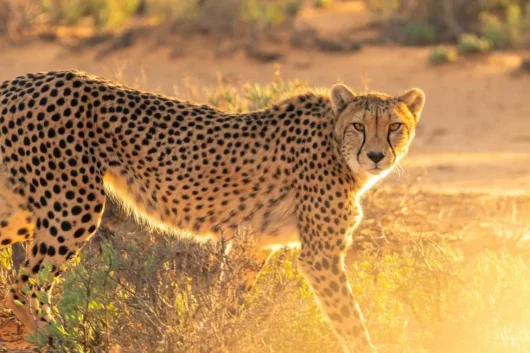
Distinctive black "tear marks" beneath the eyes
Learning these differences makes wildlife identification much easier on safari.
Africa's famous big cats include:
Lion
Leopard
Cheetah
Although the cheetah is not classified in the same genus as lions and leopards, safari enthusiasts commonly include it among Africa's iconic big cats due to its importance in wildlife viewing.
The cheetah is the fastest land animal on Earth.
It can reach speeds of up to 100–120 km/h (62–75 mph) in short bursts while chasing prey across open plains.
Watching a cheetah hunt is one of the most thrilling experiences on an African safari.
The African bush elephant is the largest land animal on Earth.
Adult males may:
Weigh over 6,000 kilograms (13,200 pounds)
Stand more than 3 meters (10 feet) tall at the shoulder
These gentle giants are among the highlights of any safari.
The giraffe is the tallest living land animal.
Adult males can grow to over 5.5 meters (18 feet) tall.
Africa is home to several giraffe species and subspecies, including the Masai giraffe, reticulated giraffe, Rothschild's giraffe, and northern giraffe.
Some of Africa's richest wildlife ecosystems include:
Masai Mara National Reserve
Serengeti National Park
Ngorongoro Crater
Amboseli National Park
Chobe National Park
Kruger National Park
Etosha National Park
These destinations support large populations of mammals, birds, reptiles, and predators throughout the year.
No reputable safari operator can guarantee sightings because all wildlife is free-ranging.
However, experienced guides, carefully planned itineraries, and visits to wildlife-rich destinations significantly improve your chances. Many travelers see four or even all five members of the Big Five during a single safari, but every game drive is unique.
The migration primarily involves:
Approximately 1.5 million wildebeest
Hundreds of thousands of zebras
Hundreds of thousands of Thomson's gazelles
Predators such as lions, leopards, cheetahs, hyenas, and crocodiles follow the migrating herds, creating dramatic wildlife encounters.
Yes.
The best time depends on the species, but many visitors travel between January and March to witness the wildebeest calving season in the southern Serengeti. During this period, thousands of calves are born, attracting numerous predators.
Many other species—including elephants, zebras, giraffes, antelopes, and lions—also have young throughout the year.
Adeli Kenya Safaris offers expertly crafted wildlife itineraries designed to maximize your chances of seeing the Big Five and many other iconic African animals. With knowledgeable driver-guides, carefully selected parks and conservancies, customized routes, and comfortable accommodations, each safari is tailored to your interests, budget, and travel style.
Whether your goal is photographing lions in the Masai Mara, observing elephants beneath Mount Kilimanjaro, tracking rhinos in Ol Pejeta, or witnessing the Great Wildebeest Migration, Adeli Kenya Safaris provides an authentic and unforgettable wildlife experience.
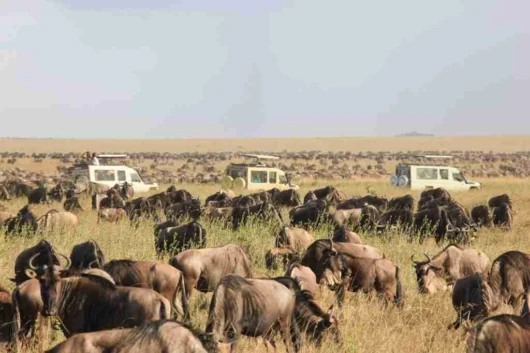
The Great Wildebeest Migration is the world's largest terrestrial wildlife migration. Every year, approximately 1.5 million blue wildebeest, accompanied by more than 300,000 zebras and 500,000 Thomson's gazelles, travel in a continuous circular journey between Tanzania's Serengeti National Park and Kenya's Masai Mara National Reserve.
Driven by rainfall and the search for fresh grazing, the migration covers nearly 800–1,000 kilometers (500–620 miles) annually and features dramatic river crossings, predator encounters, and the birth of thousands of calves.
It is widely regarded as one of the Seven Natural Wonders of Africa and one of the greatest wildlife spectacles on Earth.
Wildebeest migrate primarily in search of fresh grass and water.
Their movements follow seasonal rainfall patterns across the Serengeti-Mara ecosystem. As grazing areas become depleted or dry, the herds instinctively move toward regions with new vegetation.
This continuous search for food and water has been taking place for thousands of years and is essential to the health of the ecosystem.
The migration includes approximately:
1.5 million blue wildebeest
300,000–400,000 zebras
500,000 Thomson's gazelles
Thousands of elands and other antelope species
The migration also attracts predators such as lions, leopards, cheetahs, hyenas, and Nile crocodiles, creating extraordinary wildlife interactions.
The migration occurs within the Serengeti-Mara ecosystem, spanning northern Tanzania and southern Kenya.
Key locations include:
Southern Serengeti
Central Serengeti
Western Corridor
Grumeti River
Northern Serengeti
Mara River
Masai Mara National Reserve
The exact location of the herds changes throughout the year.
No.
The Great Wildebeest Migration is a continuous, year-round cycle rather than a single event. Different stages occur in different months, including calving, long-distance movement, river crossings, and the return journey south.
This means travelers can experience different highlights depending on when they visit.
There is no single "best" time—it depends on the experience you're seeking.
January–March: Calving season in southern Serengeti.
April–June: Herds move through central and western Serengeti.
June–July: Grumeti River crossings.
July–October: Mara River crossings and Masai Mara.
October–December: Return migration toward southern Serengeti.
Every stage offers unique wildlife encounters and photographic opportunities.
The famous Mara River crossings generally occur between July and October, although exact timing varies each year depending on rainfall and the movement of the herds.
River crossings are unpredictable. Herds may wait for hours—or even days—before suddenly plunging into the river, where they face strong currents and Nile crocodiles.
Yes.
The Great Migration is driven entirely by nature, particularly rainfall and grass availability. As a result, migration timing can shift by several weeks from one year to another.
No tour operator can guarantee exact dates or locations, but experienced safari planners monitor herd movements to recommend the best travel periods.
The migration itself happens every year, but wildlife is never predictable.
Because the animals roam freely across a vast ecosystem, no one can guarantee specific sightings, river crossings, or exact herd locations on a particular day.
Choosing the right itinerary, season, and experienced guide greatly improves your chances of witnessing key migration events.
The calving season occurs mainly between late January and early March in the southern Serengeti and Ndutu region.
During this period:
Around 500,000 wildebeest calves are born within a few weeks.
Predators become highly active.
Lions, cheetahs, hyenas, and leopards take advantage of vulnerable newborns.
Wildlife photography opportunities are exceptional.
This is one of the best times to witness predator-prey interactions.
The migration supports some of Africa's highest predator densities.
Common predators include:
African lions
Leopards
Cheetahs
Spotted hyenas
Black-backed jackals
Nile crocodiles
These predators rely heavily on the migrating herds for food, resulting in dramatic wildlife encounters throughout the year.
For many visitors, the highlight is the Mara River crossing.
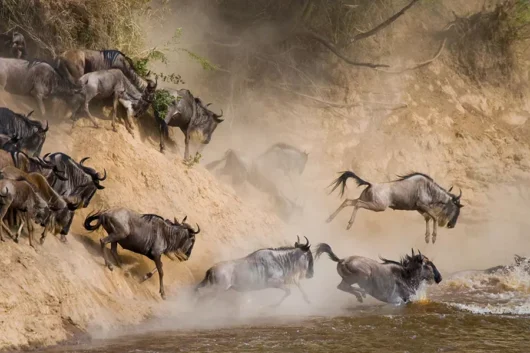
Thousands of wildebeest gather along steep riverbanks before making a sudden, chaotic dash across crocodile-infested waters. The crossing is filled with intense action as animals battle currents, avoid predators, and climb slippery riverbanks.
Every crossing is different, making each experience unique.
Both countries offer outstanding experiences, but at different stages of the migration.
Kenya (Masai Mara):
Famous Mara River crossings.
Peak viewing from July to October.
Excellent predator sightings.
Tanzania (Serengeti):
Calving season.
Longer migration route.
Larger protected ecosystem.
Excellent year-round wildlife.
Many travelers choose a combined Kenya and Tanzania safari to experience multiple stages of the migration.
The Great Wildebeest Migration never truly ends.
It is a continuous annual cycle that repeats every year as animals move between seasonal grazing areas in Tanzania and Kenya.
Rather than asking "when does it happen," it's more accurate to ask, "Where are the herds this month?"
Yes.
Families with children often enjoy watching massive herds of wildebeest, zebras, giraffes, elephants, and predators in action.
Many safari lodges cater specifically to families, although parents should check minimum age requirements for activities such as hot air balloon safaris.
Essential items include:
Neutral-colored clothing
Comfortable walking shoes
Sun hat
Sunglasses
Sunscreen
Insect repellent
Binoculars
Camera with extra batteries
Memory cards
Reusable water bottle
Light jacket for early morning game drives
A good pair of binoculars greatly enhances wildlife viewing.
Absolutely.
The migration is considered one of the world's greatest wildlife photography opportunities.
Photographers can capture:
River crossings
Predator hunts
Newborn calves
Vast herds stretching across the plains
Golden sunrise and sunset landscapes
Balloon safari aerial views
Bring a telephoto lens (200–600 mm) and plenty of memory cards.
Yes.
A sunrise hot air balloon safari provides breathtaking aerial views of the Serengeti or Masai Mara, allowing visitors to appreciate the immense scale of the migration from above.
Most balloon flights conclude with a champagne breakfast in the bush, making them a memorable addition to a safari itinerary.
Because migration season is extremely popular, it's advisable to book:
Luxury camps: 9–12 months in advance.
Mid-range lodges: 6–9 months ahead.
Budget safaris: At least 4–6 months ahead.
Early booking offers the widest choice of accommodations near prime migration areas.
Adeli Kenya Safaris specializes in tailor-made Great Wildebeest Migration safaris across Kenya and Tanzania. The team carefully plans itineraries based on seasonal herd movements, helping guests maximize their chances of witnessing river crossings, calving season, predator action, and the incredible diversity of the Serengeti-Mara ecosystem.
With experienced local guides, quality accommodations, and customized safari options for every budget, Adeli Kenya Safaris delivers unforgettable migration experiences while ensuring seamless planning and personalized service from start to finish.
Accommodation on an African safari ranges from budget campsites to ultra-luxury safari lodges and tented camps. The type of accommodation you choose depends on your budget, travel style, and destination.
Common options include:
Luxury safari lodges
Luxury tented camps
Mid-range lodges
Permanent tented camps
Budget safari camps
Mobile camps
Eco-lodges
Boutique safari camps
All offer easy access to wildlife and are usually located inside or close to national parks and conservancies.
A safari lodge is a permanent building with hotel-style rooms, while a tented camp features spacious canvas tents built on raised platforms with proper beds, ensuite bathrooms, electricity, and modern comforts.
Luxury tented camps are often as comfortable as high-end hotels while providing a more authentic bush experience with closer connections to nature.
Yes.
Safari tents are designed specifically for wildlife areas and are extremely safe when managed by reputable operators.
Professional camps employ:
Trained security staff
Night guards
Raised platforms
Wildlife monitoring
Emergency communication systems
Guests are also escorted to and from their tents after dark whenever necessary.
Most mid-range and luxury safari lodges and tented camps feature private ensuite bathrooms with:
Hot showers
Flush toilets
Wash basins
Running water
Toiletries
Towels
Only basic camping safaris may use shared bathroom facilities.
Yes.
Most safari lodges provide electricity throughout the day or during scheduled hours.
Power may come from:
Solar energy
Backup generators
National electricity grids
Charging points for cameras, phones, and laptops are available in most accommodations.
Many safari lodges and camps offer complimentary Wi-Fi.
However, internet speeds vary depending on location, and some remote camps intentionally provide limited connectivity so guests can fully enjoy the wilderness experience.
Digital detox is often considered part of the safari adventure.
Coverage depends on the location.
Many parks have reasonable mobile coverage near lodges and camps, while very remote wilderness areas may have limited or no signal.
Most accommodations provide alternative communication methods in case of emergencies.
Safari packages typically include:
Breakfast
Lunch
Dinner
Meals are often served as:
Buffet meals
Three-course dinners
Bush breakfasts
Picnic lunches
Sundowner snacks
Menus usually feature fresh local ingredients alongside international cuisine.
Yes.
Most safari lodges cater for:
Vegetarian diets
Vegan meals
Gluten-free diets
Halal meals
Kosher meals (at selected lodges)
Food allergies
Inform your safari operator of any dietary needs before your trip.
Many mid-range and luxury safari lodges feature swimming pools where guests can relax between game drives.
Infinity pools overlooking watering holes are especially popular in high-end safari camps.
Yes.
Most mid-range and luxury lodges provide laundry services for an additional fee or as part of the package.
Because of local customs, some camps may not wash underwear by hand, so it's worth checking individual lodge policies.
Luxury safari lodges offer premium comfort while remaining close to nature.
Features often include:
Spacious suites
Private decks
Gourmet dining
Swimming pools
Spa treatments
Butler service
Fine wines
Air-conditioned rooms (selected properties)
Spectacular wildlife views
Luxury safaris combine exceptional comfort with unforgettable wildlife experiences.
Eco-lodges focus on sustainable tourism and environmental conservation.
Many eco-lodges use:
Solar energy
Rainwater harvesting
Local building materials
Waste recycling
Community employment
Wildlife conservation initiatives
Staying in an eco-lodge helps support responsible tourism.
Most game drives use custom-built 4×4 safari vehicles designed specifically for wildlife viewing.
Common vehicle types include:
Toyota Land Cruiser
Toyota Land Cruiser Prado
Toyota Hilux Safari Vehicle
Safari vans (popular in Kenya)
Vehicles typically feature pop-up roofs, large windows, comfortable seating, charging ports, and radio communication.
Safari Van
More affordable
Suitable for many Kenyan parks
Comfortable for road safaris
Lower operating costs
4×4 Land Cruiser
Better off-road capability
More comfortable on rough terrain
Ideal during rainy seasons
Preferred for photography safaris
Commonly used in Kenya and Tanzania
Many travelers choose Land Cruisers for premium safari experiences.
Yes.
Most safari vehicles feature pop-up roofs that allow guests to stand safely while observing and photographing wildlife.
This provides better visibility and excellent photography angles.
It depends on the safari type.
Typical arrangements include:
Private safari: Only your booking.
Small group safari: 4–7 guests.
Larger group tours: Up to vehicle capacity.
Smaller groups generally provide more space and better wildlife viewing.
Yes.
Private vehicles are available for:
Families
Honeymoon couples
Photographers
Birdwatchers
Wildlife enthusiasts
Small private groups
Private vehicles offer maximum flexibility and personalized game drives.
Both have advantages.
Road Safari
More affordable.
Scenic countryside.
Opportunity to visit multiple parks.
Flexible stopovers.
Fly-in Safari
Saves travel time.
Greater comfort.
Access to remote camps.
Ideal for luxury holidays.
More time for game drives.
Your choice depends on your budget, available time, and preferred travel style.
The best accommodation depends on your budget, interests, and travel style.
Budget travelers: Comfortable camps and budget lodges.
Families: Family-friendly lodges with spacious rooms and child-friendly facilities.
Honeymooners: Luxury tented camps with private decks and romantic settings.
Photographers: Camps located near prime wildlife viewing areas.
Luxury travelers: Exclusive safari lodges with premium amenities and personalized service.
Adeli Kenya Safaris carefully selects accommodations based on your preferences, ensuring comfort, excellent service, and outstanding wildlife experiences throughout your safari.
Yes. African safaris are generally very safe when booked with a reputable tour operator like Adeli Kenya Safaris.
National parks and private conservancies are managed for tourism, and professional safari guides are highly trained in wildlife behavior, defensive driving, first aid, and emergency procedures.
To ensure a safe experience:
Always follow your guide's instructions.
Remain inside the safari vehicle unless told otherwise.
Keep a respectful distance from wildlife.
Avoid feeding or provoking animals.
Secure valuables and travel documents.
Millions of travelers enjoy safe African safaris every year.
Yes.
Kenya remains one of Africa's leading tourism destinations and welcomes hundreds of thousands of international visitors annually.
Popular safari destinations such as:
Masai Mara
Amboseli
Lake Nakuru
Samburu
Tsavo
Ol Pejeta
are well-established tourist areas with experienced guides, quality accommodations, and strong tourism infrastructure.
As with any international destination, exercise normal travel precautions in cities and follow local advice.
Yes.
Tanzania is widely recognized as one of Africa's safest safari destinations.
National parks such as:
Serengeti
Ngorongoro
Tarangire
Lake Manyara
are specifically managed for tourism and conservation, with experienced guides and professional lodge staff dedicated to visitor safety.
Wild animals are exactly that—wild. However, incidents involving safari guests are extremely rare because trained guides understand animal behavior and follow established safety practices.
The most important rules are:
Stay inside the vehicle during game drives unless instructed otherwise.
Do not attempt to approach animals.
Keep noise levels low.
Never feed wildlife.
Listen carefully to your guide.
Respecting wildlife ensures a safe and enjoyable safari.
Yes, occasionally.
Many safari camps are unfenced to allow wildlife to move naturally through the ecosystem.
Guests may see:
Zebras
Warthogs
Antelopes
Elephants
Hyenas
Hippos
passing near camp.
Professional staff monitor wildlife activity, and guests are escorted between their rooms and common areas after dark when necessary.
Vaccination recommendations depend on your country of residence, travel history, and destinations.
Commonly recommended vaccinations may include:
Hepatitis A
Hepatitis B
Typhoid
Tetanus
Routine immunizations
Some travelers may also require a Yellow Fever vaccination certificate if arriving from or transiting through countries with a risk of yellow fever transmission. Always check the latest official health requirements for your itinerary and consult your healthcare provider or a travel medicine clinic before departure.
It depends.
Kenya and Tanzania may require proof of Yellow Fever vaccination if you are arriving from—or have recently transited through—a country where Yellow Fever is present.
If you're traveling directly from countries without Yellow Fever risk, a certificate is often not required, but regulations can change.
Always confirm current requirements before travel.
Malaria exists in many parts of East Africa.
Whether you should take antimalarial medication depends on:
Your itinerary
Length of stay
Season
Personal health
Advice from your healthcare provider
In addition to medication (if prescribed), travelers should:
Use insect repellent.
Wear long sleeves during evenings.
Sleep under mosquito nets where provided.
Choose accommodations with screened rooms where available.
Not usually.
Mosquitoes are generally more active during:
Dawn
Dusk
Night
During daytime game drives, mosquito activity is typically low.
Most safari lodges provide mosquito nets and take measures to reduce mosquito exposure.
Yes.
Most safari operators, including Adeli Kenya Safaris, provide bottled or purified drinking water during game drives.
Guests are encouraged to remain hydrated, particularly during warmer months.
It is generally recommended that international visitors drink bottled or properly purified water rather than untreated tap water.
Most safari lodges provide safe drinking water for guests.
Yes.
Comprehensive travel insurance is strongly recommended.
A good policy should include:
Medical emergencies
Trip cancellation
Trip interruption
Emergency evacuation
Lost baggage
Flight delays
Personal belongings
Insurance provides valuable protection throughout your journey.
Professional safari guides maintain communication with nearby lodges and emergency services.
If medical attention is required:
Local clinics are available in many safari regions.
Larger hospitals are accessible in major towns and cities.
Emergency air evacuation services are available in remote areas when necessary.
Your guide and safari operator will assist in coordinating appropriate care.
Many pregnant travelers enjoy safaris, but suitability depends on factors such as the stage of pregnancy, planned activities, road conditions, and medical advice.
Consult your doctor before booking, and discuss your itinerary with your safari operator so suitable arrangements can be considered.
Absolutely.
Many safari itineraries are ideal for seniors and can include:
Comfortable lodges
Shorter driving distances
Fly-in safari options
Flexible schedules
Easy-access accommodations
Safari experiences can be tailored to individual mobility and comfort needs.
Visa requirements depend on your nationality.
Many travelers must obtain travel authorization before arrival, while others may be exempt under current regulations.
Entry requirements can change, so always check the latest official immigration guidance before traveling.
Visa requirements vary by nationality.
Many visitors can apply before travel or obtain a visa according to the current entry policies.
Always verify the latest visa rules for your passport before booking or departing.
Bring:
Passport (with sufficient validity)
Required travel authorization or visa documents
Travel insurance details
Flight tickets
Hotel confirmations
Safari itinerary
Emergency contact information
Copies of important documents (stored separately or digitally)
Keeping electronic backups is also a good practice.
The US Dollar (USD) is widely accepted for many tourism-related services in East Africa, while local currencies are useful for smaller purchases and day-to-day expenses.
Credit cards are accepted at many hotels and lodges, though some remote locations may prefer cash for optional purchases and gratuities.
Choosing an experienced local safari specialist provides peace of mind from the moment you begin planning until you return home.
Adeli Kenya Safaris offers:
Personalized itinerary planning
Carefully selected accommodations
Professional driver-guides
Reliable airport transfers
24/7 travel support during your safari
Transparent pricing with no hidden costs
Extensive local knowledge of Kenya, Tanzania, Uganda, and Rwanda
Whether you're traveling solo, as a couple, with family, or in a group, the team is committed to making your African safari safe, seamless, and unforgettable.
Pack light but bring everything you'll need for comfort and wildlife viewing.
Recommended items include:
Neutral-colored clothing
Lightweight long-sleeved shirts
Comfortable trousers or safari pants
Wide-brimmed hat
Sunglasses
Sunscreen
Insect repellent
Comfortable walking shoes
Light fleece or jacket
Camera
Binoculars
Power bank
Universal travel adapter
Reusable water bottle
Personal medications
Small daypack
Most travelers find that soft-sided luggage is more practical than hard suitcases, especially for light aircraft transfers.
Neutral colors such as:
Khaki
Olive green
Beige
Brown
Grey
blend naturally into the environment and are less likely to attract unwanted attention from wildlife.
Bright colors can stand out in the bush, while dark blue and black may attract tsetse flies in some regions.
Yes.
Shorts are comfortable during warm afternoons, but many travelers prefer lightweight trousers during morning and evening game drives to provide extra protection against cooler temperatures, sun exposure, and insects.
Yes.
Although daytime temperatures can be warm, early morning game drives and evening safaris can be surprisingly cool, especially in higher-altitude destinations such as the Masai Mara, Ngorongoro, and Amboseli.
A light jacket or fleece is highly recommended.
Africa offers excellent safari experiences throughout the year.
Generally:
June–October: Dry season with outstanding wildlife viewing.
January–March: Warm weather and calving season in parts of Tanzania.
April–May: Green season with lush scenery and fewer visitors.
November–December: Good wildlife viewing and attractive travel offers.
The ideal time depends on your destination and travel goals.
No.
The rainy seasons usually consist of short showers rather than continuous rainfall.
Rain often falls in the afternoon or evening, leaving plenty of opportunities for enjoyable game drives.
The landscape also becomes greener and more photogenic during this period.
Any camera can capture wonderful safari memories.
Popular options include:
DSLR cameras
Mirrorless cameras
Bridge cameras
Compact travel cameras
Smartphones with quality zoom capabilities
Choose equipment that matches your photography experience and travel style.
Many photographers recommend:
70–200 mm: Larger animals at moderate distances.
100–400 mm: Excellent all-round safari lens.
150–600 mm: Distant wildlife and birds.
24–70 mm: Landscapes, lodges, and wider scenes.
If carrying one lens, a versatile telephoto zoom is often the best choice.
Absolutely.
A good pair of binoculars enhances every game drive by allowing you to observe distant animals, birds, and fascinating wildlife behavior that may not be visible to the naked eye.
They are especially valuable for birdwatching and spotting elusive species such as leopards.
In most national parks and conservancies, drones are not permitted without prior authorization from the relevant authorities.
Drone regulations exist to:
Protect wildlife.
Avoid disturbing other visitors.
Support conservation efforts.
Ensure aviation safety.
Always check the latest regulations before traveling with a drone.
Soft-sided duffel bags are recommended, particularly for fly-in safaris where baggage size and weight restrictions apply.
A lightweight daypack is also useful for carrying:
Camera
Binoculars
Water bottle
Sunscreen
Personal items
Yes.
Power outlets vary between countries and lodges.
A universal travel adapter ensures you can charge:
Cameras
Phones
Laptops
Power banks
Other electronic devices
Some safari vehicles also provide charging ports during game drives.
The amount depends on your travel style and planned purchases.
Cash is useful for:
Tips
Souvenirs
Small shops
Local markets
Optional activities
Major hotels and many lodges accept credit cards, but remote areas may have limited card facilities.
Weather varies by destination and season.
In East Africa, expect:
Warm sunny days.
Cool mornings.
Pleasant evenings.
Occasional rain during wet seasons.
Temperatures are often more moderate than many travelers expect due to altitude.
Yes.
Nearly all safari lodges provide electricity for charging cameras, phones, laptops, and other electronic devices.
Many safari vehicles also have charging ports, although carrying spare batteries is always recommended.
Only with permission.
Always ask politely before photographing Maasai communities or other local residents.
Many cultural visits include opportunities for photography, and respectful interactions help create positive experiences for both visitors and local communities.
Absolutely.
You don't need expensive equipment to capture incredible safari memories.
Professional guides often position vehicles to provide the best viewing angles, making it easier for beginners to photograph wildlife successfully.
Patience and observation are often more important than camera equipment.
Helpful tips include:
Bring extra batteries and memory cards.
Keep your camera ready during game drives.
Use continuous autofocus for moving animals.
Photograph during the golden hours after sunrise and before sunset.
Focus on the animal's eyes.
Be patient and allow wildlife to behave naturally.
Following your guide's advice can also help you capture memorable images.
Avoid bringing:
Bright neon clothing.
Excessive luggage.
Valuable jewelry.
Strong perfumes.
Single-use plastic bags (where prohibited).
Heavy hard-shell suitcases for fly-in safaris.
Packing light makes traveling between destinations much easier.
Planning a safari involves more than simply booking accommodation. Adeli Kenya Safaris provides comprehensive pre-travel guidance, including packing recommendations, seasonal travel advice, weather expectations, luggage guidelines, photography tips, and destination-specific information. This helps guests arrive fully prepared and enjoy a smooth, comfortable, and unforgettable African safari from the very first day.
Yes. African safaris can be wonderful family holidays, offering children and adults the chance to see wildlife in its natural habitat while learning about conservation, ecosystems, and local cultures.
Many safari lodges provide:
Family rooms and interconnecting suites
Swimming pools
Children's menus
Junior ranger programs
Educational nature activities
Flexible game-drive schedules
When traveling with young children, choose an itinerary with shorter driving distances and family-friendly accommodations.
There is no single ideal age, but many families find that children aged 6 years and older are able to enjoy longer game drives and appreciate wildlife sightings.
Some lodges welcome younger children, while activities such as walking safaris and hot air balloon rides often have minimum age requirements.
Yes, although careful planning is important.
Families traveling with babies or toddlers should consider:
Private safari vehicles for flexibility
Shorter game drives
Child-friendly lodges
Access to medical facilities
Flexible daily schedules
Discuss your family's needs with your safari specialist before booking.
Absolutely.
A safari honeymoon combines adventure, romance, and unforgettable scenery.
Many honeymoon itineraries include:
Luxury tented camps
Private candlelit bush dinners
Sundowner experiences
Hot air balloon safaris
Couples' spa treatments
Champagne breakfasts
Beach extensions in Zanzibar or Diani Beach
Few destinations offer such a unique combination of wildlife and romance.
Popular honeymoon destinations include:
Masai Mara National Reserve
Amboseli National Park
Serengeti National Park
Ngorongoro Crater
Zanzibar
Diani Beach
Many couples combine a luxury safari with several days on the beach for the perfect honeymoon.
Yes.
Many lodges and safari operators can help organize memorable proposals, including:
Private bush dinners
Sunset viewpoints
Balloon safari proposals
Champagne celebrations
Romantic beach setups
Planning in advance ensures every detail is carefully arranged.
Luxury safaris focus on personalized service, exceptional accommodation, exclusive wildlife experiences, and premium comfort.
They may include:
Luxury lodges and tented camps
Fly-in transfers
Private safari vehicles
Gourmet dining
Butler service
Spa treatments
Exclusive game drives
Premium beverages
Luxury safaris provide an unforgettable blend of adventure and comfort.
A fly-in safari uses scheduled or charter flights between safari destinations instead of long road transfers.
Advantages include:
Less travel time
More time for wildlife viewing
Access to remote parks
Greater comfort
Spectacular aerial views
Fly-in safaris are especially popular with luxury travelers and honeymooners.
Yes.
Popular multi-country itineraries include:
Kenya + Tanzania
Kenya + Uganda
Kenya + Rwanda
Tanzania + Zanzibar
Kenya + Tanzania + Zanzibar
Kenya + Uganda + Rwanda
These itineraries allow travelers to experience a wider variety of wildlife, landscapes, and cultures.
Gorilla trekking is a guided hike through tropical rainforest to observe endangered mountain gorillas in their natural habitat.
It is considered one of Africa's most extraordinary wildlife experiences.
Uganda and Rwanda are the leading destinations for mountain gorilla trekking.
Mountain gorillas can only be found in three countries:
Uganda
Rwanda
Democratic Republic of the Congo
The most popular trekking destinations are:
Bwindi Impenetrable National Park (Uganda)
Mgahinga Gorilla National Park (Uganda)
Volcanoes National Park (Rwanda)
The difficulty varies depending on where the gorilla family is located on the day of your trek.
Some hikes last less than an hour, while others may take several hours through mountainous terrain.
Reasonable fitness helps, but most travelers can participate with proper preparation.
Visitors are generally required to maintain a minimum viewing distance as instructed by park rangers to protect both the gorillas and visitors.
Once a gorilla family is located, visitors are usually allowed approximately one hour to observe and photograph them while following the ranger's guidance.
Africa is a paradise for birdwatchers, with thousands of bird species across diverse habitats.
Popular birdwatching destinations include:
Lake Nakuru
Lake Naivasha
Amboseli
Masai Mara
Serengeti
Tarangire
Bwindi Forest
Both beginner and experienced birders can enjoy outstanding sightings throughout the year.
Yes.
Safari lodges frequently arrange special celebrations including:
Birthday cakes
Bush dinners
Champagne toasts
Sundowner celebrations
Room decorations
Private dining experiences
Inform your safari operator in advance so arrangements can be made.
Booking early offers the best choice of lodges and travel dates.
Recommended booking times:
Great Migration: 9–12 months ahead
Peak season: 6–9 months ahead
Green season: 3–6 months ahead
Luxury camps often sell out well in advance.
Yes.
Tailor-made safaris allow you to choose:
Destinations
Number of days
Accommodation style
Safari vehicle
Activities
Travel pace
Budget
Beach extensions
Domestic flights
Customized itineraries ensure your safari matches your interests and travel goals.
Booking directly with Adeli Kenya Safaris offers several advantages:
Personalized itinerary planning
Competitive local pricing
Direct communication with safari specialists
Carefully selected accommodations
Experienced professional guides
Flexible customization
Local destination expertise
Dedicated customer support before, during, and after your safari
Direct booking also allows you to discuss special requests, celebrate important occasions, and receive recommendations tailored to your travel style.
Booking is simple:
Contact Adeli Kenya Safaris with your preferred travel dates.
Share your destination interests, budget, and group size.
Receive a personalized safari itinerary and quotation.
Confirm your booking with the required deposit.
Complete the remaining balance according to the agreed payment schedule.
Receive your travel documents, pre-departure information, and final safari details.
The team will guide you through every step to ensure a smooth booking process.
Adeli Kenya Safaris combines local expertise, personalized service, and a passion for showcasing Africa's incredible wildlife and landscapes. Whether you're planning your first safari, a luxury honeymoon, a family holiday, a Big Five expedition, a Great Wildebeest Migration adventure, or a gorilla trekking experience, the team designs itineraries that match your interests, budget, and travel style.
From your first inquiry to your journey home, Adeli Kenya Safaris is committed to delivering exceptional service, memorable wildlife encounters, and authentic East African experiences that you'll treasure for a lifetime.
Yes. Many safari lodges, camps, and specially adapted 4×4 safari vehicles accommodate travelers with limited mobility. Adeli Kenya Safaris can design accessible itineraries with suitable accommodations, step-free access where available, and comfortable game-viewing experiences.
Yes. Accessible vehicles can be arranged upon request for travelers using wheelchairs or those with mobility challenges. Advance planning helps ensure the right vehicle and accommodations are available.
Absolutely. Many itineraries can be designed with shorter driving distances, fly-in safaris, accessible lodges, and flexible schedules to maximize comfort.
Yes. Vegetarian, vegan, halal, gluten-free, lactose-free, and allergy-conscious meals can usually be arranged when requested before travel.
Many travelers with medical conditions successfully enjoy safaris. Discuss your needs with your doctor and inform Adeli Kenya Safaris before booking so appropriate arrangements can be made.
The Masai Mara, Serengeti, Amboseli, and Ngorongoro Crater are among Africa's best photography destinations due to their abundant wildlife, dramatic scenery, and excellent natural light.
Yes. Photography-focused safaris can include experienced guides who understand wildlife positioning, lighting conditions, and vehicle placement for the best photographic opportunities.
Many photographers favor July to October for dramatic migration scenes and January to March for calving season and predator action.
Yes. Private safari vehicles provide flexibility to spend more time at wildlife sightings and position the vehicle for the best photographic angles.
Yes. Many safari camps are located far from city lights, offering outstanding opportunities for night-sky and astrophotography during clear weather.
Luxury safaris include premium accommodations, personalized service, private experiences, gourmet dining, exceptional guiding, and exclusive wildlife viewing.
Many luxury safari packages include accommodation, meals, game drives, park fees, selected beverages, and airport transfers. Always confirm inclusions before booking.
Some do, while others rely on natural ventilation due to cooler evening temperatures. Features vary by lodge and destination.
Yes. Private conservancies offer fewer vehicles, exclusive game drives, walking safaris, and night drives not always permitted in national parks.
Yes. Many luxury lodges provide family suites, children's programs, private vehicles, and tailored activities for younger guests.
Sustainable safari tourism minimizes environmental impact while supporting wildlife conservation and local communities through responsible travel practices.
Park fees and conservation levies contribute to wildlife protection, anti-poaching programs, habitat management, research, and community development.
Support local businesses, respect wildlife, reduce plastic waste, conserve water, follow park rules, and choose environmentally responsible safari operators.
Feeding wildlife changes natural behavior, creates dependency, increases conflict, and may endanger both animals and visitors.
Many camps use solar power, rainwater harvesting, recycling programs, and sustainable construction techniques to reduce their environmental footprint.
Deposit requirements vary depending on the itinerary, accommodation, and travel dates. Your quotation will clearly explain the payment schedule.
Changes are often possible, subject to availability and supplier policies. Contact your safari consultant as early as possible if your plans change.
If informed promptly, your safari operator can usually adjust airport transfers and, where feasible, help coordinate revised travel arrangements.
In many cases, yes, depending on accommodation availability and park logistics.
Arriving at least one day before your safari begins is recommended to reduce the impact of flight delays and allow time to rest.
Wildlife sightings occur on most game drives, although the species and numbers vary because animals roam freely.
Wildlife movements are influenced by rainfall, food availability, breeding, territorial behavior, and seasonal migration patterns.
The Masai Mara and Serengeti are among Africa's richest wildlife ecosystems, particularly during the Great Wildebeest Migration.
Night drives are permitted in many private conservancies and selected reserves but are generally not allowed in most Kenyan national parks.
Yes. Walking safaris are offered in selected parks and conservancies under the supervision of trained guides and armed rangers where required.
Morning game drives often begin around sunrise when wildlife is most active, while afternoon drives continue into sunset.
Most game drives last between 2 and 4 hours, although full-day safaris are available in many parks.
Yes. Guides usually allow guests plenty of time at wildlife sightings whenever conditions permit.
Restroom facilities are available at many park gates, picnic sites, lodges, and visitor centers. Your guide will schedule suitable stops.
Many modern safari vehicles provide USB charging ports or power outlets, though carrying a power bank is recommended.
Local operators provide first-hand destination knowledge, personalized service, competitive pricing, and direct support before and during your safari.
Booking directly with Adeli Kenya Safaris gives you access to customized itineraries, local expertise, transparent pricing, experienced guides, and dedicated support from a team based in East Africa.
Yes. Every itinerary can be customized to match your travel dates, interests, accommodation preferences, activities, and budget.
Simply contact Adeli Kenya Safaris with your preferred destinations, travel dates, group size, and budget. A safari specialist will prepare a personalized itinerary and quotation.
The first step is contacting an experienced local safari specialist. The team at Adeli Kenya Safaris will help you choose the ideal destinations, travel season, accommodation, and activities before creating a tailor-made safari that fits your interests and budget.
Popular Kenya safari destinations include the Maasai Mara, Amboseli, Samburu, Ol Pejeta, Lake Nakuru, Tsavo East and Tsavo West. The best combination depends on your wildlife interests, travel dates and budget.
A 4- to 7-day safari is a popular starting point, while 8 to 14 days allows you to combine several parks and reserves at a more relaxed pace.
Kenya offers wildlife viewing throughout the year. The dry seasons are popular for game viewing, while the green seasons can provide excellent scenery, fewer visitors and attractive rates.
Yes. Lions, elephants, buffaloes, leopards and rhinos can be seen in several Kenyan destinations. Maasai Mara and Ol Pejeta are particularly strong choices for Big Five viewing.
Yes. A Kenya safari can be combined with a beach stay in Mombasa, Diani, Watamu or another coastal destination for a wildlife-and-beach holiday.
Yes. Family safari itineraries can be designed with suitable lodges, shorter drives, child-friendly activities and a pace appropriate for the ages of the travelers.
Yes. Adeli Kenya Safaris can design private, tailor-made Kenya safari itineraries around your dates, destinations, accommodation preferences and budget.
Depending on the itinerary, a package may include accommodation, meals, safari vehicle, professional guide, park or conservancy fees, game drives and selected transfers. Your quotation should confirm the exact inclusions.
Yes. The Maasai Mara is one of the principal destinations for experiencing the annual wildebeest migration when the herds move into Kenya from the Serengeti.
Share your preferred dates, number of travelers, interests, accommodation level and budget with Adeli Kenya Safaris. A customized itinerary can then be prepared for your trip.
A combined Kenya and Tanzania safari is a multi-country wildlife journey that links leading destinations such as the Maasai Mara and Serengeti, often with Amboseli, Ngorongoro or Tarangire.
Around 8 to 14 days works well for a classic combination, although shorter and longer itineraries can be designed according to your priorities.
Yes. The Maasai Mara and Serengeti form one of the most popular East African safari combinations and provide excellent opportunities for wildlife viewing.
Yes. Ngorongoro can be added to a Kenya-Tanzania itinerary, particularly for travelers interested in crater landscapes and concentrated wildlife viewing.
Yes. Amboseli can be added for elephant viewing and spectacular views toward Mount Kilimanjaro.
Yes. Combining the Maasai Mara and Serengeti gives travelers a stronger opportunity to follow different stages of the migration, depending on the season.
Yes, international border crossings can be incorporated into suitable itineraries. The exact crossing and logistics depend on the route, border procedures and current travel requirements.
Yes. Family-friendly itineraries can be planned with comfortable accommodation, manageable driving times and activities suitable for different ages.
Yes. Luxury lodges and tented camps can be selected in both countries according to availability and your preferred travel style.
Tell Adeli Kenya Safaris your travel dates, preferred destinations, number of travelers and accommodation level, and the team can prepare a tailor-made two-country itinerary.
Popular destinations include the Serengeti, Ngorongoro Conservation Area, Tarangire and Lake Manyara, with routes tailored to wildlife, scenery and travel-season priorities.
A 5- to 8-day itinerary can cover several highlights, while longer trips allow more time in the Serengeti and additional parks.
Yes. The Serengeti is one of the key destinations for experiencing the Great Wildebeest Migration, with timing varying throughout the year.
Yes. The Serengeti is renowned for its large wildlife populations, expansive savannahs, predator sightings and migration spectacle.
Yes. Ngorongoro is one of Tanzania's most iconic safari destinations and can be combined with the Serengeti and other northern-circuit parks.
Yes. A Kilimanjaro climb or excursion can be combined with a safari subject to the length and logistics of your trip.
Yes. Tanzania offers romantic lodges, private experiences, wildlife viewing and options for combining a safari with Zanzibar.
Yes. A Tanzania safari and Zanzibar beach holiday is one of the most popular East African combinations.
Depending on the itinerary, packages may include accommodation, meals, game drives, guide services, park fees, transfers and selected flights or road transport.
Contact Adeli Kenya Safaris with your preferred dates, destinations, number of travelers and budget to receive a customized Tanzania safari proposal.
Yes. Adeli Kenya Safaris can arrange tailor-made Zanzibar beach vacations from Kenya, including accommodation, transfers, activities and optional safari combinations.
Popular areas include Nungwi, Kendwa, Matemwe, Paje, Jambiani and Stone Town. The best area depends on whether you prefer beaches, nightlife, diving, culture or relaxation.
A 4- to 7-night stay is popular, while longer holidays allow more time for beaches, excursions, Stone Town and water activities.
Yes. A Serengeti, Ngorongoro or Tarangire safari can be followed by a relaxing Zanzibar beach vacation.
Popular experiences include beach relaxation, snorkeling, diving, spice tours, Stone Town sightseeing, dhow cruises and visits to marine conservation areas.
Yes. Zanzibar offers romantic beaches, resorts, private excursions, sunset cruises and a relaxed island atmosphere suitable for honeymooners.
Yes. Families can enjoy beaches, boat trips, cultural tours and selected water activities with an itinerary adapted to the children's ages.
Zanzibar is a year-round destination, with travel dates chosen according to preferred weather, activities, budget and seasonal conditions.
Yes. Luxury resorts, private transfers, premium rooms and exclusive excursions can be incorporated into a customized Zanzibar package.
Send Adeli Kenya Safaris your preferred dates, number of travelers, hotel preference and desired activities, and a personalized Zanzibar itinerary can be prepared.
Yes. Adeli Kenya Safaris can arrange Uganda gorilla trekking itineraries from Kenya, including suitable accommodation, transport and trekking arrangements.
Gorilla trekking in Uganda is primarily associated with Bwindi Impenetrable National Park, with trekking sectors offering access to habituated gorilla families.
Trekking difficulty varies by gorilla family location, terrain and weather. It can involve steep, muddy and uneven forest trails, so reasonable fitness is recommended.
Yes. A gorilla trekking permit is required, and permits are limited. Travelers should secure them well in advance through an authorized operator or the relevant authorities.
The trek duration varies because gorillas are wild animals and their location changes. The experience can take several hours, including time in the forest and the allocated gorilla viewing period.
Yes. Uganda can combine gorilla trekking with destinations such as Queen Elizabeth National Park, Murchison Falls or other wildlife areas.
Age and permit rules apply, so families should check current requirements before booking. Suitable family itineraries can be designed around the travelers' ages and interests.
Useful items include sturdy hiking shoes, long trousers, waterproof clothing, insect protection, gloves, a daypack, water and other forest-appropriate gear.
Yes. Itineraries can use regional flights or road connections depending on the route, budget, travel time and border requirements.
Share your preferred dates, group size and travel interests with Adeli Kenya Safaris so the trekking permits, accommodation and itinerary can be planned together.
Yes. Adeli Kenya Safaris can plan Rwanda gorilla trekking tours from Kenya with accommodation, transfers, permits and other selected travel services.
Rwanda gorilla trekking takes place in Volcanoes National Park in the Virunga Mountains.
The difficulty varies by gorilla family and terrain. Treks can involve steep volcanic slopes and forest trails, so good walking fitness is helpful.
Yes. A permit is required, and availability is limited. Advance planning is strongly recommended.
Trekking time varies according to the location and movement of the gorilla family. The forest portion may take several hours.
Yes. Rwanda can be combined with wildlife experiences in Akagera National Park or with neighboring Uganda and Kenya, subject to route and border arrangements.
Yes. Kigali can be included for city sightseeing, cultural experiences and a visit to the Kigali Genocide Memorial before or after trekking.
Pack sturdy hiking footwear, long clothing, waterproof layers, insect protection, gloves, water and a comfortable daypack.
Yes. A private Rwanda itinerary can combine gorilla trekking with luxury accommodation and romantic experiences.
Contact Adeli Kenya Safaris with your dates and group details so permit availability and the rest of the itinerary can be coordinated.
Kruger National Park and nearby private reserves are among the most popular safari areas, while other parts of the country offer wildlife, scenery and cultural experiences.
Yes. Adeli Kenya Safaris can design South Africa safari itineraries from Kenya, including wildlife viewing, accommodation, transfers and optional city extensions.
Yes. Kruger National Park and private reserves in the Greater Kruger area offer excellent opportunities to see the Big Five.
Yes. A popular itinerary combines a safari with Cape Town, the Cape Winelands, the Garden Route or other South African attractions.
A 4- to 7-day safari can work well for Kruger, while a 10- to 14-day trip allows a broader South Africa experience.
Yes. Family-friendly lodges and reserves can be selected, with activities and driving schedules tailored to children and adults.
Yes. Private reserves offer luxury lodges, private game drives and premium safari experiences.
The ideal season depends on the region. The dry winter months are often favored for wildlife viewing in Kruger because vegetation is thinner and animals concentrate around water.
Yes. A multi-country itinerary can combine South Africa with Victoria Falls, subject to flights, border requirements and available travel time.
Share your preferred travel dates, destinations, accommodation style and budget with Adeli Kenya Safaris for a tailor-made proposal.
Yes. Egypt and Botswana can be combined in a longer multi-country African itinerary, subject to flight schedules, visa requirements and the time available.
Egypt offers the Pyramids of Giza, Cairo, the Nile and ancient heritage, while Botswana is known for the Okavango Delta, Chobe, Moremi and exceptional wildlife.
Yes. A customized itinerary can combine Cairo and the Pyramids with a Botswana safari, provided the international and regional flight connections work for your dates.
The Okavango Delta, Moremi Game Reserve, Chobe National Park and Central Kalahari are among Botswana's leading wildlife destinations.
Yes. Botswana is particularly well known for high-quality camps, private concessions, water-based activities and exclusive wildlife experiences.
A longer itinerary of roughly 10 to 16 days can provide a more comfortable combination, depending on how much time you want in Cairo and Botswana.
Yes. Egypt can be booked as an independent outbound holiday, with Cairo, the Pyramids, Nile experiences and other destinations included according to your interests.
Yes. Botswana can be combined with destinations such as Mauritius, Seychelles or other beach locations in a multi-country itinerary.
Yes. Couples can combine cultural discovery and luxury safari experiences, with a beach extension if desired.
Tell Adeli Kenya Safaris your preferred dates, destinations, number of travelers and budget so the team can build a coordinated multi-country itinerary.
Yes. Adeli Kenya Safaris can arrange tailor-made Namibia safari and holiday itineraries from Kenya.
Popular highlights include Etosha National Park, Sossusvlei, the Namib Desert, Swakopmund, Damaraland and the Skeleton Coast.
Yes. Etosha National Park is particularly well known for wildlife viewing, including elephants, lions, rhinos, giraffes and numerous antelope species.
Sossusvlei is famous for towering red sand dunes, stark desert scenery and iconic photographic landscapes.
A 7- to 12-day itinerary can cover major highlights, while longer trips allow more time for remote regions and scenic drives.
Namibia is known for self-drive travel, but guided and private itineraries are also available and can be more convenient for travelers who prefer professional support.
Yes. Namibia and Botswana make a strong Southern Africa combination for travelers interested in desert landscapes and wildlife.
Yes. Desert dunes, wildlife, dramatic landscapes and clear skies make Namibia especially attractive to photographers.
Namibia can be visited throughout much of the year, with the dry season often favored for wildlife viewing and comfortable conditions in many areas.
Provide Adeli Kenya Safaris with your dates, interests, accommodation preferences and budget for a customized Namibia itinerary.
Yes. Ethiopia can be arranged as an outbound African holiday from Kenya, combining history, culture, scenery and selected wildlife experiences.
Popular highlights include Addis Ababa, Lalibela, Gondar, the Simien Mountains, Axum and the Danakil Depression, depending on the itinerary.
Lalibela is famous for its remarkable rock-hewn churches and its importance as a historic religious destination.
Yes. The Simien Mountains offer dramatic scenery, hiking and opportunities to see endemic wildlife such as gelada baboons.
Yes. Ethiopia has a distinctive history, architecture, cuisine, festivals and cultural heritage that make it a strong choice for cultural travel.
A 7- to 12-day itinerary can cover several major destinations, while longer trips allow more time for trekking and remote regions.
Yes. A Kenya-Ethiopia combination can be considered for travelers seeking wildlife, culture and diverse African landscapes.
Yes. Trekking in the Simien Mountains and exploring volcanic and desert landscapes can provide memorable adventure experiences.
The best travel period varies by region and activity. Dry-season conditions are often preferred for sightseeing and trekking, but exact timing should be selected around the route.
Contact Adeli Kenya Safaris with your dates, interests and budget to develop a customized Ethiopia itinerary.
Yes. Adeli Kenya Safaris can arrange Malawi wildlife and holiday itineraries from Kenya, including safari destinations and Lake Malawi.
Liwonde National Park, Majete Wildlife Reserve and Nyika National Park are among the country's notable wildlife destinations.
Lake Malawi is known for clear waters, beaches, scenery, water activities and freshwater biodiversity.
Yes. Lake Malawi provides an excellent relaxation extension after a wildlife-focused itinerary.
Yes. Big Five viewing is possible in selected protected areas, with conservation and reintroduction programs strengthening wildlife populations.
Yes. Malawi can combine wildlife, nature, lake activities and comfortable accommodation in an itinerary suitable for families.
Yes. Luxury lodges and camps are available in key wildlife destinations and around Lake Malawi.
A 7- to 12-day trip can combine wildlife and Lake Malawi, while longer itineraries allow a slower exploration of multiple regions.
The dry season is generally popular for wildlife viewing, while the lake and highland areas may be enjoyed according to the specific seasonal conditions.
Send Adeli Kenya Safaris your travel dates, interests, group size and budget for a customized Malawi proposal.
Yes. Zambia can be planned as an outbound safari destination from Kenya, with wildlife, walking safari and Victoria Falls experiences.
South Luangwa, Lower Zambezi and Kafue National Parks are among Zambia's leading safari destinations.
South Luangwa is known for excellent wildlife viewing, walking safaris, river environments and diverse wildlife.
Yes. Zambia is particularly renowned for walking safari experiences in suitable parks and areas with qualified guides.
Yes. Livingstone provides access to the Zambian side of Victoria Falls and can be incorporated into a safari itinerary.
Yes. Multi-country Southern Africa itineraries can combine Zambia with Botswana, Zimbabwe or other neighboring destinations.
Yes. Zambia offers high-end camps, private guiding and exclusive wilderness experiences.
A 6- to 10-day safari can provide a good introduction, while longer trips allow multiple parks and Victoria Falls.
The dry season is generally popular for wildlife viewing, while some areas offer different experiences during the wetter months.
Contact Adeli Kenya Safaris with your preferred dates and destinations so a tailor-made Zambia safari can be prepared.
Yes. Adeli Kenya Safaris can arrange Zimbabwe safari holidays from Kenya, including wildlife destinations and Victoria Falls.
Hwange National Park, Mana Pools and the areas around Victoria Falls are among Zimbabwe's best-known wildlife and nature destinations.
Hwange is known for large elephant populations and diverse wildlife across extensive savannah landscapes.
Yes. Victoria Falls is one of Zimbabwe's major attractions and can be combined with a safari itinerary.
Yes. Zimbabwe is well positioned for multi-country Southern Africa itineraries that include Botswana and Zambia.
Selected areas, particularly Mana Pools, are known for walking and canoe-based wilderness experiences with qualified guides.
Yes, subject to age restrictions for particular activities. Family-friendly lodges and game-viewing routes can be selected.
A 6- to 10-day itinerary can cover major highlights, while longer trips allow more time for remote parks and additional activities.
The dry season is often favored for wildlife viewing, while Victoria Falls has different viewing characteristics during the wetter and higher-water periods.
Share your dates, preferred parks, accommodation level and budget with Adeli Kenya Safaris for a customized itinerary.
Yes. Mauritius can be arranged as an outbound island holiday from Kenya, with beaches, nature, cultural attractions, water activities and selected wildlife experiences.
Yes. Mauritius is known for beautiful beaches, lagoons, water sports and resorts, making it a popular Indian Ocean holiday destination.
Yes. Mauritius is well suited to honeymooners seeking beaches, luxury resorts, romantic dining and private excursions.
Popular highlights include Grand Baie, Flic en Flac, Le Morne, Chamarel, Port Louis, Black River Gorges and Île aux Cerfs.
Yes. Mauritius can be combined with a safari in South Africa, Kenya, Tanzania or another African destination, subject to flights and available travel time.
Activities include snorkeling, diving, catamaran cruises, hiking, sightseeing, golf, island excursions and beach relaxation.
Yes. Family-friendly resorts and activities can be selected according to the children's ages and interests.
Yes. Mauritius has a strong luxury resort offering, private villas, spas, fine dining and exclusive experiences.
A 5- to 8-night stay is a popular starting point, with longer stays allowing more excursions and relaxation.
Tell Adeli Kenya Safaris your dates, group size, accommodation preference and interests to receive a customized Mauritius itinerary.
Yes. Adeli Kenya Safaris can arrange Seychelles beach and island holidays from Kenya with accommodation, transfers and selected excursions.
Mahé, Praslin and La Digue are among the most popular islands, each offering different beaches, scenery and experiences.
Yes. Seychelles offers secluded beaches, luxury resorts, romantic settings and private island experiences that are ideal for honeymooners.
Popular activities include snorkeling, diving, island hopping, hiking, sailing, beach relaxation and exploring nature reserves.
Yes. Seychelles can be combined with Kenya, Tanzania, South Africa or another safari destination depending on flights and itinerary length.
Yes. Family-friendly resorts and excursions can be selected, with activities matched to the ages and interests of the travelers.
Seychelles is a year-round destination, with travel dates selected according to preferred weather, water conditions, activities and budget.
A 5- to 8-night stay can provide a good introduction, while longer holidays are ideal for island hopping and slower exploration.
Yes. The islands offer luxury resorts, private villas, yacht experiences, spas and premium dining.
Contact Adeli Kenya Safaris with your dates, preferred islands, accommodation level and activities for a tailor-made Seychelles package.
Yes. Adeli Kenya Safaris can arrange Morocco holidays from Kenya combining cities, culture, mountains, desert landscapes and coastal experiences.
Marrakech, Casablanca, Fes, Rabat, Chefchaouen, the Atlas Mountains and the Sahara are among the most popular destinations.
Yes. Desert itineraries can include camel rides, desert camps, dunes and overnight experiences in areas such as Merzouga.
Yes. Marrakech is known for its medina, souks, palaces, gardens, cuisine and vibrant cultural atmosphere.
Yes. A customized Morocco itinerary can include desert excursions alongside major cities and cultural attractions.
Around 7 to 12 days can cover several major highlights, while longer trips allow a more relaxed pace and additional regions.
Yes. Morocco and Egypt can be combined in a longer North Africa itinerary, subject to flights and visa requirements.
Yes. Couples can combine luxury riads, desert camps, romantic dining, mountain scenery and coastal stays.
Spring and autumn are often popular because temperatures are comfortable in many regions, but the best dates depend on your route and activities.
Share your dates, preferred destinations, number of travelers and budget with Adeli Kenya Safaris for a customized Morocco itinerary.
Yes. Mozambique can be arranged as a beach and wildlife-oriented African holiday from Kenya, with islands, coastlines, marine activities and selected safari areas.
Popular areas include Maputo, Bazaruto Archipelago, Vilanculos, Tofo, Gorongosa National Park and Quirimbas, depending on the itinerary.
Yes. Mozambique is known for tropical beaches, warm Indian Ocean waters, coral reefs and island resorts.
Yes. Mozambique can be paired with South Africa, Botswana, Zimbabwe or another safari destination for a wildlife-and-beach itinerary.
Activities include snorkeling, diving, fishing, sailing, island hopping, beach relaxation and wildlife viewing in selected parks.
Yes. Luxury island resorts, private beaches, romantic dining and marine activities make Mozambique an appealing honeymoon destination.
Yes, with the itinerary tailored to family needs and age-appropriate activities.
The best time depends on the region and activity. Dry-season months are often popular for beach and wildlife travel, while marine conditions vary by coast and season.
A 5- to 10-night trip can work well, with longer stays allowing more island and wildlife experiences.
Contact Adeli Kenya Safaris with your preferred dates, accommodation style, activities and budget for a customized Mozambique itinerary.
Yes. Adeli Kenya Safaris can arrange Madagascar wildlife, nature and island itineraries from Kenya.
Madagascar is famous for its endemic wildlife, especially lemurs, chameleons, unique plants, baobabs and distinctive landscapes.
Lemurs can be encountered in several protected areas, with popular destinations including Andasibe-Mantadia and Ranomafana.
The Avenue of the Baobabs is a famous landscape near Morondava featuring towering baobab trees and is one of Madagascar's most recognizable attractions.
Yes. Madagascar offers wildlife and rainforest experiences that can be combined with coastal and island destinations.
A 10- to 14-day itinerary is useful for covering multiple regions because Madagascar is large and travel between destinations can take time.
Yes. Endemic wildlife, baobabs, rainforests, coastlines and unusual landscapes make Madagascar an excellent photography destination.
Yes. A Madagascar itinerary can be extended with Mauritius or Seychelles, subject to flight schedules and available travel time.
The ideal season depends on the region and wildlife experience. The generally drier months are popular for many itineraries, but specific routes should be planned around seasonal conditions.
Share your preferred dates, wildlife interests, number of travelers and budget with Adeli Kenya Safaris for a tailor-made Madagascar itinerary.