Introduction to African Safaris
An African safari represents an adventure like no other, inviting enthusiasts to immerse themselves in the captivating landscapes and rich biodiversity that the continent has to offer. At its core, a safari provides travelers with the rare opportunity to observe wildlife in their natural habitat, enhancing its allure significantly. With the growing popularity of safari holidays among millennials, particularly those in search of unique travel experiences, it becomes essential to explore the various types of safaris available.
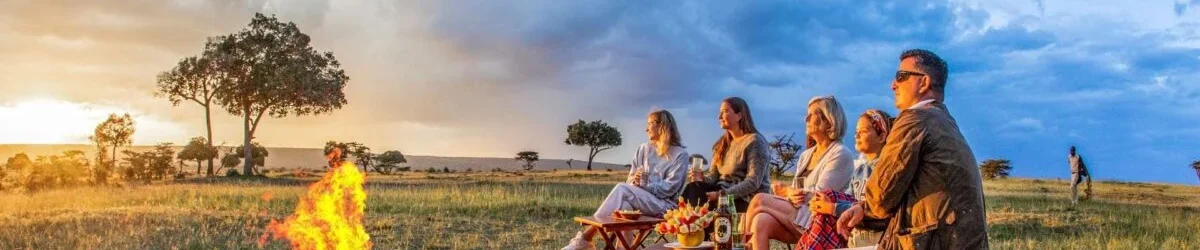
Safaris can be categorized into several styles, each catering to different preferences and budgets. Luxury safaris offer opulent accommodations alongside personalized services, allowing travelers to indulge while exploring the untamed wilderness. Budget safaris are designed for those who wish to experience the thrill of wildlife without straining their finances; these often involve camping or basic lodgings that still provide access to spectacular encounters with nature.
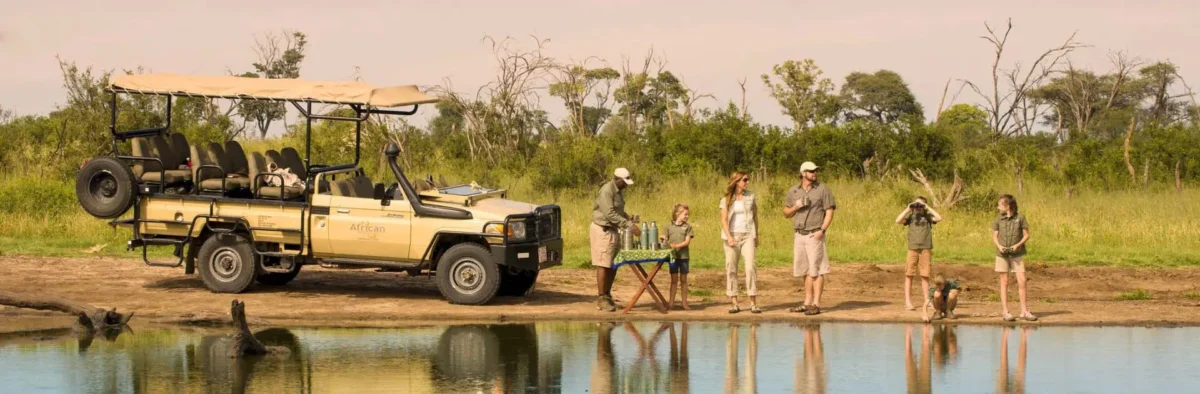
For a sense of autonomy, self-drive safaris are gaining traction among adventurous millennials. These allow travelers to navigate the parks at their own pace, offering flexibility to explore lesser-known areas. In contrast, guided safaris provide a structured experience led by knowledgeable guides who can share insights about wildlife behavior and ecology, enhancing the overall experience. Each safari type presents a unique way to connect with the environment and its inhabitants.
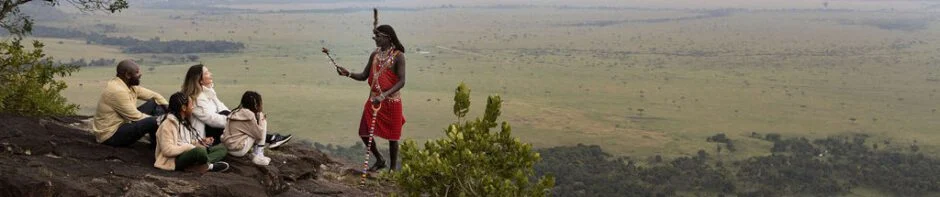
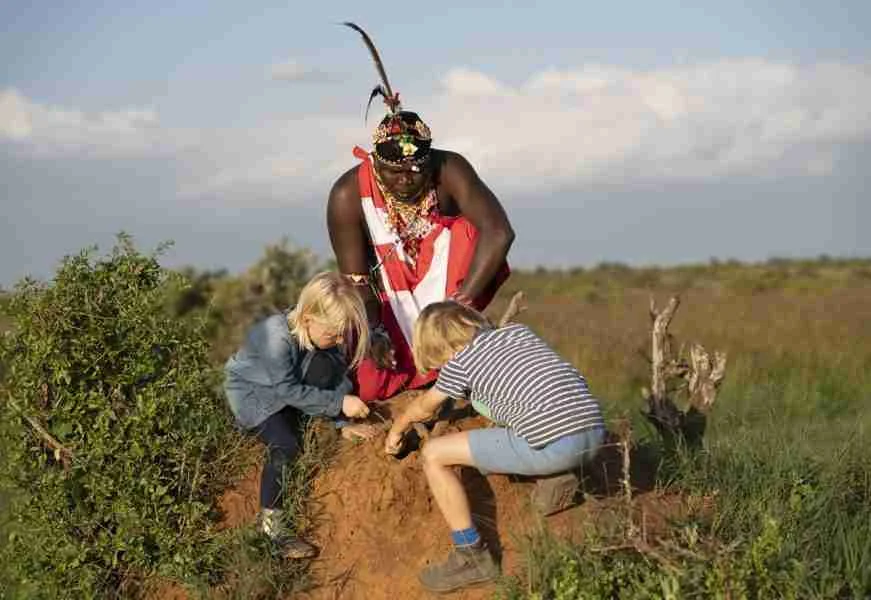
Beyond wildlife encounters, African safaris also facilitate cultural immersions. Engaging with local communities and learning their traditions enriches the adventure, providing a more holistic travel experience. With so many choices available, it’s no wonder that African safari holidays have captured the imagination of a growing number of young travelers, eager to explore the continent’s diverse cultures and stunning ecosystems.
Choosing the Right Destination
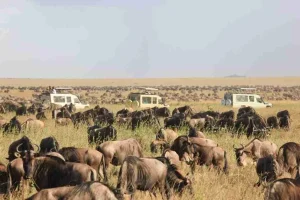
Africa is renowned for its diverse and spectacular safari destinations, each offering unique attractions and experiences that cater to the adventurous spirit of millennial travelers. Among the most popular safari locations is Kenya, famous for the Great Migration, where millions of wildebeest and other animals traverse the Maasai Mara in search of greener pastures. The best time to visit Kenya is during the dry season, from June to October, ensuring optimal wildlife viewing opportunities.
Another prime destination is Tanzania, home to iconic parks like Serengeti and Ngorongoro Crater. These locations boast an impressive variety of wildlife, including the Big Five—lion, elephant, buffalo, leopard, and rhinoceros. The varying landscapes and rich Maasai culture further enhance the experience, making it a top choice among millennials eager to immerse themselves in nature and local traditions.
South Africa offers a blend of luxury and adventure, with Kruger National Park being a favorite. Visitors can enjoy state-of-the-art lodges while experiencing thrilling game drives or walking safaris. September to November is considered the best time to visit as the weather is mild, and wildlife is abundant as animals are drawn to water sources.
For those seeking the off-the-beaten-path experience, Botswana and Namibia offer stunning landscapes and unique wildlife experiences. Botswana’s Okavango Delta is a UNESCO World Heritage Site known for its pristine wilderness and diverse animal habitats, particularly during the flood season, while Namibia’s otherworldly dunes of Sossusvlei promise breathtaking photography opportunities. These hidden gems cater to millennials looking for adventure beyond the mainstream.
Ultimately, when choosing a safari destination, consider the varying attractions and experiences each location offers, ensuring a travel experience that aligns with personal preferences and passions, while exploring the captivating beauty of Africa.
Planning Your Safari Experience
Planning an African safari holiday requires thoughtful consideration of several logistics to ensure a fulfilling experience. One of the first decisions to make is whether to choose guided tours or a self-driving adventure. Guided tours often provide expert knowledge and convenience, allowing travelers to focus on their safari without the stress of navigation. Conversely, self-driving can offer a sense of autonomy and flexibility, potentially allowing for more spontaneous wildlife encounters. Carefully assess your comfort level and desire for independence when making this choice.
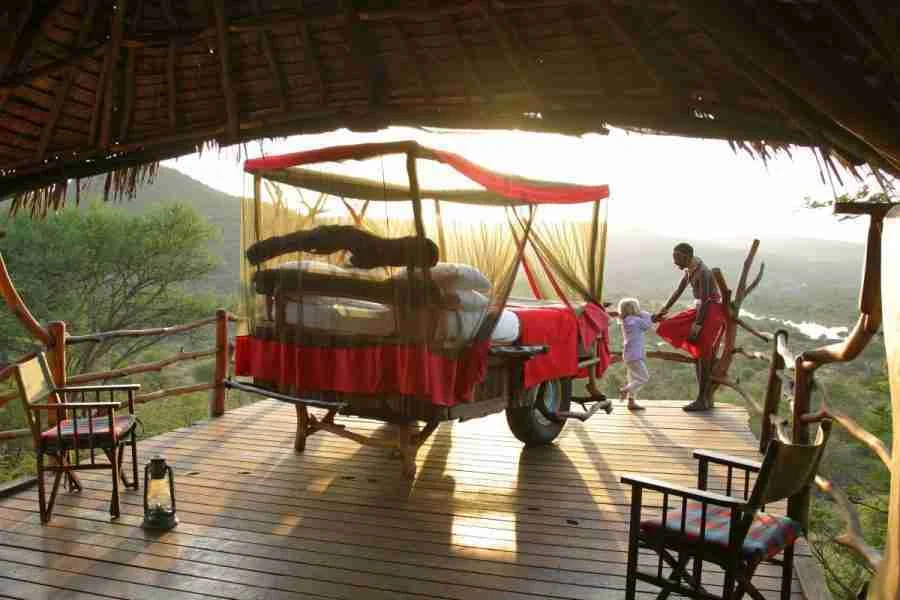
Accommodations in Africa vary significantly, catering to different budgets and preferences. Luxury lodges provide unparalleled comfort, often with stunning views and exceptional amenities. Alternatively, budget-friendly options such as campsites and hostels allow travelers to experience the wilderness without breaking the bank. Researching various options in advance helps you to determine what best fits your financial plan and personal style.
Timing is another critical factor in planning your safari. The best time to visit may depend on the specific wildlife events you wish to witness, such as the Great Migration. There is also the need to consider seasonal weather patterns, as different times of the year can affect wildlife activity and overall comfort levels. Creating a timeline that includes these factors will enhance your safari experience.
Additionally, packing the right essentials is paramount for a successful safari. Key items include binoculars for wildlife viewing, sun protection, insect repellent, and comfortable clothing. Always remember to prioritize responsible travel; supporting local communities through local guides and businesses enriches your experience while contributing positively to those you visit. By making informed choices at every step, you will be well-prepared for an unforgettable African safari holiday.
Wildlife Encounters: What to Expect
Africa safari holidays offer an unparalleled opportunity to witness the incredible diversity of wildlife in its natural habitat. Exciting encounters await, ranging from thrilling game drives to tranquil walking safaris and the unique experience of night safaris. Each option provides a unique perspective on the rich tapestry of life that thrives across the African landscape.
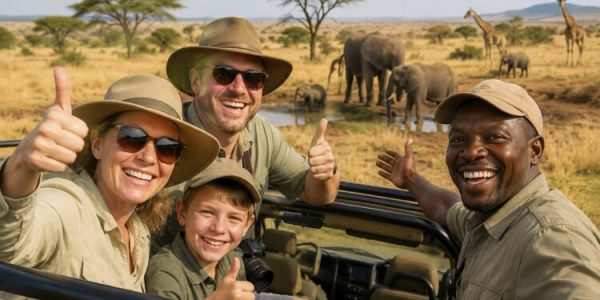
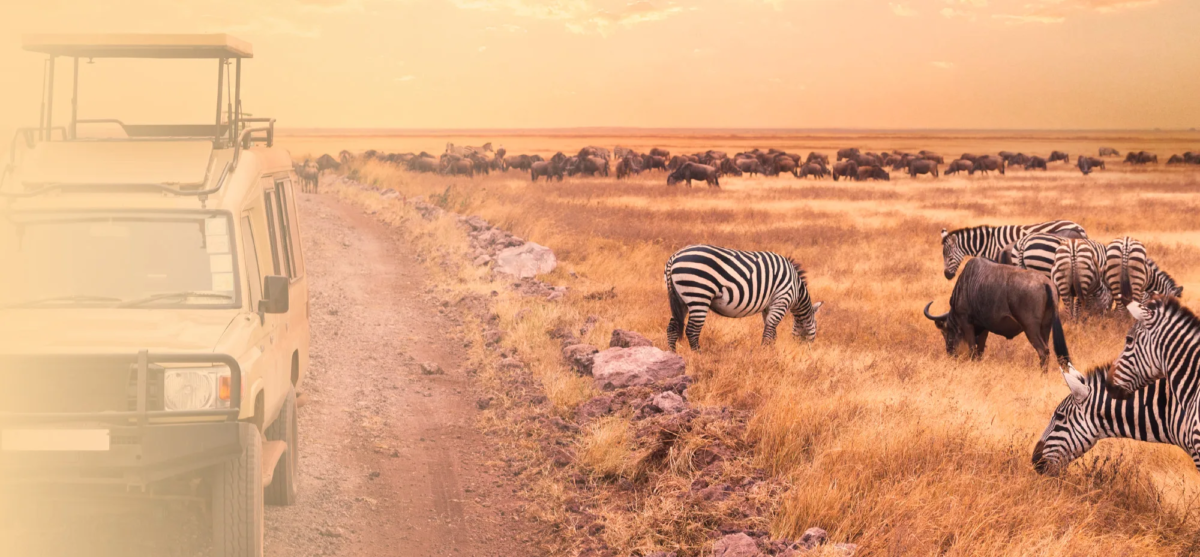
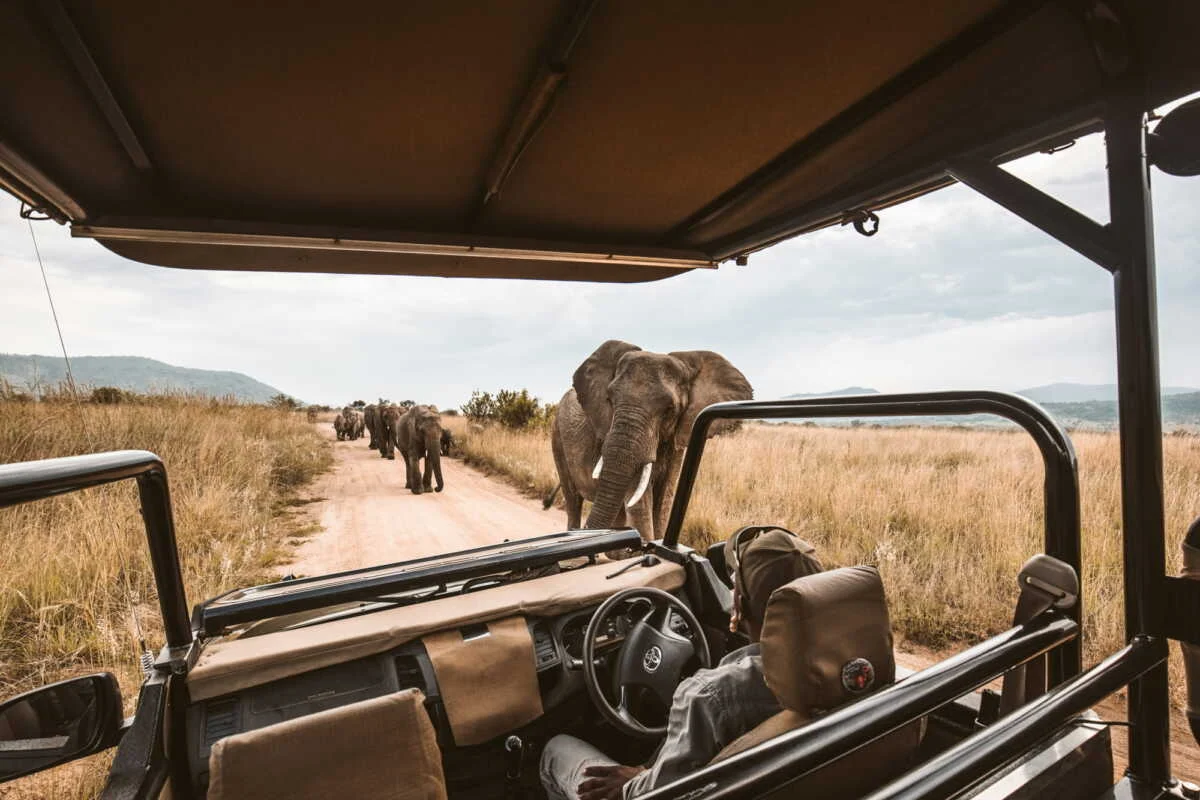
Game drives are among the most popular ways to observe wildlife, allowing visitors to traverse various ecosystems in specially equipped vehicles. Adventurers can expect to spot the renowned Big Five—lion, leopard, elephant, buffalo, and rhinoceros—as well as an array of other fascinating species. These open-air experiences not only facilitate close encounters with majestic animals but also offer moments for photography enthusiasts to capture stunning images of the wildlife.
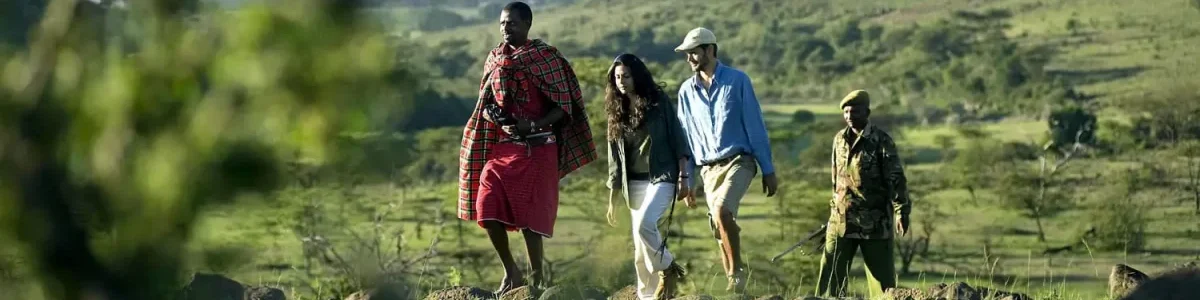
In contrast, walking safaris provide a different kind of intimacy with nature. Led by skilled guides, these excursions allow travelers to venture on foot into the wild, emphasizing the smaller yet equally significant flora and fauna. This immersive experience can evoke a deep emotional connection to the environment as guests learn about animal tracks, plant species, and local ecosystems.
Night safaris present a thrilling experience under the stars, where participants can witness nocturnal animals in action. The night brings out species that are rarely seen during the day, allowing for a more comprehensive understanding of animal behavior and habitat dynamics.
While the excitement of wildlife viewing is undeniable, ethical considerations are crucial. Visitors are encouraged to maintain a respectful distance from animals, minimize disruption to their natural behavior, and adhere to guidelines set by park authorities. By practicing ethical wildlife viewing, safari-goers not only enrich their own experience but also contribute to the conservation of these magnificent species for future generations.
Cultural Immersion and Community Interactions
Africa, with its rich tapestry of cultures and history, offers millennials a unique opportunity to engage in cultural exchanges during their safari holidays. These experiences extend well beyond standard tourism, inviting travelers to visit local villages and connect with indigenous communities. Such interactions not only enhance the authenticity of the safari experience but also create lasting memories and mutual respect.
When embarking on a safari, consider allocating time for community visits, which present a chance to participate in traditional activities. These activities might include cooking classes, craft-making sessions, or traditional dance performances, allowing you to gain insight into the daily lives and customs of the people. Engaging in these cultural practices fosters a deeper understanding of the region’s heritage and social structures.
Furthermore, tourism can have a significant impact on local communities. By choosing to partake in community-based tourism initiatives, millennials can contribute positively to these societies. Many organizations focus on sustainable practices that benefit both visitors and the host communities, facilitating projects that improve local education, healthcare, and infrastructure. Opportunities for volunteering are also abundant, ranging from wildlife conservation efforts to assisting in education initiatives, enabling travelers to leave a positive mark while learning about the local culture firsthand.
However, it is crucial to approach these interactions with respect and mindfulness. Being aware of cultural sensitivities will enhance your experience and promote respectful exchanges. Understanding the local context, customs, and traditions is vital to fostering genuine connections. Thus, millennials embarking on safari holidays should seek to immerse themselves in the richness of African cultures while ensuring their visit contributes to the welfare of the communities they engage with.
Adventure Activities Beyond Safari
Africa’s impressive landscapes and rich biodiversity offer millennials a myriad of adventure activities that can enhance their safari experience. While traditional wildlife viewing often takes center stage, integrating exhilarating options like hot air balloon rides and zip-lining can create lasting memories and add unique dimensions to the journey.
Hot air balloon rides are a popular choice among thrill-seekers visiting countries such as Kenya and Tanzania. Gliding over the expansive savannas at dawn provides breathtaking views of the wildlife below. This serene yet exhilarating experience allows travelers to appreciate the beauty of the African landscape from a unique perspective. As the sun rises, the bright colors of the land gradually come to life, and this moment frequently becomes a highlight of many safari holidays.
For those looking for even more adrenaline, zip-lining through African forests delivers an unparalleled rush. Locations like the Victoria Falls offer zip-lining experiences that not only challenge the body but also reward participants with awe-inspiring views of one of the world’s natural wonders. Such activities blend adventure with a sense of exploration that resonates well with millennials seeking out authentic experiences.
Hiking and trekking represent another excellent way to engage with Africa’s diverse ecosystems. Exploring national parks and reserves on foot allows visitors to truly connect with the environment, providing opportunities to witness wildlife up close while enjoying panoramic vistas. Trails such as those in the Drakensberg Mountains or on Mount Kilimanjaro cater to various skill levels, ensuring that all travelers can find suitable options regardless of their hiking experience.
Ultimately, these adventure activities serve to complement a traditional African safari. By incorporating exploration beyond wildlife viewing, millennials can embrace the thrill of discovery while creating unforgettable memories in the heart of Africa.
Photogenic Moments: Capturing the Safari Experience
Photography plays a vital role in enhancing the safari experience, allowing travelers to immortalize breathtaking moments with wildlife and stunning landscapes. For millennials embarking on an African safari holiday, equipping themselves with the right camera gear is essential for capturing photogenic moments. A DSLR or mirrorless camera with a versatile zoom lens enables one to photograph animals from a safe distance, ensuring both safety and quality. Additionally, a stable tripod can aid in achieving sharper images and compensating for low light conditions.
When out in the field, it is important to employ various techniques to elevate your photography skills. Emphasizing natural light, particularly during the golden hours of sunrise and sunset, can drastically improve the quality of your images. Taking advantage of the rule of thirds can also compose pictures more artistically, drawing attention to the wildlife and their environment. Patience is a crucial element; waiting for the perfect moment can lead to stunning wildlife shots that resonate with your audience.
However, responsible photography practices should not be overlooked. Respecting the wildlife and their habitats is paramount; maintaining a safe distance and avoiding flash photography helps to minimize stress on the animals. Additionally, sharing these photogenic moments on social media platforms can connect millennials with a broader travel community, fostering a sense of camaraderie among fellow adventurers. By tagging locations and utilizing relevant hashtags, one can engage with other travelers while inspiring them to embark on their own safari experiences. Ultimately, capturing the essence of an African safari holiday through photography not only enriches personal memories but also contributes to the shared narrative of wildlife conservation and adventure.
Budgeting for Your Safari
Planning a safari can be an exhilarating experience, but it is essential to understand the various costs associated with such a trip to ensure it aligns with your budget. The primary expenses involved in an African safari include transportation, accommodation, park fees, and additional costs that may arise during your travels, such as meals and activities.
Transportation expenses can vary greatly depending on how you choose to travel. Options range from self-driving rental cars to organized tour vehicles. While a self-drive safari may seem more economical, consider that guided tours often provide experienced drivers and knowledgeable guides, which can enhance the experience significantly. Also, factor in fuel costs, which may add to the overall expense of the trip.
Accommodation is another major budget consideration. There is a broad spectrum of options available, from luxurious lodges to more affordable tented camps. For millennials, opting for budget-friendly accommodation such as camping or hostels can substantially reduce overall costs. Many parks also offer basic lodgings, making it possible to experience the wilderness without excessive spending.
Park fees, which are essential for wildlife conservation, typically range from $20 to $50 per day per person. These fees support park maintenance and wildlife protection efforts. It is advisable to research different parks, as some may offer discounts or free entry on certain days. Additionally, planning your visit during the off-peak season can lead to reduced fees and fewer crowds.
Furthermore, consider budgeting for meals and optional activities, such as guided tours, cultural experiences, and excursions. Choosing local eateries can save money while allowing you to indulge in the local cuisine. By prioritizing your spending and opting for budget-conscious alternatives, you can have a memorable safari experience without stretching your finances.
Conclusion: The Safari Experience as a Catalyst for Change
As millennials increasingly seek experiences that align with their values, embarking on an African safari presents a unique opportunity to foster a deeper connection with wildlife and the environment. This immersive experience not only offers a chance to witness the breathtaking beauty of Africa’s landscapes and wildlife, but it also confronts travelers with the realities of conservation and the challenges facing many species today.
The engagement with local communities and conservation efforts often encountered during a safari can significantly influence a traveler’s outlook on environmental stewardship. Awareness of the socioeconomic factors affecting wildlife preservation can inspire millennials to take a more active role in sustainable tourism practices. By choosing to engage with operators that prioritize ethical practices, such as supporting local economies and investing in wildlife protection, travelers can ensure their safari contributes positively to the region.
Furthermore, the memories created during such trips frequently extend beyond mere enjoyment. They often transform into a call to action, encouraging travelers to advocate for wildlife conservation within their communities. Sharing stories and experiences can inspire peers to reflect on their consumption patterns and their impact on the environment. This ripple effect highlights how individual actions, when committed to fostering a responsible tourism approach, can cumulatively contribute to broader conservation efforts.
Ultimately, it is essential to perceive an African safari as more than just a holiday. It is an opportunity to participate in a collective movement aimed at raising awareness and facilitating actionable change. By embracing this perspective, millennials can play a vital role in promoting sustainable tourism and ensuring that Africa’s wildlife and natural environments are protected for generations to come.