Introduction: African Safaris and Expecting Mothers
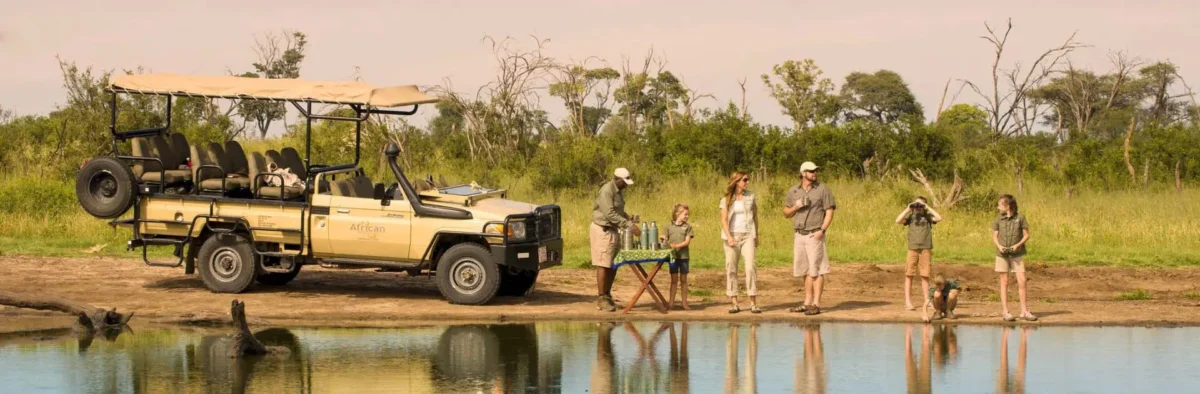
African safaris are a popular adventure for travelers seeking to experience the stunning wildlife, diverse ecosystems, and breathtaking landscapes of the continent. Typically, a safari involves guided excursions into natural reserves, where individuals can observe animals in their natural habitats. These trips may vary in type, such as game drives in 4×4 vehicles, walking safaris, or even hot air balloon rides over the savannah, each offering unique perspectives on the fauna and flora of Africa.
However, when contemplating an African safari, expectant mothers must weigh several important factors before embarking on this thrilling journey. Pregnancy can bring about various health concerns and considerations, necessitating a careful approach to travel plans. Issues such as climate, physical activity, and proximity to healthcare facilities are critical for expectant mothers planning such excursions. Often, pregnant women experience heightened fatigue and discomfort, making it essential to choose a safari that accommodates one’s specific needs.
Furthermore, it is imperative for mothers-to-be to discuss their travel plans with healthcare providers, who can offer tailored advice based on individual health circumstances. Selecting a suitable safari destination and itinerary is also crucial; destinations with established infrastructures and quality medical facilities tend to be more favorable for pregnant travelers. Overall, while the allure of an African safari—immersed in the sights and sounds of the wild—may be enticing, expectant mothers should proceed with caution and comprehensive planning to ensure a safe and enjoyable experience.
Health Considerations for Expectant Mothers
Traveling during pregnancy, particularly to destinations such as Africa, requires careful consideration of various health factors. It is crucial for expectant mothers to consult healthcare professionals before embarking on an African safari. Medical advice tailored to individual health conditions can provide peace of mind and ensure that the trip is safe. A healthcare provider can evaluate each mother’s unique health status, including any pre-existing medical conditions, and recommend possible precautions and necessary vaccinations.
Another important factor to consider is the stage of pregnancy. The first and third trimesters pose more risks compared to the second trimester, where women generally experience less discomfort. Traveling during the later stages of pregnancy may increase the risk of premature labor. Therefore, it is advisable to plan the trip during a period where the mother feels physically capable and less vulnerable. Taking into account the travel itinerary can also influence decision-making; extensive travel combined with limited access to medical facilities may pose higher risks.
Potential health risks associated with an African safari include exposure to mosquitoes that transmit diseases like malaria, as well as various other ailments linked to travel in remote areas. Precautions such as wearing protective clothing, using insect repellent, and taking malaria prophylaxis must be actively considered. Hydration and proper nutrition are equally important during pregnancy; thus, ensuring access to clean water and safe food options is vital. Sudden environmental changes or altitude adjustments can lead to health complications, necessitating thorough planning.
In conclusion, while an African safari can be a marvelously enriching experience for expectant mothers, careful attention must be paid to health considerations. Proper consultation with healthcare providers, awareness of personal health conditions, and preemptive measures against potential risks can significantly enhance the safety and enjoyment of the trip.
Choosing the Right Safari Destination
When planning a safari for expectant mothers, it is crucial to choose a destination that prioritizes comfort and accessibility while also ensuring safety. Several African safari locations stand out due to their excellent medical facilities and varied lodging options. Firstly, South Africa is renowned for its well-developed infrastructure and healthcare system. Destinations such as Kruger National Park and private reserves like Sabi Sands offer a range of lodges that provide high levels of comfort, including amenities like air conditioning and gourmet cuisine, both essential for an expectant mother’s well-being. Furthermore, these areas have readily accessible hospitals in case of emergencies.
Similarly, Namibia, particularly the Sossusvlei region, is known for its breathtaking landscapes and relatively low risk level, coupled with suitable lodgings. Though more remote, establishments here often have emergency evacuation plans in place, giving mothers peace of mind while enjoying the unique sights of the desert. It’s essential, however, to verify the specific facilities available, as not all lodges may have the same level of care or support services.
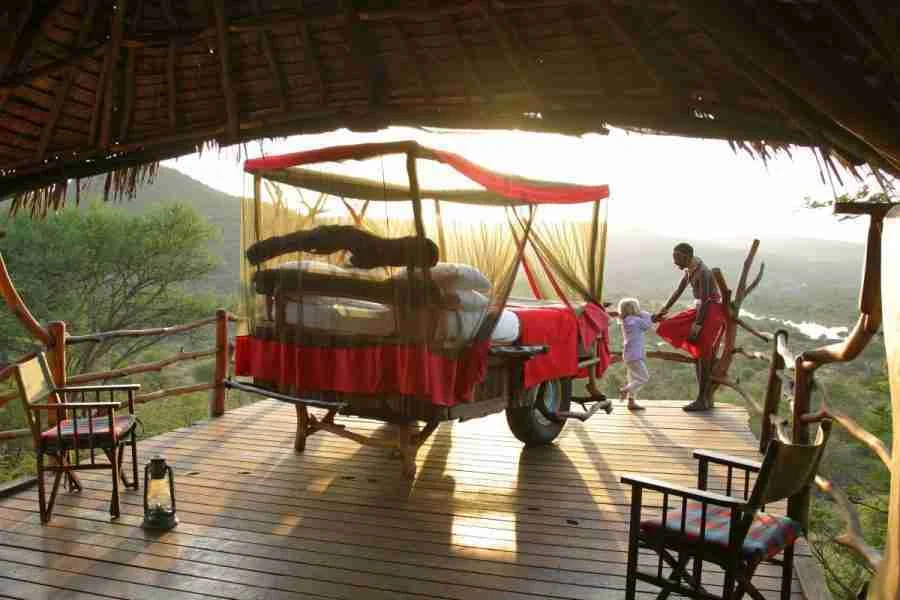
Tanzania is another prime destination, especially areas like Serengeti National Park. While it is essential to consider the travel distance and the type of safari experience—such as mobile camping versus luxury lodges—certain lodges are well-equipped to accommodate the needs of pregnant women. Ensure that any selected lodge has a solid reputation for convenience and customer service, as staying updated on medical locations is vital.
In summary, choosing the right safari destination involves careful consideration of accessibility, medical facilities, and lodging comfort to ensure an enjoyable and safe experience for expectant mothers. By prioritizing these factors, mothers-to-be can confidently embark on their African safari adventure, surrounded by the beauty of the continent while safeguarding their health and well-being.
Best Time to Go on Safari During Pregnancy
Planning a safari while expecting can be an exciting adventure, but it is essential to consider optimal times based on climate, wildlife sightings, and health safety during pregnancy trimesters. The best time for an African safari varies by region, but generally, the dry season, which spans from June to October, is ideal for wildlife viewing. During this period, animals gather around water sources, making sightings more prevalent and predictable. This time frame not only provides better opportunities for viewing wildlife but also tends to boast milder weather conditions, reducing the risk of exhaustion associated with heat and humidity.
For expectant mothers, the second trimester, which runs from weeks 14 to 27, is often the most comfortable period for travel. During this time, many women experience increased energy levels and reduced nausea, allowing them to enjoy outdoor activities like safari excursions without the same level of physical strain. It is advisable, however, to engage in moderate activities and ensure ample hydration throughout the trip.
In contrast, the first trimester can come with various symptoms, including fatigue and morning sickness, which may detract from the safari experience. The third trimester, while typically marked by heightened anticipation, can involve discomfort and mobility limitations, making travel more challenging. Therefore, if an expectant mother is to embark on a safari adventure, strategically timing the trip during the dry season and within the second trimester can help optimize the experience and enhance enjoyment. Careful planning ensures that both the mother and baby remain safe and comfortable, allowing for a memorable exploration of Africa’s majestic wildlife and landscapes.
Travel Insurance and Medical Precautions
When considering an African safari during pregnancy, one of the most crucial aspects to ensure a safe and enjoyable experience is obtaining comprehensive travel insurance. It is vital to select a policy that includes coverage for pregnancy-related concerns. This will provide peace of mind in case of unexpected medical events or complications that could arise while traveling. This insurance should specifically cover any potential medical evacuations, hospital stays, and emergency treatments pertinent to pregnancy.
Moreover, consult with your healthcare provider to discuss necessary vaccinations and medications before embarking on the journey. Certain regions in Africa may have endemic diseases such as malaria, which poses unique risks to expectant mothers. Your doctor can advise on recommended vaccinations, ensuring they are safe for you and your baby, and they may also suggest suitable prophylactic measures. For some areas, taking preventive medication might be necessary, but it is essential to seek professional guidance to understand the risks versus benefits.
In addition to travel insurance and vaccinations, one must emphasize the importance of having access to medical assistance during the safari. Research the hospitals and clinics available near your safari destination. Knowing their capabilities can influence your choice of location and itinerary. Additionally, ensure that your safari operator is aware of your pregnancy status and can accommodate any special needs, such as specific dietary requirements or the availability of rest periods during activities.
All these preparations can significantly enhance your ability to navigate the complexities of traveling while pregnant, ensuring that both you and your baby remain healthy and secure throughout the journey.
Safari Activities: Planning for Comfort and Safety
Embarking on an African safari can be an exhilarating experience, especially for expectant mothers eager to encounter the breathtaking wilderness. However, careful planning is paramount to ensure both comfort and safety during such activities. Various safari options are available, including game drives, walking safaris, and specialized excursions, each requiring considerations tailored for pregnant participants.
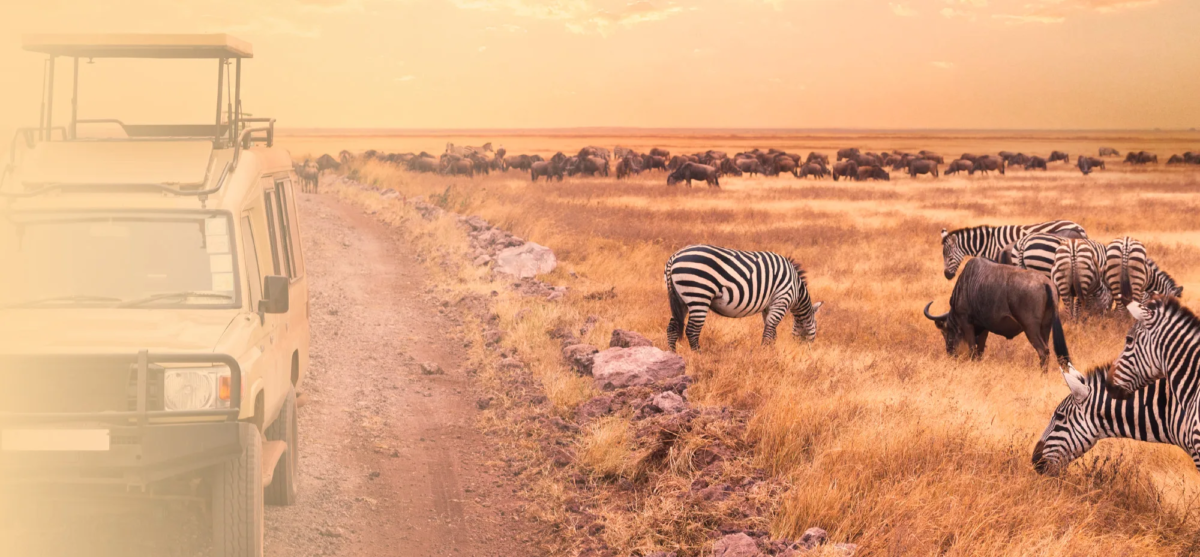
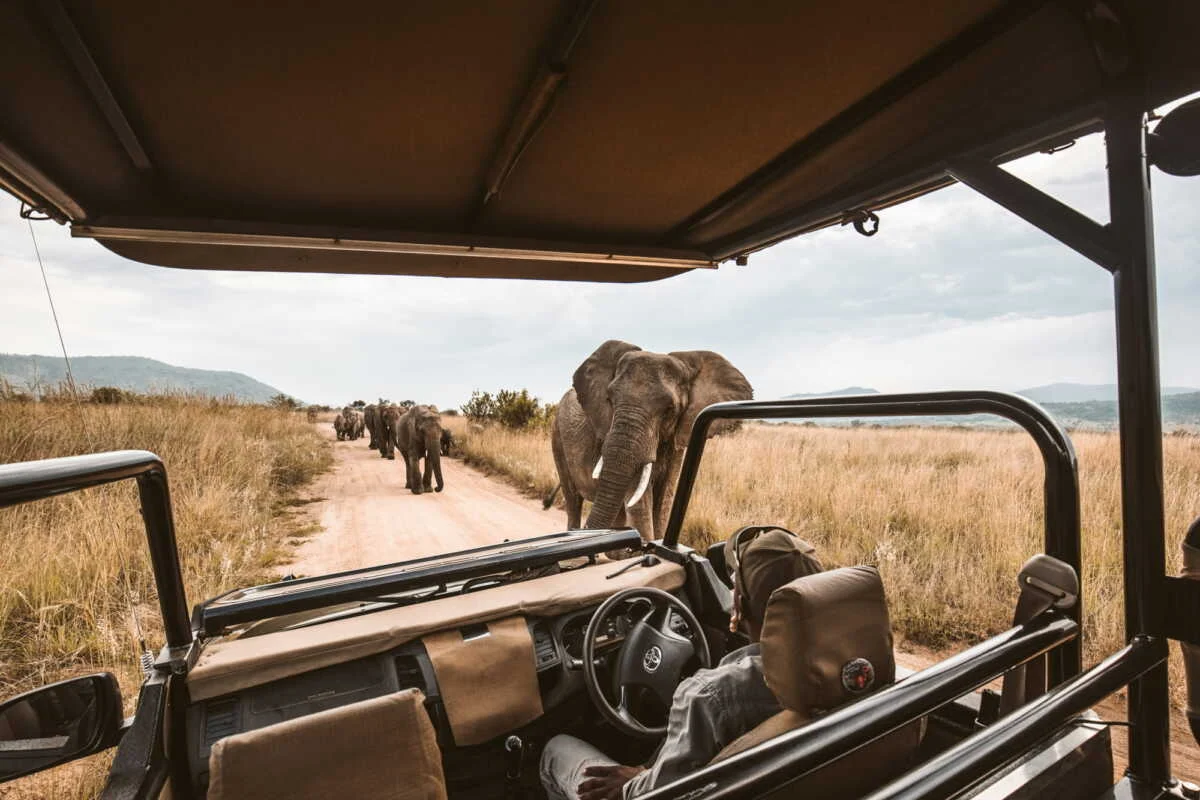
Game drives are often the most popular choice, providing a chance to observe wildlife from a comfortable vehicle. For expectant mothers, selecting vehicles with ample space and cushioned seating can significantly enhance comfort. Additionally, it is advisable to limit the duration of these drives; shorter outings typically provide a more enjoyable experience without fatigue. Pregnant women should prioritize operators experienced with expectant mothers, as they tend to have the necessary adjustments in mind.
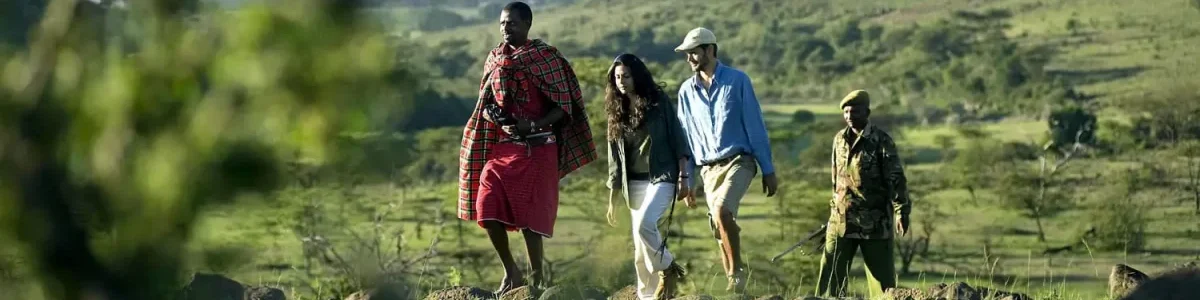
Walking safaris offer a more immersive experience but may pose challenges for expectant mothers. Before partaking, it is essential to evaluate one’s stamina and ultimately consult with a healthcare professional. If suited for participation, choosing guided walks on flat terrain can alleviate undue physical stress. Furthermore, it is crucial to remain aware of the potential for unpredictable wildlife encounters; walking safaris should always be led by trained and knowledgeable guides.
Lastly, regardless of the safari type, staying hydrated and protected from the sun is vital. Expectant mothers should wear comfortable clothing, appropriate footwear, and apply sunscreen to prevent skin irritation. Keeping an emergency contact readily available can ensure swift access to medical help if needed. By planning activities with a focus on comfort and safety, expectant mothers can enjoy a remarkable safari experience that highlights the natural beauty of Africa while prioritizing their health and wellbeing.
Packing Essentials for Pregnant Travelers
Preparing for an African safari as an expectant mother necessitates careful planning and packing, particularly when it comes to comfort and health. The right packing list can significantly enhance the overall experience, ensuring that both the mother and her baby remain comfortable and safe throughout the journey.
First and foremost, comfort should be prioritized when selecting clothing. Opt for breathable, loose-fitting garments made of lightweight fabrics to keep cool in warm climates. Consider items such as moisture-wicking shirts, wide-brimmed hats, and supportive footwear to provide both style and functionality. Layering options are also advisable, as temperatures can vary significantly between day and night.
Health essentials must be an integral part of the packing list. Expectant mothers should bring along any prescribed medications and prenatal vitamins, as well as a first-aid kit containing basic supplies tailored to specific health needs. It is also prudent to pack insect repellent containing DEET and sunscreen to mitigate exposure to harmful insects and excessive sun.
Additionally, it is vital to stay hydrated, so carrying a reusable water bottle can help ensure an adequate water intake throughout the safari. Snacks that provide a healthy energy boost should also be included, such as nuts, granola bars, and dried fruits. These will be especially useful during long drives where food options may be limited.
When it comes to equipment, a high-quality camera can enhance the safari experience, capturing precious memories during animal sightings. Furthermore, consider bringing a lightweight, comfortable backpack to conveniently carry your essentials while exploring the terrain.
By thoughtfully selecting and packing these essentials, expectant mothers can ensure a memorable and enjoyable experience during their African safari adventure, while prioritizing their health and comfort throughout the journey.
Testimonials and Experiences from Expectant Mothers
Traveling to Africa while pregnant can be a unique experience that combines the excitement of adventure with the necessary precautions that come with expectant motherhood. Numerous women have shared their testimonials, detailing their journeys and the insights they gained from their trips. Most expectant mothers convey the importance of thorough research before embarking on an African safari. They typically recommend consulting with healthcare providers to ensure that the potential risks involved with travel during pregnancy are well understood.
One mother recounted her trip to Tanzania, where she enjoyed the breathtaking wildlife scenery while maintaining her comfort. She highlighted the importance of selecting lodges that accommodate expectant mothers. This thoughtful choice allowed her to rest adequately between safari excursions, ensuring that she could enjoy her experiences without becoming overly fatigued. Additionally, another mother’s experience in South Africa emphasized the emotional ties of sharing such a profound journey with her family. She noted that the safari also offered an insightful bonding experience, enriching her family dynamic.
However, it is also common for mothers to share some challenges they faced during their safaris. Dealing with unexpected nausea or fatigue while traveling was a concern for some. They advised planning low-key activities and scheduling regular hydration breaks. Feedback from other mothers highlighted how essential it is to have a flexible itinerary. This adaptability allowed them to make the most of their safari experience, enjoying wildlife sightings while ensuring their health and well-being remained priorities.
In summary, expectant mothers express that with proper preparation and caution, an African safari can indeed be a delightful and memorable experience. The collective insights of these women underscore the balance between adventure and the fundamental care required during pregnancy.
Conclusion: Making the Right Decision
When considering travel options during pregnancy, expectant mothers must weigh the potential benefits and concerns associated with venturing on an African safari. An African safari can provide a unique opportunity to connect with nature and experience the beauty of wildlife, which can be incredibly enriching. However, it is important to be aware of the challenges and risks that could arise from such a journey, especially in terms of health and safety.
The discussion has highlighted important factors that should be evaluated. Firstly, the physical demands of an African safari may pose challenges for pregnant women, such as the need for prolonged sitting, hydration, and exposure to varying climates. Furthermore, the possibility of encountering medical facilities that may not meet high standards of care should be taken into account. Such considerations become crucial in deciding whether this type of adventure is appropriate.
Nonetheless, with ample planning and preparation, expectant mothers can still enjoy an African safari while prioritizing their health and safety. Researching the specific locations, consulting with experienced tour operators, and selecting appropriate activities can mitigate potential risks. Most importantly, no decision should be made without first consulting a healthcare provider who understands the mother’s health history, pregnancy stage, and any potential complications.
A well-informed decision can allow expectant mothers to enjoy the wonders of nature without compromising their health or that of their unborn child. Listening to expert medical advice and taking proactive steps will ensure a memorable and safe experience. Ultimately, a balance of adventure and safety will be essential for making the right choice regarding travel during pregnancy.