Tanzania Wildebeest Calving Safari with Adeli Kenya Safaris
Experience the Great Migration Calving Season
A Tanzania wildebeest calving safari offers one of the most extraordinary wildlife experiences in East Africa. Each year, hundreds of thousands of wildebeest gather across the short-grass plains of northern Tanzania as the Great Migration enters its calving phase. It is a season of new life, dramatic predator encounters and remarkable wildlife activity.

For travellers who want to experience the Great Migration away from the better-known river-crossing period, the Tanzania wildebeest calving season provides a completely different perspective. Instead of focusing primarily on dramatic river crossings, a calving safari brings you close to vast herds, newborn animals, protective mothers and predators taking advantage of the abundance of vulnerable young.
At Adeli Kenya Safaris, we can help you design a tailor-made East African safari that includes Tanzania’s migration areas and can be combined with Kenya’s famous wildlife destinations, depending on your interests, travel dates and preferred style of travel.



What Is the Wildebeest Calving Season?
The wildebeest calving season is the period during the Great Migration when large numbers of female wildebeest give birth to their calves.
The event is remarkable because the births occur on a huge scale. Instead of isolated births spread throughout the year, large numbers of calves are born within a relatively concentrated period. This creates an extraordinary wildlife spectacle across the plains.
For safari travellers, the result is a landscape filled with:
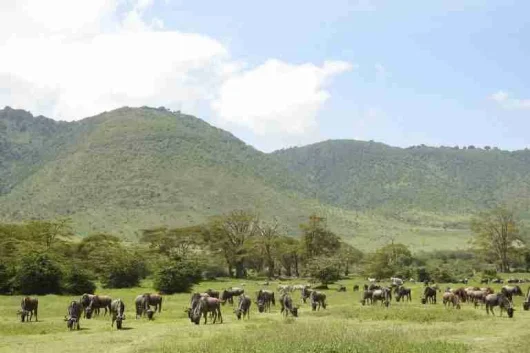
- Large wildebeest herds
- Newborn calves
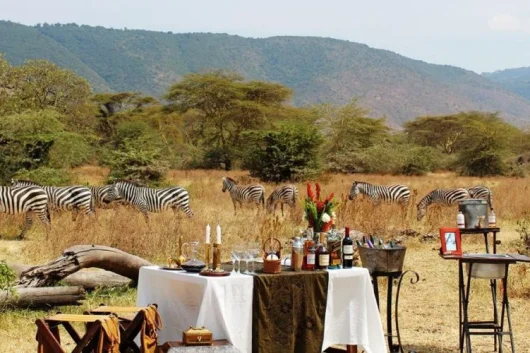
- Zebra and other grazing animals
- Predators following the migrating herds
- Lions watching the plains
- Cheetahs searching for opportunities
- Hyenas patrolling the grasslands
- Jackals and other smaller predators
- Dramatic interactions between predators and prey
The calving season is therefore about much more than watching wildebeest give birth. It is an entire ecosystem responding to an abundance of new life.
When Is the Tanzania Wildebeest Calving Season?
The main wildebeest calving period generally occurs around January and February, although wildlife movements are natural and conditions can vary from year to year.
The exact location and timing of the herds are influenced by rainfall, pasture and water availability. This means that a safari planned around the calving season should be approached with flexibility rather than treating migration dates as fixed.
This is particularly important when planning a Tanzania Great Migration safari. The migration is a natural phenomenon, not a scheduled event. The best safari planning therefore combines seasonal knowledge with flexibility.
Where Does Wildebeest Calving Take Place in Tanzania?
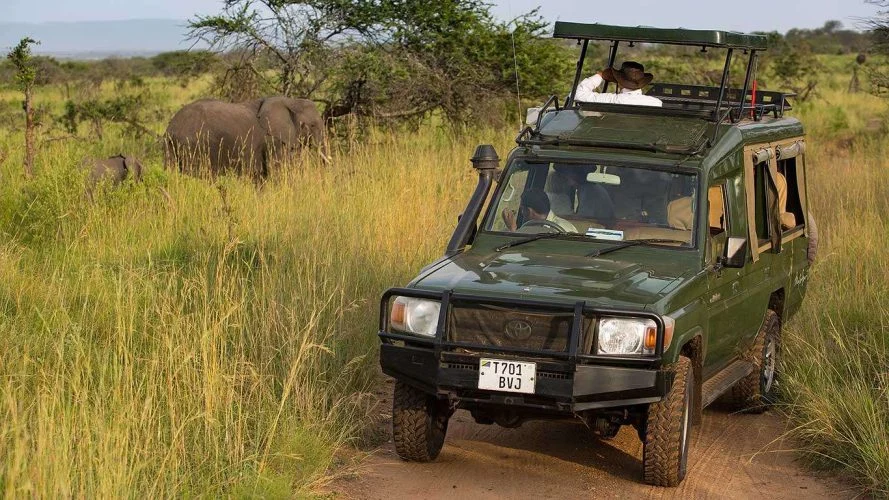
The southern Serengeti and the surrounding Ndutu area are particularly associated with the calving season.
The landscape here is characterised by open plains that can provide nutritious grazing following seasonal rains. These conditions help support large concentrations of herbivores.
The wider ecosystem can include areas within and around:
- Southern Serengeti
- Ndutu
- Ngorongoro Conservation Area
- Central Serengeti
- Other parts of the Serengeti ecosystem depending on seasonal conditions
The precise location of the herds changes naturally, so experienced safari planning is important.
Why Visit Tanzania During Wildebeest Calving Season?
There are many reasons to choose the calving season for your Tanzania safari.
1. See Newborn Wildebeest
One of the most rewarding aspects of the season is seeing newborn wildebeest calves.
Young calves can often be seen staying close to their mothers, learning to move with the herd and developing the skills they need to survive.
For photographers and wildlife enthusiasts, these scenes provide memorable opportunities to observe animal behaviour rather than simply ticking species off a list.
2. Experience the Great Migration Without Focusing on River Crossings
Many travellers associate the Great Migration primarily with the dramatic Mara River crossings.
However, the migration is a year-round ecological cycle.
The calving season allows you to experience another important chapter of this enormous natural movement.
Instead of concentrating on river crossings, you can focus on:
- Birth
- Survival
- Maternal behaviour
- Herd movement
- Predator activity
- Grazing dynamics
- Interactions between different species
3. Excellent Predator-Watching Opportunities
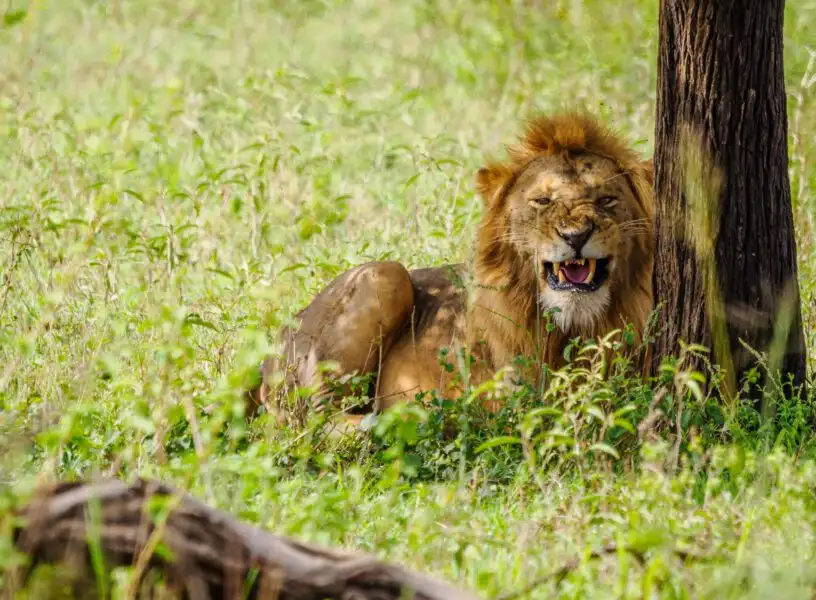
Where there are large numbers of vulnerable young animals, predators are never far away.
Lions, cheetahs, hyenas and other predators may take advantage of the seasonal abundance.
This makes the calving period particularly interesting for travellers who enjoy watching predator-prey behaviour.
However, wildlife sightings are never guaranteed. A responsible safari focuses on observing natural behaviour rather than expecting animals to perform for visitors.
4. Incredible Photography
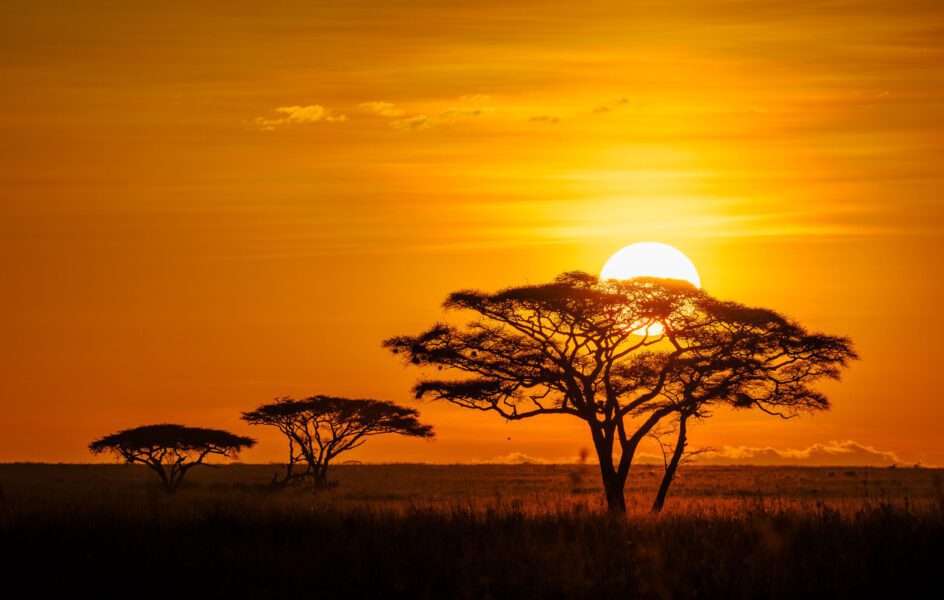
The calving season provides a diverse range of photographic subjects.
You may photograph:
- Wildebeest calves
- Mother-and-calf interactions
- Large herds against open plains
- Predators
- Zebra
- Landscapes
- Birds of prey
- Dramatic skies
- Dust and movement
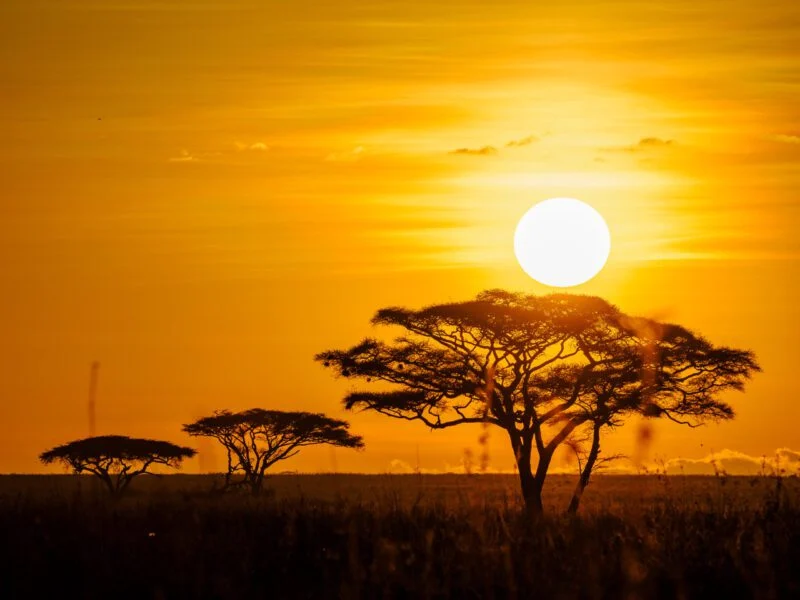
- Sunrise and sunset scenes
Early morning game drives can be particularly rewarding because of the quality of light and the activity of wildlife.
Understanding the Great Migration

The Great Migration is one of Africa’s most remarkable wildlife movements.
It involves huge numbers of wildebeest moving through the Serengeti-Mara ecosystem in response to changing grazing and water conditions.
The migration should not be viewed as a simple journey from Point A to Point B. It is a constantly changing ecological cycle.
The animals move according to environmental conditions, particularly rainfall and the availability of nutritious grass.
This is why different stages of the migration can be experienced in different parts of Tanzania and Kenya at different times of the year.
The Importance of the Serengeti Ecosystem
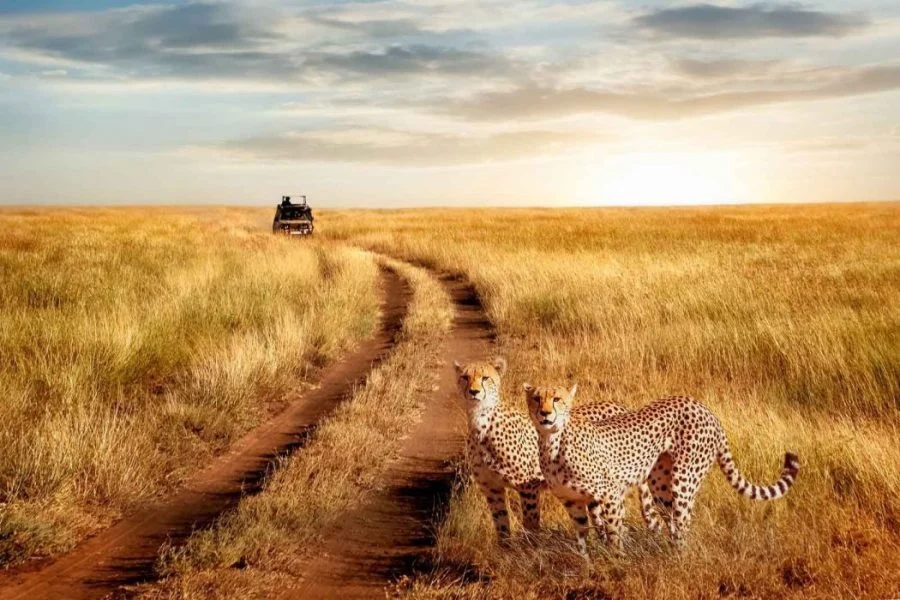
The Serengeti ecosystem is central to understanding the Great Migration.
Its open grasslands support enormous populations of herbivores, while predators depend on those herbivores for food.
The movement of wildebeest also contributes to the broader ecological system by transferring nutrients across the landscape.
A Tanzania wildebeest calving safari therefore provides more than a wildlife-viewing experience. It offers travellers the opportunity to witness an ecosystem functioning on a remarkable scale.
Wildebeest Calving and the Circle of Life
The calving season demonstrates the delicate balance between birth and survival in the wild.
A newborn calf must quickly become mobile because predators are constantly searching for opportunities.
Mother wildebeest remain protective of their young, while calves must develop the ability to keep up with the herd.
This creates some of the most fascinating wildlife behaviour to observe.
A safari guide can help explain what you are seeing, from herd behaviour to predator strategies and the relationship between grazing animals and their environment.
What Wildlife Can You See During a Tanzania Calving Safari?
Although wildebeest are the main attraction, a Tanzania calving safari can provide opportunities to see a wide variety of wildlife.
Depending on the area and conditions, these may include:
Wildebeest
The stars of the migration. During the calving period, enormous herds can gather across the plains.
Zebra
Zebra migrate alongside wildebeest and are an important part of the wider migration ecosystem.
Lions
The Serengeti is renowned for its lion populations. During calving season, lions may be particularly interested in areas where large herbivore herds congregate.
Cheetahs
Open plains provide important habitat for cheetahs. Their hunting behaviour can be fascinating to observe, although sightings are never guaranteed.
Hyenas
Spotted hyenas are highly social predators and scavengers and are an important part of the Serengeti ecosystem.
Gazelles
Various gazelle species can be encountered across the plains.
Elephants
Although the migration is the main attraction, elephants and other large mammals may also be encountered depending on the safari route.
Giraffes
Giraffes add another dimension to Tanzania’s diverse wildlife experience.
Birds
The Serengeti supports a remarkable variety of birdlife, making a migration safari interesting for birdwatchers as well as big-game enthusiasts.
Tanzania Wildebeest Calving Safari for Photographers
The calving season is particularly attractive to wildlife photographers.
A typical photographic day may include early-morning departures, time spent observing herds and predators, and opportunities to capture landscapes during changing light.
The most important photographic advice is patience.
Rather than constantly driving from one sighting to another, spending time with a particular herd or family group can produce more meaningful images.
Your guide can also help position the vehicle responsibly while respecting wildlife and other safari vehicles.
What Is the Best Length for a Tanzania Calving Safari?
There is no single ideal safari length.
A short safari can provide a taste of the migration, while a longer itinerary gives you more time to explore different areas and increases the opportunity to experience changing wildlife conditions.
For travellers flying into Tanzania specifically for the calving season, a 4- to 7-night safari can provide a good framework, depending on the overall itinerary.
Longer journeys can incorporate additional destinations such as:
- Serengeti
- Ngorongoro
- Tarangire
- Lake Manyara
- Zanzibar
The ideal combination depends on your interests.
Can You Combine the Wildebeest Calving Season With Ngorongoro?
Yes.
The Ngorongoro Conservation Area can complement a Serengeti migration itinerary very well.
A safari combining the southern Serengeti/Ndutu region with Ngorongoro can provide contrasting landscapes and wildlife experiences.
The Serengeti focuses strongly on the migration and open plains, while Ngorongoro offers a spectacular crater environment and an opportunity to see a broad range of wildlife.
Can You Combine Tanzania and Kenya?
Absolutely.
For travellers who want to experience more of East Africa, a Kenya and Tanzania safari can be an exceptional option.
An itinerary could potentially combine Tanzania’s calving season with destinations in Kenya such as:
- Maasai Mara
- Amboseli
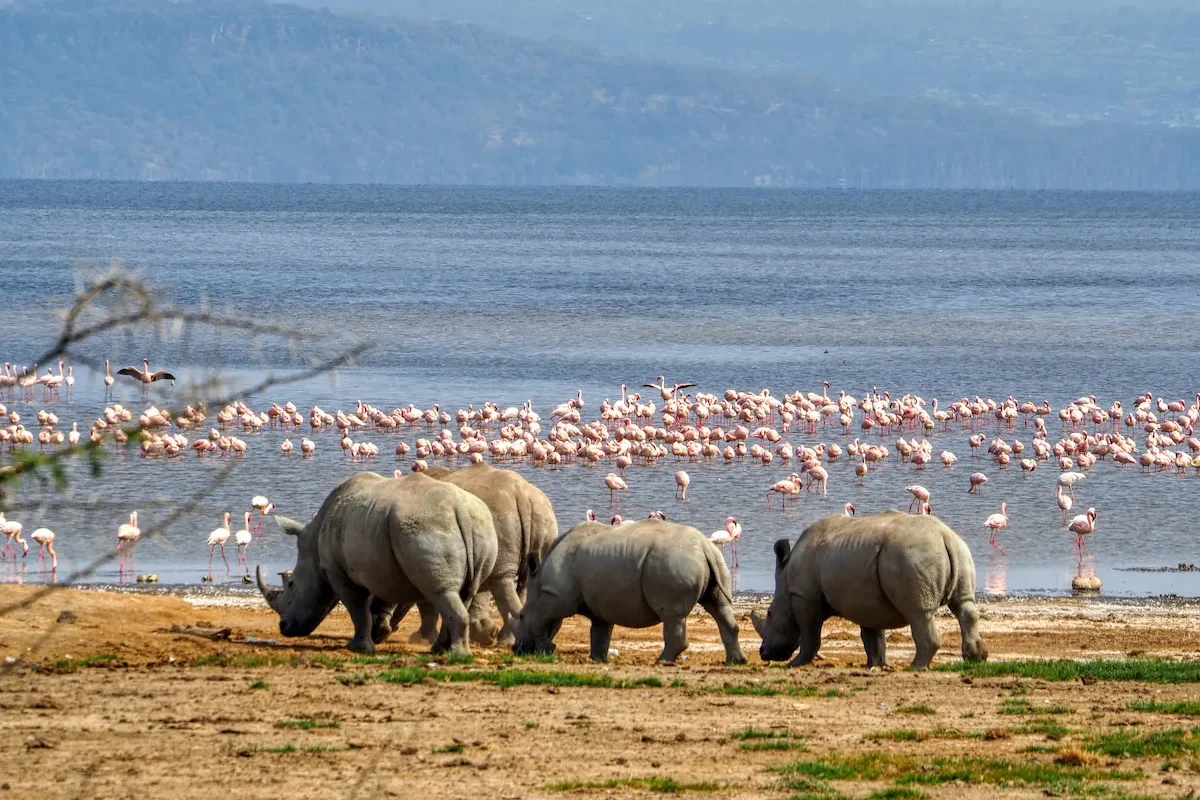
- Lake Nakuru
- Samburu
- Tsavo
The exact route should be designed around the season, available travel time and the experience you want.
For travellers based in Kenya or arriving through Nairobi, Tanzania can also be incorporated into a broader East African holiday.
Tanzania Calving Safari From Kenya
For travellers starting their holiday in Kenya, Adeli Kenya Safaris can help design an itinerary that connects Kenya and Tanzania.
Depending on the itinerary, this may involve road or air connections and border arrangements. The most appropriate option depends on your starting point, destination sequence and travel dates.
Rather than choosing transport first, we recommend designing the safari around the wildlife experience you want and then selecting the most practical connections.
Flying Versus Driving in Tanzania
Both options can work well.
Flying
Flying between safari destinations can reduce travel time and allow you to spend more time on safari.
It can be particularly useful for travellers with limited holiday time.
Driving
Road safaris provide a more immersive experience and allow you to appreciate the changing landscapes between destinations.
Driving can also provide flexibility depending on the itinerary.
At Adeli Kenya Safaris, we can help you choose the most practical combination based on your itinerary, budget and priorities.
What Accommodation Is Best for Calving Season?
Accommodation choices depend on the location of the herds, your budget and the type of experience you prefer.
Options can include:
- Permanent lodges
- Tented camps
- Seasonal camps
- Luxury camps
- Mid-range camps
- Private safari camps
During the calving season, location can be particularly important.
A beautifully designed camp that is far from the wildlife area you want to explore may not be as suitable as a simpler property in a strategically useful location.
For this reason, safari planning should consider location as well as accommodation style.
Luxury Tanzania Wildebeest Calving Safari
A luxury calving safari can combine excellent wildlife viewing with high levels of comfort.
Depending on the itinerary, luxury travellers may choose:
- Premium safari camps
- Luxury lodges
- Private guiding
- Private vehicles
- Scenic flights
- Flexible game-drive schedules
- Personalised dining experiences
- Carefully selected extensions
Luxury does not have to mean an overly rigid itinerary. A well-designed luxury safari should give you both comfort and time to enjoy the wildlife.
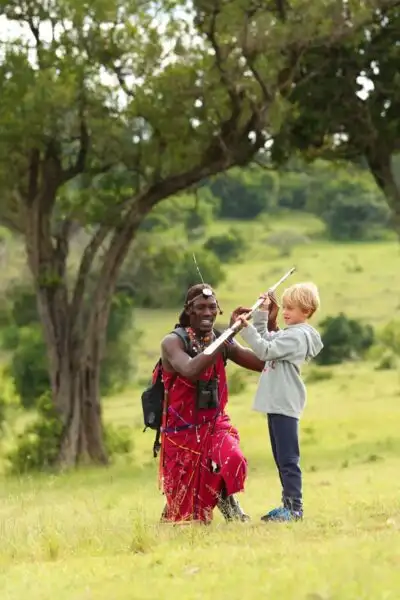
Family Tanzania Wildebeest Calving Safari
Families can also enjoy the calving season, although safari planning should take the ages of the children into account.
Younger travellers may particularly enjoy seeing baby animals, while older children can gain a deeper appreciation of wildlife behaviour and conservation.
A family safari may benefit from:
- Private vehicles
- Flexible game drives
- Family-friendly accommodation
- Shorter driving days
- Activities suitable for children
- Experienced guides
The itinerary should be designed around the family rather than simply adding children to an adult-focused safari.
Responsible Wildlife Viewing During Calving Season
The calving season is a sensitive period because animals are giving birth and raising young.
Responsible safari operators and travellers should respect wildlife by:
- Maintaining appropriate distances
- Avoiding unnecessary disturbance
- Following park and conservation-area regulations
- Never feeding wildlife
- Keeping noise levels low
- Remaining in designated areas where required
- Avoiding reckless driving around animals
- Respecting other safari vehicles
- Listening to the safari guide
A memorable wildlife encounter should also be a responsible one.
Why Choose Adeli Kenya Safaris?
Although our name reflects our Kenyan roots, Adeli Kenya Safaris can help travellers explore a wider East African safari experience.
Our approach is centred on tailor-made travel rather than forcing every traveller into exactly the same itinerary.
We can help you plan around:
- Your preferred travel dates
- Your safari duration
- Wildlife priorities
- Accommodation preferences
- Private or shared travel
- Kenya and Tanzania combinations
- Beach extensions
- Photography interests
- Family requirements
- Honeymoon or special-occasion travel
- Your preferred level of comfort
Our Kenya expertise also makes us well placed to help travellers who want to combine Tanzania with a Kenya safari.
Planning Your Tanzania Wildebeest Calving Safari
The earlier you begin planning, the more options you may have for accommodation and routing, particularly if travelling during a popular season.
When planning your safari, consider:
Your travel dates
The calving period is seasonal, but wildlife movements are influenced by natural conditions.
Your priorities
Do you want newborn animals, predators, photography, landscapes or a broader Tanzania experience?
Your safari style
Decide whether you prefer luxury, mid-range, private, family-focused or photography-oriented travel.
Your travel pace
Some travellers prefer to spend several nights in one area, while others want to cover several destinations.
Your wider holiday
You could combine your Tanzania safari with Kenya, Zanzibar or another East African destination.
A Sample Tanzania Wildebeest Calving Safari Structure
A tailor-made itinerary could potentially look like:
Day 1 – Arrival in Tanzania
Meet your safari team and transfer to your chosen accommodation.
Day 2 – Southern Serengeti / Ndutu
Begin exploring the plains where the migration may be concentrated during the calving season.
Day 3 – Wildebeest Calving Experience
Spend the day following the herds and observing newborn calves, predators and other wildlife.
Day 4 – Full-Day Safari
Continue exploring the migration area, allowing time for wildlife photography and observation.
Day 5 – Serengeti / Ngorongoro
Continue your journey towards the next destination, enjoying game viewing along the way.
Day 6 – Ngorongoro
Explore the crater area and surrounding landscapes before continuing your journey.
Day 7 – Departure or Extension
Return towards your departure point or continue to another destination such as Zanzibar or Kenya.
This is only an example. Your actual itinerary should be built around your travel dates, arrival point, interests and available time.
What Should You Pack for a Tanzania Calving Safari?
Useful safari essentials can include:
- Lightweight neutral-coloured clothing
- Warm layers for early mornings
- Comfortable walking shoes
- Sun hat
- Sunglasses
- Sunscreen
- Insect repellent
- Binoculars
- Camera and spare batteries
- Memory cards
- Reusable water bottle
- Small day bag
- Personal medication
- Travel documents
Temperatures can vary considerably between early morning and afternoon, so layering is generally useful.
Final Thoughts
A Tanzania wildebeest calving safari is one of the most fascinating ways to experience the Great Migration.
The season is not simply about seeing large herds. It is about witnessing birth, survival, predator behaviour and the extraordinary relationship between wildlife and the landscapes on which they depend.
The Great Migration is constantly changing, which is precisely what makes it so compelling. Rather than promising a particular wildlife encounter, a well-planned safari gives you the best possible opportunity to experience the ecosystem as it naturally unfolds.
Whether you want a dedicated Tanzania migration adventure, a luxury calving safari, a family holiday or a combined Kenya and Tanzania safari, Adeli Kenya Safaris can help create a journey around your interests.
Ready to experience Tanzania’s wildebeest calving season?
Talk to Adeli Kenya Safaris about creating a tailor-made Tanzania or East African safari around your preferred travel dates and wildlife interests.
Tanzania Wildebeest Calving Safari FAQs
1. What is a Tanzania wildebeest calving safari?
A Tanzania wildebeest calving safari is a wildlife journey planned around the Great Migration’s calving period, when large numbers of wildebeest give birth across the plains of northern Tanzania.
2. When is the wildebeest calving season in Tanzania?
The main calving period generally occurs around January and February, although the exact timing and location of wildlife can vary depending on environmental conditions.
3. Where is the best place to see wildebeest calving in Tanzania?
The southern Serengeti and Ndutu area are strongly associated with the calving season, although the location of the herds can change naturally.
4. Why is Ndutu famous for wildebeest calving?
Ndutu is located within the broader Serengeti ecosystem and is well known for seasonal concentrations of migrating wildebeest during the calving period.
5. Can I see newborn wildebeest during a Tanzania safari?
Yes. Seeing newborn wildebeest is one of the major attractions of visiting during the calving season.
6. Is the Tanzania calving season good for predators?
It can be an excellent period for observing predator activity because large concentrations of herbivores and vulnerable young animals attract predators.
7. Can I see lions during the wildebeest calving season?
Yes. Lions are among the predators that can be encountered in the Serengeti ecosystem, although wildlife sightings cannot be guaranteed.
8. Can I see cheetahs during a Tanzania calving safari?
Cheetahs inhabit parts of the Serengeti ecosystem and may be encountered during a safari, particularly across suitable open habitats.
9. Can I see hyenas during the calving season?
Yes. Spotted hyenas are an important part of the Serengeti ecosystem and may be encountered around areas with high concentrations of prey.
10. Is January a good month for a Tanzania safari?
January can be an excellent month for travellers interested in the Great Migration’s calving period, although conditions and wildlife locations vary.
11. Is February good for wildebeest calving in Tanzania?
February is traditionally associated with the calving period and can be a particularly interesting time for travellers wanting to see newborn wildebeest.
12. Is the Great Migration in Tanzania all year?
The Great Migration is a continuous ecological cycle, with the herds moving through different parts of the Serengeti-Mara ecosystem during different periods.
13. Is the calving season better than the Mara River crossing season?
Neither is universally better. Calving season focuses on birth, newborn animals and predator activity, while the river-crossing period offers a different type of dramatic wildlife experience.
14. Can I combine the calving safari with the Serengeti?
Yes. The Serengeti is central to the Great Migration and can form the main destination for a Tanzania calving safari.
15. Can I combine a Tanzania calving safari with Ngorongoro?
Yes. Serengeti and Ngorongoro can make an excellent combination, providing different landscapes and wildlife experiences.
16. Can I combine Tanzania and Kenya on one safari?
Yes. A combined Kenya and Tanzania itinerary can be designed for travellers who want to experience more of the East African wildlife ecosystem.
17. Can I combine Tanzania with a Kenya Maasai Mara safari?
Yes. The Maasai Mara and Serengeti are part of the same broader ecosystem, making a combined safari particularly appealing to wildlife enthusiasts.
18. Can I start my safari in Nairobi?
Depending on the itinerary and travel arrangements, a Tanzania safari can be incorporated into a journey beginning in Kenya.
19. Can I travel from Kenya to Tanzania by road?
Road connections can be incorporated into suitable itineraries, depending on the route, border crossing and overall safari plan.
20. Can I fly between Kenya and Tanzania?
Air connections can be a useful option for travellers who want to minimise road travel and maximise time on safari.
21. How many days do I need for a Tanzania calving safari?
A dedicated calving safari can be designed around several days, while longer itineraries allow you to explore additional destinations.
22. Is a private Tanzania safari better for calving season?
A private safari can provide greater flexibility in terms of game-drive timing, vehicle use and itinerary design.
23. Is Tanzania calving season suitable for families?
Yes. Families can enjoy the experience, particularly when the itinerary, accommodation and game-drive schedule are designed around the children’s ages.
24. Is Tanzania calving season suitable for photographers?
Yes. Newborn animals, predators, large herds and dramatic landscapes provide diverse photographic opportunities.
25. What camera equipment should I bring?
A telephoto lens, spare batteries, memory cards and binoculars can be useful for wildlife photography.
26. Can I see zebra during the wildebeest migration?
Yes. Zebra are closely associated with the Great Migration and can be encountered alongside wildebeest.
27. Are elephants seen during a Tanzania migration safari?
Elephants occur in the wider Tanzanian wildlife ecosystem, although the migration itself is primarily associated with wildebeest, zebra and other grazing animals.
28. Can I see giraffes in Tanzania during the calving season?
Giraffes can be encountered in suitable areas, although sightings vary according to location.
29. Is birdwatching possible during a Tanzania calving safari?
Yes. The Serengeti and surrounding ecosystems support diverse birdlife, making a migration safari suitable for travellers interested in birds as well as mammals.
30. What should I wear on a Tanzania calving safari?
Lightweight, comfortable clothing with warm layers for early mornings is generally practical. Neutral colours are also commonly preferred for safari.
31. Is the morning or afternoon better for game drives?
Both can offer rewarding experiences. Early mornings often provide cooler temperatures and active wildlife, while afternoon drives can produce different sightings and lighting.
32. Can I have a full-day game drive during calving season?
Yes, depending on the itinerary, conservation-area regulations and your accommodation location.
33. Are wildebeest calving safaris suitable for honeymooners?
Yes. A private Tanzania safari can be combined with luxury accommodation and other experiences to create a memorable honeymoon.
34. Can I combine a Tanzania safari with Zanzibar?
Yes. Zanzibar can be added to a Tanzania safari for travellers wanting to combine wildlife with a beach holiday.
35. Can I combine Tanzania with a beach holiday in Kenya?
Yes. Depending on your itinerary, a Tanzania wildlife safari can be combined with Kenya’s coastal destinations.
36. What type of accommodation is available during calving season?
Depending on the area, travellers may choose from lodges, tented camps, seasonal camps and luxury safari camps.
37. Is luxury accommodation available near the migration areas?
Yes. Luxury safari camps and lodges are available in parts of the wider migration region, subject to seasonal location and availability.
38. Should I book my Tanzania calving safari early?
Early planning is advisable, particularly if you have specific travel dates or accommodation preferences during a popular travel period.
39. Is the wildebeest migration predictable?
Not completely. The migration responds to natural conditions, so exact herd locations can change.
40. Can Adeli Kenya Safaris organise a Tanzania safari?
Adeli Kenya Safaris can assist with tailor-made East African safari planning, including Tanzania-focused itineraries and Kenya-Tanzania combinations.
41. Does Adeli Kenya Safaris specialise only in Kenya?
Kenya is our primary destination and area of expertise, while we also help travellers plan wider African and East African journeys.
42. Can Adeli create a private Tanzania safari?
Yes. Itineraries can be designed around your preferred travel dates, interests, accommodation style and travel pace.
43. Can Adeli combine Kenya and Tanzania?
Yes. A tailor-made itinerary can potentially combine destinations in Kenya and Tanzania.
44. Can Adeli arrange a Tanzania safari for couples?
Yes. Couples can have an itinerary designed around wildlife, privacy, comfort and special occasions.
45. Can Adeli arrange a family Tanzania safari?
Yes. Family itineraries can be adapted to children’s ages, preferred activities and desired pace.
46. Can Adeli arrange a photography-focused Tanzania safari?
A photography-oriented itinerary can be designed around longer game-viewing periods, suitable locations and the interests of the photographer.
47. What makes the Tanzania calving season special?
The combination of huge herbivore concentrations, newborn animals, predator activity and dramatic landscapes makes the calving period especially compelling.
48. Is a calving safari ethical?
Wildlife tourism can support conservation and local economies when conducted responsibly. Travellers should choose operators that prioritise responsible wildlife viewing and respect conservation regulations.
49. Will I definitely see a wildebeest giving birth?
No. Births are natural events and cannot be scheduled. A safari can provide opportunities to see newborn calves and observe the broader calving ecosystem.
50. Will I definitely see predators?
No wildlife encounter can be guaranteed. However, the concentration of herbivores during the calving period can create good conditions for predator observation.
51. What is the biggest attraction of a Tanzania calving safari?
For many travellers, it is the combination of newborn wildebeest, huge herds and increased predator activity.
52. Is Tanzania calving season good for first-time safari travellers?
Yes. It can be an excellent introduction to East African wildlife because of the concentration and diversity of animals.
53. Can I add Tarangire to my Tanzania itinerary?
Depending on your route and available time, Tarangire can be considered as part of a wider Tanzania safari.
54. Can I add Lake Manyara?
Yes. Lake Manyara can potentially be incorporated into a broader northern Tanzania itinerary.
55. What is the difference between Serengeti and Ngorongoro?
The Serengeti is a vast ecosystem famous for the Great Migration, while Ngorongoro offers the distinctive crater landscape and a concentrated wildlife environment.
56. Is the Serengeti worth visiting outside migration season?
Yes. The Serengeti supports abundant wildlife throughout the year, although the experience changes with the seasons and location of wildlife.
57. Is Tanzania suitable for a first African safari?
Yes. Tanzania offers a combination of major wildlife areas, diverse landscapes and well-established safari infrastructure.
58. How far in advance should I plan my calving safari?
Planning several months ahead is sensible, particularly for specific dates, preferred camps and popular travel periods.
59. Can I request a tailor-made Tanzania itinerary from Adeli Kenya Safaris?
Yes. The safari can be planned around your dates, budget, accommodation preferences and wildlife interests.
60. How do I book a Tanzania wildebeest calving safari with Adeli Kenya Safaris?
Contact Adeli Kenya Safaris with your preferred travel dates, number of travellers, approximate safari duration and the type of experience you want. We can then help develop a tailor-made East African safari proposal.
Plan Your Tanzania Wildebeest Calving Adventure
The Great Migration is one of nature’s most extraordinary spectacles, and the calving season reveals a particularly powerful side of it: new life, survival and the constant rhythm of the African wilderness.
Whether you dream of photographing newborn wildebeest on the Serengeti plains, watching predators patrol the grasslands, combining Tanzania with Kenya’s Maasai Mara, or ending your safari on the beaches of Zanzibar or Kenya’s coast, your itinerary can be designed around the experience that matters most to you.
Adeli Kenya Safaris — Your Africa Adventure Awaits.
Tailor-made. Sustainable. Affordable. Immersive. Unforgettable.