Introduction: Why Italy Should Be on Your Travel List
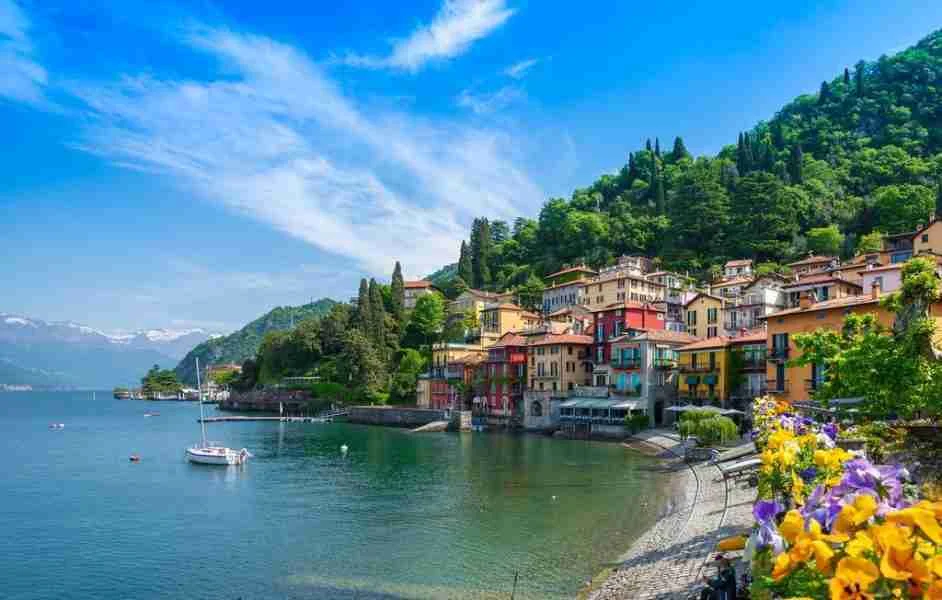
Italy is a country steeped in history and culture, making it an irresistible destination for travelers. With its rich legacy that dates back to the Roman Empire, Italy offers an unparalleled glimpse into the evolution of Western civilization. Visitors can explore ancient ruins, majestic cathedrals, and world-class museums in cities like Rome, Florence, and Venice. Each location showcases stunning architectural marvels that have left an indelible mark on the world.
Beyond its historical allure, Italy boasts diverse landscapes that range from the serene Amalfi Coast to the rolling hills of Tuscany. Whether one is seeking adventure in the Dolomites or relaxation on the sandy beaches of Sardinia, Italy presents a variety of options to cater to diverse preferences. This geographical diversity enhances the experience, providing travelers with a vivid tapestry of natural beauty to appreciate.
Further complementing its scenic views is Italy’s reputation for culinary excellence. From the pasta dishes of Bologna to the seafood of coastal towns, the country is renowned for its distinct regional cuisines. Italian food is celebrated for its freshness, quality ingredients, and rich flavors, making dining in Italy an experience to remember. Food lovers will find themselves indulging in delightful meals paired with exceptional wines, each reflecting the local culture.
In light of these attributes, it is clear why Italy should be on every traveler’s list. The combination of historical significance, scenic charm, and gastronomic delights makes it a unique and captivating destination. In the following sections, we will explore the top 20 cities to visit in Italy, each offering its own unique set of attractions and experiences.
1. Rome: The Eternal City
Rome, often referred to as the Eternal City, is the capital of Italy and one of the most historically rich cities in the world. It is renowned for its vast array of iconic landmarks that narrate the tale of its ancient past while thriving as a modern metropolis. A visit to Rome is an opportunity to traverse through centuries of history, art, and culture.
The Colosseum stands as a testament to the architectural genius of the Roman Empire and is perhaps the most recognized symbol of the city. This ancient amphitheater, which once hosted gladiatorial contests and public spectacles, is an unmissable stop for any traveler. Another highlight is Vatican City, a sovereign state enclaved within Rome’s metropolis, home to Saint Peter’s Basilica and the breathtaking Sistine Chapel, famous for its ceiling painted by Michelangelo.
Exploring the Roman Forum reveals the heart of ancient Rome, where public life unfolded amidst the ruins of temples and marketplaces. Walking through this historical area, visitors can envision the bustling life that once characterized the Roman Republic. The neighborhoods surrounding these areas also offer unique experiences; Trastevere is celebrated for its vibrant nightlife and authentic Roman cuisine, while the upscale streets of Monti offer boutique shopping and artistic endeavors.
The blend of ancient history with a modern lifestyle is evident throughout the city. From exquisite trattorias to stylish cafés, Rome provides a culinary landscape that complements its historic attractions. The city’s dynamic atmosphere draws millions of visitors each year, making it not just a place to see, but a destination to experience. Rome’s captivating allure lies in its ability to harmoniously intertwine the past with the present, leaving an indelible mark on all who visit.
Florence: The Cradle of the Renaissance
Florence, known as the Cradle of the Renaissance, has long held a prominent position in the world of art and culture. As the birthplace of this transformative artistic movement, the city is home to numerous landmarks and institutions that celebrate its rich heritage. Among these, the Uffizi Gallery stands out as a must-visit attraction, housing a vast collection of masterpieces from renowned artists such as Botticelli, Michelangelo, and Leonardo da Vinci. This gallery not only reflects Florence’s artistic dynamism but also serves as a vital touchstone for understanding the evolution of Western art.
The Florence Cathedral, or Duomo, is another iconic structure that exemplifies the city’s architectural brilliance. Its magnificent dome, designed by Filippo Brunelleschi, was a remarkable engineering feat of its time and remains a symbol of the city. The intricate details of the cathedral’s façade and the breathtaking works of art within offer a glimpse into Florence’s vibrant artistic spirit. Visitors often climb to the dome’s summit for breathtaking panoramic views of the city, further enriching their experience.
Additionally, the Ponte Vecchio bridges the historic and modern facets of Florence, serving as both a functional crossing and an open-air gallery of jewelers and artisans. This medieval bridge, one of the oldest in Europe, is synonymous with the city’s charm and cultural depth. Walking along its narrow pathways allows travelers to immerse themselves in the vibrant atmosphere, which pulsates with life and creativity, showcasing the city’s enduring legacy.
The abundance of museums, churches, and historic sites confirms Florence’s significance in the artistic realm, attracting millions of visitors each year who seek to explore its cultural richness. Experiencing Florence is not merely a visual journey; it is a profound exploration of the very foundations of the Renaissance that continue to inspire the world.
Venice: The City of Canals
Venice, often referred to as the “City of Canals”, stands as a remarkable testament to human ingenuity and artistic expression. Constructed on a network of islands within the Venetian Lagoon, this city is celebrated for its labyrinth of winding canals, historic sites, and rich cultural heritage. Venice’s unique geography has given rise to one of the most picturesque settings in the world.
One of the most iconic landmarks in the city is St. Mark’s Basilica. This architectural masterpiece showcases an array of Byzantine influences, characterized by its shimmering mosaics and grand domes. The basilica, located at the heart of Piazza San Marco, is a site of pilgrimage and admiration, attracting tourists who seek to experience its historical significance and sublime beauty.
The Grand Canal serves as the main waterway of Venice and offers a stunning view of the city’s grandeur. Lined with beautiful palaces that date back to the city’s heyday in the 13th to 18th centuries, a gondola ride along the Grand Canal is a quintessential Venice experience. These traditional wooden boats have become synonymous with the city, providing an intimate journey through the canals where visitors can appreciate the architectural richness from a unique vantage point.
Aside from its historical sites, Venice hosts a vibrant culture, highlighted by its famous carnivals and several annual festivals. The combination of art, music, and culinary delights makes the city an engaging destination. With its rich tapestry of sights and experiences, Venice remains a captivating city that enchants visitors from around the globe.
Milan: The Fashion Capital
Milan is widely regarded as a global fashion capital, epitomizing style and innovation within the fashion industry. Every year, millions of visitors flock to this bustling city to experience its vibrant atmosphere and witness the latest trends showcased in its numerous boutiques and flagship stores. Renowned designers such as Giorgio Armani and Versace have their roots deeply embedded in Milan, further solidifying the city’s reputation as a key player in the world of fashion.
One cannot discuss Milan without mentioning its stunning architectural landmarks, notably the Duomo di Milano. This awe-inspiring cathedral, with its intricate Gothic facade, serves not only as a symbol of Milan’s historical significance but also as a backdrop for various fashion events. The square surrounding the Duomo is often transformed into a fashionable hub, where locals and tourists gather to enjoy the sights or engage in a little retail therapy at the adjacent Galleria Vittorio Emanuele II, famous for its high-end shops and rich history.
Another landmark that enhances Milan’s cultural landscape is La Scala, one of the most prestigious opera houses in the world. La Scala represents the city’s dedication to the arts, attracting opera enthusiasts and theater-goers alike. Attending a performance here is considered a must-do for visitors seeking an authentic Milanese experience. The modern vibrancy of the city is reflected in its dynamic art scene, with galleries and exhibitions popping up across town, reinforcing Milan’s status as not only a fashion capital but also a cultural powerhouse.
5. Naples: Gateway to the Amalfi Coast
Naples, a city imbued with a rich tapestry of culture and history, serves as a vibrant gateway to the stunning Amalfi Coast. Renowned for its dynamic streets and passionate atmosphere, it offers visitors an authentic glimpse into Italian life. The city is a UNESCO World Heritage site, known for its unique blend of historical monuments and cutting-edge street life. One cannot visit Naples without indulging in its celebrated culinary scene, where pizza originated. The traditional Neapolitan pizza, characterized by its soft, chewy crust and fresh ingredients, is a quintessential experience for anyone traveling in this region. Local pizzerias, often bustling with activity, epitomize the city’s gastronomic heritage, ensuring that each meal becomes a memorable occasion.
Moreover, Naples is in proximity to significant historical sites such as Pompeii and Herculaneum, both of which offer compelling narratives of life in ancient Roman society. A day trip to these archaeological wonders allows visitors to walk through well-preserved ruins, providing an intriguing contrast to the vibrant, modern city surrounding them. The iconic Mount Vesuvius, which looms over Naples, symbolizes both the city’s historical challenges and its prevailing spirit.
The dynamic street life of Naples further enhances the tourist experience. From lively markets to artisan workshops, each corner of the city buzzes with energy. Visitors can witness local craftsmen at work, creating unique products that reflect Napoletan culture. The joyful interaction among residents and visitors shows an openness that is both welcoming and engaging, making Naples not just a destination but a vivid experience filled with life and culture.
6. Bologna: The Culinary Capital
Bologna, located in the heart of Italy, is renowned for its rich culinary tradition, often regarded as the culinary capital of the country. Famous for its delicious pasta, particularly tagliatelle al ragù, also known as Bolognese sauce, this city offers a unique gastronomic experience that attracts food enthusiasts from around the world. The dish, made with a blend of meats, tomatoes, and wine, showcases the depth of flavor and craftsmanship that characterizes Bolognese cooking.
In addition to its iconic pasta, Bologna boasts a variety of traditional dishes such as lasagna verde and tortellini in brodo. These signature meals highlight the region’s use of high-quality ingredients, and many local recipes have been passed down through generations. As a visitor, one can expect a culinary journey that blends taste with cultural history, emphasizing the importance of food in Italian life.
Exploring local markets is an essential part of the Bologna food experience. The Mercato di Mezzo and Mercato delle Erbe are two vibrant markets that showcase fresh produce, artisanal cheeses, cured meats, and other regional specialties. These bustling venues not only provide a glimpse into the local food culture but also serve as prime spots for tourists to sample authentic Italian cuisine.
Food tours in Bologna are highly recommended for those who wish to delve deeper into its culinary heritage. Guided tours often take participants through the historic streets, leading them to hidden gems where local chefs prepare traditional meals. These experiences highlight Bologna’s vibrant university life, where many culinary students contribute to the city’s base of knowledge and innovation in the kitchen, making the city a dynamic hub for gastronomy.
Turin: The Hidden Gem of Northern Italy
Turin, often overshadowed by more prominent Italian cities like Rome and Florence, stands out as a hidden gem of Northern Italy. This elegant city is renowned for its refined architecture, rich history, and vibrant cultural scene, making it a noteworthy destination for travelers seeking an authentic Italian experience. One of the city’s most iconic landmarks is the Mole Antonelliana, a magnificent building that has become a symbol of Turin. Originally conceived as a synagogue, it now houses the National Museum of Cinema, celebrated for showcasing the city’s deep-rooted connection to Italian cinema.
The architectural elegance of Turin is evident not only in the Mole Antonelliana but also in the stunning Royal Palace. This UNESCO World Heritage site features opulent rooms and exquisite gardens that reflect the grandeur of the House of Savoy. Visitors can explore a wealth of historical artifacts and art, enhancing their understanding of Italy’s regal past. Alongside these landmarks, the city’s streets are lined with beautiful baroque buildings and grand squares, creating a captivating backdrop for exploration.
In addition to its architectural wonders, Turin is renowned for its contributions to the culinary arts. The city boasts an impressive chocolate legacy, characterized by its rich, creamy chocolate known as gianduja. Tourists can indulge in this sweet tradition by visiting local chocolatiers and enjoying unique desserts. As an important cultural hub, Turin also hosts numerous film festivals and art exhibits, attracting creatives and enthusiasts alike. With its unique blend of history, architecture, and gastronomy, Turin offers an unforgettable experience packed with charm and sophistication, making it a worthy addition to any travel itinerary in Italy.
Verona: The City of Love
Verona, renowned as the City of Love, captures the hearts of visitors with its enchanting ambiance and rich history. This northern Italian gem is steeped in romantic lore, thanks in part to Shakespeare’s tragic tale of Romeo and Juliet. The story has transformed Juliet’s House into one of Verona’s most iconic attractions, where couples from around the world flock to see the balcony believed to be the setting for the timeless love story. Here, visitors can leave notes and messages on the walls, a tradition that speaks to Verona’s deep-rooted connection with love.
The city’s charm extends beyond Juliet’s House with its well-preserved medieval architecture and picturesque squares. Wandering through Verona’s narrow streets, one can discover a plethora of quaint boutiques, charming cafes, and inviting gelato shops. Each turn offers a glimpse into the city’s vibrant culture and history. Among the many historical landmarks, the Roman Arena stands out as a remarkable testament to Verona’s past. This ancient amphitheater, one of the best-preserved structures of its kind, hosts a variety of cultural events, ranging from opera to concerts, allowing visitors to experience the city’s lively atmosphere first-hand.
Throughout the year, Verona also celebrates numerous festivals that highlight its artistic and culinary heritage. From the annual Verona Opera Festival to the celebration of local wine and gastronomy, there is always an event that invites participation from both locals and tourists alike. In essence, Verona offers a delightful blend of romance, history, and culture, making it an essential stop for anyone exploring the captivating landscape of Italy.
Genoa: Maritime Majesty
Genoa, known for its rich maritime history, is one of Italy’s most significant coastal cities, with a port that has played an essential role since the Middle Ages. This historic port serves as a gateway to the Mediterranean, and the influence of maritime trade is woven into the very fabric of the city. Visitors will find themselves immersed in the beauty of its harbor and the grandeur of its ancient naval prowess.
The old town of Genoa, characterized by its narrow, winding streets, invites exploration. Here, every alley offers a glimpse of the city’s illustrious past. Notably, the Piazza De Ferrari is often regarded as the heart of the city, surrounded by historic buildings and providing access to key attractions such as the Palazzo Ducale, the former residence of the Doges. This palatial building is a testament to Genoa’s former glory as a powerful maritime republic.
Genoa is also recognized for its striking architecture, particularly its numerous palaces, many of which are UNESCO World Heritage Sites. The Palazzi dei Rolli showcases the wealth and sophistication of its historical families, with ornate facades and opulent interiors. These palaces reflect the city’s status during the Renaissance and serve as remarkable examples of the architectural style prevalent in that era.
Moreover, Genoa’s significance in Italian maritime history cannot be overstated. It was not only a center for trade but also a hub for shipbuilding and exploration. The maritime museum, Museo del Mare, provides insight into the city’s nautical legacy, featuring exhibits that detail the voyages and discoveries made by its sailors throughout centuries.
With its alluring blend of history, culture, and maritime heritage, Genoa stands as a testament to the rich tapestry of Italy’s coastal cities. The combination of its historic port, spectacular palaces, and labyrinthine streets offers visitors a unique glimpse into a city that has long been an important maritime powerhouse.
Conclusion: Planning Your Italian Adventure
Embarking on a journey through Italy offers an array of experiences, from the rich history of Rome to the romantic canals of Venice. The cities discussed in our list represent a diverse selection of Italy’s cultural heritage and scenic beauty. Each city provides unique attractions, culinary delights, and local traditions that cater to varied interests. When planning your Italian adventure, it is crucial to consider what resonates most with you personally.
If you are an art enthusiast, Florence, with its renowned galleries and museums, should be at the top of your itinerary. Conversely, food lovers might find their paradise in Bologna, famous for its rich culinary scene. For those seeking stunning coastal views, the Amalfi Coast and cities like Cinque Terre should not be overlooked. Tailoring your trip to align with your interests will ensure a more fulfilling travel experience.
When planning your visit, practical travel tips can enhance your journey significantly. Researching the best times to visit each city can help you avoid large crowds and benefit from favorable weather. Spring (April to June) and fall (September to October) are often regarded as ideal times, providing pleasant temperatures and vibrant local events. Additionally, consider utilizing Italy’s efficient train system for seamless transportation between cities, as this allows travelers to experience the picturesque countryside while avoiding the hassle of driving.
In conclusion, Italy’s wealth of history, art, and cuisine makes it a destination worth exploring. By factoring in your personal interests and being mindful of practical travel tips, you can craft an exciting and memorable adventure through this enchanting country. Bon voyage!