Wildebeest Migration Forecast for 2026 & 2027: Guide by Adeli Kenya Safaris
Discover the 2026 and 2027 Wildebeest Migration Forecast with Adeli Kenya Safaris. Learn the best months for Mara River crossings, calving season, wildlife photography, and expert safari planning across the Serengeti and Masai Mara.
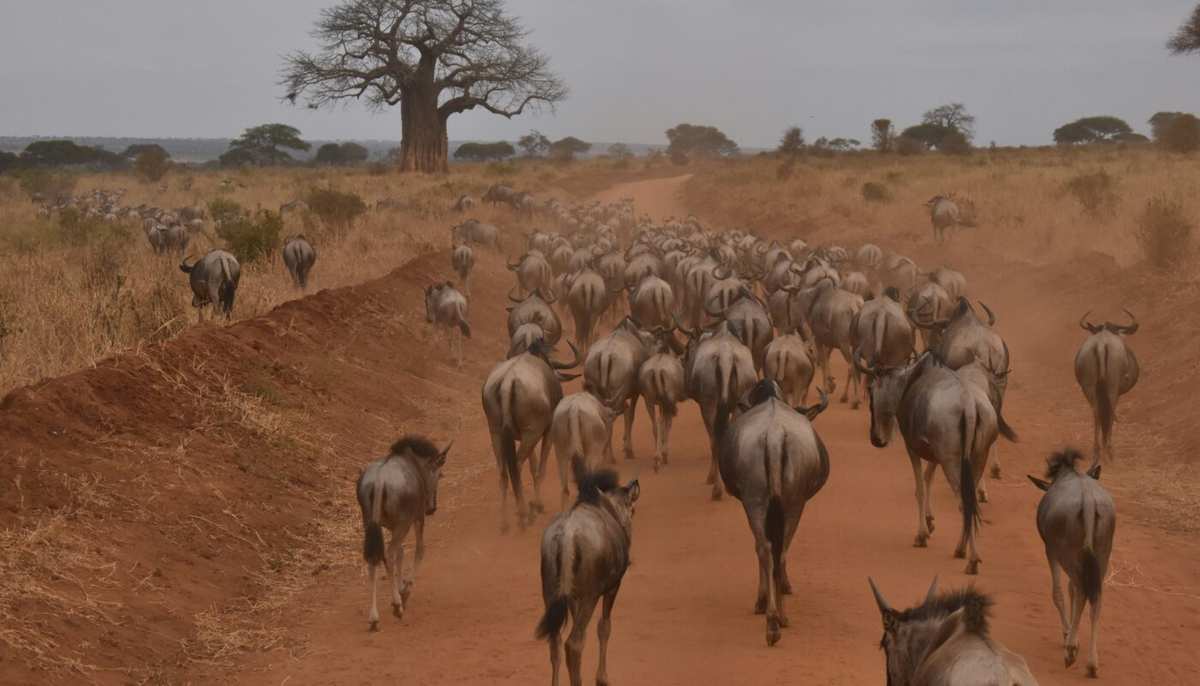
The Great Wildebeest Migration is the world’s largest overland wildlife migration, with approximately 1.5 million wildebeest, hundreds of thousands of zebras, and gazelles following seasonal rainfall between the Serengeti in Tanzania and the Masai Mara in Kenya.
Unlike a fixed event, the migration follows rainfall, fresh grazing, and water availability, meaning no operator can accurately predict exact river-crossing dates months in advance. However, the overall migration cycle is remarkably consistent, allowing reliable seasonal planning.

2026 Migration Forecast
Based on the annual migration pattern and current expert outlooks, the 2026 migration is expected to follow its typical cycle unless unusual weather patterns significantly alter rainfall.
| Month | Expected Location | Highlights |
|---|---|---|
| January | Southern Serengeti & Ndutu | Herds gather before calving |
| February | Ndutu Plains | Peak calving season and excellent predator action |
| March | Southern & Central Serengeti | Calves strengthen as herds begin moving north |
| April | Central Serengeti | Green season and dispersed herds |
| May | Western Corridor | Large migration columns moving northwest |
| June | Grumeti Region | First Grumeti River crossings |
| July | Northern Serengeti | Herds arrive at the Mara River |
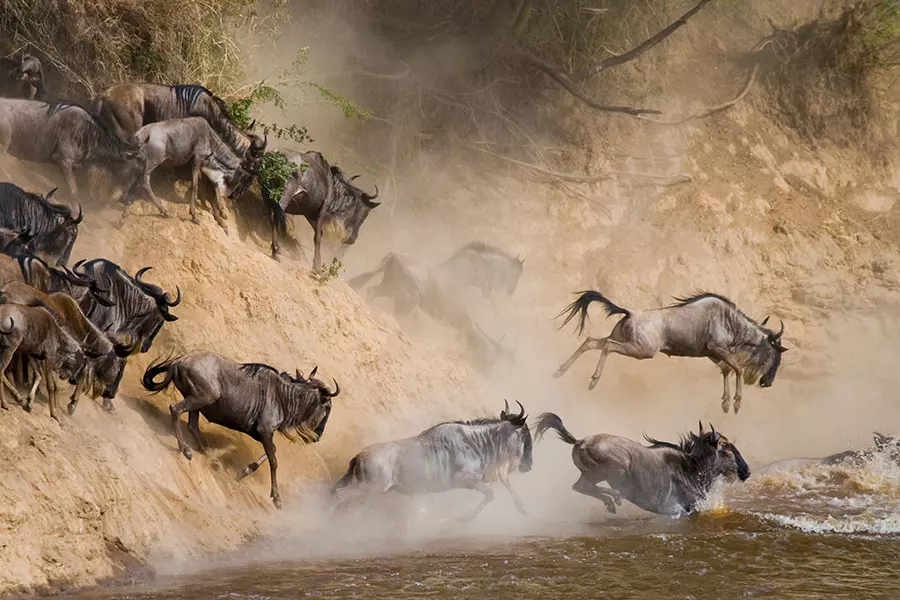
| August | Masai Mara & Northern Serengeti | Peak Mara River crossings |
| September | Masai Mara | Excellent wildlife viewing and predator encounters |
| October | Masai Mara & Northern Serengeti | Return movements begin |
| November | Eastern Serengeti | Herds head south following the short rains |
| December | Southern Serengeti | Migration cycle returns to calving grounds |
2027 Migration Forecast
Current expectations suggest that 2027 will also follow the traditional migration pattern, although rainfall timing will ultimately determine exactly when and where the largest herds move.
| Month | Expected Location | Highlights |
|---|---|---|
| January–March | Southern Serengeti | Calving season and exceptional big-cat sightings |
| April–May | Central & Western Serengeti | Massive moving herds and lush landscapes |
| June | Grumeti River | Crocodile encounters during river crossings |
| July | Northern Serengeti | Arrival at the Mara River |
| August–September | Masai Mara | Peak migration season and dramatic river crossings |
| October | Masai Mara & Northern Serengeti | Herds gradually begin moving south |
| November–December | Serengeti | Return to southern grazing plains |
Best Time to Visit by Experience
January–March
Best for:
- Calving season
- Predator action
- Wildlife photography
- Fewer visitors
June
Best for:
- Grumeti River crossings
- Large moving herds
- Green-to-dry season transition
July–September
Best for:
- Mara River crossings
- The Great Migration
- Big cats
- Luxury safari experiences
October
Best for:
- Excellent resident wildlife
- Lower visitor numbers than peak August
- Late migration activity
Mara River Crossing Forecast
Although exact crossing dates cannot be predicted, the most likely windows are:
| Year | Expected Peak Crossing Window |
|---|---|
| 2026 | Mid-July to late September (highest activity usually in August) |
| 2027 | Mid-July to late September (subject to rainfall) |
Some years see the first crossings as early as late June, while others continue into October or early November.
Where Should You Stay?
January–March
- Ndutu
- Southern Serengeti
April–May
- Central Serengeti
- Western Corridor
June
- Grumeti region
July–October
- Northern Serengeti
- Masai Mara
- Mara Triangle
- Private Mara Conservancies
November–December
- Eastern and Southern Serengeti
Photography Forecast
The best photography opportunities are expected during:
🥇 February – Newborn calves and predator interactions
🥇 August – Iconic Mara River crossings
🥇 September – Massive herds across the Masai Mara
🥇 January – Golden light on the southern Serengeti plains
Booking Advice for 2026 & 2027
For the best selection of camps and lodges:
- Luxury camps: Book 9–12 months in advance for July–September.
- Mid-range lodges: Book 6–9 months ahead.
- Budget safaris: Book 4–6 months ahead, especially for peak migration dates.
The most sought-after accommodations near the Mara River and in the Mara conservancies often sell out first during the migration season.
Frequently Asked Questions
1. Can anyone predict the exact Mara River crossing dates?
No. River crossings depend on rainfall, grazing conditions, river levels, and the animals’ behavior. Forecasts can identify likely periods, but not exact days.
2. Will the migration enter the Masai Mara in both 2026 and 2027?
Yes. Unless there is an exceptionally unusual climatic event, the herds are expected to move into the Masai Mara between July and October, following their annual cycle.
3. Is August still the best month for river crossings?
Yes. August typically offers the highest probability of witnessing dramatic Mara River crossings, although activity often extends into September.
4. Is the migration only in Kenya?
No. The herds spend most of the year in Tanzania’s Serengeti ecosystem and usually only enter Kenya’s Masai Mara for a few months during the dry season.
5. Which safari should I choose?
If your goal is the river crossings, travel between late July and September. If you prefer newborn wildlife, dramatic predator encounters, and fewer crowds, January to March in the southern Serengeti is an excellent alternative.