An Africa safari with Adeli Kenya Safaris is a wildlife and nature journey through Africa’s national parks, game reserves, conservancies and other protected areas, usually with the opportunity to see wild animals in their natural habitats. The word safari comes from the Swahili word for journey, and today it describes a wide range of African travel experiences—from classic game drives and walking safaris to luxury wilderness stays, cultural encounters and beach extensions.
In simple terms: an Africa safari is a journey into the wild heart of Africa—where wildlife, landscapes, people and conservation come together to create an experience rather than simply a holiday.
Africa offers some of the world’s most diverse safari landscapes. Depending on the destination and season, travellers may encounter elephants, lions, leopards, rhinos, buffalo, giraffes, cheetahs, hippos and countless bird species.
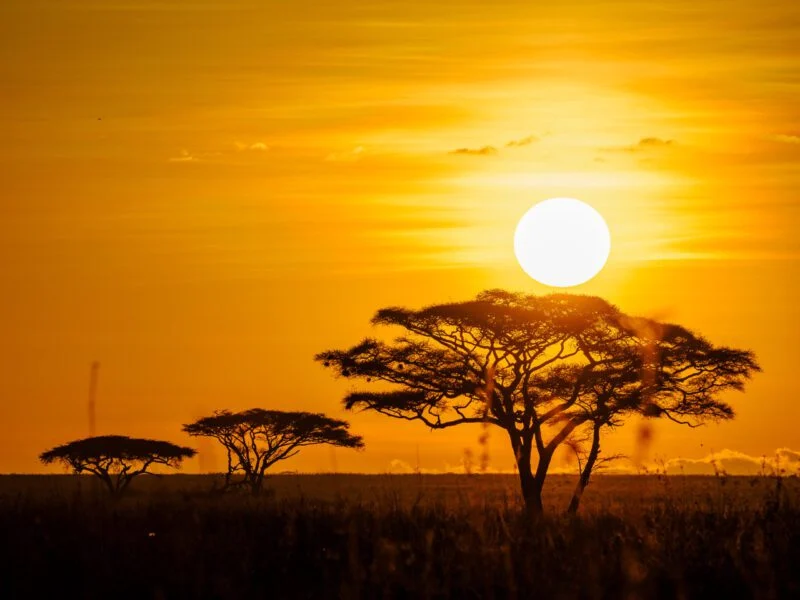
Every day on an African safari is an adventure. Each moment is a new experience that’s unique for that single moment in time. No two animals are the same, and animal behavior is always changing. As for the scenery, you’ll experience everything from sweeping savannahs to lush marshlands, dense forests, and arid plains.
As for what it’s like to actually go on safari, let’s break it down.
- Most African safaris are multi-day experiences. At massive public parks, such as Masai Mara Natioal Reserve, Amboseli National Park, Tsavo Parks, Serengeti National Park e.t.c, you can do what’s called a day safari (start a little after sunrise and end before sunset), but if an African safari is your dream vacation, this isn’t what you want. Seven to ten days on safari is most common, and that includes two to three locations.
- You’ll stay at a lodge or camp in the bush. This means you’ll be in a remote location in the African wilderness accessible by car or air. How luxurious your room is, depends on your budget and operator.
- Every day you’ll go on game drives to see the animals. Most African safaris take you on twice-a-day game drives (3-4 hours in the morning and 3-4 hours in the afternoon). These game drives can happen in open-air or enclosed vehicles (this depends on where you go on safari and your operator). And it’s during these game drives that you leave your camp/lodge to drive around the bush and find animals.
- It’s an adventure, not a zoo. The animals are not waiting for you. You have to go out and, with the help of your professional/local guide, find the animals.
- An African safari is all-inclusive: African safaris are not cheap, but the price includes all meals, game drives, guides, room, and board. Often, all drinks (including alcohol for superior luxury hotels) are encompassed in the price as well.
Where Can You Go on an Africa Safari?
Safari experiences are found across several regions of the continent.
East Africa is particularly famous for wildlife and includes:
- Kenya – Maasai Mara, Amboseli, Tsavo, Samburu, Lake Nakuru and Laikipia
- Tanzania – Serengeti, Ngorongoro, Tarangire and Nyerere
- Uganda – gorilla trekking, chimpanzee experiences and traditional game safaris
- Rwanda – mountain gorilla trekking and wildlife experiences
Southern Africa offers a different style of safari, with destinations including:
- Botswana and the Okavango Delta
- South Africa and Kruger National Park
- Namibia and Etosha National Park
- Zambia and the Lower Zambezi
- Zimbabwe and Hwange National Park
What Do You Do on an African Safari?
A safari is much more than simply looking for animals. Depending on your itinerary, activities can include:
- Morning and afternoon game drives
- Full-day wildlife drives
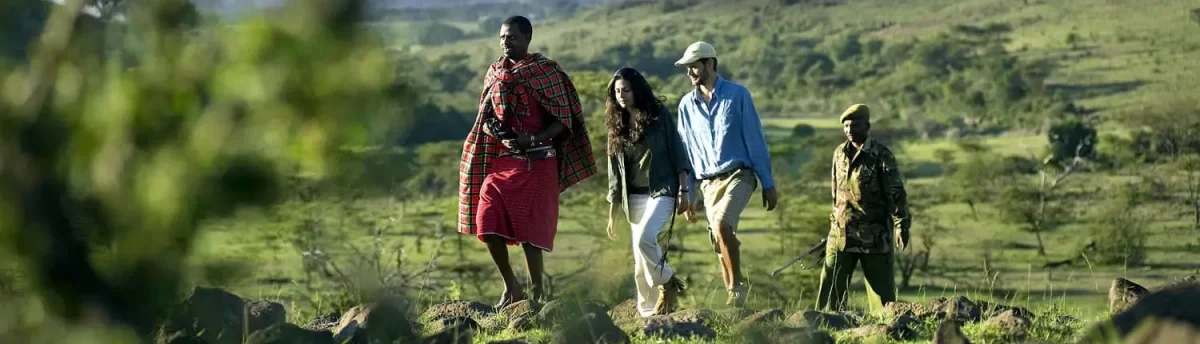
- Guided walking safaris
- Night game drives where permitted
- Birdwatching
- Cultural visits and community experiences
- Conservation experiences
- Photography safaris
- Hot-air balloon experiences in selected destinations
- Gorilla and chimpanzee trekking
- Scenic wilderness excursions
- Beach and safari combinations
What Animals Can You See?
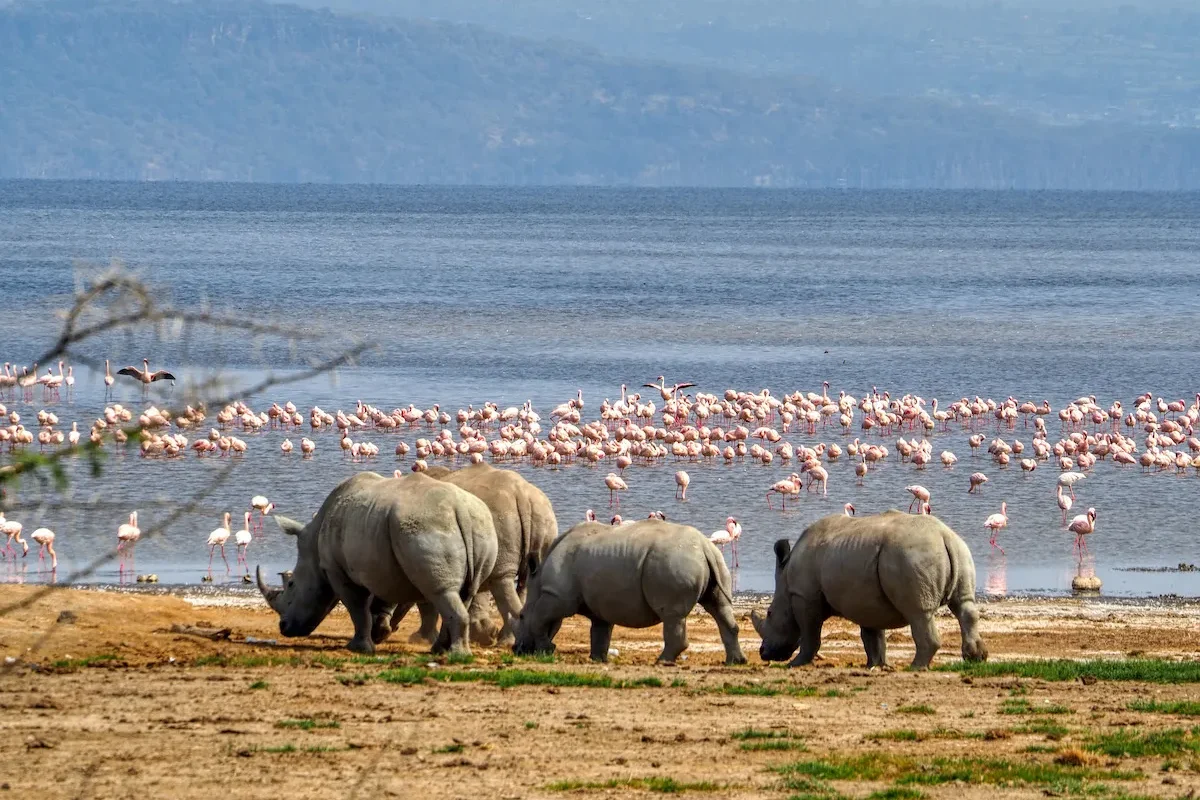
Africa is home to extraordinary wildlife, including the famous Big Five:
Lion • Leopard • Elephant • Rhino • Buffalo
You may also encounter cheetahs, wild dogs, giraffes, zebras, wildebeest, hippos, crocodiles, hyenas, antelopes and hundreds of bird species.
The wildlife you see depends on the destination, season, habitat and luck. A good safari is therefore not about guaranteeing a particular animal encounter, but about experiencing wildlife in its natural environment.
When Is the Best Time for an Africa Safari?
There is no single best time for every African safari.
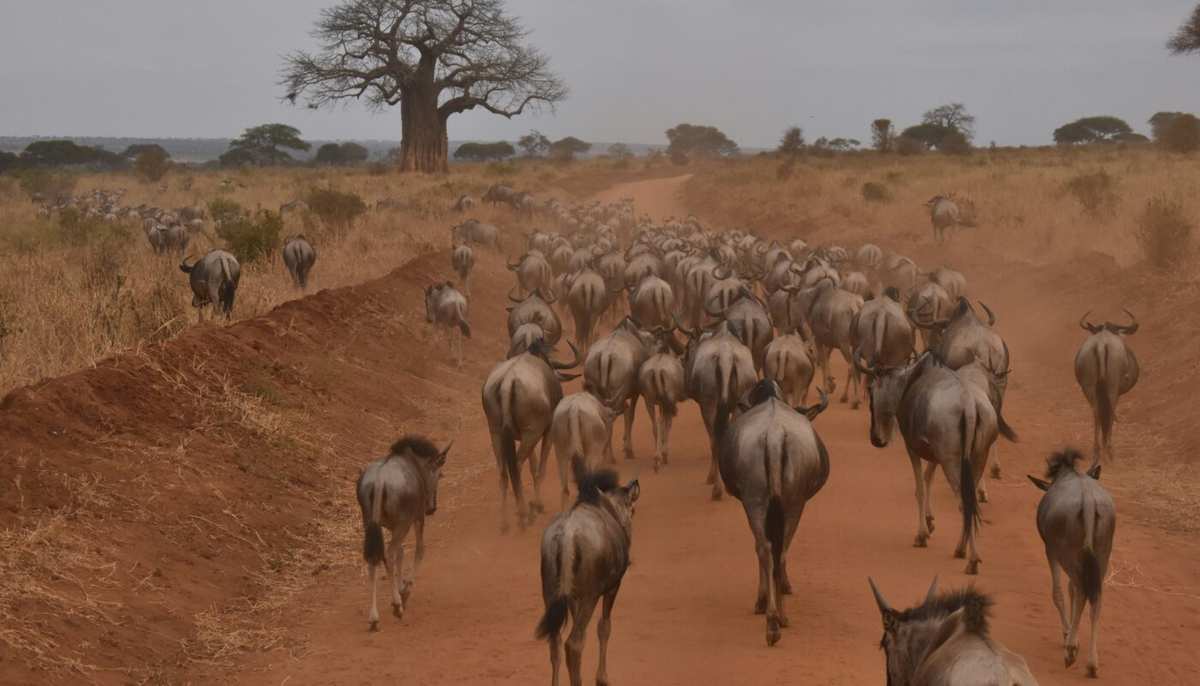
In Kenya and Tanzania, the dry seasons are generally popular for wildlife viewing, while the annual Great Wildebeest Migration creates exceptional seasonal experiences across the Serengeti and Maasai Mara ecosystem.
Other destinations have their own seasonal advantages. Botswana’s Okavango Delta, for example, changes dramatically with seasonal flooding, while gorilla trekking in Uganda and Rwanda can be experienced throughout much of the year.
For this reason, the best time to travel depends on where you want to go, what you want to see, your preferred activities and your travel style.
What Makes an Africa Safari Special?
The greatest appeal of an African safari is the opportunity to experience wildlife without separating it from the landscape in which it lives.
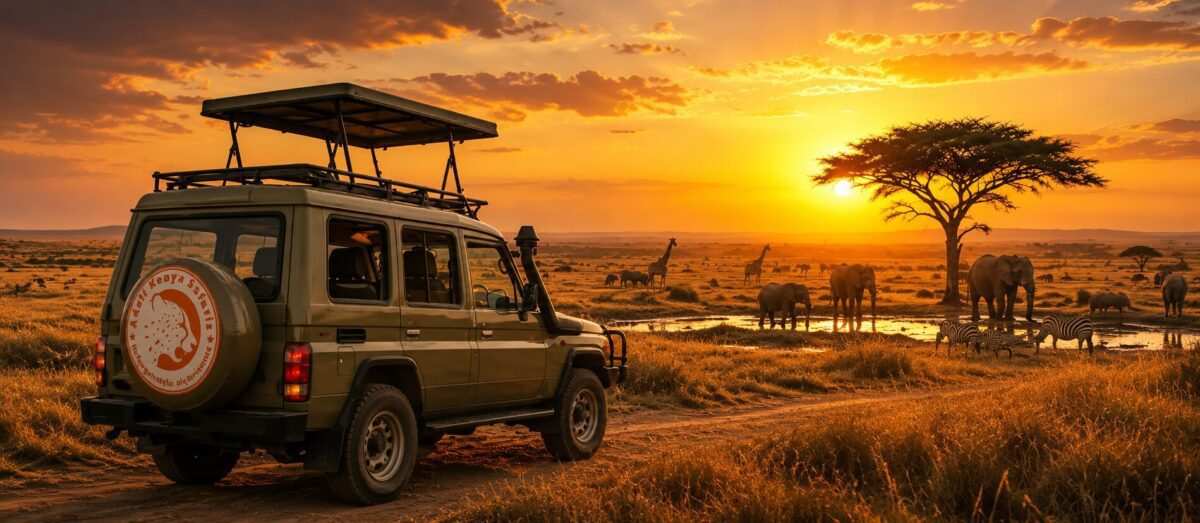
You might watch elephants crossing a dusty track at sunset, follow a pride of lions across the Maasai Mara, see giraffes moving across an open savannah, or sit quietly beside a waterhole as animals gather.
A well-designed safari also connects wildlife with people, culture, conservation and local communities, making the journey much more meaningful than a simple sightseeing holiday.
Africa Safari with Adeli Kenya Safaris
For travellers beginning with Kenya, an Africa safari can be tailored around iconic wildlife destinations such as the Maasai Mara, Amboseli, Tsavo, Samburu, Lake Nakuru and Laikipia, with the option of extending the journey into Tanzania, Uganda, Rwanda or other African destinations.
At Adeli Kenya Safaris, the emphasis can be placed on creating a journey around your interests rather than fitting you into a fixed itinerary—whether that means a private Kenya safari, a Kenya and Tanzania adventure, a gorilla and safari combination, a luxury African safari or a safari followed by time on the coast.