Introduction: The Splendor of Flamingos at Lake Nakuru
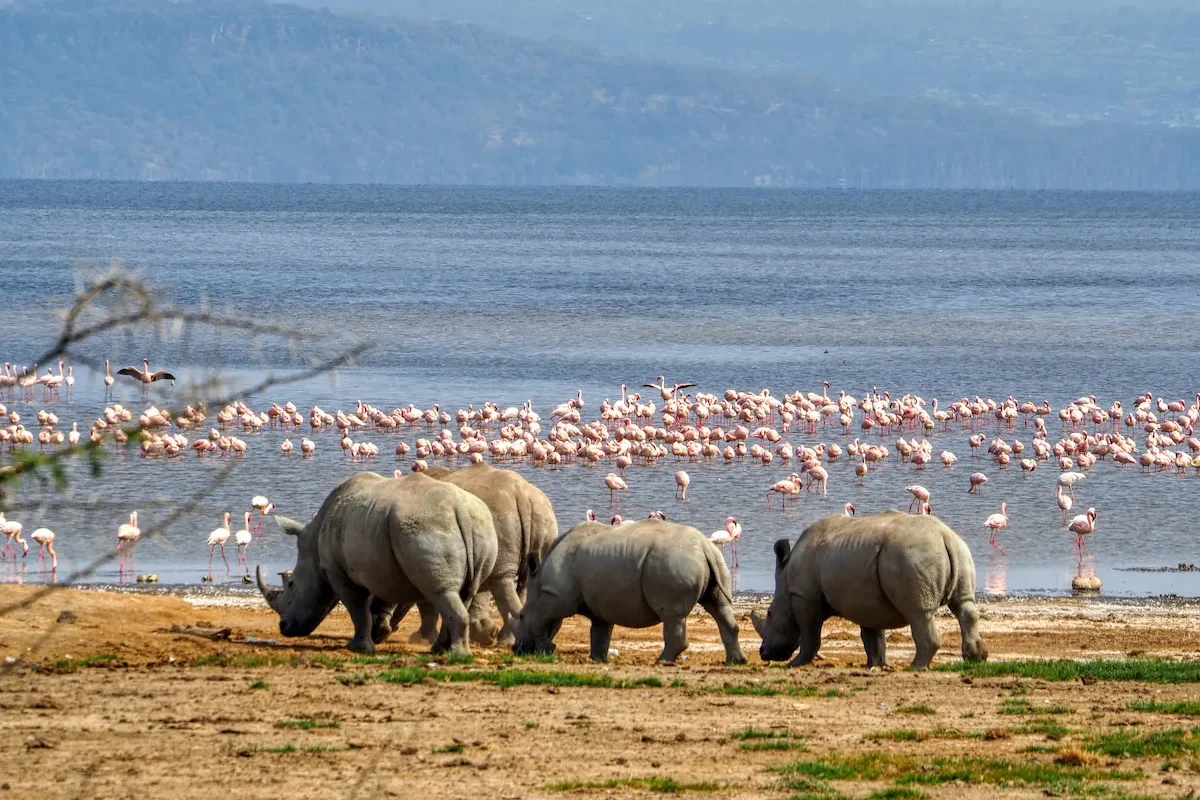
Lake Nakuru National Park, located in the heart of Kenya, is globally recognized for its breathtaking scenery and rich biodiversity. Among its most iconic inhabitants are the vibrant flamingos, which transform the landscape into a striking palette of pink hues, especially during the peak breeding season. The species primarily associated with this park are the Greater Flamingo and the Lesser Flamingo, which flock in their thousands, creating one of nature’s most spectacular displays.
The flamingo population at Lake Nakuru plays a critical role in the park’s ecosystem. These birds contribute to the ecological balance by feeding on algae and small crustaceans, which helps sustain the lake’s health and nutrient cycle. Their presence is also indicative of the overall well-being of the lake’s ecosystem, as a thriving flamingo population signals a healthy habitat. Furthermore, these remarkable birds attract a multitude of tourists, which aids in bolstering the local economy and raising awareness about conservation efforts.
Tourism centered around the flamingos is a significant economic driver for Lake Nakuru National Park. Many visitors specifically travel to witness the stunning spectacle of flamingos en masse, making it a popular destination for wildlife enthusiasts and photographers alike. The park’s unique blend of rich flora and fauna, coupled with the sight of thousands of flamingos, underlines its importance as a premier wildlife destination. As stewards of this natural wonder, it is crucial to address the pressing concerns surrounding the alarming decline in flamingo populations, as this not only threatens the birds themselves but also the delicate ecosystems and economic stability that rely on their presence.
Historical Context: Flamingo Populations Over the Years
Lake Nakuru, located in the Great Rift Valley of Kenya, has historically been renowned for its vibrant flamingo populations, particularly the Lesser Flamingo (Phoeniconaias minor) and the Greater Flamingo (Phoenicopterus roseus). In the mid-20th century, the lake’s soda-rich waters created an ideal environment for these birds, supporting extensive breeding and feeding grounds. During the late 1960s and early 1970s, estimates indicated that over two million flamingos were present at various points, establishing Lake Nakuru as one of the most significant flamingo habitats in the world.
Peak periods for flamingo populations were typically observed during the rainy seasons when the inflow of water enriched the lake, enhancing the availability of algae, which is the primary food source for flamingos. By 1975, the numbers began to fluctuate significantly due to various ecological changes, including water level variations and climatic factors. The introduction of water hyacinth and other invasive species started to impact the delicate ecosystem, leading to a dramatic decline in flamingo numbers by the 1990s.
As the years progressed, monitoring efforts indicated further declines, propelled by factors such as habitat loss, pollution, and the alteration of water levels due to human activities. By the year 2000, populations had plummeted to approximately 100,000 flamingos, marking a significant reduction from earlier counts. Conservation initiatives were introduced to address these challenges, aimed at restoring the ecological balance and promoting a resurgence in flamingo populations.
Despite these efforts, recent observations suggest that the numbers continue to be unpredictable, underscoring the complexity of maintaining thriving flamingo populations at Lake Nakuru. Understanding the historical trends provides valuable insights into the current status and future challenges facing this iconic species and highlights the urgent need for sustainable management practices.
Primary Reasons for Decline: Environmental Factors
The decline of flamingo populations at Lake Nakuru National Park is a multifaceted issue that is significantly influenced by various environmental factors. One of the most pressing concerns is climate change, which has led to alterations in temperature and rainfall patterns. These changes have a direct impact on the hydrology of the lake, affecting the water levels crucial for the flamingo habitat. Increased temperatures can result in accelerated evaporation rates, reducing the lake’s water volume and thereby diminishing the availability of suitable feeding areas for the birds.
Another critical factor is the fluctuating water levels in Lake Nakuru itself. Historically, the lake has experienced varying degrees of salinity and alkalinity, which are essential for maintaining the specific types of algae that flamingos feed on. However, with reduced inflow of fresh water due to droughts and changes in land use, the salinity levels have also changed, making it increasingly difficult for flamingo populations to thrive. Additionally, intermittent drought periods have led to further water depletion, significantly reducing the surface area available for feeding.
Agricultural expansion and urban development in the region have further compounded these challenges. The encroachment onto wetlands disrupts the natural habitat of the flamingos and alters local ecosystems. Pesticides and fertilizers from agricultural practices could potentially contaminate the water sources, affecting the food chain that supports flamingo populations. Moreover, urbanization leads to habitat loss and fragmentation, pushing these birds away from their nesting sites and reducing their reproductive success.
Human Impact: Tourism and Local Development
Lake Nakuru National Park, known for its captivating flocks of flamingos, faces significant challenges stemming from human activities. Although tourism is a crucial economic driver for the park and the surrounding communities, its impact on the flamingo population and their habitat cannot be overlooked. The influx of tourists seeking to experience the stunning beauty of the park can lead to habitat disruption. The construction of facilities to cater to the growing number of visitors often encroaches on critical flamingo breeding grounds, diminishing their safe nesting environments.
Additionally, local development initiatives aimed at improving infrastructure can result in increased pollution and habitat degradation. Agricultural expansion, in particular, leads to nutrient runoff, which degrades water quality within the lake. This contamination has a direct effect on the availability of algae, the primary food source for flamingos. When food sources dwindle due to pollution and habitat alteration, the flamingo population struggles to survive, as they depend on stable environmental conditions to thrive.
While it is essential to promote economic development and tourism for local communities, a delicate balance must be maintained. Conservation efforts must be integrated into tourism management strategies to minimize negative impacts on the flamingo habitat. Sustainable tourism practices, such as establishing clear guidelines on visitor interactions with natural environments and promoting less impactful recreational activities, can help alleviate some of the pressures faced by these birds. By fostering collaborative approaches that emphasize the importance of both ecological preservation and economic benefit, it is possible to advocate for strategies that support both flamingo conservation and the economic stability of the local community.
Conservation Efforts: What Is Being Done?
In response to the alarming decline of flamingo populations at Lake Nakuru National Park, the Kenya Wildlife Service (KWS) has initiated several conservation efforts aimed at protecting these iconic birds and their habitats. Understanding the critical role that flamingos play in their ecosystem, KWS has collaborated with various stakeholders, including non-governmental organizations, local communities, and international partners, to formulate a comprehensive conservation strategy.
One of the key initiatives involves the monitoring and assessment of flamingo populations and their migratory patterns. This data-driven approach allows conservationists to identify factors contributing to population decline, such as changes in water levels, quality, and food availability. Research projects have been established to gather data regarding the lake’s ecological conditions, which is essential for devising effective management strategies.
Moreover, habitat management plays a central role in conservation efforts. These initiatives aim to restore the natural habitat of flamingos by ensuring the preservation of their feeding and breeding grounds. KWS has worked toward reducing pollution and enhancing water quality to create a more conducive environment for flamingo survival. This includes partnerships with local communities to promote sustainable agricultural practices that minimize runoff and degradation of the lake’s ecosystem.
Funding remains a significant challenge for conservation activities; however, various international aid programs and fundraising efforts have helped support these essential projects. Engaging community involvement is also crucial, as local residents are educated on the importance of flamingos and are encouraged to participate actively in their conservation. Community-led initiatives often include eco-tourism projects that contribute economically while raising awareness about environmental stewardship.
Overall, the collective efforts of KWS, local communities, and conservation organizations are pivotal in addressing the decline of flamingos at Lake Nakuru National Park. Continued commitment to research, habitat restoration, and community engagement will be vital in ensuring the long-term survival of these remarkable birds.
Adeli Kenya Safaris and Flamingo Conservation
Adeli Kenya Safaris has taken significant steps to ensure the conservation of flamingos at Lake Nakuru National Park, a vital habitat for these unique birds. The organization has recognized the urgent need for awareness and educational initiatives aimed at highlighting the importance of these majestic creatures and the challenges they face in their environment. To this end, Adeli Kenya Safaris has developed a series of educational programs designed not only to inform local communities but also to engage tourists in the broader conversation about flamingo conservation.
The educational programs offered by Adeli Kenya Safaris encompass workshops and guided tours that provide insights into the ecological significance of flamingos as well as their current plight. Through these initiatives, participants gain a deeper understanding of the factors contributing to the decline of flamingo populations, including habitat loss, pollution, and climate change. By integrating this knowledge into their safari experiences, Adeli Kenya Safaris emphasizes the symbiotic relationship between tourism and wildlife conservation. This approach underscores the organization’s commitment to sustainable tourism practices, where visitors can enjoy the beauty of Lake Nakuru while supporting ongoing conservation efforts.
Furthermore, Adeli Kenya Safaris has forged partnerships with various conservation organizations to bolster its impact on flamingo preservation. These collaborations enhance research efforts, increase funding for local conservation projects, and promote habitat restoration initiatives. By working together with these groups, Adeli Kenya Safaris not only amplifies its conservation message but also plays an active role in safeguarding the ecological balance of Lake Nakuru National Park, which is crucial for the flamingo population’s survival.
In conclusion, the involvement of Adeli Kenya Safaris in flamingo conservation efforts reflects a dedicated approach that merges tourism with environmental responsibility. Their focus on education and collaborative partnerships serves as a model for other organizations aiming to contribute positively to wildlife conservation in Kenya.
Community Involvement: Engaging Locals in Conservation
Community involvement plays a pivotal role in conservation efforts, particularly in regions where wildlife, such as flamingos, is of significant cultural and ecological importance. In Lake Nakuru National Park, local communities have traditionally had a deep-rooted connection to the flamingos, which has been a source of pride and identity. By recognizing this cultural significance, conservationists can foster a sense of ownership and stewardship among locals, ultimately leading to more effective and sustainable conservation outcomes.
Engagement with local communities allows for a collaborative approach toward protecting the flamingo population and their natural habitat. Initiatives that involve local people in monitoring flamingo populations and habitats encourage active participation and commitment to conservation. When community members are educated about the ecological role of flamingos and the threats they face, their awareness and concern increase, which can lead to more responsible behavior regarding environmental practices.
Additionally, integrating traditional knowledge and practices with modern conservation strategies can create a more tailored approach that respects local customs while promoting wildlife protection. This hybrid model can empower communities, resulting in sustainable development that not only focuses on environmental preservation but also benefits the local economy through ecotourism. When communities actively participate in tourism initiatives, it reinforces their connection to the flamingos and underscores the significance of safeguarding their habitat.
Furthermore, by including local voices in decision-making processes, conservation organizations can address the specific needs and concerns of those who live near Lake Nakuru. This inclusive strategy is essential for establishing trust and fostering collaboration, ensuring that the conservation efforts resonate with the affected communities. Ultimately, the success of flamingo conservation in Lake Nakuru hinges on the active involvement and commitment of local populations, making it imperative to create frameworks that incorporate their insights and entitle them as integral partners in the conservation journey.
Future Outlook: Hope for the Flamingos
The future for flamingos at Lake Nakuru National Park presents a glimmer of hope, largely driven by emerging conservation policies, climate adaptation strategies, and concerted community efforts. As the challenges facing flamingo populations become increasingly evident, stakeholders are recognizing the necessity for comprehensive action plans and collaborative initiatives to support these remarkable birds.
Firstly, recent shifts in conservation policy signal a commitment to protecting flamingo habitats. The Kenyan government, alongside various non-governmental organizations, is now prioritizing wetland restoration projects aimed specifically at reinforcing the ecological balance of Lake Nakuru. These initiatives may include provisions for enhanced water management practices, ensuring adequate water levels that are critical for flamingos’ breeding and feeding behaviors. The active involvement of policymakers in these endeavors is promising, as it signifies a shift toward evidence-based, sustainable approaches to wildlife conservation.
Furthermore, adaptive strategies in response to climate change play a crucial role in the long-term survival of flamingos. As climate variability increasingly affects water sources and food availability, proactive measures such as the introduction of drought-resistant plant species and monitored water allocation methods can bolster the resilience of flamingos in their natural habitat. This adaptive management framework will enhance the chances of flamingo survival as they face environmental stressors.
Lastly, the involvement of local communities is vital in fostering a positive outlook for flamingo populations. Community-driven conservation programs, which engage residents in monitoring efforts, education, and the promotion of eco-tourism, empower individuals to take ownership of their natural resources. By encouraging sustainable practices and raising awareness about the ecological significance of flamingos, these initiatives contribute to a holistic approach towards conservation.
In summation, while the challenges confronting flamingos at Lake Nakuru remain formidable, a combination of forward-thinking policies, adaptive environmental strategies, and grassroots engagement provides a hopeful perspective on the future of these extraordinary birds.
Conclusion: The Urgency of Action
The decline of flamingos at Lake Nakuru National Park is a multifaceted issue that demands immediate attention and concerted efforts. As highlighted throughout this case study, various threats contribute to the diminishing population of these iconic birds, including climate change, habitat degradation, and water resource mismanagement. The alarming trend of reduced flamingo numbers serves as a stark reminder of the fragility of nature and underscores the need for urgent action on multiple fronts.
To safeguard the future of flamingos, it is essential to implement effective conservation strategies that address the root causes of their decline. This may include restoring natural habitats, effectively managing water levels, and implementing policies aimed at reducing pollution within the park. Additionally, raising public awareness and fostering community involvement are crucial steps toward creating a supportive environment for conservation efforts.
Individuals can contribute to the cause by supporting organizations that work tirelessly to protect wildlife and their habitats. Participation in local conservation initiatives, voluntary programs, or advocacy efforts can significantly impact the effectiveness of these conservation strategies. Moreover, educating friends and family about the importance of preserving flamingo populations can help cultivate a culture of conservation that resonates beyond the park’s boundaries.
In conclusion, the urgency of action to protect flamingos at Lake Nakuru cannot be overstated. As stewards of the environment, we must come together to act responsibly, ensuring that future generations can experience the beauty and wonder of flamingos in their natural habitat. By prioritizing conservation and taking decisive actions today, we can work to reverse the current trends and foster a sustainable future for these magnificent creatures and the ecosystem they inhabit.