Best Places to See Lions in Africa: The Ultimate Guide for an Unforgettable Safari
Africa is the undisputed home of the lion, often called the King of the Jungle despite living primarily in grasslands and savannahs. For wildlife enthusiasts, photographers, and safari lovers, seeing lions in their natural habitat is one of the most thrilling experiences imaginable. Whether it’s watching a pride lounging beneath an acacia tree, witnessing a dramatic hunt at sunset, or hearing a lion’s roar echo across the plains, few wildlife encounters compare.
If you’re planning an African safari, choosing the right destination can make all the difference. While lions can be found in many countries across the continent, some national parks and reserves offer exceptionally high lion populations, incredible sightings, experienced guides, and breathtaking landscapes.
This comprehensive guide explores the best places to see lions in Africa, what makes each destination unique, the best time to visit, and why booking your safari with Adeli Kenya Safaris guarantees an unforgettable wildlife adventure.
Why Africa is the Best Place to See Lions
Africa is home to approximately 20,000 wild lions, though populations vary due to conservation challenges, habitat loss, and human-wildlife conflict. Fortunately, many protected national parks and wildlife conservancies continue to provide safe habitats where lion populations are thriving.
African lions inhabit:
- Open savannahs
- Grasslands
- Woodlands
- Semi-desert regions
- River valleys
Unlike zoo experiences, safaris allow visitors to observe lions behaving naturally—hunting, raising cubs, defending territories, resting, and interacting with other predators.
Maasai Mara National Reserve, Kenya
Few destinations rival the legendary Maasai Mara National Reserve when it comes to lion sightings.
The Maasai Mara is home to hundreds of lions living in numerous prides across its vast open plains. The reserve became world-famous through documentaries such as BBC’s Big Cat Diary, where several lion prides were followed over many years.
Why Visit Maasai Mara?
- Large resident lion population
- Excellent year-round game viewing
- Great opportunities to photograph lions
- Witness lion hunts during the Great Migration
- Home to famous lion prides
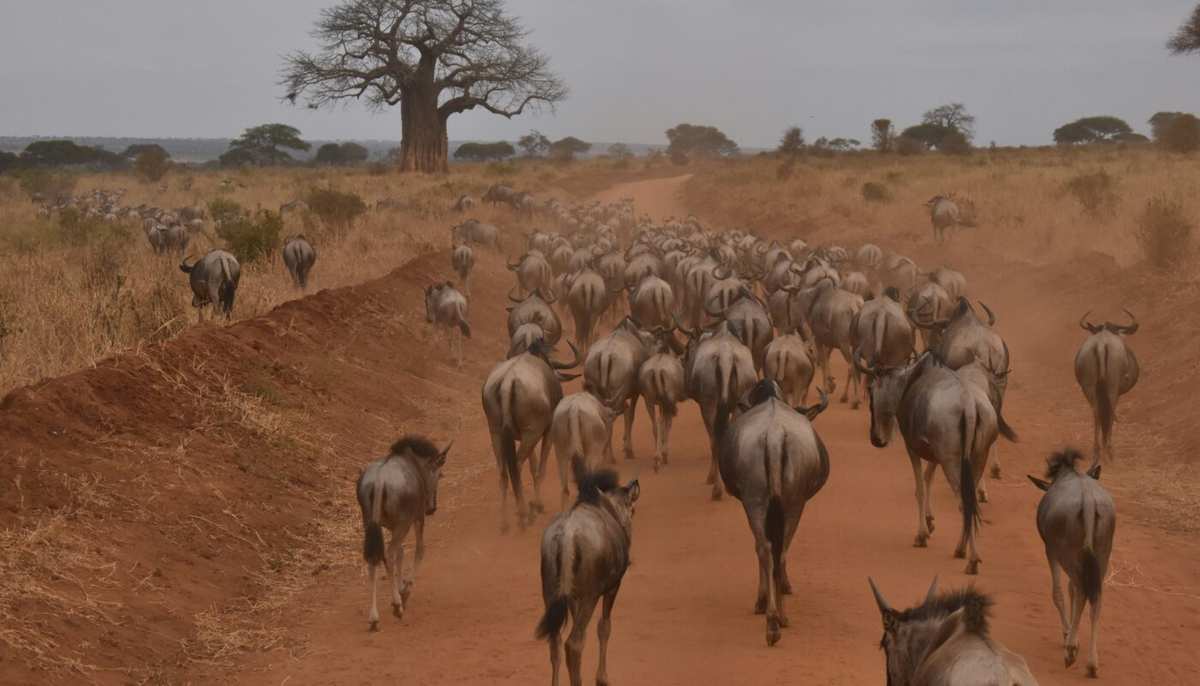
During the Great Wildebeest Migration between July and October, lions take advantage of the abundance of prey, making this one of the best places in Africa to witness predator-prey interactions.
Best Time to Visit
- July – October (Great Migration)
- December – March (excellent wildlife viewing)
Serengeti National Park, Tanzania
The Serengeti National Park boasts one of Africa’s largest lion populations, estimated at over 3,000 lions.
Its endless plains provide ideal hunting grounds where lions pursue wildebeest, zebra, gazelles, buffalo, and other herbivores.
Why Serengeti is Special
- Massive lion population
- Predator-rich ecosystem
- Iconic African landscapes
- Incredible wildlife photography
- Year-round safari destination
The Serengeti is particularly famous for lion prides with multiple generations living together.
Amboseli National Park, Kenya
Known primarily for its magnificent elephants and views of Mount Kilimanjaro, Amboseli National Park also offers excellent lion sightings.
The open terrain allows guides to spot lions from long distances, giving visitors memorable photographic opportunities.
Highlights
- Lions against Mount Kilimanjaro backdrop
- Easy wildlife viewing
- Less crowded than Maasai Mara
- Excellent for family safaris
Tsavo East and Tsavo West National Parks, Kenya
The combined Tsavo East National Park and Tsavo West National Park form one of Africa’s largest protected ecosystems.
Tsavo is famous for its legendary “Man-Eaters of Tsavo,” two male lions that terrorized railway workers during the construction of the Uganda Railway in 1898.
Today, Tsavo remains one of Kenya’s premier destinations for lion enthusiasts.
Why Visit Tsavo?
- Large wilderness
- Authentic safari experience
- Fewer tourists
- Excellent predator sightings
- Historic lion heritage
Queen Elizabeth National Park, Uganda
Uganda offers one of Africa’s most unique lion experiences.
The lions of the Ishasha Sector have become internationally famous for climbing large fig trees.
Why Tree-Climbing Lions are Unique
Unlike most lion populations, Ishasha lions regularly rest in trees during the heat of the day.
This rare behavior makes Queen Elizabeth National Park one of Africa’s most sought-after safari destinations.
Kruger National Park, South Africa
Kruger National Park is among Africa’s oldest and most accessible wildlife reserves.
The park has healthy lion populations spread across its vast ecosystems.
Why Kruger is Popular
- Self-drive safaris
- Luxury lodges
- Excellent infrastructure
- Reliable lion sightings
- Suitable for first-time safari visitors
South Luangwa National Park, Zambia
South Luangwa is regarded as one of Africa’s finest walking safari destinations.
The park supports strong lion populations living alongside leopards, wild dogs, and hyenas.
Highlights
- Walking safaris
- Night game drives
- Outstanding wildlife density
- Excellent photography
Okavango Delta, Botswana
Botswana’s Okavango Delta offers one of the world’s most unique safari environments.
Lions here have adapted to wetland conditions and are even known to swim between islands.
Why Visit
- Exclusive safari experience
- Water-based safaris
- Luxury camps
- High predator density
Hwange National Park, Zimbabwe
Hwange National Park is Zimbabwe’s premier wildlife destination.
Its extensive grasslands support healthy lion populations alongside one of Africa’s largest elephant populations.
Why Hwange Stands Out
- Excellent predator sightings
- Beautiful landscapes
- Less crowded
- Great conservation success stories
Kafue National Park, Zambia
One of Africa’s hidden safari gems, Kafue National Park offers exceptional opportunities to see lions without large tourist crowds.
Why Visit
- Untouched wilderness
- Diverse habitats
- Excellent predator encounters
- Luxury bush camps
Etosha National Park, Namibia
Etosha National Park provides an entirely different lion-viewing experience.
Its salt pan and waterholes attract large numbers of herbivores, making lion sightings frequent.
Why Visitors Love Etosha
- Excellent dry-season wildlife viewing
- Dramatic scenery
- Easy photography
- Abundant wildlife
Ngorongoro Conservation Area, Tanzania
The Ngorongoro Crater is often described as Africa’s natural wildlife amphitheater.
Its enclosed ecosystem supports one of the densest lion populations in Africa.
Highlights
- High chance of lion sightings
- UNESCO World Heritage Site
- Spectacular scenery
- Excellent year-round safari
Best Time to See Lions in Africa
While lions can be seen throughout the year, some seasons provide significantly better wildlife viewing.
Dry Season
The dry season is generally the best time because:
- Vegetation is shorter
- Animals gather around water sources
- Lions are easier to locate
- Roads remain accessible
Typical dry seasons include:
- Kenya & Tanzania: June to October
- Botswana: May to October
- Namibia: June to October
- South Africa: May to September
- Zambia: July to October
Tips for Photographing Lions
Capturing memorable lion photographs requires preparation and patience.
Use a Telephoto Lens
A lens between 200 mm and 600 mm allows you to photograph lions without disturbing them.
Shoot During Golden Hour
Early morning and late afternoon provide soft, warm lighting that enhances wildlife photography.
Be Patient
Lions spend up to 20 hours each day resting, but patience is often rewarded with dramatic moments.
Listen to Your Guide
Professional safari guides understand lion behavior and know the best viewing locations.
Lion Conservation in Africa
Although lions remain one of Africa’s most iconic animals, they face several conservation challenges.
Major threats include:
- Habitat loss
- Human-wildlife conflict
- Illegal wildlife trade
- Declining prey populations
- Climate change
Responsible tourism plays a crucial role in lion conservation. By visiting reputable parks and booking with ethical safari operators, travelers contribute to conservation initiatives, local employment, and community development.
Why Choose Adeli Kenya Safaris for Your Lion Safari?
At Adeli Kenya Safaris, we specialize in creating unforgettable wildlife adventures across Kenya and East Africa.
Our safari experiences include:
- Customized itineraries
- Professional safari guides
- Luxury, mid-range, and budget packages
- Family safaris
- Photography safaris
- Honeymoon safaris
- Fly-in and road safaris
- Private and group tours
Whether your dream is to witness a pride hunting during the Great Migration in the Maasai Mara, photograph lions beneath Mount Kilimanjaro in Amboseli, or combine Kenya with Tanzania’s Serengeti, our experienced team will design the perfect itinerary for your travel style and budget.
Frequently Asked Questions
Which African country has the most lions?
Tanzania is believed to have the largest wild lion population in Africa, with the Serengeti ecosystem supporting thousands of lions. Kenya’s Maasai Mara is also renowned for exceptional lion sightings.
Where is the easiest place to see lions?
The Maasai Mara National Reserve in Kenya, Serengeti National Park in Tanzania, and Kruger National Park in South Africa are among the easiest places to observe lions due to their healthy populations and experienced guides.
When is the best month to see lions in Africa?
July through October is considered one of the best periods, especially in East Africa, as wildlife concentrates around water sources and the Great Migration attracts predators.
Are lion sightings guaranteed on safari?
While wildlife sightings can never be guaranteed, parks such as Maasai Mara, Serengeti, and Ngorongoro offer extremely high chances of seeing lions.
How close can safari vehicles get to lions?
Safari regulations vary by park, but experienced guides typically position vehicles at a respectful distance that allows excellent viewing while ensuring the safety of both visitors and wildlife.
Can I see lions on a family safari?
Yes. Many safari destinations are family-friendly, and children often enjoy observing lions in the wild. Age restrictions may apply for certain activities, such as walking safaris.
What should I pack for a lion safari?
Bring neutral-colored clothing, binoculars, a camera with a zoom lens, sunscreen, a hat, insect repellent, comfortable walking shoes, and a reusable water bottle.
How many days do I need for the best lion safari?
A safari of 4–7 days offers an excellent chance to enjoy multiple lion sightings while also experiencing Africa’s diverse wildlife, landscapes, and cultural attractions.
Final Thoughts
A lion safari is one of Africa’s most unforgettable travel experiences. From the iconic plains of the Maasai Mara and Serengeti to the tree-climbing lions of Queen Elizabeth National Park and the remote wilderness of Kafue, the continent offers extraordinary opportunities to witness these magnificent predators in their natural environment.
Choosing the right safari operator is just as important as selecting the destination. Adeli Kenya Safaris combines local expertise, personalized service, sustainable tourism practices, and carefully crafted itineraries to ensure every guest enjoys exceptional wildlife encounters. Whether you’re planning your first African safari or returning in search of new adventures, we’ll help you discover the best places to see lions in Africa while creating memories that will last a lifetime.