Leopard vs Cheetah: 25 Key Differences Between a Leopard and a Cheetah
If you’re planning an African safari, one of the most common questions you’ll hear is, “What’s the difference between a leopard and a cheetah?” At first glance, these two magnificent big cats appear remarkably similar. Both have golden coats adorned with black markings, both are expert predators, and both roam the African wilderness. However, leopards and cheetahs are very different in appearance, behavior, hunting style, habitat, and overall lifestyle.
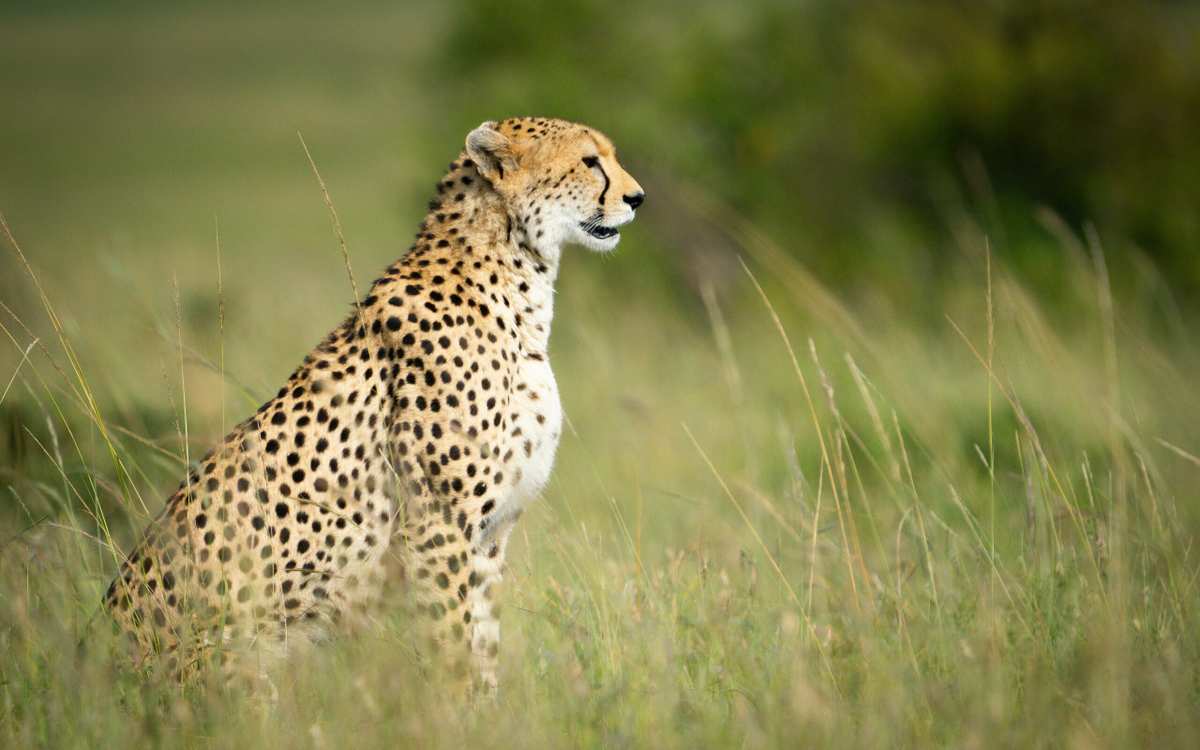
Knowing how to distinguish these iconic cats will make your safari even more rewarding. Whether you’re exploring the Maasai Mara, Serengeti, Amboseli, or Kruger National Park, recognizing the unique characteristics of each species will help you appreciate Africa’s incredible biodiversity.
In this comprehensive guide by Adeli Kenya Safaris, we’ll compare the leopard and the cheetah in detail, covering their physical features, hunting techniques, habitats, conservation status, and the best places to see them in the wild.
Why Do People Confuse Leopards and Cheetahs?
Leopards and cheetahs both have yellowish coats with dark markings, live in Africa, and are members of the cat family. However, they belong to different genera and evolved for different survival strategies.
The easiest way to tell them apart is by looking at:
- Their spots
- Body shape
- Facial markings
- Hunting behavior
- Habitat preferences
Once you know what to look for, identifying them becomes much easier.
Leopard vs Cheetah at a Glance
| Feature | Leopard | Cheetah |
|---|---|---|
| Scientific Name | Panthera pardus | Acinonyx jubatus |
| Family | Big cat (Panthera) | Unique genus (Acinonyx) |
| Body Build | Muscular and stocky | Slim and lightweight |
| Weight | 30–90 kg (66–198 lbs) | 21–72 kg (46–159 lbs) |
| Top Speed | Around 58 km/h (36 mph) | Up to 110–120 km/h (68–75 mph) |
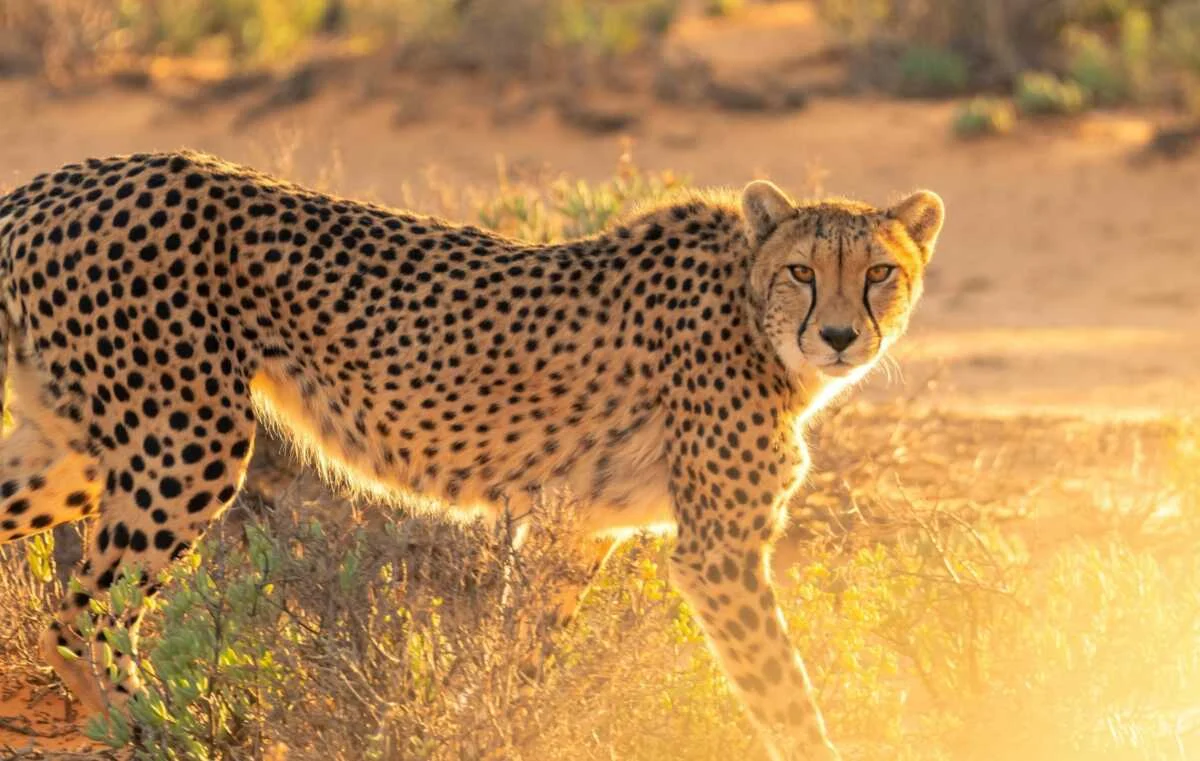
| Spots | Rosette-shaped | Solid black spots |
| Facial Markings | No tear marks | Distinct black tear lines |
| Tree Climbing | Excellent climber | Rarely climbs |
| Hunting Time | Mostly night | Mostly daytime |
| Main Strength | Power and stealth | Exceptional speed |
Physical Appearance
Leopard
Leopards are muscular, compact cats with broad shoulders, powerful legs, and large heads. Their bodies are built for strength rather than speed.
Their most distinctive feature is their rosette-shaped spots, which resemble small black rings with lighter centers.
Leopards have:
- Thick necks
- Powerful jaws
- Strong forelimbs
- Long tails for balance
- Broad paws
These features make them excellent climbers and capable of dragging heavy prey into trees.
Cheetah
Cheetahs are built like elite athletes. Their bodies are lightweight, streamlined, and designed for explosive acceleration.
Distinctive characteristics include:
- Small rounded head
- Long legs
- Deep chest
- Flexible spine
- Long tail
- Slim waist
The most recognizable feature is the pair of black tear marks running from the inner corners of the eyes to the sides of the mouth. These markings help reduce glare from the sun and improve focus during high-speed chases.
Spot Patterns
Leopard Spots
Leopard spots form rosettes.
Rosettes:
- Are ring-shaped
- Have lighter centers
- Are larger
- Create camouflage in forests and woodlands
Cheetah Spots
Cheetahs have:
- Small
- Solid
- Round
- Evenly spaced black spots
These spots provide camouflage in open grasslands.
Speed Comparison
Cheetah: The World’s Fastest Land Animal
The cheetah is unmatched in speed.
It can reach:
- 80 km/h (50 mph) in about three seconds
- Top speeds of 110–120 km/h (68–75 mph)
However, it can only maintain these speeds for short distances before overheating.
Leopard
Leopards are not built for sprinting.
Instead, they rely on:
- Stealth
- Patience
- Powerful ambush attacks
Their maximum speed is approximately 58 km/h (36 mph).
Hunting Style
Leopard Hunting Strategy
Leopards are ambush predators.
They typically:
- Hide in vegetation
- Stalk quietly
- Attack from close range
- Kill using a bite to the throat
After making a kill, leopards often drag prey into trees to protect it from lions and hyenas.
Cheetah Hunting Strategy
Cheetahs rely on speed.
A typical hunt involves:
- Careful stalking
- Getting within about 50–100 meters of prey
- A rapid sprint
- Tripping the prey
- A suffocating bite to the throat
Because sprinting is physically demanding, cheetahs must rest after a chase and are vulnerable to losing their kills to stronger predators.
Climbing Ability
Leopard
Leopards are exceptional climbers.
They frequently:
- Sleep in trees
- Rest on branches
- Store prey in trees
- Use elevated positions to observe their surroundings
Seeing a leopard draped over a tree branch is one of Africa’s most iconic safari sights.
Cheetah
Cheetahs rarely climb trees.
They may climb:
- Termite mounds
- Low rocks
- Fallen logs
These elevated spots help them scan open landscapes for prey and potential threats.
Habitat Preferences
Leopard Habitat
Leopards are highly adaptable and can be found in:
- Savannahs
- Forests
- Mountains
- Woodlands
- Semi-deserts
Their adaptability has helped them become one of the most widespread wild cats.
Cheetah Habitat
Cheetahs prefer:
- Open grasslands
- Savannahs
- Semi-arid plains
These environments provide the space they need for high-speed pursuits.
Daily Activity
Leopard
Leopards are primarily:
- Nocturnal
- Crepuscular (most active at dawn and dusk)
Their nighttime habits make them more difficult to spot on safari.
Cheetah
Cheetahs usually hunt during daylight hours, particularly in the early morning and late afternoon.
This helps them avoid confrontations with lions and hyenas, which are more active at night.
Social Behavior
Leopards
Leopards are solitary animals.
Adults generally come together only for:
- Mating
- Mothers raising cubs
Cheetahs
Cheetahs display more varied social behavior.
- Females are usually solitary except when raising cubs.
- Brothers from the same litter often form lifelong coalitions, increasing their hunting success and territorial defense.
Vocalizations
Leopard Sounds
Leopards communicate using:
- Growls
- Roars
- Grunts
- Saws (a distinctive rasping call)
Cheetah Sounds
Unlike leopards, cheetahs cannot roar.
Instead, they produce:
- Chirps
- Purrs
- Meows
- Hisses
- Yelps
These sounds are more similar to those of domestic cats.
Strength Comparison
Leopard
Leopards are among the strongest big cats relative to their size.
They can carry prey weighing more than their own body weight into trees.
Cheetah
Cheetahs sacrifice strength for speed.
Although they are skilled hunters, they cannot defend their kills as effectively against larger predators.
Lifespan
Leopard
- Wild: 12–17 years
- Captivity: Up to 23 years
Cheetah
- Wild: 10–12 years
- Captivity: Up to 17 years
Cubs
Leopard Cubs
Usually:
- 2–3 cubs
- Hidden in dense vegetation
- Stay with their mother for up to two years
Cheetah Cubs
Usually:
- 3–5 cubs
- Born with a long, silvery mantle of fur along their backs
- This mantle helps camouflage them and may make them resemble honey badgers, discouraging some predators.
Distribution
Leopards
Leopards have one of the widest distributions of any wild cat.
They occur in many parts of:
- East Africa
- Southern Africa
- Central Africa
- Parts of Asia
Cheetahs
Cheetahs have a more limited range, with most remaining populations found in eastern and southern Africa.
Conservation Status
Leopard
Leopard populations face threats from:
- Habitat loss
- Human-wildlife conflict
- Illegal wildlife trade
- Declining prey populations
Some regional populations are under significant pressure.
Cheetah
Cheetahs are considered more vulnerable due to:
- Habitat fragmentation
- Low genetic diversity
- Human conflict
- Competition with larger predators
Conservation efforts across Africa focus on protecting habitat connectivity and reducing conflict with livestock owners.
Best Places to See Leopards
Leopards are regularly seen in:
- Maasai Mara National Reserve (Kenya)
- Samburu National Reserve (Kenya)
- Serengeti National Park (Tanzania)
- Kruger National Park (South Africa)
- South Luangwa National Park (Zambia)
Best Places to See Cheetahs
Top destinations include:
- Maasai Mara National Reserve (Kenya)
- Serengeti National Park (Tanzania)
- Amboseli National Park (Kenya)
- Kgalagadi Transfrontier Park (South Africa/Botswana)
- Central Kalahari Game Reserve (Botswana)
Safari Tips for Spotting Leopards and Cheetahs
Look in Trees for Leopards
Leopards often rest on tree branches or hide their prey in trees.
Scan Open Plains for Cheetahs
Cheetahs prefer wide, open landscapes where they can sprint after prey.
Choose Early Morning or Late Afternoon Game Drives
These cooler periods are when both species are most active.
Bring Binoculars
A quality pair of binoculars helps you spot these elusive cats at a distance without disturbing them.
Why Choose Adeli Kenya Safaris?
At Adeli Kenya Safaris, we specialize in tailor-made wildlife adventures that maximize your chances of seeing Africa’s most iconic predators.
Our safari experiences include:
- Big Five safaris
- Great Migration safaris
- Luxury, mid-range, and budget tours
- Private and group safaris
- Family-friendly itineraries
- Photography safaris
- Birdwatching tours
- Fly-in and road safaris
- Multi-country East African adventures
- Professional local safari guides
Whether you’re hoping to photograph a leopard resting in an acacia tree or witness a cheetah sprinting across the savannah, we’ll create an itinerary designed around your interests and travel style.
Frequently Asked Questions
Which is faster, a leopard or a cheetah?
The cheetah is significantly faster, reaching speeds of up to 110–120 km/h (68–75 mph), making it the fastest land animal.
How can I tell a leopard from a cheetah?
Look at the spots and the face. Leopards have rosette-shaped spots and no tear marks, while cheetahs have solid black spots and distinctive black tear lines running from the eyes to the mouth.
Which is stronger?
Leopards are much stronger and more muscular. They can drag heavy prey into trees, something cheetahs cannot do.
Which is more dangerous to humans?
Both are wild predators and should always be respected. However, leopards are generally considered more powerful and potentially more dangerous due to their strength and defensive behavior.
Can leopards and cheetahs live in the same area?
Yes. In ecosystems such as the Maasai Mara and Serengeti, both species coexist by using different hunting strategies, habitats, and activity patterns, reducing direct competition.
Which is easier to spot on safari?
Cheetahs are often easier to find because they hunt during the day in open grasslands. Leopards are more elusive due to their nocturnal habits and preference for dense cover.
Final Thoughts
Although leopards and cheetahs may appear similar at first glance, they are remarkably different animals. The leopard is a powerful, stealthy climber built for strength and ambush, while the cheetah is a lightweight sprinter perfectly adapted for speed across open plains.
Learning these differences adds a new level of appreciation to any African safari. Whether you’re watching a leopard effortlessly haul its prey into a tree or witnessing a cheetah’s breathtaking chase, each encounter is unforgettable.
At Adeli Kenya Safaris, we are passionate about creating wildlife experiences that bring you closer to Africa’s incredible predators. With expertly guided safaris, personalized itineraries, and years of local expertise, we’ll help you discover the magic of the African wilderness—one unforgettable sighting at a time.