Introduction to Kenya Safaris
Kenya safaris are a cornerstone of tourism in the region, attracting visitors from around the globe with their promise of adventure and an intimate connection with nature. The allure of Kenya lies in its stunning landscapes, ranging from the vast savannahs of the Maasai Mara to the dense jungles of Amboseli and the spectacular shores of Lake Nakuru. Each environment hosts an incredible diversity of wildlife, making safaris in Kenya a truly unique experience.
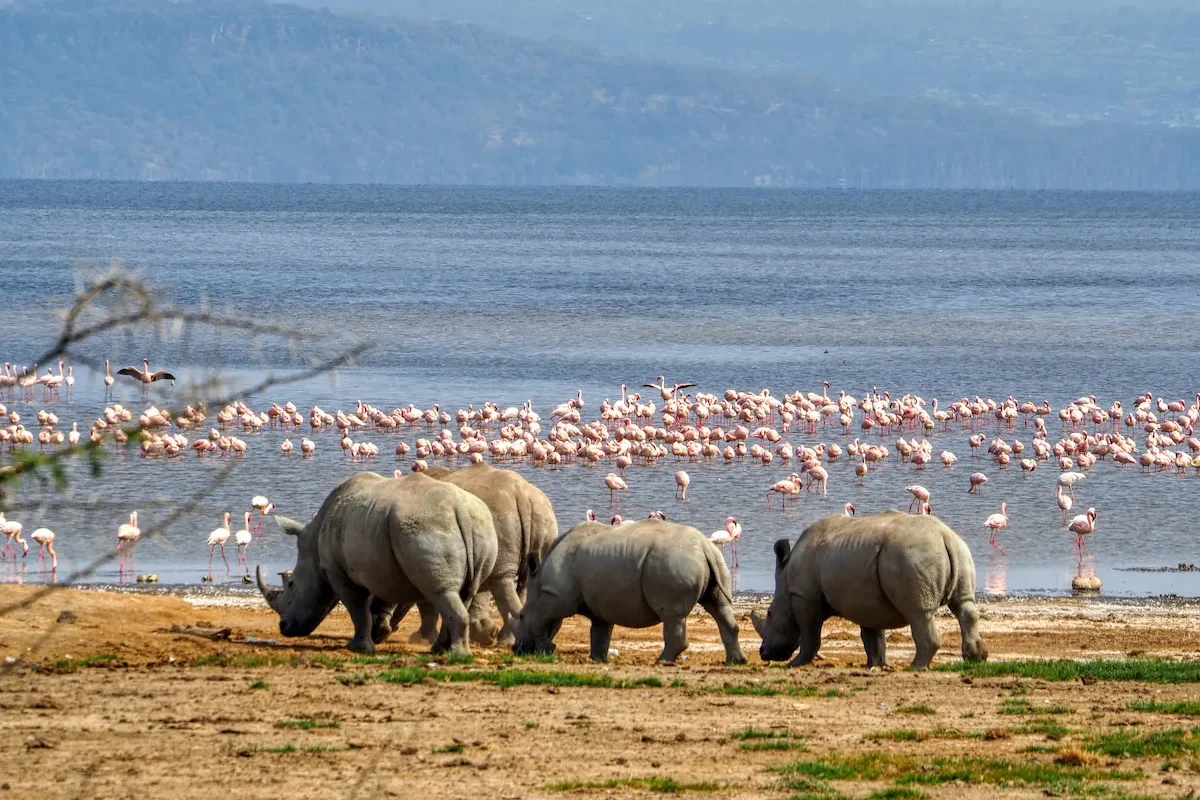
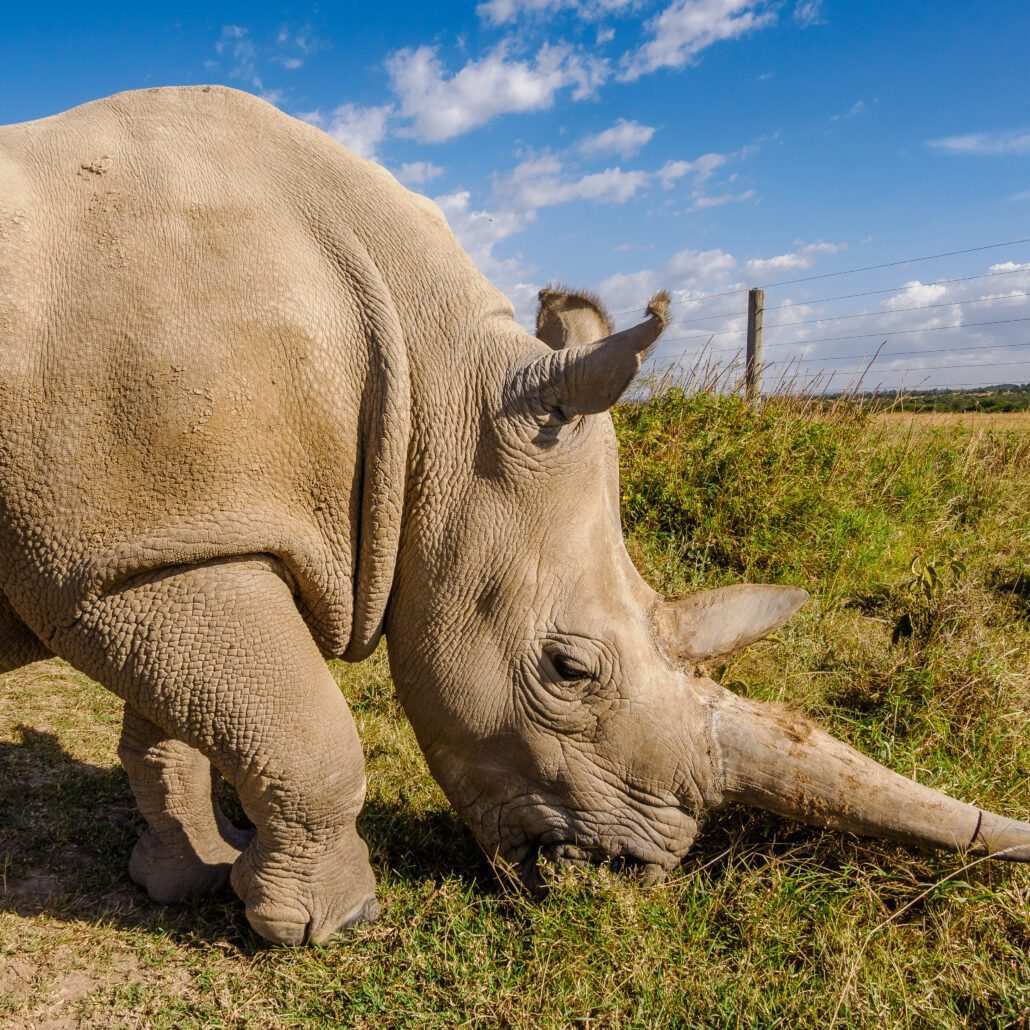
The country is renowned for its rich biodiversity and is home to a plethora of species, including the iconic Big Five: lions, elephants, buffaloes, leopards, and rhinoceros. Beyond these well-known animals, travelers can encounter countless others, from graceful gazelles to hippos lounging in waterholes, which enhances the overall safari experience. Observing these creatures in their natural habitats adds a layer of excitement that is hard to replicate elsewhere.
Kenya’s commitment to conservation has further elevated the safari experience. Numerous national parks and reserves dedicate themselves to protecting wildlife and their habitats, ensuring that the beauty of the land is preserved for future generations. This makes Kenya a leading destination for ecotourism, attracting those who seek not just adventure but also a deeper understanding of environmental sustainability and wildlife protection.
For many travelers, all-inclusive safari packages present an ideal solution. These packages provide a stress-free way to explore Kenya’s magnificent parks and reserves, as they often encompass accommodations, meals, guided tours, and all transport during the safari. This comprehensive approach allows visitors to focus on the breathtaking landscapes and unforgettable wildlife encounters without having to worry about logistics or additional costs.
What is an All-Inclusive Safari Package?
An all-inclusive safari package is a comprehensive travel solution designed for individuals seeking an enriching African wildlife experience with minimal planning hassle. This type of package typically encompasses a range of essential features, making it an attractive option for both first-time visitors and seasoned travelers. The key components of an all-inclusive safari package usually include accommodations, meals, transportation, park fees, and guided tours.
Accommodations in an all-inclusive safari package can vary from luxurious lodges to comfortable tented camps, providing options that cater to different budget levels and preferences. Meals are also usually included, ensuring travelers can savor local cuisine or international dishes featuring fresh, local ingredients without worrying about additional costs. This aspect is particularly beneficial as it allows individuals to immerse themselves in the culinary culture of Kenya without the distraction of meal planning or associated expenses.
Transportation is another critical element, with packages often covering the cost of transfers between airports, lodges, and various national parks. This feature significantly eases the travel logistics, allowing guests to relax and enjoy the scenic landscapes without the stress of navigating unfamiliar routes. Additionally, park fees are generally included, granting travelers seamless access to Kenya’s famed wildlife reserves and national parks, known for their incredible biodiversity.
Guided tours, often led by experienced safari guides, are a hallmark of all-inclusive safari packages. These knowledgeable professionals provide valuable insights into the local flora and fauna, enriching the safari experience. Overall, all-inclusive safari packages simplify the planning process, streamline expenses, and enhance the overall adventure, allowing travelers to fully engage with Kenya’s breathtaking natural beauty and vibrant wildlife.
Benefits of All-Inclusive Safari Packages
Opting for an all-inclusive safari package in Kenya provides numerous advantages that enhance the travel experience. One of the primary benefits is convenience. When travelers choose an all-inclusive package, they essentially eliminate the hassle of planning and organizing their itinerary. This means all accommodations, meals, guided tours, and transportation are pre-arranged by the tour operators. Consequently, travelers can devote their time and energy to enjoying the picturesque landscapes, diverse wildlife, and rich cultural experiences that Kenya has to offer.
Another significant advantage is cost-effectiveness. All-inclusive safari packages often provide better value than booking individual components separately. Package deals typically offer discounts on accommodation and services, which can lead to notable savings. Furthermore, travelers can accurately budget their expenses upfront since almost all costs are covered in the initial price. This transparency in pricing helps to avoid surprises related to hidden fees or additional charges for services.
The peace of mind that comes with having an all-inclusive package is also noteworthy. With the arrangements handled by experienced professionals, travelers can rest assured that their needs will be met, and potential issues are anticipated and mitigated by experts. This reduces stress and allows visitors to immerse themselves fully in the safari experience, whether observing the Big Five or enjoying a cultural excursion.
In light of these aspects, it is clear that all-inclusive safari packages are tailored for those seeking a seamless, enjoyable journey through the magnificent landscapes of Kenya. By providing convenience, cost-effectiveness, and peace of mind, these packages make for a compelling choice for safari enthusiasts and first-time adventurers alike.
Top Destinations for Safaris in Kenya
Kenya is renowned for its diverse and stunning landscapes, coupled with an abundance of wildlife, making it a top destination for safari enthusiasts. Among the myriad of options, three key safari destinations stand out: Maasai Mara, Amboseli National Park, and Tsavo National Park.
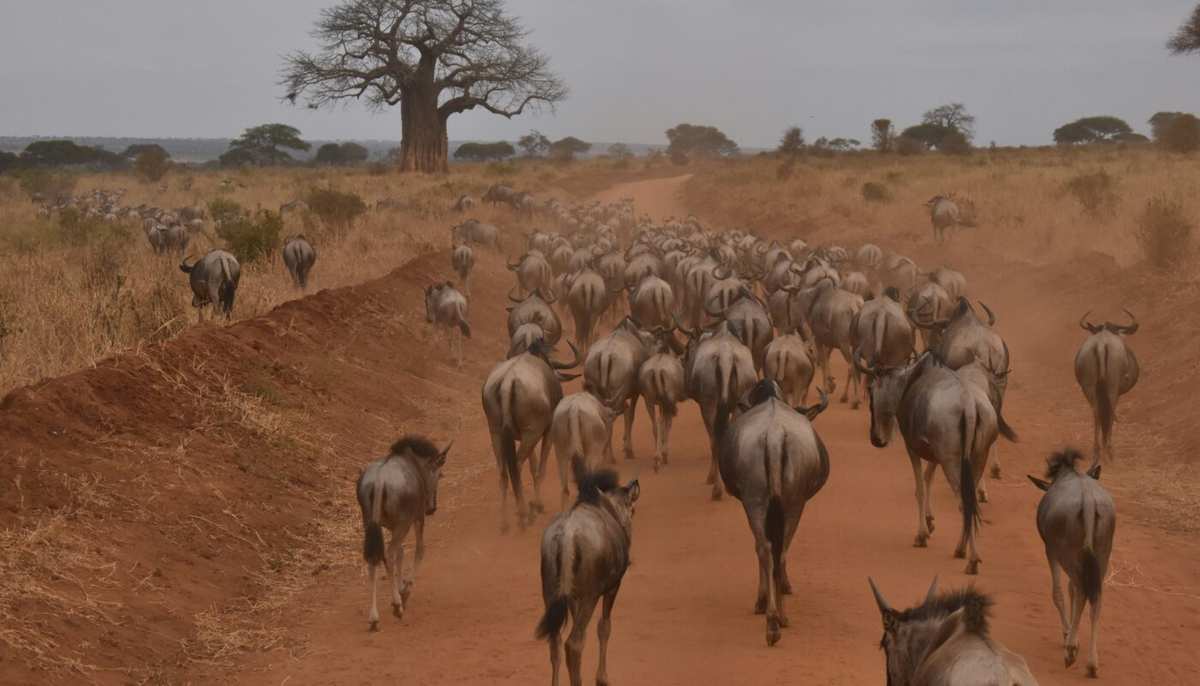
Maasai Mara is often considered the crown jewel of Kenyan safaris. This vast savannah is home to the iconic Big Five—lion, leopard, elephant, buffalo, and rhinoceros. The incredible Great Migration, where millions of wildebeests and zebras traverse the region, occurs annually between July and October, providing an unforgettable spectacle. Visitors can also engage in cultural experiences with the Maasai people, learning about their traditions and ways of life.
Amboseli National Park, located near the border with Tanzania, offers breathtaking views of Mount Kilimanjaro, creating a striking backdrop for wildlife viewing. The park is particularly famous for its large elephant herds, and visitors frequently capture stunning photographs of these gentle giants against the mountain’s snowy peaks. The diverse habitats in Amboseli, from swamps to dry grasslands, support a wide variety of species, including lions, cheetahs, and numerous bird species.
Tsavo National Park, one of the largest national parks in the world, is divided into Tsavo East and Tsavo West. This region boasts an array of landscapes, from red desert expanses to lush wetlands, and is known for its unique wildlife, including the famous Tsavo lions, which have developed distinct characteristics. Moreover, visitors can explore the stunning Mzima Springs, known for its crystal-clear waters teeming with hippos and crocodiles.
These three destinations represent the richness and diversity of Kenya’s safari offerings, each providing unique experiences tailored for all types of wildlife enthusiasts. Whether one seeks the thrill of witnessing the migration in Maasai Mara, the captivating views in Amboseli, or the vast wilderness of Tsavo, Kenya’s safari destinations promise unforgettable adventures in the heart of nature.
What to Expect on a Safari Adventure
Embarking on a safari adventure in Kenya offers travelers an immersive experience characterized by a variety of activities that cater to diverse interests. One of the primary components of an all-inclusive safari is the game drive, which typically involves traveling in a specially designed vehicle through the national parks and reserves. These drives take advantage of the early morning and late afternoon light when animal activity is at its peak. Adventurers can expect to witness an array of wildlife, including the Big Five: lions, elephants, buffalo, leopards, and rhinoceroses.
In addition to game drives, guided walking safaris present a different perspective, allowing travelers to connect with nature on foot. Accompanied by knowledgeable guides, participants can learn about local flora and fauna while tracking animal footprints or observing bird species. This experience often leads to a more intimate understanding of the ecosystem, enhancing the overall safari experience.
Cultural interactions are another enriching aspect of many all-inclusive safari packages. Engaging with local communities provides insight into the indigenous cultures, traditions, and lifestyles that coexist with Kenya’s incredible wildlife. Many tour operators arrange visits to local villages, where travelers can participate in traditional dances or learn about customary crafts, thereby fostering cultural exchange.
Photography enthusiasts also find ample opportunities to capture stunning landscapes and wildlife imagery. All-inclusive safari packages often include designated times for photography sessions during optimal lighting conditions, allowing for breathtaking captures of the wild. A typical daily schedule allows for a combination of these activities, punctuated by meals served in exceptional settings, often featuring panoramic views of the surrounding landscapes.
Overall, a safari adventure in Kenya promises an exciting blend of exploration, education, and relaxation, ensuring that every moment spent in the wild is an unforgettable one.
Accommodations: From Luxury Lodges to Tented Camps
When embarking on an all-inclusive safari in Kenya, the choice of accommodation significantly impacts the overall experience. Travelers can choose from a variety of options, including luxury lodges, mid-range hotels, and tented camps, each offering unique features that cater to different preferences and budgets.
Luxury lodges stand out for their opulence and premium services. Typically located in prime locations within national parks or reserves, these lodges provide breathtaking views and proximity to wildlife. Guests enjoy spacious rooms, gourmet dining, private guides, and various amenities such as infinity pools and spas. However, this level of comfort comes with a higher price tag, making it less accessible for budget-conscious travelers.
On the other hand, mid-range hotels offer a balanced blend of comfort and affordability. They provide essential amenities and services without the extravagance of luxury lodges. Often situated near parks or reserves, these accommodations make it possible for guests to enjoy nature without straining their budget. Though they may lack some of the high-end features, mid-range hotels often emphasize local culture and cuisine, providing a more immersive experience.
Tented camps provide a unique alternative, embodying the spirit of adventure while still offering essential comforts. These accommodations can vary from basic setups to more luxurious versions with en-suite bathrooms and plush furnishings. Tented camps allow travelers to feel closer to nature, often nestled in scenic locations and providing opportunities to hear the sounds of wildlife at night. However, amenities in tented camps can be more limited compared to luxury lodges and mid-range hotels, which may deter some guests.
In conclusion, the choice of accommodation on a Kenyan safari can greatly influence the journey. By considering the pros and cons of luxury lodges, mid-range hotels, and tented camps, travelers can select the option that best aligns with their preferences and budget, ensuring an unforgettable experience in the wilds of Kenya.
Conservation and Ethical Considerations
Safari tourism in Kenya not only offers breathtaking wildlife experiences but also plays a crucial role in conservation efforts and ethical tourism practices. The significance of conservation in safari tourism cannot be overstated, as many of the ecosystems and species that attract tourists are endangered or threatened. By choosing reputable all-inclusive safari packages, travelers can ensure that their adventures contribute positively to the environment.
Reputable safari operators often integrate conservation initiatives into their business models, channeling a portion of their profits back into local communities and wildlife protection programs. This collaborative approach allows for sustainable tourism that benefits not just visitors, but also local populations and conservation organizations. By supporting such packages, tourists can directly contribute to anti-poaching efforts, habitat restoration projects, and the preservation of endangered species.
Moreover, ethical considerations extend beyond mere conservation; they also encompass social responsibility towards the communities that inhabit these beautiful landscapes. All-inclusive safari packages designed with ethical considerations in mind often prioritize engaging with local communities, providing them with fair opportunities and encouraging cultural exchange. This can involve employing local guides, sourcing materials locally, and promoting local crafts, which ensures a fair distribution of the economic benefits deriving from tourism.
Ultimately, when travelers choose to participate in safari tourism through selecting responsible all-inclusive packages, they are making a choice that aligns with conservation efforts and ethical tourism practices. This thoughtful decision contributes to sustainable wildlife conservation and the upliftment of local communities, thereby ensuring that both nature and people thrive in harmony for future generations.
Tips for Choosing the Right All-Inclusive Safari Package
When it comes to selecting the ideal all-inclusive safari package in Kenya, a variety of factors should be taken into account to ensure a fulfilling experience. Understanding the type of safari experience one desires is paramount. Some travelers may seek a luxurious lodge experience, while others might prefer a more rugged camping adventure. Identifying your preferences early will allow you to tailor your search accordingly.
Budget is another crucial element to consider when choosing an all-inclusive package. All-inclusive safaris can vary significantly in price based on the level of luxury, duration of the trip, and the activities included. Setting a realistic budget not only helps narrow down options but also allows for better predictions of the overall cost versus personal financial expectations. It’s advisable to include additional expenses like tips or souvenirs in your budget to avoid being caught off guard.
Travel dates can further impact your choice of safari package. It’s essential to research the best times to visit Kenya for wildlife viewing, as these periods often result in higher prices due to demand. Flexibility in travel dates may lead to better deals or promotional rates, allowing travelers to get the best value for their safari experience.
Lastly, reading reviews and feedback from previous travelers can provide insights into the reliability of safari operators and the quality of their all-inclusive packages. Websites featuring traveler testimonials can be invaluable in gauging the overall satisfaction levels, guiding you to make a well-informed decision. By considering experience type, budget, travel dates, and operator reviews, prospective travelers can significantly enhance their chances of selecting the right all-inclusive safari package in Kenya.
Conclusion: Unforgettable Memories Await
Embarking on a Kenya safari is more than just a travel experience; it is an opportunity to immerse oneself in the breathtaking landscapes and diverse wildlife that this remarkable country has to offer. From the iconic Maasai Mara to the serene landscapes of Amboseli National Park, Kenya showcases a myriad of environments that are rich in biodiversity. Travelers can expect to witness the majestic Big Five, along with countless other species, all thriving in their natural habitats.
By choosing an all-inclusive safari package, adventurers can fully embrace the excitement and wonder of the Kenyan wilderness without the stress of planning every detail. These packages typically cover accommodations, meals, transportation, and guided tours, allowing travelers to focus on creating unforgettable memories. Each moment spent in Kenya’s national parks is an invitation to connect with nature, whether it be through exhilarating game drives, peaceful nature walks, or observing wildlife at a watering hole.
The professionalism and expertise of local guides add another layer to the experience. They offer invaluable insights into the behavior and ecology of the animals, along with cultural perspectives on the region. This not only enhances the safari experience but also fosters a deeper appreciation for conservation efforts that are crucial to preserving Kenya’s natural heritage.
In considering a Kenya safari, travelers should recognize the potential for personal growth and connection to nature that comes with exploring this stunning destination. The enchanting beauty of the flora and fauna, coupled with the thrill of adventure, makes an all-inclusive safari package an exceptional choice. Those who embark on this journey will undoubtedly return home with cherished memories that last a lifetime, forever holding a piece of Kenya in their hearts.