Introduction to Kenya: A Land of Diversity

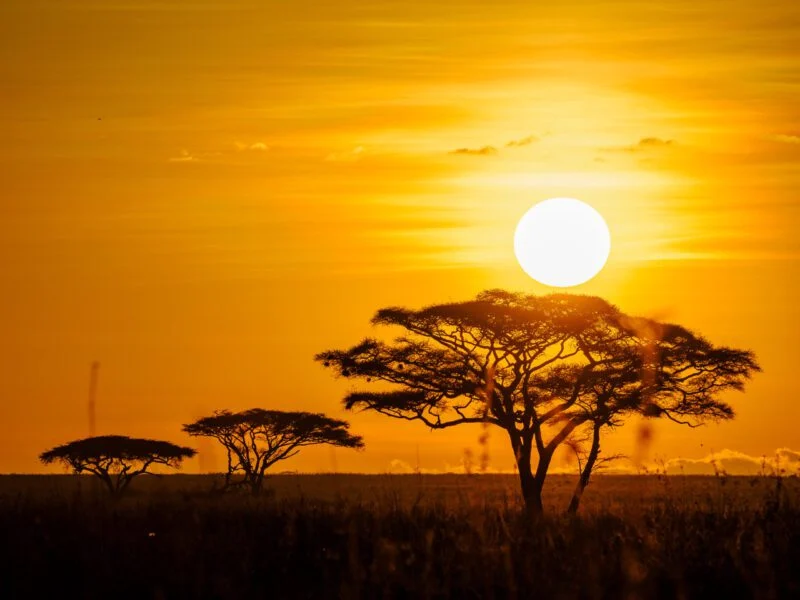
Kenya, a nation located in East Africa, is renowned for its remarkable geographical diversity, encompassing an array of landscapes, cultures, and wildlife. This vibrant country serves as a melting pot of experiences, attracting visitors seeking both adventure and tranquility. From expansive savannahs teeming with wildlife to stunning coastal beaches, Kenya offers something for every traveler.
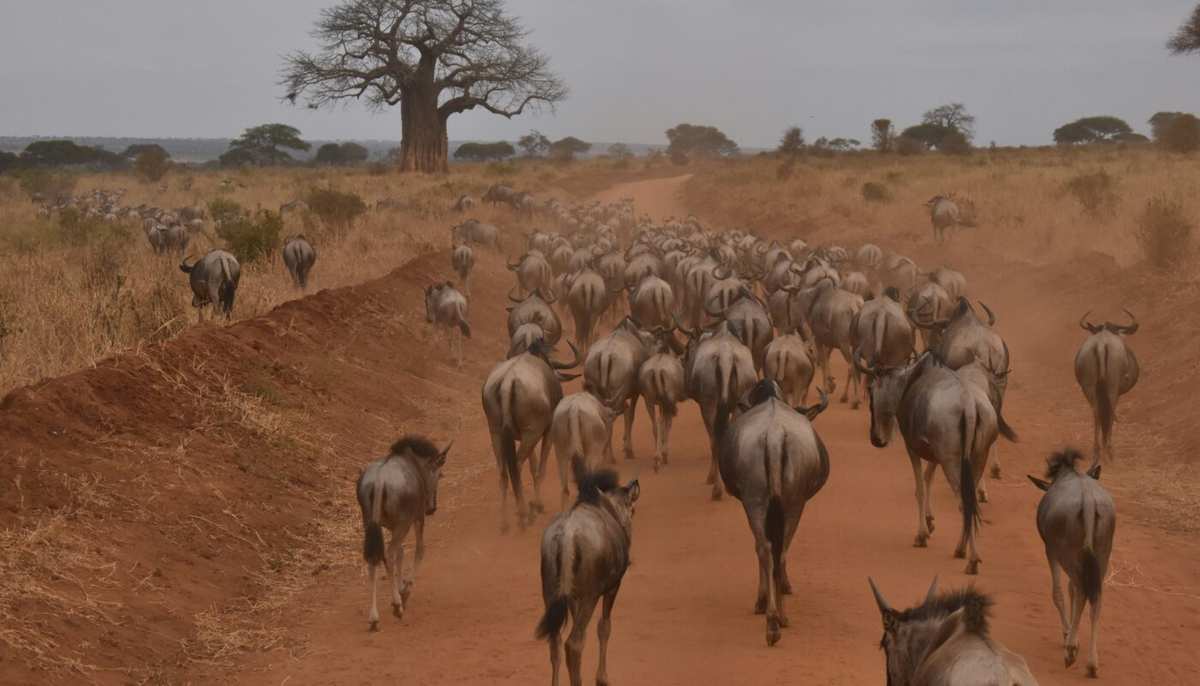
Inland, the iconic Maasai Mara National Reserve stands as a testament to the rich wildlife heritage of the country. This sprawling reserve is famous for its population of lions, elephants, and giraffes, alongside the remarkable annual wildebeest migration, which captivates thousands of tourists each year. The chance to view these animals in their natural habitat makes safari adventures in Kenya an unparalleled experience.
Additionally, Kenya’s diverse topography includes the Rift Valley, where the landscape is punctuated by lakes and mountains, such as Mount Kenya, the second-highest peak in Africa. These geographical features not only enhance its wildlife habitats but also provide the perfect backdrop for trekking and exploration. As travelers venture from the mountains to the plains, they are greeted with stunning views that highlight the country’s natural beauty.
Coastal regions, particularly along the Indian Ocean, showcase a different aspect of Kenya’s allure. The beaches of Diani, Watamu, and Malindi offer pristine white sands and clear blue waters, ideal for relaxation and water sports. Here, visitors can immerse themselves in a vibrant marine culture, featuring coral reefs rich with life, enhancing the overall appeal of Kenya as a dual destination for safari adventures and beach getaways.
The Allure of Safaris in Kenya
Kenya is renowned for its breathtaking landscapes and rich biodiversity, making it a prime destination for safari enthusiasts. The allure of safaris in Kenya lies not only in the spectacular scenery but also in the opportunity to witness an array of wildlife roaming in their natural habitats. Major national parks and reserves, such as the Maasai Mara National Reserve and Amboseli National Park, offer unique experiences that draw travelers from around the globe.
The Maasai Mara is particularly famous for the Great Migration, which occurs annually between July and October. During this time, millions of wildebeest, zebras, and other wildlife migrate across the plains, creating a dramatic spectacle. Witnessing this event is considered a once-in-a-lifetime experience, as predators like lions and cheetahs follow the herds, providing unparalleled opportunities for wildlife photography and observation.
Amboseli National Park, on the other hand, is well-known for its large herds of elephants and stunning views of Mount Kilimanjaro. Visitors to Amboseli can engage in various safari activities, including game drives that allow for close encounters with elephants, lions, and other wildlife. Additionally, walking safaris provide a unique perspective, enabling tourists to immerse themselves in the sounds and sights of the African wilderness, while learning about the ecosystem from knowledgeable guides.
A key aspect of the Kenyan safari experience is the chance to engage with local cultures. Many safari lodges and camps offer cultural encounters with the Maasai people, providing insights into their traditions and way of life. These interactions not only enrich the safari adventure but also promote sustainable tourism, benefiting local communities.
With its diverse landscapes, abundant wildlife, and captivating cultural experiences, safaris in Kenya provide an unforgettable adventure. Each outing offers the chance to connect with the natural world and gain a deeper appreciation for the continent’s remarkable biodiversity.
Top National Parks and Reserves for Safari Experiences
Kenya is renowned for its breathtaking wildlife and diverse ecosystems, making it a premier destination for safari adventures. Among the most celebrated national parks and reserves, Maasai Mara National Reserve stands out, famed for the Great Migration that attracts thousands of wildebeest and zebras numbering in the millions. The best time to visit Maasai Mara is between July and October, when visitors can witness this incredible spectacle along with an abundance of predators such as lions and cheetahs.
Another significant destination is Amboseli National Park, known for its stunning views of Mount Kilimanjaro, the highest peak in Africa. This park is also home to large herds of elephants, making it an ideal spot for elephant watching and photography. The dry season, from June to October, is particularly favorable as wildlife congregates around the park’s water sources, offering excellent viewing opportunities.
In contrast, Tsavo National Park, divided into East and West, is one of the largest parks in the world, offering a diverse range of landscapes, from savannahs to volcanic hills. It is notable for its large populations of red elephants, known for their distinctive coloration due to the iron oxide-rich soil. The best time to explore Tsavo typically spans from June to September and December to February, periods that provide optimal weather for wildlife observation.
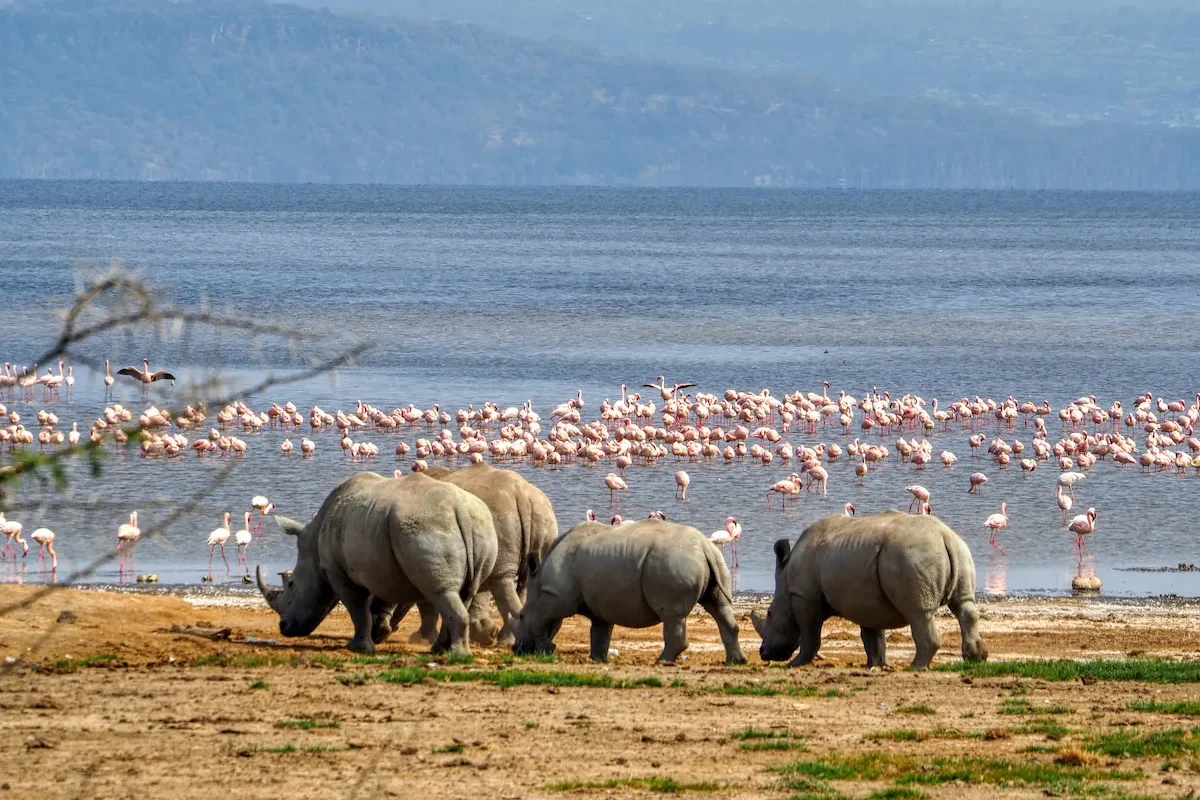
Lastly, Lake Nakuru National Park, famous for its breathtaking soda lake, attracts a variety of bird species, particularly flamingos that flock to its shores. The park also provides a habitat for both black and white rhinos, making it an essential stop for wildlife enthusiasts. The best months for visiting are during the dry season, from June to September.
Planning Your Safari: Tips and Recommendations
Planning a safari in Kenya is a thrilling endeavor that requires careful consideration to ensure an unforgettable experience. First and foremost, choosing the right time to visit is crucial. Kenya’s dry season, from late June to October, is often considered the best time for wildlife viewing as animals congregate around water sources. This period also coincides with the Great Migration in the Maasai Mara, attracting numerous tourists keen on witnessing this spectacular event.
When deciding where to stay, visitors have the option of choosing between safari lodges and tented camps. Safari lodges typically offer more luxurious amenities and are a good choice for those seeking comfort. On the other hand, tented camps provide a more immersive experience, allowing guests to feel closer to nature. Both options have their advantages, but your choice should depend on your budget and the overall safari experience you desire.
Packing wisely is another essential aspect of safari planning. Lightweight, breathable clothing in neutral colors is recommended to blend into the environment and enhance the wildlife viewing experience. Comfortable hiking boots are vital for walking safaris, while binoculars and a quality camera are indispensable for capturing incredible wildlife moments. Additionally, consider packing sunscreen, insect repellent, and a reusable water bottle to stay hydrated throughout your adventures.
To maximize opportunities for wildlife viewing and photography, it is advisable to schedule game drives during early morning and late afternoon when animals are most active. Engaging with experienced guides can significantly enhance the experience, as they provide valuable insights into animal behavior and local ecosystems. With these recommendations, visitors can effectively plan their safari, ensuring that they enjoy all that Kenya has to offer in its rich wildlife and breathtaking landscapes.
Transitioning from Safari to Beach: The Kenyan Coast
Kenya has long been celebrated for its diverse landscapes and exceptional wildlife, making it a premier destination for safari adventures. After thrilling days spent tracking the Big Five in the savannahs, many travelers seek an alternate kind of sanctuary—the tranquil shores of the Kenyan coast. Transitioning from the bustling energy of wildlife encounters to the serene beach environment is a rewarding experience, offering a perfect blend of adventure and relaxation.
The Kenyan coastline is adorned with spectacular beaches and quaint seaside towns, each with its own charm and attractions. Diani Beach, for instance, is renowned for its powdery white sands and crystal-clear waters, making it an ideal spot for sunbathing and water sports. Visitors can indulge in activities such as snorkeling, diving, and kite surfing, enjoying the rich marine life that thrives in this region. Diani’s vibrant atmosphere also features numerous restaurants and bars, allowing for a delightful culinary experience after a day of adventure.
Further north along the coast, Watamu beckons with its laid-back vibe and natural beauty. Recognized as a UNESCO Biosphere Reserve, this region is perfect for those looking to explore nature further. The Watamu Marine National Park offers excellent opportunities for snorkeling and diving, showcasing vibrant coral reefs and an abundance of tropical fish. Travelers can also enjoy picturesque strolls along its beautiful beaches, immersing themselves in the tranquility of their surroundings.
Malindi, another coastal gem, presents a blend of history and leisure. Visitors can immerse themselves in local culture while enjoying the picturesque coastline famous for its unique rock formations. The transition from a thrilling safari to a relaxing beach retreat is seamless, enhanced by the welcoming atmosphere of these coastal towns, making Kenya a prime destination for experiencing the best of both worlds.
Activities and Attractions on the Kenyan Coast
The Kenyan coast is a vibrant destination known for its stunning beaches, warm climate, and rich cultural heritage. Visitors can indulge in a range of activities that highlight the unique offerings of this region. Water sports are a significant draw, with opportunities for snorkeling and diving in the crystal-clear waters of the Indian Ocean. Here, enthusiasts can explore vibrant coral reefs and discover a diverse array of marine life, including colorful fish and majestic sea turtles.
Sailing is another popular activity, allowing travelers to experience the scenic beauty of the coastline from a different perspective. Chartering a dhow, a traditional sailboat, provides a unique way to explore the coastline’s hidden gems, including secluded beaches and small islands. Fishing tours are also available for those looking to catch local species while enjoying the tranquility of the ocean.
Beyond water activities, the Kenyan coast offers rich cultural experiences that should not be overlooked. Visitors can explore historic sites such as Fort Jesus in Mombasa, a UNESCO World Heritage site, which showcases the architectural history of the region. Local markets are vibrant and bustling, offering visitors a chance to taste traditional dishes made from fresh ingredients. Enjoying local cuisine is a delightful experience, with seafood being a highlight, featuring dishes like grilled fish, calamari, and fresh coconut curry.
The Kenyan coast also hosts various festivals and events throughout the year, celebrating local music, dance, and art. These lively gatherings provide an excellent opportunity for tourists to engage with the local community and immerse themselves in the coastal culture. Each of these activities contributes to a comprehensive understanding of what a coastal holiday in Kenya truly entails.
The Best Time to Experience Kenya’s Safaris and Beaches
Kenya, renowned for its rich biodiversity and stunning coastline, offers unique experiences that can vary significantly depending on the time of year. To maximize enjoyment of both safari adventures and relaxing beach getaways, understanding the seasonal patterns is essential.
The ideal period for safari enthusiasts is typically during the dry seasons, which occur from late June to October and then again from January to February. During these dry months, wildlife congregates around water sources, making it easier for visitors to spot the famed Big Five: lions, elephants, buffalo, leopards, and rhinos. Additionally, these months coincide with the Great Migration, one of the world’s most astonishing natural spectacles, where millions of wildebeests and zebras traverse the Serengeti towards Kenya’s Maasai Mara in search of greener pastures. Witnessing this migration offers an unforgettable spectacle for any safari aficionado.
Conversely, the wet seasons run from March to May and again from November to early June. Although wildlife viewing can be more challenging during these periods due to dense vegetation and the animals’ tendency to scatter, the landscapes transform into lush green canvases, offering a different type of beauty. Additionally, these months present several advantages, including fewer tourists, lower accommodation costs, and the opportunity to see newborn animals, making it an attractive time for budget-conscious travelers.
When it comes to beach vacations, the best time to visit Kenya’s coastline, particularly in Diani and Malindi, spans from December to March. This period features warm, sunny weather, with minimal rainfall, perfect for sunbathing and swimming in the Indian Ocean. April to June may bring more rain, but the tropical climate ensures it remains a pleasant experience.
Ultimately, aligning your visit to Kenya with these seasonal patterns can significantly enhance your adventure, whether it be through thrilling safaris or relaxing beach retreats.
Cultural Encounters: The People of Kenya
Kenya is renowned not only for its breathtaking landscapes and wildlife but also for its rich tapestry of cultures. With over 40 distinct ethnic groups, each with their own unique customs, languages, and traditions, the cultural diversity of Kenya is a significant attraction for travelers. The Maasai, Kikuyu, and Swahili tribes each contribute to the country’s cultural heritage, offering a wide variety of experiences that enhance safari adventures and beach getaways.
The Maasai are perhaps the most recognized tribe, known for their vibrant attire and distinctive customs. Engaging with the Maasai can provide travelers with insights into their traditional pastoral lifestyle, including their unique dances, rituals, and the significance of their elaborate beadwork. Such interactions during safaris can lead to a deeper understanding of wildlife conservation efforts and the relationship between the Maasai and their environment.
On the other hand, the Kikuyu people, Kenya’s largest ethnic group, have rich agricultural practices and a unique history that plays a pivotal role in the nation’s development. Visitors can learn about Kikuyu farming techniques, partake in local cooking classes, or even contribute to community projects that help improve the livelihoods of the people. This direct engagement also fosters sustainable tourism initiatives that benefit local communities.
Moreover, the Swahili culture, prominent along the coastal regions, offers a blend of African, Arab, and Indian influences. Those seeking beach getaways can immerse themselves in Swahili music, cuisine, and craftsmanship, gaining a deeper appreciation for the historical trade routes that shaped coastal Kenya. Visitors are encouraged to shop at local markets and support artisans while respecting the traditions and customs of the Swahili people.
Travelers aiming to enhance their holiday experiences in Kenya can do so by participating ethically and respectfully in cultural exchanges. This may include learning basic greetings in local languages and choosing guided experiences led by local community members. Such actions not only enrich one’s visit but also foster goodwill and mutual understanding between visitors and the rich cultures of Kenya.
Conclusion: The Ultimate Kenyan Experience
As we reflect on the myriad of experiences that Kenya offers, it becomes evident that combining a safari adventure with a beach getaway presents an unparalleled opportunity for exploration and relaxation. The rich biodiversity of Kenya’s national parks and reserves is nothing short of breathtaking. From witnessing the majestic African lions on the prowl to observing elephants bathing in waterholes, each safari excursion immerses travelers in the enigmatic beauty of the wild. The Great Migration, a natural phenomenon that attracts thousands of tourists, further solidifies Kenya’s reputation as a premier destination for wildlife enthusiasts.
Transitioning from the savannah to the shores provides a perfect balance of adventure and tranquility. Kenya’s coastal regions, with their pearl-white sandy beaches and warm azure waters, offer a serene escape after the thrills of a safari. Destinations such as Diani and Malindi boast vibrant marine life, enticing visitors to indulge in snorkeling and diving. The juxtaposition of the energetic wildlife on land and the calmness of the Indian Ocean creates a harmonious travel experience that caters to diverse interests.
Ultimately, choosing Kenya for your next travel adventure means embracing an extraordinary blend of exhilarating wildlife encounters and idyllic beach settings. The cultural richness of local communities, coupled with the natural wonders, ensures that every moment spent in this captivating country is unforgettable. Thus, for those seeking an adventure that seamlessly intertwines land and sea, Kenya stands out as a prime choice, promising memories that will last a lifetime.