Introduction to Ol Jogi Wildlife Conservancy
Ol Jogi Wildlife Conservancy, located in the stunning Laikipia region of Kenya, is an exemplary model of wildlife conservation and community development. Spanning over 58,000 acres, this privately owned conservancy represents a vital habitat for various species and emphasizes sustainable practices aimed at preserving the rich biodiversity native to the region. Situated in the heart of Kenya, Ol Jogi lies in proximity to the broader ecosystem encompassing the famous Laikipia Plateau, thus playing a crucial role in wildlife migration and ecological balance.
The history of Ol Jogi dates back to the 1980s, when the founders recognized the escalating threats to wildlife posed by poaching and habitat destruction. In response, they initiated impactful conservation efforts, transforming the area into a safe haven for endangered and threatened species. Notably, the conservancy is renowned for its innovative approach to wildlife protection, where local communities are engaged and benefit economically from conservation initiatives, ensuring a symbiotic relationship between humans and wildlife.
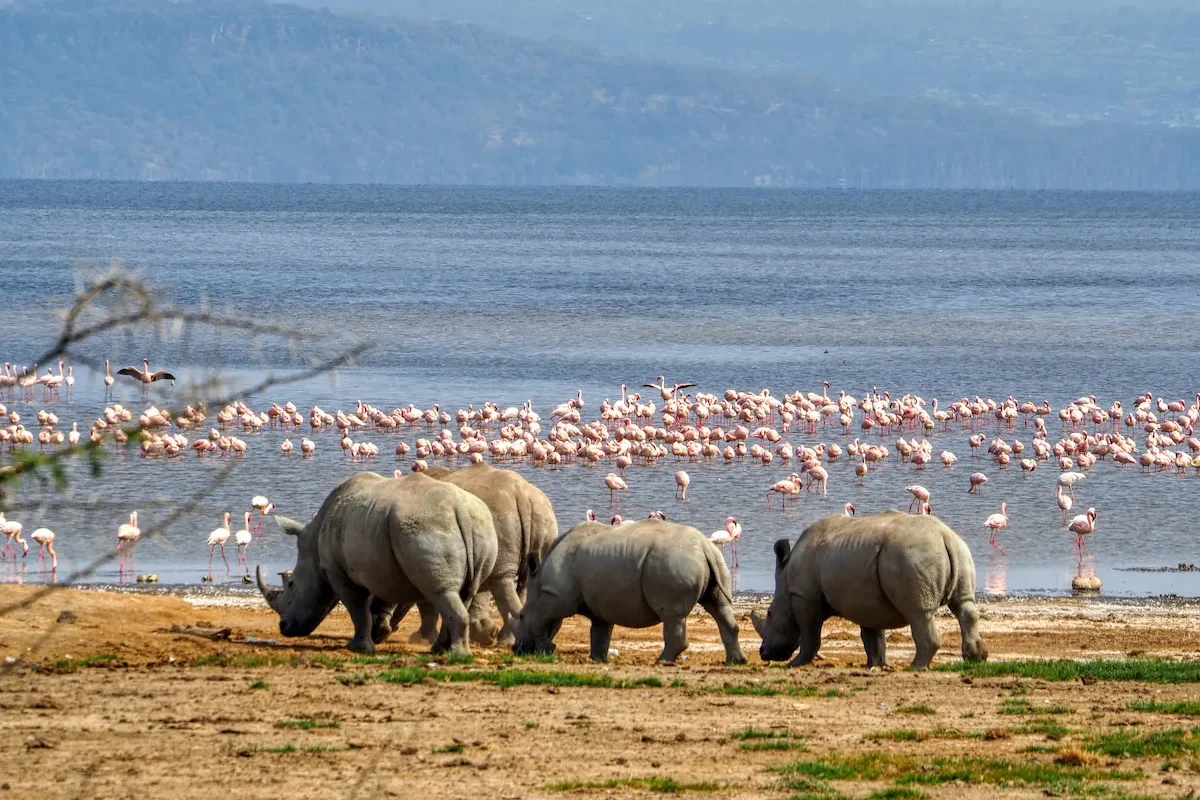
One of the unique aspects of Ol Jogi Wildlife Conservancy is the diverse range of wildlife species that can be observed. Visitors to the conservancy have the opportunity to encounter iconic animals, including elephants, rhinos, and a variety of antelope species. The conservancy also serves as a sanctuary for numerous bird species, making it a paradise for birdwatchers. The ongoing efforts at Ol Jogi highlight the importance of such protected areas in creating sustainable ecosystems while fostering a sense of responsibility towards preservation in the local communities.
Wildlife Safari Experiences
Ol Jogi Wildlife Conservancy in Laikipia, Kenya, presents a myriad of options for wildlife safari experiences, catering to varying preferences and interests. Among the most sought-after experiences are guided tours and self-drive safaris, each offering unique advantages.
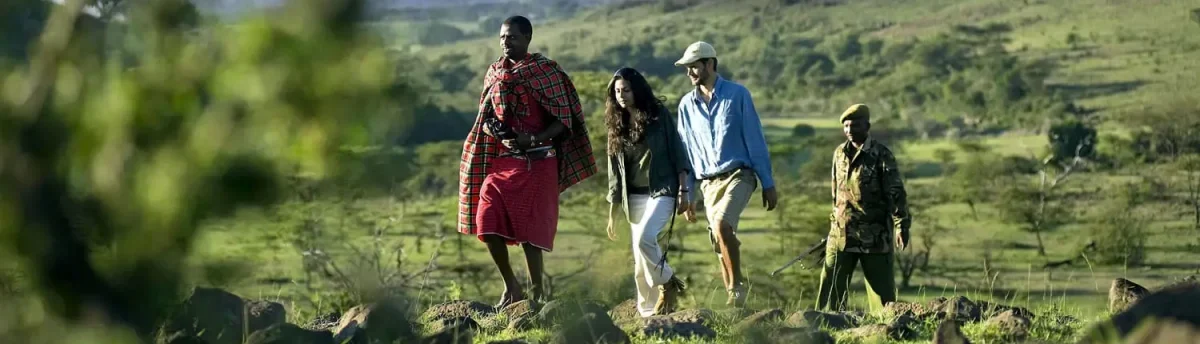
Guided tours are highly recommended, especially for first-time visitors. Professional guides, well-versed in the local ecosystem and animal behavior, enhance the experience by sharing insights and helping guests track wildlife. These experts can facilitate optimal viewing opportunities during early morning or late afternoon, which are often the peak times for animal activity. Furthermore, guided safaris contribute to responsible wildlife interactions, ensuring that guests engage with the wildlife in a respectful manner that does not disturb their natural behaviors.
On the other hand, self-drive safaris allow guests the freedom to explore the conservancy at their own pace. Equipped with a reliable map and basic wildlife knowledge, visitors can venture into the vast landscapes of Ol Jogi, creating their own adventure. This option is particularly appealing for those who enjoy the thrill of discovering hidden gems away from organized tours. Regardless of the choice, it is imperative to observe local guidelines adhered to responsible driving and wildlife viewing.
To maximize wildlife sightings, timing and preparation are essential. Early mornings and late afternoons are typically ideal for animal encounters, as many species are more active during these cooler hours. During the warmer parts of the day, animals can often be spotted near water sources or shade. Patience and quiet observation are critical, as most animals are sensitive to noise and movement.
Engaging with wildlife in a responsible manner not only enhances the safari experience but also contributes to the conservation of these magnificent creatures and their habitats. Ensuring that guests understand the importance of maintaining a safe distance and minimizing disturbances is critical in preserving Ol Jogi’s ecological integrity.
Birdwatching Opportunities
Ol Jogi Wildlife Conservancy in Laikipia, Kenya is renowned for its remarkable avian biodiversity, making it a paradise for birdwatching enthusiasts. With over 400 identified bird species, the conservancy presents an extraordinary opportunity to observe a variety of both endemic and migratory birds throughout the year. Some notable species include the endangered Abdim’s Stork, the vibrant Lilac-breasted Roller, and the elegant Secretary Bird. The diverse habitats within the conservancy—ranging from savannahs to wetlands—create ideal conditions for numerous birds to thrive, offering birdwatchers a glimpse into their natural behavior and habitats.
The best seasons for birdwatching at Ol Jogi coincide with the wet and dry seasons, enhancing the visibility and activity of birds in the area. During the rainy season, typically from March to May, migratory birds flock to the region, providing birdwatchers with unique sightings of species from Europe and Asia. Conversely, the dry season, which occurs from June to October, allows for easier spotting of resident species as water sources diminish, concentrating wildlife around available waterholes. This seasonal variation ensures that visitors to the conservancy can experience different birdwatching opportunities, regardless of when they visit.
Ol Jogi offers guided birdwatching tours led by knowledgeable local guides who possess an intimate understanding of the region’s avifauna. These expert-led excursions not only help participants spot various species but also provide invaluable insights into bird behavior and conservation efforts in the area. Enthusiasts of all skill levels can benefit from these tours, making birdwatching at Ol Jogi an educational and enriching experience. By engaging in this activity, birdwatchers contribute to the ongoing conservation efforts of the conservancy, promoting the protection of these remarkable birds and their habitats for future generations.
Cultural Interactions with Local Communities
Visiting the Ol Jogi Wildlife Conservancy is not just about experiencing the rich biodiversity; it also provides an incredible opportunity to engage with local communities in the Laikipia region of Kenya. The conservancy is committed to fostering sustainable tourism that benefits both the environment and the indigenous people. Visitors are encouraged to participate in cultural experiences that deepen their understanding of the traditions and lifestyles of the local communities.
One of the primary ways to interact with local cultures is through community-led tours. These excursions may include visits to local villages, where travelers can observe traditional living practices and partake in cultural events. Activities such as dance performances, storytelling, and craft-making are often organized, offering a glimpse into the daily life and rich heritage of the communities. This immersive experience not only enriches the visitor’s journey but also helps preserve local customs and practices.
Moreover, supporting local initiatives is an integral part of any visit to Ol Jogi. The conservancy collaborates with various community groups to provide education, healthcare, and economic development. Travelers can contribute by purchasing handcrafted souvenirs, such as beadwork and textiles, directly from local artisans, ensuring that the benefits of tourism flow back into the community. Additionally, donations and participation in programs aimed at wildlife conservation and community welfare can further bolster these vital efforts.
Through these cultural interactions, visitors to Ol Jogi Wildlife Conservancy can play a significant role in promoting social and economic development while learning about the diverse ways of life that coexist with Kenya’s breathtaking natural environment. Such engagements not only enhance the richness of the travel experience but create lasting relationships between travelers and local residents.
Conservation Efforts and Education
Ol Jogi Wildlife Conservancy in Laikipia, Kenya, serves as a prominent model for conservation initiatives aimed at protecting both wildlife and their natural habitats. A significant focus of the conservancy’s strategy revolves around the preservation of endangered species and the restoration of degraded ecosystems. Through habitat management and anti-poaching efforts, Ol Jogi plays an essential role in safeguarding the region’s biodiversity. In collaboration with local communities and government bodies, the conservancy implements sustainable land-use practices that benefit both wildlife and human populations.
Integral to Ol Jogi’s conservation success is its commitment to education and awareness. The conservancy has developed various educational programs designed to engage visitors and local communities, fostering a deeper understanding of environmental stewardship. Guided tours provide insights into the complex interactions within ecosystems, illustrating the importance of maintaining balance for both fauna and flora. These educational experiences aim not just to inform but also to inspire action towards conservation.
Additionally, Ol Jogi collaborates with schools and universities to promote wildlife conservation education among younger generations. This initiative encourages students to participate in wildlife monitoring activities, thereby instilling a sense of responsibility toward their natural surroundings. Such programs are crucial for ensuring that future generations recognize the importance of preserving Kenya’s rich wildlife heritage.
Through its multifaceted approach, Ol Jogi Wildlife Conservancy strives to create a sustainable framework for conservation that focuses not just on wildlife protection but also on community involvement and education. The outcomes of these efforts reflect a holistic understanding of conservation, highlighting how local communities can thrive alongside robust ecosystems. By integrating these conservation strategies with educational initiatives, Ol Jogi continues to advance its mission to protect wildlife and educate the public about the pressing need for conservation efforts.
Adventure Activities within the Conservancy
The Ol Jogi Wildlife Conservancy in Laikipia, Kenya, presents a unique opportunity for adventure enthusiasts to engage in a multitude of outdoor activities that highlight the region’s breathtaking landscapes and rich ecosystems. One of the primary attractions within the conservancy is horseback riding, which offers an exhilarating way to traverse the diverse terrain. Riders can experience the thrill of exploring the vast expanse of the conservancy while observing wildlife in their natural habitat, an experience that promotes both connection and respect for nature.
In addition to horseback riding, hiking is another favored activity that allows visitors to immerse themselves in the stunning scenery. Various hiking trails wind through the conservancy, showcasing not only the breathtaking vistas but also the diverse flora and fauna of the region. Guided hikes are available, wherein knowledgeable guides share insights about the local wildlife, setting a context for understanding the delicate balance of this ecosystem.
For those seeking different aspects of adventure, the conservancy also offers opportunities for bird watching, which attracts ornithologists and casual bird enthusiasts alike. The rich biodiversity of the conservancy supports numerous avian species, making it a prime location for observing unique birdlife. Additionally, engaging in photography sessions amidst the scenic backdrops can result in stunning visuals, capturing the essence of the wildlife and landscapes.
Moreover, guided night drives provide a thrilling experience as visitors can witness nocturnal animals in action, offering a unique perspective on the behaviors of wildlife after dark. Ultimately, these adventure activities at Ol Jogi Wildlife Conservancy not only provide excitement and engagement but also foster a greater appreciation for the natural world and the conservation efforts in this remarkable region of Kenya.
Luxury Accommodations and Amenities
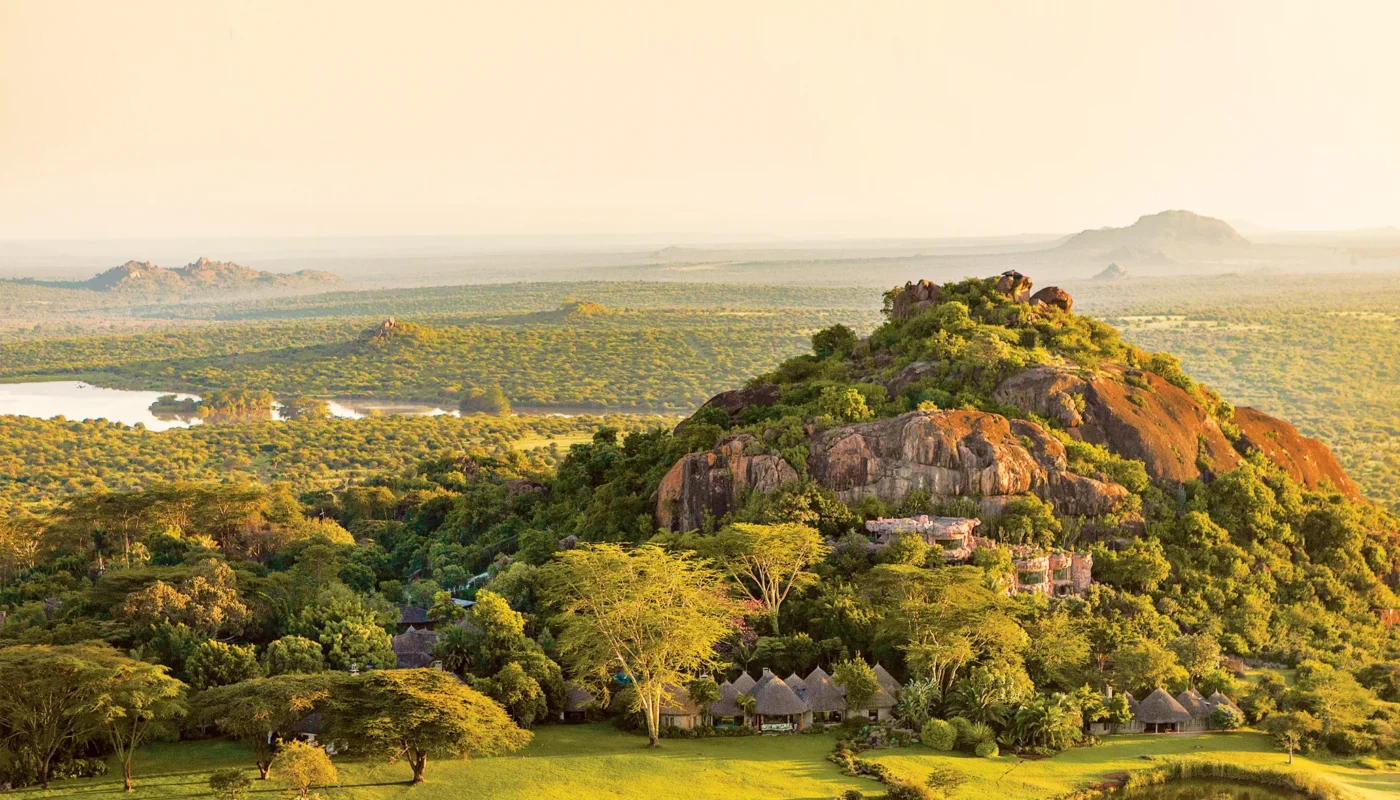
At Ol Jogi Wildlife Conservancy, visitors are offered a variety of luxurious accommodations that cater to different preferences and budgets. The lodges and tented camps are designed to immerse guests in the natural beauty of Laikipia while providing all the comforts of contemporary living.
The centerpiece of the conservancy’s lodging options is the exquisite Ol Jogi Lodge, which features elegantly appointed suites that provide stunning views of the surrounding wilderness. Each suite is equipped with spacious living areas, en-suite bathrooms, and private verandas, allowing guests to unwind in a serene environment. This luxury lodge also emphasizes sustainability, incorporating eco-friendly practices without compromising on comfort.
For those seeking a more rustic yet authentic experience, the tented camps at Ol Jogi offer a unique opportunity to connect with nature. These camps are equipped with comfortable bedding and essential amenities while allowing guests to feel immersed in the wildlife that surrounds them. The experience is enhanced with shared communal areas, where visitors can enjoy evening meals and share stories under the open sky.
In addition to comfortable accommodations, Ol Jogi provides a range of amenities designed to enhance each guest’s stay. These include fine dining options featuring local and international cuisine, guided game drives, and personalized safari experiences tailored to individual interests. Guests can also participate in conservation activities, providing them with a deeper understanding of the surrounding ecosystem.
The combination of luxury and immersion in nature makes Ol Jogi Wildlife Conservancy an extraordinary destination where guests can indulge in comfort while experiencing the rich biodiversity of Kenya. Both luxury lodges and rustic camps offer a perfect balance of relaxation and adventure, ensuring that all visitors leave with unforgettable memories of their time at this remarkable conservancy.
Gastronomic Delights: Dining at Ol Jogi
Guests at Ol Jogi Wildlife Conservancy can expect a truly unique culinary experience that reflects the rich cultural tapestry of Kenya. The conservancy prides itself on its commitment to sustainability and sourcing local ingredients, showcasing the diverse flavors of regional cuisine. Within the lush surrounds of the conservancy, dining options are designed to cater to a range of palates, making every meal a memorable occasion.
The main dining venue offers an inviting atmosphere where visitors can savor beautifully prepared meals crafted by talented chefs. Traditional dishes are celebrated, incorporating fresh produce from local farmers as well as carefully sourced game meats. Whether enjoying a hearty breakfast to start the day or a refined multi-course dinner under the stars, guests will find the culinary offerings to be both delightful and fulfilling. The use of seasonal ingredients ensures that the menu remains dynamic and prevalent with the flavors of the landscape.
In addition to daily meals, Ol Jogi’s culinary team often organizes special dining events that enhance the overall visitor experience. Guests might find themselves partaking in a bush dinner, where an evening meal is served in the stunning natural setting of the African wilderness, complete with the sounds of nature. The conservancy also hosts wine tasting sessions featuring premium products from local vineyards, allowing visitors to explore the broader flavors of Kenya’s wine selection.
Ultimately, dining at Ol Jogi is more than just a meal; it is an integral part of the overall experience, offering an authentic taste of Kenyan culture amidst the beauty of the wildlife conservancy. As guests indulge in these culinary delights, they contribute to the sustainability efforts and local community, enhancing their memorable visit.
Conclusion: The Importance of Supporting Wildlife Conservation
Ol Jogi Wildlife Conservancy in Laikipia, Kenya, offers visitors a unique glimpse into the rich biodiversity that thrives within its boundaries. The experiences available at Ol Jogi not only allow for thrilling encounters with wildlife but also highlight the critical need for effective wildlife conservation efforts. Throughout the conservancy, guests can witness innovative strategies aimed at preserving endangered species, which ultimately contribute to the ecological balance of the region.
As wildlife habitats continue to diminish due to human activities and climate change, it becomes increasingly important to support conservation initiatives. By visiting Ol Jogi, guests play an active role in safeguarding these natural environments. Participation in conservation activities, such as guided tours and educational programs, helps raise awareness and funds necessary for ongoing efforts. Visitors to the conservancy can engage directly with experts, deepening their understanding of the complex interdependencies within ecosystems. This first-hand experience fosters a sense of responsibility toward wildlife preservation.
Furthermore, supporting wildlife conservation extends beyond mere visitation. Tourists can choose to contribute to organizations involved in habitat restoration and animal protection initiatives, ensuring that their impact continues even after leaving the conservancy. Individuals are encouraged to advocate for policies and practices that protect wildlife and promote sustainable tourism. By prioritizing these actions, we can collectively help mitigate the challenges faced by wildlife in Kenya and beyond.
In conclusion, visiting Ol Jogi Wildlife Conservancy not only provides a remarkable experience but serves as a means of supporting essential wildlife conservation efforts. Every visit counts, promoting protection and fostering awareness of these majestic creatures and their habitats. Engaging in conservation is not just beneficial for wildlife; it shapes a more sustainable future for all.