Introduction to Kenya Safaris

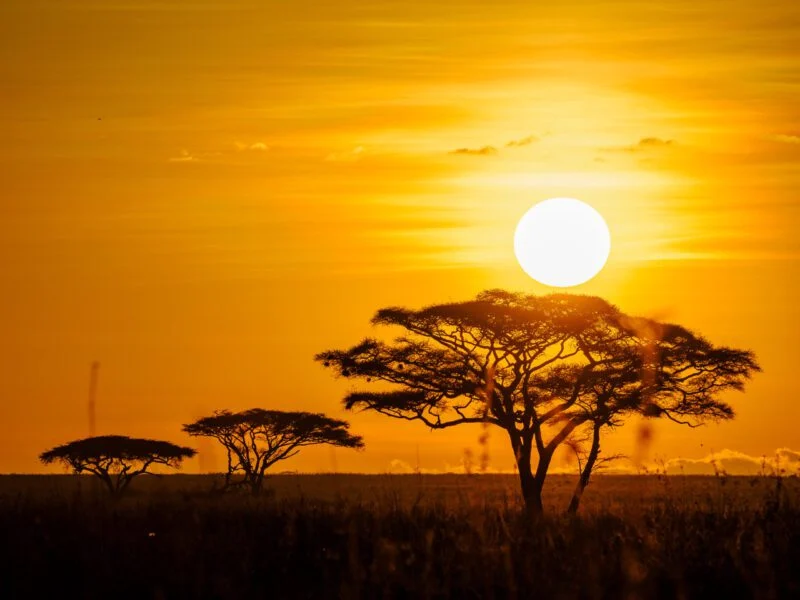
Kenya is renowned for its stunning natural landscapes and rich biodiversity, making it a premier destination for safaris. A Kenyan safari offers travelers an unparalleled opportunity to explore the vast African wilderness, characterized by its vibrant wildlife and iconic scenery. Visitors flock to Kenya not only to witness the majestic animals that roam its national parks and reserves, but also to immerse themselves in the cultural experiences that the country has to offer.
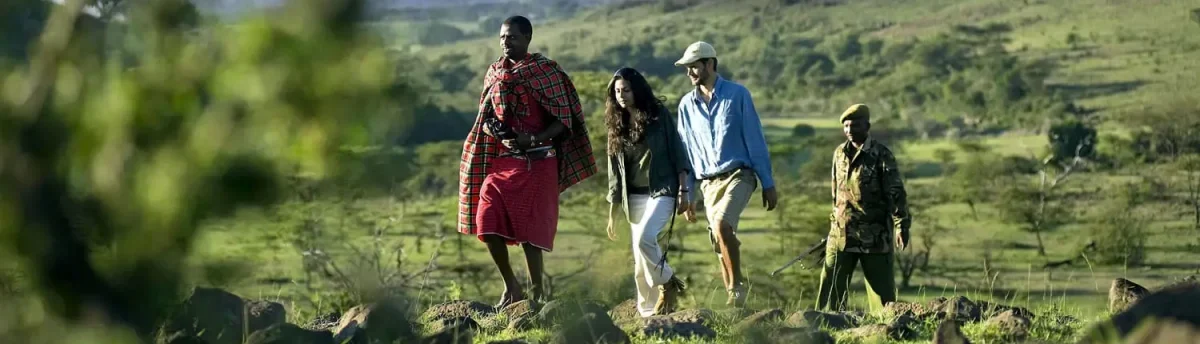
The allure of a Kenya safari lies in its diverse ecosystems, from the vast savannas of the Maasai Mara to the rugged mountains of Aberdare National Park. In addition to game drives, which are the most popular method of wildlife viewing, there are various types of safaris that cater to different preferences. For instance, walking safaris provide an intimate experience, allowing participants to follow experienced guides through the bush, learning about the flora and fauna up close. Hot air ballooning is another unique way to experience safari, offering breathtaking aerial views of the landscapes and wildlife during sunrise.
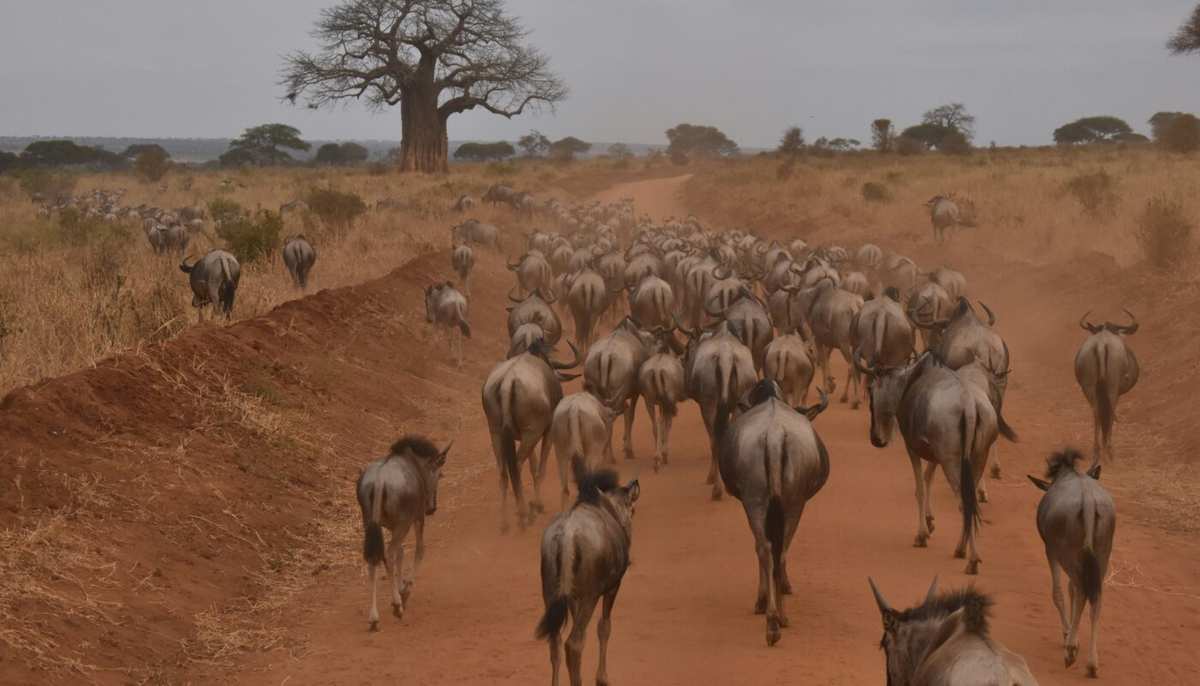
Kenya’s popularity as a travel destination is further enhanced by the Great Migration, an incredible natural phenomenon where millions of wildebeest, zebras, and other animals traverse the Serengeti in search of greener pastures. This event, usually occurring between July and October, attracts safari-goers from around the globe, eager to witness one of nature’s most dramatic spectacles.
Overall, a adventure in Kenya promises not only breathtaking encounters with wildlife but also an enriching journey through one of East Africa’s most captivating countries.
Best Time to Visit Kenya for a Safari
Kenya offers a spectacular safari experience throughout the year, but understanding the seasonal variations can enhance your adventure significantly. The best time to visit for a safari is largely influenced by weather patterns and wildlife behaviors, particularly the Great Migration.
The dry season, which typically runs from late June to October, is considered the peak safari season. During these months, animals are more easily spotted as they congregate around water sources, making this an ideal time for wildlife viewing. The clear skies and pleasant temperatures also make for perfect conditions for outdoor activities. This is when tourists flock to the Maasai Mara to witness the stunning annual migration of wildebeest and zebra, a phenomenon that usually peaks between August and September.
Alternatively, the wet season, which spans from November to May, has its own unique advantages. Although it coincides with increased rainfall and the possibility of muddier roads, it is an exceptional time for bird watchers as migratory species flock to the region. The landscape transforms into a lush green paradise, and many animals give birth during this period, offering a chance to witness adorable baby animals in the wild.
Ultimately, the best time to visit Kenya for a safari depends on individual preferences. Those seeking the thrill of the Great Migration should plan their trip during the dry season, while nature enthusiasts may opt for the wet season to enjoy diverse wildlife, rich vegetation, and solitude away from the peak tourist crowds. Each season presents a unique glimpse into the vibrant ecosystem of Kenya, ensuring memorable experiences for all visitors.
Essential Safari Gear and Packing Tips
Embarking on a safari adventure in Kenya necessitates careful consideration of your packing list to ensure comfort, safety, and enjoyment during your travels. Knowing which essential items to pack will greatly enhance your experience as you explore the rich wildlife and stunning landscapes.
First and foremost, appropriate clothing is paramount. Opt for lightweight, breathable fabrics like cotton or linen in neutral colors to blend with the environment. Long-sleeved shirts and trousers help protect against the sun and insect bites. A wide-brimmed hat and polarized sunglasses are essential for sun protection. Comfortable, sturdy shoes suitable for walking or hiking are also a must, along with socks that wick moisture. A light jacket or fleece is advisable for cooler evenings.
Next, camera equipment is crucial for capturing the breathtaking sights of wildlife and scenery. A quality camera with a zoom lens will help you take stunning pictures from a distance without disturbing the animals. Consider bringing a tripod for steady shots, particularly during dawn and dusk when lighting may be less favorable. Don’t forget extra batteries and memory cards, as these can make or break your ability to record precious moments.
Binoculars are another vital piece of equipment; they allow for closer observation of wildlife without compromising your presence. A pair with at least 8x magnification is ideal for safari viewing. Additionally, personal care items like sunscreen, insect repellent, and a basic first-aid kit should not be overlooked. Keeping toiletries simple yet effective will also help minimize weight while maximizing your usefulness.
In summary, packing light yet effectively is key for a successful safari. By focusing on essential gear, you ensure a seamless and enjoyable experience in the breathtaking landscapes of Kenya.
Health and Safety Precautions
Traveling to Kenya requires careful consideration regarding health and safety measures to ensure a smooth and enjoyable experience. Before embarking on your safari adventure, obtaining the necessary vaccinations is essential. Common vaccinations recommended for travelers to Kenya include Hepatitis A and B, Typhoid, and Yellow Fever. It is advisable to consult with a healthcare professional at least six weeks before your trip to ensure adequate time for vaccinations to take effect. Additionally, it is prudent to take anti-malarial medication, as malaria is prevalent in many regions.
Travel insurance is another crucial component of preparing for your safari in Kenya. Comprehensive travel insurance should cover potential health issues, trip cancellations, and unexpected incidents, including wildlife encounters. Ensure that your policy provides adequate medical coverage for activities such as hiking and game drives, as well as coverage for medical evacuation if necessary. Having a solid insurance plan offers peace of mind and financial protection during your travels.
Safety tips while on safari are also paramount. When encountering wildlife, it is vital to heed the advice of your guide, who is trained to manage these situations. Always maintain a safe distance from wild animals and avoid feeding them, as this can disrupt their natural behaviors. Additionally, when driving through national parks, keep your windows closed and refrain from leaving your vehicle except in designated areas. Lastly, stay hydrated and protect yourself from the sun, as the Kenyan climate can be intensive, further enhancing your health and safety during this remarkable journey.
Navigating Kenyan Culture
Kenya is a nation celebrated for its rich and diverse cultural heritage, comprising more than 40 distinct ethnic groups, each contributing a unique perspective to the country’s identity. This intricate tapestry of cultures shapes the experiences one may encounter during a Kenyan safari. Understanding the local cultures is vital for fostering respectful interactions and enhancing the overall adventure.
Social etiquette in Kenya can vary significantly from one community to another. However, there are some universal practices that can help visitors navigate their interactions smoothly. When greeting locals, a handshake combined with a friendly smile is often appropriate. Additionally, it is considered polite to use the local language when possible; for example, Swahili is widely spoken across the country. Simple phrases such as “Jambo” (hello) or “Asante” (thank you) can go a long way in building rapport.
Engaging with local communities during your safari can provide deep insights into their way of life. However, it’s crucial to approach these interactions respectfully. Request permission before taking photographs and be mindful of any cultural taboos. By demonstrating genuine interest and respect, visitors can foster meaningful connections. Furthermore, many local communities offer opportunities for tourists to participate in cultural activities, such as traditional dances or craft workshops. These experiences not only enrich one’s visit but also support local economies.
Understanding and appreciating the diverse cultures of Kenya not only enhances the safari experience but also promotes responsible tourism. By respecting local traditions and customs, travelers can contribute positively to the communities they visit while creating lasting memories of their Kenyan adventures.
Choosing the Right Safari Tour Operator
When planning a safari in Kenya, selecting the right tour operator is crucial to ensure a safe, enjoyable, and memorable experience. With numerous options available, it is essential to conduct thorough research to identify reputable operators. Start by considering the operator’s experience and expertise in organizing Kenyan safaris. Established companies typically offer well-rounded, knowledgeable service and provide insights into local wildlife and culture.
One of the most important factors to explore is the type of safari packages offered. Some operators might specialize in specific areas such as the Maasai Mara or Amboseli National Park, while others might provide all-inclusive packages covering multiple locations. Ask about what is included in the package, such as accommodation, transportation, meals, and guided services. Understanding these details will help tailor your safari experience to your interests and budget.
Additionally, customer reviews and recommendations play a vital role in your decision-making process. Utilize online platforms to read feedback from previous clients. Recommendations from friends or travel forums can also offer valuable insights. Positive reviews often reflect a high level of service and satisfaction. Be wary of operators with consistently poor reviews or complaints regarding safety standards and customer service.
Another essential aspect to address is the safari operator’s policies on responsible tourism and wildlife conservation. Ethical operators prioritize the well-being of wildlife and support local communities. Inquire about their corporate social responsibility initiatives to find operators committed to preserving Kenya’s natural heritage.
By considering these elements, you can make an informed decision when selecting a safari tour operator, ensuring a fulfilling and responsible adventure in the magnificent landscapes of Kenya.
Understanding the Kenyan Wildlife and Ecosystems
Kenya is renowned for its rich biodiversity, housing an array of unique wildlife and diverse ecosystems that are critical for the conservation of global biodiversity. The country boasts some of the most iconic species, including the Big Five: lions, leopards, elephants, buffaloes, and rhinoceroses. These animals are not only integral to Kenya’s natural heritage but also play a vital role in attracting tourists from around the world, thereby supporting the local economy and conservation efforts.
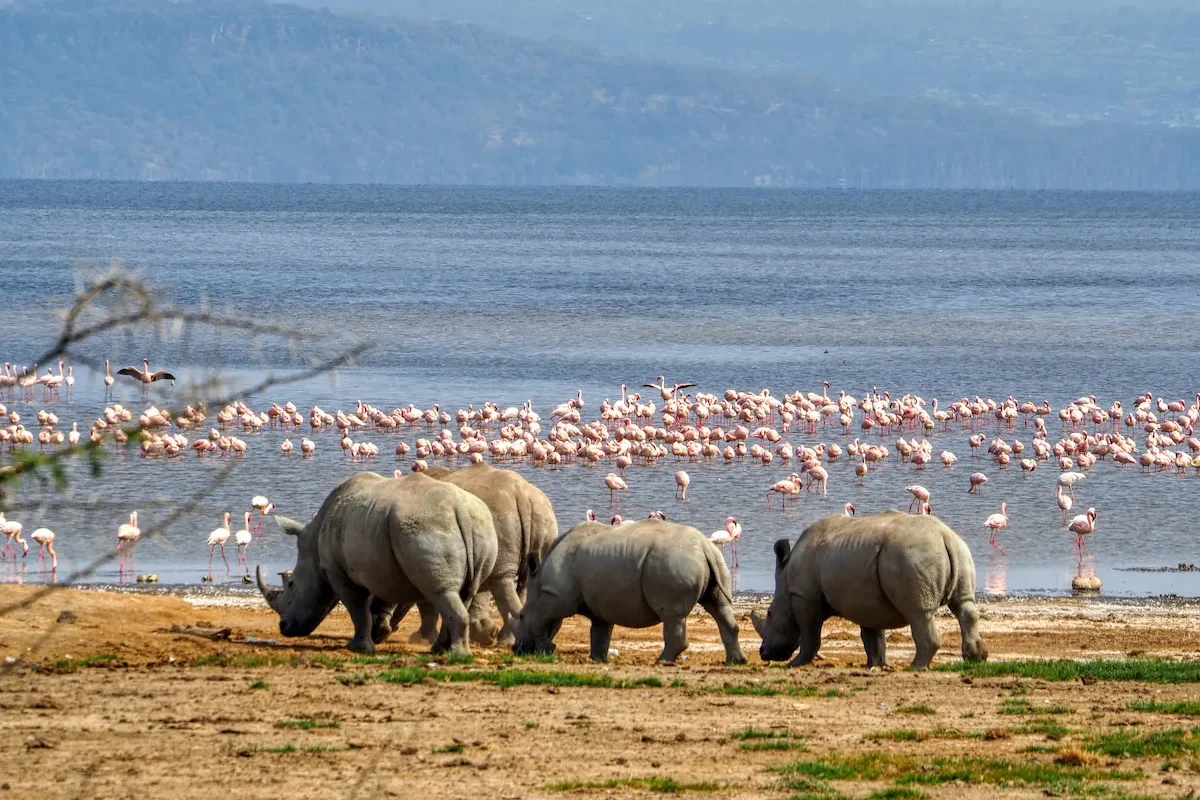
Among the best places to observe these majestic creatures are the various national parks and wildlife reserves, each offering distinct landscapes and ecosystems. The Maasai Mara is famous for its annual wildebeest migration, a spectacle that showcases the interconnectedness of species and the natural environment. Amboseli National Park is known for its impressive elephant herds, while Tsavo National Park, one of the largest in the country, features diverse ecosystems ranging from savannahs to woodlands. Other notable reserves include Lake Nakuru National Park, celebrated for its flamingo population, and the Samburu Game Reserve, which is home to unique species such as the Grevy’s zebra and Somali ostrich.
The importance of conservation cannot be overstated, as human activities and climate change pose significant threats to wildlife and their habitats. Conservation programs led by both government bodies and non-governmental organizations focus on protecting endangered species and promoting sustainable tourism practices. Initiatives such as community-based wildlife management empower local populations, ensuring they benefit from preserving their natural resources. Engagement in these conservation efforts is essential not only for preserving Kenya’s iconic species but also for maintaining the country’s diverse ecosystems, which are vital for ecological balance.
Local Cuisine: What to Expect on Your Safari
Kenyan cuisine is a vibrant reflection of the nation’s diverse cultures and traditions, offering a rich tapestry of flavors and aromas that every traveler should experience. While embarking on your safari adventure, sampling local dishes becomes an integral part of your journey. From bustling city eateries to tranquil lodge dining, there is an array of culinary experiences waiting to delight your palate.
One staple of Kenyan cuisine is ‘ugali,’ a thick maize porridge that is typically served as a side dish. This versatile accompaniment pairs well with a variety of stews and vegetables, making it a popular choice for both locals and tourists. Another must-try dish is ‘sukuma wiki,’ which consists of kale sautéed with onions and spices; it’s not only nutritious but also embodies the essence of Kenyan home cooking.
Meat lovers will appreciate ‘nyama choma,’ or roasted meat, commonly enjoyed outdoors, often grilled over an open flame. This dish, typically accompanied by a spicy tomato salsa known as ‘kachumbari,’ reflects the communal spirit of dining in Kenya. Additionally, coastal regions offer seafood delicacies, such as grilled fish and coconut rice, showcasing the bounty of the Indian Ocean.
While on safari, dining options may vary significantly. Many lodges provide full-board accommodations, which include breakfast, lunch, and dinner featuring a mix of local and international dishes. Additionally, some lodges offer cultural dining experiences allowing guests to engage with local culinary traditions. Whenever possible, consider sampling local restaurants to gain a deeper understanding of the region’s gastronomy. Always check with your guides or lodge for recommendations to ensure a fulfilling culinary safari experience.
In essence, the local cuisine is an essential aspect of your safari adventure in Kenya, promising to enrich your experience as you explore the captivating landscapes and wildlife of the region.
Conclusion: Making the Most of Your Safari Experience
Embarking on a safari in Kenya is undoubtedly a once-in-a-lifetime experience that offers unique opportunities to witness the beauty of wildlife and nature. To ensure that your adventure is both memorable and enjoyable, it is vital to plan thoroughly and approach your journey with an open mind and an appreciation for the environment. Throughout this blog post, we have discussed essential tips and considerations for travelers planning a safari, ranging from choosing the right time to visit to preparing for physical demands.
One of the key takeaways is to prioritize your comfort and safety. Choosing the appropriate attire and gear for the conditions can significantly enhance your safari journey. Selecting suitable accommodations, whether luxurious lodges or reserved campsites, can also shape your overall experience. Equipping yourself with the necessary gear, such as binoculars and cameras, will allow you to capture the stunning landscapes and vibrant wildlife that you encounter.
Furthermore, engaging with knowledgeable guides can enrich your understanding of the ecosystems and behavior of animals. Their insights not only deepen your appreciation for nature but also ensure a safe safari experience. Embracing the local culture and respecting the natural habitats during your travels will not only create enriching memories but also promote sustainable tourism.
In conclusion, your Kenya safari adventure is a celebration of the natural world, and with proper preparation and an open heart, you can make the most of this extraordinary experience. Embrace the journey, immerse yourself in the breathtaking surroundings, and create lasting memories that will stay with you long after the adventure ends. With these considerations in mind, you are well-equipped to embark on a truly fulfilling safari expedition in the heart of Kenya.