Introduction to Kenya Safari Ethics

Kenya is renowned for its rich biodiversity and iconic landscapes, making it a prime destination for wildlife tourism. However, this popularity brings a crucial need for a deep understanding of safari ethics to ensure that both the environment and its inhabitants are respected and preserved. Safari ethics encompass a set of principles guiding how tourists and tour operators engage with wildlife in an ethical and sustainable manner. As enchanting as Kenya’s wilderness may be, the interactions it fosters between humans and animals must prioritize the well-being of the natural world.
For tourists, ethical considerations involve a commitment to respect wildlife habitats, refrain from disturbing animals, and follow the guidelines set by professionals. By practicing responsible tourism, visitors help mitigate the negative impacts of human activity on fragile ecosystems and promote conservation efforts. This not only affects individual safaris but also contributes to a broader culture of respect for wildlife, which can influence future generations to engage with their environment thoughtfully.
Meanwhile, tour operators play a pivotal role in fostering ethical practices. They are responsible for creating awareness and offering education about the ecological significance of the areas they operate in. By providing training for guides and establishing strict operational standards, tour companies can ensure that their practices align with ethical wildlife tourism principles. These measures not only enhance the experience for tourists but also contribute to the preservation of Kenya’s breathtaking diversity.
Thus, understanding the significance of safari ethics is essential for anyone partaking in wildlife tourism in Kenya. Ethical engagement not only enriches the safari experience but also supports conservation efforts, ensuring that the extraordinary flora and fauna of Kenya can continue to thrive for years to come.
The Importance of Wildlife Conservation
Wildlife conservation is crucial in Kenya, a country renowned for its rich biodiversity and iconic species, including elephants, lions, and rhinos. These animals play a vital role in maintaining ecological balance, and their conservation is essential for sustaining the natural heritage and ecological integrity of the region. The global demand for wildlife tourism has highlighted the importance of protecting these species and their habitats, as responsible safaris can significantly contribute to conservation efforts.
One of the primary ways that safaris support wildlife conservation in Kenya is through the revenue generated from tourism fees. These funds are often allocated towards anti-poaching initiatives, habitat preservation, and community conservation projects. By choosing ethical safaris, tourists actively participate in the funding of these vital initiatives. Such safaris not only provide economic incentives for local communities to protect wildlife but also foster a sense of stewardship among residents, as they see the tangible benefits of preserving their natural resources.
The impact of poaching poses a severe threat to wildlife populations, particularly for endangered species. With the illegal trade of wildlife products, many species are pushed closer to extinction. Ethical safari operators work in tandem with local governments and conservation organizations to combat poaching through education, law enforcement, and community engagement. These collaborative efforts are essential for wildlife protection and help mitigate the negative impacts associated with illegal hunting.
Moreover, preserving natural habitats is vital for maintaining biodiversity. Kenya’s varied ecosystems, from savannahs to wetlands, require balanced management to support all forms of life. By promoting wildlife conservation, ethical safari practices encourage sustainable land use and habitat preservation. This, in turn, ensures that the beauty and richness of Kenya’s natural landscapes are available for future generations, thereby enhancing the overall experience of wildlife tourism.
Responsible Tour Operators and Guides
When embarking on a safari in Kenya, the choice of tour operators and guides plays a pivotal role in ensuring an ethical experience. Responsible tour operators demonstrate a commitment to sustainable practices that prioritize environmental conservation and the well-being of local communities. These operators often have environmental policies in place, such as minimizing waste, promoting eco-friendly practices, and adhering to wildlife protection regulations. By choosing operators that are actively involved in conservation efforts, travelers contribute to the protection of Kenya’s diverse ecosystems.
In addition to environmental stewardship, responsible tour operators support local communities through various initiatives. This support may include collaborations with local artisans, investing in community development projects, and providing training for local guides. Such collaborations not only enhance the tourist experience but also ensure that local communities benefit economically from wildlife tourism. Ethical operators often engage with local leaders to ensure that their activities are respectful of cultural practices and contribute to community welfare.
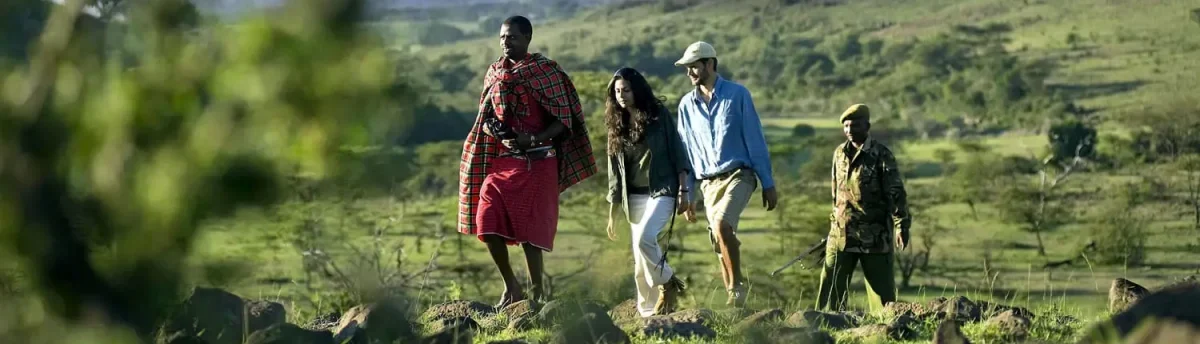
The role of guides within this framework is equally important. Skilled and knowledgeable guides are essential in promoting ethical behavior among tourists. They educate visitors regarding the importance of wildlife conservation, the significance of maintaining a safe distance from animals, and understanding the ecological balance of the environments they explore. Furthermore, a responsible guide acts as a liaison between the wildlife and tourists, ensuring that interactions remain respectful and that tourists adhere to guidelines that protect both the animals and their habitats. By fostering awareness and encouraging responsible interaction with wildlife, guides create a more enriching experience for tourists while promoting ethical standards in safari tourism.
Wildlife Encounters: Do’s and Don’ts
Engaging with wildlife during a safari in Kenya offers an unforgettable experience, but it is crucial to recognize that these encounters come with responsibilities. The following guidelines outline best practices to ensure respectful and ethical interactions with Kenya’s diverse fauna.
First and foremost, maintaining a safe distance from animals is essential. This practice not only protects the animals but also safeguards tourists. Animals can behave unpredictably when they feel threatened, and proximity can provoke stress or aggression. Observers should remain at least 25 meters away from most species, especially large mammals like elephants and lions. Always adhere to the instructions of your safari guide, who is trained to ensure both safety and responsible viewing.
Another critical aspect of responsible wildlife tourism is refraining from feeding the animals. While it might be tempting to offer food to gain a closer look or to attract wildlife, this behavior disrupts the natural foraging habits of animals and can lead to dependency on human food sources. This dependency can jeopardize their health and survival, ultimately upsetting the ecological balance.
Additionally, tourists should educate themselves on animal behavior before engaging in wildlife encounters. Understanding signs of stress or aggression can help avoid uncomfortable situations. For instance, animals showing signs of agitation, like raised hair, warning calls, or changing postures, signal that it is time to maintain distance. Beyond safety concerns, recognizing animal behavior deepens one’s appreciation for the complexities of wildlife and their habitats, fostering a sense of respect.
In conclusion, responsible wildlife tourism hinges on knowledge and respect for the living beings that share our planet. By adhering to these do’s and don’ts, tourists can participate in preserving the beauty of Kenya’s wildlife while creating enriching experiences for themselves and future generations.
Supporting Local Communities through Tourism
Safari tourism in Kenya plays a crucial role in supporting local communities, both economically and socially. As tourism continues to grow, it creates jobs and stimulates local economies. The presence of wildlife tourism generates income for residents, especially in rural areas where alternative employment opportunities may be limited. Parks and reserves rely heavily on entry fees and other tourism-related revenues, a significant portion of which is often reinvested into community development and infrastructure projects.
Moreover, responsible tourism practices encourage community engagement in conservation efforts. Local populations become stakeholders in preserving their natural heritage, recognizing that sustainable tourism can offer them both financial and ecological benefits. Programs designed to involve locals in wildlife conservation often lead to heightened awareness and appreciation of the ecosystem, fostering a sense of pride and responsibility towards safeguarding these natural resources.
One notable example of positive collaboration is seen in conservancies where local communities partner with tour operators to manage wildlife sustainably. In Kenya, initiatives such as the Maasai Mara Wildlife Conservancies have successfully merged economic development with conservation objectives. These conservancies allow communities to earn income through eco-tourism while simultaneously protecting vital habitats. This symbiotic relationship highlights how safari tourism can directly benefit local populations, ensuring they receive a share of the financial gains generated by wildlife tourism.
In light of these collaborations, it can be concluded that supporting local communities through responsible safari tourism not only enriches the visitor experience but also enhances the livelihoods of the Kenyan people. By choosing to engage with ethical tour operators who prioritize local involvement, travelers can contribute to sustainable development, ensuring that both Kenya’s wildlife and its communities thrive together.
The Role of Education in Safari Ethics
Education plays a crucial role in promoting ethical wildlife tourism, particularly within the context of safari experiences in Kenya. The significance of educating both safari guides and tourists cannot be overstated, as well-informed individuals are key players in fostering a culture of responsible wildlife viewing. Training programs for guides typically encompass comprehensive modules covering animal behavior, conservation efforts, and the principles of ethics in wildlife tourism. Guides who are equipped with this knowledge are more capable of imparting essential information to visitors, thereby enhancing the overall safari experience while ensuring that tourists understand the impact of their actions on wildlife and the environment.
For tourists, educational programs can significantly heighten awareness and appreciation for the unique ecosystems they visit. These programs often include pre-safari orientations, informational materials, and interactive sessions that emphasize the importance of respecting wildlife habitats, adhering to park regulations, and minimizing human impact on delicate environments. Tourists who engage in educational activities are not only more likely to comply with ethical guidelines but also inspire others to do the same. This ripple effect is vital, as informed tourists often share their experiences, thus promoting ethical tourism practices beyond their immediate circle.
Awareness campaigns surrounding conservation topics also play a pivotal role in the broader context of safari ethics. These initiatives can manifest as community talks, social media outreach, or partnerships with local NGOs dedicated to wildlife preservation. By elevating public consciousness regarding the challenges faced by wildlife and their habitats, such campaigns create a sense of urgency and responsibility among tourists. Ultimately, the cycle of education, awareness, and responsible behavior helps safeguard wildlife for future generations while enriching the experiences of those who partake in Kenya’s magnificent safari adventures.
Challenges Facing Ethical Safari Practices
The ethical safari industry in Kenya faces several significant challenges that threaten its sustainability and effectiveness. One prominent issue is over-tourism, which can dilute the very essence of an authentic safari experience. As more visitors flock to popular wildlife destinations, the influx often leads to environmental degradation, disturbed animal behavior, and increased stress on the local ecosystems. Crowded parks can inhibit wildlife from exhibiting natural behaviors and disrupt their migratory patterns, ultimately diminishing the experience for both tourists and the animals.
Furthermore, the problem of wildlife trafficking poses a severe threat to ethical tourism. Poaching remains a pervasive issue, fueled by demand for illegal wildlife products, leading to drastic declines in populations of iconic species such as elephants and rhinos. This not only jeopardizes biodiversity but also undermines conservation efforts, as local communities often rely on healthy animal populations for income through tourism. The illicit trade can significantly tarnish a region’s reputation as an ethical safari destination, making it crucial to address traffickers’ operations consistently.
Adding to these issues is the escalating impact of climate change on ecosystems. Variability in weather patterns disrupts habitats and species such as elephants, lions, and various bird species. Changing rainfall patterns can influence migration routes and food availability, posing a challenge for wildlife survival. As habitats continue to alter under the strain of climate change, the future viability of ethical safari practices is increasingly threatened. Ensuring ethical tourism must involve adaptive strategies that address these pressing challenges while promoting sustainable wildlife viewing principles.
Success Stories of Ethical Safaris in Kenya
Kenya is renowned for its majestic wildlife and breathtaking landscapes, but it is also home to numerous ethical safari initiatives that prioritize conservation and community engagement. One such success story is the Giraffe Centre, which focuses on the endangered Rothschild’s giraffe. Located near Nairobi, this center not only provides a sanctuary for these magnificent creatures but also participates in educational programs aimed at promoting conservation efforts. Visitors to the Giraffe Centre engage in feeding giraffes and learn about the significance of wildlife preservation, creating a profound impact on their perspectives towards wildlife tourism.
Another noteworthy example is the Elephant Watch Camp in Samburu. This eco-friendly lodge exemplifies the fusion of luxury and conservation. The camp is closely tied to the local Samburu community, with a percentage of the profits reinvested into community development projects. Guests can enjoy an immersive experience while contributing to the conservation of elephants and their habitats. By promoting awareness about the challenges faced by these animals, the camp fosters appreciation and respect for wildlife, effectively merging tourism with essential conservation efforts.
The Kenya Wildlife Service also collaborates with various tour operators to promote responsible wildlife tourism. This initiative focuses on ethical safari practices, ensuring that visitors adhere to guidelines that minimize their footprint on ecosystems. Such collaborations have led to the development of eco-friendly accommodations, supporting local businesses while prioritizing wildlife conservation.
These success stories highlight the positive impact of ethical safaris in Kenya. By ensuring that tourism benefits both the environment and local communities, these initiatives set a benchmark for wildlife tourism across the globe. As responsible tourism continues to gain momentum, examples like the Giraffe Centre and Elephant Watch Camp pave the way for a sustainable future in Kenya’s safari industry.
Conclusion: The Future of Ethical Safari Tourism in Kenya
In concluding our exploration of ethical safari tourism in Kenya, it is crucial to reflect on the key points that underscore the importance of responsible practices in wildlife tourism. Ethical safari experiences not only prioritize animal welfare and habitat conservation but also promote the well-being of local communities. By recognizing the necessity of sustainable tourism, we acknowledge that every individual—tourists, tour operators, and conservationists—has a significant role in shaping the future of wildlife tourism.
Tourists can actively contribute by choosing operators who are committed to ethical practices and by adhering to guidelines that promote safe and respectful interactions with wildlife. This includes maintaining a safe distance from animals, avoiding littering, and participating in conservation programs. By making informed choices, tourists can support eco-friendly initiatives that have a direct positive impact on the environment and local communities.
Tour operators, on the other hand, carry the responsibility to ensure their tours align with ethical standards. This involves training guides in responsible wildlife viewing techniques and investing in community-based tourism projects that empower locals. By fostering a connection between tourism and conservation, tour operators can help ensure that the benefits of wildlife tourism extend beyond profit, contributing significantly to habitat preservation efforts.
Moreover, conservationists play an essential role in advocating policies that protect wildlife and natural habitats. Their expertise is vital in guiding practices that ensure long-term sustainability. By collaborating with governments, local communities, and the tourism industry, conservationists can help bridge gaps between economic benefits and ecological preservations.
In summary, the ethical future of safari tourism in Kenya relies on a collective effort to prioritize wildlife conservation, empower local communities, and promote best practices among tourists and operators alike. As we move forward, a unified approach can lead to a sustainable relationship with Kenya’s remarkable wildlife, ensuring that future generations enjoy these incredible natural treasures.