Lake Nakuru National Park entrance fees | Guide by Adeli Kenya Safaris
Lake Nakuru National Park is one of Kenya’s premier safari destinations, renowned for its black and white rhinos, Rothschild’s giraffes, scenic Rift Valley landscapes, and seasonal flamingo populations. Located approximately 160 km (about 3 hours) from Nairobi, the park is managed by the Kenya Wildlife Service (KWS) and is classified as a Premium Park.
Discover the latest Lake Nakuru National Park entrance fees, including official KWS rates for East African citizens, Kenya residents, African citizens, and international visitors. Learn about payment methods, wildlife, the best time to visit, and expert safari tips from Adeli Kenya Safaris.
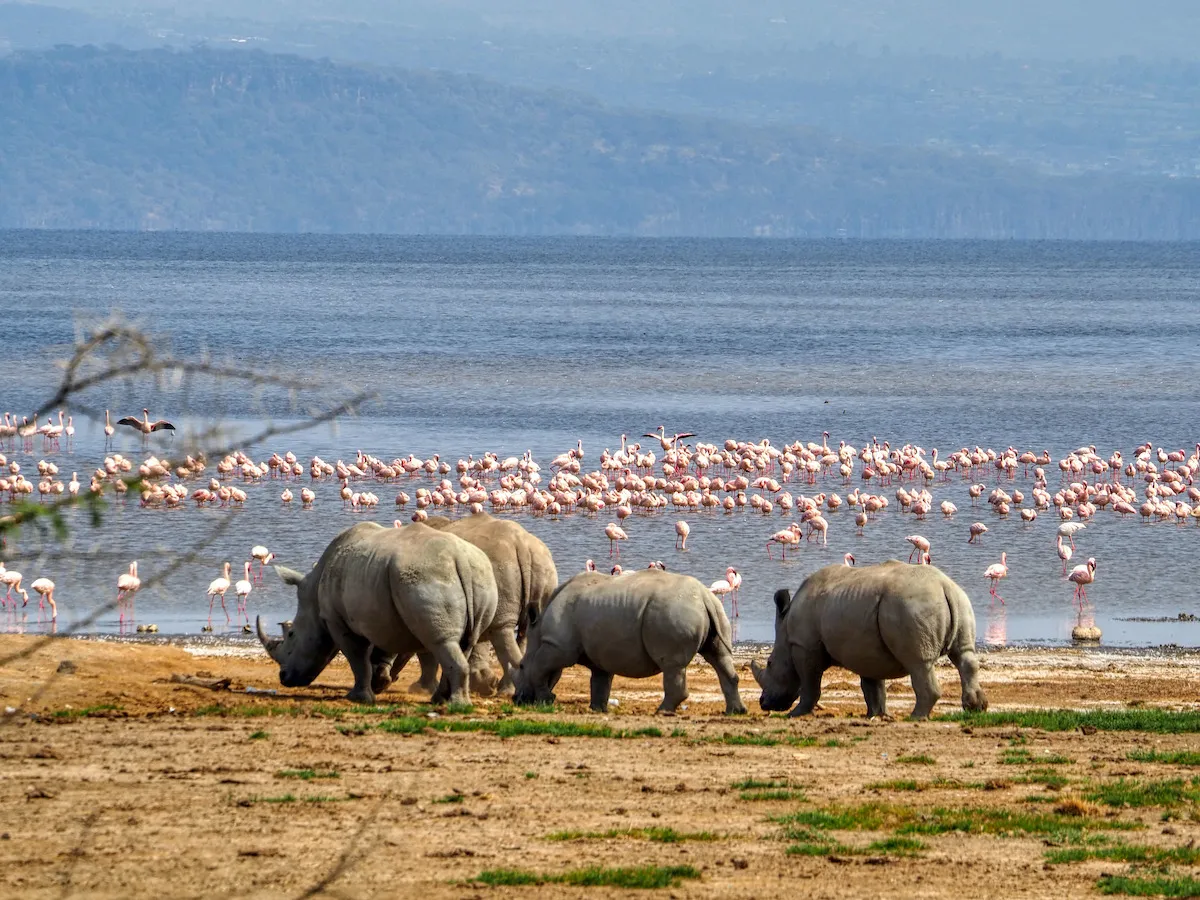
Lake Nakuru National Park Entry Fees (Per Person, Per 24 Hours)
| Visitor Category | Adult | Child / Student* |
|---|---|---|
| East African Citizen | KES 1,500 | KES 750 |
| Kenya Resident | KES 2,025 | KES 1,050 |
| African Citizen (Non-East African) | USD 50 | USD 25 |
| Non-Resident (International Visitor) | USD 90 | USD 45 |
*Children below 6 years enter free of charge. Student rates apply to eligible groups subject to KWS regulations.
What Does the Entry Fee Include?
Your conservation fee includes access to:
- Unlimited game drives during your 24-hour entry period
- Rhino sanctuary
- Baboon Cliff viewpoint
- Makalia Falls
- Wildlife viewing areas
- Picnic sites
- Birdwatching opportunities
Special activities such as camping or guided services may attract additional charges.

Payment Method
All park entry fees are cashless and must be paid through the official KWS eCitizen / KWSPay platform before or upon arrival. Visitors should carry the same identification documents used during booking.
Main Entrance Gates
Lake Nakuru National Park has several access points, including:
- Main Gate
- Lanet Gate
- Nderit Gate
Your tour operator or lodge will advise the most convenient gate based on your itinerary.
Best Time to Visit
| Season | Safari Experience |
|---|---|
| January–March | Excellent wildlife viewing and pleasant weather |
| June–October | Peak safari season with dry conditions and superb game viewing |
| April–May | Green season with lush scenery and fewer visitors |
| November–December | Excellent birdwatching and beautiful landscapes |
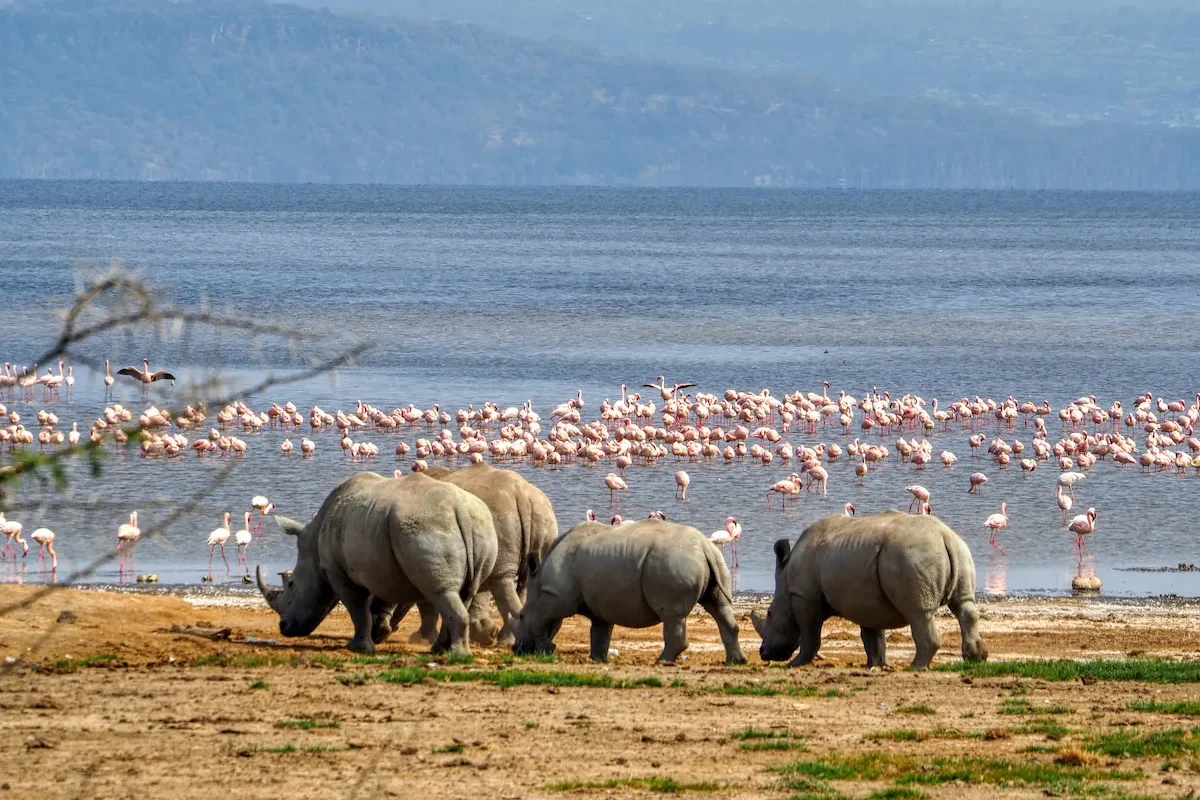
Although famous for flamingos, their numbers vary throughout the year depending on rainfall, lake water levels, and food availability. Rhinos, lions, buffaloes, giraffes, and other wildlife can be seen year-round.
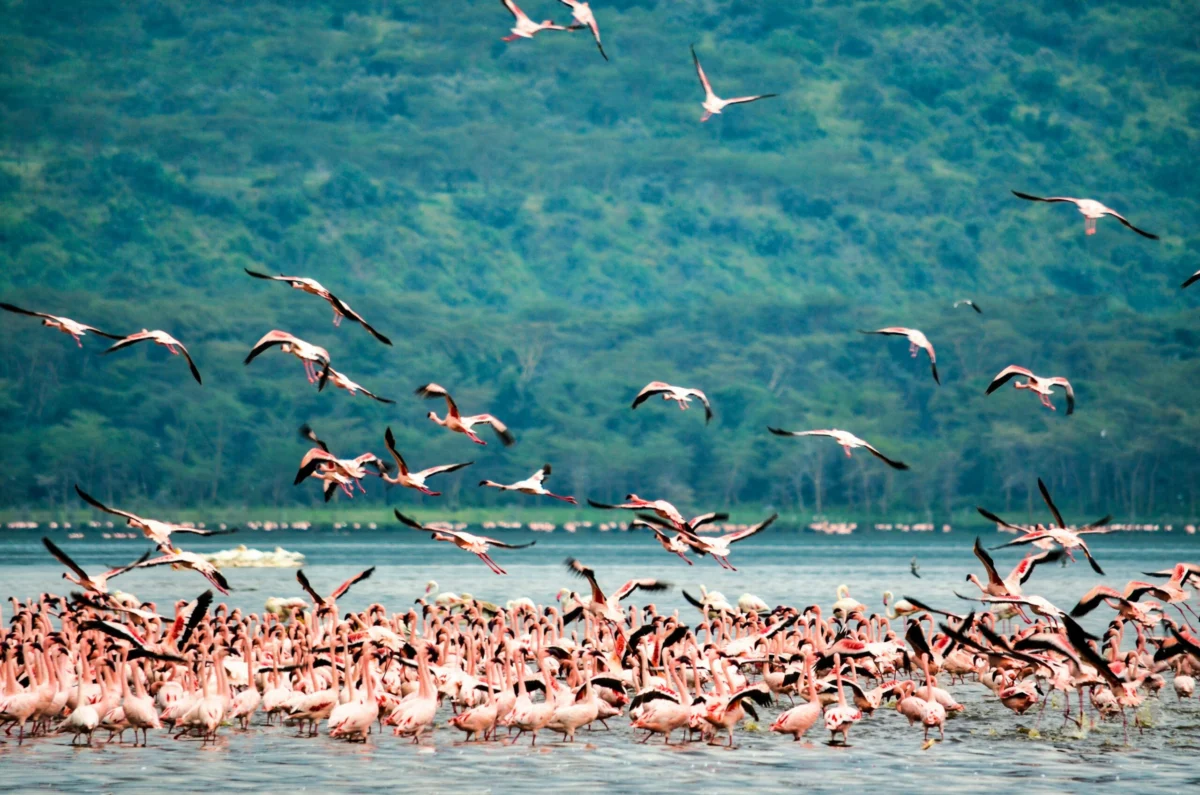
Wildlife You Can Expect to See
Lake Nakuru National Park is famous for:
- Black rhinos
- White rhinos
- Rothschild’s giraffes
- Lions
- Leopards
- Buffaloes
- Waterbucks
- Zebras
- Hippos
- Baboons
- Flamingos (seasonal)
- Pelicans
- More than 450 bird species
Safari Tips
- Arrive early (around 6:00 AM) for the best wildlife activity.
- Visit Baboon Cliff for panoramic views over the lake.
- Bring binoculars for birdwatching.
- A camera with a zoom lens is ideal for rhino and bird photography.
- Allow one full day to explore the park, though a half-day safari is also popular.

Frequently Asked Questions
1. How much is the Lake Nakuru National Park entrance fee for international visitors?
International (non-resident) visitors pay USD 90 per adult and USD 45 per child per 24 hours.
2. How much do Kenyan citizens pay?
East African citizens pay KES 1,500 per adult and KES 750 per child. Kenya residents pay KES 2,025 per adult and KES 1,050 per child.
3. Is Lake Nakuru worth visiting?
Absolutely. It is one of Kenya’s best parks for rhino sightings, Rothschild’s giraffes, and birdwatching, with beautiful Rift Valley scenery.
4. Are flamingos guaranteed?
No. Flamingo numbers fluctuate naturally with changes in water level, salinity, and algae availability, but the park remains an outstanding birding destination throughout the year.
5. Can I combine Lake Nakuru with other parks?
Yes. Lake Nakuru is commonly combined with Lake Naivasha, Masai Mara, Ol Pejeta Conservancy, or Amboseli National Park on multi-day Kenya safari itineraries.