Introduction to Kenya Safaris
Kenya, renowned for its spectacular wildlife and majestic landscapes, offers an unparalleled experience for travelers seeking adventure. The allure of Kenya safaris draws millions of visitors each year, making it one of the premier safari destinations globally. A safari in Kenya provides an opportunity to witness the legendary Big Five – lions, leopards, elephants, buffalos, and rhinoceros – in their magnificent natural habitats, an encounter that remains etched in the memories of many.
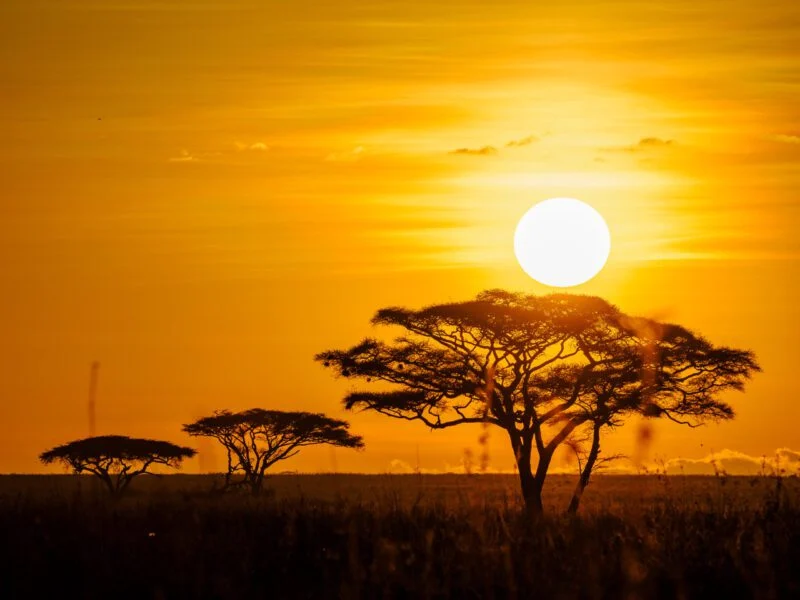
Beyond the iconic wildlife, the diverse landscapes of Kenya range from the expansive savannahs of the Maasai Mara to the breathtaking vistas of Mount Kenya and the pristine beaches along the coastline. Each region boasts its unique ecosystem, facilitating vibrant wildlife sightings and stunning scenery. Travelers can immerse themselves in these idyllic surroundings and experience nature in its purest form.
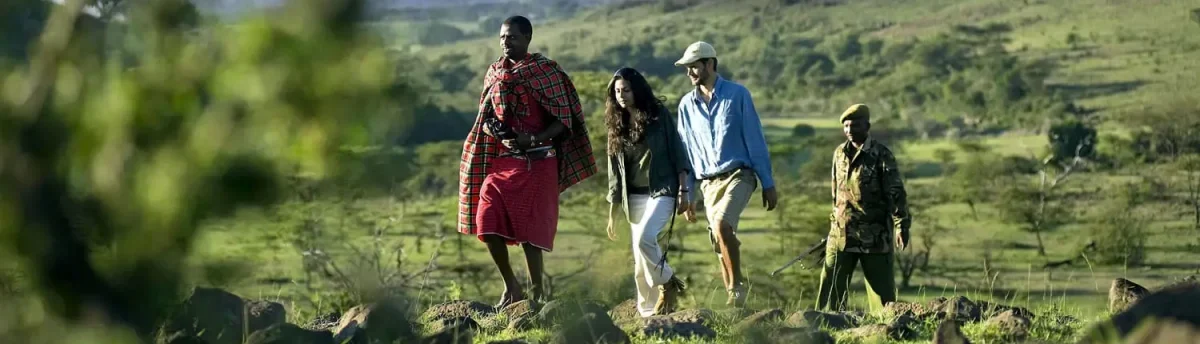
Moreover, Kenya’s rich cultural heritage enhances the safari experience. The country is home to numerous indigenous tribes, including the Maasai and Samburu, whose histories and traditions offer fascinating insights into the local way of life. Engaging with local communities allows travelers to broaden their understanding of the country, contributing to a more profound appreciation for the significance of conservation and cultural preservation.
The appeal of Kenya safaris extends not only to wildlife enthusiasts but also to photographers, hikers, and anyone in search of adventure and exploration. With competitive tour packages available, American travelers can find opportunities that cater to various interests and budgets, making it accessible for all who yearn for an unforgettable journey.
Why Choose Kenya for Your Safari Experience?
Kenya stands out as a premier safari destination, celebrated for its breathtaking landscapes and rich biodiversity. One of the most compelling reasons to visit Kenya is the opportunity to witness the famed Big Five: lions, leopards, elephants, buffaloes, and rhinoceroses. These iconic creatures inhabit the country’s diverse ecosystems including savannas, mountains, forests, and lakes, making every safari in Kenya a unique and memorable experience.
Moreover, the combination of Kenya’s ecosystems offers an extraordinary variety of wildlife. From the vast plains of the Maasai Mara to the arid beauty of Tsavo National Park, each region presents distinct opportunities for wildlife viewing. Travelers can observe not just the Big Five but also an impressive array of other species, such as giraffes, zebras, and countless bird species, which flourishes in these different habitats.
Another advantageous aspect of choosing Kenya for a safari is the variety of safari packages available. Whether one seeks an economical adventure or a luxurious retreat, Kenya accommodates all preferences and budgets. From comfortable tented camps to high-end lodges with an array of amenities, safari options abound, making it accessible for every traveler.
Additionally, visitors can partake in a myriad of activities beyond traditional game drives. Hot air balloon rides, walking safaris, and cultural experiences with local tribes allow for a more immersive understanding of Kenya’s environment and heritage. It is important to note that Kenya is committed to conservation efforts, actively working to protect wildlife habitats and promote sustainable tourism, making a visit to Kenya not only enjoyable but also responsible.
Best Time to Go on Safari in Kenya
Kenya boasts diverse ecosystems, captivating wildlife, and unique weather patterns, making the timing of a safari crucial for an enriched experience. The best time to go on safari in Kenya often aligns with the dry seasons, specifically from late June to October. These months not only provide favorable weather conditions but also coincide with the Great Migration, one of nature’s most spectacular events. During this monumental journey, approximately two million wildebeest, along with a significant number of zebras and other antelopes, traverse from the Serengeti in Tanzania to the Maasai Mara in search of greener pastures.
The Great Migration peaks around July and August, drawing travelers eager to witness this extraordinary spectacle. Observers can witness thrilling river crossings and predation events as various wildlife species congregate near watering holes. Besides thrilling game drives, the drier weather offers clearer skies, which enhances opportunities for photography and visibility of landscape beauty.
Contrastingly, the wet seasons, ranging from November to May, provide a different setting. While the landscapes transform into lush greenery and flowers bloom, heavy rainfall can hinder game activities and limit accessibility to certain areas. However, there are benefits to visiting during the low tourist seasons, including fewer crowds and potential savings on accommodation. Birdwatching enthusiasts may also find this period particularly rewarding, as migratory bird species flock to Kenya.
Ultimately, the best time to go on safari in Kenya depends on individual preferences and interests. Whether it is the allure of the Great Migration or the tranquility of the wet seasons, potential travelers should carefully consider their travel dates to experience Kenya’s unparalleled wildlife and scenic beauty to the fullest.
Planning Your Safari: Choosing the Right Tour Package
When considering a safari adventure in Kenya, selecting the appropriate tour package is imperative to ensure an enjoyable experience. The variety of options available can be overwhelming; however, understanding a few key factors can streamline your decision-making process. One of the primary considerations is the length of the trip. Safaris can range from brief guided tours lasting only a few days to extensive journeys spanning multiple weeks. Determining the duration that aligns with both your schedule and interests is essential.
Next, consider the style of safari that suits your preferences. Travelers can choose between group safaris, where participants share the experience with others, or private safaris, which offer a more personalized and intimate setting. Group safaris tend to be more economical and provide an opportunity to meet new people, while private safaris offer flexibility in itinerary and exclusive attention from the guide.
Accommodations also play a crucial role in your safari experience. Options can range from luxury lodges and tented camps to budget-friendly hotels. Examine what type of lodging aligns with your expectations and budget. Some packages include all meals, while others might only cover breakfast. Hence, it’s essential to review what’s offered in terms of food and beverage inclusions, which can significantly impact your overall experience.
Lastly, take note of the various activities and excursions included in the safari package. Wildlife viewing, cultural experiences, and adventure activities should be considered within the itinerary. Ensure that the activities align with your interests and that the package offers a well-rounded experience. By thoughtfully contemplating these aspects—length of trip, type of safari, accommodations, and inclusions—travelers can confidently choose a tour package that meets their safari aspirations.
Travel Requirements for Americans Visiting Kenya
Traveling to Kenya from the USA involves several important steps to ensure a smooth and enjoyable safari experience. One of the primary requirements is obtaining a visa. American citizens can apply for an e-visa online, which allows for single-entry access for tourism purposes. The application process is straightforward; travelers must complete an online form, upload a passport-sized photo, and pay the visa fee. It is advisable to apply for this visa at least a week before travel, as it can take some time to process.
Health precautions are another crucial aspect of preparing for a trip to Kenya. It is recommended that visitors check current vaccination requirements. The Yellow Fever vaccination is mandatory for entry, especially if you are arriving from a country with a risk of transmission. Additionally, vaccinations for Hepatitis A and Typhoid are advised, given that they can be contracted through contaminated food and water. Travelers should also consider taking anti-malarial medication as a preventive measure since malaria is present in various regions of Kenya.
Furthermore, ensuring adequate health insurance that covers international travel is essential. This coverage should include emergency medical services, as healthcare facilities in rural areas may be limited. American travelers might also want to pack a basic medical kit consisting of medications for common ailments such as headaches, stomach issues, and potential insect bites.
When visiting Kenya, it is wise to familiarize yourself with local customs and laws. Understanding cultural sensitivities can enhance your experience and ensure respectful engagement with locals. Lastly, always keeping personal documents, such as your passport and visa, in a safe location will help avoid any potential hassles during your adventure.
What to Expect on a Kenya Safari
Embarking on a Kenya safari offers a unique and unforgettable experience, immersing travelers in the breathtaking wildlife and stunning landscapes of the African savanna. One of the primary components of a Kenya safari is the game drives. These excursions are typically conducted in specially designed 4×4 vehicles, which allow travelers to navigate various terrains while offering optimum visibility of wildlife. The game drives are often conducted during early morning or late afternoon to maximize sightings, as many animals are more active during these cooler parts of the day.
During the safari, travelers can expect to encounter a diverse range of animals, including the famous Big Five: lions, leopards, elephants, buffaloes, and rhinoceroses. Each drive provides an opportunity to observe these majestic creatures in their natural habitat, highlighting the importance of wildlife conservation. Guides play a crucial role in enhancing the safari experience; they are knowledgeable about animal behavior and the ecosystem, and they provide valuable insights and context that deepen travelers’ understanding of the environment.
Interactions with local guides and safari operators may also provide insights into the culture and traditions of local communities. Many guides are local residents with a deep understanding of the flora and fauna, making their perspectives uniquely enriching. Additionally, travelers should prepare themselves mentally and physically for the adventure ahead. This includes packing appropriate clothing, staying hydrated, and being ready for varying weather conditions in the bush.
Moreover, while the thrill of spotting wildlife is a highlight, it is essential to approach each sighting and encounter with respect for nature. Following the guidance of your safari operator ensures not only safety but also the preservation of the wildlife habitat. Whether it’s a serene moment observing a herd of elephants or a thrilling chase between predator and prey, each aspect of a Kenyan safari promises unparalleled experiences that resonate long after the journey has ended.
Cultural Experiences: Engaging with Local Communities
Engaging with local tribes, especially iconic groups like the Maasai, forms an integral part of a holistic Kenya safari experience. By participating in cultural visits, travelers can immerse themselves in the rich traditions and lifestyles of these communities. This engagement offers not only a glimpse into their daily life but also an opportunity for visitors to learn about age-old customs that have been preserved over generations.
One of the most captivating aspects of such encounters is the opportunity to witness traditional dances and ceremonies. The Maasai, renowned for their vibrant attire and unique dance rituals, welcome visitors to experience their music and movement, which are intertwined with their cultural identity. These performances are not just entertaining; they convey stories of their heritage, environmental stewardship, and communal values, enhancing the overall safari narrative.
Moreover, supporting local artisans is another significant dimension of cultural engagement during a Kenya safari. Visitors have the chance to purchase handmade crafts that reflect the creativity and skills of the local people, from beautifully crafted beadwork to intricately designed carvings. Such transactions are pivotal in promoting sustainable tourism, as they directly benefit the communities. This practice encourages economic empowerment, allowing local tribes to maintain their traditions while adapting to the evolving landscape of tourism.
In summary, embracing cultural experiences not only enriches a safari adventure but also fosters a deeper understanding and respect for the traditions of Kenya’s indigenous communities. Engaging with the Maasai and other tribes creates lasting memories and positively impacts local societies, making each safari a journey of both exploration and connection.
Packing Essentials for Your Kenya Safari
Preparations for a Kenya safari should be meticulous, as the adventure promises diverse landscapes and wildlife experiences. Starting with clothing, it is advisable to opt for lightweight, breathable fabrics that provide comfort while protecting against the sun. Neutral-colored clothing is preferred, as bright colors may scare away animals. Long-sleeved shirts and pants are helpful for protection against insect bites, particularly during evening hours.
Next, proper footwear cannot be overlooked. Sturdy, comfortable walking shoes are essential for navigating the varied terrains, while sandals can offer relief during downtime. Packing a wide-brimmed hat and polarized sunglasses is recommended to combat the bright sunlight typical of the region.
Health supplies are equally crucial for any safari-goer. Travelers should consult with a healthcare provider about necessary vaccinations and medications for diseases such as malaria. A basic first-aid kit, containing essentials like band-aids, antiseptic wipes, and insect repellent, will help address minor health issues during your journey. Additionally, a personal supply of any prescription medications should be packed, alongside travel insurance details for peace of mind.
It is also beneficial to bring photography gear, like a good-quality camera with zoom lenses, to capture memories of the incredible wildlife. Spare batteries and memory cards are practical items to include, as safari days can be long, and you wouldn’t want to miss any moment due to a lack of power or storage. Lastly, ensure to pack a durable daypack for carrying your essentials while on excursions. By following these guidelines, travelers can be well-prepared for a memorable experience exploring the breathtaking landscapes of Kenya.
Your Safari Awaits
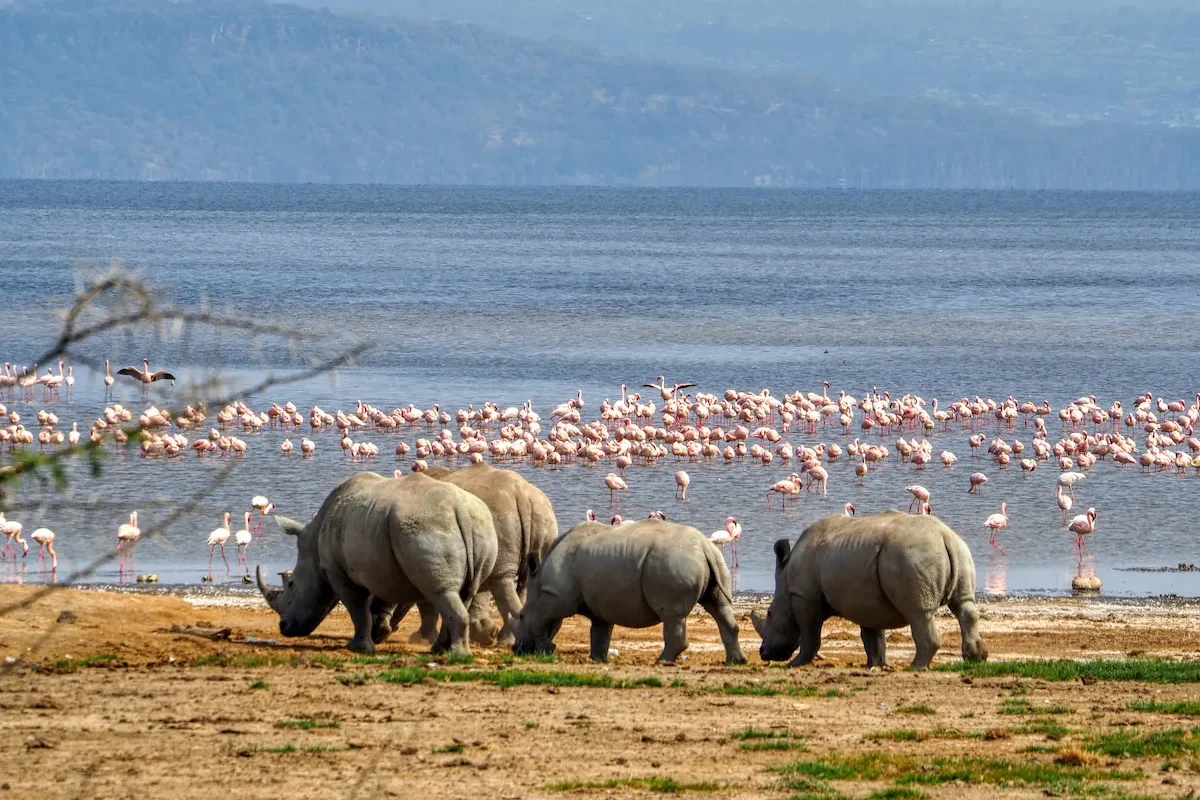
After exploring the diverse landscapes and rich wildlife that characterize Kenya, it becomes evident that a safari is not just a trip; it is an adventure of a lifetime. As you consider embarking on this journey from the USA, remember that every moment spent in the heart of Africa holds the potential for memorable experiences. From the vast savannahs of the Maasai Mara to the serene shores of Lake Nakuru, each destination offers a unique glimpse into the wonders of nature and diverse cultures.
Traveling to Kenya provides opportunities for thrilling activities such as game drives, hot air balloon rides, and cultural interactions with indigenous communities. Each experience enriches your understanding of this beautiful country, allowing for personal growth and a deeper appreciation of wildlife conservation efforts. Therefore, making the decision to book your Kenya safari is not just about witnessing the “Big Five” but embracing a rich tapestry of life and ecosystems.
To ensure a successful trip, consider a few key tips: Research well into the local wildlife seasons for optimal viewing opportunities, familiarize yourself with your travel options and itineraries, and consult with experienced travel agents who specialize in Kenyan safaris. Moreover, preparing for the climate and understanding essential health precautions can enhance your overall experience.
In conclusion, the allure of a Kenyan safari from the USA is undeniably captivating. It invites adventurers, nature lovers, and cultural enthusiasts alike to immerse themselves in a once-in-a-lifetime journey. As you take the plunge, rest assured that Kenya awaits you with open arms, ready to share its secrets and breathtaking views. Your adventure is just a booking away.