Introduction to Amboseli National Park
Amboseli National Park, located in southern Kenya, is renowned for its stunning landscapes and rich biodiversity. Nestled at the foot of the majestic Mount Kilimanjaro, the park covers an area of approximately 392 square kilometers, making it an essential destination for nature lovers and wildlife enthusiasts alike. Its close proximity to the Tanzanian border adds to its allure, as visitors can enjoy breathtaking views of Africa’s highest peak throughout their journey in the park.
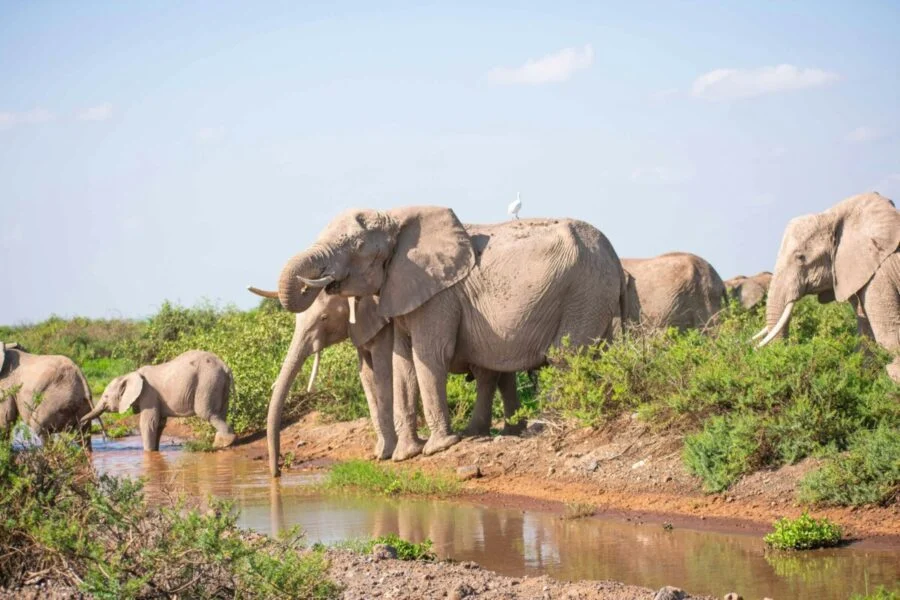
The significance of Amboseli National Park cannot be overstated. It is recognized as one of the premier wildlife observation areas in the world, primarily due to the impeccable and diverse population of animals that can be found within its borders. The park is home to elephants, which are often seen wandering the plains in family groups. These gentle giants are iconic symbols of Amboseli, serving as a major draw for tourists. Furthermore, visitors can witness a variety of other wildlife, including giraffes, zebras, wildebeests, and a myriad of bird species, making it an ornithologist’s paradise.
Upon arrival at Amboseli, guests can expect not only stunning wildlife encounters but also the opportunity to immerse themselves in the rich culture of the local Maasai communities. The vibrant culture, combined with the park’s extraordinary natural beauty, creates a multifaceted experience that is both educational and exhilarating. Guests can explore the diverse habitats, including swamps, savannahs, and lakes, often transporting them into a world where the harmony of nature and wildlife coexist. The combination of Mount Kilimanjaro’s dramatic backdrop with the wide-open vistas of the park creates an unforgettable atmosphere, promising a unique adventure in the heart of Kenya.
Understanding Kitirua Conservancy

Kitirua Conservancy is a vital ecological area located adjacent to the renowned Amboseli National Park in Kenya. Established as a private wildlife conservancy, its primary purpose is to promote wildlife conservation while simultaneously fostering sustainable development within the local communities. Comprised of diverse landscapes, including savannah grasslands and acacia woodlands, Kitirua plays a crucial role in enhancing the region’s biodiversity and providing habitat for various species, including elephants, lions, and numerous bird species.
The essence of Kitirua Conservancy lies in its commitment to preserving natural resources while empowering local communities. By creating a buffer zone between wildlife and human settlements, the conservancy helps mitigate human-wildlife conflicts that often arise in areas with significant wildlife populations. Furthermore, it serves as a refuge for animals migrating from Amboseli, thereby supporting important ecological processes and maintaining healthy populations of diverse wildlife.
One of the remarkable benefits of conservancies like Kitirua is the direct involvement of local communities in wildlife conservation efforts. These conservancies often implement programs that link tourism revenues with community development initiatives, providing residents with revenue that can be earmarked for education, health, and infrastructure improvements. Consequently, community members become stakeholders in conservation, fostering a sense of ownership and responsibility toward the protection of their natural environment.
Moreover, the conservancy facilitates ecotourism, which generates additional income and employment opportunities for locals. Tourists visiting Kitirua can participate in guided safaris, cultural exchanges, and educational programs, allowing them to appreciate the rich wildlife and cultural heritage of the area while supporting the ongoing conservation efforts. The integration of conservation and community welfare is fundamental to ensuring the longevity and stability of both the wildlife and the people who coexist in this magnificent ecosystem.
Wildlife Experiences in Kitirua
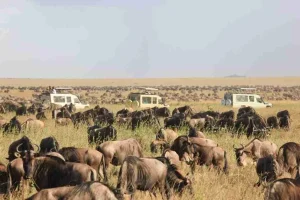
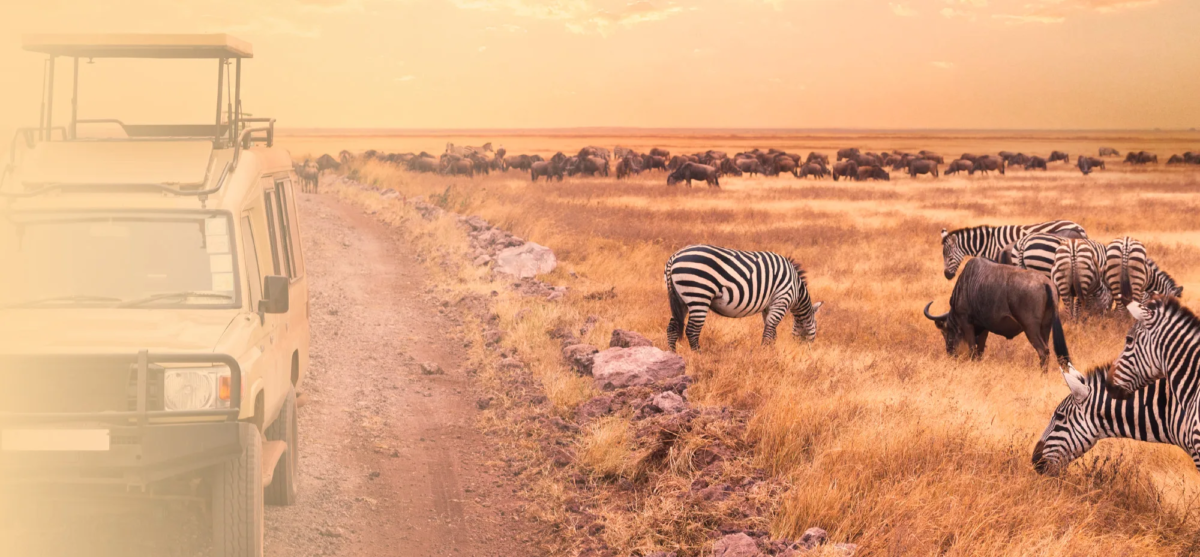
The Kitirua Conservancy, nestled adjacent to Amboseli National Park, offers a rich tapestry of wildlife experiences that delight both nature lovers and photography enthusiasts. Notably, this area is renowned for its large populations of elephants, which can often be seen wandering majestically through the acacia woodlands and savannahs. Additionally, the conservancy plays host to impressive herds of wildebeests, particularly during the migratory season, attracting visitors eager to witness this natural spectacle.
Birdwatching is another highlight within Kitirua, with over 400 species of birds identified in the region. Observers can expect to see striking species, such as the African Fish Eagle and numerous weavers showcasing their vibrant plumage. The diversity of habitats in the conservancy means that bird enthusiasts can view a variety of avian life in different settings, from wetlands to open grasslands.
The best time for wildlife viewing in Kitirua typically aligns with the dry season, spanning from June to October. During these months, animals congregate around water sources, making sightings more frequent and predictable. Moreover, the reduced vegetation during this period also provides clearer views of the wildlife. In contrast, the wet season from November to April brings lush landscapes and a burst of activity, although animal visibility may be significantly hindered by the dense foliage.
For photography enthusiasts, capturing the dynamic interactions of wildlife is paramount. Ideal times to photograph are during the golden hours of sunrise and sunset when soft light enhances the natural beauty of the scenery. Utilizing longer lenses can help frame distant subjects, while patience in waiting for the perfect moment can yield stunning images of elephants at play or birds engaging in their daily routines. Overall, Kitirua Conservancy promises an exceptional wildlife experience that combines the thrill of observation with the joy of photography.
Cultural Encounters with Local Communities
Exploring the Kitirua Conservancy in Amboseli offers visitors a unique opportunity to engage with the local Maasai communities, renowned for their rich cultural heritage and traditions. In this region, cultural encounters are not merely activities; they are meaningful interactions that provide insights into the customs and daily lives of the Maasai people.
One of the most engaging experiences is witnessing traditional Maasai dances, which are often performed during community gatherings or special events. These dances are accompanied by distinctive attire and lively songs, reflecting the Maasai’s connection to their history and beliefs. Visitors can even participate in these dances, allowing for a deeper appreciation of the cultural significance behind the movements and rhythms.
In addition to dance, the Maasai are skilled artisans, creating various crafts that celebrate their heritage. From beaded jewelry to intricately woven baskets, visitors can explore local markets where artisans display their work. Purchasing these crafts not only supports the livelihoods of the Maasai but also helps preserve their traditions, as many crafts incorporate traditional techniques that have been passed down through generations.
The significance of Maasai customs also extends to their approach to conservation. The Maasai have long understood the importance of preserving the environment and the wildlife that inhabits it. Engaging with the community provides visitors with insights into how these conservation efforts are interwoven with traditional practices, illustrating the collaborative relationship between local culture and environmental sustainability. Through educational initiatives, the Maasai share knowledge about their ecological practices, highlighting their role as stewards of the land.
Cultural interactions in the Kitirua Conservancy create lasting memories and foster respect between visitors and the Maasai communities. By participating in their traditions, from dance to craft-making and environmental management, visitors gain a fuller understanding of the Maasai’s unique identity and their vital contributions to conservation in the region.
Adventurous Activities in Kitirua
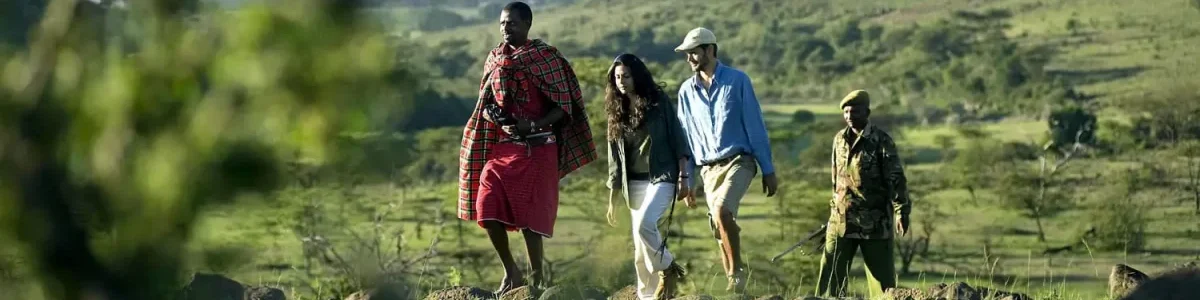
Kitirua Conservancy, nestled within the expansive Amboseli ecosystem, offers a wide range of adventurous activities that cater to nature enthusiasts and thrill-seekers alike. One of the most engaging ways to experience the rich wildlife diversity is through guided safari walks. These walks provide visitors with the rare opportunity to immerse themselves in the natural surroundings while learning about the flora and fauna from knowledgeable guides.
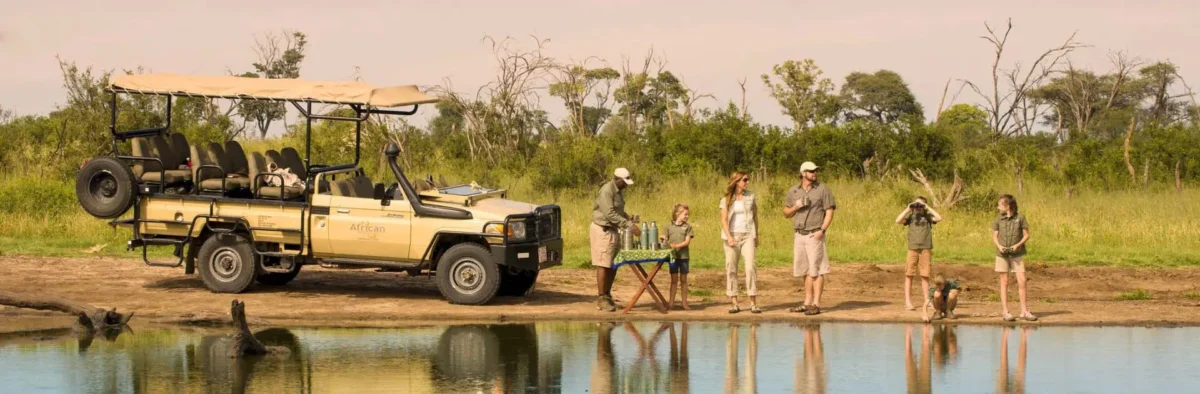
Game drives are another popular activity in Kitirua, allowing guests to traverse the vast landscapes in comfortable vehicles. Early morning and late afternoon drives tend to yield the best sightings of wildlife, particularly when animals are most active. Visitors can expect to see elephants, lions, zebras, and many other species in their natural habitat, making this experience a highlight of any trip to the conservancy.
For those seeking a unique perspective, horseback riding is an exhilarating way to explore the terrain. This activity not only offers the chance to cover more ground but also allows riders to approach wildlife gently, avoiding startling them. Many local guides are experienced in providing safe and enjoyable rides, regardless of one’s skill level.
Additionally, birdwatching in Kitirua is a rewarding endeavor for avian enthusiasts. The conservancy is home to an impressive variety of bird species, making it an ideal location for both beginner and experienced birdwatchers. Bringing along a pair of binoculars and a field guide can significantly enhance the experience, enabling visitors to identify and appreciate the diverse array of birdlife.
To maximize these experiences, it is advised to plan excursions during the early hours of the morning or late afternoons when wildlife is most active. Also, ensuring proper attire and being respectful of wildlife are key to making the most of outdoor adventures in Kitirua Conservancy.
Accommodations and Lodging Options
When visiting the Kitirua Conservancy in Amboseli, travelers are presented with a variety of accommodation options that cater to different preferences and budgets. Ranging from luxury lodges to budget-friendly campsites, each option provides unique experiences in the heart of nature.
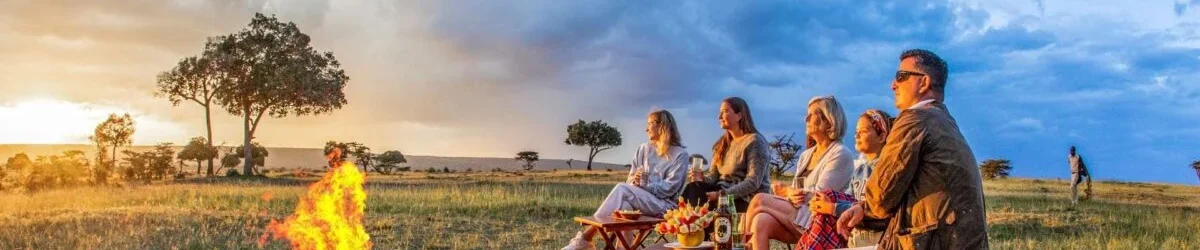
For those seeking a lavish stay, there are several high-end lodges located within and around the conservancy. These facilities often feature spacious tents or suites with stunning views of Mount Kilimanjaro, and amenities such as private baths, gourmet dining, and personalized service. Luxurious lodges, like the renowned Amboseli Serena Safari Lodge, offer seamless access to game drives, ensuring that guests can fully immerse themselves in the African wildlife experience. However, it is essential to note that this luxury comes at a higher price point, which may not be viable for all travelers.
On the other hand, budget-conscious visitors can explore various campsites and guesthouses that offer a more rustic experience. Options like Kiboko Camp provide simple accommodations that include communal showers and shared dining areas, fostering a sense of camaraderie among guests. Staying in budget-friendly choices allows for a closer connection with the natural environment and can be a more authentic experience, though it may compromise some comforts found in higher-end accommodations.
In conclusion, choosing the right accommodation in Kitirua Conservancy largely depends on individual preferences and travel budgets. Luxury lodges cater to those desiring comfort and extensive amenities, whereas budget options allow for a more simplistic yet engaging interaction with the surrounding wildlife and landscapes. Ultimately, travelers should prioritize their needs and expectations to select the perfect lodging for their Amboseli adventure.
Best Time to Visit Amboseli and Kitirua
When planning a visit to Amboseli National Park and the adjacent Kitirua Conservancy, understanding the seasonal climate is vital to maximizing the experience. Amboseli is renowned for its breathtaking landscapes and rich wildlife, particularly large herds of elephants. The best times to explore this iconic region are typically during the dry seasons, which span from June to October and January to February.
The dry months provide optimal conditions for wildlife viewing. During these periods, the vegetation is less dense, and animals congregate around water sources, making sightings more common. In Amboseli, the iconic views of Kilimanjaro are also most visible during the dry season, enhancing the photographic opportunities available to travelers.
However, it is essential to note that the peak tourist seasons coincide with these dry months, particularly from July to September. During this period, accommodations may be in high demand, and park fees may also increase. To avoid the larger crowds while still enjoying favorable weather, consider visiting in late October or early February.
For visitors interested in experiencing local culture, timing their trip to coincide with specific festivals can enhance the experience. For instance, the annual Maasai cultural events often occur in the dry season, allowing for interaction with local tribes and a deeper understanding of their traditions.
In conclusion, the dry seasons from June to October and January to February are generally the best times to explore Amboseli and Kitirua for wildlife and weather conditions. Nevertheless, careful consideration of peak tourist times and local events can further enrich the visit, providing opportunities for both wildlife encounters and cultural immersion.
Conservation Efforts and Community Initiatives
Amboseli National Park, renowned for its spectacular scenery and thriving wildlife, has seen numerous conservation initiatives aimed at preserving its natural resources. In recent years, anti-poaching efforts have intensified, focusing on protecting iconic species such as elephants and rhinos from illegal hunting and trafficking. These initiatives are supported by both governmental and non-governmental organizations, who collaborate to implement sustainable practices that deter poaching and promote wildlife conservation.
One of the notable conservation strategies involves employing local communities to safeguard their natural heritage. The Kitirua Conservancy, encircling Amboseli, has established programs that empower local residents to actively participate in the protection of their environment. These community-based initiatives not only provide employment through anti-poaching patrols but also educate locals about the ecological significance of protecting their wildlife and habitats.
In addition to anti-poaching efforts, eco-tourism projects play a crucial role in conservation in Amboseli. By encouraging responsible tourism, these projects help generate income and support conservation activities. Tourists visiting the Kitirua Conservancy contribute to the local economy while simultaneously helping to fund wildlife protection initiatives. The presence of visitors educates tourists about the importance of biodiversity and promotes a culture of conservation.
Moreover, local community involvement is essential in ensuring the success of these initiatives. Residents are encouraged to share their knowledge and experiences, creating a bridge between conservation efforts and sustainable livelihood. Through capacity-building workshops and joint ventures between the community and eco-tourism operators, the people of Kitirua are taking ownership of their environment and ensuring its preservation for future generations.
Visitors to Amboseli can contribute to these ongoing efforts by participating in eco-friendly tourism practices, such as supporting lodges and tours that prioritize conservation. By being mindful of their environmental impact and engaging in responsible travel, they become part of a larger mission to safeguard Amboseli’s unique ecosystem.
Conclusion: The Importance of Responsible Tourism
As travelers explore the breathtaking landscapes and rich biodiversity of Amboseli and the Kitirua Conservancy, it is essential to understand the vital role that responsible tourism plays in the preservation of these exceptional regions. Responsible tourism refers to practices that minimize the environmental impact of travel while maximizing its positive contributions to local communities and wildlife conservation efforts.
In Amboseli, home to diverse wildlife including elephants, lions, and numerous bird species, tourism can significantly influence conservation outcomes. Engaging in responsible tourism practices ensures that visitors contribute to the protection of these species and their habitats. This can be achieved by choosing eco-friendly accommodations, participating in guided tours led by local residents, and supporting conservation initiatives that promote sustainable wildlife management. By doing so, tourists can directly contribute to the funding of local conservation programs, which ultimately lead to improved biodiversity and environmental health.
Moreover, responsible tourism fosters community engagement and empowerment. When travelers prioritize local guides and businesses, they help stimulate the local economy. This engagement enables communities to actively participate in conservation strategies, knowing that the sustainability of their livelihoods is intertwined with the preservation of their natural surroundings. By advocating for practices such as waste reduction, water conservation, and the respectful treatment of wildlife, visitors can take part in a larger effort to maintain the delicate balance between tourism and conservation.
Ultimately, as visitors discover the wonders of Amboseli and the Kitirua Conservancy, they have the opportunity to become stewards of the environment. Embracing responsible tourism is not merely a choice but a commitment to ensuring that these unique ecosystems can thrive for future generations. By making conscious decisions and encouraging others to do the same, tourists can play a pivotal role in both wildlife preservation and the upliftment of local communities, forging a sustainable path forward for Amboseli.