Introduction to Nairobi’s Culinary Scene
Nairobi stands as a vibrant metropolis that encapsulates a rich tapestry of culinary traditions, reflecting both its cultural diversity and historical significance. The city is a melting pot where various influences intertwine, ranging from indigenous dishes to international cuisines, making its culinary landscape truly unique. Tourists visiting Nairobi are encouraged to delve into its food scene, which offers a delightful exploration of flavors and textures.
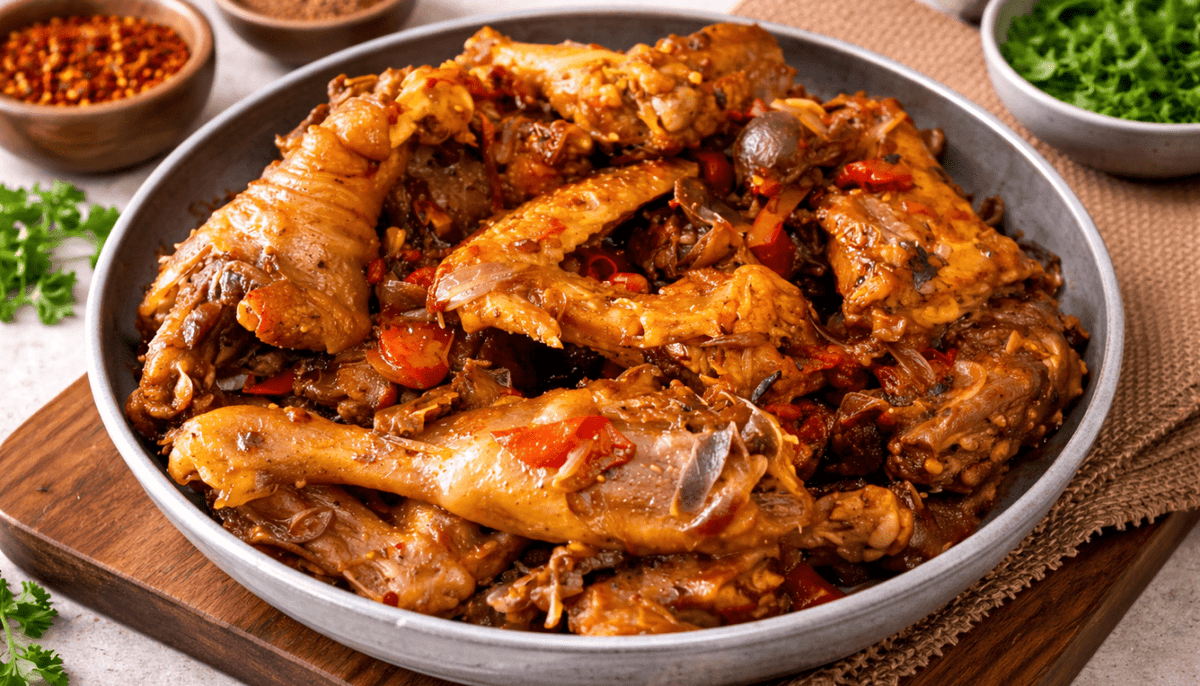
Local cuisine in Nairobi is deeply rooted in indigenous practices, which are often characterized by staple ingredients such as maize, beans, and fresh vegetables. Dishes like ugali (a maize porridge) and sukuma wiki (collard greens) are essential to the dining experience and are often found in households and restaurants alike. Additionally, the city boasts an array of street food vendors that present quick, affordable options laden with flavor. Street corners come alive with vendors selling samosas, kebabs, and mandazi (fried dough), providing a taste of genuine Nairobi life.
In contrast to these grassroots offerings, Nairobi’s high-end dining establishments showcase the evolution of culinary practices, often incorporating global cuisines while still honoring local ingredients. These restaurants frequently serve exquisitely crafted dishes, blending traditional flavors with contemporary techniques, providing a remarkable dining experience.
Sampling local cuisine is not only a testament to Nairobi’s rich gastronomic heritage but also a window into the lives and cultures of its people. For tourists, engaging with the culinary scene—from bustling markets to upscale eateries—is a compelling way to connect with the city’s essence. Embracing Nairobi’s diverse food culture is essential for a well-rounded travel experience, allowing visitors to savor the flavors that define this captivating African capital.
Traditional Kenyan Dishes to Experience
Kenya boasts a rich culinary heritage that reflects its diverse cultures and ethnic groups. Tourists visiting Nairobi should not miss these traditional dishes, which are staples of Kenyan cuisine and hold deep cultural significance.
One of the most iconic dishes is ugali. Ugali is a dense maize flour porridge that serves as a primary staple food in many Kenyan households. It is prepared by boiling water and gradually adding maize flour while stirring until it reaches a thick, dough-like consistency. Ugali is often served with various accompaniments such as vegetables, meats, or stews, making it a versatile dish. Its significance lies in its role as a unifying food that brings families together, often eaten communally.
Nyama choma, which translates to “grilled meat,” is another must-try traditional dish. Typically made from beef, goat, or chicken, nyama choma is seasoned with salt and herbs before being grilled over an open flame for a smoky flavor. This dish is commonly enjoyed at social gatherings, where friends and families come together to enjoy the food and camaraderie. Accompanied by a side of kachumbari, a fresh tomato and onion salsa, nyama choma is not just a meal, but a cultural experience that embodies the spirit of Kenyan hospitality.
Lastly, sukuma wiki is also highly regarded among Kenyans. This dish features collard greens sautéed with onions, tomatoes, and spices. “Sukuma wiki” translates to “push the week,” reflecting the idea of making inexpensive, nutritious meals that help families stretch their resources. It is commonly served alongside ugali or rice and is celebrated for its health benefits and affordability. This dish showcases the commitment of many Kenyan families to use local ingredients that promote sustainability.
These traditional dishes not only symbolize the diverse flavors of Kenya but also serve as a testament to the cultural heritage that celebrates communal ties and the importance of food in everyday life.
Street Food Delights in Nairobi
Nairobi is renowned for its bustling street food culture, offering a plethora of tantalizing options that reflect Kenya’s diverse culinary heritage. For tourists eager to explore the local flavors, indulging in street food is a quintessential experience. Among the most popular street foods, samosas, mandazi, and kachumbari stand out as must-try delights.
Samosas, savory pastries filled with spiced meat, vegetables, or lentils, are often deep-fried to achieve a crisp exterior while maintaining a juicy and flavorful filling. Vendors across the city, particularly in areas like Westlands and the vibrant city center, serve freshly made samosas that are best enjoyed with a side of tangy chutney. The skillful preparation and aromatic spices used in samosa fillings are a testament to Nairobi’s rich culinary traditions.
Mandazi, a slightly sweet fried doughnut, offers a delightful contrast to the savory offerings. This treat is commonly enjoyed as a snack or breakfast item. Tourists can find mandazi at roadside stands and breakfast spots, where they are served warm, often accompanied by a hot beverage like chai. The subtle sweetness and fluffy texture of mandazi make it a beloved choice among locals and visitors alike.
Kachumbari, a fresh vegetable salad made with tomatoes, onions, and chili, complements the heavier dishes and adds a refreshing burst of flavor. This simple yet flavorful salad is a staple at many food stalls and is an excellent side dish, providing a crisp contrast to fried foods. The vibrant colors and natural ingredients reflect Nairobi’s commitment to fresh food and culinary authenticity.
Thus, exploring Nairobi’s street food scene not only tantalizes the taste buds but also provides insight into the culture and social life of the city, making it an indispensable part of any tourist’s visit.
Influence of Indian Cuisine in Nairobi
The historical migration of Indians to Kenya has left a profound impact on the culinary landscape of Nairobi. Beginning in the late 19th century, when Indian laborers were brought in to help build the Uganda Railway, Indian cuisine started making its mark on Kenyan food culture. Over the years, this influence has only grown, making Indian dishes a staple in Nairobi’s food scene.
One of the most popular Indian dishes enjoyed by locals and tourists alike is biryani, a fragrant rice dish that combines basmati rice with a variety of spices, meat, and sometimes vegetables. In Nairobi, biryani is often prepared with variations that reflect local tastes, demonstrating the eclectic blend of Indian and Kenyan flavors. Another widely cherished dish is pilau, a spiced rice dish characterized by its rich flavors and often made special for festive occasions, illustrating how Indian culinary traditions have seamlessly integrated into the Kenyan cuisine.
Street food is also an essential aspect of Indian cuisine’s influence in Nairobi. Chaat, a type of savory snack typically found at roadside stalls, has taken on a unique identity in the city. Kenyan chefs have adapted traditional chaat recipes, incorporating local ingredients and flavors, allowing tourists to experience a creative fusion that embodies Nairobi’s culinary diversity.
Moreover, many local chefs have embraced Indian cooking techniques and flavors, using spices such as cumin, coriander, and turmeric in innovative ways. This adaptation has resulted in a rich tapestry of dishes that reflect both Indian heritage and Kenyan culinary traditions. The ongoing popularity of Indian cuisine in Nairobi serves as a testament to the enduring bond between these two cultures, showcasing how food can bring communities together while celebrating their distinctiveness.
Vegetarian and Vegan Options
Nairobi boasts a vibrant dining scene that increasingly caters to the dietary preferences of vegetarians and vegans. This shift can be attributed to the growing awareness of health and environmental issues associated with meat consumption. Many restaurants and cafes have embraced plant-based options, offering a wide array of dishes that showcase the rich diversity of local ingredients.
For those seeking vegan and vegetarian cuisine, establishments like The Vegan Cafe and Habesha Restaurant provide options that highlight the flavors of East African cooking without the use of meat. The Vegan Cafe is particularly well-known for its innovative use of local grains and legumes, crafting dishes such as traditional ugali made with millet and served with spicy vegetable stews. On the other hand, Habesha Restaurant features a range of Ethiopian dishes that are naturally vegetarian, such as injera served with various lentil stews and sautéed vegetables.
Another popular spot is Earth Cafe, which offers a menu bursting with plant-based delights. From smoothies to hearty salads, patrons can enjoy meals that focus on whole foods while still reflecting the local palate. Nairobi also has numerous markets that sell street food, where adventurous eaters can find vegan-friendly options, including freshly made vegetable samosas and roasted plantains.
The integration of vegetarian and vegan offerings into the local cuisine not only caters to diverse dietary needs but also promotes healthy eating habits. With a range of choices available, visitors to Nairobi can easily enjoy traditional Kenyan flavours while adhering to a plant-based diet. As the city’s culinary scene continues to evolve, it is clear that there is a strong commitment to accommodating these dietary preferences, making Nairobi an attractive destination for all food lovers.
High-End Dining Experiences in Nairobi
Nairobi, a city renowned for its vibrant culinary scene, offers an array of high-end dining establishments that cater to discerning palates. Tourists visiting this bustling metropolis can indulge in exquisite meals at several upscale restaurants known for their innovative culinary offerings and exceptional ambiance. Each restaurant presents a unique interpretation of both international cuisines and local flavors, making the dining experience in Nairobi truly unforgettable.
One notable restaurant that exemplifies the fusion of local and global culinary traditions is Haru Ethiopian Restaurant. This dining venue is acclaimed for its authentic Ethiopian dishes, utilizing traditional ingredients that are well-prepared to create harmonious flavors. With a warm atmosphere and attentive service, it ensures that diners not only enjoy a delicious meal but also a culturally immersive experience.
Another standout establishment is K’Osewe Ranalo Foods, which creatively merges Kenyan culinary staples with international influences. The restaurant captures the essence of Kenyan cuisine while skillfully incorporating techniques from various global cooking styles. Guests can enjoy a wide variety of dishes, ranging from traditional ugali served with modern flair to more adventurous offerings that tantalize the taste buds.
Furthermore, the renowned Zen Garden restaurant exemplifies upscale dining with its sophisticated ambiance and an exciting menu that celebrates local ingredients. This venue boasts a diverse selection of dishes inspired by Asian cuisines coupled with local produce, creating a unique dining experience. The serene garden setting enhances the culinary journey, making it a top choice for both locals and tourists alike.
In summary, Nairobi’s high-end dining establishments provide a unique opportunity for tourists to explore innovative culinary experiences. By embracing local ingredients while drawing inspiration from international cuisines, these restaurants highlight the city’s gastronomic diversity and elevate the overall dining experience.
Local Beverages to Try
When visiting Nairobi, tourists are not only treated to the vibrant sights and sounds of the city but also to a rich tapestry of traditional Kenyan beverages that reflect the country’s cultural heritage. Among the most cherished of these is chai, or tea, which plays an integral role in Kenyan society. Typically spiced with cardamom, ginger, and cloves, Kenyan chai is renowned for its aromatic qualities and comforting flavors. Many locals enjoy chai daily, and it is often served in social settings, making it a perfect way for visitors to engage with the culture.
Another must-try beverage is Kenyan coffee, which has gained international acclaim for its distinctive flavor profile. Grown in the highlands, Kenyan coffee is celebrated for its bright acidity and fruity notes. Tourists can visit various coffee farms around Nairobi, such as the famous Karen Blixen Coffee Garden, where they can experience the entire brewing process, from bean to cup. The authenticity of enjoying a fresh brew while soaking in the scenic landscapes is an experience not to be missed.
In addition to these hot beverages, Kenya is also home to a selection of local beers that reflect the country’s brewing heritage. One such drink is Tusker Beer, an iconic lager that has been a staple among Kenyans since the 1920s. This beer is often served in social gatherings and celebrations, embodying the spirit of camaraderie among friends and family. For tourists looking to immerse themselves in the local beer scene, establishments like Brew Bistro offer a chance to sample a variety of local brews in a vibrant atmosphere. Overall, the selection of local beverages provides tourists with a delightful opportunity to savor Kenya’s flavors while experiencing its rich cultural traditions.
Desserts and Sweet Treats to Indulge In
When visiting Nairobi, indulging in local desserts and sweet treats is a must for tourists. Among the most popular choices are mandazi, honey cakes, and a variety of fresh tropical fruits. These delightful offerings not only showcase the rich culinary heritage of Kenya but also present an opportunity for tourists to experience traditional flavors.
Mandazi, often described as the Kenyan version of a doughnut, is a fried bread that is slightly sweet and spiced with cardamom. The dough is made from flour, sugar, coconut milk, and yeast, allowing it to rise to create a fluffy texture. Mandazi is typically enjoyed during breakfast or as a snack, making it a versatile treat for any time of the day. Tourists will find mandazi served in homes, street food stalls, and cafes, giving them a chance to sample this beloved indulgence in different contexts.
Another sweet treat that stands out is the honey cake, a moist and aromatic dessert made with local honey. The combination of honey, eggs, flour, and other ingredients results in a cake that is rich in flavor and has a wonderfully dense texture. Honey cakes are often prepared during celebrations, feasts, and family gatherings, highlighting their significance in the Kenyan social fabric. Tourists can look forward to enjoying this decadent dessert at various local eateries and bakeries.
Lastly, the abundance of fresh tropical fruits, such as mangoes, pineapples, and passion fruits, cannot be overlooked. These fruits are not only delicious but also deeply rooted in Kenyan culture. They are frequently enjoyed as snacks or desserts and are often incorporated into fruit salads, smoothies, and other refreshing dishes. Visitors will find street vendors and local markets overflowing with vibrant, seasonal fruit, offering an excellent opportunity to taste the freshness of Kenya.
Final Tips for Food Lovers Visiting Nairobi
Nairobi boasts a vibrant culinary scene that can be both exhilarating and overwhelming for first-time visitors. As a food lover, navigating this landscape requires some practical tips that can enhance your experience while ensuring your safety.
First and foremost, food safety should be a priority. When dining out, it is advisable to choose busy restaurants where locals frequent, as high foot traffic often indicates fresher food. Look for places that maintain cleanliness, with staff who observe proper hygiene practices. Additionally, staying cautious about street food is essential. While it can be tempting, opt for vendors that cook food in front of you, as this guarantees that the meal has been freshly prepared.
Finding reputable eateries is quite simple in Nairobi, thanks to the power of technology and social media. Various applications and websites provide reviews from locals and travelers alike. Platforms such as TripAdvisor and Google Maps feature ratings and comments that can guide you toward some of the best restaurants in the city. Do not hesitate to ask locals or your hotel staff for recommendations; their insights often lead to hidden gems.
Timing is another crucial factor when exploring Nairobi’s culinary landscape. Local markets, such as the famous Maasai Market or the City Market, are best visited during weekdays to avoid large crowds. Moreover, food festivals that showcase Kenyan cuisine, like the Nairobi Restaurant Week, are fantastic opportunities to sample a variety of dishes; check local listings to stay updated on these events. Visiting during these peak times allows you to experience an extensive range of flavors that Nairobi has to offer.
With these tips, food lovers can enjoy the diverse culinary delights that Nairobi presents, creating unforgettable gastronomic memories during their visit.