Explore Pardamat Conservation Area Masai with Adeli Kenya Safaris
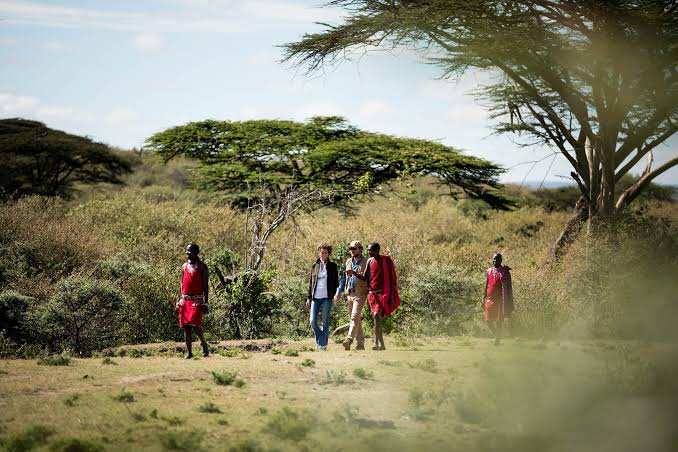
The Pardamat Conservation Area (PCA) is a vital and innovative conservation area located within the Masai Mara ecosystem in Kenya. It distinguishes itself through its mixed-use model, where people, livestock, and wildlife coexist.
Key Aspects of the Pardamat Conservation Area:
- Location: Situated in the Greater Maasai Mara Ecosystem, bordering key conservancies such as Naboisho, Lemek, Mara North, and Olare Motorogi. Its strategic location makes it a crucial wildlife migration corridor connecting the Mara’s conservancies to the Loita Plains.
- Size: Approximately 26,000 hectares (around 64,000 acres).
- Establishment: The PCA emerged to address the critical challenges of securing ancient wildlife migration routes and the increasing pressures of human settlement.
- Management: The area is managed by around 850 landowners who have legally registered their land for wildlife preservation.
- Conservation Model: Pardamat operates on a triple-use model, allowing the local Maasai community to continue living and working on their land alongside wildlife and their livestock. This model is supported by lease payments to landowners, providing a sustainable income.
- Wildlife: Pardamat is an important area for a diverse range of wildlife, including:
- Elephants
- Lions
- Leopards
- Cheetahs
- Giraffes
- Zebras
- Various antelope species
- Wild dogs (with packs returning to the area)
- A rich variety of birdlife
- Ecological Importance: The conservancy plays a vital role in maintaining the ecological health of the broader Mara region by ensuring the free movement of wildlife. Its varied terrain, including hills and forests, provides essential browsing and grazing areas.
- Community Impact: The PCA aims to provide sustainable economic benefits for the local Maasai communities while promoting coexistence with wildlife. This includes:
- Providing sustainable income through lease payments.
- Fostering higher education.
- Creating employment opportunities.
- Improving livestock management and quality.
- Supporting beadwork and honey initiatives.
- Restoring wildlife corridors.
- Tourism: The Saruni Basecamp is located within the Pardamat Conservancy Area, offering guests an intimate experience and a chance to understand the unique balance between conservation and community.
- Wildlife Tourism College (WTC): Located on land donated by the community, the WTC serves as a beacon of education and hope for the local Maasai community, building on the legacy of the Koiyaki Guiding School. It aims to empower the community through education in wildlife tourism and support sustainable community projects.
Pardamat Conservation Area represents an innovative approach to conservation in the Masai Mara, prioritizing the coexistence of people, livestock, and wildlife while ensuring the long-term ecological health of the ecosystem and providing sustainable benefits to the local communities.