Kenya safari tour packages

Safe, Sustainable, Affordable & Unforgettable safari tour experiences in Africa & globally that Educate, Connect, Transform and Inspire.

Your dream safari in Kenya & East Africa is just a call or email away. Contact Adeli Kenya Safaris today. Tel: +254720564538 | WhatsApp: +254720564538 | Email: info@adelikenyasafaris.com

Showing 1–50 of 120 results

Africa Kenya safaris | safari in Kenya | Kenya tours | Kenya safari tour packages with Adeli Kenya Safaris

Join us as we sustainably explore & experience wildebeest migration, big five, big cats, small 5, ugly 5, special 5 of Samburu, breathtaking wildlife parks, private wildlife conservancies, natural wonders, awe-inspiring, landscapes, beautiful beaches, magical sunsets & sunrises, prolific wildlife & birdlife, indigenous cultures, lakes, mountains, farms, historical sites, religious sites, sports sites. UNESCO World Heritage Sites e.t.c as you stay in the best hotels, safari lodges, tented camps & homestays.

Kenya offers a wealth of safari experiences catering to all interests and budgets, making it a top destination for wildlife enthusiasts and nature lovers alike. Whether you’re seeking the thrill of the savannah or the tranquility of Kenya’s wilderness, a safari in Kenya promises unforgettable moments and close encounters with Africa’s iconic wildlife.

In a single trip to Kenya, you can visit tropical forests, beautiful beaches, and deserts, climb mountains and explore the wild. Whether you are travelling solo or looking for a family trip, Kenya has plenty of options to suit you. #whyILoveKenya

Learn More..

In Kenya you’ll find snow-capped mountains towering over the equator, acacia trees framing a fiery sunset, the drama of soaring Rift Valley formations, thick forests with a primeval lushness, and a magnificent coastline of diamond beaches fronting emerald seas.

Whether you’re dreaming of a thrilling Maasai Mara Safari, a luxurious escape with our Luxury Kenya Safaris, or an intimate Wildlife Safari Kenya, we offer tailored experiences to suit every traveler.

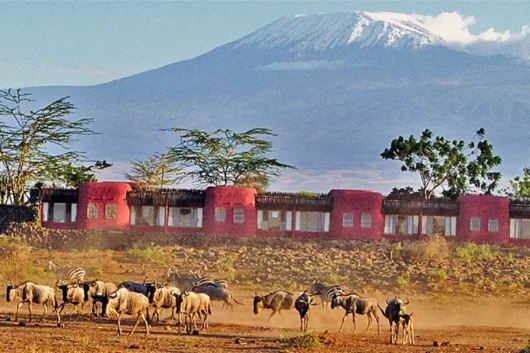
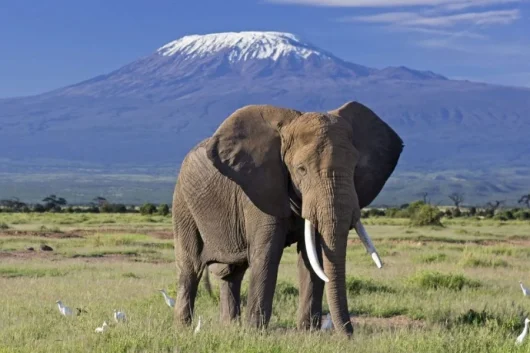
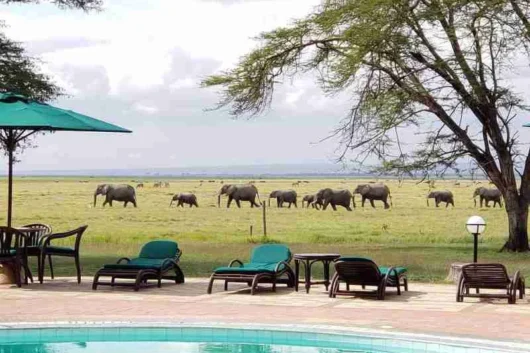
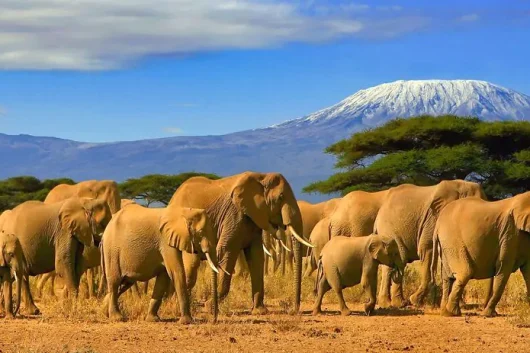
Explore the iconic Amboseli National Park Tours, home to majestic elephants with Mount Kilimanjaro as your backdrop, or embark on a Big Five Safari Kenya to witness lions, leopards, rhinos, elephants, and buffaloes in their natural habitat. Our Kenya Safari Packages are designed to provide the Best Safari in Africa, combining adventure, comfort, and exclusivity.

Why Kenya?

From Private Kenya Safaris for couples and small groups to Family Safaris in Kenya that create lifelong memories, we cater to all types of travelers. Stay in exquisite Kenya Safari Lodges or immerse yourself in the wild with our authentic Kenya Safari Camps. For a truly unique experience, soar above the savannah on a Hot Air Balloon Safari Kenya and witness the magic of the Maasai Mara from the skies.

Looking for Kenya Safari Deals? We offer a range of options, including luxury and Budget Kenya Safaris without compromising on quality. Our expertly designed Kenya Safari Itineraries ensure you make the most of your Kenya Safari Experiences, whether you’re a first-time visitor or a seasoned adventurer.

Let Adeli Kenya Safaris be your guide to the ultimate Safari Holidays in Kenya. Contact us today to start planning your dream African safari!

Best Kenya safari destinations – wildlife parks, game reserves, private conservancies, mountains, lakes, monuments e.t.c.

Nairobi City – the safari capital of Africa:

Kenya‘s capital and largest city, Nairobi is legendary for its colorful colonial history. It was once the capital of British East Africa, luring settlers who came here to stake their fortune in the coffee and tea industries. Today, you can explore the city’s famous historic sites, as well as some excellent wildlife-related attractions.

The Nairobi National Museum is a great one-stop spot to see exhibits on Kenya‘s history, nature, culture, and contemporary art. Green thumbs will also enjoy the botanic gardens on the grounds. Another popular tourist attraction is the Karen Blixen Museum, the restored residence of the famous Danish author of the book Out of Africa, also known by her pen name, Isak Dinesen. To see wildlife without venturing far from the city center, visit Nairobi National Park, now a black rhino sanctuary and also home to a diversity of other African wildlife.

Nairobi National Park – world’s only wildlife park in a city and home to the 4 of the Big five of Africa

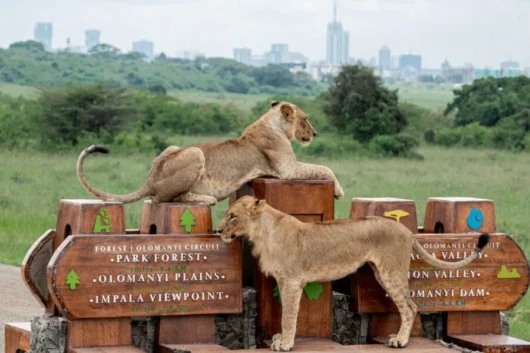
  • Highlights: Located just outside Kenya’s capital city, Nairobi National Park offers a unique opportunity to see wildlife with a city skyline in the background. The park is home to lions, giraffes, rhinos, and a variety of bird species.
  • Activities: Game drives, visiting the David Sheldrick Wildlife Trust and Giraffe Centre.

A mere 15-minute drive from the clamor of Kenya‘s capital, you can gaze at a snoozing pride of lions or a graceful giraffe strutting through the golden grass at Nairobi National Park.

Visiting this wildlife-rich park is one of the top things to do if you’re staying in Nairobi, and it makes a rewarding day trip – especially if you can’t make it to one of the larger game reserves. All the classic safari stars are here, including buffalo, leopards, zebras, wildebeest, hippos, elephants, and cheetah, and you can also see some of the planet’s most endangered species at the park’s rhino sanctuary.

The Nairobi Safari Walk provides a rewarding opportunity to spot wildlife on foot, and birders will be happy to know that more than 400 species of birds also inhabit the park, including the beautiful grey crowned crane.

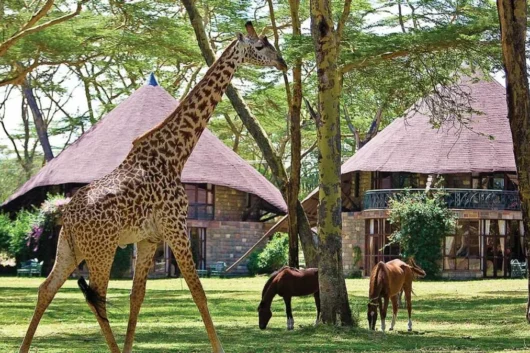
While you’re here, be sure to stop by The David Sheldrick Elephant Orphanage. This famous wildlife sanctuary rescues and rehabilitates orphaned elephants and offers close-up encounters with these adorable animals. And no visit to the park would be complete without popping into the Giraffe Centre, near the famous Giraffe Manor hotel, where these long-necked beauties eat right out of your hands.

On your Nairobi excursion, the famous Carnivore Restaurant is a favorite for many. Check out other best restaurants in Nairobi Kenya.

Maasai Mara National Reserve – home of the Big 5 of Africa, Big cats, the Great Wildlife Migration, Maasai culture and so much more.

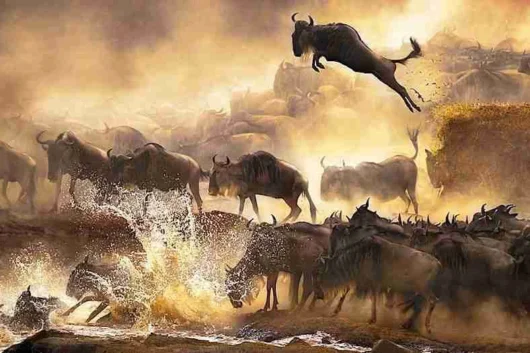
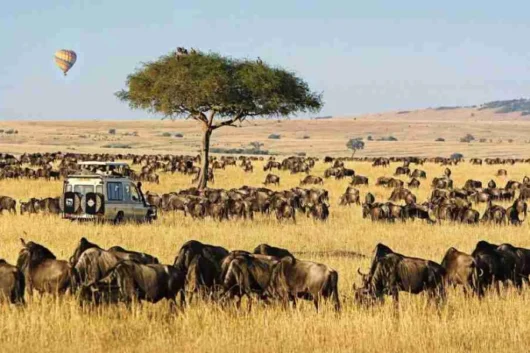
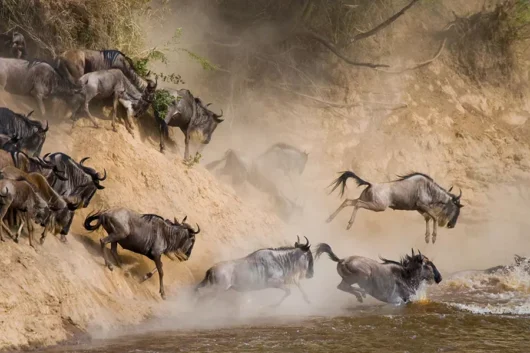
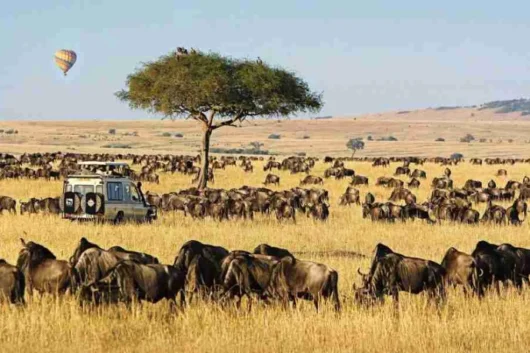
  • Highlights: Famous for the Great Wildebeest Migration (July-October), the Maasai Mara is home to the Big Five (lion, leopard, elephant, buffalo, and rhino) and offers some of the best wildlife viewing in Africa.
  • Activities: Game drives, hot air balloon safaris, cultural visits to Maasai villages.

Maasai Mara National Reserve (also “Masai Mara”) is one of the world’s most magnificent game reserves. Bordering Tanzania, the Mara is the northern extension of the Serengeti and forms a wildlife corridor between the two countries. It’s named after the statuesque, red-cloaked Maasai people who live in the park and graze their animals here as they have done for centuries. In their language, Mara means “mottled,” perhaps a reference to the play of light and shadow from the acacia trees and cloud-studded skies on the vast grasslands.

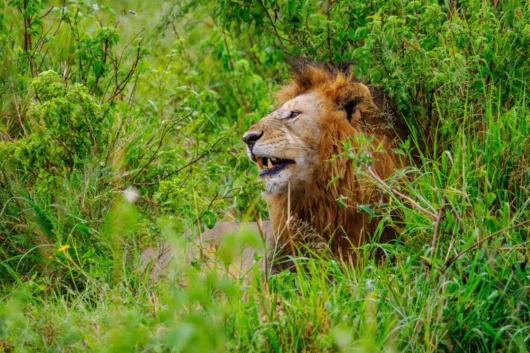
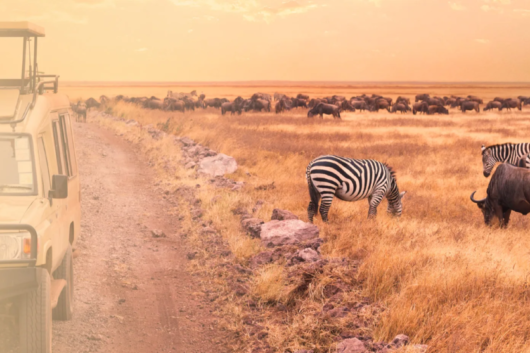
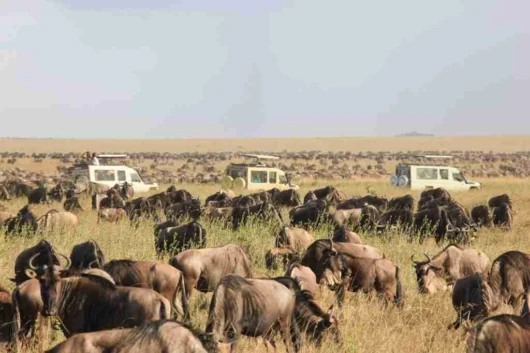
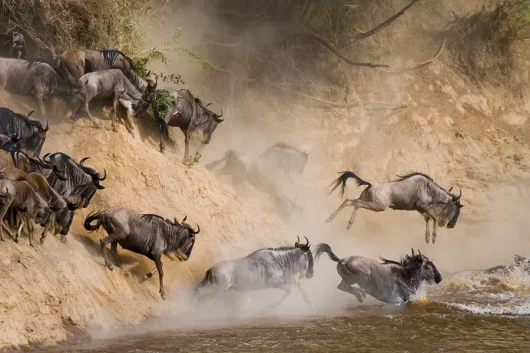
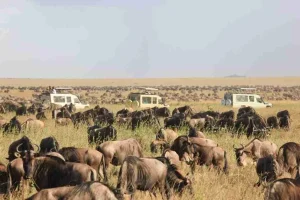
The park is famous for the Great Wildebeest Migration, when thousands of wildebeest, zebra, and Thomson’s gazelle travel to and from the Serengeti, from July through October. In the Mara River, throngs of hippos and crocodiles lurk. The park is also known for providing excellent predator sightings (check Big Cat Diary on BBC), thanks to its relatively large populations of Big Five: lion, cheetah, and leopard and many other flora & fauna.

Thanks to the park’s altitude, the weather here is mild and gentle year-round.

Amboseli National Park – large herds of elephants and beautiful views of Mount Kilimanjaro

  • Highlights: Known for its large herds of elephants and stunning views of Mount Kilimanjaro. The park also hosts a variety of other wildlife, including lions, cheetahs, and giraffes.
  • Activities: Game drives, bird watching, photography.

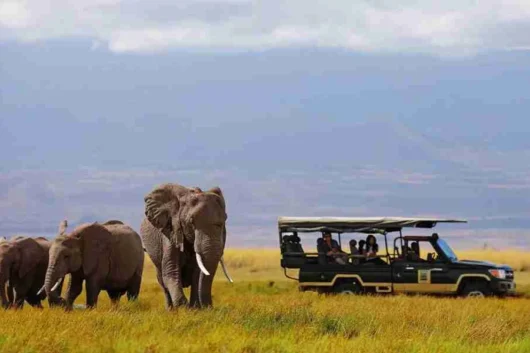
Crowned by Mount Kilimanjaro, Africa’s highest peak, Amboseli National Park is one of Kenya‘s most popular tourist parks. The name “Amboseli” comes from a Maasai word meaning “salty dust,” an apt description for the park’s parched conditions.

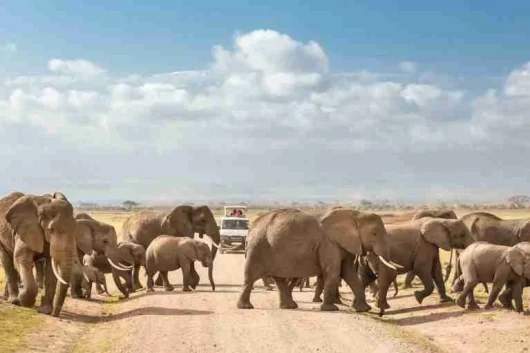
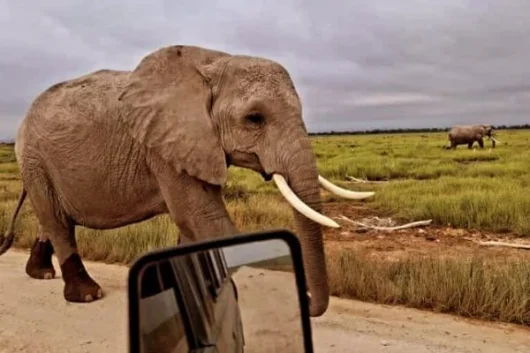
The reserve is one of the best places in Africa to view large herds of free-ranging elephants up close. Other wildlife commonly spotted in the park includes big cats, such as lion and cheetah, as well as giraffe, impala, eland, waterbuck, gazelle, and more than 600 species of birds.

Nature lovers can explore five different habitats here, ranging from the dried-up bed of Lake Amboseli, wetlands with sulfur springs, savannah, and woodlands. Look for the local Maasai people who live in the area around the park.

Tsavo East National Park and Tsavo West National Park -wild, scenic, rugged & teeming with wildlife

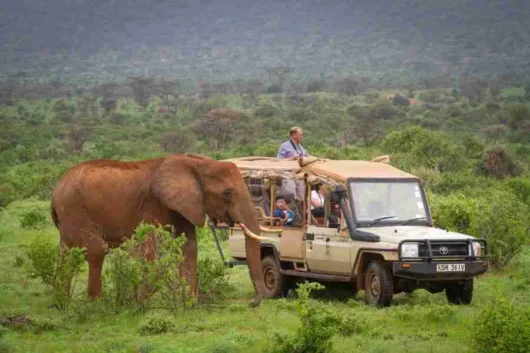
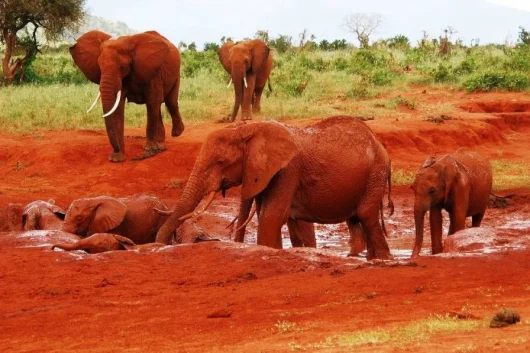
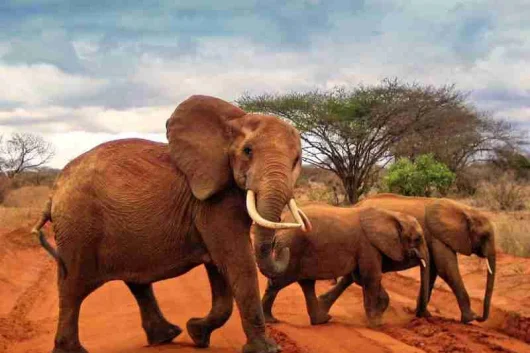
  • Highlights: Together, these parks form one of the largest wildlife sanctuaries in the world. Tsavo East is known for its vast open plains and the Yatta Plateau, while Tsavo West features more varied landscapes, including volcanic hills, springs, and lava flows. Here you will also find ‘red elephants’.The “red elephants” of Tsavo National Park in Kenya are unique due to their distinctive reddish color, not because they are a different species. They appear red due to their frequent bathing in the park’s red volcanic soil, which is rich in iron oxide. While they are the same species as other elephants, the red dust from the soil adheres to their skin, giving them a reddish hue.
  • Activities: Game drives, visiting Mzima Springs, bird watching, and exploring the Shetani Lava Flows.

Kenya‘s largest park, Tsavo, is sliced in two: Tsavo West National Park and Tsavo East National Park. Together these parks comprise four percent of the country’s total area and encompass rivers, waterfalls, savannah, volcanic hills, a massive lava-rock plateau, and an impressive diversity of wildlife.

Tsavo East is famous for photo-worthy sightings of large elephant herds rolling and bathing in red dust. The palm-fringed Galana River twists through the park providing excellent game viewing and a lush counterpoint to the arid plains. Other highlights here include the Yatta Plateau, the world’s longest lava flow; Mudanda Rock; and the Lugard Falls, which spill into rapids and crocodile-filled pools.

Tsavo West is wetter and topographically more varied, with some of the most beautiful scenery in the northern reaches of the park. Highlights here are Mzima Springs, a series of natural springs with large populations of hippos and crocodiles; Chaimu Crater, a great spot for seeing birds of prey; and Ngulia Rhino Sanctuary. Wildlife is not as easy to see in Tsavo West because of the denser vegetation, but the beautiful scenery more than compensates.

Samburu National Reserve, Shaba National Reserve & Buffalo Springs National Reserve- off-the-beaten-track oasis full of wildlife

  • Location: Samburu County
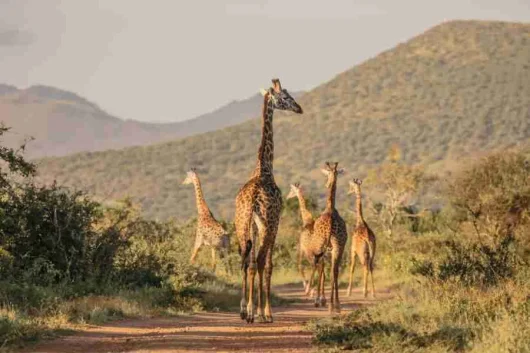
  • Highlights: Conservancies like Sera, Kalama, and Westgate offer exclusive wildlife viewing experiences in the Samburu ecosystem. They are home to unique species such as the Grevy’s zebra, Somali ostrich, and reticulated giraffe.
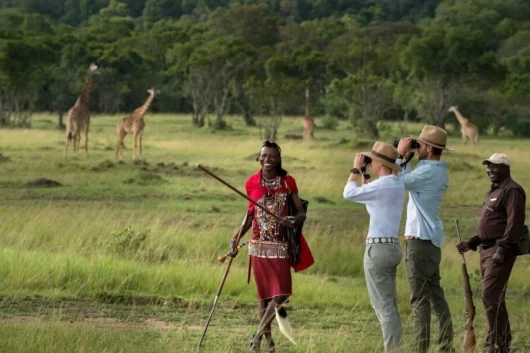
  • Activities: Game drives, guided bush walks, cultural visits to Samburu villages.

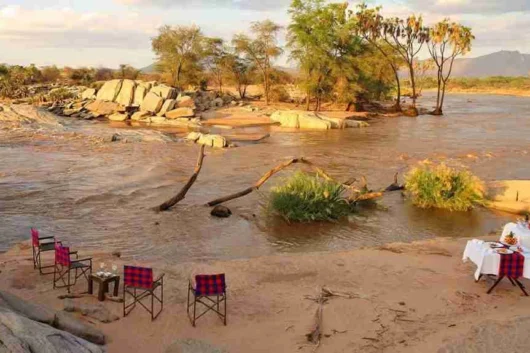
On the banks of the palm-lined Ewaso Nyiro River, Samburu National Reserve, Buffalo Springs, and Shaba Reserves lie in an arid region in the remote north of Kenya.

Shaba National Reserve is one of two areas where George Adamson and Joy Adamson raised Elsa the lioness, made famous in the film Born Free.

The wildlife in all three reserves depends on the waters of the river to survive, and many species are specially adapted to the parched conditions, Special Five of Samburu: Grevy’s zebras; Somali ostriches; and gerenuks, the long-necked antelope that stand on two rear legs to reach the fresh shoots on upper tree limbs.

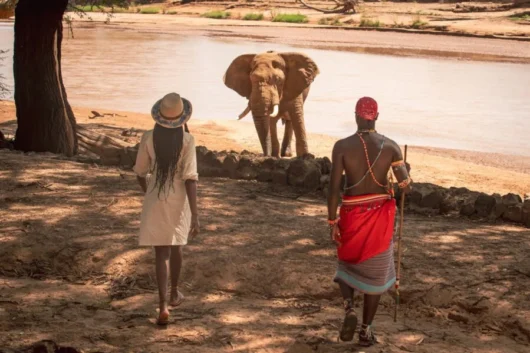
A top attraction in Samburu National Reserve are the Sarara Singing Wells, local watering holes where Samburu warriors sing traditional songs while hauling water for their cattle to drink. You might also be rewarded with sightings of big cats and wild dogs.

Lake Nakuru National Park – a bird watchers’ paradise

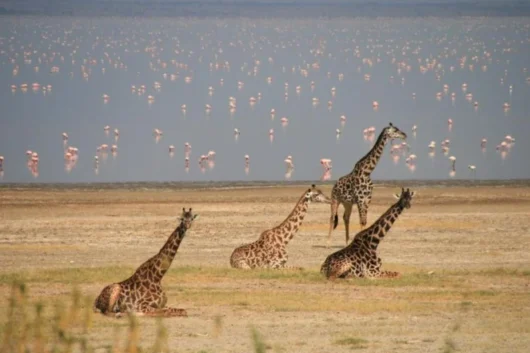
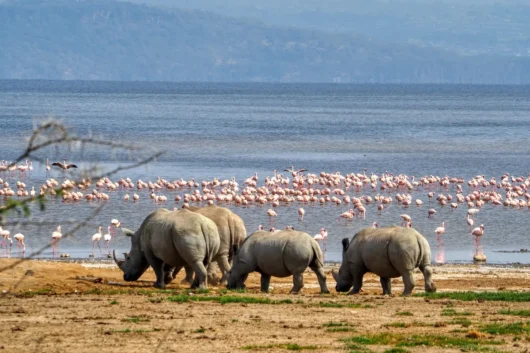
  • Highlights: Famous for its flamingos and rhino sanctuary, Lake Nakuru is also home to lions, leopards, and a variety of bird species. The park’s alkaline lake attracts thousands of flamingos, creating a stunning pink hue.
  • Activities: Game drives, bird watching, photography.

Lake Nakuru National Park, in Kenya, is famous for its rhinos, endangered Rothchild Giraffe, Out of Africa View point, flocks of pink flamingos (the numbers recently reduced due to water levels). The park is one of the best bird watching safari destinations in Kenya and Africa and has more than 450 species of birds have been recorded here, as well as a rich diversity of other wildlife. Lions, leopards, warthogs, waterbucks, pythons, and white rhinos are just some of the animals you might see, and the landscapes range from sweeping grasslands bordering the lake to rocky cliffs and woodland.

The park also protects the largest euphorbia candelabrum forest in Africa. These tall, branching succulents are endemic to the region and provide an interesting textural element to the arid landscapes.

Ol Pejeta Conservancy – a refuge for chimpanzees, rhinos, big five & more

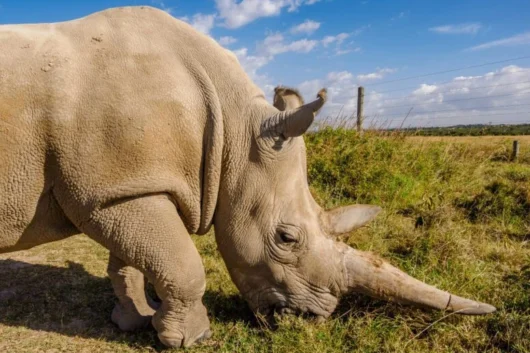
  • Highlights: A leading wildlife conservancy that is home to the last two remaining northern white rhinos. The conservancy also hosts a variety of other wildlife, including lions, elephants, and chimpanzees.
  • Activities: Game drives, visiting the chimpanzee sanctuary, rhino tracking, night game drives.

About 200 kilometers north of Nairobi, near Mount Kenya National Park, Ol Pejeta Conservancy is a prime place for close-up wildlife encounters. Wildlife Conservation and sustainability are key at this 90,000-acre private game reserve, where you can view the Big Five of Africa (lion, leopard, rhino, elephant, and buffalo) as well as other animals such as cheetah, hyenas, zebra, and hartebeest, set against the breathtaking backdrop of snow-capped Mount Kenya.

The conservancy is perhaps best known for its endangered northern white rhinos and southern white rhinos, including Baraka, a blind black rhino, who lucky visitors might have the chance to feed.

You can view the wildlife on self-drive or guided tours, and entry includes a visit to the Sweetwaters chimpanzee sanctuary.

Day visitors are welcome, and if you want to extend your wilderness adventure, you can stay overnight in accommodations that range from bush camps and safari cottages to a charming colonial ranch house.

Lewa Wildlife Conservancy

  • Location: Laikipia County
  • Highlights: Known for its successful rhino conservation programs, Lewa is home to both black and white rhinos. The conservancy also hosts a variety of other wildlife, including elephants, lions, and Grevy’s zebras.
  • Activities: Game drives, horseback safaris, guided bush walks, cultural visits to local communities.

Lewa Wildlife Conservancy, situated in northern Kenya at the foothills of Mount Kenya, is a renowned and pioneering wildlife conservancy spanning over 62,000 acres (250 sq km). What began as a cattle ranch in 1922 has evolved into a model for successful wildlife conservation and community engagement since its establishment as a non-profit conservancy in 1995.

Lewa is particularly celebrated for its critical role in rhino conservation. It serves as a safe haven for a significant percentage of Kenya’s eastern black rhinoceros population and also supports a healthy population of southern white rhinos. Their highly effective anti-poaching measures and successful breeding programs have made Lewa a key player in the fight to protect these endangered creatures.

Beyond rhinos, Lewa is home to a remarkable diversity of wildlife, including all of the “Big Five” (lion, leopard, elephant, rhino, and buffalo), as well as the largest single population of the endangered Grevy’s zebra in the world. Other notable species include cheetahs, wild dogs, reticulated giraffes, Beisa oryx, gerenuk, and over 490 species of birds.

What sets Lewa apart is its holistic approach to conservation, which recognizes that the long-term survival of wildlife depends on the well-being of surrounding communities. The conservancy invests heavily in community development programs focusing on education, healthcare, water, micro-enterprise, and youth empowerment, fostering a strong partnership between conservation efforts and local livelihoods.

Visiting Lewa offers an exclusive and intimate safari experience with opportunities for exceptional wildlife viewing, often with fewer crowds. Activities range from traditional game drives to guided bush walks, horseback safaris, and cultural interactions. Staying at one of Lewa’s eco-friendly lodges directly contributes to the conservancy’s vital conservation and community initiatives, making it a destination where you can witness firsthand the positive impact of responsible tourism.

Lake Naivasha & surrounding attractions:

(Explore Hell’s Gate National Park, Lake Naivasha & Crescent Island Game Sanctuary. Deep blue lakes, rich acacia forests, extinct volcanoes, waterfalls, imposing towers and bottomless gorges)

Ever sailed past hippos? How about trekking amongst zebras and giraffe? Or bicycling past impalas and buffalo? On this amazing one-day tour you’ll get to do all that and more.

You can’t get any closer to the wildlife than this. Imagine riding alongside a gazelle – that’s a story you’ll never forget and love to share. So, get ready for a fun, animal-filled adventure.

At Hell’s Gate National Park, you can Drive, Hike, Bike or Climb. The experience is sensational! Amazing scenery will surround you thanks to Fischer’s Tower, the Central Tower, and the park’s gorge.

And we’ll go on a cycling safari. Riding over the savannah, past towering cliffs we’ll look for giraffe, buffalo, zebra, hartebeest, gazelle and possibly hyena. What a fun way to experience the wildlife!

After lunch we’ll take a water safari (boat ride) and enjoy views of Hippos and the nearby wildlife grazing at the shore. Don’t be surprised to see buffalo, zebra, eland and impala look up as you sail by.

Our final park is a private game sanctuary where we’ll take a guided walking safari. Crescent Island Sanctuary boasts more animals per acre than any other park in Kenya. You are certain to trek by diverse herds of wildlife – wildebeest, waterbuck, zebra, giraffe and gazelle amongst them.

Aberdare National Park

  • Highlights: Known for its lush forests, waterfalls, and diverse wildlife, including elephants, leopards, and rare bongo antelopes. The park offers a different safari experience compared to the savannah parks.
  • Activities: Game drives, hiking, bird watching, staying in tree lodges.

Nestled in the misty highlands of central Kenya, Aberdare National Park offers a dramatically different safari experience compared to the open plains that often come to mind. This captivating park protects the eastern slopes of the Aberdare Mountain Range, a vital water catchment area characterized by its lush, mountainous terrain, cascading waterfalls, bamboo forests, and moorland.

Established in 1950, Aberdare National Park is a sanctuary for a unique array of wildlife adapted to its high-altitude environment. It’s renowned for its good population of the elusive black rhino, as well as other fascinating creatures like the bongo (a rare and beautiful antelope), giant forest hog, serval cat, and numerous primate species. The park is also a haven for birdwatchers, boasting a diverse avian population.

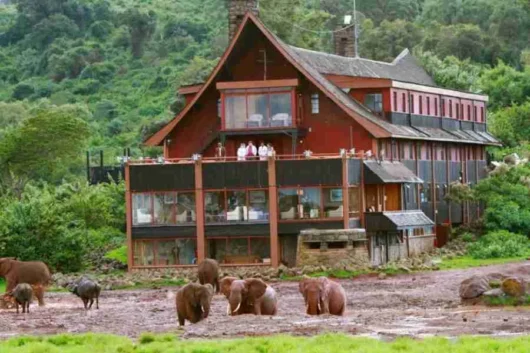
Historically significant as a hideout for Mau Mau freedom fighters, Aberdare also holds the famous Treetops Lodge (where Elizabeth II (then Princess Elizabeth) was staying in 1952 when she acceded to the thrones of the United Kingdom) and The Ark Lodge, unique treehouse-style accommodations that have hosted royalty and offered exceptional wildlife viewing opportunities at their floodlit waterholes and salt licks.

Visiting Aberdare National Park offers a chance to immerse yourself in a cooler, greener, and more intimate safari setting, with opportunities for scenic drives, hiking amidst stunning landscapes, and the thrill of spotting wildlife adapted to this montane ecosystem. It’s a destination that provides a refreshing contrast to the typical savanna safari and promises a memorable encounter with Kenya’s diverse natural beauty.

Meru National Park

  • Highlights: This park is less visited but offers a rich wildlife experience, including elephants, lions, leopards, and cheetahs. It is also known for its scenic landscapes, including rivers, swamps, and wooded grasslands.
  • Activities: Game drives, bird watching, visiting the grave of Elsa the lioness (from “Born Free”).

Meru National Park, often described as a “complete wilderness,” offers a strikingly different and more remote safari experience in Kenya. Located east of Meru, approximately 350 km from Nairobi, this 870 sq km park boasts a rugged and largely unspoiled landscape bisected by the equator and characterized by bushland, wooded grasslands, and dense riverine forests fed by 13 rivers and numerous mountain streams that eventually flow into the Tana River.

Historically significant, Meru National Park is famous as the backdrop for Joy Adamson’s best-selling book and the award-winning movie “Born Free,” which chronicled her and her husband George’s life and research with lions and cheetahs, particularly the lioness Elsa. Elsa’s grave is located within the park, making it a poignant site for visitors.

Despite facing severe poaching in the late 1980s that decimated its rhino population, the Kenya Wildlife Service has successfully restored security and wildlife numbers in Meru. Today, the park is home to a rhino sanctuary with both black and white rhinos under 24-hour surveillance, offering excellent rhino viewing opportunities.

Beyond rhinos, Meru teems with diverse wildlife, including elephants, Grevy’s zebra, lions, cheetahs, leopards, hartebeest, hippos, buffalo, and reticulated giraffes. Birdwatchers will be delighted by the over 400 recorded bird species.

Visiting Meru National Park provides a sense of untamed Africa, away from the busier tourist circuits. Activities include game drives, bird watching, cultural visits to nearby communities, fishing safaris, and exploring scenic sites like Adamson’s Falls and Elsa’s Grave. The park offers a chance to experience a pristine wilderness and connect with the captivating story of conservation made famous by “Born Free.”

Mount kenya National Park – Climb Kenya’s highest mountain and second highest in Africa

  • Highlights: While primarily known for its trekking opportunities, Mount Kenya National Park also offers wildlife viewing, including elephants, buffalo, and various antelope species. The park’s diverse ecosystems range from montane forests to alpine meadows.
  • Activities: Trekking, game drives, bird watching.

In the Central Highlands, east of the Great Rift Valley, Mount Kenya National Park is a UNESCO World Heritage Site encompassing the country’s namesake highest mountain at 5,199 meters and providing the rare sight of equatorial snow. Formed by a series of volcanic eruptions, Mount Kenya is actually comprised of three glacier-cloaked peaks. The highest is Batian, although Nelion, the next highest, is a tougher climb. The lowest peak, Lenana, is considered the easiest climb, although unpredictable weather can pose challenges.

Scenery varies from glaciers, lakes, and mineral springs to alpine forest and dense pockets of bamboo. The diversity of flora and fauna provides rewarding opportunities for safaris. Among the wildlife here, you may spot black and white colobus monkeys, buffalo, elephant, tree hyrax, leopard, and hyena.

Mara Naboisho Conservancy

  • Location: Adjacent to the Maasai Mara National Reserve
  • Highlights: Offers a more exclusive and less crowded safari experience compared to the Maasai Mara. The conservancy is home to a high density of lions, elephants, and other wildlife.
  • Activities: Game drives, guided bush walks, night game drives, cultural visits to Maasai villages.

Olare Motorogi Conservancy

  • Location: Adjacent to the Maasai Mara National Reserve
  • Highlights: Known for its low tourist density and high wildlife concentration, Olare Motorogi offers an intimate safari experience. It is home to the Big Five and other wildlife.
  • Activities: Game drives, guided bush walks, night game drives, cultural visits to Maasai villages.

Borana Conservancy

  • Location: Laikipia County
  • Highlights: Focuses on the conservation of rhinos and other wildlife. The conservancy offers stunning landscapes and a variety of wildlife, including elephants, lions, and Grevy’s zebras.
  • Activities: Game drives, horseback safaris, guided bush walks, rhino tracking.

Borana Conservancy is a remarkable 32,000-acre (130 sq km) private wildlife conservancy nestled on the foothills of Mount Kenya, in the Laikipia region of Kenya. This crucial protected area bridges the gap between the arid landscapes to the north and the more fertile indigenous forests to the south, making it a vital wildlife corridor and a biodiversity hotspot.

Originally a cattle ranch, Borana made a pivotal shift towards wildlife conservation in 1992, driven by a commitment to protect the declining wildlife populations and habitats. Today, it stands as a successful model of integrated conservation, where sustainable tourism and ranching work in harmony to benefit both wildlife and local communities.

Borana is particularly renowned for its significant rhino conservation efforts. In 2013, black rhinos were reintroduced to the conservancy, marking their return after over half a century. By dropping the fences with the neighboring Lewa Wildlife Conservancy, Borana has become part of a larger 90,000-acre landscape, creating one of East Africa’s most important continuous rhino habitats, home to a thriving population of both black and white rhinos. Their successful anti-poaching measures and high rhino birth rates underscore their commitment to the long-term survival of these endangered species.

Beyond rhinos, Borana boasts a rich diversity of wildlife, including all the “Big Five” (lion, leopard, elephant, rhino, and buffalo), as well as endangered species like Grevy’s zebra and African wild dog. The conservancy is also a birdwatcher’s paradise, with nearly 300 recorded species.

Visiting Borana offers an exclusive and authentic safari experience. Activities go beyond traditional game drives, with opportunities for guided bush walks, horseback safaris, mountain biking, and engaging in conservation activities like rhino tracking with the anti-poaching teams. Guests can also visit local communities and schools, gaining insight into Borana’s holistic approach to conservation that prioritizes both wildlife and the well-being of its neighbors. Staying at the Borana Lodge or other exclusive accommodations directly contributes to the conservancy’s vital conservation and community initiatives.

Taita Hills Wildlife Sanctuary

  • Location: Taita-Taveta County
  • Highlights: Part of the greater Tsavo ecosystem, this sanctuary offers diverse wildlife, including elephants, lions, and buffalo. The sanctuary is known for its stunning landscapes and luxury lodges.
  • Activities: Game drives, guided bush walks, bird watching.

The Taita Hills Wildlife Sanctuary is a privately owned wildlife conservancy nestled in the heart of the Taita Hills in southeastern Kenya, adjacent to the renowned Tsavo West National Park. Spanning approximately 28,000 acres (110 sq km), this sanctuary forms a crucial wildlife corridor between Tsavo East and Tsavo West National Parks, facilitating the free movement of animals across this significant ecosystem.

Established in 1972, the sanctuary derives its name from the surrounding Taita Hills, which are part of the ancient Eastern Arc Mountains, a UNESCO-classified biodiversity hotspot. This unique location contributes to the sanctuary’s diverse habitats, ranging from open grasslands and acacia woodlands to rocky outcrops and riverine vegetation, supporting a rich array of flora and fauna.

Taita Hills Wildlife Sanctuary is home to a variety of wildlife, including elephants, lions, cheetahs, leopards, buffalo, giraffes, zebras, and numerous antelope species such as hartebeest, impala, lesser kudu, and dik-dik. Birdwatching is also excellent here, with over 300 recorded bird species, some of which are endemic to the Taita Hills region.

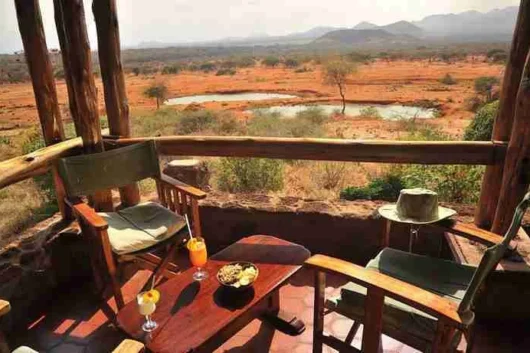
The sanctuary offers a more intimate and less crowded safari experience compared to the larger national parks, with opportunities for game drives (day and night), guided nature walks, and bird watching. Its two well-known lodges, Salt Lick Safari Lodge with its unique stilted architecture overlooking a waterhole, and Taita Hills Safari Resort & Spa, provide comfortable accommodation and excellent wildlife viewing opportunities.

Solio Ranch

  • Location: Laikipia County
  • Highlights: One of the oldest private rhino sanctuaries in Kenya, Solio Ranch is renowned for its successful rhino breeding program. The ranch also hosts a variety of other wildlife, including lions and buffalo.
  • Activities: Game drives, rhino tracking, bird watching.

Solio Ranch, also known as Solio Game Reserve, is a privately owned wildlife conservancy situated in the valley between the slopes of Mount Kenya and the Aberdare Mountains in Kenya’s Central Province. This 17,500-acre (approximately 70 sq km) ranch holds the distinction of being Kenya’s oldest private rhino sanctuary and has played a pivotal role in the conservation of both black and white rhinoceros.

Established in 1970 on what was originally a cattle ranch, Solio’s primary focus became the breeding and protection of the then critically endangered black rhino. Its conservation efforts have been remarkably successful, leading to a thriving rhino population and making Solio a crucial source for restocking other protected areas across Kenya and even internationally.

Today, Solio Ranch is recognized as one of the most successful private rhino breeding sanctuaries in East Africa, boasting a significant population of both black and white rhinos. While rhinos are the star attraction, the conservancy is also home to a diverse array of other wildlife, including lions, leopards, cheetahs, buffalo, zebras, reticulated giraffes, and various antelope species.

Visiting Solio offers an exclusive and intimate safari experience focused on exceptional rhino sightings. With its relatively small size and high rhino density, encounters with these magnificent creatures are frequent. Activities include game drives, guided walks, and even horseback safaris, all set against the backdrop of stunning views of Mount Kenya and the Aberdare ranges. Staying at the Solio Lodge, the only accommodation within the conservancy, directly contributes to their vital conservation work, making it a meaningful destination for wildlife enthusiasts.

Chyulu Hills Conservancy

  • Location: Between Tsavo West and Amboseli National Parks
  • Highlights: Known for its stunning landscapes, including volcanic hills and lush forests, Chyulu Hills is home to elephants, lions, and a variety of bird species.
  • Activities: Game drives, guided bush walks, horseback safaris, bird watching.

The Chyulu Hills Conservancy is a captivating and ecologically significant landscape in southeastern Kenya, located near the border with Tanzania and in the shadow of the majestic Mount Kilimanjaro. This sprawling conservancy encompasses a diverse terrain of rolling green hills, volcanic cones and craters (some only a few hundred years old), montane forests, open grasslands, and remarkable cave systems and lava tubes.

What makes the Chyulu Hills Conservancy particularly important is its role as a critical water catchment area, with rainfall percolating through the porous volcanic rock to feed numerous permanent springs and rivers that supply water to a vast region, including the coastal city of Mombasa. It also acts as a vital wildlife corridor connecting the greater Tsavo and Amboseli ecosystems, facilitating the movement of iconic species like elephants and other large mammals.

While perhaps not as densely populated with wildlife as some of Kenya’s more famous parks, the Chyulu Hills Conservancy is home to a variety of animals, including elephants, buffalo, giraffes, zebras, elands, and various antelope species, as well as predators like leopards and lions. It’s also a haven for birdlife.

Beyond its ecological importance, the Chyulu Hills Conservancy is notable for its partnership with the local Maasai communities, who have a deep historical and cultural connection to the land. Conservation efforts here often focus on sustainable land management, community empowerment, and mitigating human-wildlife conflict.

Visitors to the Chyulu Hills Conservancy can experience a more off-the-beaten-path safari, with opportunities for scenic drives, exploring the unique geological formations like the Leviathan Cave (one of the longest lava tubes in the world), hiking in the hills, and engaging with the local culture. The landscape offers breathtaking views, including the often snow-capped peaks of Kilimanjaro in the distance. It’s a place where you can appreciate the raw beauty of a volcanic landscape and the interconnectedness of conservation, community, and nature.

Loisaba Conservancy

  • Location: Laikipia County
  • Highlights: Offers diverse landscapes, including savannah, acacia woodlands, and riverine forests. The conservancy is home to elephants, lions, and Grevy’s zebras.
  • Activities: Game drives, guided bush walks, horseback safaris, star beds (open-air sleeping platforms).

Loisaba Conservancy is a stunning 58,000-acre (231 sq km) wildlife conservancy and working ranch situated in the northern Laikipia region of Kenya. This privately owned conservancy is a vital part of a larger 15 million-acre landscape, acting as a crucial wildlife and livestock movement corridor connecting Laikipia to Samburu and Isiolo counties.

Loisaba boasts a diverse landscape with rolling hills, escarpments, valleys, and two permanent rivers, the Ewaso Nyiro and the Ewaso Narok, along with numerous permanent springs, making it an attractive habitat for wildlife year-round. The conservancy is home to over 260 bird species and 50 mammal species, including a significant elephant population (over 800), large herds of buffalo, the endangered Grevy’s zebra, reticulated giraffe, and the beautiful greater kudu. Predators thrive here, with healthy populations of lions, leopards, cheetahs, and even the returning African wild dog.

What makes Loisaba special is its holistic approach to conservation, integrating wildlife protection with sustainable livestock management and community development. The conservancy provides employment for over 300 local people and supports various community projects, including schools and healthcare clinics.

Visitors to Loisaba can enjoy a range of exclusive and adventurous activities, including game drives (day and night), guided bush walks, horseback safaris, camel trekking, mountain biking, and cultural visits to local Samburu villages. Loisaba is also actively involved in wildlife research and conservation efforts, including projects focused on reticulated giraffes, leopards, lions, and elephants, and is a key location for the reintroduction of black rhinos in the region.

Staying at one of Loisaba’s eco-friendly lodges and star beds offers a unique and immersive safari experience, with breathtaking views and the chance to contribute directly to the conservancy’s important work in protecting this remarkable wilderness and supporting its communities.

Non-mainstream Wildlife parks and destinations best for bird watching:

Kenya is renowned as a premier birdwatching destination, boasting an incredible diversity of habitats that support over 1,100 recorded bird species, a number only surpassed by a couple of other countries in Africa. This rich avifauna includes resident species, endemics, and a large number of migratory birds from Europe and Asia (Palearctic migrants) and within Africa (intra-African migrants), particularly between November and April.

  • Lake Bogoria: Famous for its spectacular flamingo gatherings and hot springs, which attract unique birdlife.
  • Lake Baringo: A top spot for waterbirds and raptors, including the Goliath Heron. The cliffs surrounding the lake are also home to interesting species.
  • Lake Elementaita: Another Rift Valley soda lake known for large flocks of flamingos and other waterbirds.
  • Shimba Hills National Reserve: Located near the coast, Shimba Hills is known for its lush greenery and wildlife, including elephants, giraffes, and the rare sable antelope. The reserve also offers stunning views of the Indian Ocean.
  • Lake Turkana: This desert lake offers a chance to see desert and waterbird species in a dramatic setting.
  • Kakamega Forest: Kenya’s only tropical rainforest is a crucial habitat for numerous forest bird species, some found nowhere else in the country.
  • Arabuko-Sokoke Forest: A globally significant coastal forest known for its endemic species like the Sokoke Scops Owl and Clarke’s Weaver.
  • Gatamaiyu Forest: Part of the larger Kereita Forest near Nairobi, offering montane forest birding.
  • Karura Forest Reserve (Nairobi): A lush urban forest with scenic trails and rich birdlife, easily accessible from Nairobi.
  • Mida Creek: A rich mangrove ecosystem attracting waders, terns, and shorebirds, including the Crab Plover.
  • Sabaki River Estuary: A vital site for migratory waders and estuarine birds.

Best beach destinations in Kenya:

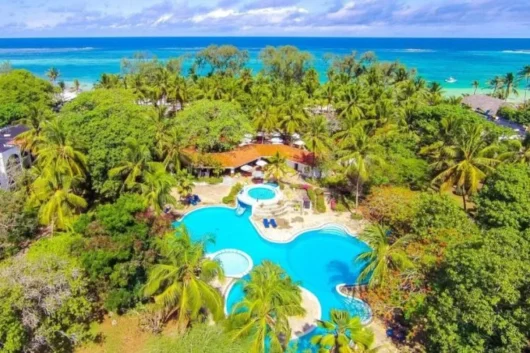
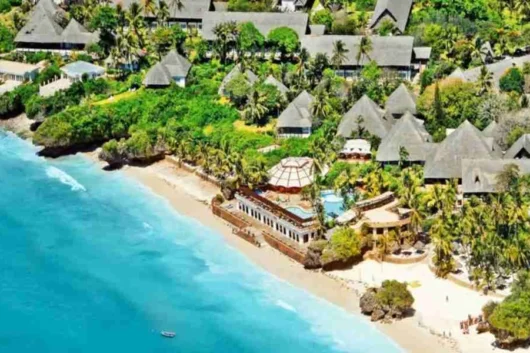
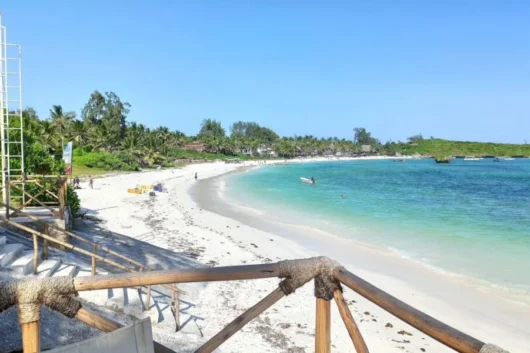
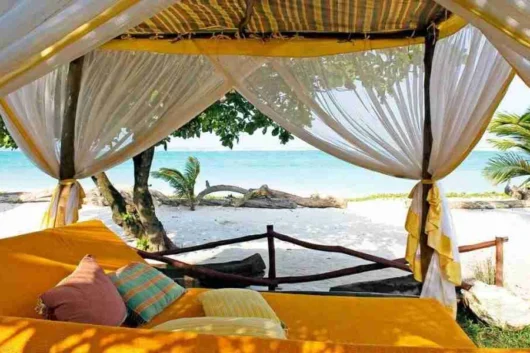
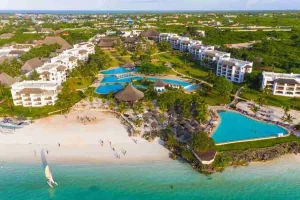
Kenya’s coastline along the Indian Ocean is a breathtaking tapestry of pristine beaches, swaying palm trees, and the warm turquoise waters. Offering a diverse range of experiences, from bustling resort towns to tranquil, secluded escapes, Kenya’s beaches provide the perfect complement to a thrilling safari adventure or a standalone tropical getaway. Whether you seek vibrant nightlife, world-class watersports, rich Swahili culture, or simply a place to unwind under the African sun, Kenya’s coastal destinations promise an unforgettable escape.

Mombasa beach destinations & holidays

Make your holiday at this world-famous shore. The Kenya coast is pristine, unspoiled and the perfect place to begin your safari adventure.

And Mombasa is the perfect beachcation destination with its local markets, history, museums and beaches. Kenya’s largest coastal city, Mombasa is an exciting blend of local and international cultures – African, Indian and Arabic.

Key attractions: Haller Park Sanctuary, Fort Jesus, Mombasa Marine National Park & Reserve, Mamba village e.t.c

Mombasa and its surrounding beaches are also a great jumping off point for safaris throughout Kenya.

Malindi beach and Watamu Beach

Which resort to choose for your beach holiday – Malindi or Watamu? As always, it’s your choice. Both offer spectacular stretches of unspoiled beach. Both have an international charm with an exciting dining scene. And both feature marine parks for crystal-clear swimming.

Of course, both have a wonderful year-round climate and are just about 120 km North from Mombasa.

Key attractions: Jumba la Mtwana, Bio-Ken Snake Farm & Laboratory, Watamu Turtle Watch (Wildlife Reserve),  Watamu marine National Park,  Arabuko Sokoke Forest Reserve & Mida Dhow, Vasco da Gama Pillar, House of Columns e.t.c.

Diani beach (Voted Africa’s best beach destination):

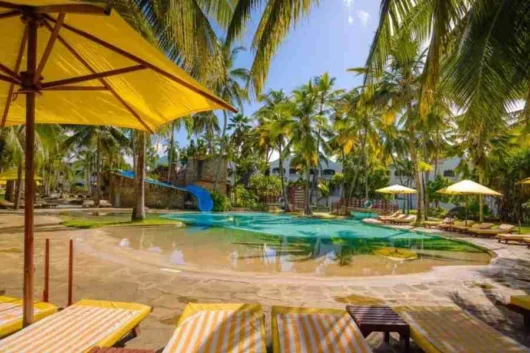
Everything about Diani Beach is long, low and laid back. This pristine flawless, long stretch beach is lined with a lush facade of forest which nestles most of the hotels and resorts. Voted three times Africa’s leading beach destination, the beach-line here is easy-going with a colourful mix of families, backpackers, water-sports enthusiasts, nomads and honeymooners. You can snorkel the sparkling waters, laze on a hammock and when you get restless… safari!

Types of Kenya Safaris:

  1. Classic Wildlife Safaris:
    • Game drives in national parks and reserves to spot the Big Five and other wildlife.
  2. Cultural Safaris:
    • Interact with local communities like the Maasai, Samburu, or Turkana tribes.
  3. Adventure Safaris:
    • Combine safari with activities like hot air ballooning, walking safaris, and camel treks.
  4. Family Safaris:
    • Kid-friendly safaris with child-friendly accommodations and activities.

Tips for Planning a Kenya Safari:

  • Best Time to Visit: Consider the dry seasons (January-February and July-October) for optimal wildlife viewing.
  • Accommodations: Choose from luxury lodges, tented camps, or budget-friendly options based on your preferences.
  • Transportation: Opt for safari vehicles with knowledgeable guides or consider flying safaris for longer distances.
  • Activities: Include game drives, guided walks, birdwatching, and cultural interactions in your itinerary.
  • Health and Safety: Take necessary vaccinations and precautions against malaria, and follow park rules for wildlife viewing.
  • Local Guides: Engage local guides for insightful wildlife tracking and cultural experiences.

view all Kenya wildlife parks

Read more about Kenya safaris

Frequently Asked Questions About Kenya Safaris

1. What are the best Kenya safari packages?

The best Kenya safari package depends on your travel dates, budget, interests and the number of days available. Popular options include Maasai Mara, Amboseli, Tsavo, Samburu, Ol Pejeta and Lake Nakuru safaris. Adeli Kenya Safaris offers tailor-made Kenya safari packages designed around individual traveler requirements.

2. What is a Kenya safari?

A Kenya safari is a wildlife holiday that takes travelers into Kenya’s national parks, reserves and private conservancies to experience wildlife, landscapes, cultures and nature. Adeli Kenya Safaris offers a range of Kenya safari experiences, from classic wildlife safaris and private tours to luxury, family, budget, flying and road safaris.

3. Why should I go on a safari in Kenya?

Kenya offers exceptional wildlife diversity, spectacular landscapes and some of Africa’s most famous safari destinations. A single Kenya safari can include the Big Five, Great Wildebeest Migration, elephants, big cats, mountains, lakes, cultural experiences and beautiful beaches. Adeli Kenya Safaris can combine these experiences into one customized itinerary.

4. Why book a Kenya safari with Adeli Kenya Safaris?

Adeli Kenya Safaris is a locally operated Kenyan safari tour operator and East African DMC based in Nairobi. The company specializes in tailor-made and private safaris, professional guiding, safari lodges and camps, 4×4 safari vehicles and sustainable travel.

5. What are the most popular Kenya safari destinations?

Popular destinations include Maasai Mara National Reserve, Amboseli National Park, Tsavo East, Tsavo West, Samburu National Reserve, Ol Pejeta Conservancy, Lake Nakuru National Park, Aberdare National Park, Meru National Park and Nairobi National Park.

6. What is the best safari destination in Kenya?

The Maasai Mara is one of Kenya’s most popular safari destinations because of its abundant wildlife, big cats and Great Wildebeest Migration. However, there is no single best destination for everyone. Adeli Kenya Safaris can recommend destinations according to your wildlife interests, travel dates and budget.

7. What is the best Kenya safari for first-time visitors?

A classic first Kenya safari can include the Maasai Mara, Lake Nakuru and Amboseli, although other combinations are possible. Adeli Kenya Safaris can create a first-time Kenya safari itinerary based on your available days and preferred experiences.

8. How many days do I need for a Kenya safari?

A Kenya safari can last anywhere from two or three days to several weeks. A short safari can focus on one destination, while a 7–14-day safari allows travelers to explore several parks and reserves at a more relaxed pace.

9. What is the ideal length of a Kenya safari?

Seven to ten days is a good starting point for travelers who want to experience several major Kenyan wildlife destinations. Longer safaris allow additional time in northern Kenya, private conservancies and coastal destinations.

10. Can I book a 3-day Kenya safari with Adeli Kenya Safaris?

Yes. Adeli Kenya Safaris can arrange three-day safari packages to destinations such as Maasai Mara, Amboseli or Tsavo. Three-day itineraries are particularly suitable for travelers with limited time.

11. Can I book a 5-day Kenya safari?

Yes. Five days allow travelers to combine two or more destinations depending on the route. Adeli Kenya Safaris can design a five-day itinerary based on your preferred parks, accommodation and budget.

12. Can I book a 7-day Kenya safari?

Yes. A seven-day Kenya safari can cover several major destinations without making the itinerary excessively rushed. Popular combinations include Maasai Mara, Lake Nakuru, Lake Naivasha, Amboseli and Tsavo.

13. Can I book a 10-day Kenya safari?

Yes. Ten days provide enough time for a more comprehensive Kenya wildlife safari. Adeli Kenya Safaris can combine several destinations while allowing sufficient time for game drives and relaxation.

14. Can I book a 14-day Kenya safari?

Yes. A two-week Kenya safari can cover a wide selection of wildlife parks, conservancies, cultural destinations and beaches. Adeli Kenya Safaris can create a detailed itinerary around your preferred travel style.

15. What is the best time for a Kenya safari?

Kenya is a year-round safari destination. Dry periods are generally popular for wildlife viewing, while wetter periods offer greener landscapes, fewer visitors in some areas and excellent birdwatching opportunities.

16. When is the best time to visit Kenya for wildlife?

The best time depends on your objectives. Travelers interested in concentrated wildlife viewing often prefer drier periods, while travelers seeking green landscapes and birdlife may enjoy the rainy seasons. Adeli Kenya Safaris can recommend suitable dates for your itinerary.

17. When is the Great Wildebeest Migration in Kenya?

The Great Wildebeest Migration is an annual movement between the Serengeti ecosystem in Tanzania and the Maasai Mara ecosystem in Kenya. The timing changes from year to year according to rainfall and wildlife movements.

18. Can I see the Great Migration on a Kenya safari?

Yes, if you travel to the Maasai Mara during the appropriate migration period. However, the exact timing and location of the herds are unpredictable. Adeli Kenya Safaris can help plan your safari around your preferred migration period.

19. What is the best Kenya safari for the Big Five?

The Maasai Mara, Ol Pejeta, Tsavo and other Kenyan wildlife destinations provide opportunities to see the Big Five. A multi-destination safari can increase the variety of wildlife encounters.

20. Where can I see the Big Five in Kenya?

The Big Five—lion, leopard, elephant, buffalo and rhinoceros—can be found in several Kenyan wildlife destinations. Maasai Mara, Ol Pejeta, Tsavo and other protected areas are among the destinations worth considering.

21. Where is the best place to see lions in Kenya?

The Maasai Mara is particularly renowned for its lion population and big-cat viewing. Lions can also be encountered in Amboseli, Tsavo, Samburu and other wildlife areas.

22. Where is the best place to see elephants in Kenya?

Amboseli is famous for its large elephant herds and spectacular views of Mount Kilimanjaro. Tsavo is another excellent destination for travelers interested in elephants.

23. Where can I see rhinos in Kenya?

Ol Pejeta Conservancy and Lake Nakuru National Park are among the destinations known for rhino conservation and sightings. Adeli Kenya Safaris can incorporate either destination into a wildlife itinerary.

24. Where can I see leopards in Kenya?

Leopards occur in several Kenyan wildlife destinations, including Maasai Mara and Samburu. Because they are elusive, sightings cannot be guaranteed.

25. Where can I see cheetahs in Kenya?

The Maasai Mara is one of Kenya’s best-known destinations for cheetah sightings. Cheetahs also occur in suitable grassland and savannah habitats elsewhere in Kenya.

26. What is the best Kenya safari for wildlife photography?

Maasai Mara, Amboseli, Samburu, Tsavo and private conservancies can all provide excellent wildlife photography opportunities. Adeli Kenya Safaris can tailor itineraries for photographers who need additional time for game viewing and photography.

27. What is the best Kenya safari for birdwatching?

Kenya has outstanding bird diversity. Lake Nakuru, Lake Naivasha, Samburu, Maasai Mara, Tsavo and other destinations can be excellent for birdwatching. Adeli Kenya Safaris can arrange dedicated birdwatching safaris.

28. What is the best Kenya safari for families?

Family-friendly destinations include Maasai Mara, Amboseli, Lake Nakuru and Lake Naivasha, among others. Adeli Kenya Safaris can adjust the itinerary, accommodation and activities according to the ages and interests of your children.

29. Are Kenya safaris suitable for children?

Yes. Many Kenyan safari destinations are suitable for families. However, certain camps and activities have age restrictions, so it is important to discuss children’s ages with Adeli Kenya Safaris before booking.

30. Can I book a family safari in Kenya?

Yes. Adeli Kenya Safaris specializes in family-friendly safari experiences and can design an itinerary that balances wildlife, comfort, travel time and activities suitable for the entire family.

31. Can I book a honeymoon safari in Kenya?

Yes. Adeli Kenya Safaris can design romantic honeymoon safaris featuring luxury accommodation, private game drives, scenic destinations and optional beach extensions.

32. What is the best Kenya honeymoon safari?

Popular honeymoon combinations include Maasai Mara, Amboseli, Samburu, private conservancies and a beach extension in Diani or Mombasa. The best itinerary depends on your interests and budget.

33. Can I book a luxury Kenya safari?

Yes. Adeli Kenya Safaris offers luxury safari experiences featuring premium lodges, tented camps, private vehicles and tailor-made itineraries.

34. What is included in a luxury Kenya safari?

Depending on the itinerary, luxury safari packages can include premium accommodation, private 4×4 safari vehicles, professional guides, meals, game drives, park fees, domestic flights and selected experiences.

35. Can I book a private Kenya safari?

Yes. Private safaris allow greater flexibility over game drives, travel pace, accommodation and destinations. Adeli Kenya Safaris specializes in tailor-made and private safari experiences.

36. Can I book a budget Kenya safari?

Yes. Budget Kenya safaris can use affordable accommodation, shared vehicles or carefully selected mid-range properties. Adeli Kenya Safaris can tailor safari arrangements according to your budget.

37. What is the cheapest way to go on safari in Kenya?

Joining a group safari, selecting budget or mid-range accommodation and minimizing long-distance transfers can reduce costs. However, the cheapest option is not always the best value, so Adeli Kenya Safaris can help balance price, comfort and experience.

38. Are Kenya group joining safaris available?

Yes. Group-joining safaris allow travelers to share a safari vehicle and certain costs with other travelers. They can be a practical option for solo travelers and budget-conscious visitors.

39. What is a group joining safari in Kenya?

A group joining safari is a shared safari where travelers who may not know each other join the same itinerary and safari vehicle. It can make a Kenya safari more affordable and social.

40. Are private Kenya safaris better than group safaris?

Private safaris offer greater flexibility and privacy, while group safaris can be more affordable and social. Adeli Kenya Safaris offers both options so travelers can choose according to their priorities.

41. What is a Kenya road safari?

A road safari involves traveling between destinations and exploring wildlife areas by safari vehicle. Road safaris are ideal for travelers who want to experience Kenya’s landscapes between game drives.

42. What are the advantages of a Kenya road safari?

Road safaris offer scenic overland travel, flexibility and access to destinations that may not require domestic flights. They can also be more economical than flying between every destination.

43. What is a Kenya flying safari?

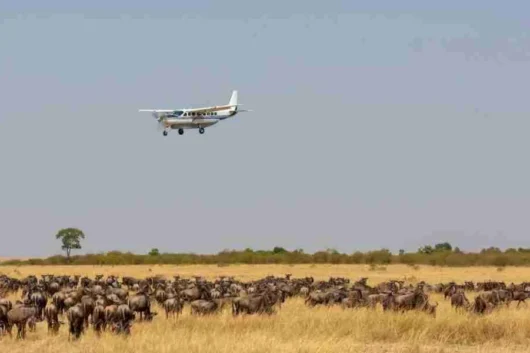
A flying safari uses domestic flights to travel between safari destinations, significantly reducing long road transfers. Flying safaris are particularly useful for travelers with limited time or those seeking a premium experience.

44. Are Kenya flying safaris worth it?

Flying can save substantial travel time and provide more time for wildlife viewing and relaxation. Adeli Kenya Safaris offers flying safari options for travelers who prefer convenience and efficiency.

45. Can I combine road and flying safaris in Kenya?

Yes. A combination of road and air travel can create an efficient itinerary. For example, travelers can drive to one destination and fly to a more distant park such as Maasai Mara or Samburu.

46. What are Kenya SGR safari packages?

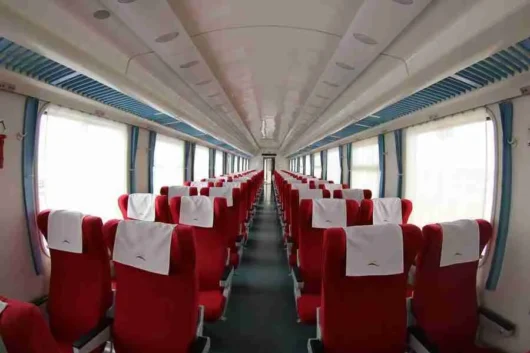
SGR safari packages combine travel on Kenya’s Standard Gauge Railway with safari arrangements such as transfers, accommodation and game drives. They can be particularly convenient for travelers combining Nairobi or Mombasa with safari destinations.

47. Can I book an SGR safari with Adeli Kenya Safaris?

Yes. Adeli Kenya Safaris offers Kenya SGR safari packages as part of its range of Kenya travel experiences.

48. What are Kenya self-drive safari packages?

Self-drive packages allow travelers to explore Kenya independently, usually with accommodation and other travel arrangements organized in advance. They can suit experienced travelers who prefer greater independence.

49. Can Adeli Kenya Safaris arrange self-drive travel?

Yes. Self-drive options form part of the Kenya travel products offered by Adeli Kenya Safaris.

50. Can I combine a Kenya safari with a beach holiday?

Yes. Kenya is ideal for combining wildlife and beach experiences. Adeli Kenya Safaris can combine a safari with Diani Beach, Mombasa, Malindi, Watamu or Lamu.

51. What is the best Kenya safari and beach combination?

Popular combinations include Maasai Mara and Diani Beach, Tsavo and Mombasa, Amboseli and Diani, or a longer safari followed by a coastal holiday.

52. Can I combine Maasai Mara with Diani Beach?

Yes. A Maasai Mara and Diani Beach holiday combines classic African wildlife with a relaxing Indian Ocean beach experience.

53. Can I combine Amboseli with Diani Beach?

Yes. Amboseli and Diani provide a contrasting combination of wildlife, Mount Kilimanjaro scenery and tropical beaches.

54. Can I combine Tsavo with Mombasa?

Yes. Tsavo East and Tsavo West are particularly convenient for combination with a Mombasa beach holiday because of their location in southeastern Kenya.

55. What is the best Kenya safari from Nairobi?

Popular Nairobi departures include Maasai Mara, Amboseli, Lake Nakuru, Lake Naivasha, Samburu and Ol Pejeta. Adeli Kenya Safaris can recommend the best route based on the length of your trip.

56. Can I start my Kenya safari from Mombasa?

Yes. Travelers staying in Mombasa can begin safari itineraries to Tsavo and other destinations. Adeli Kenya Safaris can arrange transfers and safari transportation.

57. Can I start my Kenya safari from Diani Beach?

Yes. Diani Beach can be used as the starting point for a safari, particularly to Tsavo East and other southeastern destinations.

58. Can I start my safari from Malindi or Watamu?

Yes. Safari arrangements can be made from Kenya’s northern Coast, with routes connecting to Tsavo and other wildlife destinations.

59. What is the best Kenya safari from Diani Beach?

Tsavo East and Tsavo West are among the most convenient options from Diani. Longer itineraries can continue to Amboseli, Maasai Mara or other destinations.

60. What is the best safari from Mombasa?

Tsavo East and Tsavo West are popular choices for short safaris from Mombasa. Longer trips can include Amboseli, Maasai Mara or other parks.

61. What are the best safari destinations near Nairobi?

Nairobi National Park, Amboseli, Lake Nakuru, Lake Naivasha, Ol Pejeta and Maasai Mara can all be incorporated into itineraries from Nairobi, depending on the length of the trip.

62. What are the best Kenya safari destinations for luxury travelers?

Luxury travelers can consider Maasai Mara, private conservancies, Samburu, Laikipia, Amboseli and Tsavo. Adeli Kenya Safaris can arrange premium accommodation and private safari vehicles.

63. What are the best Kenya safari destinations for budget travelers?

Maasai Mara, Amboseli, Tsavo and Lake Nakuru can all be visited on budget-conscious itineraries when accommodation and transportation are selected carefully.

64. What are the best Kenya safari destinations for families?

Maasai Mara, Amboseli, Lake Nakuru and Lake Naivasha are popular family choices. The ideal destination depends on the children’s ages and the activities you prefer.

65. What are the best Kenya safari destinations for couples?

Maasai Mara, Amboseli, Samburu, Laikipia and private conservancies can be excellent for couples. Adding a Diani Beach holiday creates a particularly attractive safari-and-beach experience.

66. What is the best Kenya safari for adventure travelers?

Adventure-oriented travelers can combine wildlife safaris with walking experiences, cultural visits, hot-air ballooning, mountain activities, horseback experiences and other specialized activities depending on the destination.

67. Can I book a Kenya cultural safari?

Yes. Cultural experiences can be incorporated into Kenya safari itineraries, including visits and interactions with communities such as the Maasai and Samburu. Adeli Kenya Safaris can integrate cultural experiences with wildlife travel.

68. Can I book a Kenya photography safari?

Yes. Kenya is an exceptional destination for wildlife photography. Adeli Kenya Safaris can design photography-focused itineraries around destinations such as Maasai Mara, Amboseli, Samburu, Ol Pejeta and Tsavo.

69. Can I book a birdwatching safari in Kenya?

Yes. Kenya’s diverse habitats support exceptional birdlife. Adeli Kenya Safaris can create birdwatching itineraries tailored to experienced birders or travelers who simply want to include birding in their safari.

70. Can I book a Kenya camping safari?

Yes. Camping can provide a more immersive and economical way to experience Kenya’s wilderness. The appropriate camping arrangements depend on the destination and itinerary.

71. Can I book a Kenya walking safari?

Yes, walking experiences are available in selected areas and conservancies. Activities depend on local regulations, guides and accommodation arrangements.

72. What types of accommodation are available on Kenya safaris?

Kenya offers budget camps, safari lodges, tented camps, luxury camps, hotels, private villas and other accommodation options. Adeli Kenya Safaris can recommend accommodation based on your budget and desired safari style.

73. What is the difference between a Kenya safari lodge and a tented camp?

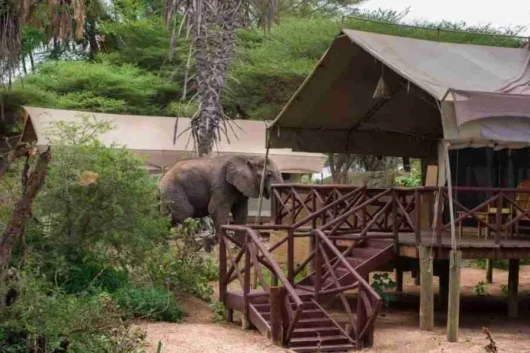
A safari lodge generally consists of permanent structures, while a tented camp uses canvas accommodation designed to provide a closer connection with the surrounding environment. Both can provide comfortable and memorable safari experiences.

74. Can I choose my safari accommodation with Adeli Kenya Safaris?

Yes. Accommodation can be selected according to availability, budget, destination and preferred level of comfort. Adeli Kenya Safaris offers options ranging from budget-friendly properties to luxury lodges and camps.

75. Are Kenya safari lodges safe?

Established safari lodges and camps follow wildlife and guest-safety procedures. Travelers should always follow staff and guide instructions, especially when staying in unfenced wildlife areas.

76. How much does a Kenya safari cost?

There is no universal Kenya safari price. Costs depend on accommodation, number of travelers, season, destinations, transportation, park fees and activities. Adeli Kenya Safaris prepares safari quotations according to each traveler’s requirements.

77. Why do Kenya safari prices vary?

Safari prices vary because of accommodation standards, high and low seasons, park and conservancy fees, vehicle type, private versus group travel, domestic flights and the number of safari days.

78. What is included in a Kenya safari package?

Depending on the itinerary, packages may include accommodation, meals, safari transportation, professional guides, game drives, park fees and transfers. The exact inclusions should be confirmed before booking.

79. What is excluded from Kenya safari packages?

Common exclusions may include international flights, entry requirements, travel insurance, personal expenses, optional activities, alcoholic drinks and gratuities. The exact exclusions vary by package.

80. Can Adeli Kenya Safaris customize a Kenya safari package?

Yes. Tailor-made travel is one of Adeli Kenya Safaris’ core services. Your itinerary can be customized according to destinations, dates, budget, accommodation, transportation and interests.

81. Can Adeli Kenya Safaris arrange a private 4×4 safari?

Yes. Adeli Kenya Safaris provides 4×4 safari vehicles, including safari Land Cruisers, for private and customized wildlife experiences.

82. What safari vehicles does Adeli Kenya Safaris use?

Adeli Kenya Safaris uses safari vehicles including customized 4×4 Land Cruisers and safari vans. Vehicle selection depends on the itinerary, group size and safari style.

83. Is a 4×4 Land Cruiser better than a safari van?

A 4×4 Land Cruiser generally provides additional comfort, capability and flexibility, particularly on challenging terrain and for private safaris. Safari vans can be a practical and economical option for certain itineraries.

84. Can I book a private safari vehicle?

Yes. A private safari vehicle gives you greater flexibility over game-drive timing, photography stops, route and travel pace. Adeli Kenya Safaris can arrange private safari vehicles according to your itinerary.

85. Do Kenya safaris include a professional safari guide?

Professional guiding is an important part of the safari experience. Adeli Kenya Safaris works with experienced safari planners and professional driver-guides with local knowledge of Kenya’s wildlife and destinations.

86. What should I pack for a Kenya safari?

Recommended items include lightweight clothing, comfortable shoes, a hat, sunglasses, sunscreen, insect repellent, binoculars, camera equipment and a light jacket for cool mornings and evenings.

87. Do I need binoculars for a Kenya safari?

Yes. Binoculars are highly recommended because they allow you to observe distant wildlife and birds without disturbing them.

88. What colors should I wear on a Kenya safari?

Neutral colors such as khaki, beige, brown and olive are practical for safari. Comfortable lightweight clothing is generally more important than following a strict dress code.

89. Is Kenya safe for safari tourists?

Kenya is an established safari destination with professional tourism infrastructure. Travelers should follow local advice, wildlife-safety instructions and guidance from their safari operator.

90. Are Kenya safaris safe for children?

Yes, family safaris are common in Kenya. However, children should follow wildlife-safety rules and some activities or accommodations may have age restrictions.

91. Can solo travelers book Kenya safaris?

Yes. Solo travelers can choose private safaris or group-joining safaris. Adeli Kenya Safaris can recommend the most appropriate option based on your budget and preferences.

92. Can senior travelers go on a Kenya safari?

Yes. Safari itineraries can be adjusted for senior travelers by selecting comfortable accommodation, reducing long road transfers and using flights where appropriate.

93. Can I book a Kenya safari at the last minute?

Last-minute safaris may be possible depending on accommodation, vehicle and guide availability. However, advance booking is recommended for peak seasons and popular destinations.

94. How far in advance should I book a Kenya safari?

Booking several months ahead is advisable for peak travel periods, popular lodges, luxury camps and migration-season travel. Early planning also provides a wider choice of accommodation.

95. Can Adeli Kenya Safaris organize airport transfers?

Yes. Airport transfers can be incorporated into your Kenya safari itinerary, including airport pickup, pre-safari accommodation and transfers to your safari destination.

96. Can Adeli Kenya Safaris organize pre- and post-safari accommodation?

Yes. Pre- and post-safari hotel arrangements can be included, particularly for travelers arriving in Nairobi or extending their holiday to the Kenyan Coast.

97. Does Adeli Kenya Safaris offer sustainable Kenya safaris?

Yes. Sustainability is a core part of Adeli Kenya Safaris’ approach. The company’s stated sustainability pillars include replenishing the wild, treading mindfully and supporting local communities, with its experiences aligned with the UN Sustainable Development Goals.

98. Can Adeli Kenya Safaris organize Kenya safari and beach holidays?

Yes. Adeli Kenya Safaris specializes in Kenya safari and beach combinations, allowing travelers to combine wildlife destinations with Diani, Mombasa, Malindi, Watamu or Lamu.

99. How do I book a Kenya safari with Adeli Kenya Safaris?

You can contact Adeli Kenya Safaris by phone, WhatsApp, email or social-media messaging. Provide your preferred travel dates, number of travelers, budget, destinations and interests so the team can develop a suitable safari proposal.

100. Why should I choose Adeli Kenya Safaris for my Kenya safari?

Adeli Kenya Safaris combines local Kenyan expertise, tailor-made itinerary planning, professional driver-guides, safari vehicles, carefully selected accommodation and a commitment to responsible tourism. Whether you want a luxury Maasai Mara safari, Big Five adventure, family holiday, budget safari, flying safari, road safari, SGR safari or Kenya safari and beach holiday, the company can customize the journey around your requirements.

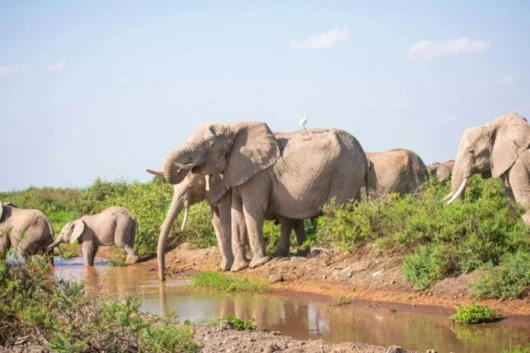
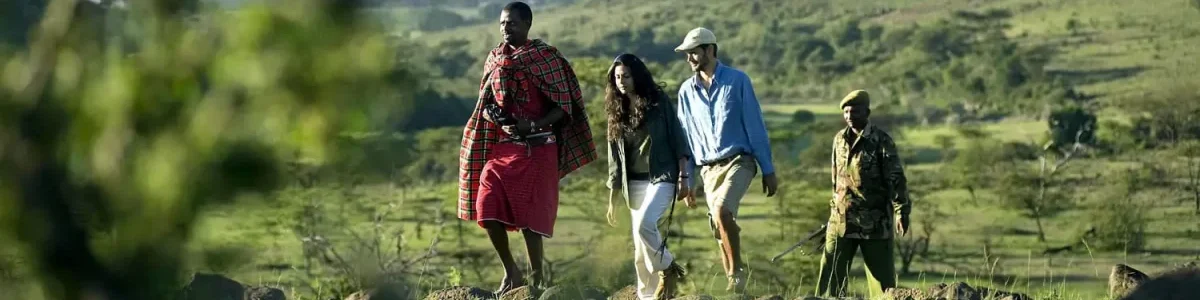
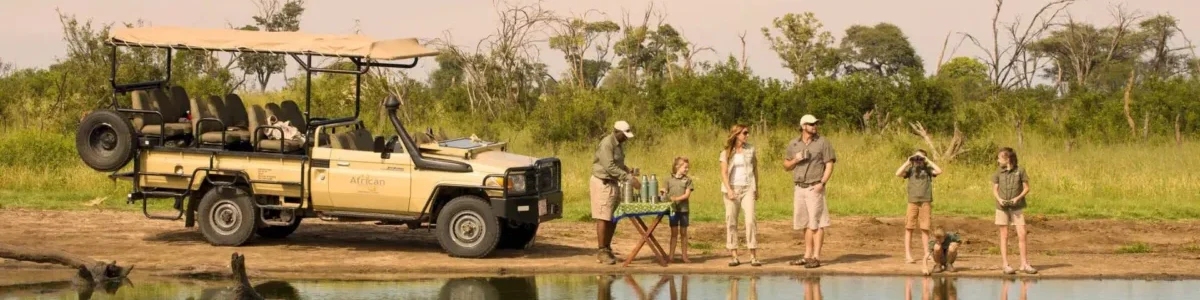
Happy guests on an African safari. Book Africa safari tour packages with Adeli Kenya Safaris. Kenya safaris, Tanzania tours, Zanzibar holidays, gorilla trekking & Nairobi excursions.

Customize your dream trip:

Contact a travel expert at Adeli Kenya Safaris today to book / inquire:  You may email, WhatsApp or call us and we shall send you a fully customized, itemized safari itinerary, built around your dates, budget and dreams.

Ecotourism and sustainable travel practices on your African safari tour with Adeli Kenya Safaris

Why book your safari holiday with Adeli Kenya Safaris ?

Being locally operated in Nairobi Kenya means Adeli Kenya Safaris is on the ground every day, carefully selecting the best lodges, monitoring wildlife movements, and ensuring every detail of your journey is handled with local expertise and personal attention. Whether you dream of witnessing the Great Migration in the Maasai Mara, exploring the vast plains of Amboseli beneath Mount Kilimanjaro, discovering the untamed beauty of Tsavo, or relaxing on the pristine beaches of Diani, our team is here to make your African adventure unforgettable.

At Adeli Kenya Safaris, we believe that no two travelers are alike, which is why every safari we create is designed exclusively around your interests, travel style, and dreams. As specialists in custom-made private safaris, we offer personalized journeys that allow you to explore Africa at your own pace, with the flexibility, comfort, and attention to detail that only a private safari can provide.

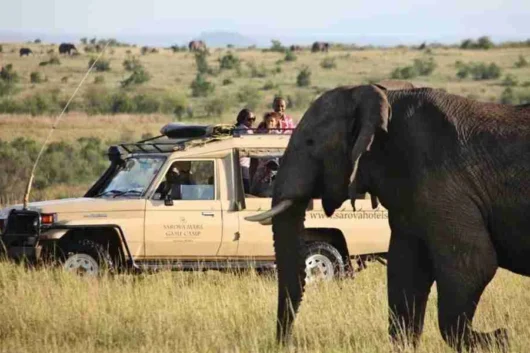
Travel in comfort, safety, and style with Adeli Kenya Safaris’ fleet of well-maintained 4×4 Safari Land Cruiser Jeeps. Designed for Africa’s rugged terrain, our vehicles are regularly serviced and equipped to ensure a smooth, reliable, and enjoyable safari experience from start to finish.

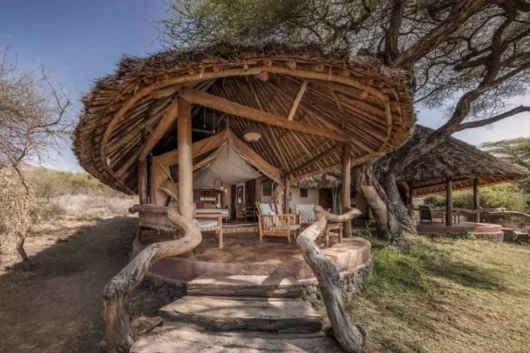
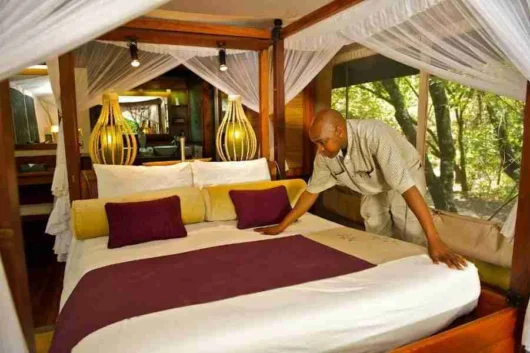
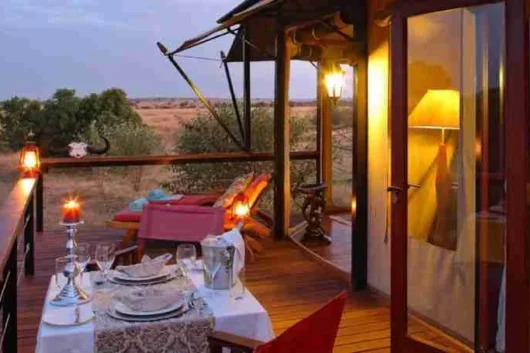
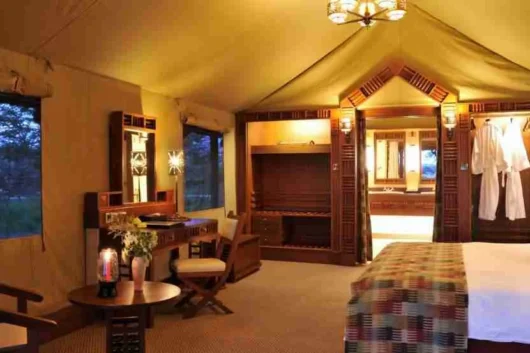
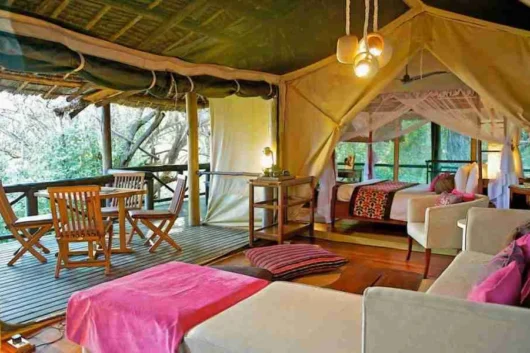
When you travel with Adeli Kenya Safaris, you stay at carefully selected safari lodges, luxury tented camps, and beach resorts chosen for their comfort, service, and prime locations close to Kenya’s most spectacular wildlife and coastal experiences.

Best luxury hotels, safari lodges & tented camps in Kenya

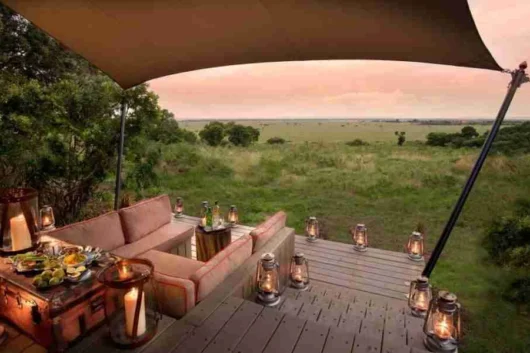
From opulent hotels like Fairmont Mount Kenya Safari Club, Giraffe Manor Hotel, JW Marriott Hotel Nairobi, Angama Mara Safari Lodge, Mahali Mzuri, Ritz-Carlton Masai Mara Safari Camp, JW Marriott Masai Mara Lodge, &Beyond Bateleur Camp, Pristine Mara Bay Lodge, Emboo River Camp, Finch Hattons luxury Tented Camp, Sirikoi Lodge, Ol Jogi House, Segera Reatreat, Sirai House, &Beyond Suyian Lodge, A&K Sanctuary Kitirua Plains Lodge, Segera Retreat, Sirikoi Lodge, Lentorre Lodge, Alfajiri Villas e.t.c. that redefine luxury in the wilderness to authentic safari lodges blending seamlessly with their natural surroundings, and intimate tented camps offering an up-close encounter with the wild, Kenya caters to every traveler’s dream.

At Adeli Kenya Safaris, our greatest strength is our team of experienced travel planners and professional driver-guides who are passionate about Africa and dedicated to creating unforgettable journeys. With extensive local knowledge, attention to detail, and a genuine love for sharing the beauty of our destinations, our experts ensure every safari is seamlessly planned and expertly guided. From the first inquiry to the final game drive, you can count on personalized service, insightful guidance, and exceptional care every step of the way.

At Adeli Kenya Safaris, our dedicated travel specialists are easily accessible through WhatsApp, email, SMS, phone calls, and social media messaging platforms, ensuring you can reach us through the channel that is most convenient for you. Whether you’re requesting a quotation, seeking travel advice, making changes to your itinerary, or need assistance during your trip, our team is always ready to respond promptly and professionally.

We believe that exceptional safari experiences should come with clear and honest pricing. Our competitive rates are designed to offer outstanding value without compromising on quality, comfort, or service. From the moment you receive your quotation, you’ll know exactly what you’re paying for—no hidden fees, unexpected charges, or last-minute surprises. With transparent pricing and carefully crafted safari packages, you can plan your African adventure with complete confidence and peace of mind.

Trusted by travelers from Africa, Europe, North America, Central America, South America, Asia, Antarctica & Australia (Oceania).  Whether you’re travelling solo, as a couple, with family, with friends, for business, or joining like-minded explorers, we will tailor a dream safari for you.

For the past 20+ years, Adeli Kenya Safaris has been curating memorable and affordable Africa holiday packages for Business Travelers, honeymooners, travel photographers, Resort / Island hoppers, City slickers, Digital Nomads, Travel bloggers, Travel Hackers, Luxury Travelers, Budget conscious travelers, Recharge Retreaters, Backpackers, Culture Vultures, Influencers, Thrill Seekers, Volunteers, Disabled Travelers, Group Tour Peeps, Nature Lovers, Gap Year Folks, Expeditioners, Explorers, Holidaymakers, Zen Chasers, Foodies, Fashionistas, Set Jetters, Cruisers, Work Exchange Crowd, Party Seekers, Weekend Warriors, Soul Searchers, Vanlifers, Tech-Savvy Travelers, Chatty Travellers, LGBTQ Travellers e.t.c.

We are committed to responsible and sustainable tourism that protects Africa’s wildlife, preserves natural habitats, and supports local communities. We carefully partner with eco-conscious lodges, conservation initiatives, and community-based projects to ensure that every journey contributes positively to the destinations we visit. By choosing to travel with us, you are helping to promote ethical tourism and create a lasting impact for future generations while enjoying authentic and meaningful travel experiences.

Wander the wonderful world with wow and awe. Disconnect, indulge & rediscover yourself. Go explore with Adeli Kenya Safaris

Your dream safari / holiday is just a call or email away. Contact Adeli Kenya Safaris today. Tel: +254720564538 | WhatsApp: +254720564538 | Email: info@adelikenyasafaris.com

Kenya Safari tour Packages:
East Africa safari Tours:
Rest of Africa Tours:

Cruise Holiday Packages

Book your dream cruise holiday package with Adeli Kenya Safaris and sail aboard the best cruise lines like Norwegian Cruise Line (Norwegian Jade, Norwegian Epic, Norwegian Prima), Celebrity Cruises (Celebrity Millennium, Celebrity Apex & Celebrity Xcel), Princess Cruises (Diamond Princess) and many more.

Explore beautiful cruise destinations like Spain, France, Italy, England, Greece, Malta, Belgium, Netherlands, Norway, Iceland, Japan, South Korea e.t.c.

Regionally, we also arrange Africa river cruises at Nile River (Egypt), Chobe River (Botswana), Zambezi River (Zambia & Zimbabwe), Okavango Delta, Congo River, Senegal River & Niger River.

We specialize in tailor-made, affordable, immersive, sustainable and family-friendly Africa safari adventures take you to the most uncharted wild places like Masai Mara National Reserve (Kenya), Serengeti National Park (Tanzania), Kruger National Park (South Africa),  Bwindi Impenetrable Forest National Park (Uganda), Chobe National Park (Botswana) e.t.c, where Africa still feels vast and wild. Explore destinations where the signal is weak but connection with mother nature is enviably strong….off the beaten track places where silence is only broken by the calls of the wild and its enchanting horizons seem to stretch forever.

With over 20+ years of experience, our native, experienced and passionate safari planners & safari guides expertly and thoughtfully curate magical safari moments that have moved us the most before – we too are avid nomadic souls. Immerse your body, mind and soul in breathtaking experiences that will awaken & captivate your 7 senses by what you see, feel, hear, touch, smell and taste, leaving you speechless, restored & inspired.

For the eco-Conscious traveler: Each of our adventures is expertly curated to leave a lasting positive impact – on you the traveler, the land, and the local communities. Our endeavor is to leave this planet a better place than we found it for the future generations.

Tailor-Made safaris: At Adeli Kenya Safaris, our 20+ years of experience has taught us that no two travelers are the same, and neither should their journeys be. Our travel designers curate every detail to your passions, pace, and preferences, just as unique as you are.

Join us as responsibly explore & preserve the wild places and cultures we treasure for generations to come. Experience wildebeest migration, big five, big cats, small 5, ugly 5, special 5 of Samburu, breathtaking wildlife parks like Masai Mara, Amboseli, Serengeti, Ngorongoro & Bwindi Impenetrable; private wildlife conservancies like Ol Pejeta & Lewa, natural wonders, awe-inspiring, landscapes, beautiful beaches, magical sunsets & sunrises, prolific wildlife & birdlife, indigenous cultures, lakes, mountains, farms, historical sites, religious sites, sports sites. UNESCO World Heritage Sites e.t.c as you stay in the best hotels, safari lodges, tented camps & homestays.

EAST AFRICA SAFARI DESTINATION GUIDES

Africa family safari holidays and tour packages in Kenya and Tanzania with Adeli Kenya Safaris the best tour company and travel agency in Kenya scaled

Adeli Kenya Safaris' seamless & enjoyable safari booking process

Share your dream

Fill the booking form or email or WhatsApp or call us. Share your dates, group size, destinations and budget — as much or as little as you know.

We reply in 1 hr

A real expert — not a bot — responds within 1 hour on WhatsApp and email, 7 days a week including weekends.

Free, no obligaion quote

Within 24 hours, you will receive a fully custom, itemized itinerary — built around your dates, budget & dreams / interests.

We curate it together

Adjust parks, lodges, dates or duration until it is exactly right. We refine as many times as you need — no pressure.

Time to explore

50% deposit confirms your booking. Balance payable at least 14 days before safari start. Your guide collects you from the airport or hotel for safari.

Booking Information we need from you

The more details you give us, the more precisely we can build for you — but the much you have shall help us to to get started. We would love to know your travel dates, group size (if there children advise on their ages at time of travel), your safari budget, destinations of interest, any extra trip enhancements / experiences, whether it’s your first time on safari or not, dietary requirements, any special occasion you are celebrating, your preferred transport means (road, flight, train or a mixture), your accommodation preference (Value, Classic, Comfort, Superior, Luxury or signature), whether you need us to book your pre/post safari accommodation at city of entry e.t.c.

kichwa tembo camp Masai Mara National Reserve
Kenya Safari FAQs with expert answers

Your dream safari in Kenya  can be booked by contacting Adeli Kenya Safaris via call, WhatsApp, Email, Facebook chat, Instagram chat e.t.c. It’s advisable to research different options, compare prices and reviews, and book in advance, especially during peak tourist seasons.

Kenya offers an incredible combination of world-famous safari parks and stunning tropical beaches, making it one of Africa’s premier holiday destinations. Top safari and beach destinations include Masai Mara National Reserve, renowned for the Great Migration and exceptional wildlife viewing; Amboseli National Park, famous for elephant herds and views of Mount Kilimanjaro; Tsavo East National Park and Tsavo West National Park, Kenya’s largest wilderness areas; Lake Nakuru National Park, known for rhinos and birdlife; Samburu National Reserve, home to unique northern wildlife species; Ol Pejeta Conservancy and Laikipia Plateau for luxury conservation safaris; Aberdare National Park and Mount Kenya National Park for scenic landscapes and adventure. Along the coast, visitors can relax on the white-sand beaches of Diani Beach, Watamu, Malindi, Nyali Beach, and Bamburi Beach, while exploring the rich Swahili culture and marine life around Lamu Island. Together, these destinations showcase the very best of Kenya’s wildlife, landscapes, culture, and coastal beauty.

Adeli Kenya Safaris seamlessly designs and operates cross-border journeys that combine the very best of East Africa, allowing you to experience an unforgettable Kenya safari alongside an equally spectacular Tanzania safari and/or a relaxing Zanzibar beach escape. From the Great Migration in the Masai Mara and Serengeti to the pristine white sands and turquoise waters of Zanzibar, every itinerary is carefully coordinated for smooth border crossings, well-timed connections, and exceptional comfort. With expert planning and experienced driver-guides, guests enjoy a single, well-organized journey that blends wildlife, culture, and beach relaxation into one extraordinary East African adventure.

Yes, most visitors to Kenya require a visa / Electronic Travel Authorization. It’s recommended to check the visa requirements for your country of citizenship before traveling. Check more here https://adelikenyasafaris.com/visas/visa-information/

The best time for a safari in Kenya is during the dry season, which typically runs from June to October. This period offers excellent wildlife viewing opportunities as animals gather around water sources.

Essential items to pack for a safari include lightweight clothing, a hat, sunscreen, insect repellent, binoculars, camera with extra batteries, and sturdy walking shoes.

Yes, Kenya is generally safe for safaris, but it’s important to follow the advice of your safari guide and adhere to park regulations for a safe and enjoyable experience.

-friendly campsites and guesthouses.

It’s recommended to consult with a healthcare professional or travel clinic for advice on necessary vaccinations and health precautions before traveling to Kenya for a safari.

Yes, many safari lodges and camps in Kenya welcome families with children and offer child-friendly activities and accommodations. However, it’s important to check age restrictions and safety guidelines with individual lodges or tour operators.

The Big Five refers to the five most sought-after and iconic African wildlife species: lion, elephant, buffalo, leopard, and rhinoceros.

In addition to game drives, safari activities may include guided nature walks, birdwatching, hot air balloon safaris, cultural visits to local communities, and visits to conservation projects or wildlife sanctuaries.

Kenya is home to a diverse array of wildlife, including the Big Five (lion, elephant, buffalo, leopard, rhinoceros), giraffe, zebra, wildebeest, cheetah, hyena, and various antelope species.

A safari is an adventure or journey, typically in Africa, to observe and photograph wildlife in their natural habitats.

A game drive is a guided excursion in a safari vehicle through a national park or wildlife reserve to observe and photograph animals.

Accommodation options on safari range from luxury lodges and tented camps to budget-friendly campsites and guesthouses.

The wildebeest migration is an annual natural phenomenon in which millions of wildebeest, accompanied by zebras and other herbivores, migrate in search of greener pastures between the Serengeti National Park in Tanzania and the Masai Mara National Reserve in Kenya.

National parks are government-managed protected areas set aside for conservation and wildlife viewing, while conservancies are privately owned or community-owned areas managed for conservation and sustainable tourism.

The weather on safari in Kenya can vary depending on the time of year and location. Generally, Kenya experiences a dry season from June to October and a wet season from November to May, with temperatures ranging from mild to hot.

The duration of a safari can vary depending on individual preferences and itinerary. Safaris may range from a single-day excursion to multi-day tours lasting several days or weeks.

The currency used in Kenya is the Kenyan Shilling (KES). While major credit cards are accepted at many lodges, camps, and larger establishments, it’s advisable to carry some cash for purchases at smaller shops or markets.

Yes, on clear days, Mount Kilimanjaro, Africa’s tallest peak, can be visible from certain areas in Kenya, such as Amboseli National Park.

If you encounter a wild animal on safari, it’s important to remain calm, keep a safe distance, and follow the instructions of your safari guide. Avoid making sudden movements or loud noises that may startle the animal, and never attempt to approach or feed wild animals.

Book Africa safari tour packages with Adeli Kenya Safaris. Kenya safaris, Tanzania tours, Zanzibar holidays, gorilla trekking & Nairobi excursions.

Africa safari FAQs with expert answers

When is the best time to travel to Africa?

Ideally, the dry season is the best time for wildlife viewing in the African bush. During this time, the vegetation dries up, giving safari goers a clearer view of the wildlife. In addition, animals congregate around the water sources, which are in shorter supply during the dry months. In contrast, the wet season is the best time for bird watching in several African countries plus the landscape blossoms from dry plains to lush grasslands so it’s a very beautiful time to visit. The verdant landscape during the wet months attracts thousands of migrating bird species, making it a bird watcher’s paradise. Keep in mind that often during the wet months, the African park roads may become inaccessible so bird watching safaris may need more planning.

The best time to visit an African country depends on your plans. Some people want to explore the wilderness, while others want to go on cultural and historical adventures. Then there are adrenaline junkies who want to scale Africa’s tallest mountains or white water raft on thrilling rivers

Our handy table puts together the ideal time to visit some of Africa’s premium safari destinations. It also shows the best time for bird-watching.

CountryBest time for Wildlife ViewingBest time for Birding
BotswanaMay to OctoberNovember to April
KenyaJanuary to February, June to OctoberOctober to February, June, July
MadagascarApril to OctoberSeptember to December
NamibiaJuly to OctoberNovember to April
South AfricaMay to SeptemberSeptember to March
TanzaniaJuly to OctoberOctober-December, March-May
UgandaDecember to February, June to AugustMay to September
ZambiaJune to NovemberOctober to April
ZimbabweJuly and OctoberOctober to March

The best time to visit Kenya is during the Dry season from late June to October (these are the best wildlife viewing months). The wildebeest migration usually reaches the Masai Mara in August and remains until October when they move back to the Serengeti in Tanzania. Wildlife viewing is good year-round, but this can differ for some parks. See below to learn when to visit which park.

Visiting Kenya in January

The height of summer is an excellent time to spot wildlife, both on the ground and in the air. Temperatures are hot but there will be the odd shower to cool things down, while the landscape is lush with long grass from the ‘short rains’ that fall in November and December. Down on the coast, the days are hot and sunny and the sea is at its clearest.

Visiting Kenya in February

Another great month for spotting wildlife, both on the ground and in the air. Temperatures remain high and the odd shower may fall, while there should still be long grass covering the landscape from the ‘short rains’ that fall in November and December.

Visiting Kenya in March

The weather gets wetter as Kenya approaches the ‘long rains’, but game viewing is still good.

Visiting Kenya in April

The ‘long rains’ of April and May can turn the tracks through the parks into quagmires and make the beaches along the Indian Ocean coastline hot and very wet, so this isn’t the best time to travel.

Visiting Kenya in May

The ‘long rains’ of April and May can turn the tracks through the parks into quagmires and the beaches along the Indian Ocean coastline hot and very wet, so this isn’t the best time to travel.

Visiting Kenya in June

The rains have finished for the most part, although some light showers are still possible, and the nights can be cool at altitude. The long dry season is on the horizon, and while grasses are high, making game harder to spot at times, it is a beautiful time to visit. People start anticipating the arrival of the Great Migration into the Masai Mara.

Visiting Kenya in July

The weather is temperate and dry but not too dusty, with occasional showers still possible, making this a good time to visit overall. The first herds arrive into the Masai Mara from Tanzania and peak travel and game viewing season is just around the corner.

Visiting Kenya in August

The temperatures are pleasant and it’s mostly dry, making it one of the peak times to visit. Fantastic game viewing can be enjoyed now, with the Great Migration at its height in the Masai Mara providing lots of action at the river crossings as countless wildebeest and zebra gather and cross the Mara and Talek Rivers.

Visiting Kenya in September

The weather is generally dry. The game viewing action continues in the Mara, and it is still excellent throughout Kenya for wildlife.

Visiting Kenya in October

As the mercury slowly starts to rise, a few showers are possible. However, it’s a lovely time to travel if you want to avoid the crowds but still have excellent game viewing opportunities. The migratory herds are leaving the Mara now, but excellent resident populations remain. All other Kenya destinations are great at this time of year.

Visiting Kenya in November

The short rains are starting and the temperature is hotter, but the Mara, along with most other destinations, remains open. However, on the Laikipia Plateau many camps are closed. There is still good game viewing under the heavier skies and activities continue. Crowds dissipate and you can often make the most of some good deals.

Visiting Kenya in December

The end of the year can be hot and potentially wet — it’s the middle of the short rains, with some camps closed (particularly in the north) and some open. Where camps are open, wildlife viewing remains very good, with high bird numbers present.

From witnessing millions of wildebeest, zebra and other antelope traverse the plains of the Serengeti to ascending to the snow-capped peak of Mount Kilimanjaro or sipping chilled drink on the white-sand beaches of Zanzibar, Tanzania offers travellers some of the most diverse safari experiences in Africa.

A vibrant and beautiful country with exceptional parks and reserves, Tanzania is blessed with the winning combination of unparalleled game viewing and dazzling tropical beaches. Because Tanzania is so vast (almost 1.5 times the size of Texas), it helps to divide the country’s major holiday destinations into four areas:

  1. Northern Safari Circuit – the most popular Tanzania safari route comprising the Serengeti, Ngorongoro, Lake Manyara, Tarangire and Kilimanjaro.
  2. Tanzania Coast and Islands – the country’s beaches, especially those on islands like Zanzibar, are breath-taking and very accessible.
  3. Southern Tanzania – includes the wonderfully wild and underrated Nyerere (previously Selous) and Ruaha, some of the best-kept Tanzania safari secrets.
  4. Western Tanzania – head to the far-flung corners of Katavi and Mahale for the ultimate off-the-beaten-path Tanzania safaris.

January

Experience the natural splendour of Tanzania in all its beautiful, bursting, colourful glory when you visit in January.

Tanzania’s green season offers luscious, scenic landscapes and once-in-a-lifetime photography opportunities.

February

The best time of year to spot abby animals taking their first step on the savannah, February in Tanzania is incredible.

Bird watching, lush foliage, and cleansing afternoon thunderstorms greet visitors travelling in February.

March

An often-overlooked time of year, visiting Tanzania in March offers spectators beautiful birding opportunities and low crowds.

While occasionally hot and humid, the animals of Tanzania can often be seen out and about with their babies.

April

Scenic green landscapes, baby animals, flocks of colorful birds, and low crowds greet travelers visiting Tanzania in April.

While there may be showers during the day, the abundance of animals makes up for it.

May

Tanzania in May is your last chance to see the lush, natural splendor of Tanzania’s National Parks before the dry season.

Witness beautiful, green forests and wild, grassy plains full of young animals when visiting this time of year.

June

One of the best times of year visit, the dry landscapes in June will give visitors many opportunities to see animals.

With cool, dry weather, opportunities for water are scarce, meaning animals cluster around watering holes.

July

Visiting Tanzania in July is the perfect time to experience a safari the way it was meant to be done.

With the land becoming drier, animals can be spotted congregating near the closest watering holes.

August

Right in the middle of the long, dry season, Tanzania’s national parks become washed out – meaning animals are easier to spot.

A popular time to visit, August in Tanzania is one of the best chances to see animals in all their splendor.

September

With better visibility due to the cool, dry weather and shining Sun, September in Tanzania is one of the best times to visit.

The end of the long dry season, animals are desperate for food, making this the best time to see action.

October

Your last chance to experience an authentic safari atmosphere, October is the end of the long dry season in Tanzania.

Dense clusters of animals, easy driving through parks, and lots of animal action await you in October!

November

Come to Tanzania in November to witness nature spring back into life during the short rainy season.

With the return of the rain to the savannah, the fields, forests, and mountains of Tanzania explode with lush greenery.

December

Perfect and clear for photography, December is when thousands of birds return to Tanzania from their annual migration.

Finish your year off in warmth, comfort, and natural beauty by visiting Tanzania in December.

The best time to go gorilla trekking in Rwanda is during the dry season between the months of December to March, and June to September. Not only will the terrain be easier to navigate, it will also be much easier to spot gorillas hidden within the bamboo forests. It is important to note, however, that though it may be the dry season, the weather in Rwanda is notoriously unpredictable so advise your clients to pack a raincoat and waterproof hiking gear.

There is a safari priced for just about everybody, but there are major differences in accommodations, services, transportation and food. It’s important that you consider how much “roughing’ it” you’re willing to do before you plan your safari.

If you are interested in a custom tour for you and your family, this will also affect the price tag. Generally speaking, you would spend $300 US Dollars to $900 US Dollars per person, per day range. You might stay in luxury Camps and Lodges, have full service camping and some domestic flight time.

If you can pay between $900 and $2500 per person per day, you can stay in small, remote, five-star lodges and luxury plus camps and travel more by plane (it’s less tiring and offers spectacular views!).

Other factors that up the price are exotic modes of travel, such as by hot air balloon and special cultural experiences such as visiting a bush home, will be more expensive.

Don’t forget airfare to Africa, which is NOT included in your safari package. 

When to Visit Uganda?

Uganda has near perfect weather all year round and therefore you can visit whenever you want. That said, there are months with higher rains than others however please note that Uganda being a tropical country, the sun soon comes out after the rain. Most people prefer to travel here in Jan – March and June – mid October and December. The rains are more common in April & May and then mid October – November.

Top things to do on safari in Uganda

There are various activities you can engage in while on a safari in Uganda. Some will bring out your adrenaline drive whereas others will require you to sit back and relax while enjoying the experience.

Gorilla trekking – You can do this is Uganda’s Bwindi Impenetrable national park, Mgahinga gorilla national park, Rwanda’s Volcanoes national park and Congo’s Virunga national park. This requires you to purchase a gorilla tracking permit before you embark on this hike through the jungles with the help of your ranger guide. You are only allowed 1 hour in the presence of the gorillas once you locate them. Alternatively you can choose a gorilla habituation experience which accords you 4 hours in the presence of the gorillas.

Chimpanzee trekking – Just like gorilla trekking, chimpanzee trekking is done in various forests in Uganda with the most famous being Budongo forest, Semliki reserve, Kalinzu forest, Kyambura gorge, Kibale forest. In Rwanda, chimpanzee trekking happens in Nyungwe forest where just like gorillas, you are allowed 1 hour with the chimps after locating them while on a chimp trek.

Game drives – For those interested in the savannah national parks to watch wild animals as they go about their day, then game drives in the custom made safari vehicles is what you want. Your tour guide drives through different game tracks in search of the most sought after animals like Lions, Leopards, Elephants, Giraffes, Buffaloes etc.

Boat trips – This is on the many lakes and rivers around the country. Sometimes it is for birding, game viewing or sunset cruises. While in the national parks you can take an afternoon boat ride and watch different animals as they come to water and others that are resident there like Crocodiles and Hippos

Nature walks – In some parks you are allowed to take a nature walk with a ranger guide to learn more about the herbs, shrubs, trees and animals that are in the vicinity.

Community/Cultural experiences – Uganda is home to over 40 different tribes that have unique languages, foods – or at least a unique way of preparing it, songs and dance, rituals and rites of passage. Taking part in a cultural tour will allow you to interact with the people at close range getting involved in their day to day activities.

Bird watching – Uganda is home to over 1050 bird species where you are able to sight over 500 species while on a 21-day birding safari. Birding is done in both protected areas and non protected areas, in agricultural areas, wetlands, forests, savannah etc.

Absolutely!  A lot of safari lodges welcome younger children (although there are quite a few that do have age restrictions such as only above 6, 8 or even 13 years of age), and you should keep in mind that kids can become restless on long game drives or scared if they see an elephant or lion close by from an open vehicle.

For younger children the best option is probably a family-friendly safari lodge / tented camp in a malaria-free area of East Africa, where the lodge will provide specific kiddies game drives and activities. 

Older children can enjoy all the same experiences as the adults, but again we find that larger lodges where there are other kids about tend to be the best choice for most people with families.

Whatever the age of your kids, you will probably find that you want to mix things up a bit and include a beach or other activities as well as the safari – have a look at our suggestions for family safari holidays to get some ideas.

A safari is a casual affair. Safari dress is casual, preferably neutral colours (e.g. khaki, brown or green); T-shirts and shorts/skirts for the day; long-sleeved cool shirts and long pants with socks for evenings outdoors (for the mosquitoes); good walking shoes; swimsuit; warm sweater or light coat for early morning and night safari drives; polarizing sunglasses; a hat or cap; a good camera and plenty of film (you will not be able to get the film you need in remote areas); sun block cream (SPF 30 or higher)

If you are prone to sunburn; malaria medication; insect repellent (often supplied by your lodge); scarf and gloves for cool evenings especially in the winter months (June – August) – yes, it can be cold in the early mornings and evenings; and a good pair of binoculars (essential).

Following is a list to help you
1. Good quality sunglasses, preferably polarized – tinted fashion glasses are not good in strong light 
2. Bush Hat
3. T-shirts and one long-sleeved cotton shirt 
4. Shorts/ skirts 
5. Long trousers/slacks 
6. Track suit 
7. Underwear and socks 
8. Good walking shoes (running/ tennis shoes are fine) 
9. Thongs/sandals 
10. Swimsuit 
11. Warm winter sweater 
12. Warm Anorak or Parka (important for the cold winter mornings i.e. June – August) 
13. If you wear contact lenses, we recommend that you bring along a pair of glasses in case you get irritation from the dust 
14. Camera equipment and plenty of film. 
15. Binocular (Favorite pair)- 
16. Personal toiletries 
17. Malaria tablets 
18. Moisturizing cream & suntan lotion 
19. Anti-histamine cream 
20. Insect repellent e.g. Tabard, Raid, Jungle Juice, etc 
21. Basic medical kit (aspirins, Band-Aids), Imodium, antiseptic cream etc) 
22. Tissues/ “Wet Ones” 
23. Visas, tickets, passports, money etc 
24. A flashlight. Please bring spare batteries and a spare bulb as these are unobtainable in lodges and camps.
25. Light rain gear for summer months (late November to April) 
26. Scarf for the winter months (IE. May to September) 
If you are going to be staying in the major cities then bring along formal clothing for evening wear.

For the most part, a full day on safari will start with an early-morning wake-up followed by a game drive that starts at sunrise.

After a game drive of around 3 hours or so, you will return to the lodge or camp for breakfast and have some free-time to rest, sleep, go on a guided game walk (where offered). 

The afternoon game drive will head out towards the end of the day, and you will usually return to the lodge after dark if you are staying somewhere that allows this.

There are some places where the day might start a little later, and you may have an early breakfast at the lodge or camp before heading out for a full day game drive into a park. 

This trends to be more common in East Africa (particularly if you are with a driver guide) and also in national parks where game drives are not allowed out before dawn or after sundown.

Every day on an African safari is an adventure. Each moment is a new experience that’s unique for that single moment in time. No two animals are the same, and animal behavior is always changing. As for the scenery, you’ll experience everything from sweeping savannahs to lush marshlands, dense forests, and arid plains.

As for what it’s like to actually go on safari, let’s break it down.

  • Most African safaris are multi-day experiences. At massive public parks, such as Masai Mara Natioal Reserve, Amboseli National Park, Tsavo Parks, Serengeti National Park e.t.c, you can do what’s called a day safari (start a little after sunrise and end before sunset), but if an African safari is your dream vacation, this isn’t what you want. Seven to ten days on safari is most common, and that includes two to three locations.
  • You’ll stay at a lodge or camp in the bush. This means you’ll be in a remote location in the African wilderness accessible by car or air. How luxurious your room is, depends on your budget and operator.
  • Every day you’ll go on game drives to see the animals. Most African safaris take you on twice-a-day game drives (3-4 hours in the morning and 3-4 hours in the afternoon). These game drives can happen in open-air or enclosed vehicles (this depends on where you go on safari and your operator). And it’s during these game drives that you leave your camp/lodge to drive around the bush and find animals.
  • It’s an adventure, not a zoo. The animals are not waiting for you. You have to go out and, with the help of your professional/local guide, find the animals.
  • An African safari is all-inclusive: African safaris are not cheap, but the price includes all meals, game drives, guides, room, and board. Often, all drinks (including alcohol for superior luxury hotels) are encompassed in the price as well.

The African bush and it’s many natural wonders is certainly the highlight of your safari vacation time in Kenya, but your choice of accommodation will further enhance the experience. Thankfully, all the top parks and wildlife conservancies feature an elegant variety of accommodation options to suit anyone, from honeymooners to families. Whether you are looking for something rustic to fully immerse yourself in the bush experience or prefer to retire in an all-out luxurious lodge, Adeli Kenya Safaris has the knowledge to find your perfect Kenya trip accommodation and deliver the most authentic safari experience for you.

SAFARI ACCOMMODATION OPTIONS:

There is a huge choice of accommodation in Kenya. Each property is different and, with so much choice, it is easy to get it wrong. Here is a rough guide to the options on offer:

Mobile Bush Camps: As the name suggests, these are small mobile camps that are set up for a finite number of nights. Usually an overnight bush experience offered by permanent lodges, they can also be part of a longer walking safari. These fully serviced camps are set up for you and have simple dome tents, a small camp bed and a mattress, with bedding provided. Simple, but delicious meals are prepared for you and hot water is brought on demand to wash. There is a long-drop toilet (hole in the ground) in a separate small tent, although some of the larger tents have their own bucket showers at the back.

Permanent Tented Camps:

These are classic, East African camps, with only a handful of spacious, stylish, tented rooms. They feature comfortable beds and fine linen, small dressers, soft furnishings and private en-suite facilities. Usually, there is a patio or decking area outside the tent. These camps are typified by great service levels, shared safari vehicles and communal dining in the evening, with drinks (including alcohol) often included in the cost. They are great fun and very flexible.

Luxury Camps:

Fine dining, silver service and spa treatments feature heavily, whilst some properties offer private vehicles for game drives. Properties can be a mixture of canvas and permanent structure, but always with elegant and eclectic designs. There are exceptional levels of service, with an emphasis on personal touches and attention to detail.

Private Ranches: These are usually family homesteads or working ranches that have been converted into luxury accommodation. They offer some of the warmest welcomes in Africa, given the families themselves usually manage the properties and live on site. Again, only a handful of rooms, with a warmth and hospitality you would only find in someone’s home.

There is usually a wide range of activities on offer, given the surrounding land is owned by the lodge. Therefore, they are very flexible for large groups or families, although individuals and couples are also welcome.

Private Houses and Villas:

Perfect for families and large groups who want the privacy and flexibility of enjoying their holiday exactly as they like it. Fully staffed, with private guides and vehicles, these properties can manage wildlife activities and meal times around the group, to ensure everyone is happy. They can be found in both the wildlife areas and along the coast.

Coastal beach resorts, hotels & AirBnBs: The best places to stay are the small, boutique-style retreats. Often featuring cool Swahili designs, they provide shade from the sun, overlooking palm fringed beaches. Many have pools, which helps when the tide is out. Again, some are better suited for families with a range of activities on offer, whilst others are perfect for a quiet retreat or honeymoon.

Africa is a safe place to visit on a wildlife safari arranged by Adeli Kenya Safaris. Make sure you find out about the safari agency and the African country you want to visit as much as you can, and once there, follow some common-sense guidelines.

Here are some general guidelines that will keep you safe in Africa:

  • Avoid travelling alone at night
  • Avoid visiting isolated roads and places
  • Keep your valuables locked in a hotel safe
  • On game drives, always follow your guide’s advice

Big Cats and Big five East Africa Wildlife safaris in Kenya and Tanzania with Adeli Kenya Safaris

Lion at Masai Mara National Reserve in Kenya. Book Africa safari tour packages with Adeli Kenya Safaris. Kenya safaris, Tanzania tours, Zanzibar holidays, gorilla trekking & Nairobi excursions.

The African savanna is synonymous with its iconic Big cats wild animals of Africa: lions, leopards, and cheetahs. These magnificent predators hold a vital role in the ecosystem, captivating observers with their power, grace, and hunting prowess.

Witnessing these magnificent Big Cats in their natural African habitats is a highlight of any safari, offering a glimpse into the raw power and beauty of the wild. Conservation efforts are crucial to ensure the survival of these iconic species for future generations.

Read more about BBC’s Big Cat Diary

Buy an Ebook on Big cats by the award-winning photographers and conservationists Jonathan Scott and Angela Scott (the big cat people) who have participated in many travel documentaries including Big Cat Diary.

Cheetahs Meet Film Crew YouTube video| BBC Studios


  • Social Structure: Lions are unique among big cats for their social nature, living in groups called prides consisting of related females, their cubs, and a few dominant males.

  • Physical Characteristics: Adult males are easily recognizable by their impressive manes, a sign of virility and dominance. They are powerful and muscular, averaging 184-208 cm (72-82 inches) in head-and-body length and weighing 186-225 kg (411-496 lbs). Females are smaller, averaging 160-184 cm (63-72 inches) in length and weighing 118-143 kg (261-316 lbs).

  • Habitat and Distribution: African lions primarily inhabit grasslands, savannas, and open woodlands across sub-Saharan Africa. Historically widespread, their populations have significantly declined, and they are now classified as vulnerable. Major populations remain in East and Southern Africa, with Tanzania holding three of the five largest populations.

  • Hunting Behavior: Lionesses typically coordinate hunts, preying on medium to large ungulates like zebra and wildebeest. Males primarily defend the pride’s territory.

  • Conservation Status: Listed as Vulnerable due to habitat loss, human-wildlife conflict, and illegal wildlife trade.

Best places to see lions in Kenya and Tanzania:

Kenya and Tanzania are renowned for their healthy lion populations and offer exceptional opportunities for sightings. Here are some of the best places to see lions in these East African countries:

Kenya

Kenya is estimated to have around 2,500 lions, making it a significant stronghold for the species.

  • Maasai Mara National Reserve: This is arguably the best place in Kenya and one of the top locations in Africa for lion sightings. The open grasslands make spotting them easier, and the high concentration of prey, especially during the Great Wildebeest Migration (roughly July to October), supports a large lion population (estimated over 900). The Musiara pride is particularly famous and often featured in wildlife documentaries. The conservancies bordering the Mara, such as Mara North, Naboisho, and Olare Motorogi, also offer excellent viewing opportunities, often with a more exclusive experience.

  • Tsavo East and Tsavo West National Parks: The largest national park in Kenya, Tsavo is home to a significant lion population (around 675). These parks offer a different landscape with vast wilderness, including open plains and acacia scrub. The Tsavo lions are known for some males lacking prominent manes.

  • Amboseli National Park: Situated near Mount Kilimanjaro, Amboseli offers stunning views and a good lion population (around 200). The lions here are known for their golden cubs.

  • Samburu National Reserve: Located in northern Kenya, Samburu has a healthy lion population, often found along the Ewaso Ngiro River, where prey is abundant.

  • Nairobi National Park: Surprisingly, this park is located just 7 km from Nairobi city and hosts a resident lion population (around 45). While sightings might not be as frequent as in larger parks, it offers a unique opportunity to see lions against the backdrop of the city skyline.

  • Lake Nakuru National Park: Known for its flamingoes, Lake Nakuru also hosts a lion population (around 65) that can be spotted around the lake and surrounding grasslands.

  • Laikipia Conservancies (e.g., Ol Pejeta Conservancy, Lewa Wildlife Conservancy): These private conservancies are crucial for conservation and offer excellent wildlife viewing, including several lion prides. Ol Pejeta is known to have a significant lion population (around 90), and Lewa also supports a healthy number.

Tanzania

Tanzania boasts the largest lion population in Africa, estimated at around 14,500.

  • Serengeti National Park: Famed for the Great Migration, the Serengeti is also home to a vast lion population (around 3,000), the largest in Africa. The open plains provide excellent visibility, and the abundance of prey ensures frequent sightings. The eastern Serengeti, around the Namiri Plains, is particularly rewarding.

  • Ngorongoro Conservation Area (including the Crater): The unique ecosystem of the Ngorongoro Crater supports a high density of wildlife, including a significant lion population (around 65-75). The crater’s enclosed environment often leads to interesting lion dynamics and close-range viewing.

  • Lake Manyara National Park: Famous for its tree-climbing lions, Lake Manyara offers a unique perspective on these big cats. While not as numerous as in the Serengeti, seeing lions lounging in acacia trees is a memorable experience.

  • Ruaha National Park: Located in southern Tanzania, Ruaha is the largest national park in the country and supports a substantial lion population (over 1,000), representing a significant portion of Africa’s total lion numbers. The rugged landscape and the Great Ruaha River attract a high concentration of wildlife.

  • Nyerere National Park (formerly Selous Game Reserve): This vast protected area in southern Tanzania is home to a significant lion population (estimated between 1,700 and 6,900 in the greater Selous ecosystem). The diverse habitats support a wide range of wildlife and lion prides.

  • Tarangire National Park: Known for its large elephant herds and baobab trees, Tarangire also offers good lion sightings, particularly along the Tarangire River, especially during the dry season.

Best Time to See Lions:

While lions can be seen year-round, the dry seasons in both Kenya (June to October, December to February) and Tanzania (June to October, December to February) are generally considered the best times for wildlife viewing. During these periods, vegetation is less dense, making it easier to spot animals, and they tend to congregate around water sources.

Leopards: The Elusive Solitary Hunters

  • Solitary Nature: Leopards are predominantly nocturnal and solitary animals, each maintaining a home range.

  • Physical Characteristics: They are powerfully built with a tawny or light yellow coat marked with distinctive black rosettes. Their size varies, with males averaging 1.6 to 2.3 meters (5 to 7.5 feet) in length and weighing 37 to 90 kg (80 to 200 pounds). Females are smaller, weighing 27 to 59 kg (60 to 130 pounds).

  • Habitat and Distribution: Highly adaptable, leopards inhabit a wide range of environments across sub-Saharan Africa, from rainforests and rocky landscapes to savannas and even urban fringes.

  • Hunting Behavior: Leopards are skilled stalkers and ambush predators with a diverse diet, including mammals, reptiles, birds, and even fish. They are also known for their strength in climbing trees, often carrying their kills to avoid scavengers.

  • Conservation Status: Classified as Vulnerable due to habitat loss, human-wildlife conflict, and the illegal trade in their pelts and body parts.

Best places to see Leopards in Kenya and Tanzania:

Kenya and Tanzania are both excellent destinations for leopard sightings, though these elusive cats can sometimes be challenging to spot due to their solitary and often nocturnal nature. Here are some of the best places in each country to increase your chances:

Kenya

Kenya boasts a healthy leopard population, and certain areas are particularly renowned for sightings:

  • Maasai Mara National Reserve & Conservancies: The Mara is consistently ranked as one of the top places in Africa for leopard sightings. The riverine woodlands, especially along the Mara River and its tributaries, provide ideal habitat. The private conservancies bordering the main reserve (Mara North, Naboisho, Olare Motorogi, etc.) often offer even more exclusive and frequent sightings due to lower vehicle density and knowledgeable guides. Look for leopards resting in trees during the day or becoming more active at dawn and dusk.

    • Specific Camps with High Sighting Records: Offbeat Ndoto, Basecamp Leopard Hill, Sala’s Camp, Kicheche Bush Camp, Hemingways Ol Seki Mara.

  • Samburu National Reserve: This arid and dramatic landscape with rocky outcrops and riverine bush along the Ewaso Ngiro River is often called the “leopard capital of Kenya.” The unique vegetation and terrain provide excellent vantage points for these cats.

  • Laikipia Conservancies (e.g., Ol Pejeta, Lewa, Loisaba): These private conservancies are strongholds for various wildlife, including healthy leopard populations. Laikipia is also famous for its black leopard sightings, particularly around Laikipia Wilderness Camp. The diverse habitats, from open plains to rocky areas and woodlands, support a good number of leopards.

  • Tsavo National Parks (East & West): The vast wilderness of Tsavo offers a different environment for leopards. While sightings might be more sporadic than in the Mara or Samburu, the diverse habitats, including rocky hills and riverine areas, are home to these adaptable cats.

  • Amboseli National Park: While famous for its elephants and Kilimanjaro views, Amboseli also has a leopard population. Look for them in the acacia woodlands and riverine areas.

  • Lake Nakuru National Park: Known for its flamingoes, this park also supports leopards, often seen around the yellow-barked acacia (fever) trees.

Tanzania

Tanzania, with the largest lion population in Africa, also offers excellent leopard viewing opportunities in several key areas:

  • Serengeti National Park: Particularly the central Seronera Valley, is considered one of the best places in Tanzania to see leopards. The high density of prey and the presence of kopjes (rocky outcrops) provide ideal habitat. Look for them resting on rocks or in trees along the rivers. The Grumeti River area is also known for good sightings.

    • Specific Camps with High Sighting Records: Alex Walker’s Serian Serengeti, Lemala Mara-Ndutu, Kuro Tarangire, Lamai Serengeti, Kati Kati Camp.

  • Ngorongoro Conservation Area (including the Crater): The crater’s rim forests and the bushy areas within the crater provide habitat for leopards. While sightings might require more patience than in the open plains of the Serengeti, the unique environment supports a variety of predators.

  • Lake Manyara National Park: Famous for its tree-climbing lions, Lake Manyara also has a good leopard population that can be found in the dense forests and woodlands surrounding the lake. Keep an eye on the branches of acacia and fig trees. Night game drives here can increase your chances.

  • Ruaha National Park: Located in southern Tanzania, Ruaha is a less crowded park with a significant leopard population. The riverine woodlands along the Great Ruaha River are prime leopard territory. Guides here often have good knowledge of individual cat locations.

  • Tarangire National Park: Known for its large elephant herds and baobab trees, Tarangire also offers good leopard sightings, especially during the dry season when animals concentrate along the Tarangire River. Look for them in the trees and along the riverbanks.

  • Nyerere National Park (formerly Selous Game Reserve): This vast southern park has a healthy leopard population, though sightings can be more sporadic due to the dense vegetation in parts. Riverine areas and woodlands are good places to search.

Tips for Seeing Leopards:

  • Go on morning and late afternoon/early evening game drives: Leopards are most active during these cooler times.

  • Look in trees: Leopards often rest and hunt from the branches of large trees.

  • Listen for alarm calls: Monkeys, baboons, and birds often give alarm calls when a leopard is nearby.

  • Go on night drives (where permitted): As nocturnal animals, leopards are often more active at night, and spotlights can help with sightings.

  • Have an experienced guide: Local guides are often familiar with the territories and habits of individual leopards, significantly increasing your chances.

  • Be patient: Leopard sightings are never guaranteed, so patience is key. Enjoy the other wildlife and the overall safari experience.

Combining a safari that visits some of these key locations in both Kenya and Tanzania will give you the best possible chance of encountering these magnificent and elusive big cats in their natural habitat.

Cheetahs: The Speed Kings

  • Speed and Agility: Cheetahs are the fastest land animals, capable of reaching speeds over 100 km/h (60 mph) in short bursts. Their slender build, long legs, and flexible spine are adaptations for high-speed pursuit.

  • Physical Characteristics: They have a tan coat with solid black spots and distinctive black “tear marks” running from their eyes to their mouths. Adults measure 110-150 cm (43-59 inches) in head-and-body length and weigh between 35 and 65 kg (77 and 143 pounds).

  • Habitat and Distribution: Cheetahs prefer open grasslands, savannas, and woodlands, where their speed can be utilized for hunting. Their populations have significantly declined and fragmented across Africa, with strongholds remaining in East and Southern Africa, particularly in areas like the Serengeti-Mara ecosystem.

  • Hunting Behavior: Primarily diurnal hunters, cheetahs rely on their speed to chase down medium-sized antelopes, such as gazelles and impalas.

  • Conservation Status: Listed as Vulnerable, facing threats from habitat loss, human-wildlife conflict, prey depletion, and competition with larger predators.

Best places to see Cheetahs in Kenya and Tanzania:

Kenya and Tanzania are both excellent destinations for cheetah sightings, thanks to their expansive open plains and healthy prey populations. Here are some of the best places to see these swift predators in each country:

Kenya

Kenya is home to a significant cheetah population, estimated at around 1,300 individuals.

  • Maasai Mara National Reserve & Conservancies: The Mara, with its vast open grasslands, is arguably the best place in Kenya for cheetah sightings. The high concentration of prey, especially during the Great Wildebeest Migration (July to October), provides ample hunting opportunities for cheetahs. The surrounding private conservancies (Mara North, Naboisho, Olare Motorogi, etc.) often offer even more exclusive and frequent sightings. The Mara Cheetah Project actively monitors the local population, aiding in understanding their movements and behaviors.

  • Samburu National Reserve: Located in the arid northern region of Kenya, Samburu’s open landscapes and the presence of the Ewaso Ngiro River attract a good number of cheetahs. The sparse vegetation makes them relatively easier to spot.

  • Laikipia Conservancies (e.g., Ol Pejeta, Lewa): These conservancies are strongholds for various wildlife, including cheetahs. The mix of open plains and bushland provides suitable habitats. Ol Pejeta Conservancy is known for its conservation efforts and offers good chances of seeing cheetahs.

  • Tsavo East National Park: The vast open plains of Tsavo East provide ideal hunting grounds for cheetahs. While sightings might be more spread out due to the park’s size, the landscape is conducive to spotting them. The area east of Aruba Dam is often favored.

  • Amboseli National Park: Famous for its stunning views of Mount Kilimanjaro, Amboseli’s open plains are also home to cheetahs. They can often be seen hunting gazelles and other plains game against the backdrop of the majestic mountain.

  • Lake Nakuru National Park: While primarily known for its flamingos, Lake Nakuru’s surrounding grasslands also support a cheetah population.

Tanzania

Tanzania boasts a larger cheetah population and equally rewarding viewing opportunities, particularly in the northern circuit.

  • Serengeti National Park: The Serengeti’s seemingly endless open plains provide the ** quintessential cheetah habitat**. With a large and healthy cheetah population, sightings are frequent, especially in the Seronera Valley (central Serengeti) and the plains of the southern Serengeti during the wildebeest calving season (roughly December to March). The Namiri Plains in the eastern Serengeti are particularly renowned for cheetah sightings, as this area was previously used for big cat research and has several breeding females.

  • Ngorongoro Conservation Area (including the Crater): While the crater itself has a relatively smaller cheetah population compared to the Serengeti, the open grasslands within the caldera still offer chances to see them. The stunning backdrop of the crater makes any sighting particularly memorable. The Ndutu area, bordering the southern Serengeti, which falls within the Ngorongoro Conservation Area, is also excellent during calving season.

  • Tarangire National Park: Often overshadowed by its more famous neighbors, Tarangire has a healthy cheetah population. The open woodlands and grasslands, especially during the dry season (June to October) when wildlife concentrates along the Tarangire River, offer good viewing opportunities.

  • Ruaha National Park: Located in southern Tanzania, Ruaha is a vast and less crowded park with a significant cheetah population. The open grasslands and riverine areas are favored hunting grounds.

  • Nyerere National Park (formerly Selous Game Reserve): This massive reserve in southern Tanzania has a good cheetah population, though the denser vegetation in parts can make sightings more challenging than in the Serengeti. Open savannah areas are the best places to look.

Best Time to See Cheetahs:

While cheetahs can be seen year-round, the dry seasons in both Kenya (June to October, December to February) and Tanzania (June to October, December to February) are generally considered optimal for sightings. During these times:

  • Vegetation is shorter and less dense: This improves visibility, making it easier to spot cheetahs across the open plains.

  • Prey animals congregate around water sources: This can increase the chances of seeing cheetahs hunting.

When planning your safari, consider focusing on the open grassland ecosystems within these parks and reserves to maximize your chances of witnessing the incredible speed and agility of the African cheetah. Engaging experienced guides who are familiar with cheetah territories and behavior will also significantly enhance your sighting opportunities.

The Big 5 are lion, elephant, leopard, rhino and buffalo – these were deemed to be the animals that were most difficult to hunt on foot, and who, when cornered, presented the most danger to the hunter.  The safaris we book for our clients are all photographic safaris, but seeing the Big 5 remains a major highlight for visitors to Africa.  

Yes, all travellers to Kenya including children require Kenya Electronic Travel Authority (ETA)

The Kenya Electronic Travel Authority (ETA) is an online travel authorization system implemented by the Kenyan government to streamline the entry process for foreign visitors. It replaces the traditional visa system for certain nationalities, allowing travelers to apply for authorization to enter Kenya electronically before their trip.

Explore Kenya with Ease: Your Guide to the New Electronic Travel Authority (ETA)

We’re excited to share that Kenya’s journey into digital travel facilitation has taken a leap forward with the launch of the Electronic Travel Authority (ETA) online platform. Visit www.etakenya.go.ke to experience this seamless new system, effective from 4th January 2024. This applies to all international travelers, including our youngest adventurers, with the exception of Kenyan citizens and East African Community (EAC) partner states residents.

Your ETA Application Checklist:

  • Passport Validity: Ensure your passport is valid for at least six months beyond your planned arrival date in Kenya and has one blank page.
  • Photographic Identification: A recent passport-style photo or a clear selfie.
  • Contact Essentials: Your email address and phone number.
  • Travel Itinerary: Details of your arrival, departure, and where you’ll be staying in Kenya.
  • Payment Method: A credit card, debit card, or Apple Pay ready to cover the $34.09 per person fee.

 Additional Requirements for Certain Travelers:

  • Yellow Fever Certificate: Necessary if you’re arriving from a Yellow Fever-endemic country.
  • Additional Vaccinations: Based on your travel history or country of residence.

Application Timeline: You can apply for your ETA up to 3 months before your planned arrival in Kenya.

What Happens After You Apply? Once you’ve submitted your application, look out for an email notification. Upon approval, you’ll receive an ETA receipt with a reference number, which you can use to check your application status on the ETA website.

Processing Time: It typically takes 3 working days to process your ETA.

Please Note: This new ETA system replaces previous visa entry requirements in Kenya. However, if you’ve already applied for an e-visa, don’t worry – it will still be honored within its 90-day validity period.

Application Steps for Your Convenience:

  1. Upload the information page of your passport.
  2. Capture a selfie using your webcam.
  3. Fill in your contact details.
  4. Provide your arrival, departure, and accommodation details in Kenya.
  5. Complete the general information section.
  6. Make a customs declaration.
  7. Complete the health declaration.
  8. Provide your travel insurance information.
  9. Upload your accommodation booking confirmation and flight ticket/confirmation.
  10. Add any additional documents if required.
  11. Agree to the terms and conditions.

Total Cost: The standard processing fee is $32.50, plus a bank fee of $1.59, totaling $34.09.

Remember, Kenya is waiting for you with open arms and a heart full of adventure. If you have any questions or need assistance, we are always here to help make your African safari dream a reality!

Kenya Single Entry Visa:

Issued for single entry to persons whose nationalities require a visa to enter Kenya either for business, tourism, medical or other reasons.

Basic Requirements

  1. Valid travel document not less than six months.

  2. A Return ticket

Validity

Category 2 Single Entry Visa is valid for travel with 3 months from the date of issue

Renewal

Your stay period may be extended for a further 90 days through fns.immigration.go.ke.

Fees

All evisa applications attract a 1 USD service charge and a card handling fee will be surcharged.

Card handling fee will be surcharged for Debit cards, Credit cards, VISA Card, Mastercard

Kenya Single Entry visa Fees: $51

Kenya Transit Visa:

Issued to persons connecting through Kenya to other destinations for a period not exceeding 72 hours. Those connecting flights directly without leaving the airport don’t need to apply for Transit visas.

Basic Requirements

  1. Valid travel document not less than six months.

  2. A round trip ticket.

Fees

All evisa applications attract a 1 USD service charge and a card handling fee will be surcharged.

Card handling fee will be surcharged for Debit cards, Credit cards, VISA Card, Mastercard

Kenya Transit Visa Fees: $21

Kenya Courtesy Visa

This is a visa issued to Diplomatic, Official and Service passport holders coming into the country on official duties, or transiting through Kenya to a third country for official business or duties. It is issued free of charge/ gratis.

Basic Requirements

  1. Valid travel document not less than six months.

  2. Must be a holder of a service, official and diplomatic passport.

  3. Must hold an official letter from the country of origin/ organization/ foreign affairs.

  4. A round trip ticket or a boarding pass for passengers on transit.

  5. In cases of applicants who fall under category 3 of the Visa regime / Regulations, the Kenyan visa regulations must apply whether on transit or official business.

Kenya Courtesy Visa Fees: No Charge.

East African Tourist Visa

This is a Joint Tourist Visa issued to persons traveling to and within Kenya, Rwanda and Uganda for tourism.

Present EVisa Printout to immigration control at the point of entry. East Africa Visa Sticker will be issues at the point of Entry in Kenya.

Basic Requirements

  1. Valid travel document not less than six months.

  2. A Return ticket

Validity

An East Africa Visa is valid for 3 months from the date of issue.

Fees

All evisa applications attract a 1 USD service charge and a card handling fee will be surcharged.

Card handling fee will be surcharged for Debit cards, Credit cards, VISA Card, Mastercard

East African Tourist Visa Fees: $101

Kenya Multiple Entry Visa:

Issued to Persons who frequent Kenya and their nationalities require a visa to enter Kenya either for business, tourism, medical or other reasons

Present EVisa Printout to immigration control at the point of entry.

Basic Requirements

  1. Valid travel document not less than six months.

  2. A Return ticket

Validity

A Multiple entry visa is valid for 3 to 12 months from the date of issue.

Fees

Multiple Entry Visa attracts a 10 USD processing fee and 1 USD service charge,

Once approved, you will be required to pay 100 USD application fee and, a 1 USD service charge.

card handling fee to be surcharged for Debit cards, Credit cards, VISA Card, Mastercard.

Kenya Mult-entry Visa fees: $ 101

Kenya 5year Multiple Entry Visa

Issued to USA nationals who require a visa to enter Kenya either for business or tourism.

Basic Requirements

  1. Valid travel document not less than six months.

  2. A Return ticket

Validity

A 5-year Multiple Entry visa is valid for 5 years from the date of issue. Present EVisa Printout to immigration control at the point of entry.

Fees:

5 Year Multiple Entry Visa attracts a 10 USD processing fee and 1 USD service charge,

Once approved, you will be required to pay 160 USD application fee and, a 1 USD service charge.

Card handling fee to be surcharged for Debit cards, Credit cards, VISA Card, Mastercard.

Kenya 5 year Multiple entry visa fees: $ 161

Vaccinations that need to be considered are Hepatitis A & B and Typhoid, we suggest you contact a travelers clinic for specific recommendations for the country you are traveling to. A Yellow Fever vaccination is required if you are traveling to Zanzibar. 


A safari will always depend with your budget and the desired days of stay.

Adeli Kenya Safaris Recommends 3 days and above for a safari within East Africa.

For Family Safaris, Adeli Kenya Safaris recommend more than 7 days and above for great experiences and child exposure.

Honeymoon Safaris are one of the many categories Adeli Kenya Safaris offers and its ecommended to take more than 7 days.

Photography Safaris depends with your exact type of photography you want such as big cats, birds, landscapes and others. Adeli Kenya Safaris Recommends more than 14 Days.

Kenya safaris | safari in Kenya | Kenya tours | Kenya safari tour packages with Adeli Kenya Safaris

Adeli Kenya Safaris offers the best Africa Kenya safari Tour Packages visiting the best wildlife parks, reserves, wildlife conservancies & beaches.

Kenya offers a wealth of safari experiences catering to all interests and budgets, making it a top destination for wildlife enthusiasts and nature lovers alike. Whether you’re seeking the thrill of the savannah or the tranquility of Kenya’s wilderness, a safari in Kenya promises unforgettable moments and close encounters with Africa’s iconic wildlife.

In a single trip to Kenya, you can visit tropical forests, beautiful beaches, and deserts, climb mountains and explore the wild. Whether you are travelling solo or looking for a family trip, Kenya has plenty of options to suit you. #whyILoveKenya

Learn More..

Best Kenya safari destinations – wildlife parks, game reserves, private conservancies, mountains, lakes, monuments e.t.c.

Book the best African safari tour in Kenya and explore Kenya’s iconic wildlife parks: Masai Mara National Reserve, Amboseli National Park, Tsavo, Ol Pejeta Conservancy, Samburu National Reserve, Lake Nakuru National Park and more where conservation meets breathtaking safaris.

Witness the Great Migration, the Big Five, the Big cats and diverse natural habitats.

Plan your unforgettable African adventure today with Adeli Kenya Safaris explore our natural wonders.

Maasai Mara National Reserve

Highlights: Famous for the Great Migration (July-October), the Maasai Mara is home to the Big Five (lion, leopard, elephant, buffalo, and rhino) and offers some of the best wildlife viewing in Africa.

Activities: Game drives, hot air balloon safaris, cultural visits to Maasai villages.

Amboseli National Park

Highlights: Known for its large herds of elephants and stunning views of Mount Kilimanjaro. The park also hosts a variety of other wildlife, including lions, cheetahs, and giraffes.

Activities: Game drives, bird watching, photography.

Tsavo East and Tsavo West National Parks

Highlights: Together, these parks form one of the largest wildlife sanctuaries in the world. Tsavo East is known for its vast open plains and the Yatta Plateau, while Tsavo West features more varied landscapes, including volcanic hills, springs, and lava flows.

Activities: Game drives, visiting Mzima Springs, bird watching, and exploring the Shetani Lava Flows.

Samburu National Reserve

Highlights: Located in the semi-arid region of northern Kenya, Samburu is home to unique species such as the Grevy’s zebra, Somali ostrich, and reticulated giraffe. It also hosts elephants, lions, and leopards.

Activities: Game drives, cultural visits to Samburu villages, bird watching.

Lake Nakuru National Park

Highlights: Famous for its flamingos and rhino sanctuary, Lake Nakuru is also home to lions, leopards, and a variety of bird species. The park’s alkaline lake attracts thousands of flamingos, creating a stunning pink hue.

Activities: Game drives, bird watching, photography.

Nairobi National Park

Highlights: Located just outside Kenya’s capital city, Nairobi National Park offers a unique opportunity to see wildlife with a city skyline in the background. The park is home to lions, giraffes, rhinos, and a variety of bird species.

Activities: Game drives, visiting the David Sheldrick Wildlife Trust and Giraffe Centre.

Aberdare National Park

Highlights: Known for its lush forests, waterfalls, and diverse wildlife, including elephants, leopards, and rare bongo antelopes. The park offers a different safari experience compared to the savannah parks.

Activities: Game drives, hiking, bird watching, staying in tree lodges.

Meru National Park

Highlights: This park is less visited but offers a rich wildlife experience, including elephants, lions, leopards, and cheetahs. It is also known for its scenic landscapes, including rivers, swamps, and wooded grasslands.

Activities: Game drives, bird watching, visiting the grave of Elsa the lioness (from “Born Free”).

Ol Pejeta Conservancy

Highlights: A leading wildlife conservancy that is home to the last two remaining northern white rhinos. The conservancy also hosts a variety of other wildlife, including lions, elephants, and chimpanzees.

Activities: Game drives, visiting the chimpanzee sanctuary, rhino tracking, night game drives.

Hell’s Gate National Park

Highlights: Known for its dramatic scenery, including towering cliffs, gorges, and geothermal activity. The park is home to a variety of wildlife, including buffalo, zebras, and giraffes.

Activities: Hiking, cycling, rock climbing, bird watching.

Mount Kenya National Park

Highlights: While primarily known for its trekking opportunities, Mount Kenya National Park also offers wildlife viewing, including elephants, buffalo, and various antelope species. The park’s diverse ecosystems range from montane forests to alpine meadows.

Activities: Trekking, game drives, bird watching.

Shimba Hills National Reserve

Highlights: Located near the coast, Shimba Hills is known for its lush greenery and wildlife, including elephants, giraffes, and the rare sable antelope. The reserve also offers stunning views of the Indian Ocean.

Activities: Game drives, hiking, visiting Sheldrick Falls.

Lewa Wildlife Conservancy

Location: Laikipia County

Highlights: Known for its successful rhino conservation programs, Lewa is home to both black and white rhinos. The conservancy also hosts a variety of other wildlife, including elephants, lions, and Grevy’s zebras.

Activities: Game drives, horseback safaris, guided bush walks, cultural visits to local communities.

Mara Naboisho Conservancy

Location: Adjacent to the Maasai Mara National Reserve

Highlights: Offers a more exclusive and less crowded safari experience compared to the Maasai Mara. The conservancy is home to a high density of lions, elephants, and other wildlife.

Activities: Game drives, guided bush walks, night game drives, cultural visits to Maasai villages.

Olare Motorogi Conservancy

Location: Adjacent to the Maasai Mara National Reserve

Highlights: Known for its low tourist density and high wildlife concentration, Olare Motorogi offers an intimate safari experience. It is home to the Big Five and other wildlife.

Activities: Game drives, guided bush walks, night game drives, cultural visits to Maasai villages.

Borana Conservancy

Location: Laikipia County

Highlights: Focuses on the conservation of rhinos and other wildlife. The conservancy offers stunning landscapes and a variety of wildlife, including elephants, lions, and Grevy’s zebras.

Activities: Game drives, horseback safaris, guided bush walks, rhino tracking.

Samburu National Reserve (Adjacent Conservancies)

Location: Samburu County

Highlights: Conservancies like Sera, Kalama, and Westgate offer exclusive wildlife viewing experiences in the Samburu ecosystem. They are home to unique species such as the Grevy’s zebra, Somali ostrich, and reticulated giraffe.

Activities: Game drives, guided bush walks, cultural visits to Samburu villages.

Taita Hills Wildlife Sanctuary

Location: Taita-Taveta County

Highlights: Part of the greater Tsavo ecosystem, this sanctuary offers diverse wildlife, including elephants, lions, and buffalo. The sanctuary is known for its stunning landscapes and luxury lodges.

Activities: Game drives, guided bush walks, bird watching.

Solio Ranch

Location: Laikipia County

Highlights: One of the oldest private rhino sanctuaries in Kenya, Solio Ranch is renowned for its successful rhino breeding program. The ranch also hosts a variety of other wildlife, including lions and buffalo.

Activities: Game drives, rhino tracking, bird watching.

Chyulu Hills Conservancy

Location: Between Tsavo West and Amboseli National Parks

Highlights: Known for its stunning landscapes, including volcanic hills and lush forests, Chyulu Hills is home to elephants, lions, and a variety of bird species.

Activities: Game drives, guided bush walks, horseback safaris, bird watching.

Loisaba Conservancy

Location: Laikipia County

Highlights: Offers diverse landscapes, including savannah, acacia woodlands, and riverine forests. The conservancy is home to elephants, lions, and Grevy’s zebras.

Activities: Game drives, guided bush walks, horseback safaris, star beds (open-air sleeping platforms).

view all Kenya wildlife parks

Types of Kenya Safaris:

  1. Classic Wildlife Safaris:

    • Game drives in national parks and reserves to spot the Big Five and other wildlife.

  2. Cultural Safaris:

    • Interact with local communities like the Maasai, Samburu, or Turkana tribes.

  3. Adventure Safaris:

    • Combine safari with activities like hot air ballooning, walking safaris, and camel treks.

  4. Family Safaris:

    • Kid-friendly safaris with child-friendly accommodations and activities.

Tips for Planning a Kenya Safari:

  • Best Time to Visit: Consider the dry seasons (January-February and July-October) for optimal wildlife viewing.

  • Accommodations: Choose from luxury lodges, tented camps, or budget-friendly options based on your preferences.

  • Transportation: Opt for safari vehicles with knowledgeable guides or consider flying safaris for longer distances.

  • Activities: Include game drives, guided walks, birdwatching, and cultural interactions in your itinerary.

  • Health and Safety: Take necessary vaccinations and precautions against malaria, and follow park rules for wildlife viewing.

  • Local Guides: Engage local guides for insightful wildlife tracking and cultural experiences.

Read more about Kenya safaris

Cancellation, interruption and emergency medical travel insurance is essential to protect your investment. Travel insurance should be purchased when you confirm your safari with a deposit. 

Please note that emergency medical coverage is a condition of booking a trip with Adeli Kenya Safaris.

Transfer vehicles: 

At Adeli Kenya Safaris, we have a variety of transfer vehicles that we use for your airport to city transfers. These vehicles depend with the traveller’s choice to pick. Examples are, SUVs, 4 seater small cars, 7 Seaters and 22 seaters.

Closed Sided 4 x 4 Safari Land Cruiser (with open pop-up top):

To handle Kenya Roads, this 4 x 4 Safari Land Cruiser has been designed & customized locally. It is designed to carry between 6 to 7 people at most each with a window seat.

A closed sided 4×4 Safari Landcruiser is the most common safari vehicle in East Africa for road safaris. When you book with Adeli Kenya Safaris, it’s our guarantee you’ll head out on safari in one of our company owned and maintained Jeeps. You’ll be riding high, in safety and comfort.

4 x 4 Safari Van – Toyota Hiace

This is a Safari Van that has been designed & customized locally to handle Kenya Roads.

It is designed to carry between 6 to 9 people at most each with a window seat. They generally have a softer suspension than other safari vehicles, giving a slightly more comfortable trip.

Mostly used for Transfers, Day Trips, Excursions & budget safaris

Open Sided 4 x 4 Safari Land Cruiser

This is a Safari Jeep that has been designed & customized locally. Hence, it is able to handle Kenya Roads.

An open 4×4 safari Land Cruiser is the best way to see Africa’s incredible wildlife up close.

Open-sided 4WD are used for the Fly In Safaris within the different private wildlife conservancies in East Africa and also great for photography safaris for nature lovers.

The word safari means “journey” in Swahili. Originally from the Arabic (safara) meaning travel. The verb for “to travel” in Swahili is “safiri“, the noun for the journey is “safari”. These words are used for any type of journey, e.g. by bus from Nairobi to Mombasa. A safari therefore is an overland journey. It usually refers to a trip by tourists to Africa, traditionally for a big-game hunt and in more modern times to watch and photograph big game and other wildlife as a safari holiday. There is a certain theme or style associated with the word, which includes khaki clothing, belted bush jackets, pith helmets or slouch hats, to animal skins. They travel in custom-built safari vehicles. Although the word safari came to popular usage in reference to hunting and touring expeditions in East Africa, it is now used generally to mean any long or adventurous journey or expedition, e.g. wildlife watching safaris, photography safaris, family safaris, mountain climbing tours, beach vacations, train tours, eco-safaris etc.

Safari has now become a more eco-friendly form of adventure for people of all ages and walks of life. Travelling to Africa, Safari has become the most popular form of holiday to Africa, combining adventure with total comfort to ever-increasing travellers. On a standard safari, one can visit Africa’s beautiful game reserves, seeing hundreds of rare birds and mammals from your chauffeured safari vehicle. Relax in comfortable world-class hotels and lodges surrounded by scenic valleys and plains. Time takes on a new meaning as you learn to sit quietly listening to the sounds of Africa. The balance of nature will no longer be empty words you will see it daily in the drama of animals fighting for their survival and coexistence..

What languages are spoken in Africa?

An estimated 2,000 languages are spoken throughout Africa. In several African countries, English is used for official documents and formal written communication. Many African countries have several official languages, one of them being English. Hundreds of millions of people speak English in Africa: Nigeria, Ethiopia, Tanzania, South Africa and Kenya have the highest number of English speakers.

Safari guides are very likely to speak English as well as other languages. If you have a preference for a language, ask your safari operator to arrange this in advance.

For your interest, we have listed some of the popular African Safari countries with their official languages.

Country

Official Languages

Botswana

English, Tswana

Kenya

English, Swahili

Madagascar

English, Malagasy, French

Namibia

English

South Africa

English, Afrikaans, 9 Bantu languages

Tanzania

English, Swahili

Uganda

English, Swahili

Zambia

Bemba, Nyanja, English

Zimbabwe

Shona, Ndebele, English

Payment Methods

Adeli Kenya Safaris accepts online payment by credit card, direct swift banking payment, paypal with extra charges for transactions, cheques and PDQ Credit card payments (21 days before safari).

Bank Transfers takes 2-5 Days to be reflected in our accounts and incurs charges on sending the money.

Charges on Payments

Cards via PDQ Machine and Online Credit Payments deducts you between 3% and 6% per transaction.

If you are going to buy a new camera for your African safari, then I suggest you buy a digital SLR camera.

Both Nikon and Canon produce very good, affordable digital SLRs. You will need a good size telephoto zoom lens, at the very least a 200mm lens, and ideally a 300mm lens. Nikon and Canon also have lenses with new technology called Vibration Reduction on Nikon and Image Stabilization with Canon. These lenses have a feature which you can turn on to reduce the old problem of camera shake.


Top 10 Safari destinations in Tanzania

Tanzania has two main “safari circuits” that is the Northern Safari Circuit which comprises of the premier Serengeti National Park, Ngorongoro Conservation Area, Mkomazi national park, Arusha national park, Lake Manyara national park and Tarangire national park.  The southern safari circuit offers remote wildlife experiences away from the large crowds. It encompasses Ruaha National Park, Nyerere national park, Udzungwa National Park, Gombe National park, Udzungwa national park, Kitulo national park and Mikumi National Park.

When planning your Africa safari to Tanzania, you will need to choose the parks to visit after considering the best to choose from. In this article we share a list of what we consider as Tanzania’s top 10 safari destinations;

1. Serengeti National Park

Serengeti National Park is one of the world’s famous Parks. It is located in Northern Tanzania in the eastern Mara region and north-east of Simiyu region. It covers about 14,763sq km, the park borders Ngorongoro crater and the great Masai Mara to the North. This UNESCO World Heritage Site is known for being home to the annual Wildebeest Migration which is the greatest wildlife spectacle on earth. It also boosts of the largest population of lions, elephants, leopards, cheetahs among a variety of other wildlife species and several bird species. Serengeti National Park offers classical wildlife experiences all throughout the year.

Furthermore, Serengeti has a wide range of exclusive camps and lodges to provide tourists with a comfortable stay amidst their enthralling safari adventures. Serengeti National Park can be visited during any time of the year.

2. Ngorongoro Conservation Area

This is another popular safari destination in Tanzania. Ngorongoro Conservation Area is also  UNESCO World Heritage Site located in the northern safari circuit, neighbouring Serengeti National Park. If you are looking for a whole safari package in one place, Ngorongoro is probably the best option. It is also the largest caldera in the world and has been in active for several years now. The crater offers diverse habitats including wetlands, forests and savannah grasslands that reward tourists with stunning views. It is home to over 30,000 wild animals among which include lions, elephants, black rhinos, giraffes and antelopes, etc.

You get the most magical views in the wilderness at the rim of the crater. If you are planning a safari to Ngorongoro, the best time to go is between April to May when the crater is lush and beautiful.

3. Lake Manyara National Park

Lake Manyara National Park is a protected area that lies between Lake Manyara and the Great Rift Valley. The park sits on an area of approximately 325 sq. km of which 230 sq. km is occupied by the soda ash lake Manyara. The other surface features a range of habitats including the Rift Valley, highlands and woodlands.

Lake Manyara National Park is famous for tree-climbing lions. It is actually one of the only three National Parks in Africa with tree-climbing lions besides South Africa’s Kruger National Park and Uganda’s Ishasha Southern sector in Queen Elizabeth National Park. The Park hosts vast herds of elephants, several buffaloes, Masai Giraffes, cheetahs, Impalas, olive baboons and a range of Sykes monkeys. Lake Manyara National Park offers exceptional wildlife experiences through safari game drives, safari walks and bird watching. Yes, bird watching! it is home to more than 400 bird species including the thousands of pink flamingos that beautify Lake Manyara’s shores.

4. Tarangire National Park

Tarangire National Park ranks the 6th largest National Park in Tanzania at about 2,600 square kilometres. It is known for have large herds to elephants compared to any other park in Tanzania. It features amazing landscape with diverse habitats such as wetland, woodland and is dotted with acacia and baobab trees. The Park is home to a variety of wild life and more than 500 bird species making it a birder’s haven. Some of these include; Kori Bustard, Pygmy Falcon and Ashy Starling, to mention but a few.

The Northern side of the Tarangire is dominated by River Tarangire which flows through to lake Burungi. The southern part of the Park is comprised of mostly wetlands which often dry into lush steppes during the dry season. Tarangire can be visited at any time of the year. However, the best time to visit is during the dry months of June to November when most of the animals are gathered at the Tarangire river for water.

5. Zanzibar

Zanzibar has serene and romantic beaches that are good for unwinding. This is part of Tanzania and you can access it using a ferry from Dar-el-salaam or by flight. The Island offers the famous Stone town experiences with an evening at the Forodhani gardens for the best street food, spice tours, forest walks and the many water adventures – Snorkerling, Dhow cruising, Kite boarding, Sky diving etc. to travellers and exploring cultural and historical sites on the island. You can visit other islands like Pemba, Chole and Mafia for thrilling adventures.

6. Kilimanjaro National Park

Kilimanjaro National Park is located in Moshi town and covers a total area of about 1,688 square kilometres. The park is home to Mt. Kilimanjaro – Africa’s tallest peak and the highest single free-standing mountain in the world at an altitude of 5,895m above sea level. With diverse habitats, the ark flourishes with several cape buffaloes, giraffes, grey duikers, leopards, forest elephants, Tree hyrax, and many others. Kilimanjaro National Park is also home to various primates which can be seen during hikes and nature walks.

Kilimanjaro National Park can be visited between the months of January to March and June to October where there are better views of scenery and comfortable hiking conditions.

7. Nyerere national park

Nyerere national park (formerly Selous game reserve) is a UNESCO World Heritage Site in southern Tanzania. It is the largest protected area in Africa covering over 50,000 square kilometres of forests, grasslands, open woodland and mountains. Located about 219 kilometres from Dar-es-salaam, the hidden gem offers remarkable wildlife experiences to travellers. In addition, the reserve also offers a wide range of accommodation for all types of travellers.

Nyerere national park is home to a variety of wildlife species including buffaloes, lions, giraffes, wildebeests, hippos, crocodiles, impalas, puku antelopes, sable antelopes, elands, waterbucks, hyenas, African wild dogs, bushbucks, Lichtenstein’s hartebeests and zebras, to mention but a few. More to that, the reserve hosts over 445 bird species including the migratory birds. Birds include Giant kingfishers, African fish eagles, bee-eaters, hornbills, turacos, African skimmers and Pelicans, etc. it is visited during the months of June to October.

8. Mahale Mountains National Park

Located in the Mahale Mountains, the park offers authentic safari experiences especially if you are not a fan of big crowds. The park lies on the eastern shore of Lake Tanganyika in Kigoma region of Tanzania. Mahale National Park was established mainly to protect the thousands of endangered chimpanzees that live in the region. Among other things, it is famous for gorgeous sunsets over Lake Tanganyika.

Mahale is endowed with diverse habitats including grasslands, alpine bamboo, woodlands and montane rainforests which shelter more than 50 recorded wildlife species. Some of these include; chimpanzees, vervet monkeys, red colobus monkeys, olive baboons, leopards, and antelopes, among others. Safari goers to Mahale National Park enjoy chimpanzee trekking, forest walks, bird watching, hiking, and sport fishing. The best time to visit the park is during the months of July to October – in the dry season when the chimpanzees gather by the lake shores in large groups.

9. Ruaha National Park

Ruaha National Park constitutes is Tanzania’s largest protected area at approximately 20,226 sq.km. It is located about 130km west of Iringa and lies both in central and southern Tanzania. It has a diverse eco-system comprised of riverine, savannah grasslands dotted with baobab trees that bless the area with spectacular scenery. It derives its name from the Great River Ruaha which flows along the park’s south-eastern border. River Ruaha offers thrilling game-viewing especially during the dry season when the gazelles, waterbucks, impalas, and many others gather to drink water.

Meanwhile, predators such as leopards, hyenas, jackals, crocodiles, and cheetahs can also be spotted waiting to catch their prey. Furthermore, Ruaha is the best place to spot the endangered wild dogs in Tanzania. The Park can be visited at any time of the year. But, the birders ought to visit the Park during the wet season when the migratory birds are around.

10. Katavi National Park

This is a remote archaic National Park located in Katavi region, Tanzania. Though it is less visited and a little difficult to access, Katavi offers very rewarding safari experiences. It is home to predators like lions, leopards, spotted hyenas, wild dogs and jackals. In fact, it is very easy to encounter predators in Katavi compared to other animals. A variety of grazers including elephants, giraffes, cape buffaloes, zebras, reedbucks, sable antelopes, roan antelopes, impalas, among others also call this park home.

Katavi features a river from where the Park derives its name and two seasonal lakes namely Katavi and Chada that are home to a range of crocodiles and hippos. However, because of its remote nature, the park has limited accommodation. It has about four lodges and camps that is Katavi wildlife Camp, Mbali Mbali Katavi Lodge, Simply Saadani Camp and Bab’s Camp. None the less, the park can be visited all throughout the year especially between the months of June to November when the animals gather around the scarce water sources.

Other safari destinations in Tanzania include;

  • Mikumi National Park

  • Udzungwa Mountains National Park

  • Gombe National Park, Arusha National Park

  • Rubondo National Park

  • Saadani National Park

  • Pande Game Reserve

  • Mkomazi National Park among others.

Whilst it might not appear obvious at first, you can actually tell quite a lot about a safari park or game reserve by its name, and it can be important to understand the differences between National Parks, Private Concessions, Private Game Reserves, and Nature Reserves.  Broadly speaking:

National Parks are run by the government – they are usually large and in some of the best locations with excellent wildlife.  They tend have very strict rules for visitors, and the government run accommodation is often fairly basic, however many national parks also have some privately run lodges and camps.

Private Concessions are usually government or community-owned land that has been leased to a private company for them to manage the land and operate safaris for visitors.  This is faily common in Botswana, Kenya and Tanzania.

Private Game Reserves are really a South African phenomenon, although there asre some in other countries as well.  These are privately run reserves, often bordering larger national parks, and the very best can offer some of the most memorable game viewing experiences as the guides have greater freedom to track the wildlife off-road.  Most private reserves are smaller than National Parks althought some can be quite large.

Nature Reserves can be government or privately owned, and they usually have a greater emphasis on landscapes, scenery, and maybe some animals such as antelope, zebra and giraffe (plains game).  Nature Reserves would not normally have the Big 5, and the emphasis is much more on enjoying the nature around you rather than going out to track particular types of animal.

Binoculars are very important. You will not always have the animals under your nose! A good pair of 8 x 30 or 8 x 42 would be ideal. The small pocket pairs can become frustrating to use unless they are a very good make.

Swavo


So, Why Africa? Why Magical Kenya?
A friend of mine once asked me, ‘‘Can you describe the emotion an African safari creates?” You are lifted. Out of whatever pit, unbound from whatever tie, released from whatever fear. You are lifted and you see it all from above. If I have ever seen magic, it has been in Africa.

Nothing but breathing the air of Africa and Magical Kenya to be particular, and actually walking through it, can communicate the indescribable sensations. It’s really beautiful. It feels like God visits everywhere else but lives in Africa.

Africa is mystic; it is wild; it is a sweltering inferno; it is a photographer’s paradise, a hunter’s Valhalla, an escapist’s Utopia. It is what you will, and it withstands all interpretations. It is the last vestige of a dead world or the cradle of a shiny new one. To a lot of people, as to myself, it is just home.

Africa changes you forever, like nowhere on earth. Once you have been there, you will never be the same. But how do you begin to describe its magic to someone who has never felt it? How can you explain the fascination of this vast, dusty continent, whose oldest roads are elephant paths?
Could it be because Africa is the place of all our beginnings, the cradle of mankind, where our species first stood upright on the savannahs of long ago?
Few can sojourn long within the unspoilt wilderness of a game sanctuary, surrounded on all sides by its confiding animals, without absorbing its atmosphere; the Spirit of the Wild is quick to assert supremacy, and no man of any sensibility can resist her.

To witness that calm rhythm of life revives our worn souls and recaptures a feeling of belonging to the natural world. No one can return from the Maasai Mara unchanged, for tawny Big 5 & Wildebeest Migration will forever prowl our memory and great herds throng our imagination.

There is something about an African safari life that makes you forget all your sorrows and feel as if you had drunk half a bottle of champagne -bubbling over with heartfelt gratitude for being alive.

In Africa you have space…there is a profound sense of space here, space and sky. Everything in Africa bites, but the safari bug is worst of all.

You cannot leave Africa, Africa said. It is always with you, there inside your head. Our rivers run in currents in the swirl of your thumbprints; our drumbeats counting out your pulse; our coastline the silhouette of your soul.

There is a language going on out there – the language of the wild. Roars, snorts, trumpets, squeals, whoops and chirps have meaning derived over eons of expression…we have yet to become fluent in the language – and music – of the wild.
The only man I envy is the man who has not yet been to Africa – for he has so much to look forward to. When you leave Africa, as the plane lifts, you feel that more than leaving a continent you’re leaving a state of mind. Whatever awaits you at the other end of your journey will be of a different order of existence.

Africa – You can see a sunset and believe you have witnessed the Hand of God. You watch the slope lope of a lioness and forget to breathe. You marvel at the tripod of a giraffe bent to water. In Africa, there are iridescent blues on the wings of birds that you do not see anywhere else in nature. In Africa, in the midday heart, you can see blisters in the atmosphere.

When you are in Africa, you feel primordial, rocked in the cradle of the world.

Single supplements are charges added to solo travellers or any person in a group that’s on safari, occupying a single room.

Most hotels provide double rooms for people sharing a room which is a common costing price by Hotels/Camps/Lodges. That’s why we have quoted all our safaris as per person sharing and a minimum of two pax per safari.

Africa is home to over 2,300 bird species, of which 64% are endemic to the continent. We have put together a list of Africa’s top birding destinations, where you can expect to see remarkable bird species such as African fish eagle, African pygmy-kingfisher, Böhm’s bee-eater, great cormorant, golden oriole, grey crowned crane, hooded vulture, lilac-breasted roller, silvery-cheeked hornbill, white-bellied go-away bird, and white-faced duck.

Coincidentally, these destinations also offer excellent wildlife viewing spots. You can watch the great wildebeest migration in Maasai Mara and Serengeti, go gorilla tracking in the heart of Uganda, or explore marine life in the coastal getaways.

  • Madagascar: Analamazaotra Reserve, Tsingy de Bemaraha National Park, Nosy Ve, Andasibe National Park, Mantadia National Park, Ranomafana National Park, Isalo National Park, Lake Tsarasaotra, Ampijoroa Forest Station, The Mangoky-Ihotry wetland complex.
  • Namibia: Caprivi Strip, Etosha National Park, Ongava Private Game Reserve, Namib Desert, Spitzkoppe, Walvis Bay, Waterberg Plateau National Park.
  • South Africa: Kruger National Park, Kirstenbosch Botanical Gardens, Mkhuze Game Reserve, Cape Coast, uKhahlamba-Drakensberg Park, Wakkerstroom, iSimangaliso Wetland Park. National Park, South Luangwa National Park.
  • Zimbabwe: Hwange National Park Mana Pools National Park.

What to consider in choosing your best Africa Safari tour operator in Kenya and Tanzania: Expert advice by Adeli Kenya Safaris

Kenya Family safari tours Kichwa Tembo Masai Mara Adeli Kenya Safaris best Africa sustainable safari tour company in Kenya

Embarking on a safari in Kenya and Tanzania promises an unparalleled adventure into the heart of Africa’s most iconic wildlife havens. To truly experience the majesty of the Masai Mara, the vast plains of the Serengeti, the wonders of the Ngorongoro Crater, and beyond, selecting the right tour operator is paramount. The best operators are those who not only possess extensive knowledge of the region and its wildlife but also prioritize safety, sustainability, and personalized experiences. They craft journeys that go beyond mere sightseeing, offering deep cultural insights and fostering a profound connection with the natural world. Choosing the ideal partner for your East African safari is the first step towards an unforgettable exploration of these breathtaking landscapes and their magnificent inhabitants.

Your dream safari in Kenya & East Africa is just a call or email away. Contact Adeli Kenya Safaris today – your best African safari tour company in Kenya & Tanzania.

Angama Mara Family on the Out of Africa Kopje. Book with Adeli Kenya Safaris

Checks & balances when choosing the best safari tour operator in Kenya & Tanzania:

Choosing the best Africa safari tour operator in Kenya and Tanzania requires careful consideration of several factors to ensure a memorable and safe trip. Here’s a detailed guide on what to consider:

1. Reputation and Reviews

  • Online Reviews: Check platforms like TripAdvisor, Google Reviews, SafariBookings, and Trustpilot for feedback from previous travelers. Look for consistent positive reviews regarding service quality, guide professionalism, safety, and overall tour management. Pay attention to how the operator responds to both positive and negative feedback.
  • Testimonials: Look for testimonials on the operator’s website. While these might be curated, they can still offer insights.
  • Word of Mouth: Seek recommendations from friends, family, or travel communities who have been on safari in Kenya and Tanzania. Personal experiences can provide honest insights.

2. Experience and Expertise

  • Years in Operation: An operator with several years of experience likely has a deep understanding of the region, established relationships with local suppliers, and the ability to handle unexpected challenges. Aim for operators with at least three years in the industry.  

    Local Knowledge: The operator should have extensive knowledge of the destinations, including the best times to visit, wildlife patterns, hidden gems, and cultural nuances. Local operators often possess deeper insights.

  • Specialization: Choose an operator that specializes in the type of safari you’re interested in (e.g., wildlife safaris, cultural tours, bird watching, photography safaris). Specialized operators often provide more tailored and knowledgeable services.
  • Guides: Ensure the operator employs knowledgeable, experienced, and licensed guides who are fluent in your preferred language. Local guides often have unparalleled expertise in tracking wildlife and understanding the local ecosystems and cultures. Check their accreditation and experience.   

3. Safety and Reliability

  • Licensing and Certification: Verify that the operator is properly licensed and certified by relevant authorities like the Tourism Regulatory Authority in Kenya or the Tanzania Tourist Board (TTB) and affiliations with reputable associations like the Kenya Association of Tour Operators (KATO) or the Tanzania Association of Tour Operators (TATO).
  • Safety Standards: Ensure the operator prioritizes safety by using well-maintained vehicles (often 4x4s), adhering to park regulations, and having emergency protocols in place, including medical evacuation plans.
  • Insurance: Inquire about the operator’s insurance coverage and whether they provide travel insurance options or advise on the need for personal coverage.
  • Responsiveness and Communication: A reliable operator should be prompt, clear, and helpful in responding to your inquiries. Good communication indicates professionalism and customer focus. Test their responsiveness during initial contact.

4. Customization and Flexibility

  • Tailored Itineraries: Determine if the operator offers tailored itineraries or fixed packages. A good operator should be willing to customize the safari based on your interests, budget, and time constraints.
  • Group Size: Consider the group size for shared tours. Smaller groups (e.g., 6-8 people) often enhance personalization and the overall experience.
  • Activities and Inclusions: Check the activities offered and get a detailed breakdown of the costs. Confirm what’s included: park fees, accommodations, meals, transportation (including the type of vehicles used for game drives and transfers), and domestic flights if applicable. Beware of hidden charges.

5. Accommodation and Comfort

  • Options: Inquire about the accommodation options provided (e.g., luxury lodges, tented camps, budget options) and ensure they meet your comfort preferences.
  • Vehicle Quality: Verify the types of vehicles used for game viewing and transfers. Well-maintained 4×4 vehicles are essential for navigating safari terrain.

6. Price and Value for Money

  • Transparent Pricing: Request detailed breakdowns of costs to understand what you are paying for. Be wary of prices that seem too good to be true, as they might indicate compromised quality or hidden fees.
  • Comparison: Compare quotes from 3-4 operators, but don’t choose solely based on price. Balance cost with the value offered, considering guide quality, vehicle comfort, accommodation standards, and inclusions.

7. Sustainability and Ethical Practices

  • Conservation Efforts: Choose operators engaged in conservation and community support. Look for partnerships with conservation organizations or eco-certifications.
  • Community Involvement: Inquire how the operator supports local communities and if they employ local guides and staff.
  • Responsible Wildlife Viewing: Ensure the operator follows ethical wildlife viewing practices and respects the animals and their habitats.

8. Contract and Payment Terms

  • Clear Terms and Conditions: Review the contract carefully before making any payments. Confirm cancellation clauses, insurance options, and liability coverage. Ensure all agreed-upon services are documented.
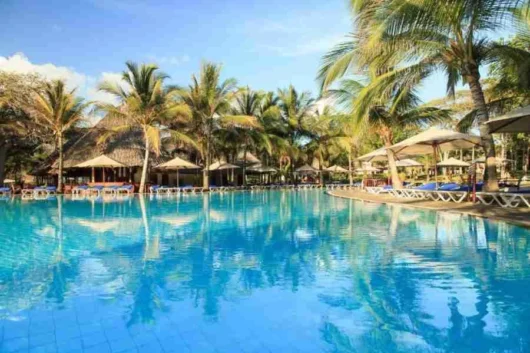
  • Payment Policies: Understand the operator’s payment terms, including deposit amounts and payment schedules. A deposit of 20-30% is standard, with the balance due before departure. Be cautious of operators demanding full payment upfront without a clear contract.

9. Trust Your Instincts

  • If an offer seems too good to be true or if you feel pressured, reconsider. Trustworthy operators prioritize your confidence and comfort.

By considering these factors, you can significantly increase your chances of selecting the best Africa safari tour operator in Kenya and Tanzania for an unforgettable and enriching experience.

Explore the scenic Natural Wonders of Africa sustainably with Adeli Kenya Safaris

Enchanting, immersive & transformative East Africa safari experiences

Sustainable travel experiences in kenya and East Africa with Adeli Kenya Safaris - the best Africa safari tour operator in Kenya and East African Destination Management Company (DMC)

Adeli Kenya safaris is the best Africa sustainable safari tour company in Kenya and East African Destination Management Company (DMC) that specializes in Africa luxury safari holidays ranging from Kenya Safaris, combined Kenya & Tanzania Safaris, Zanzibar beach holidays, Uganda Gorilla trekking adventures, Rwanda gorilla trekking experiences and mountain climbing adventure tours to Mount Kilimanjaro & Mount Kenya.

We invite you to come and explore the Africa we know and love. Embark on your dream African adventure that will awaken 6 of 7 senses by what you see, feel, hear, touch, smell and taste.

Immerse your body, mind & soul in experiences that will inspire you and offer a feeling of connection; connection to like-minded people, to nature and to our best self.

You will be exploring the best breathtaking wildlife parks, natural wonders, landscapes, beaches, wildlife, birdlife, culture, history, lakes,  mountains, farms, historical sites, religious sites, sports sites. e.t.c as you stay in the best hotels, safari lodges, tented camps & homestays.

Let our experienced, passionate and friendly expert safari planners take care of all the details, so you can fully immerse yourself in Africa’s stunning landscapes with our knowledgeable multi-lingual Africa safari guides, engage with its vibrant cultures, and contribute to sustainable tourism initiatives that positively impact the regions we explore.

Ecotourism & sustainable travel

Join us in preserving the wild places and cultures we treasure for generations to come. Our operations are anchored on 3 pillars – replenishing the wild, treading mindfully and supporting local communities

Adeli Kenya Safaris offers  immersive, family-friendly and sustainable Africa safari experiences that are aligned to the UN Sustainable Development Goals – SDGs. Discover yourself as you discover magical Africa -ethically.

Explore off the beaten track holiday destinations no one knew about, countries you even struggle to spell! We don’t want you to read about them in magazines, we want you to feel them and breath their air.

Best Kenya Luxury safaris from Nairobi, Mombasa, Diani beach & Malindi/Watamu by Adeli Kenya Safaris:

Book best Africa Luxury Safaris in Kenya & East Africa explore best wildlife parks,, wildebeest migration, big five, big cats, cultures, beaches & natural wonders

Book the best African safari tour in Kenya and explore Kenya’s iconic wildlife parks where conservation meets breathtaking safaris. Witness the Great Migration, the Big Five, the Big cats and diverse natural habitats.

Adeli Kenya Safaris offers the best Africa Kenya safari Tour Packages visiting the best wildlife parks, reserves, wildlife conservancies in Kenya & beaches like: Nairobi National Park, Maasai Mara National Reserve for the Great Wildebeest Migration, Amboseli National Park famous for large herds of free-ranging elephants and views of Mt. Kilimanjaro, Lake Nakuru National Park, Samburu National Reserve, Ol Pejeta Conservancy, Tsavo West & Tsavo East National Park, Aberdare National Park, Meru National Park, Kakamega Forest, Lake Bogoria, Diani beach, Mombasa beach, Malindi beach, Watamu beach & Lamu Island.

Whether you’re dreaming of a thrilling Maasai Mara Safari, a luxurious escape with our Luxury Kenya Safaris, or an intimate Wildlife Safari Kenya, we offer tailored experiences to suit every traveler.

Explore the iconic Amboseli National Park Tours, home to majestic elephants with Mount Kilimanjaro as your backdrop, or embark on a Big Five Safari Kenya to witness lions, leopards, rhinos, elephants, and buffaloes in their natural habitat. Our Kenya Safari Packages are designed to provide the Best Safari in Africa, combining adventure, comfort, and exclusivity.

From Private Kenya Safaris for couples and small groups to Family Safaris in Kenya that create lifelong memories, we cater to all types of travelers. Stay in exquisite Kenya Safari Lodges or immerse yourself in the wild with our authentic Kenya Safari Camps. For a truly unique experience, soar above the savannah on a Hot Air Balloon Safari Kenya and witness the magic of the Maasai Mara from the skies.

Looking for Kenya Safari Deals? We offer a range of options, including luxury and Budget Kenya Safaris without compromising on quality. Our expertly designed Kenya Safari Itineraries ensure you make the most of your Kenya Safari Experiences, whether you’re a first-time visitor or a seasoned adventurer.

Let Adeli Kenya Safaris be your guide to the ultimate Safari Holidays in Kenya. Contact us today to start planning your dream African safari!

Best hotels, safari lodges & tented camps in Kenya

Kenya Family Safaris Loisaba Star beds Loisaba Conservancy Adeli Kenya Safaris best Africa sustainable safari tour company in Kenya (3)

From opulent hotels like Fairmont Mount Kenya Safari Club, Giraffe Manor Hotel, Angama Mara Safari Lodge, Mahali Mzuri, Finch Hattons luxury Tented Camp, Sirikoi Lodge, Ol Jogi House, Segera Reatreat, Sirai House, Lentorre Lodge, Alfajiri Villas e.t.c. that redefine luxury in the wilderness to authentic safari lodges blending seamlessly with their natural surroundings, and intimate tented camps offering an up-close encounter with the wild, Kenya caters to every traveler’s dream.

Combined Kenya & Tanzania Safaris

Combining a safari experience in both Kenya and Tanzania with Adeli Kenya Safaris offers a comprehensive exploration of East Africa’s diverse wildlife, landscapes and cultures. You will explore Africa’s best wildlife parks and Natural Wonders of Africa.

On these safaris, you experience the best of both worlds: Africa’s highest peak and world’s only wildlife park in city, world’s highest free-ranging mountain, world’s largest caldera, experience world’s greatest wildlife migration, East Africa’s largest rhino sanctuary as you meet world’s only remaining northern white rhinos, or even relax at Africa’s leading beach destination and so much more.

There is no better place to go on safari than Kenya and Tanzania, and a safari that combines both is one of the best trips you can take. These two countries are where the whole idea of the safari was born, and their incredible wildlife, beautiful landscapes and a safari industry with unrivaled experience make this an outstanding combination. Learn More…

Tanzania Safari tour packages

Africa safari holidays adventures and tour packages in Kenya, Tanzania, Zanzibar, Uganda and Rwanda with Adeli Kenya Safaris - the best safari tour company in Kenya

Embark on your dream Tanzania safari from Arusha, often referred to as “safari capital” of Tanzania.  Your Tanzanian safari from Arusha provides a seamless transition into a world of breathtaking landscapes, best wildlife parks in Tanzania and unparalleled wildlife encounters.

Explore Northern Tanzania Safari Circuit with Adeli Kenya Safaris: Arusha provides immediate access to renowned destinations such as the Serengeti National Park, famous for the Great Wildebeest Migration; the unique and wildlife-rich Ngorongoro Conservation Area, home to the magnificent Ngorongoro Crater; Tarangire National Park, known for its large elephant herds and baobab trees; and Lake Manyara National Park, famed for its tree-climbing lions and diverse birdlife

Zanzibar Beach holidays & Vacations

Matemwe beach zanzibar

Zanzibar, Africa’s best beach destination, is known for its beautiful beaches, turquoise waters, and vibrant culture.

Best beaches in Zanzibar: Bwejuu Beach Zanzibar, Bwejuu Beach Zanzibar, Kendwa Beach Zanzibar, Matemwe Beach Zanzibar, Michamvi Peninsula Zanzibar, Nungwi Beach, Paje Beach, Pemba Island , Prison Island and Stone Town Zanzibar plus many other Zanzibar beaches & safari destinations.

Top Things to do in Zanzibar: Dolphin Tour, Spice Island tour, Stone Town Tour, Sunset Dhow Cruise, Deep Sea Fishing, Jozani Forest tour e.t.c.

Uganda Gorilla trekking tours

Uganda gorilla trekking tours Adeli Kenya Safaris best Africa sustainable safari tour company in Kenya

Uganda, often referred to as the “Pearl of Africa,” offers a truly exceptional and profoundly moving mountain gorilla trekking adventures.

Embark on your dream Uganda gorilla trekking tour and explore it’s Top National Parks like : Bwindi Impenetrable National Park, Kibale Forest National Park, Kidepo Valley National Park, Lake Mburo National Park, Mgahinga Gorilla National Park, Murchison Falls National Park, Queen Elizabeth National Park, Semliki National Park, Ngamba Island Chimpanzee Sanctuary, Uganda Wildlife Education Centre, Igongo Cultural Centre.

Rwanda Gorilla trekking tours

Mgahinga Gorilla National Park Rwanda - Rwanda mountain gorilla trekking tours and safaris with Adeli Adeli Kenya Safaris

Rwanda, the “Land of a Thousand Hills,” offers a premier and deeply impactful mountain gorilla trekking wildlife experiences.

Rwanda, in a nutshell, is a nature lover’s paradise. Rwanda is popularly known as ‘the land of a thousand hills’. The landscapes in this green country are truly incredible. Book your best Rwanda gorilla trekking tour or nature expedition with Adeli Kenya Safaris and explore the best national parks and reserves in Rwanda like: Volcanoes National Park, Akagera National Park, Nyungwe Forest National Park, Lake Kivu, Rubona Peninsula, Gorilla Guardians Village.

East Africa Mountain Climbing Adventure tours

East Africa, a region celebrated for its dramatic landscapes and rich biodiversity, is also home to some of Africa’s most iconic and challenging mountains, offering unparalleled mountain climbing adventure tours. From the snow-capped peaks of Mount Kilimanjaro ( tallest mountain in Africa and the world’s tallest free-standing mountain) and Mount Kenya (tallest mountain in Kenya and second tallest mountain in Kenya) to the rugged beauty of the Rwenzori Mountains and Ol Doinyo Lengai ‘Mountain of God’, this region beckons adventurous souls to test their limits amidst breathtaking scenery.

Luxury African Family safaris…re-imagined!

Kenya Family Safaris Loisaba Star beds Loisaba Conservancy Adeli Kenya Safaris best Africa sustainable safari tour company in Kenya (1)

Indulge in Authentic, memorable & affordable Africa family safari holidays in Kenya & East Africa.

Explore our handpicked selection of exceptional and memorable family-friendly Africa safari experiences, passionately curated with love by us, exclusively for you and your lovely family. There’s no better way to bond as a family than a family safari with East Africa’s leading family safari operator – Adeli Kenya Safaris.

We are travellers too and have taken our own children on Kenya wildlife safaris & beach vacations and know the wonder of seeing the magic of discovery through a child’s eyes. Learn More…

Africa photographic safaris in Kenya & Tanzania

East Africa is renowned for its spectacular wildlife and diverse landscapes, making it a paradise for photographers.

East African photographic safaris in Kenya and Tanzania offer exceptional opportunities to capture wildlife in its natural habitats. Best wildlife photography destinations in Kenya & East Africa are  the Masai Mara in Kenya, famous for the Great Migration, and the Serengeti in Tanzania, home to diverse landscapes and wildlife. Other popular locations include Amboseli National Park, Ol Pejeta Conservancy, Samburu National Reserve, Tsavo East National Park, Tsavo West National Park, Lewa Conservancy, Laikipia Plateau, Ngorongoro Crater, Lake Manyara National Park, Tarangire National Park, Bwindi Impenetrable National Park, Mgahinga Gorilla National Park e.t.c

Best Africa honeymoon safari destinations in Kenya & Tanzania

Enjoying a tailor-made luxury African honeymoon in Kenya, Tanzania and Zanzibar is the ideal way to relax after your wedding, and with world class safari destinations such as the Lake Nakuru National Park Masai Mara National Reserve, Samburu National Park, Amboseli National Park, Ol Pejeta Conservancy, Meru National Park, Lewa Conservancy, Laikipia Conservancy, Loisaba Conservancy, Tsavo East National Park, Tsavo West National Park, Taita Hills Wildlife Sanctuary, Mombasa Beach, Malindi/Watamu Beach, Diani Beach, Lamu Island, Serengeti National Park, Ngorongoro Conservation Area, Lake Manyara National Park, Tarangire National Park, Zanzibar Beach e.t.c,  it really doesn’t get any better than this.

Book Africa Safari Holidays Experiences with Adeli Kenya Safaris:

Each country has a different emergency police number. To make it easy for you, we have listed the emergency numbers for the top African safari countries.

CountryEmergency Police Number
Botswana999
Kenya911, 999, 112
Madagascar117
Namibia10111
South Africa10111
Tanzania112
Uganda112
Zambia999
Zimbabwe999
  

East Africa’s wild places rank among Africa’s best places to see lions, leopards and cheetahs. These are the carnivores that bring the savannah alive, the apex predators that bring fear and frisson to vast herds of prey wildlife and safari-goers alike, animating the East African plains by their mere presence. And if you know where to look, you may just see all three in a single day.

MASAI MARA NATIONAL RESERVE – #KENYA -BIG CAT DIARY:

The Masai Mara is a safari cliché and there’s a very good reason that the BBC filmed its classic Big Cat Diary here. Lion prides stalk the plains, building their family groups twenty and thirty strong around the river confluences and marshes that dominate the central Mara. Leopards keep to the riverine edges, waiting for the time when zebra and wildebeest inevitably, reluctantly come down to drink. And cheetahs, the bottom of the big cat food chain, scan the horizon from their termite mound vantage points.

TSAVO EAST & WEST NATIONAL PARKS- #KENYA. LAND OF THE MAN-EATERS OF TSAVO’

Kenya’s biggest park is also arguably its wildest, an epic, red-soil territory of rugged mountains, endless plains and palm-fringed rivers. It was in Tsavo that the legend of man-eating lions was born in the late nineteenth century, and it remains a stronghold of lions – the two Tsavo parks are home to an estimated 700 lions, one-third of all lions in Kenya. Tsavo West is renowned for its leopards, while in Tsavo East cheetahs are commonly seen on the plains east of the Aruba Dam.
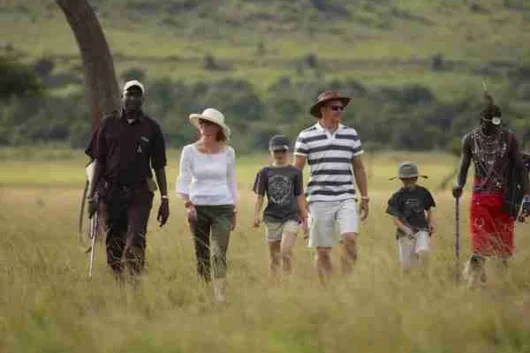
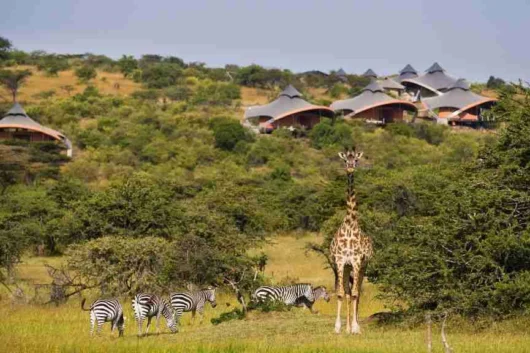
AMBOSELI NATIONAL PARK – KENYA.

The Amboseli ecosystem is famous for its elephants set against a backdrop of Mount Kilimanjaro, but lions and cheetahs are also commonly sighted here throughout the dry season.

LAKE NAKURU NATIONAL PARK – KENYA.

As Kenya’s human population crowds ever closer, parks like Lake Nakuru have become islands in a vast sea of humanity. Inhabiting this island, one of the country’s most compact parks, is a rare population of tree-climbing lions. Lake Nakuru is also one of the best places in Kenya to see leopards. The lesson of Lake Nakuru is, therefore, simple: look up into the branches as or you might miss the cats altogether.

RUAHA NATIONAL PARK- TANZANIA.

Chances are that you’ll have lion sightings completely to yourself at Ruaha. Hidden away in southern Tanzania, Ruaha National Park sees fewer than 6 000 visitors a year – or about 16 a day – which makes it one of Africa’s hidden treasures.

SERENGETI NATIONAL PARK– TANZANIA.

Millions of wildebeests joined by tens of thousands of zebra and gazelle provide the perfect meal for lions in the Serengeti-Mara ecosystem. The Grumeti Game Reserve in the west and the central Seronera region are some of the best spots in the Serengeti National Park to see lions.

NGORONGORO CRATER – TANZANIA:

If you’re looking for some of the easiest and most rewarding game viewing in East Africa, then head down onto the floor of the world’s largest inactive volcanic caldera. Home to about 30 000 animals – including powerful lions – the Ngorongoro Crater delivers an incredible Big 5 safari experience in an extraordinary setting.

LAKE MANYARA PARK – FAMOUS FOR TREE-CLIMBING LIONS

Lake Manyara is worth visiting for its excellent lion sightings. Lake Manyara Park is famous for its tree-climbing lions, a feline behviour usually displayed by leopards.

KIDEPO VALLEY NATIONAL PARK: UGANDA.

It is the only park in Uganda with an increasing lion population. Kidepo Valley Park was named the number 3 park in Africa. In December of 2015, CNN called Kidepo Valley Park the best destination and the best Destination it is, a park where you will find an Africa as it was 50 years ago.

QUEEN ELIZABETH NATIONAL PARK: UGANDA.

Most visitors to Queen Elizabeth will see lions in the northern area such as the Kasenyi Plains.  This is a very fruitful area for those on a photographic Lion Hunt.

MURCHISON FALLS NATIONAL PARK: UGANDA

Most visitors spot some lions while on a game drive here and unlike in other places – it does not take long from your lodge to the game tracks.

AKAGERA NATIONAL PARK – #RWANDA:

Though more known for mountain gorilla safaris, Rwanda is also not left out the lion bonanza with Akagera national park as her savannah reserve puts her on the same footing with Tanzania, Kenya, and Uganda. Akagera today boasts the presence of the big five within its boundaries after the introduction of seven lions in 2015 from South Africa that included two males and five females. Later in 2017, more two males were also brought in and they have settled in comfortably. Since the reintroduction, about a dozen cubs hav

The 4×4 Safari Lancruiser is built and customized for the demands of an African safari adventure – more doors for easy access, 2 fuel tanks, and two spare tires.

The Jeep’s 4 x 4 all-wheel drive and higher clearance from the ground will get you through the tough African terrain, up hills, crossing streams and over the rough bush.

The Jeep’s pop up rooftop ensures an unobstructed 360-degree views.
You’ll be journeying to and traversing the African landscape in the ultimate safari vehicle.

The jeep has more room and leg space to move around than the safari minivan.

The Jeep’s special suspension offers a more comfortable ride on rough ground as compared to a safari van.

Off-road 4×4 Safari Lancruiser go where other vehicles fear to tread – head deeper into the bush and easily go off-road to pursue the elusive wildlife.

The higher seating and large windows in our Jeeps create better visibility to view and photograph wildlife.

All the camps and lodges that we use in Africa supply filtered and bottled water. We do encourage people not to over use the bottled water, for enviromental reasons; it is always a good idea to take a personal water flask with you, which can be filled up by the camps clean water supply.


Power in the lodges varies from area to area; for the most part 12 volt battery power is provided, which is charged by generators whilst you are out of camp during the day. You will be able to charge your camera batteries whilst staying in a lodge. On the camping and canoeing safaris the lights are limited to hurricane lamps and flashlights, for charging batteries etc. you can use an adapter to plug into the vehicle power outlet.


Adeli Kenya Safaris, Kenya safari, African safari Kenya, Wildlife safari Kenya, Kenya wildlife tours, Kenya game drives, Safari holidays Kenya, Kenya safari tours 2025, Best Kenya safaris, Luxury Kenya safaris, Affordable Kenya safaris, Masai Mara safari, Amboseli safari, Tsavo National Park safari, Lake Nakuru safari, Walking safari Kenya, Hot air balloon safari Masai Mara, Birdwatching safari Kenya, Family safari Kenya, Photography safari Kenya, Cultural safari Kenya, Beach and safari Kenya, Private safari Kenya, Fly-in safari Kenya, Camping safari Kenya, Luxury tented camps Kenya, Best time to see the Great Migration in Masai Mara, Affordable family safari packages in Kenya, Luxury safari lodges in Kenya with private game drives, Walking safaris in Laikipia conservancy, Hot air balloon safari over Masai Mara at sunrise, Best birdwatching spots in Kenya during November, Family-friendly safari resorts near Nairobi, Photography tours in Amboseli with Kilimanjaro views, Cultural experiences with the Maasai tribe in Kenya, All-inclusive beach and safari packages in Kenya coast, Private guided safaris in the Chyulu Hills, Fly-in safari to remote areas of northern Kenya, Budget camping safaris in Tsavo East National Park, Luxury tented camps in the Mara Triangle for honeymooners, Best wildlife viewing in Kenya during the dry season (July-October), Ethical wildlife safaris in Kenya supporting conservation, Small group safari tours in Kenya for solo travelers, Wheelchair accessible safari options in Kenya, Kenya safari itineraries for first-time visitors, Best Kenya safari for seeing rhinos, Tanzania safari, African safari Tanzania, Wildlife safari Tanzania, Tanzania wildlife tours, Tanzania game drives, Safari holidays Tanzania, Tanzania safari tours 2025, Best Tanzania safaris, Luxury Tanzania safaris, Affordable Tanzania safaris, Serengeti safari, Ngorongoro Crater safari, Zanzibar safari, Tarangire safari, Lake Manyara safari, Ruaha National Park safari, Nyerere National Park (Selous) safari, Kilimanjaro safari (often combined with wildlife), Mahale Mountains chimpanzee trekking, Gombe Stream chimpanzee trekking, Best time to see the Great Migration in Serengeti, Luxury lodges in Ngorongoro Crater with wildlife viewing, Family safari packages in Tanzania with beach extension, Walking safaris in northern Tanzania, Hot air balloon rides over the Serengeti plains, Birdwatching tours in Lake Manyara National Park, Cultural tours in Tanzania combined with safari, Affordable camping safaris in Tanzania’s southern circuit, Photography workshops on Tanzania safaris, Honeymoon safari packages in Serengeti and Zanzibar, Wildlife safaris near Arusha for short trips, Chimpanzee trekking tours in western Tanzania, Best Tanzania safari for seeing the Big Five, Small group safari tours in Tanzania for solo travelers, Tanzania safari itineraries including Kilimanjaro trek, Ethical and sustainable safari options in Tanzania, Fly-in safaris to remote parks in Tanzania, Best time for wildlife photography in Tanzania, Tanzania safari deals and discounts, Serengeti Great Migration river crossing tours, best tour company in Kenya, best safari company in Kenya, best tour operator in Kenya, best travel company in kenya, best travel agency in kenya, best kenya safari company, nairobi safaris, nairobi kenya safaris, kenya safaris, safari in kenya, kenya wildlife safaris, kenya safari tour, kenya tours, Best responsible tours and travel agency in kenya, Best responsible tours and travel company in Tanzania, Best responsible tours and travel company in Zanzibar, Best responsible tours and travel company in Uganda, Best responsible tours and travel company in Rwanda, Best responsible tours and travel company in Botswana, Best responsible tours and travel company in Namibia, Best responsible tours and travel company in South Africa, Best responsible tours and travel company in Mauritius, Best responsible tours and travel company in Seychelles, Best responsible tours and travel company in Madagascar, Best responsible tours and travel company in Mozambique, Best responsible tours and travel company in Egypt, Best responsible tours and travel company in Israel, Best responsible tours and travel company in Thailand, Best responsible tours and travel company in East Africa, Best responsible tours and travel company in Eastern Africa, Best responsible tours and travel company in Africa, Best responsible tours and travel company in the world, Best responsible tours and travel company in Thailand, Best responsible tours and travel company in Malaysia, Best responsible tours and travel company in Croatia, Best responsible tours and travel company in Vietnam, Best responsible tours and travel company in Dubai, Best responsible tours and travel company in Singapore, Best responsible tours and travel company in Brazil, Best responsible tours and travel company in America, Best responsible tours and travel company in Canada, Best responsible tours and travel company in Europe, Best responsible tours and travel company in Greece, Best responsible tours and travel company in Turkey, Best responsible tours and travel company in Faroe Islands, Best responsible tours and travel company in Morocco, What is ecotourism, responsible travel, best green tourism company in kenya, best sustainale travel company in kenya, best ecotourism ompany in kenya, best sustainable travel practices, best things to to do in kenya, best things to to do in Nairobi, best things to to do in kenya, best things to to do in Mombasa, best things to to do in kenya, best things to to do in kenya, best things to to do in Nakuru, best things to to do in kenya, best things to to do in Naivasha, best things to to do in kenya, best things to to do in Maasai Mara, best things to to do in kenya, best things to to do in Kisumu, best things to to do in kenya, best things to to do in Amboseli, best things to to do in kenya, best things to to do in Tsavo West, best things to to do in kenya, best things to to do in Tsavo West, best things to to do in kenya, best things to to do in Samburu, best things to to do in kenya, best things to to do in Tanzania, best things to to do in kenya, best things to to do in Zanzibar, best things to to do in kenya, best things to to do in Uganda, best things to to do in kenya, best things to to do in Uganda, best things to to do in kenya, best things to to do in Rwanda, best things to to do in kenya, best things to to do in Mauritius, best things to to do in kenya, best things to to do in Seychelles, best things to to do in kenya, best things to to do in South Africa,  best things to to do in kenya, best things to to do in Mozambique, best things to to do in kenya, best things to to do in Madagascar, best things to to do in kenya, best things to to do in Zambia, best things to to do in kenya, best things to to do in Israel, best things to to do in kenya, best things to to do in Dubai, best things to to do in kenya, best things to to do in Thailand, best things to to do in kenya, best things to to do in Greece, best things to to do in kenya, best things to to do in Santorini, best Tour Operator in Kenya, bestTour Operators in Nairobi, Tours in Kenya, Travel Agency in Nairobi, safari, kenya safari, kenya tours, tours and travel kenya, eco safaris, ecotourism, eco tourism, responsible travel, green tourism, agro tourism, east african safari air, kenya tanzania tours, africa tours, masaimara safari, tanzania safari, kenya travel, africa safari, nairobi safari, kenya safari tours, african safari, kenya safaris from nairobi, kenya wildlife safari, serengeti safari tour, safar tours & travels, best tour operators, luxury african safari tours, best african safari for seniors, african safari and beach package holidays, africa safari camp, kenya safari packages, kenya safari holidays, uganda safari packages, best places to go on safari in africa, best african safari itinerary, kenya wildlife safari packages, deal africa, travel operators, tour africa safaris kenya, luxury safari company, east african safari packages, safari travel companies, top safari tour operators, african safari travel agent, africa travel deals, trip safari, best safari experience, african safari photography, kenya holidays 2018, kenya safaris from nairobi, kenya safari, kenya holiday packages, kenya holidays, weekend getaways in nairobi, holiday destinations in kenya, weekend getaways in kenya, kenya safari holidays, tours and travel kenya, domestic holiday packages in kenya, kenya safari packages, tour operators in kenya, kenya destinations, kenya holidays 2017, kenya travel, kenya tours, tours and travel companies in kenya, kenya safari tours, safari kenya, kenya holidays 2018, kenya safari prices, holidays in kenya, travel agencies in kenya, dubai holiday packages from kenya, cheap holiday packages in kenya, cheap holiday destinations in kenya, getaways in kenya, kenya safari all inclusive packages, kenya all inclusive resorts,  cheap january holiday deals, dubai holiday packages from dubai, vacation places in kenya, affordable holiday destinations in kenya, holiday getaways in kenya, trip kenya, kenya safari beach holidays, kenya safari vacation packages, travel package holidays, best travel package deals, trip to kenya safari, kenya’s best DMC, Kenya’s best tour operator ‘ Kenya’s best travel agency , Africa’s best DMC , Africa’ best tour operator , best kenya tour companies, luxury tour companies in kenya ,  why I love kenya , #whyilovekenya , join up safaris kenya , budget safaris in kenya , flying packages kenya , beach safaris in kenya , top rated tour companies in kenya , rooftent camping in kenya, safaribookings ,  tripadvisor, photography safaris in kenya , , best Tanzania safaris , kenya and Tanzania safaris , Tanzania road safaris , Tanzania flying packages, dubai packages , south Africa holiday packages, Seychelles holiday packages , Mauritius holiday packages , easter holiday packages , Christmas holiday packages , Wildebeest migration, kenya wildebeest migration, wildebeest migration kenya, wildebeest migration in Kenya, masaimara national reserve, travel kenya, traveling to kenya, travelling to kenya, kenya travel advisory, kenya travel advice, travel in kenya, travel agents in kenya, travelling in kenya, traveling in kenya, kenya travel agents, travel to kenya advice, travel advice to kenya, travel agents kenya, travel advisory to kenya, travel agency kenya, travel advisor kenya, travel alerts kenya, travel agencies kenya, kenya travel agencies, travel deals kenya, travel diaries kenya, kenya travel tips, tour operators in kenya, kenya tours and safaris, tours in kenya, tours and travel kenya, tours kenya, tours of kenya, kenya tour companies, tours and travel in kenya, tour to kenya, kenya tours and travel companies, kenya wildlife tours, tours and travels in kenya, trip to kenya, trips to kenya, kenya trip, kenya trips, trip to kenya Africa, trip advisor kenya, kenya trip advisor, visit kenya, visiting kenya, kenya visit, where to visit in kenya, why do people visit kenya, kenya tourism, tourism in kenya, tourism kenya, tourism of kenya, kenya and tourism, kenya safaris, safaris in kenya, safaris kenya, kenya lodge safaris, african safaris kenya lodge safaris kenya, safaris to kenya, kenya camping safaris, kenya african safaris, camping safaris kenya, kenya tourist attraction, tourists in kenya, tourist attraction in kenya tourist spots in kenya, kenya tourists, kenya tourist spots, why do tourists visit kenya, kenya holiday, holidays in kenya, holidays to kenya, kenya holidays, holiday in kenya, holidays kenya, holiday to kenya, holiday kenya, kenya travel guide, travel guide kenya, kenya guide, travel guide to kenya, kenya information guide, kenya tour packages, kenya holiday packages, kenya vacation packages, kenya packages, holiday packages in kenya, kenya travel packages, holiday packages kenya, kenya package, kenya holiday package, kenya tour package, kenya package holidays, travel packages kenya, kenya safaris packages, places to visit in kenya, kenya places to visit, best places to visit in kenya, tourist places in kenya, places to see in kenya, kenya tourist places, places in kenya to visit, places to visit kenya, go kenya tours, go kenya, places to go in kenya, go to kenya, where to go in kenya, going to kenya, why do people go to kenya, why go to kenya, information on kenya, kenya information, kenya travel information, information kenya, information of kenya, holiday destinations in kenya, kenya destinations, tourist destinations in kenya, kenya holiday destinations, kenya tourist destinations, best holiday destinations in kenya, kenya as a tourist destination, holiday destinations kenya, blogs in kenya, travel blog kenya, kenya blogs, blogs travel to kenya, safaris in kenya, kenya safaris, safaris kenya, safaris to kenya, car hire Nairobi, car hire in Nairobi, nairobi car hire, car hire services in Nairobi, car hire kenya Nairobi, car hire companies in Nairobi, car hire nairobi kenya, cars for hire in Nairobi, car hire in kenya Nairobi, car hire services Nairobi, cheap car hire Nairobi, nairobi car hire services, car hire in nairobi kenya, car hire companies in nairobi kenya, car for hire in Nairobi, car hire companies Nairobi, 4wd car hire Nairobi, cheap car hire in Nairobi, car hires in Nairobi, nairobi airport car hire, 4×4 car hire Nairobi, car hire market, cars for hire nairobi , car hire Mombasa, car for hire Nairobi, car hire uganda , 4×4 hire Nairobi, car hire Tanzania, 4×4 car hire dar es salaam, 4×4 car hire Tanzania, car hire kenya, 4×4 car hire kenya, car hire in kenya , kenya car hire, 4×4 car hire Uganda, 4×4 car hire Arusha, kenya tours and safaris, tours in kenya, tours and travels in kenya, tours kenya, tours of kenya, tours to kenya, go kenya tours, tour to kenya , car hire companies in kenya , 4wd car hire kenya, go kenya tours and safaris, kenya wildlife tours, car hire services in kenya, terminal tours kenya, kenya tanzania tours, tours and travel in kenya , kenya budget tours , tours and travel jobs in kenya, tours and safaris in kenya , kenya adventure tours, tours kenya Tanzania, tour operators, tanzania tour operators, tours and travel kenya, tour operators in Tanzania, top tour operators, african tour operators, tour firms in kenya , car hire kenya rates , car hire in kenya prices, kenya car hire services, mombasa tour operators, cars for hire in kenya, car hire kenya prices, kenya safaris, car hire business in kenya, tour kenya, kenya wildlife safaris, safaris to kenya, kenya camping safaris, wildlife safaris kenya, african safaris kenya, kenya budget safaris, safaris kenya, kenya tanzania safaris, kenya african safaris, tour companies in kenya, kenya car hire companies, car hire services kenya, cheap car hire in kenya, tours and travel companies in kenya, tour and travel companies in kenya, kenya tour companies, executive car hire kenya, tour companies kenya, wildlife kenya safaris, safaris in kenya, travel companies in kenya , tourism companies in kenya, kenya tours and travel companies, tours and safaris companies in kenya, companies in kenya, list of companies dealing with travel tours in kenya, kenya tour, tours companies in kenya, list of tour companies in kenya, best companies in kenya, kenya companies, 4×4 camping, 4×4 holidays, camping 4×4, 4×4 excursion, kenya tours,kenya best hotels,best hotels in kenya,kenyahotels,honeymoon destinations in kenya, 4×4 kenya, Rooftemt camping in kenya, rooftent hire in kenya, Nairobi safari tours, mombasa safari tours, amboseli safari tours, nakuru safari tours, naivasha safari tours, lake bogoria safari tours, lake baringo safari tours, maasai mara safari tours, tsavo east safari tours, tsavo west safari tours, samburu safari tours, ol pejeta conservancy safari tours, aberdare national park safari tours.

error: Content is protected !!
Scroll to Top
Africa family safari holidays and tour packages in Kenya and Tanzania with Adeli Kenya Safaris the best tour company and travel agency in Kenya scaled

Customize your dream trip: