Explore Kaimosi Mission Wildlife Conservancy in Vihiga Kenya with Adeli Kenya Safaris
Kaimosi Mission Wildlife Conservancy is a nature conservation destination in Vihiga County, western Kenya, known for its connection to the Kaimosi forest landscape, rich biodiversity and efforts to restore and protect indigenous vegetation. Situated in a region where forest, wetlands, grassland clearings and cultivated landscapes meet, the conservancy offers a different experience from Kenya’s traditional savannah safari destinations.
For travellers interested in birdwatching, forest ecology, environmental education and community-led conservation, Kaimosi provides an opportunity to discover an important part of western Kenya’s natural heritage. Rather than focusing exclusively on large mammals, its conservation value lies in the diversity of habitats that support birds, butterflies, reptiles, insects, plants and other wildlife.
The conservancy also has a strong connection to environmental stewardship and education. Collaborative tree-planting and habitat-restoration initiatives have helped highlight the importance of protecting indigenous trees, improving forest cover and encouraging local participation in conservation.
Adeli Kenya Safaris encourages visitors to explore destinations such as Kaimosi with curiosity and respect for the landscapes and communities that sustain them. Before planning a visit, travellers should confirm current access arrangements, permitted activities, available guides and any applicable visitor charges.
Where Is Kaimosi Mission Wildlife Conservancy Located?
Kaimosi Mission Wildlife Conservancy is located in Vihiga County, western Kenya, within the wider Kaimosi forest landscape. The area lies in the green, fertile highlands of western Kenya, where forest habitats and agricultural land form part of a closely connected rural environment.
Kaimosi is associated with the historic Kaimosi Friends Mission and the wider Tiriki area, near the boundary with Nandi County. Its setting makes it relevant to travellers exploring Vihiga, Kakamega and neighbouring parts of western Kenya.
The surrounding landscape differs considerably from the open grasslands of the Maasai Mara or Amboseli. Here, conservation is closely connected to forest protection, indigenous tree restoration, water catchments and the survival of species that depend on a range of interconnected habitats.
Kaimosi Mission Wildlife Conservancy at a Glance
-
Country: Kenya
-
County: Vihiga County
-
Region: Western Kenya
-
Conservancy establishment: Reported as 2011
-
Reported area: Approximately 80 hectares in historical conservation records; other travel descriptions report a much larger figure, so the current official boundary and area should be confirmed before publication of definitive statistics.
-
Associated landscape: Kaimosi forest and its wider ecological catchment
-
Key conservation interests: Forest biodiversity, indigenous tree restoration, birdlife, habitat protection and environmental education
-
Potential visitor interests: Nature appreciation, birdwatching, conservation learning and photography, subject to access permissions
Kaimosi Mission Wildlife Conservancy should not be confused with Kakamega Forest National Reserve as a whole. The conservancy is associated with the wider forest landscape, but its boundaries, access points and permitted activities may differ from those of neighbouring protected areas.
The Natural Beauty of Kaimosi
This ecological connection gives the region significance beyond its local scenery. Forest remnants in western Kenya preserve habitats for species that are uncommon or highly specialised, while helping maintain ecological processes that support the surrounding landscape.
Visitors interested in nature can appreciate the contrast between tall trees, shaded forest interiors, more open clearings, wetlands and neighbouring cultivated areas. Each habitat supports different forms of life and contributes to the overall biodiversity of the region.
Indigenous Trees and Forest Habitats
Indigenous trees provide food, shelter and breeding sites for wildlife. Their roots can help stabilise soil, while forest vegetation supports the movement of water through the landscape and contributes to local environmental resilience.
Protecting mature trees is particularly important because some forest species take many years to develop into large trees with complex canopies and suitable wildlife habitat.
Conservation efforts in Kaimosi have drawn attention to the need to restore degraded areas, protect remaining forest and encourage sustainable land management.
Forest Clearings, Wetlands and Mixed Vegetation
The wider Kaimosi forest catchment includes a mixture of natural forest, planted woodland, grassland clearings, wetland habitats and cultivated land. These different environments create ecological variety and support different species.
Wetlands, for example, can provide habitat for water-associated birds, while grassland clearings may attract species adapted to more open environments. Forest interiors support birds and other animals that depend on tree cover.
The presence of multiple habitat types is one reason the area is important for biodiversity monitoring and conservation education.
Wildlife and Biodiversity at Kaimosi Mission Wildlife Conservancy
Kaimosi’s wildlife interest is centred on biodiversity rather than the large-herbivore concentrations associated with Kenya’s best-known savannah parks. Its forest and surrounding habitats are important for birds, butterflies, reptiles, insects, primates and plant life.
Wildlife sightings depend on habitat conditions, season, disturbance and the availability of suitable observation points. Visitors should approach the conservancy as a place to appreciate a complex ecosystem, rather than expect guaranteed encounters with particular species.
Birds of Kaimosi
Birdlife is one of the most significant conservation features of the wider Kaimosi forest catchment. The area has recorded forest birds, wetland birds, grassland species and birds of prey.
Species of particular conservation interest associated with the wider catchment include Turner’s eremomela and Chapin’s flycatcher, both of which have been identified as globally threatened species in conservation assessments. Their association with the wider forest ecosystem highlights the importance of protecting suitable habitat.
Other birds recorded in different habitats within the wider catchment include:
-
Joyful greenbul
-
Papyrus gonolek
-
Grassland pipit
-
Marsh eagle
-
Augur buzzard
-
Weaver birds and other forest-associated species
This is not a guarantee that every species can be observed within the conservancy on a particular visit. Bird distributions can vary between forest blocks and habitats, and some species are difficult to detect without specialist knowledge.
Butterflies and Insects
Butterflies and other insects are important components of forest ecosystems. They contribute to pollination, food webs and the ecological processes that help maintain healthy habitats.
The wider Kaimosi forest catchment supports diverse butterfly and insect life. Their presence makes the area interesting for naturalists, photographers, students and researchers studying biodiversity beyond the more visible large mammals.
When observing butterflies and insects, visitors should avoid capturing or handling them unless participating in an authorised research activity.
Reptiles and Amphibians
Forest, wetland and other natural habitats in the region support reptiles and may support amphibians where suitable conditions occur. These animals play important roles in food webs and help maintain ecological balance.
Their visibility varies, and some species may be difficult to identify without specialist knowledge. Visitors should never handle unfamiliar wildlife or disturb potential breeding habitats.
Primates and Other Forest Wildlife
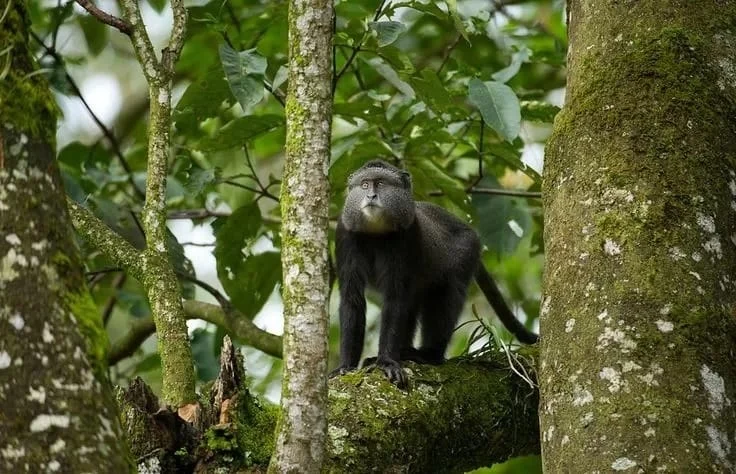
The wider forest ecosystem supports a range of animal life, including primates in suitable habitats. The species present and the likelihood of observing them should be confirmed locally rather than assumed for every part of the conservancy.
Small mammals and less conspicuous wildlife are also important to forest ecology, even when visitors rarely see them. Tracks, calls, feeding signs and other evidence may provide clues to wildlife activity when interpreted by knowledgeable guides.
Birdwatching at Kaimosi Mission Wildlife Conservancy
Kaimosi is a promising destination for travellers interested in forest birdwatching and the biodiversity of western Kenya. Unlike open-country birding, where birds may be visible across grasslands or wetlands, forest birdwatching often requires patience, careful listening and an understanding of bird calls.
The variety of habitats in the wider Kaimosi landscape creates opportunities to look for different bird communities. Forest interiors, forest edges, open clearings and wetlands can each support different species.
What Makes Kaimosi Interesting for Birdwatchers?
-
Forest specialists: Some birds depend on intact forest habitats and may be difficult to find outside them.
-
Wetland species: Water-associated vegetation can support birds adapted to wetland environments.
-
Open-country birds: Grassland clearings provide habitat for species that prefer less densely wooded areas.
-
Birds of prey: Raptors form part of the wider bird community and may be seen where conditions are suitable.
-
Conservation interest: The wider forest catchment is important for understanding the protection of threatened and regionally significant bird species.
Birdwatching Tips
For a more rewarding experience:
-
Visit with a knowledgeable local guide if one is available and authorised.
-
Carry binoculars and a bird identification guide suitable for East Africa.
-
Wear comfortable, quiet clothing and appropriate footwear.
-
Start early where access arrangements permit, when bird activity may be favourable.
-
Listen carefully for calls and movement within the canopy.
-
Avoid playback calls or other methods that may disturb birds.
-
Keep to permitted routes and respect any restrictions around sensitive habitats.
Birdwatching at Kaimosi is best approached as an opportunity to observe and learn, rather than a checklist challenge requiring guaranteed sightings.
Forest Conservation and Indigenous Tree Restoration
Protecting the Kaimosi forest landscape requires more than preserving existing trees. Restoration of degraded areas, protection of young seedlings and cooperation between conservation organisations and local institutions can all contribute to healthier habitats.
Kaimosi Mission Wildlife Conservancy has been associated with collaborative tree-planting initiatives involving conservation partners, forestry organisations, youth and educational institutions. These efforts have included planting indigenous tree seedlings to help restore forest cover and strengthen local conservation awareness.
Why Indigenous Trees Matter
Indigenous trees are adapted to local ecological conditions and can provide habitat and food resources for native wildlife. As trees mature, they may create nesting opportunities, shelter and a more complex forest structure.
Forest restoration can also help:
-
Protect soil from erosion.
-
Support water retention and catchment health.
-
Provide habitat for forest birds, insects and other wildlife.
-
Improve the resilience of degraded landscapes.
-
Encourage environmental education and community participation.
-
Build awareness of the value of natural ecosystems.
Planting trees is only one part of successful restoration. Seedlings must survive, grow and become part of a functioning ecosystem. Appropriate species selection, ongoing care and protection from damage are essential.
The Importance of Forest Protection
Restoration cannot fully replace the ecological value of an established forest. Mature forests contain complex habitats that take decades or longer to develop.
Protecting existing indigenous trees, preventing destructive land use and supporting sustainable management are therefore important alongside tree planting.
Visitors can support these principles by following conservation guidance, avoiding damage to vegetation and learning about the challenges facing forest habitats in western Kenya.
Community Conservation and Environmental Education
Kaimosi has a long association with education, community institutions and environmental stewardship. The presence of conservation initiatives in this landscape creates opportunities to connect nature appreciation with learning about sustainable land use.
Community conservation depends on cooperation among land managers, local residents, educational institutions, government agencies and conservation organisations. Such partnerships can help identify environmental challenges and coordinate practical responses.
Conservation Learning Opportunities
Depending on arrangements available at the time of a visit, Kaimosi may be relevant to people interested in learning about:
-
Forest biodiversity and habitat protection.
-
Indigenous tree planting and restoration.
-
Threatened bird species and their habitats.
-
The relationship between forests, soil and water.
-
Environmental education for young people.
-
Community participation in conservation.
-
Sustainable management of natural resources.
Organised learning visits, school trips and research activities should be arranged in advance. Visitors should not assume that a formal education programme, guided tour or research facility is available without confirmation.
Why Community Participation Is Important
Long-term conservation is more effective when local people have meaningful opportunities to participate in decisions affecting their environment. Community engagement can help build awareness, encourage responsible land management and strengthen support for restoration projects.
Educational activities can also help younger generations understand why indigenous forests matter and how everyday choices affect biodiversity.
Things to Do at Kaimosi Mission Wildlife Conservancy
The activities available at Kaimosi should be confirmed with the relevant local management before a visit. The following are potential interests based on the area’s conservation setting, not a claim that every activity is currently offered as a visitor service.
1. Birdwatching
Birdwatching is a natural focus for a visit to the wider Kaimosi forest landscape. Visitors can learn about forest birds, wetland species and birds associated with open clearings, depending on the habitats they are permitted to access.
2. Forest and Nature Observation
A nature-focused visit can provide an opportunity to appreciate indigenous vegetation, forest structure and the relationship between different habitats.
Any walks or access into forest areas should be authorised. Do not assume that marked trails or guided walking routes are available.
3. Learn About Indigenous Tree Restoration
Visitors with an interest in environmental protection may wish to learn about forest restoration, indigenous tree planting and the challenges of maintaining healthy habitats.
Participation in a planting activity should be arranged with the relevant organisers. Tree planting is seasonal and depends on the availability of seedlings, suitable weather and an active programme.
4. Nature Photography
Kaimosi’s green landscapes, vegetation and birdlife may appeal to nature photographers. Macro photography of insects and butterflies may also interest visitors, where permitted and without disturbing wildlife.
Carry suitable equipment, protect cameras from moisture and avoid trampling vegetation to obtain a photograph.
5. Educational Visits
Students, teachers and conservation groups may find the area relevant for learning about biodiversity, forest management and restoration.
Organisers should confirm group access, learning opportunities, supervision requirements and any permissions needed before travelling.
6. Explore the Wider Vihiga Region
Kaimosi may be included in a wider itinerary exploring Vihiga and neighbouring parts of western Kenya. Additional stops should be selected according to their actual distance, accessibility, opening arrangements and relevance to the traveller’s interests.
Best Time to Visit Kaimosi Mission Wildlife Conservancy
The most suitable time depends on the purpose of the visit, the weather and the conditions of the routes and habitats you intend to explore.
Western Kenya has seasonal rainfall, and wet conditions can affect access on rural roads and paths. Rain also influences vegetation, bird activity and the practical conditions for photography or outdoor learning.
Consider the following when planning:
-
Birdwatching: The birds observed vary by season, habitat and local conditions.
-
Forest walks: These depend on permission, suitable routes and ground conditions.
-
Photography: Overcast weather, rain and changing light can influence visibility and equipment requirements.
-
Tree planting: Restoration activities are normally planned around suitable conditions and the availability of seedlings.
-
Road access: Rain can make some rural routes difficult to navigate.
There is no need to assume that one season is ideal for every activity. Confirm current conditions and the focus of your visit before choosing travel dates.
How to Get to Kaimosi Mission Wildlife Conservancy
Kaimosi Mission Wildlife Conservancy is in Vihiga County in western Kenya. The best route depends on your starting point and the specific entrance or meeting location arranged with the conservancy.
Travellers should obtain clear directions before departure, particularly if the visit involves a guided activity or a meeting with local conservation representatives.
Travelling from Nairobi
Visitors travelling from Nairobi should allow sufficient time for the journey into western Kenya. The total travel time depends on the route, traffic, rest stops and road conditions.
If travelling for a specific activity, confirm the meeting time and arrival point before setting off. For a longer visit, consider arranging accommodation in advance rather than relying on reaching the conservancy and finding suitable facilities on arrival.
Travelling from Kakamega or Nearby Towns
Kakamega and other towns in western Kenya may be useful reference points for planning a regional itinerary. However, distances and travel times depend on the exact route and destination.
Check the precise conservancy entrance rather than relying solely on a general map pin for Kaimosi.
Is a 4×4 Vehicle Necessary?
A 4×4 vehicle may be useful on rough or muddy rural roads, particularly during wet weather, but it may not be necessary for every route. Ask about current road conditions and the final approach to the site before selecting a vehicle.
Adeli Kenya Safaris can help assess transport arrangements as part of a wider customised itinerary, subject to confirming access and the requirements of the visit.
Accommodation Near Kaimosi Mission Wildlife Conservancy
Accommodation should be arranged according to your itinerary, budget and the facilities currently available in the surrounding area. Do not assume that the conservancy itself operates a lodge, tented camp, restaurant or campsite.
Before booking accommodation, consider:
-
The distance from the property to your confirmed meeting point.
-
Whether meals are available.
-
Access to drinking water and essential supplies.
-
Road conditions, especially for early-morning activities.
-
Whether the property can accommodate your group size.
-
Whether you need to arrange transport separately.
For school groups, researchers or visitors planning several days of conservation activities, confirm accommodation and meal arrangements before committing to the trip.
What to Pack for a Visit
Kaimosi’s forest setting and the weather in western Kenya make practical preparation worthwhile.
Consider bringing:
-
Comfortable walking shoes with good grip.
-
Lightweight, weather-appropriate clothing.
-
A waterproof jacket or rain protection.
-
A hat and sunscreen for exposed areas.
-
Binoculars for birdwatching.
-
A camera and spare batteries.
-
A bird identification guide, if relevant.
-
Drinking water and personal essentials.
-
Insect repellent where appropriate.
-
Personal medication and a small first-aid kit.
-
A reusable bag for carrying out rubbish.
If you intend to take part in an authorised outdoor activity, ask the organiser whether any additional equipment is required.
Responsible Tourism at Kaimosi Mission Wildlife Conservancy
Responsible tourism is particularly important in forest habitats, where trampling, litter, noise and disturbance can affect sensitive wildlife and vegetation.
Visitors can contribute positively by respecting local rules and recognising that conservation areas are not simply recreational spaces; they are habitats that need protection.
Responsible Visitor Guidelines
-
Follow instructions from authorised guides and site managers.
-
Stay on permitted routes and avoid entering restricted areas.
-
Do not remove plants, seeds, insects or other natural materials.
-
Avoid disturbing nests, roosting sites and breeding habitats.
-
Keep noise to a minimum when observing birds and other wildlife.
-
Never feed wild animals.
-
Carry out all rubbish.
-
Ask permission before photographing local residents.
-
Respect private property and local customs.
-
Participate in restoration activities only with the organisers’ approval.
-
Do not light fires or camp unless explicitly permitted.
Visitors interested in supporting conservation can ask whether authorised tree-planting, educational or community initiatives are available during their planned visit.
Plan a Nature and Conservation Visit with Adeli Kenya Safaris
Kaimosi Mission Wildlife Conservancy offers a different perspective on Kenya’s natural heritage. Its importance lies in the forest ecosystem, birdlife, indigenous vegetation and continuing efforts to encourage environmental awareness and habitat restoration.
For travellers seeking something beyond the conventional wildlife safari, Kaimosi can be considered as part of a customised western Kenya itinerary. Adeli Kenya Safaris can help plan transport and wider travel arrangements, with the final itinerary depending on confirmed access, activities and accommodation.
Contact Adeli Kenya Safaris to discuss your plans:
-
Website: https://adelikenyasafaris.com/
-
Email: info@adelikenyasafaris.com
-
Call or WhatsApp: +254 720 564 538
Frequently Asked Questions About Kaimosi Mission Wildlife Conservancy
1. What is Kaimosi Mission Wildlife Conservancy?
Kaimosi Mission Wildlife Conservancy is a conservation area in Vihiga County, western Kenya. It is associated with the wider Kaimosi forest landscape and efforts to protect biodiversity, restore vegetation and promote environmental education.
2. Where is Kaimosi Mission Wildlife Conservancy located?
It is located in the Kaimosi area of Vihiga County, western Kenya, near the wider Tiriki and Nandi region. Confirm the precise access point before travelling.
3. Which county is Kaimosi Mission Wildlife Conservancy in?
The conservancy is in Vihiga County, in western Kenya.
4. When was Kaimosi Mission Wildlife Conservancy established?
Historical conservation records identify 2011 as its establishment year.
5. How large is Kaimosi Mission Wildlife Conservancy?
Historical conservation records report an area of approximately 80 hectares, although other descriptions give a substantially different figure. The current official boundary and area should be verified before relying on a precise measurement.
6. What is Kaimosi Mission Wildlife Conservancy known for?
It is associated with forest biodiversity, birdlife, indigenous tree restoration, habitat conservation and environmental education. Its appeal differs from that of Kenya’s large savannah parks.
7. What wildlife can be found at Kaimosi Mission Wildlife Conservancy?
The wider Kaimosi forest catchment supports birds, butterflies, reptiles, insects, primates and other wildlife associated with forest, wetland and open habitats. Species vary between locations, and sightings are not guaranteed.
8. Is Kaimosi Mission Wildlife Conservancy good for birdwatching?
Yes, the wider forest landscape is of interest to birdwatchers because it supports forest birds, wetland species, grassland birds and raptors. Visitors should confirm accessible birdwatching areas and whether local guides are available.
9. Which rare birds are associated with the Kaimosi forest landscape?
Turner’s eremomela and Chapin’s flycatcher are among the globally threatened bird species associated with the wider Kaimosi forest catchment. Their presence in the broader ecosystem does not guarantee sightings at a particular location.
10. Can I see Turner’s eremomela at Kaimosi Mission Wildlife Conservancy?
The species is associated with the wider forest catchment. Whether it can be observed within the conservancy during a particular visit depends on its distribution, habitat conditions and the availability of suitable observation areas.
11. Can I see Chapin’s flycatcher at Kaimosi?
Chapin’s flycatcher is a bird of conservation interest associated with the wider forest ecosystem. A sighting should not be guaranteed, and specialist local knowledge may be helpful when planning a birdwatching visit.
12. Are there butterflies at Kaimosi Mission Wildlife Conservancy?
The wider Kaimosi forest landscape supports butterfly diversity. Their presence makes the region interesting for naturalists and photographers, although specific species and sightings vary with habitat and season.
13. Is Kaimosi Mission Wildlife Conservancy a rainforest?
It is associated with the wider Kaimosi forest catchment, which forms part of the eastern reaches of the Guineo-Congolian rainforest system. The local landscape includes different habitats, not just dense natural forest.
14. What types of vegetation occur around Kaimosi?
The wider landscape includes natural forest, mixed planted woodland, grassland clearings, wetlands and cultivated areas. These habitats support different communities of plants, birds and other wildlife.
15. Can visitors participate in tree planting at Kaimosi?
Tree-planting initiatives have been associated with conservation efforts in Kaimosi. Visitors should contact the relevant organisers to establish whether a planting activity is scheduled and whether participation is permitted.
16. Why is indigenous tree planting important in Kaimosi?
Indigenous trees can provide habitat and food for native wildlife, support soil stability and contribute to the restoration of degraded areas. Successful restoration also requires ongoing care and protection of young trees.
17. Is Kaimosi Mission Wildlife Conservancy suitable for educational trips?
The area may be relevant for educational visits focused on biodiversity, forest conservation and environmental restoration. Schools should confirm access, available learning activities, supervision requirements and safety arrangements in advance.
18. Can researchers visit Kaimosi Mission Wildlife Conservancy?
The wider forest landscape may interest researchers studying birds, plants, insects and forest ecology. Research should only proceed after the relevant access permissions, research approvals and local requirements have been confirmed.
19. Can I go for a guided forest walk at Kaimosi?
Guided walks should be confirmed with the relevant conservancy management. Visitors should not assume that marked trails, scheduled walks or guide services are available.
20. Is there an entrance fee at Kaimosi Mission Wildlife Conservancy?
A verified current visitor tariff has not been established here. Contact the conservancy before travelling to confirm whether an entrance fee applies and whether separate charges are required for guides or organised activities.
21. What is the best time to visit Kaimosi Mission Wildlife Conservancy?
The best time depends on your interests, weather conditions, road access and the activities available. Birdwatching, forest exploration and tree-planting activities may have different seasonal considerations.
22. Can I visit Kaimosi during the rainy season?
A visit may be possible, but rainfall can make some rural roads and walking routes muddy or difficult to navigate. Confirm current access conditions and suitable transport before departure.
23. Is accommodation available at Kaimosi Mission Wildlife Conservancy?
On-site accommodation has not been confirmed. Visitors should check available accommodation in the surrounding area and establish the distance from their chosen property to the conservancy’s authorised entrance.
24. How do I get to Kaimosi Mission Wildlife Conservancy from Nairobi?
Travellers need to plan a road journey into western Kenya and confirm the final route to the conservancy. Travel time depends on traffic, road conditions, stops and the exact destination.
25. Do I need a 4×4 vehicle to visit Kaimosi?
Not necessarily. Vehicle requirements depend on the route, weather and condition of the final access roads. A 4×4 may be useful on rough or muddy sections, particularly during wet weather.
26. Is Kaimosi Mission Wildlife Conservancy suitable for families?
It may suit families interested in nature and conservation education. Parents should confirm the availability of suitable activities, access conditions, facilities and safety requirements before arranging a visit.
27. Can I take photographs at Kaimosi Mission Wildlife Conservancy?
Nature photography may be possible where permitted. Visitors should avoid disturbing birds, damaging vegetation or entering restricted areas. Permission should be obtained before photographing people or conducting commercial photography.
28. Is Kaimosi Mission Wildlife Conservancy the same as Kakamega Forest National Reserve?
No. Kaimosi Mission Wildlife Conservancy is associated with the wider Kaimosi forest landscape, while Kakamega Forest National Reserve is a distinct protected area. Their boundaries, management arrangements and visitor access rules should not be assumed to be the same.
29. What should I bring for a visit to Kaimosi?
Useful items include comfortable walking shoes, weather-appropriate clothing, rain protection, drinking water, binoculars, a camera, personal medication and insect repellent where appropriate. Additional equipment may be needed for specific authorised activities.
30. Can Kaimosi Mission Wildlife Conservancy be included in a western Kenya tour?
It may be possible to include Kaimosi in a customised itinerary exploring western Kenya. The itinerary should account for transport, confirmed access, available activities, accommodation and the time needed to explore each destination.
31. How does Kaimosi Mission Wildlife Conservancy contribute to conservation?
Its conservation activities have included collaborative efforts to restore forest vegetation, plant indigenous trees and promote environmental awareness. Long-term conservation also depends on protecting existing habitats and maintaining partnerships among local communities and conservation stakeholders.
32. Is Kaimosi Mission Wildlife Conservancy suitable for international tourists?
It may appeal to international visitors interested in birdwatching, forest ecology and conservation. Advance planning is advisable because visitor services, access requirements and organised activities need to be confirmed.
33. Can I visit Kaimosi Mission Wildlife Conservancy on a day trip?
A day trip may be possible depending on your starting point, travel arrangements and the activities confirmed for the visit. Travellers coming from far away should allow adequate time for the road journey and avoid relying on unconfirmed opening or access arrangements.
34. Is Kaimosi Mission Wildlife Conservancy suitable for nature photographers?
It may interest photographers who enjoy forest scenery, birds, butterflies and indigenous vegetation. The results will depend on light, weather, accessible habitats and wildlife activity.
35. How can I arrange a visit to Kaimosi Mission Wildlife Conservancy with Adeli Kenya Safaris?
Contact Adeli Kenya Safaris with your intended dates, group size and interests. We can help you consider the wider itinerary and transport requirements, subject to confirming entry permissions, activities and available visitor services.
Complete list of all the 6 best private wildlife conservancies in western Kenya
- Kitale Nature Conservancy (Ndura Park)
- Kaimosi Mission Wildlife Conservancy
- Lorogon Community Conservancy
- Koisetei Wildlife Conservancy
- Muhondo Conservancy
- Kingwal Community Conservancy
View all private conservancies in Kenya

Wildlife conservancies in Kenya are privately or communally owned lands dedicated to wildlife conservation alongside other compatible land uses. They play a crucial role in Kenya’s conservation landscape, complementing national parks and reserves by expanding the area available for wildlife and promoting sustainable land management practices.
Types of Private Wildlife Conservancies in Kenya:
- Individual/Corporate Conservancies: Established on land owned by a single individual or a company.
- Community Conservancies: Formed on jointly owned community land, with community members as the primary decision-makers and beneficiaries.
- Group Conservancies: Involve multiple landowners pooling their land for conservation purposes.Co-managed Conservancies: Established through agreements between communities or private entities and government bodies.
Explore Safari Tours & holiday packages in Kenya, Africa & beyond with Adeli Kenya Safaris
Tailor-made, affordable, immersive & sustainable safari experiences
Discover unforgettable tours and holiday packages with Adeli Kenya Safaris, from Kenya safaris and African adventures to beach holidays and worldwide destinations. Explore expertly planned trips, flexible travel experiences and memorable journeys designed for travellers from Kenya and beyond.
Immerse and indulge your body, mind and soul in immersive Africa safari tour packages and safari holiday experiences that will awaken & captivate your 7 senses by what you see, feel, hear, touch, smell and taste, leaving you speechless, restored & inspired.
Your dream safari / holiday is just a call or email away. Contact Adeli Kenya Safaris today. Tel: +254720564538 | WhatsApp: +254720564538 | Email: info@adelikenyasafaris.com
Explore our travel quotes, travel blog, FAQs, safari guides and vlogs for expert travel tips, destination inspiration, and the latest African travel news.
Kenya safari tours from Nairobi and Kenya beach resorts of Mombasa, Diani beach, Malindi & Watamu:
Discover unforgettable Kenya Safari Tour Packages with Adeli Kenya Safaris and experience wildebeest migration, big five, big cats, small 5, ugly 5, special 5 of Samburu, awe-inspiring, landscapes, beautiful beaches, magical sunsets & sunrises, prolific wildlife & birdlife, indigenous cultures, lakes, mountains, farms, historical sites, religious sites, sports sites. UNESCO World Heritage Sites, natural wonders of Africa e.t.c as you stay in the best hotels, safari lodges, tented camps & homestays.
-

Kenya safari tour packages130 Products
-
Kenya Road safaris53 Products
-
Kenya flying safaris34 Products
-
Nairobi Day Excursions | Best Things to Do in Nairobi, Kenya22 Products
-
Kenya Residents holiday packages20 Products
-
Kenya Self Drive Hotel Deals15 Products
-
Kenya beach holidays11 Products
-
Kenya SGR train safari packages8 Products
-
Nairobi to Kenya beach safaris6 Products
-
Combined Kenya & Tanzania safaris with Adeli Kenya Safaris2 Products
-
Kenya group safaris2 Products
-
Kenya team building packages1 Product


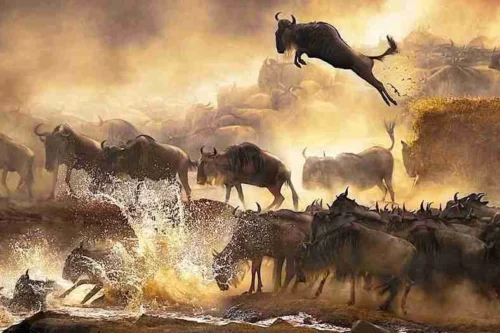

Unforgettable budget & luxury Africa safari holidays
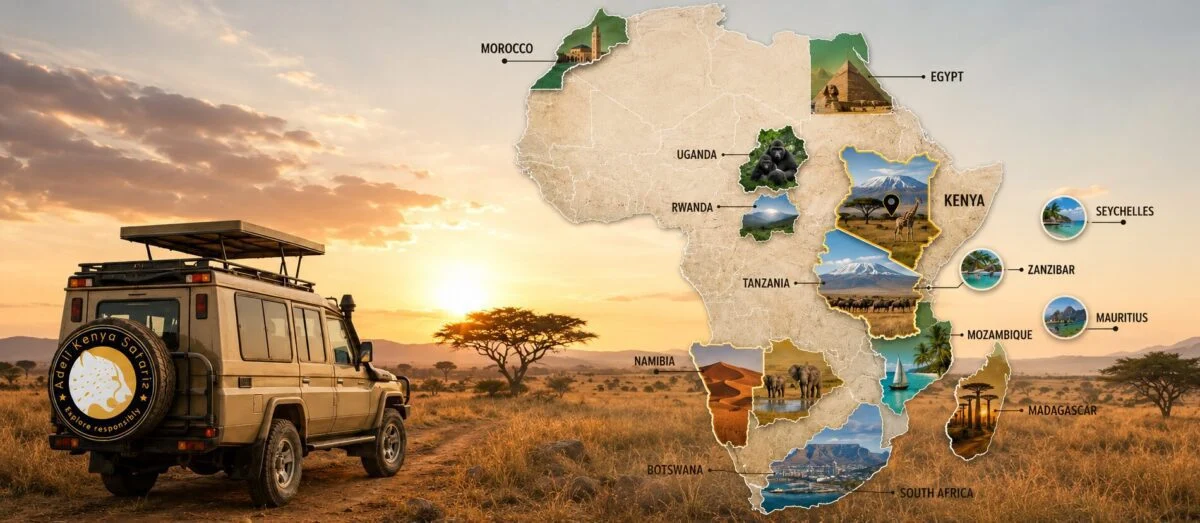
Explore Africa Safari Tour Packages with Adeli Kenya Safaris, from Kenya safaris and Kenya & Tanzania combined safaris to Tanzania safaris, Zanzibar beach vacations, Uganda and Rwanda gorilla treks. Discover unforgettable tours and holidays across South Africa, Egypt, Botswana, Namibia, Ethiopia, Malawi, Zambia, Zimbabwe, Mauritius, Seychelles, Morocco, Mozambique and Madagascar.
-
Kenya safari tour packages130 Products
-
Tanzania safari tour packages19 Products
-
Zanzibar Beach vacations & holidays9 Products
-
Uganda Gorilla trekking tours with Adeli Kenya Safaris8 Products
-
Rwanda Gorilla trekking tours with Adeli Kenya Safaris5 Products
-
Mauritius holiday packages from Kenya : Things to do in Mauritius with Adeli Kenya Safaris5 Products
-
Things to do in Malawi: Africa safari Holiday tour packages from Nairobi Kenya3 Products
-
Things to do in South Africa: Africa safari Holiday tour packages from Nairobi Kenya3 Products
-
Combined Kenya & Tanzania safaris with Adeli Kenya Safaris2 Products
-
Things to do in Seychelles: Africa safari tour packages from Nairobi Kenya2 Products
-
Things to do in Egypt: Africa safari Holiday tour packages from Nairobi Kenya2 Products
-
Zimbabwe Africa safari tour packages from Nairobi Kenya1 Product
-
Things to do in Botswana: Africa safari Holiday tour packages from Nairobi Kenya1 Product
-
Ethiopia Africa Holiday tour Packages from Nairobi Kenya1 Product
-
Things to do in Madagascar: Africa safari Holiday tour packages from Nairobi Kenya1 Product
-
Morocco Africa Holiday tour Packages from Nairobi Kenya1 Product
-
Mozambique Africa Holiday tour Packages from Nairobi Kenya1 Product
-
Zambia Africa safari Holiday tour packages from Nairobi Kenya1 Product
-
Namibia Tours and Holiday Packages1 Product
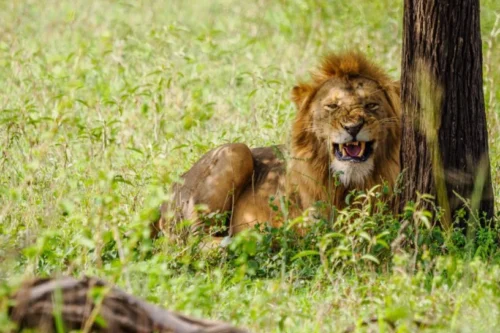
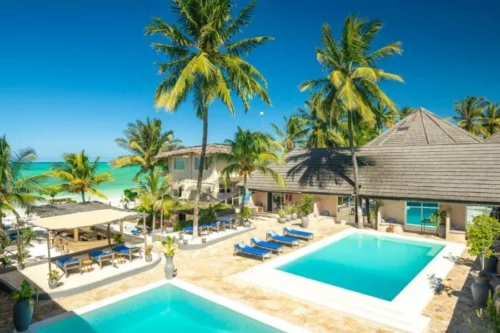
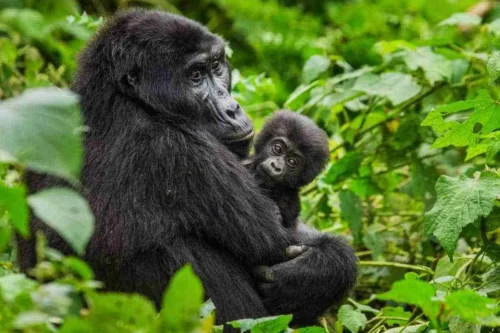
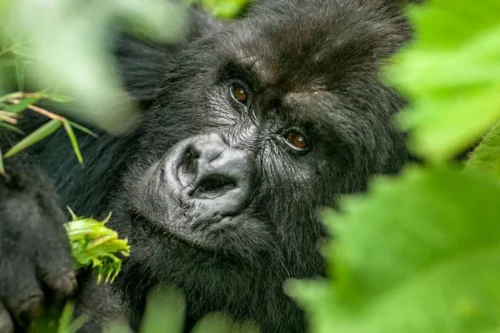
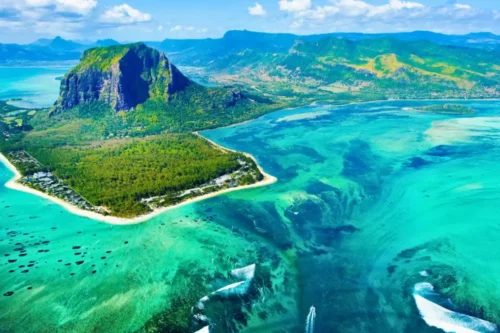

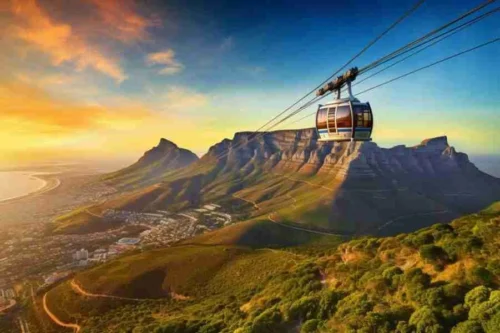
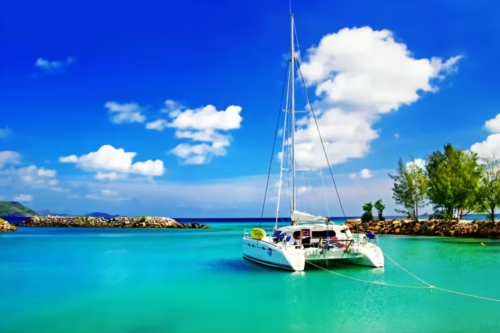
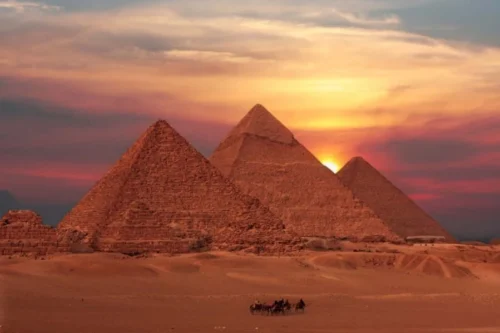
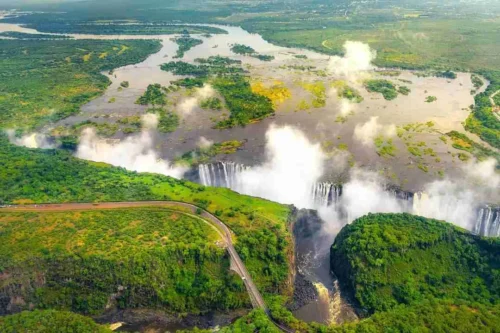
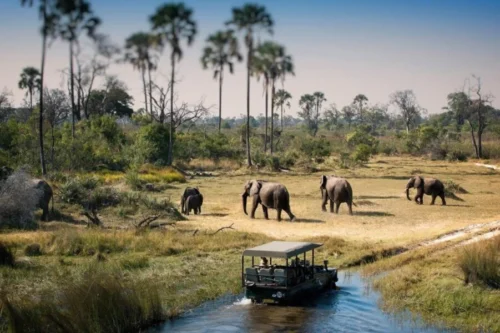
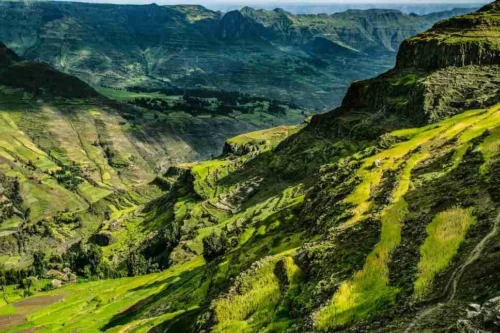
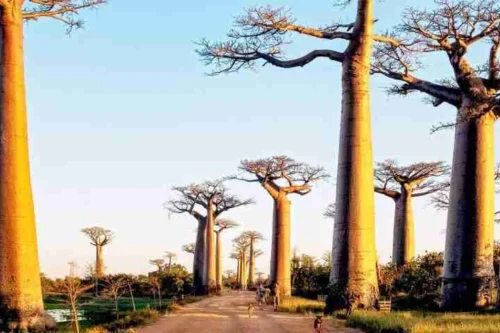
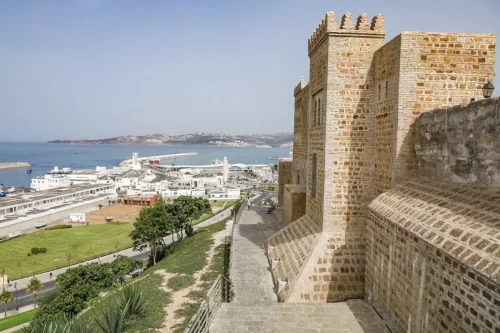
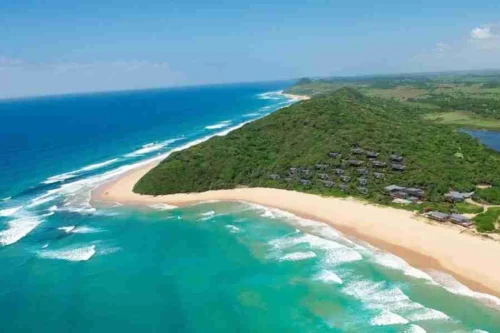
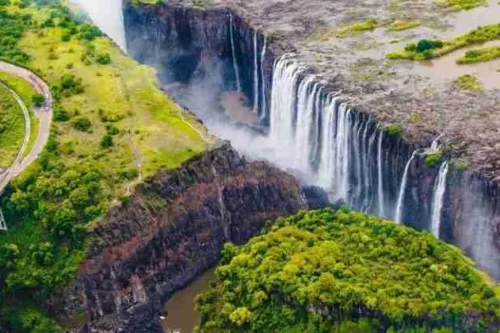
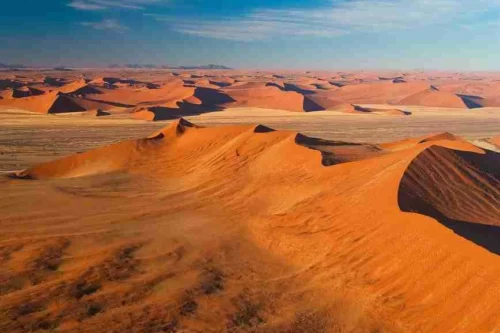
Our expertly curated Africa wildlife safaris, luxury safaris, honeymoon safaris, photographic safaris, wildebeest migration safaris, cultural tours, beach holidays and family-friendly Africa safari holidays, that have moved us the most before (we too are avid nomadic souls), feature the natural wonders of Africa and off-the-beaten-track destinations like Masai Mara National Reserve (Kenya), Serengeti National Park (Tanzania), Kruger National Park (South Africa), Bwindi Impenetrable Forest National Park (Uganda), Chobe National Park (Botswana) e.t.c, where Africa still feels vast and wild. Explore destinations where the signal is weak but connection with mother nature is enviably strong….off the beaten track places where silence is only broken by the calls of the wild and its enchanting horizons seem to stretch forever.
Our best selling Africa safari tour packages for 2026/2027
-
Amboseli Kenya safaris
3 Days Amboseli Kenya elephant safari: from Nairobi with SGR drop-off to Mombasa
Original price was: $800.00.$605.00Current price is: $605.00. -
Kenya Road safaris
3 Days Masai Mara Kenya budget private road safari from Nairobi
Original price was: $800.00.$695.00Current price is: $695.00. -
Kenya Road safaris
3 Days Masai Mara Kenya medium luxury road safari from Nairobi
Original price was: $900.00.$745.00Current price is: $745.00. -
Kenya flying safaris
2 Days Masai Mara Kenya luxury flight safari from Nairobi
Original price was: $1,200.00.$925.00Current price is: $925.00. -
Kenya Road safaris
4 Days Masai Mara Kenya medium luxury road safari from Nairobi
Original price was: $1,300.00.$1,045.00Current price is: $1,045.00. -
Amboseli Kenya safaris
5 Days bush to beach Kenya Safari: Amboseli (2 Nights)– Tsavo West (1 Night) – Tsavo East (1 Night) then SGR drop-off to Mombasa
Original price was: $1,200.00.$1,050.00Current price is: $1,050.00. -
Kenya Road safaris
3 Days Masai Mara Kenya luxury road safari from Nairobi
Original price was: $1,600.00.$1,175.00Current price is: $1,175.00. -
Kenya flying safaris
3 Days Masai Mara Kenya luxury flight safari from Nairobi
Original price was: $1,500.00.$1,185.00Current price is: $1,185.00. -
Kenya flying safaris
4 Days Masai Mara Kenya luxury flight safari from Nairobi
Original price was: $1,600.00.$1,275.00Current price is: $1,275.00. -
Kenya Road safaris
5 Days Kenya road safari from Nairobi: Masai Mara, Lake Naivasha & Lake Nakuru
Original price was: $1,500.00.$1,290.00Current price is: $1,290.00. -
Amboseli Kenya safaris
7 Days Kenya Big 5 to beach safari: Nakuru (1 Night), Masai Mara (2 Nights), Lake Naivasha (1 Night), Amboseli (2 Nights) plus SGR drop-off to Mombasa
Original price was: $2,000.00.$1,560.00Current price is: $1,560.00. -
Amboseli Kenya safaris
6 Days Kenya luxury safari: Amboseli, Naivasha & Masai Mara
Original price was: $1,900.00.$1,610.00Current price is: $1,610.00. -
Amboseli Kenya safaris
9 Days Best of Kenya bush & beach combo safari: Nakuru (1 Night), Mara (2 Nights), Lake Naivasha (1 Night), Amboseli (2 Nights) & Tsavo West (1 Night & Tsavo East (1 Night) with SGR drop-off to Mombasa
Original price was: $2,200.00.$1,995.00Current price is: $1,995.00. -
Kenya Road safaris
7 Days Kenya luxury safari to Ol Pejeta, Lake Nakuru, Lake Naivasha & Masai Mara
Original price was: $2,500.00.$2,080.00Current price is: $2,080.00. -
Kenya Road safaris
4 Days Masai Mara Kenya luxury 4×4 road safari from Nairobi
Original price was: $2,500.00.$2,245.00Current price is: $2,245.00. -
Amboseli Kenya safaris
13 Days Ultimate Kenya Bush & Beach combo safari: Aberdare -Ark (1 Night), Samburu (2 Nights), Ol Pejeta (1 Night), Lake Nakuru (1 Night), Masai Mara (2 Nights), Lake Naivasha (1 Night), Amboseli
Original price was: $3,500.00.$3,005.00Current price is: $3,005.00. -
Kenya Road safaris
5 Nights Yoga & Safari Retreat at Entumoto Safari Camp
Original price was: $4,500.00.$3,950.00Current price is: $3,950.00. -
Kenya flying safaris
10 Days Kenya Signature Luxury flight safari – Samburu, Masai Mara & Lumo Conservancy
Original price was: $12,320.00.$9,850.00Current price is: $9,850.00. -
Kenya flying safaris
8 Days Kenya Luxury Sky Air safari Exploring Meru, Loisaba & Masai Mara
Original price was: $13,000.00.$11,000.00Current price is: $11,000.00. -
Tanzania flying safaris
8 Days Tanzania Luxury Sky Air safari Exploring Tarangire, Ngorongoro & Serengeti
Original price was: $13,000.00.$11,000.00Current price is: $11,000.00. -
Amboseli Kenya safaris
10 Days Kenya Luxury Sky Air safari Exploring Amboseli, Laikipia & Masai Mara
Original price was: $14,000.00.$12,500.00Current price is: $12,500.00. -
Tanzania flying safaris
10 Days Tanzania Luxury Sky Air safari Exploring Tarangire, Lake Manyara, Ngorongoro & Serengeti
Original price was: $14,500.00.$12,500.00Current price is: $12,500.00.
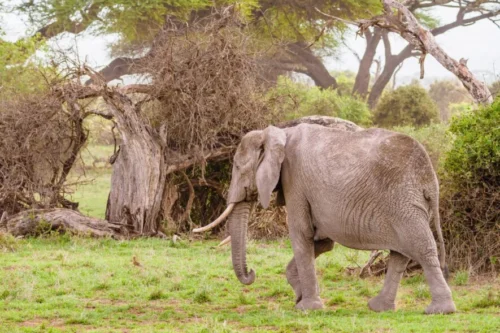
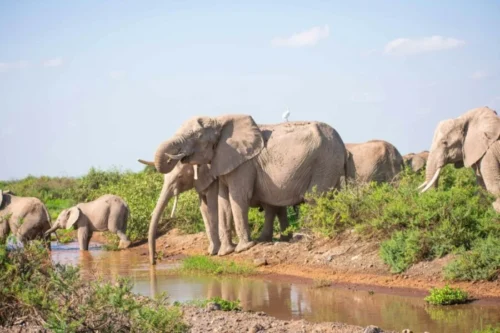
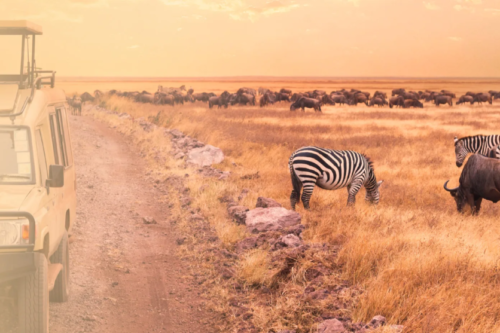



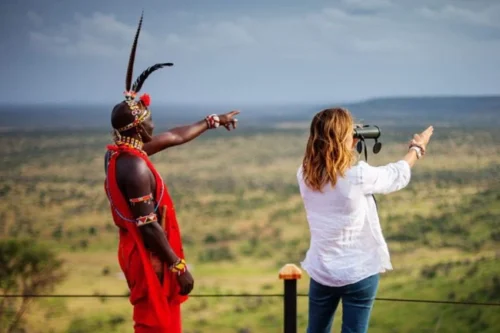
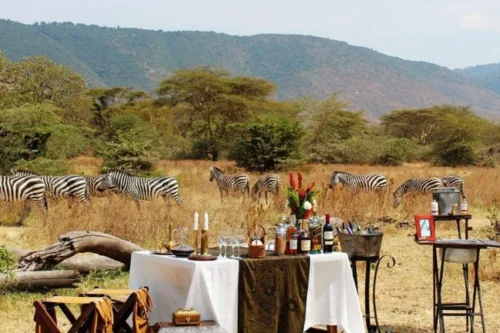
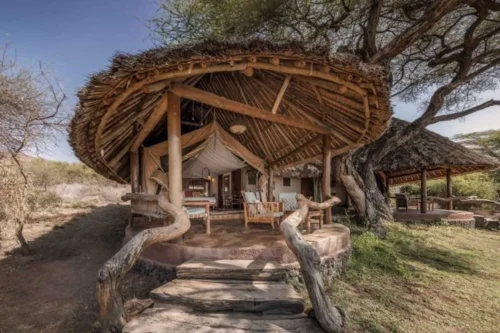
Africa wildlife safari & beach vacation combo
After your Africa wildlife adventure tour, bumping along dry, dusty savanna roads, a beach vacation holiday in Diani, Mombasa, Watamu, Lamu, Zanzibar, Cape Town, Mauritius & Seychelles is the perfect reward to relax, rejuvenate and soothe your tired muscles after bumpy game drives.
Africa Safari holiday Experiences
- Africa 4×4 road safaris
- Africa Flight safaris
- Africa Family safaris
- Africa Beach holidays
- Africa Photographic safaris
- Africa Honeymoon safaris
- Africa Wildebeest Migration Safaris
- Africa Luxury Safaris
- Africa Customized safaris
- Africa Historical tours
- Africa train safaris
- Africa Cultural Immersion Safaris
- Africa Mountain climbing tours
- Africa Nature safari tours
- Africa Hot Air Balloon safaris
- Africa Horse Riding safaris
- Africa luxury Glamping safaris
- Africa Mobile Safaris
- Africa Agritourism
- Africa Small group safari tours
- Africa Stargazing safari tours
- Africa Sundowner and bush meals
- Africa Solo travel safaris
- Africa Special Occasion safaris
- Africa Sports tourism
- Africa Self- drive tours
- Africa Student educational safaris
- Africa MICE travel
- Africa Spiritual & religious travel
- Africa Helicopter safaris
- Africa Camping safaris
- Africa Walking safaris
- Africa Wellness travel and safaris
- Africa Boat & Canoe safaris
- Africa Tree planting on safari
- Africa Primate Safaris
- Africa volunteer travel
- Africa Medical Tourism
- Africa Community based Tourism
- Africa bird watching safari tours
- Africa Lion tracking safaris
Travel Info
- Kenya Evisa/ETA
- Tanzania Evisa
- Kenya destination guide
- Tanzania destination guide
- Safari transport options
- Accommodation options
- Safari FAQs
- Sustainability
- Africa Safari blog
Africa wildlife safari & beach vacation combo
After your Africa wildlife adventure tour, bumping along dry, dusty savanna roads, a beach vacation holiday in Diani, Mombasa, Watamu, Lamu, Zanzibar, Cape Town, Mauritius & Seychelles is the perfect reward to relax, rejuvenate and soothe your tired muscles after bumpy game drives.
About Adeli Kenya Safaris
Best Sustainable Africa tours & travel agency in Kenya
Adeli Kenya Safaris is an East African DMC, sustainable safari tour operator & travel agency in Westlands, Nairobi Kenya that specializes in Nairobi excursions, Kenya safari tours, Kenya safari and beach holidays, combined Kenya & Tanzania safaris, Tanzania safari tours, Zanzibar beach vacations, Uganda and Rwanda gorilla trekking tours, Mount Kenya and Mount Kilimanjaro climbing adventures, outbound holiday packages, and luxury cruise holidays.
Have questions? Here are our Top Africa safari FAQs with answers
[adeli_faq]