Introduction to Kenya Safaris
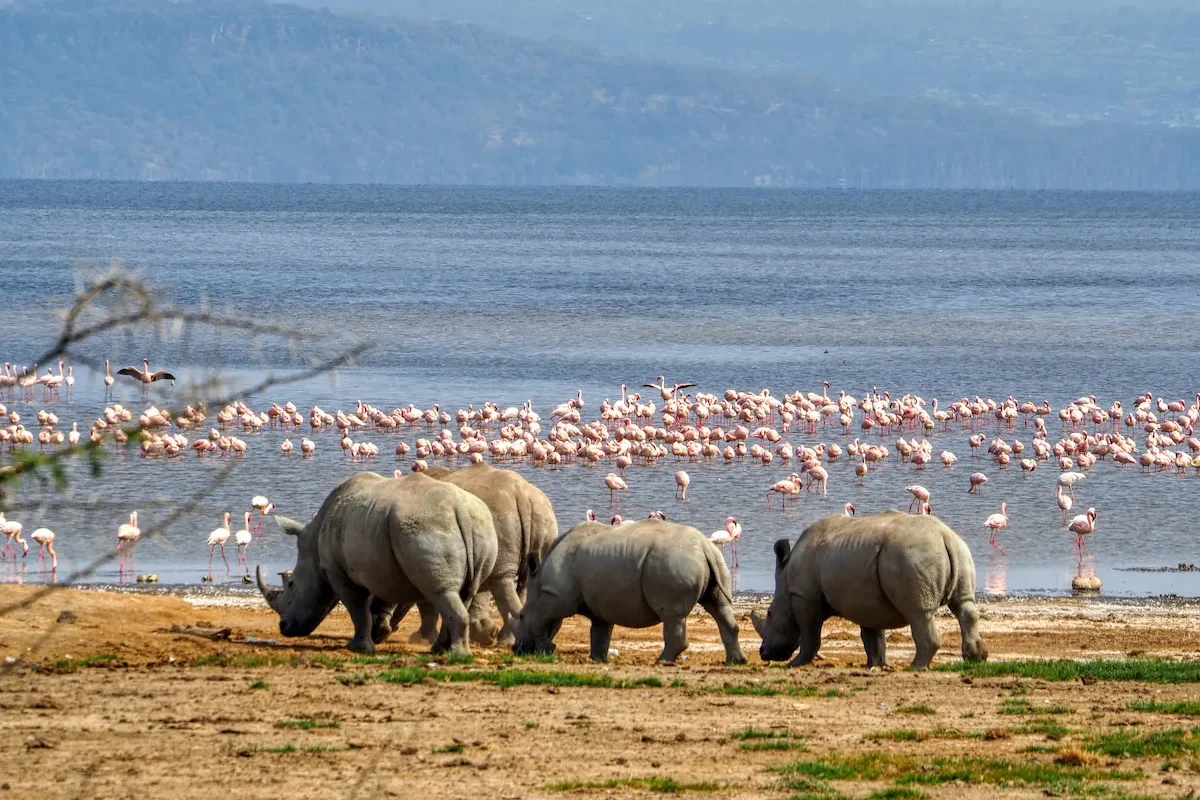
Kenya safaris represent an immersive experience into the heart of Africa’s stunning landscapes and rich biodiversity. For many travelers, it symbolizes the ultimate adventure, offering the opportunity to engage with a variety of wildlife in their natural habitats. Kenya is home to iconic national parks and reserves like the Maasai Mara, Amboseli, and Tsavo, which are renowned for their abundant flora and fauna, including the famous Big Five: lions, elephants, buffalos, leopards, and rhinoceroses.
There are several types of experiences that one can partake in while on a Kenya safari. Wildlife viewing is a primary focus, allowing visitors to witness the majestic animals in their natural environments. Guided tours led by knowledgeable rangers and guides enhance the safari experience, providing insights into animal behaviors, ecosystems, and conservation efforts. These professionals often possess a deep understanding of the local environment, which enriches the safari adventure.
Cultural interactions form another vital component of Kenya safaris. Tourists have the opportunity to engage with local communities, learning about their traditions, lifestyles, and the symbiotic relationship they maintain with their environment. From visiting Maasai villages to experiencing traditional dances, these interactions broaden travelers’ understanding of Kenya’s cultural heritage.
The appeal of Kenya as a safari destination is underscored by its incredible landscapes that range from savannah plains to mountain ranges. Adventure seekers are drawn to activities such as hot air ballooning over the Maasai Mara and guided walking safaris through Amboseli, providing a unique perspective of the wildlife and the terrain. All of these elements contribute to the allure of Kenya as a premier destination for safari enthusiasts.
Safety Overview in Kenya

When considering a trip to Kenya, especially for the purpose of embarking on a safari adventure, it is essential to evaluate the general safety situation in the country. Kenya is known for its rich wildlife and stunning landscapes, but understanding its overall safety landscape permits travelers to make well-informed decisions.
Politically, Kenya has experienced periods of instability, primarily during election cycles. However, in recent years, the political climate has stabilized considerably, leading to a safer environment for both residents and visitors. Despite past unrest, the Kenyan government has made efforts to ensure the safety of tourists, as they are vital to the nation’s economy.
Crime rates in Kenya vary significantly from one region to another. Urban areas, such as Nairobi, may experience higher rates of petty crime, including theft and scams, particularly in crowded places. In contrast, tourist hotspots generally report lower crime incidents, as there is a heightened security presence to protect visitors. Travelers are advised to take common-sense precautions, such as avoiding isolated areas and being vigilant of their surroundings.
Public health is another critical aspect to consider when evaluating safety in Kenya. Travelers are encouraged to receive recommended vaccinations and carry necessary medications, especially anti-malarials for areas prone to malaria transmission. Additionally, food and water safety should not be overlooked; opting for bottled water and eating in reputable establishments can significantly reduce the risk of foodborne illnesses.
In summary, while concerns exist regarding political stability, crime rates, and public health, the current situation in Kenya indicates that it can be a safe destination for tourists, especially with proper precautions and awareness. This foundational knowledge will ultimately assist in discussing specific safety measures associated with safaris in Kenya.
Health Precautions for Safari Travelers
Embarking on a safari in Kenya promises an encounter with stunning wildlife and captivating landscapes. However, ensuring your health and safety while traveling is paramount. Before departing, travelers should consult their healthcare provider regarding necessary vaccinations. Common immunizations recommended for those visiting Kenya include the Yellow Fever vaccine, Typhoid, and Hepatitis A, among others. Staying updated on routine vaccines is also essential.
Malaria is prevalent in many parts of Kenya, making malaria prophylaxis a crucial consideration for travelers. Anti-malarial medications can greatly reduce the risk of contracting this illness. It is advisable to begin this medication regimen before travel and to continue for a few weeks upon return. Additionally, utilizing insect repellent, wearing long sleeves during dawn and dusk, and sleeping under mosquito nets can further enhance protection.
Travel insurance is another critical consideration, as it provides financial protection in case of medical emergencies, trip cancellations, or loss of personal belongings. When selecting an insurance policy, ensure it covers the requisite health services and emergencies that may arise during your safari adventure.
Staying hydrated is vital during travels, particularly in the warm climate of Kenya. Travelers should prioritize drinking safe, bottled water to avoid waterborne illnesses. Besides hydration, food safety should be a priority; travelers are encouraged to consume well-cooked meals and avoid street food to minimize digestive issues. Adhering to these health precautions will significantly enhance the enjoyment of your safari experience and contribute to a safe and memorable adventure.
Wildlife Encounter Safety
When embarking on a safari in Kenya, ensuring safety during wildlife encounters is of paramount importance. Safari operators implement rigorous safety protocols designed to protect both tourists and wildlife. First and foremost, all guides undergo extensive training in wildlife management and behavior, enabling them to assess scenarios and make informed decisions in the presence of wild animals. They are skilled in interpreting animal behavior and understand the signs that may indicate potential danger, allowing them to act accordingly to ensure the safety of all participants.
Additionally, guides provide clear briefings before any wildlife safari. Tourists are informed about the do’s and don’ts while in the vicinity of wild animals. For instance, one significant rule is that guests must remain inside the safari vehicle at all times unless given the explicit permission of the guide. This rule aims to minimize the risk of close encounters with potentially dangerous animals, maintaining a safe environment for everyone involved.
Moreover, strict regulations also prohibit actions that can provoke wildlife. Approaching animals too closely, making loud noises, or feeding wildlife are all strictly forbidden. These regulations help in maintaining a safe distance, protecting both tourists and the delicate ecosystem. Travelers should respect these guidelines for their safety and the well-being of the animals.
In summary, the safety of tourists during wildlife encounters in Kenya is taken very seriously. By adhering to established guidelines and relying on knowledgeable safari guides, visitors can enjoy the thrill of observing wildlife while significantly mitigating safety risks. It is advisable for travelers to heed their guides’ instructions and remain vigilant during their safari experience.
Transport Safety During Safaris
When considering a safari in Kenya, one of the key aspects that potential travelers must evaluate is transport safety. Safaris typically employ various modes of transportation, including guided vehicles, walking safaris, and domestic flights. Each mode presents unique safety considerations and measures.
Guided vehicles are by far the most common means of transport during safari excursions. These vehicles are typically equipped with safety features such as roll cages, seat belts, and trained drivers who are familiar with the terrain and wildlife behavior. Additionally, many safari operators adhere to rigorous safety standards set by the Kenya Tourism Board, ensuring that their vehicles are well-maintained and regularly inspected. Travelers are advised to remain seated and follow the driver’s instructions when in the presence of wildlife to enhance their safety.
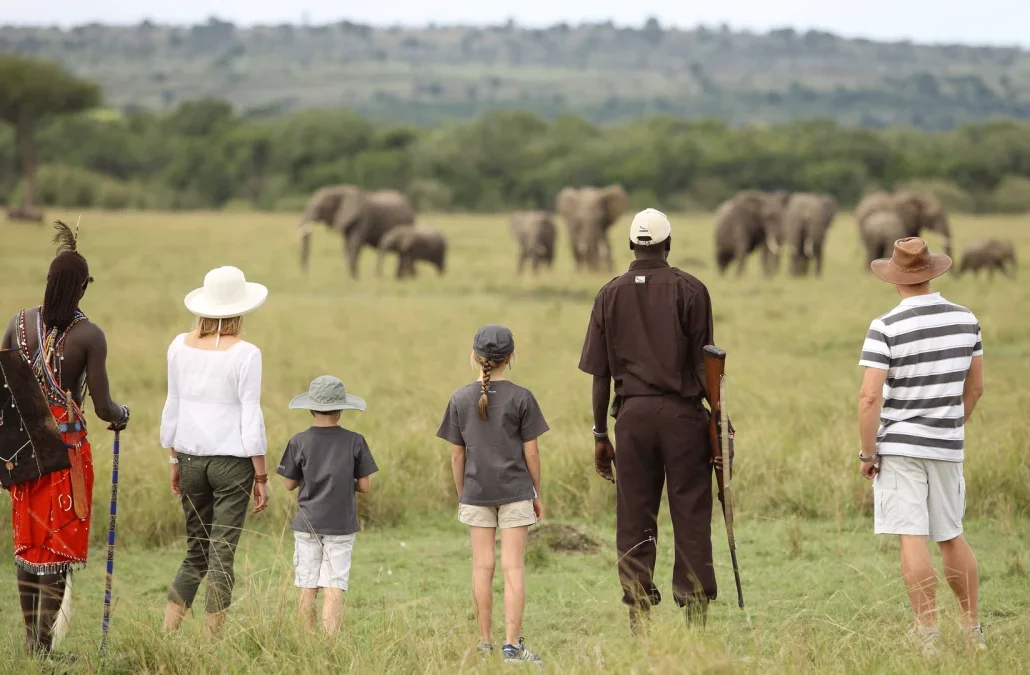
Walking safaris offer a more immersive experience, allowing participants to engage directly with the natural environment. While these safaris are guided by experienced rangers who have extensive knowledge of the local flora and fauna, they come with inherent risks, such as encounters with wildlife. Participants are instructed on how to behave in the bush, including maintaining a safe distance from animals that may pose a threat. It is essential for travelers to adhere to safety protocols during walking safaris, including appropriate attire and carrying essential gear.
Domestic flights are another option used to cover larger distances between parks, with established airlines providing services between major wildlife areas. Airlines operating domestic flights in Kenya adhere to international safety standards and regulations. Before traveling, it is advisable to check the airline’s safety record and ensure compliance with baggage restrictions to ensure a smooth journey.
In conclusion, whether traveling by vehicle, on foot, or by air, understanding the safety measures in place and adhering to guidelines ensures a safer safari experience. By prioritizing safety and making informed decisions, travelers can enjoy the breathtaking beauty of Kenya while minimizing risks.
Sociocultural Safety Considerations
Understanding sociocultural safety considerations is crucial when embarking on a safari in Kenya. The interactions between visitors and local communities can significantly influence the overall safety and enjoyment of the experience. Tourists are often encouraged to engage respectfully with local residents, as this fosters goodwill and mutual understanding. For instance, greeting people with warmth and recognition of their customs can set a positive tone for encounters.
Respecting local customs is of paramount importance. Each community in Kenya is imbued with rich traditions and practices that reflect their unique cultural identity. Tourists are advised to familiarize themselves with these customs to avoid unintentionally offending anyone. For example, dressing appropriately when visiting rural areas or religious sites shows respect for the local way of life. Such gestures can play a pivotal role in ensuring that visitors are welcomed rather than viewed as intruders.
Cultural sensitivity is closely tied to safety in Kenya. Being cognizant of gender roles, social norms, and communication styles can enhance interaction quality. Acknowledging local cultural practices and learning a few words in the local language can greatly improve relations with communities, offering a sense of safety to tourists. Tours that are guided responsibly often include insight into sociocultural contexts, letting visitors engage thoughtfully with their surroundings.
Incorporating these sociocultural considerations into safari planning can lead to a more harmonious experience. By treating the local culture with respect and openness, travelers contribute to a positive environment, which in turn can lead to enhanced personal safety and enjoyment during their visit to Kenya.
Recommendations from Tour Providers
When planning a Kenya safari, safety is often a primary concern for travelers. Reputable safari tour providers emphasize the importance of implementing stringent safety measures to ensure a secure experience. These providers conduct thorough pre-safari briefings, where they prepare travelers by outlining essential safety protocols that should be followed throughout their journey.
One of the first recommendations made by tour operators is the necessity of hiring professional guides who are well-versed in the behaviors of wildlife and local safety regulations. These guides are not only experienced in navigating the terrain, but they are also trained to handle unexpected situations, enhancing the safety of the safari experience. Additionally, tour providers suggest that travelers remain within the designated safari vehicles at all times, ensuring that they do not inadvertently place themselves at risk.
Moreover, reputable tour providers advise travelers to familiarize themselves with the local environment and potential wildlife encounters. By understanding which animals are dangerous and how to react appropriately, safari-goers can minimize risk. It is recommended that travelers adhere strictly to the guidelines set forth by their guides, especially when it comes to maintaining a safe distance from animals.
Furthermore, being mindful of personal belongings is crucial. Providers often highlight the importance of not leaving valuables exposed in the vehicles or campsites, reducing the chances of theft. They also recommend that travelers stay hydrated and protected from the sun, which indirectly contributes to overall safety during the safari.
Ultimately, by following the guidance provided by tour operators and remaining aware of their surroundings, travelers can significantly enhance their safety while enjoying the remarkable beauty of Kenya’s natural landscapes and wildlife.
Emergency Protocols on Safari
When embarking on a safari in Kenya, it is crucial to understand the emergency protocols that are established to ensure the safety and security of all participants. First and foremost, reputable safari operators provide comprehensive guidelines regarding medical assistance. This includes equipping their vehicles with first aid kits and ensuring that safari guides are trained in basic first aid and emergency response. In the event of an injury or health issue, guides are trained to assess the situation quickly and provide necessary assistance while also arranging for further medical help if required.
Additionally, all safari itineraries incorporate detailed evacuation plans. Tour operators maintain a network of local medical facilities and air ambulance services, which can be activated in case of serious emergencies. The proximity to major hospitals and clinics is typically outlined in the pre-safari briefings. Safari guides are also experienced in navigating to these facilities efficiently, ensuring that any individual needing urgent care can receive it swiftly.
Another essential aspect of emergency protocols is addressing potential encounters with wildlife. Guides are trained to observe animal behavior closely and provide instructions on how to minimize risks associated with wildlife interactions. For example, maintaining a safe distance from animals and adhering to the guide’s commands is critical. In the unlikely event of an unexpected wildlife encounter, safari guides possess the skills to manage the situation effectively, ensuring the safety of all guests.
Moreover, it is advisable for travelers to familiarize themselves with their surroundings and adhere to safety briefings provided by their guides. This awareness can significantly enhance personal safety and enable individuals to respond appropriately during unforeseen circumstances. Overall, these comprehensive safety protocols underscore the commitment of safari operators to provide a secure experience for all participants during their adventure in Kenya.
Conclusion: Assessing Safety for Your Safari Experience
In summary, while the safety of a safari experience in Kenya can understandably raise concerns, it is essential to consider the comprehensive measures that are in place to ensure traveler security. Various factors contribute positively to the safety of safari adventures, including the training and professionalism of local guides, the operational practices of safari companies, and the emphasis on conservation and responsible tourism within the region.
Travelers can significantly enhance their personal safety during a safari by exercising common sense and adhering to the precautionary advice provided by tour operators. Awareness of the local environment, understanding animal behavior, and following guidelines from experienced guides are key elements for a safe journey. It is often said that preparation is vital, and this holds true for planning a safari; thorough research into the current safety protocols and situations surrounding your intended destinations can further mitigate any risks.
Moreover, advancements in communication technology and the quick response capabilities established by local authorities add another layer of security. These developments allow travelers to stay connected and informed, contributing to an overall smoother experience. Therefore, despite concerns that may arise regarding safety, a safari in Kenya, when approached with an informed mindset and respect for the wilderness, can indeed be a fulfilling and secure adventure. The rugged beauty and vibrant wildlife of Kenya stand testament to the remarkable experiences that await, making such journeys not only safe but exhilarating for those who embrace them thoughtfully.