Top 20 Best Things to Do in Nairobi, Kenya
Visit Nairobi National Park
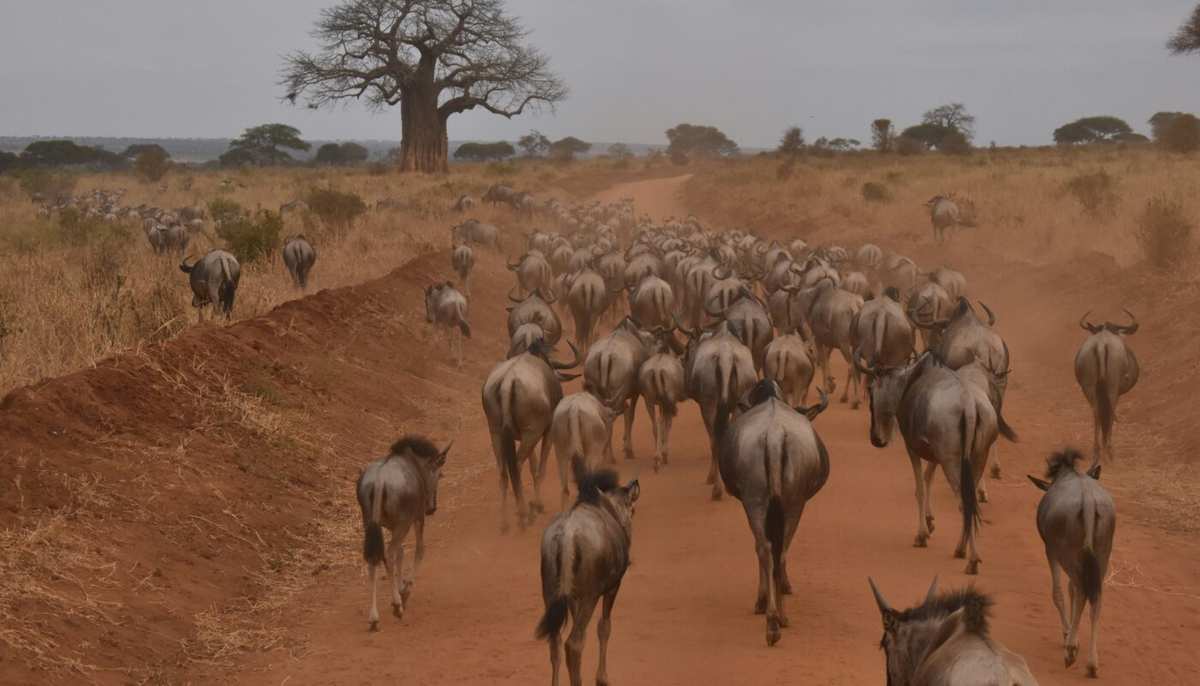
Nairobi National Park, located a mere seven kilometers from the bustling city center, is an extraordinary oasis that offers a unique juxtaposition of urban life and wild nature. This remarkable park is home to a diverse array of wildlife, providing both tourists and locals alike an unparalleled opportunity to observe animals in their natural habitat while enjoying panoramic views of the city skyline in the background. With over 100 species of mammals, including the iconic African lion, endangered black rhinos, and reticulated giraffes, the park is a must-visit for animal lovers and adventure seekers.
Visitors can engage in various activities within the park, which include classic safari tours led by knowledgeable guides, walking safaris for those seeking a more intimate interaction with the environment, and family-friendly picnicking areas. A safari at Nairobi National Park offers the chance to encounter wildlife amidst the unique backdrop of the city. As a visitor, you might see herds of zebras grazing on the savannah, while the sounds of the urban hustle resonate in the distance. This feature makes Nairobi National Park particularly distinctive, as it is the only national park situated within a capital city.
In addition to its impressive array of wildlife, the park also boasts well-maintained roads and a visitor center, making it easily accessible for guests touring Nairobi. Guided tours can be tailored to accommodate different interests, whether visitors prefer a leisurely exploration of scenic views or an adventurous expedition to spot the Big Five. The park is open year-round, providing year-round access to a prime location for wildlife enthusiasts and photographers alike.
Overall, a visit to Nairobi National Park is not just an excursion; it’s an experience that highlights the incredible biodiversity of Kenya, offering visitors a unique chance to immerse themselves in the natural wonders of the region.
Discover the Giraffe Centre
Situated just outside Nairobi, the Giraffe Centre stands as a beacon of conservation for the endangered Rothschild giraffe, a species native to Africa that has seen significant population decline in recent decades. Visitors to the centre are welcomed into a serene environment where they can learn about giraffe conservation efforts while engaging in interactive experiences. A highlight for many is the opportunity to feed the giraffes, an activity that offers a close encounter with these gentle giants. Visitors are provided with specialized giraffe food, enabling them to hand-feed these animals from a raised platform, making for an unforgettable experience.
The Giraffe Centre is not just about feeding. It also offers educational programs that aim to raise awareness about the importance of wildlife conservation, focusing specifically on the Rothschild giraffe’s plight. Through talks and guided tours, visitors gain insights into the daily operations of the centre, as well as the specific characteristics and behaviors of giraffes. The on-site educational facilities include an informative presentation centre that further enriches the visitor experience, educating guests on the ecology of giraffes and their role within the ecosystem.
Moreover, the Giraffe Centre plays an active role in conservation efforts beyond its own grounds, participating in initiatives aimed at habitat restoration and research. Programs aimed at local communities help foster a sense of responsibility towards wildlife, ensuring that future generations will regard giraffes and other species with admiration, rather than indifference. This commitment to conservation and education creates an atmosphere that is both engaging and responsible, making the Giraffe Centre a must-visit for anyone interested in wildlife and sustainable tourism in Nairobi.
Explore the Nairobi National Museum
The Nairobi National Museum stands as a cornerstone of Kenya’s cultural heritage, offering an intricate glimpse into the nation’s rich history and diverse art forms. Established in 2005, the museum is situated in the heart of the capital, making it an accessible destination for both locals and tourists. Visitors are greeted by a wide array of exhibits that beautifully showcase Kenya’s evolution through time, including aspects spanning archaeology, paleontology, ethnography, and art.
One of the museum’s main attractions is its extensive collection of artifacts, which includes items from ancient civilizations, prehistoric fossils, and contemporary Kenyan art. The prehistoric section is particularly fascinating, as it features notable exhibits like the East African stone tools and fossils from Kenya’s ancient past. These collections illustrate the journey of human evolution and the significant archaeological findings in the region.
Additionally, the museum hosts rotating exhibitions that expose visitors to various cultural practices and contemporary art experiences from Kenyan artists. Numerous educational programs and guided tours are also available, providing deeper insights into the exhibitions and the history of the artifacts. Interactive sessions with experts help to engage audiences, sparking curiosity and understanding of the broader themes of heritage and identity.
Exploring the Nairobi National Museum is not just an educational venture; it is a journey through the soul of Kenya itself. From ancient relics to modern artistic expressions, the museum embodies the country’s quest for cultural expression. A visit here is essential for anyone seeking to truly appreciate Kenya’s vibrant tapestry of history and art.
4. Spend Time at the David Sheldrick Wildlife Trust
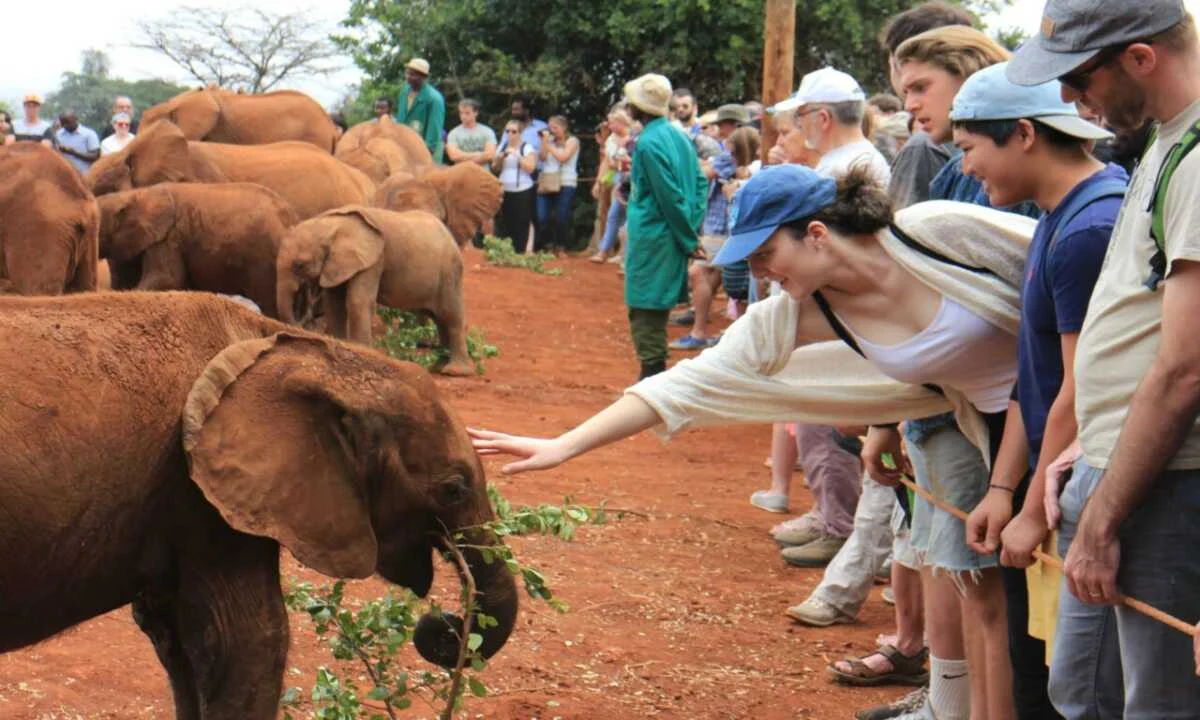
The David Sheldrick Wildlife Trust (DSWT) is a pioneering organization founded in 1977, dedicated to the protection and conservation of elephants and rhinos in Kenya. Located just outside Nairobi, this sanctuary is home to orphaned elephants that have been rescued from the wild, often due to poaching or human-wildlife conflict. Visitors to the trust can experience a unique opportunity to learn about elephant conservation efforts while supporting the incredible mission of this organization.
One of the most popular attractions at the David Sheldrick Wildlife Trust is the chance to adopt an elephant. For a modest fee, individuals can choose to adopt an elephant or rhino and contribute towards its care, feeding, and rehabilitation. The adoption comes with regular updates and photos, fostering a personal connection between the adopters and these magnificent creatures. Additionally, the act of adopting an elephant plays a vital role in ensuring the sustainability of the sanctuary’s conservation programs.
During a visit, guests are encouraged to participate in the public feeding sessions, where the orphaned elephants are given milk and food. This engaging experience allows visitors to see the elephants up close while learning about their stories and the challenges they face in the wild. The DSWT also offers insightful talks led by knowledgeable staff, providing further education on the importance of protecting these animals and their habitats.
To visit the David Sheldrick Wildlife Trust, it is advisable to arrive early, as the nursery is open for a limited time during the day for visitors. This ensures a more intimate experience as the elephants interact with their caretakers and visitors alike. Overall, spending time at the David Sheldrick Wildlife Trust not only enriches one’s understanding of elephant conservation but also fosters an appreciation for the ongoing efforts to protect wildlife in Kenya.
5. Stroll Through Karen Blixen Museum
The Karen Blixen Museum, located in the serene suburb of Karen, Nairobi, is a historical site that offers a glimpse into the life of the renowned Danish author, Karen Blixen. This former home, known for the autobiographical book “Out of Africa,” showcases the writer’s life experiences in the early 20th century. The museum itself is a well-preserved colonial house surrounded by lush gardens, transporting visitors back to a time when Africa was largely unexplored by many Europeans.
Guided tours of the museum provide an immersive experience, allowing guests to learn about Blixen’s life, her literary contributions, and the cultural interplay between her and the local communities. Tour guides share intriguing anecdotes and historical facts, enhancing the understanding of her significance in literature. Visitors can explore various rooms in the house, each offering insights into Blixen’s personal and professional life, from her writing desk to her art collections.
In addition to the indoor exhibits, the museum features beautifully manicured gardens that are perfect for a leisurely stroll. These gardens, which include a variety of indigenous and exotic plants, reflect the tranquil environment that inspired much of Blixen’s work. The serene surroundings, combined with the captivating history of the residence, make it an essential stop for anyone seeking to appreciate Nairobi’s cultural heritage.
A visit to the Karen Blixen Museum is not just an opportunity to delve into the life of a literary icon; it also provides a serene escape from the bustling city. This historical landmark represents a unique intersection of literature, history, and nature, making it a must-visit when exploring the best things to do in Nairobi.
Discover Bomas of Kenya
Bomas of Kenya serves as a vibrant cultural center that showcases the rich and diverse heritage of Kenya through various artistic expressions. Located just a few kilometers from the city center, visitors to this cultural haven can immerse themselves in traditional music, dance performances, and exhibitions that reflect the depth of Kenyan traditions. The facility is designed to promote cultural preservation and appreciation, making it an essential part of your Nairobi itinerary.
The highlight of a visit to Bomas of Kenya is undoubtedly the traditional music and dance performances. They feature an array of styles from different ethnic groups, illustrating the unique rhythms, costumes, and movements that define Kenya’s cultural landscape. This provides tourists with an engaging opportunity to experience the essence of Kenyan artistry. Performers, typically adorned in colorful attire, share their stories through rhythm and poetry, drawing audiences into the heart of their cultural narratives.
In addition to performances, Bomas of Kenya offers various cultural exhibits that showcase artifacts, crafts, and traditional practices from different communities across the country. These exhibits serve not only as educational resources but also as an opportunity for visitors to appreciate and understand the diversity of Kenya’s people. Workshops are also available for those interested in learning about traditional crafts, providing hands-on experiences that impart skills and knowledge of indigenous arts.
Bomas of Kenya is not just a venue for entertainment, but a celebration of the coexistence of various cultures that form the identity of the nation. It encourages both tourists and locals to honor and embrace the beautiful tapestry of traditions that characterize Kenya.
Visit the Kazuri Beads Women’s Factory
Located in the heart of Nairobi, the Kazuri Beads Women’s Factory offers a unique opportunity to witness the intricate craftsmanship that goes into creating beautiful ceramic beads and pottery. This establishment was founded in 1975 with the aim of providing employment and uplifting local women, empowering them to support their families through their artisanal skills.
A visit to the factory is both informative and inspiring. Guests have the chance to participate in guided tours, during which they can observe skilled artisans at work. Each bead is lovingly handcrafted, reflecting the lives and stories of the women behind them. The factory not only showcases the crafting process but also emphasizes the artistic expression and cultural significance of each piece. Art lovers and conscious consumers will appreciate the diversity of designs and the rich narratives woven into each bead.
Moreover, visiting the Kazuri Beads Factory has a profound social impact. By purchasing these handcrafted items, visitors contribute to the sustainability of the business and assist in transforming the lives of the women artisans. This initiative enables them to achieve financial independence and instills a sense of pride in their craftsmanship. Kazuri Beads has become an emblem of empowerment, representing the resilience and creativity of Kenyan women.
In addition to supporting local communities, exploring the workshop provides a firsthand look into initiatives aimed at maintaining traditional techniques. As such, each visit to Kazuri Beads not only nurtures the artisans’ livelihoods but also fosters cultural preservation. Its commitment to quality and social responsibility makes it a must-visit destination for anyone seeking to understand the intersection of art and community development in Nairobi.
8. Experience Nairobi’s Local Cuisine
Nairobi’s culinary scene is a vibrant tapestry that reflects the rich culture and traditions of Kenya. Exploring this city is incomplete without indulging in its local cuisine, which boasts a variety of flavors and dishes that are both traditional and contemporary. The local markets and restaurants offer visitors a unique opportunity to experience authentic Kenyan food.
One of the must-try dishes is ugali, a staple made from maize flour that is often served with vegetables, meat, or fish. It is commonly enjoyed alongside sukuma wiki, a sautéed collard green dish, which provides a nutritious complement. Another essential dish is nyama choma, which translates to grilled meat. This popular meal is often served with kachumbari, a refreshing tomato and onion salad, elevating the dining experience.
For those keen on exploring Nairobi’s food culture, visiting popular places such as Jumia Food can offer a wider range of local delicacies. Alternatively, Maasai Market provides a casual setting where tourists can not only sample foods but also engage with local artisans. Here, you may try a variety of street foods, including samosas and mutura, which are spicy meat sausages that are widely loved.
In addition to traditional meals, numerous food tours are available, providing guided experiences that delve deeper into the local culinary landscape. These tours often include stops at various eateries and a chance to converse with chefs, allowing participants to gain insights into the preparation methods and the cultural significance of the dishes.
Experiencing Nairobi’s local cuisine is indeed a savory adventure that showcases the city’s heritage, making it an essential activity for anyone visiting.
Explore the Maasai Market
Nairobi’s Maasai Market is a vibrant hub of culture and creativity, offering an unparalleled shopping experience for anyone seeking unique local crafts and souvenirs. Located in various locations around the city, including its most popular spot in the city center, this market showcases the rich heritage of Kenyan artisans, who produce a wide array of handmade wares. Visitors can expect to find everything from intricately beaded jewelry to colorful kanga fabrics, wooden carvings, and handwoven baskets. The market not only serves as a shopping destination but also as a place to immerse oneself in the local culture.
When visiting the Maasai Market, it is important to keep in mind that haggling is a customary practice. The initial prices suggested by vendors are often inflated, allowing room for negotiation. Visitors should approach this aspect of shopping with a friendly and open attitude. Engaging in conversation and expressing interest in the crafts can often lead to more favorable prices, and it enhances the experience of interacting with local artisans. A useful tip is to have a budget in mind before starting and to confidently communicate it when haggling.
The variety of items available at the Maasai Market is impressive. Whether you are looking for striking artwork or practical souvenirs, there is something for everyone. Many visitors take home beautifully crafted items, such as traditional Maasai shuka (clothing), sculptures representing wildlife, and handmade beadwork that reflects the rich cultural diversity of Kenya. The Maasai Market is a must-visit for anyone wanting to capture a piece of Nairobi’s artistic spirit. Each purchase not only supports local artisans but also serves as a tangible memory of the vibrant experiences found in the heart of Kenya.
Take a Walk in the Karura Forest
Located in the heart of Nairobi, Karura Forest is an urban oasis that provides residents and visitors alike a chance to escape the hustle and bustle of city life. This breathtaking forest spans over 1,000 acres and is home to a variety of flora and fauna, making it an ideal destination for those seeking tranquility and a connection with nature.
The forest features well-maintained walking and cycling trails that wind through lush greenery, allowing individuals to explore its beauty at a leisurely pace. Walking in Karura Forest, one can often feel miles away from the urban environment just outside its borders, as birds chirp overhead and leaves rustle in the gentle breeze. These trails cater to various fitness levels, making them accessible for everyone—from casual walkers to avid joggers.
In addition to the serene trails, Karura Forest offers numerous picnic spots that are perfect for family gatherings or quiet afternoons. Visitors can unwind under the shade of tall trees, enjoying a packed lunch while surrounded by the sounds of nature. The forest’s picnic areas are well-equipped and allow for a relaxed experience, where one can immerse themselves in the beauty of their surroundings.
The importance of urban green spaces like Karura Forest cannot be overstated. They provide not only recreational opportunities but also contribute to the overall well-being of city dwellers. Access to green spaces has been shown to reduce stress, improve mental health, and promote physical activity. As Nairobi continues to grow, preserving and enjoying such natural environments is essential for maintaining a balanced urban lifestyle.
Visit the Nairobi Railway Museum
The Nairobi Railway Museum, established in 1971, is a prominent cultural institution that showcases the rich history of railway transport in Kenya. Nestled adjacent to the historic Nairobi railway station, this museum offers visitors a fascinating insight into the development of rail transport in the region, tracing its roots from the colonial period to the present day.
The museum boasts an extensive collection of artifacts, including historical locomotives, carriages, and railway equipment. Among the highlights are several steam locomotives, some of which date back to the early 1900s. These well-preserved vehicles are not only significant from a historical perspective but also serve as a reminder of the technological advancements that have shaped the transport sector in Kenya. Each exhibit is thoughtfully maintained, allowing visitors to appreciate the craftsmanship and engineering that went into building these machines.
Guided tours are available and highly recommended for those looking to delve deeper into the stories behind each exhibit. Knowledgeable guides offer insightful narratives that shed light on the role of the railway in the economic and social development of Kenya. Visitors can also learn about the challenges faced by the rail system over the years, including the impact of political changes and modernization efforts.
Additionally, the museum features a small gift shop where guests can purchase memorabilia related to the railway history of Kenya. A visit to the Nairobi Railway Museum is not just an educational experience; it is an opportunity to understand the significance of rail transport in connecting communities and fostering growth throughout the nation.
Tour the Kenyatta International Conference Centre (KICC)
The Kenyatta International Conference Centre, commonly referred to as KICC, stands as one of Nairobi’s most iconic structures, contributing to the architectural landscape of the city since its completion in 1973. Designed by renowned architect David Mutiso, KICC showcases a modernist style that incorporates traditional African elements, making it a significant cultural landmark. The building is not only a venue for international conferences and events but also symbolizes Kenya’s growing stature on the global stage.
With its unique cylindrical shape and a rooftop helipad, the KICC offers stunning panoramic views of Nairobi’s expanding skyline and the surrounding landscapes. Visitors who ascend to the helipad are treated to a breathtaking 360-degree view of the city, where the contrast between the bustling urban center and the natural beauty of Nairobi National Park is particularly striking. This vantage point provides an unparalleled opportunity for photography enthusiasts and tourists alike, as they can capture the essence of Nairobi from a remarkable height.
In addition to its architectural significance and picturesque views, KICC holds a rich historical background. It has hosted numerous high-profile events, including international summits and conferences, solidifying its reputation as a premier meeting venue in Africa. The centre’s construction was at the forefront of Kenya’s post-independence aspirations, representing progress and unity in a nation striving for recognition on the world stage. Today, it remains a symbol of Nairobi’s ambitions and resilience, making a visit to KICC an indispensable part of experiencing the city’s vibrant heritage.
Discover the Life of Jomo Kenyatta at the Kenyatta Mausoleum
The Kenyatta Mausoleum, located in the heart of Nairobi, serves as the final resting place for Jomo Kenyatta, the first President of Kenya and a pivotal figure in the country’s journey to independence. This mausoleum not only memorializes Kenyatta but also embodies a significant chapter in Kenya’s history, reflecting the nation’s struggle for freedom and identity.
Built after Kenyatta’s death in 1978, the mausoleum stands out with its distinct architectural design, incorporating elements that resonate with Kenyan cultural motifs. The solemn atmosphere of the site invites visitors to reflect on Kenyatta’s legacy and his role in shaping modern Kenya. As visitors approach, they will find well-manicured gardens that enhance the serene environment surrounding the mausoleum, making it an ideal spot for contemplation.
Inside the mausoleum, visitors can observe a variety of exhibits that showcase Kenyatta’s life, including photographs, artifacts, and significant documents that provide insight into his contributions to the nation. These artifacts offer a deeper understanding of his leadership style, political challenges, and his vision for a united Kenya. The mausoleum also includes a substantial library dedicated to preserving Kenyan history, making it a valuable resource for both locals and tourists interested in the country’s rich past.
The Kenyatta Mausoleum is not merely a burial site but a monument that solidifies Kenyatta’s status as a national hero. It also serves as a reminder of the trials faced during Kenya’s path to independence. For visitors experiencing the cultural depth of Nairobi, a visit to the Kenyatta Mausoleum is essential to grasp the essence of Kenya’s national identity and history.
Visit the Nairobi Gallery
The Nairobi Gallery, located in the heart of Kenya’s capital, is a prominent venue for showcasing contemporary and historical artworks. Housed in a former bank building, this cultural hub presents a well-curated selection of exhibitions that highlight the richness of Kenyan creativity. Visitors to the gallery can explore temporary exhibitions that often feature the works of both established and emerging artists, providing a vibrant snapshot of the current art landscape in Kenya.
Currently, the Nairobi Gallery showcases a range of exhibitions that reflect both local and international artistic trends. From captivating paintings to thought-provoking installations, the gallery invites art enthusiasts and casual visitors alike to engage with the diverse narratives presented through the artworks. Notable pieces often depict socio-political themes, cultural heritage, and the environment, making the gallery a crucial space for dialogue within the Kenyan art community.
Art plays a significant role in Kenyan society, serving as a medium for expression and a catalyst for change. The Nairobi Gallery not only contributes to this dialogue but also promotes appreciation for the arts within the community. By visiting the gallery, one can observe how artists reinterpret historical events, cultural practices, and contemporary issues through their unique lenses. Furthermore, the gallery provides educational programs and workshops that foster artistic talent among youth, encouraging a new generation of artists to emerge.
In conclusion, a visit to the Nairobi Gallery is an enriching experience that allows individuals to delve into the creative spirit of Kenya. The combination of current exhibitions, notable artworks, and the gallery’s role in society emphasizes the importance of art as a reflection of cultural identity and a medium for conversation.
Experience the Nairobi Street Art Scene
Nairobi’s street art scene is a vibrant tapestry of hip-hop culture, social commentary, and skillful artistry, making it an essential part of the city’s urban landscape. Over the years, this artistic movement has grown tremendously, attracting local and international attention while reflecting the rich history and diverse communities found within Nairobi. Numerous neighborhoods, especially in areas like the Central Business District, Eastleigh, and Kibera, serve as canvases for talented artists eager to express their creativity and thoughts.
Several renowned artists have emerged from Nairobi’s street art scene, creating murals that tell powerful stories and foster social change. Artists such as Bankslave, Patrick Karanja, and Micho are highly regarded for their ability to blend traditional Kenyan themes with contemporary styles. Their work often addresses pertinent issues such as political corruption, environmental degradation, and social inequities, striking a chord with both locals and visitors alike.
Tourism in Nairobi has embraced this burgeoning art scene, leading to the creation of various street art tours that cater to curious travelers. These tours not only guide participants to hidden gems and iconic murals scattered across the city but also facilitate interactions with the artists themselves, providing insights into their creative processes and the messages behind their works. Such experiences enrich one’s understanding of Nairobi’s culture while fostering a deeper appreciation for the narratives that shape the community.
For those looking to immerse themselves in the artistic fervor, local galleries also host exhibitions that feature street artists and their works, further bridging the gap between traditional art spaces and public expression. By experiencing the street art scene in Nairobi, visitors can enjoy a unique and enlightening adventure that highlights the heart and soul of this dynamic city.
The Jamia Mosque: A Religious and Architectural Landmark
Located in the heart of Nairobi, the Jamia Mosque stands as the largest mosque in Kenya and an important center for the Islamic community. Established in 1933, the mosque was constructed primarily through funds raised by the local Muslim population, showcasing their commitment to creating a space for spiritual worship and cultural activities in the city.
Architecturally, the Jamia Mosque reflects a blend of traditional Islamic design and local influences. Its striking minarets and grand domes are designed in the Indo-Saracenic style, which can be seen in many historical buildings in the region. The mosque’s intricate carvings and symmetrical patterns not only demonstrate the rich artistic heritage of Islamic culture but also attract visitors who appreciate architecture and history alike.
Visitors to the Jamia Mosque are encouraged to observe respectful guidelines to maintain the sanctity of the space. It is advisable to dress modestly, with women typically required to cover their heads, and all visitors should remove their shoes before entering the prayer halls. The mosque is open for visits outside of prayer times, allowing tourists and locals to explore its beautiful interiors, engage with the peaceful ambiance, and learn about Islamic practices and beliefs.
When planning a visit to the Jamia Mosque, it is also helpful to note that guided tours are available. These tours often provide deeper insights into the mosque’s history, architectural significance, and its role in Nairobi’s diverse cultural landscape. The Jamia Mosque not only serves as a place of worship but also as a cultural hub that promotes interfaith dialogue, making it a noteworthy destination for anyone interested in understanding more about Nairobi’s religious identity.
Enjoy a Day at the Karen Shopping Centre
Nairobi is a vibrant city with a plethora of activities to engage both locals and tourists. Among its numerous attractions, the Karen Shopping Centre stands out as a premier destination, ideal for an enjoyable shopping experience combined with relaxation. Located in the affluent suburb of Karen, this shopping hub offers a diverse selection of shops, catering to all tastes and preferences. Whether you are looking for high-end fashion, artisanal crafts, or everyday essentials, you will find it all under one roof.
The shopping options at the Karen Shopping Centre are extensive. Home to both international retailers and local boutiques, visitors can explore a variety of clothing, accessories, and home décor items. Specialty shops showcase unique Kenyan handicrafts, making it an excellent place to purchase souvenirs or gifts that reflect the rich culture of the region. Additionally, the shopping centre features a wide range of stores selling beauty products, electronics, and gourmet food items, ensuring that all needs are met.
Aside from shopping, the Karen Shopping Centre provides a comfortable environment for relaxation and leisure. After a satisfying shopping spree, patrons can enjoy a meal at one of the numerous dining establishments available. From casual cafes to upscale restaurants, the culinary offerings cater to all palates, including traditional Kenyan dishes and international cuisine. Many of these dining options also have outdoor seating, allowing guests to savor their meals in a tranquil setting.
For entertainment, the shopping centre often hosts events and festivals that celebrate local culture and arts. Whether it is live music performances or artisan markets, there is always something happening at the Karen Shopping Centre, making it a lively spot to visit. Overall, spending a day at the Karen Shopping Centre guarantees a blend of shopping, dining, and entertainment experiences that will enhance your Nairobi visit.
Exploring Uhuru Park: A Green Oasis in Nairobi
Uhuru Park, a sprawling urban green space located in the heart of Nairobi, serves as a significant landmark symbolizing Kenya’s march to independence. Spanning approximately 12.9 hectares, this park not only offers a serene escape from the bustling city but also stands as a testament to the resilience and strength of the Kenyan people. Established in the 1960s, its name, which translates to “Freedom Park” in Swahili, reflects its importance to the nation’s history.
Visitors to Uhuru Park can engage in a variety of activities that cater to both relaxation and recreation. The park’s expansive lawns are perfect for picnics or leisurely strolls, while the well-maintained walking paths invite joggers and fitness enthusiasts alike. Children can enjoy the playground facilities, making it a family-friendly destination. For those interested in a more active pursuit, boat rides on the park’s small lake provide a leisurely way to take in the lush surroundings.
In addition to its recreational offerings, Uhuru Park is home to several monuments and sculptures that commemorate Kenya’s independence movement. One of the notable attractions is the Liberty Monument, which honors the country’s freedom fighters. The park is also a popular venue for events and gatherings, showcasing cultural performances and national celebrations throughout the year. The ambiance is often enriched by local vendors selling traditional Kenyan snacks, further immersing visitors in the vibrant culture.
Whether one seeks a peaceful retreat or an educational experience steeped in history, Uhuru Park is an essential stop on any itinerary in Nairobi. Its blend of natural beauty and historical significance makes it a cherished destination for both locals and tourists.
Attend a Show at the Nairobi Opera
Nairobi Opera, established in 2005, has become a significant cultural institution in Kenya, fostering a rich appreciation for operatic performances and the arts. This exquisite venue is ideally located in the heart of Nairobi, serving as a hub for both local and international talent. The mission of Nairobi Opera is to cultivate a vibrant art scene while providing a platform for creativity and expression through various events.
The opera house hosts a diverse range of performances, including classic operas, ballets, and contemporary musical productions. Upcoming events often feature renowned artists and performers, showcasing both local talent and international stars. Each season introduces exciting programming, including annual performances of masterpieces such as Puccini’s “La Boheme” and Verdi’s “La Traviata.” Alongside traditional operatic works, the venue also embraces modern compositions and performances that reflect contemporary themes and cultural narratives.
Nairobi Opera’s commitment to education and outreach is evident in their various initiatives aimed at promoting arts among the youth. Programs such as workshops, masterclasses, and school matinees encourage students to engage with the performing arts, thus inspiring the next generation of artists. The venue also collaborates with educational institutions and community groups, further enriching Nairobi’s cultural landscape.
For those planning to attend a show, it’s advisable to check the Nairobi Opera’s official website for the latest schedule of performances and ticketing information. Whether you are an aficionado of operatic classics or new to the art form, a visit to the Nairobi Opera promises an unforgettable cultural experience, embracing the beauty of music and performance within the vibrant city of Nairobi.
Explore the Secrets of Nairobi’s Nightlife
Nairobi, the vibrant capital city of Kenya, boasts a nightlife that is as diverse and dynamic as its culture. The city comes alive after sunset, offering visitors a plethora of experiences that range from energetic clubs to sophisticated bars and cultural events. Whether you are looking to dance the night away or unwind with a cocktail, Nairobi’s nightlife has something for everyone.
A popular starting point for many is the lively area of Westlands, known for its numerous bars and nightclubs. Here, establishments like Tree House and Brew Bistro provide a fantastic atmosphere that attracts both locals and tourists. These venues typically feature local DJs, live music, and themed nights, making them perfect spots to immerse yourself in Nairobi’s electric energy.
For those who prefer a more relaxed experience, the rooftop bars in the city offer stunning views of the skyline and the bustling streets below. Places such as The Sarova Rooftop Restaurant and Jade Sea Food not only serve exquisite drinks but also present a serene ambiance that contrasts the more vibrant clubs. This allows visitors to enjoy their drinks while savoring picturesque views of the city.
Cultural events are also prominent in Nairobi’s nightlife. Venues like the Nairobi National Museum and various theaters host art exhibitions, music events, and performances that showcase local talent. Engaging in these activities provides deeper insights into the rich Kenyan culture that extends beyond the bars and clubs.
When planning a night out in Nairobi, it’s advisable to keep safety in mind. Utilizing registered taxis or ride-hailing services like Uber ensures that you travel safely through the lively streets of the city at night. Additionally, staying aware of your surroundings and avoiding overly secluded areas will contribute to a pleasant experience while exploring the secrets of Nairobi’s nightlife.