Introduction to Ol Pejeta Conservancy
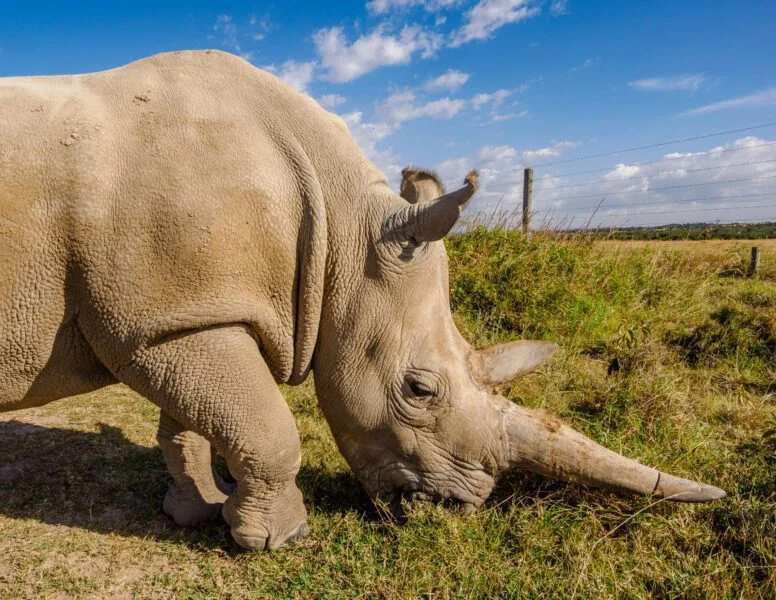
Ol Pejeta Conservancy, located in the Nanyuki region of Kenya, stands as one of the most significant wildlife conservation areas in Africa. Established in 1993, this expansive conservancy covers nearly 90,000 acres and is celebrated for its commitment to wildlife protection and community-driven conservation efforts. The primary mission of Ol Pejeta is not only to protect endangered species but also to facilitate habitat conservation, ensuring the survival of various flora and fauna in this unique ecosystem.
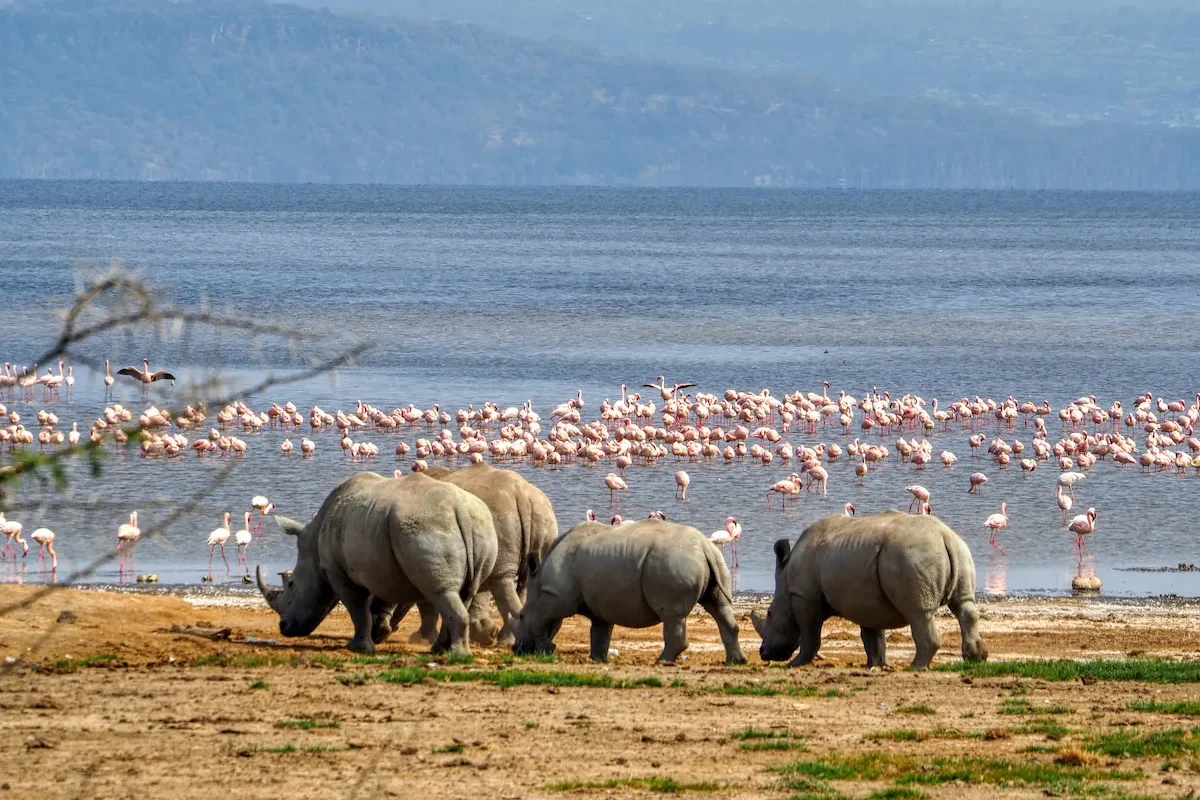
One of the conservancy’s distinct features is its role as a sanctuary for endangered species, notably the critically endangered northern white rhinoceros. It is home to the last two living northern white rhinos, making it a focal point for conservationists and wildlife enthusiasts from around the globe. Ol Pejeta’s innovative programs focus on breeding and protecting these magnificent creatures while raising awareness of the threats facing them.
The conservancy is more than a protected area; it embodies a holistic approach to conservation that prioritizes both biodiversity and the local community’s economic needs. By integrating eco-tourism, Ol Pejeta not only funds its vital conservation efforts but also creates jobs and supports local livelihoods. Visitors come from all corners of the world to experience the diverse wildlife species that roam this remarkable landscape, including elephants, lions, and cheetahs.
With its stunning natural landscapes, rich wildlife, and commitment to conservation, Ol Pejeta Conservancy has become an essential destination for eco-tourists and wildlife enthusiasts alike. Those who venture into this sanctuary can expect to witness firsthand the importance of conservation efforts in protecting endangered species while enjoying the breathtaking beauty that Kenya has to offer.
Wildlife Viewing Experiences
Ol Pejeta Conservancy in Kenya offers one of the most remarkable wildlife viewing experiences available in Africa. Home to a diverse array of wildlife, the conservancy is particularly renowned for housing the renowned ‘Big Five’: lions, leopards, elephants, buffaloes, and rhinoceroses. In fact, Ol Pejeta is unique in that it is also home to the critically endangered northern white rhino, making this an exceptional destination for conservation enthusiasts and wildlife photographers alike.
The conservancy spans 90,000 acres of varied landscapes, providing habitats for an impressive number of species. Visitors can expect to encounter not just the ‘Big Five,’ but also species such as cheetahs, giraffes, and numerous antelope species during their visit. The vast open savannahs, dense forests, and expansive wetlands enable a rich tapestry of wildlife interactions, enhancing the opportunity for visitors to witness animals in their natural environment.
To maximize wildlife viewing experiences at Ol Pejeta, timing is crucial. The early morning and late afternoon hours are typically the best for sightings, as animals are most active during these cooler parts of the day. Additionally, considering the season can also influence visibility; the dry season, generally from June to October, provides better opportunities for spotting animals congregating around water sources.
For those keen to enhance their experience, engaging with knowledgeable guides can significantly improve wildlife encounters. These experts not only aid in spotting elusive species but also provide valuable insights into wildlife behavior and ecosystem dynamics. Overall, a visit to Ol Pejeta Conservancy promises exceptional wildlife viewing opportunities that create lasting memories for all adventurers.
Game Drives and Guided Safaris
Ol Pejeta Conservancy in Kenya is renowned for its diverse wildlife and stunning landscapes, making it a prime destination for game drives and guided safaris. Visitors can experience a variety of safari options, including day, night, and private safaris. Each of these experiences offers distinct advantages, allowing guests to tailor their adventures according to their interests and preferences.
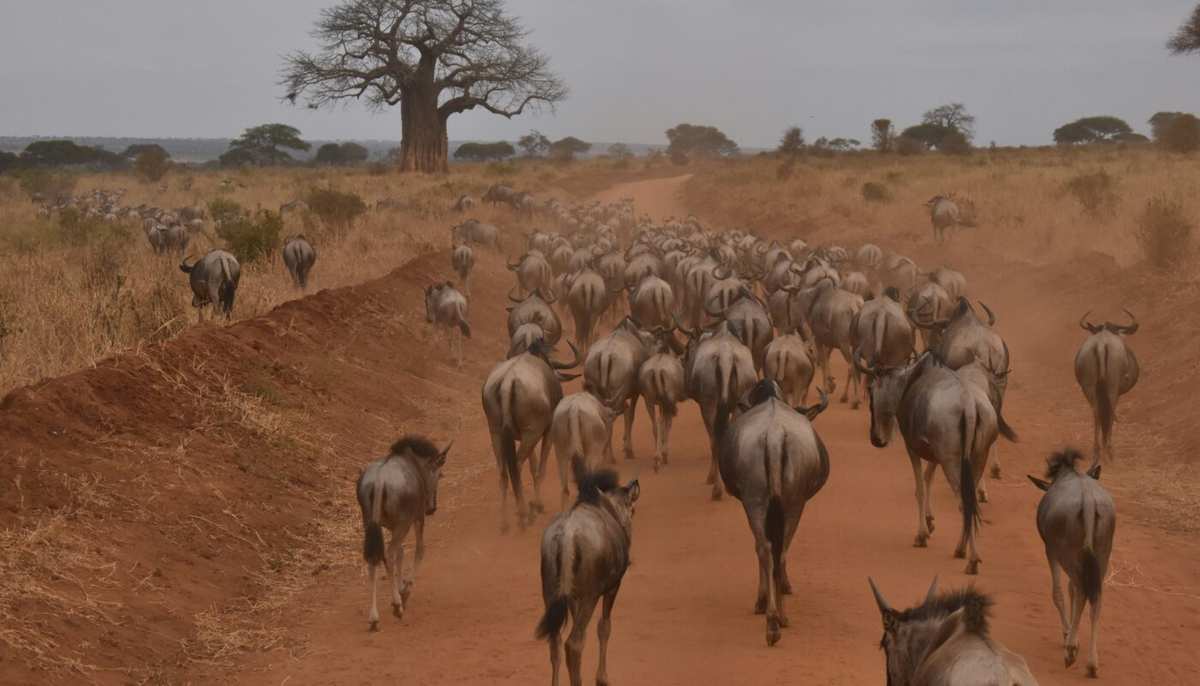
Day safaris are the most popular choice for visitors. During these excursions, knowledgeable guides lead the way, providing valuable insights into the wildlife and ecosystem. Guests can expect to see herds of elephants, grazing wildebeests, and the majestic big cats inhabiting the conservancy. The guides are well-versed in animal behavior, enabling them to enhance the overall safari experience through engaging storytelling and educational commentary.
Night safaris, on the other hand, present a unique opportunity to witness the nocturnal activities of various species. Under the cover of darkness, guests can observe creatures that typically elude daylight, such as leopards and hyenas. This contrasts the daytime safari experience, showcasing the diverse range of wildlife in a different light. Equipped with spotlights, guides navigate the conservancy to discover the secrets of the night, ensuring visitors have a thrilling experience.
Private safaris are available for those who prefer a more personalized adventure. This option allows guests to create a bespoke itinerary, focusing on specific wildlife interests or particular areas of the conservancy. With a dedicated guide, visitors can explore at their own pace, ensuring a relaxing yet informative journey through the habitats of the area’s famed inhabitants.
Whether opting for a day, night, or private safari, the presence of expert guides significantly enhances the overall experience. Their ability to identify animal tracks, interpret behaviors, and share fascinating facts about the ecosystem transforms a simple game drive into an unforgettable safari adventure.
Visit the Ol Pejeta Chimpanzee Sanctuary
The Ol Pejeta Chimpanzee Sanctuary, located within the Ol Pejeta Conservancy, is a vital initiative dedicated to the protection and rehabilitation of orphaned and rescued chimpanzees. Established in partnership with various conservation organizations, the sanctuary serves as a safe haven for chimpanzees that have been subjected to the illegal pet trade, habitat destruction, or other forms of human interference. This sanctuary not only provides these remarkable primates with a secure environment but also emphasizes the importance of conservation efforts aimed at protecting their species in the wild.
Visitors to the Ol Pejeta Chimpanzee Sanctuary have a unique opportunity to observe these intelligent animals up close while learning about their behaviors and social structures. Guided tours through the sanctuary are available, allowing guests to gain insight into the daily lives of the chimpanzees, including their feeding routines, playtime, and interactions with caregivers. The sanctuary prioritizes animal welfare, ensuring that the chimpanzees live in conditions that closely resemble their natural habitat.
In addition to providing a home for these incredible primates, the Ol Pejeta Chimpanzee Sanctuary actively participates in conservation education and awareness programs. It aims to inspire visitors about the challenges faced by chimpanzees in the wild and the necessity of protecting their habitats. This sanctuary not only highlights the plight of chimpanzees but also fosters a deeper understanding of the broader ecological issues that impact their survival.
Those planning to visit the sanctuary should consider scheduling their tours in advance, as certain times may be reserved for educational outreach programs. The revenue generated from visitor fees directly supports the sanctuary’s operations and ongoing conservation projects, underscoring the role of ecotourism in safeguarding wildlife. Therefore, a trip to the Ol Pejeta Chimpanzee Sanctuary not only enriches the visitor’s experience but also contributes to essential conservation efforts for chimpanzees.
Community and Cultural Engagement
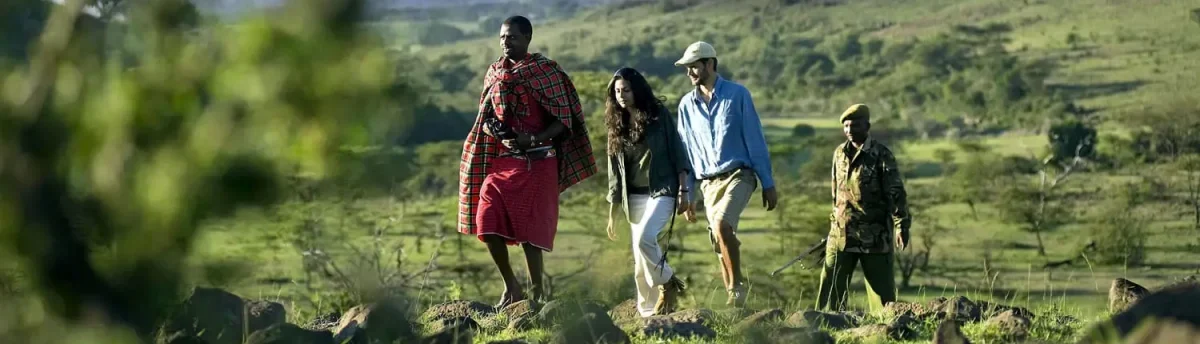
Visiting Ol Pejeta Conservancy offers a unique opportunity for cultural engagement, providing visitors the chance to connect with local communities and gain insight into their traditional ways of life. One of the highlights of this experience is the chance to interact with the Samburu and Maasai tribes, who are integral to the cultural landscape of the region. These communities have coexisted with wildlife for generations, incorporating their rich heritage into the narrative of conservation.
Tourists can participate in various activities designed to foster authentic engagement. This includes guided tours of local villages, where visitors can participate in traditional ceremonies and observe daily life firsthand. Interactions with community members often include opportunities to learn about traditional crafts, music, and dance, enriching the experience while providing valuable insights into the significance of conservation in their communities.
Moreover, the conservancy emphasizes the importance of community involvement in wildlife protection. Funds generated from tourism directly support local initiatives, creating a beneficial relationship between conservation efforts and the well-being of the communities. This symbiotic connection highlights how tourism can contribute to sustainable development by empowering local residents economically and socially.
Engaging with the community at Ol Pejeta also encourages a deeper understanding of the challenges faced in conservation efforts. Visitors often gain a perspective on how human-wildlife conflict affects local livelihoods and the measures that are being implemented to mitigate such issues. Through conversations and shared experiences, tourists leave with not only memories of the wildlife but also a profound appreciation for the cultural richness and resilience of the local people.
Photography Opportunities
Ol Pejeta Conservancy stands as a remarkable sanctuary for wildlife photography enthusiasts, offering a blend of captivating landscapes and diverse fauna. From the majestic Big Five to the unique sitatunga, this conservancy presents numerous opportunities to capture stunning images. Whether you are a seasoned photographer or an amateur looking to enhance your skills, Ol Pejeta has much to offer.
One of the best locations to photograph wildlife is at the waterholes, particularly during the early morning and late afternoon when animals congregate to drink. The soft, golden light during these times not only enhances the colors of the wildlife but also provides a perfect backdrop against the vivid landscapes. The expansive savannahs and lush riverine areas create a dynamic canvas, allowing photographers to experiment with various compositions.
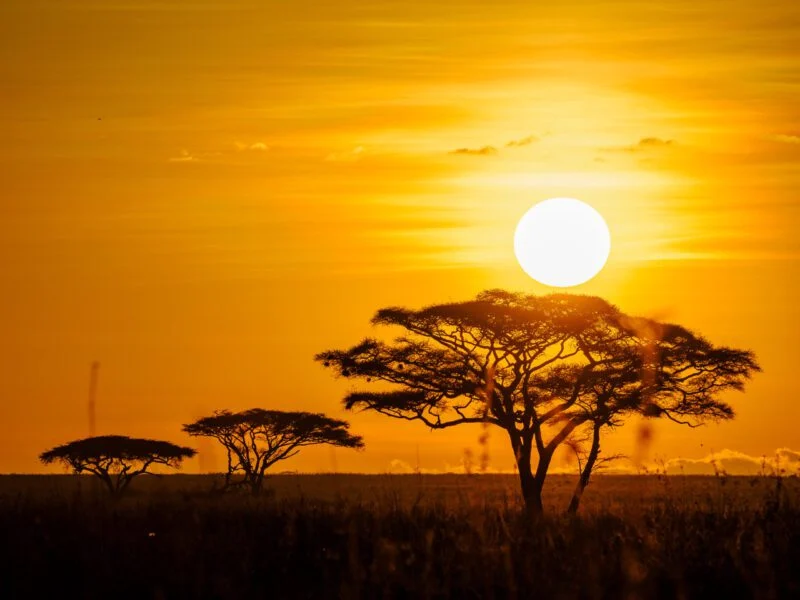
For those interested in capturing the iconic image of the African sunset, the horizon at Ol Pejeta is unparalleled. Choose a high vantage point, like Morani’s Hill, where you can frame your shots against a breathtaking sky ablaze with oranges and purples, often accentuated by silhouettes of acacia trees and distant wildlife. Wildlife species such as elephants, giraffes, and even the rare Northern White rhinos roam freely here, creating perfect subjects for any photography session.
Another essential tip is to remain patient. Wildlife can be unpredictable, so allowing time for the perfect moment to unfold is key. Utilizing a longer focal length lens can yield detailed shots without disturbing the animals, encouraging natural behavior, which often results in stunning photographs. Additionally, consider the weather, as overcast days can provide even lighting that is ideal for capturing intricate details in animal fur and feathers.
Accommodations and Dining Options
Ol Pejeta Conservancy offers a variety of accommodations that cater to different preferences and budgets, ensuring all visitors can find a suitable stay within the heart of this remarkable wildlife sanctuary. The options range from high-end luxury lodges to more rustic tented camps, each providing a unique experience of the Kenyan wilderness.
For travelers seeking opulence, the luxury lodges such as the Penguin House and Ol Pejeta Bush Camp provide elegant rooms with exquisite views of the expansive savannah. These lodges often feature amenities such as private verandas, en-suite bathrooms, and fine dining experiences serving an array of international and local dishes. The design of these lodges emphasizes eco-friendliness, allowing guests to feel at one with nature while enjoying plush accommodations.
On the other hand, for those who prefer a closer-to-nature experience, the conservancy offers several tented camps. These camps allow visitors to sleep under the stars, immersing themselves in the sights and sounds of the wild. Facilities in these tented accommodations often include shared bathrooms and communal dining areas, promoting a social atmosphere among guests. Options like Sweetwater’s Tented Camp provide an adventure-oriented ambiance while maintaining a level of comfort and hospitality.
Diving into the culinary offerings, Ol Pejeta Conservancy features dining options that showcase local Kenyan specialties as well as globally inspired cuisine. Meals often incorporate fresh, locally sourced ingredients, providing a farm-to-table experience that reflects the rich biodiversity of the region. Dining is typically a communal experience, where guests can share stories over traditional dishes like ugali, sukuma wiki, and grilled meats, allowing for a deep cultural immersion amidst stunning landscapes.
In conclusion, whether you choose the luxury lodges or the tented camps, the accommodations and dining options at Ol Pejeta Conservancy promise an unforgettable retreat, allowing guests to explore Kenya’s rich wildlife while enjoying comfort and local culinary delights.
Sustainability Practices at Ol Pejeta
Ol Pejeta Conservancy, located in Kenya, is renowned not just for its stunning landscapes and diverse wildlife but also for its commitment to sustainability and conservation. The conservancy employs a comprehensive array of practices aimed at preserving its natural resources while simultaneously promoting responsible tourism. One of the key sustainability practices involves the careful management of the land and water resources. This is achieved through habitat restoration efforts and sustainable grazing methods, which help maintain the ecosystems that support both wildlife and local communities.
The impact of tourism on local wildlife is a subject of paramount importance at Ol Pejeta. The conservancy has implemented educational programs for tourists, emphasizing responsible wildlife viewing and the critical role that visitors play in supporting conservation initiatives. Such programs not only enrich the visitor experience but also encourage a mutual respect between tourists and the natural habitat. By ensuring that tourism remains a force for good, Ol Pejeta mitigates any potential negative effects on wildlife populations while simultaneously generating funds that are reinvested into conservation efforts.
In addition to its focus on wildlife protection, Ol Pejeta is dedicated to various initiatives aimed at combating poaching and illegal wildlife trade. This includes robust anti-poaching patrols and partnerships with local communities to promote alternative livelihoods. The conservancy also engages in community outreach programs that educate local populations on the importance of biodiversity and the environment. By fostering a sense of stewardship among residents, Ol Pejeta demonstrates that sustainability extends beyond its boundaries, positively influencing the entire region.
Planning Your Visit to Ol Pejeta Conservancy
When considering a visit to the Ol Pejeta Conservancy in Kenya, it is important to plan your trip with careful consideration of various factors. The conservancy is located approximately 190 kilometers from Nairobi, making it accessible by both road and air. If you opt for road travel, hiring a car or utilizing a tour company is advisable, as the journey can take around four to five hours. For those looking for a quicker option, several air charter companies operate flights from Nairobi to the nearby Nanyuki airstrip.
Before visiting, it is crucial to secure the necessary permits. Depending on the activities you wish to participate in, such as game drives, night safaris, or guided nature walks, permits may be required. It is recommended to book these permits in advance, particularly during peak season, to avoid any inconveniences upon arrival.
The best time to visit Ol Pejeta Conservancy typically runs from late June to October, coinciding with the dry season when wildlife viewing is at its prime. During this period, animals are more likely to congregate around water sources, making it easier to spot a variety of species, including the critically endangered black rhino and the iconic big five. However, visiting during the rainy season, from November to May, can also offer a unique experience with lush scenery and fewer tourists.
As you prepare for your trip, ensure to pack essentials such as binoculars for wildlife viewing, a good camera for capturing memories, sunscreen, and insect repellent. Light, breathable clothing suitable for warm days and cool nights will enhance your comfort. Lastly, consider carrying cash for purchases at local shops or for tips, as not all establishments may accept credit cards.