Introduction to Samburu National Reserve
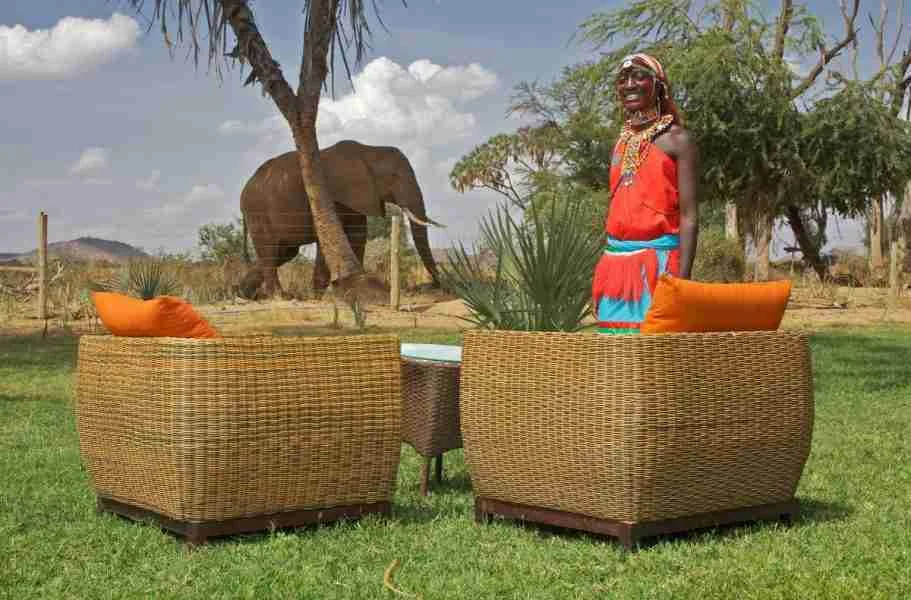
Samburu National Reserve is a premier wildlife conservation area located in the northern region of Kenya, approximately 350 kilometers north of Nairobi. It is renowned for its stunning landscapes, which comprise a mixture of savanna, acacia forests, and riverine ecosystems. The reserve is situated along the banks of the Ewaso Nyiro River, providing a vital water source that supports a wide array of flora and fauna in the region.
Samburu is prominent not only for its unique landscapes but also for the distinct wildlife species that inhabit the area. It is one of the few places in Kenya where visitors can encounter endemic species, such as the reticulated giraffe, the Grevy’s zebra, and the Somali ostrich. The reserve is also home to a diverse array of other animals, including elephants, lions, and various ungulates, which can be seen roaming across the expansive grasslands. The remarkable biodiversity makes Samburu an exceptional location for wildlife enthusiasts and birdwatchers alike.
The significance of Samburu National Reserve extends beyond its biological diversity; it plays a critical role in the conservation of wildlife in Kenya. The reserve is managed collaboratively by local communities and conservation organizations, ensuring that the ecological balance is maintained while also fostering community development. The dedication to sustainable practices allows not only for the protection of wildlife but also beneficial economic opportunities for local inhabitants, thus creating a model for conservation that could be replicated elsewhere.
In essence, Samburu National Reserve is a vital haven for wildlife conservation, characterized by its unique ecosystems and a wealth of biodiversity. This enchanting reserve illustrates the beauty of Kenya’s natural heritage and highlights the importance of ongoing conservation efforts for future generations.
Wildlife Viewing Experiences
Samburu National Reserve presents an extraordinary opportunity for wildlife enthusiasts and adventurers alike to witness an array of unique animals in their natural habitat. Known for its diverse ecosystem, the reserve is home to several species that are not found in many other parts of Kenya, providing an unparalleled viewing experience.
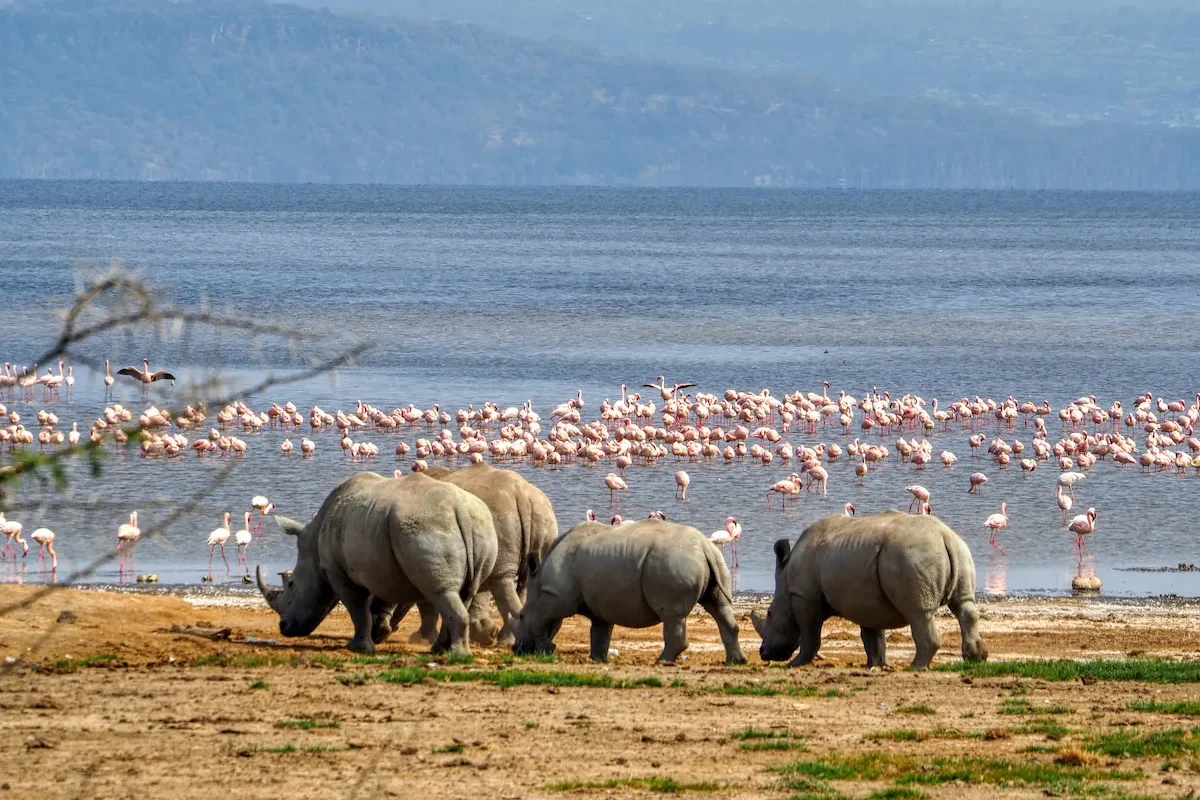
Among the iconic wildlife that can be observed in this reserve are the renowned Big Five: lions, elephants, leopards, buffaloes, and rhinoceroses. Each of these majestic animals plays a significant role in the ecosystem, representing the rich biodiversity that Samburu holds. The wide-open savannas and riverine forests create an ideal setting for encountering these exceptional creatures, particularly during early morning and late afternoon when they are most active.
In addition to the Big Five, Samburu is notable for its unique population of northern species. This includes the rare Grevy’s zebra, the Somali ostrich, and the reticulated giraffe, each exhibiting distinctive characteristics that set them apart from their southern counterparts. The Somali ostrich, in particular, stands out with its striking appearance, making it a highlight for birdwatchers visiting the reserve.
The best times for wildlife viewing in Samburu National Reserve typically align with the dry seasons from June to October and December to March. During these periods, animals congregate around water sources, making sightings more frequent and predictable. Guided game drives provide additional opportunities to learn about animal behaviors and their interactions within the ecosystem, enhancing the overall experience for visitors.
Cultural Encounters with the Samburu People
The Samburu people are a semi-nomadic indigenous group residing in northern Kenya, particularly around the Samburu National Reserve. Known for their rich cultural heritage, the Samburu community exemplifies a lifestyle dedicated to pastoralism, primarily raising cattle, goats, and camels. Engaging with the Samburu allows visitors to explore their unique traditions, customs, and way of life, which have been preserved for centuries amidst the changes brought by modernization.
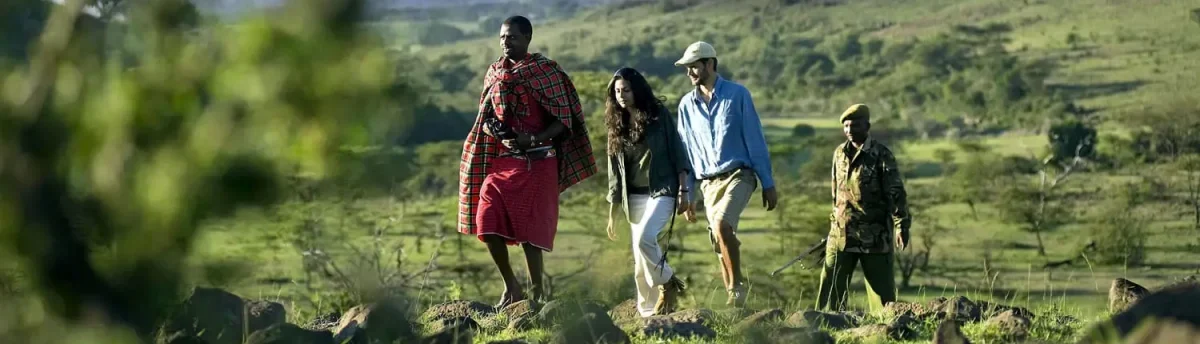
Tourists interested in cultural encounters have several opportunities to interact with the Samburu. One of the most immersive experiences is participating in guided tours that are led by local Samburu guides. These tours provide a deeper understanding of the community’s daily activities, including traditional crafting, music, and dance. Visitors can witness skilled artisans weaving intricate beadwork or creating ceremonial spears, and have the chance to learn about the significance of these crafts within the Samburu culture.
Cultural experiences often extend to visits to local villages, where travelers can engage directly with community members. This offers a unique perspective on their hospitality and way of life. Programs may include sharing meals prepared from locally sourced ingredients, participating in traditional dances, or engaging in storytelling sessions. Such interactions not only enhance the visitor experience but also foster respect and appreciation for the Samburu’s cultural identity.
By embracing these cultural encounters, tourists can contribute to sustainable tourism initiatives that benefit the Samburu communities economically while preserving their cultural heritage. Importantly, it is vital for visitors to approach these experiences with respect and sensitivity, acknowledging the Samburu people’s rich traditions and their significance.
Guided Game Drives
One of the most exhilarating experiences at Samburu National Reserve is participating in guided game drives. These excursions allow visitors to traverse the expansive landscapes of the reserve, providing ample opportunities to observe the diverse wildlife that inhabits this area. Led by knowledgeable expert guides, these drives are designed to enhance your understanding of the fauna and flora present in the reserve.
The expert guides play a pivotal role in ensuring a rewarding experience. With their extensive knowledge of animal behavior, habitat, and the intricate ecological relationships within the reserve, they offer insights that enrich your journey. The guides are adept at spotting wildlife that guests may overlook, from majestic elephants to elusive predators like leopards and lions. The experience is not only about witnessing these animals but also about learning how they interact within their environment.
Timing is essential when planning your game drive in Samburu National Reserve. Early morning and late afternoon are recommended as these times coincide with peak animal activity. The cooler temperatures encourage wildlife to emerge, making it more likely for visitors to witness various animals in action. During these hours, photographers will also find the lighting perfect for capturing stunning images of the wildlife.
To make the most of your guided game drive, consider a few essential tips. Dress appropriately for the varying temperatures that can occur throughout the day, and bring binoculars for a closer view of distant animals. Always respect the instructions provided by your guide, as they ensure both your safety and that of the wildlife. Furthermore, ensure your camera is ready to capture unforgettable moments, as the opportunity to see unique wildlife behaviors may arise unexpectedly.
In conclusion, guided game drives in Samburu National Reserve promise an unforgettable adventure, combining scenic beauty with wildlife viewing, all under the stewardship of skilled professionals.
Nature Walks and Hiking Trails
Exploring Samburu National Reserve on foot offers a unique perspective on its diverse ecosystems and stunning landscapes. This reserve, located in the northern region of Kenya, is known for its arid savannahs, rugged mountains, and rich wildlife. The trails range from easy walks to more challenging hikes, catering to varying fitness levels and preferences.
The network of nature walks allows visitors to immerse themselves in the beauty of the reserve, offering opportunities to observe flora and fauna up close. One of the most popular trails, the riverbank walk along the Ewaso Nyiro River, provides a scenic route where hikers can spot elephants drinking and numerous bird species soaring overhead. Other trails lead through acacia woodlands and grasslands, revealing the unique plants adapted to survive in this semi-arid environment.
For those seeking a more challenging experience, several hiking routes extend into the foothills surrounding the reserve. These trails not only provide breathtaking views but also allow for encounters with the region’s wildlife. Hikers may glimpse giraffes grazing or watch as packs of wild dogs navigate the terrain. The panoramic vistas from higher elevations are particularly rewarding, offering a sense of the vastness of this incredible landscape.
While enjoying these activities, it is crucial to prioritize safety. Always hike in groups and preferably with a trained guide familiar with the area. This ensures not only safety from wildlife encounters but also enriches the experience through informative commentary on the ecology and cultural significance of the area. Additionally, carrying sufficient water and wearing proper footwear are essential for an enjoyable experience.
Suggested itineraries could include morning walks, allowing for cooler temperatures and active wildlife, or sunset hikes that showcase the vibrant colors of the landscape during dusk. No matter the chosen path, nature walks and hiking trails in Samburu National Reserve guarantee unforgettable moments in one of Kenya’s pristine environments.
Bird Watching Paradise
Samburu National Reserve in Kenya is revered for its remarkable avian diversity, making it a bird watching paradise for enthusiasts and professionals alike. The reserve boasts over 450 bird species, including numerous migratory and endemic birds that attract bird watchers year-round. The combination of varied habitats, from riverine forests to arid bushland, creates an ideal environment for a wide range of birdlife.
Many notable species can be observed in Samburu, including the Somali ostrich, the colorful Bearded Vulture, and the striking Nubian bustard. Bird watchers will find that the reserve is particularly famous for its endemic species, such as the Somali bee-eater, which is a must-see for serious ornithologists. Besides the unique species, migratory birds flock to this sanctuary during the wet season, providing excellent opportunities for bird lovers to witness exceptional display of nature.
For optimal birding experiences, early mornings and late afternoons are ideal, as birds are most active during these times. Visitors should consider bringing binoculars and a good field guide to enhance their bird watching excursions. Notably, the river banks along the Ewaso Ng’iro River offer some of the best vantage points for spotting various bird species, including waterfowl and raptors. Additionally, the more remote areas of the reserve can yield sightings of rare species, encouraging bird watchers to venture off the beaten path.
Overall, Samburu National Reserve stands out as a prime destination for bird watching, where passionate birders can immerse themselves in the vibrant tapestry of avian life against the backdrop of Kenya’s stunning landscapes. Whether you are an amateur or a seasoned bird watcher, the reserve’s diverse ecological zones promise an enriching experience filled with the thrill of discovery.
Photography Opportunities
Samburu National Reserve in Kenya offers a myriad of captivating photography opportunities that attract both amateur and professional photographers alike. With its stunning landscapes and diverse wildlife, this reserve presents a unique setting for capturing unforgettable imagery. The reserve’s dramatic terrain, characterized by arid plains, rugged mountains, and the Ewaso Ng’iro River, provides a breathtaking backdrop for nature photography.
When it comes to capturing wildlife, early mornings and late afternoons are often considered the golden hours. During these times, the soft light enhances the colors of the scenery and brings out the best details in animals. Wildlife such as elephants, giraffes, and the rare Grevy’s zebra can be found roaming the plains and riverbanks, offering remarkable opportunities for dynamic action shots. Maximize your chances of capturing these animals by employing techniques such as patience, silence, and positioning yourself at a safe distance.
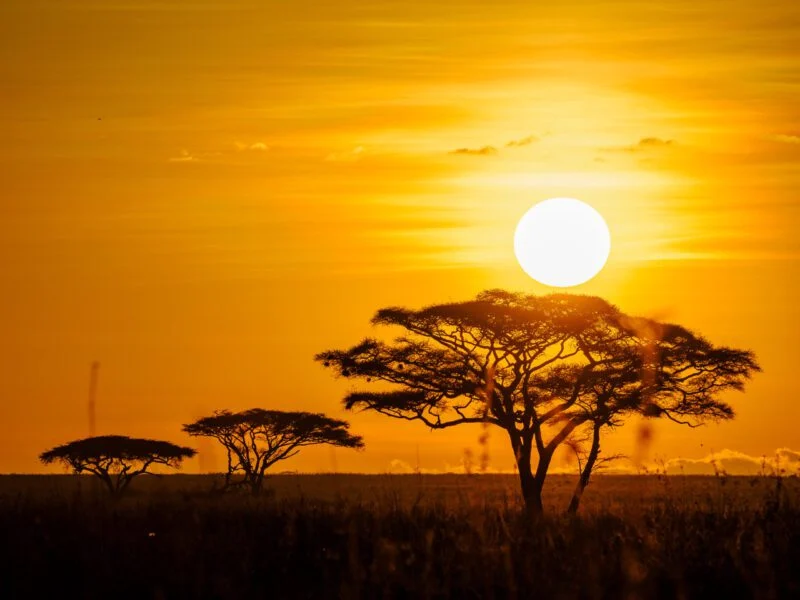
For those keen on landscape photography, various viewpoints throughout the reserve are ideal. The observation hill overlooking the Ewaso Ng’iro River presents a stunning vantage point for panoramic shots, especially at dusk when the sun casts a golden hue over the landscape. Additionally, the mix of acacia trees and vibrant wildflowers provides an excellent opportunity for macro photography. Use a lightweight tripod to stabilize your camera for sharper images when capturing the intricate details of nature.
Always remember to respect the wildlife and their environment while photographing in Samburu National Reserve. This practice not only preserves the ecosystem but also enhances the experience for other photographers, ensuring that Samburu remains a premier destination for capturing the beauty of nature.
Camping and Accommodation Options
Samburu National Reserve in Kenya offers a wide variety of accommodation options to suit the preferences and budgets of diverse visitors. From luxurious lodges to more rustic camping experiences, guests can expect an enriching stay amidst the stunning landscapes and unique wildlife of the reserve.
Luxury lodges such as Samburu Serena Lodge and Eagle View Eco Lodge provide an upscale experience, featuring well-appointed rooms with breathtaking views, gourmet dining options, and spa facilities. These establishments often include guided tours, game drives, and cultural visits as part of their packages. Prices for these luxury lodges typically range from $300 to $700 per night, depending on the season and the type of accommodation chosen.
For those seeking a more intimate experience with nature, various campsites within and around Samburu National Reserve are available. Options like Joy’s Camp and Kamunyak Camp offer comfortable tents equipped with essential amenities, including private bathrooms and hot showers. These camps focus on providing a close-to-nature experience while ensuring a certain level of comfort. Rates for these camping sites generally start around $150 per night, appealing to both budget travelers and adventure seekers alike.
Visitors opting for camping can expect to engage in activities such as guided walks and night game drives, enhancing their overall experience in the African wilderness. Regardless of the choice between luxury or camping, Samburu National Reserve provides a memorable stay that allows travelers to immerse themselves in the beauty of Kenya’s arid landscapes and rich biodiversity.
Planning Your Trip to Samburu National Reserve
When planning a trip to Samburu National Reserve, it is essential to consider various logistical aspects to ensure a smooth experience. Located approximately 350 kilometers north of Nairobi, the reserve can be accessed by both road and air. For aerial access, several airlines provide scheduled flights from Nairobi to the local airstrip at Samburu, significantly reducing travel time to about one hour. Alternatively, for those who prefer a more scenic route, self-driving or hiring a car with a driver can offer a unique glimpse of the beautiful Kenyan landscapes en route to the reserve. The drive typically takes between five to seven hours, depending on road conditions.
The best time to visit Samburu National Reserve is during the dry seasons, typically from late June to October and from late December to March. These periods are ideal for wildlife viewing, as animals tend to congregate around water sources, making them easier to spot. Additionally, the cooler weather during these months enhances the overall experience of exploring the reserve.
Visitors should be aware of the park entry fees, which are essential to budget for in advance. These fees contribute to the conservation efforts in the reserve and can be paid at the entrance. It is advisable to book accommodation prior to arrival, as options can fill quickly during peak seasons. Various lodges and tented camps within the reserve provide different levels of comfort and pricing for travelers.
Lastly, it is important to pack appropriately. Essentials include light clothing suitable for safaris, sturdy walking shoes, sun protection, and, if applicable, binoculars for an enhanced wildlife viewing experience. Health precautions, such as vaccination and anti-malarial tablets, should also be discussed with healthcare providers before the trip.