Introduction to Masai Mara National Reserve
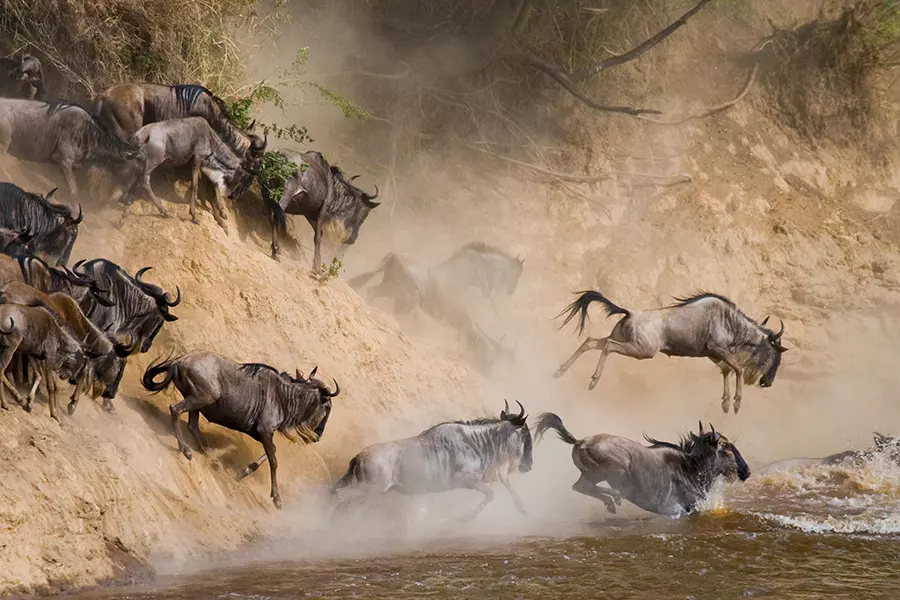
The Masai Mara National Reserve, located in southwestern Kenya, is one of the most renowned wildlife destinations in the world. Known for its breathtaking landscapes and remarkable biodiversity, the reserve is an integral part of the greater Mara-Serengeti ecosystem, which supports an array of wildlife species and unique habitats. The vast plains, savannahs, and riverine forests of Masai Mara provide an unparalleled environment for observing various mammals, birds, and plants in their natural setting.
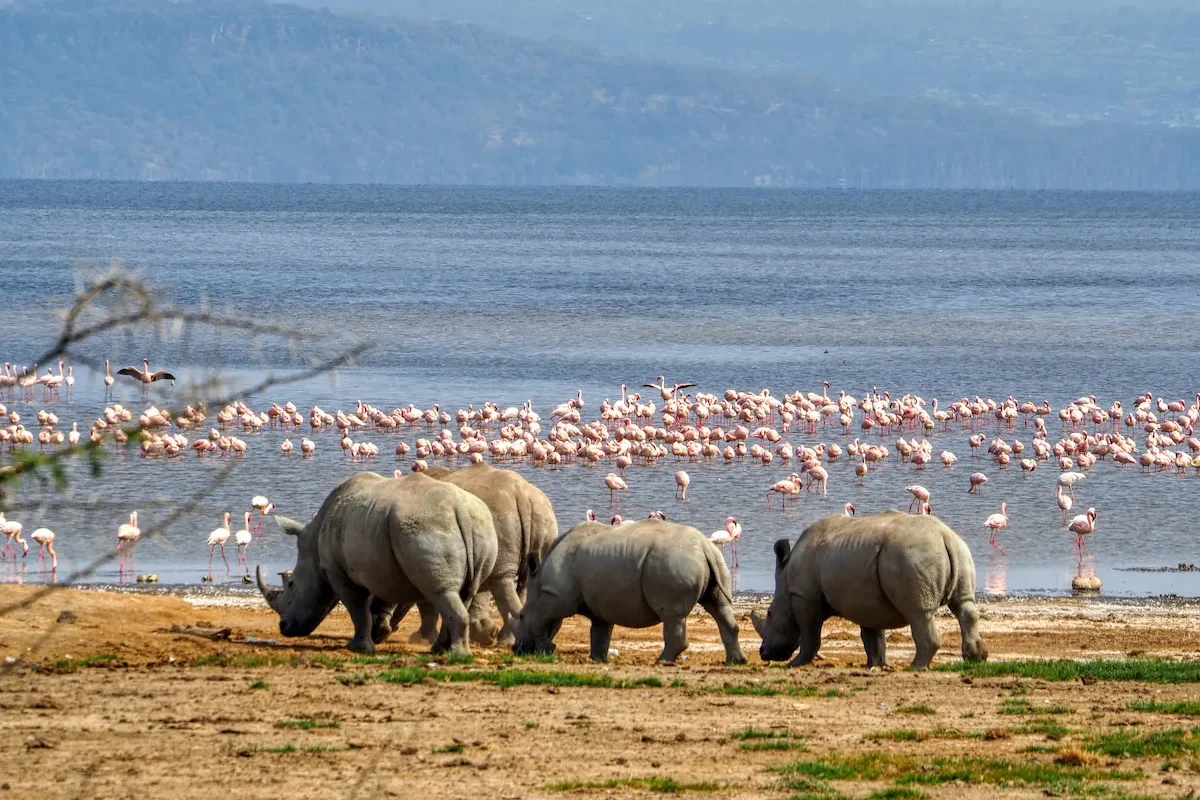
The reserve is particularly famous for its annual wildebeest migration, which attracts millions of visitors who come to witness this spectacular event. This natural phenomenon, characterized by the crossing of herds between Tanzania’s Serengeti and Masai Mara, occurs between July and October, offering an unforgettable safari experience for adventurers and nature enthusiasts alike. In addition to the migration, visitors can also observe the Big Five—lions, leopards, elephants, rhinoceros, and Cape buffalo—within the reserve’s boundaries.
Beyond its stunning fauna, the Masai Mara holds cultural significance for the Maasai people, who have coexisted with wildlife for centuries. The Maasai culture is integral to the identity of the region, with their traditional practices and customs deeply embedded in the local heritage. Visitors to the Masai Mara have the unique opportunity to engage with the Maasai community, promoting cultural exchange and providing insight into their way of life. This rich combination of wildlife and culture makes the Masai Mara National Reserve not only a place for exploration but also a site for learning and appreciation of our planet’s diverse ecosystems and the people who inhabit them.
Wildlife Safari Adventures
The Masai Mara National Reserve, renowned for its stunning landscapes and breathtaking wildlife, offers visitors an unparalleled opportunity to embark on thrilling safari adventures. These experiences can be tailored to various preferences, ensuring a captivating encounter with nature’s splendor. There are primarily two types of safaris available: game drives and walking safaris.
Game drives, conducted in specially designed safari vehicles, allow travelers to navigate through the expansive savannah grasslands and observe an array of wildlife species in their natural habitat. This type of safari typically occurs during early morning or late afternoon when animals are most active. Visitors can expect to see iconic species such as lions, elephants, buffalo, and leopards, along with a variety of antelope and birdlife. The professional guides provide valuable insights into animal behavior and the intricate ecosystem, enhancing the overall experience.
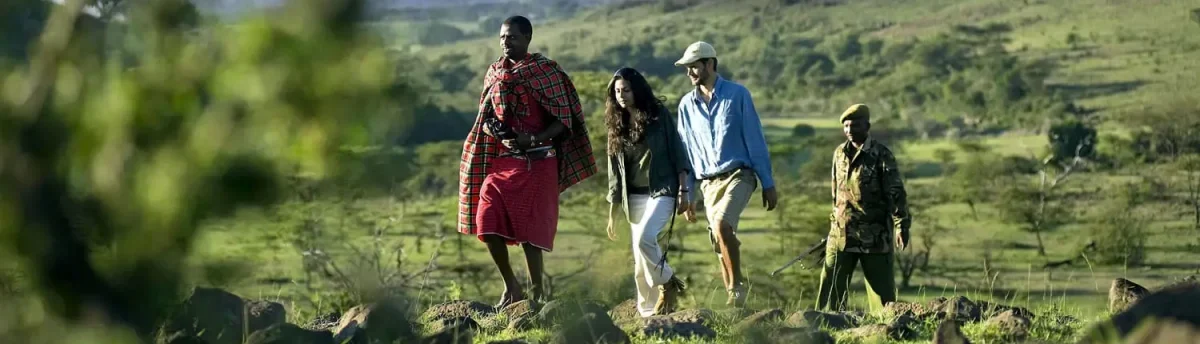
Alternatively, walking safaris offer a more intimate connection with the environment. Led by experienced guides, these treks involve exploring the reserve on foot, allowing participants to discover hidden gems that are often missed during vehicle excursions. Walking safaris encourage observation of smaller wildlife and plant species, offering a unique perspective on the ecosystem’s biodiversity. Travelers might encounter tracks, droppings, and other signs of animal presence while gaining insights into the behavior and ecology of the area.
To maximize a safari adventure in the Masai Mara, it is vital to prepare adequately. This includes bringing appropriate clothing for varying weather conditions, staying hydrated, and maintaining silence during wildlife observations to avoid scaring away animals. Moreover, being respectful of wildlife and observing from a safe distance contributes to a more enriching experience. In summary, whether opting for a game drive or a walking safari, the Masai Mara National Reserve promises an unforgettable wildlife exploration that captures the essence of the wild, making it a must-visit destination for nature enthusiasts.
The Great Migration Experience
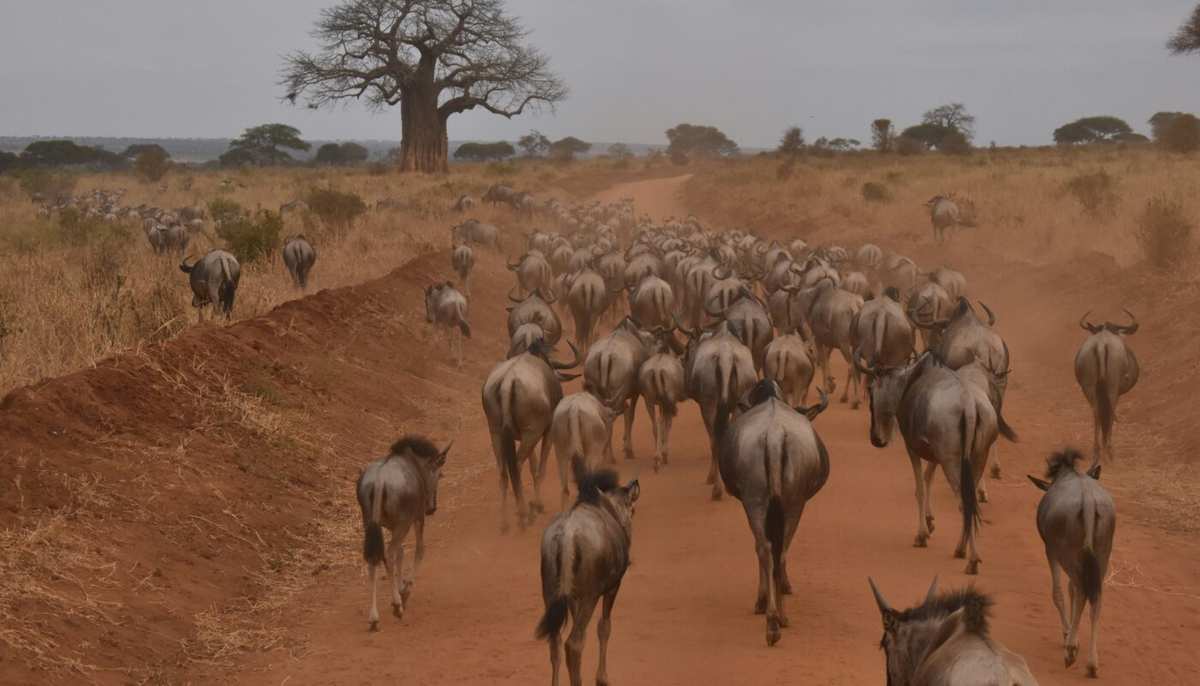
The Great Migration is perhaps the most iconic natural event within the Masai Mara National Reserve, drawing thousands of travelers from around the globe. Occurring annually, this remarkable spectacle involves the movement of over 1.5 million wildebeest, accompanied by numerous zebras and other herbivores, seeking greener pastures in search of food and water. The journey typically begins in late June and extends into early October, following a cyclic path through the Serengeti National Park and into the Masai Mara.
During this period, visitors can witness breathtaking scenes of animals crossing the Mara River, where the risks posed by crocodiles and powerful currents add an element of drama to the migration. The river crossings are perhaps the most thrilling highlights of the Great Migration, offering photographers and nature enthusiasts a unique opportunity to capture the raw essence of wildlife survival. Additionally, it is not just the migration itself that captivates onlookers, as accompanying predators like lions, hyenas, and leopards pursue the herds, creating a vivid tableau of the circle of life.
To best experience the Great Migration, timing is critical. Visitors are encouraged to plan their trips between July and September for optimal river crossing observations. However, it is advisable to remain flexible with plans, as wildlife does not adhere to a strict schedule. Employing a knowledgeable guide can greatly enhance the experience, providing insights on animal behavior and migration patterns that improve the chances of encountering this unparalleled natural spectacle. Furthermore, utilizing both morning and early evening game drives can increase the probability of witnessing the wildebeest in action, maximizing the immersive experience during this awe-inspiring journey.
Hot Air Balloon Safaris
Hot air balloon safaris in the Masai Mara National Reserve provide a breathtaking perspective of the savannah, offering an unparalleled way to experience the majesty of this iconic landscape. As dawn breaks, passengers ascend into the sky, where they are greeted by panoramic views of the extensive plains dotted with wildlife. The gentle rise into the air transforms the scenery, revealing the vastness of the reserve and the intricate patterns formed by rivers and acacia trees.
The flight typically lasts for about an hour, during which pilots navigate thermals to provide a smooth, scenic exploration of the region. Observers often spot large herds of wildebeest or elephants roaming below while others may identify the solitary figures of leopards lounging in the trees. The aerial perspective amplifies the sense of scale of the Masai Mara, allowing for a unique appreciation of the wildlife and its environment. Photographing from the sky can yield stunning images that capture both the proximity of the animals and the elaborate landscapes surrounding them.
Once the hot air balloon descends, participants are welcomed back to earth with a delightful breakfast experience in the bush. This post-flight celebration typically features a spread of gourmet treats, sparkling wine, and fresh fruit, all served in the serene ambiance of the reserve. The breakfast not only marks the conclusion of the adventure but also allows travelers to reflect on their majestic journey from above. The combination of exhilaration from flight and the joys of communal dining under the vast African sky makes hot air balloon safaris a standout activity in the Masai Mara, creating memories that will last a lifetime.
Cultural Experiences with the Maasai People
Visiting the Masai Mara National Reserve not only offers breathtaking landscapes and diverse wildlife but also a unique opportunity to immerse oneself in the rich culture of the Maasai people. Engaging with the Maasai community can be a transformative experience, providing insights into their traditions, values, and way of life.
A popular cultural experience is the visit to traditional Maasai villages, known as enkangs. These villages are characterized by their distinctive circular houses made from mud, grass, and cow dung, surrounded by a fence of thorny acacia bushes serving as protection from wildlife. Interacting with the Maasai residents allows visitors to learn about their daily activities, from herding cattle to traditional farming techniques, thereby fostering a deeper understanding of their agricultural lifestyle.
Moreover, the Maasai are well-known for their unique dances and songs, which play an integral role in their cultural heritage. Tourists often have the chance to partake in these vibrant performances, which are characterized by rhythmic jumping and energetic chants. Participating in traditional dances not only entertains but also serves as a way to connect with the Maasai heritage and appreciate the storytelling embedded in their music.
These cultural exchanges are vital for promoting understanding and respect between the Maasai people and visitors. Engaging with the local community contributes to cultural preservation while also providing the Maasai with an opportunity for economic empowerment through responsible tourism. Thus, these interactions go beyond mere tourism; they become a bridge of dialogue and mutual respect.
In conclusion, experiencing the Maasai culture in the Masai Mara enriches the safari adventure, allowing travelers to leave with lasting memories of vibrant traditions and invaluable lessons about resilience and community life.
Photography Opportunities
The Masai Mara National Reserve is renowned for its breathtaking landscapes and rich wildlife, making it a premier destination for photographers. The photogenic qualities of the reserve are accentuated by its diverse scenery, which ranges from vast open savannahs to dense woodlands and riverine environments. This varied topography provides photographers with numerous opportunities to capture stunning images.
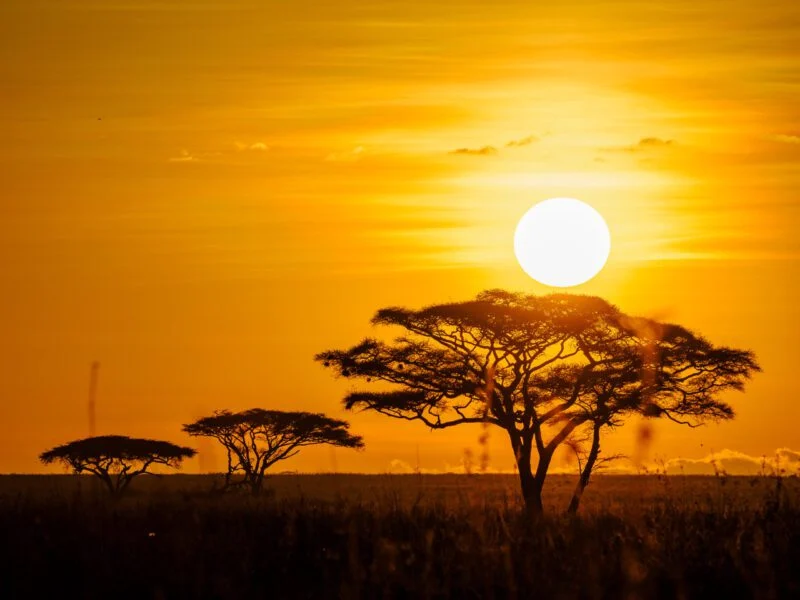
When considering the best times for photography, early mornings and late afternoons are often favored due to the soft light during these hours, which enhances colors and reduces harsh shadows. The golden hour light not only showcases the vibrant savannah but also casts a warm glow on the wildlife, allowing for more dramatic and captivating photographs. Moreover, wildlife is generally more active during these cooler times, increasing the chances of witnessing and photographing various species.
In terms of equipment, utilizing a DSLR or mirrorless camera with a zoom lens is advisable, as this setup allows for flexibility in capturing both wide landscapes and close-up shots of animals. A tripod can be beneficial for maintaining stability, especially in low-light conditions. Additionally, incorporating a polarizing filter may help to reduce glare and enhance the colors of the skies and vegetation, making your images even more striking.
The Masai Mara is home to an array of wildlife, including the Big Five: lions, leopards, elephants, buffaloes, and rhinoceroses. Photographing these majestic animals in their natural habitat offers a unique chance to document extraordinary moments. Furthermore, migratory patterns during the Great Migration, particularly of wildebeest, provide dynamic photo opportunities as thousands of animals cross rivers and plains.
Ultimately, the stunning vistas and rich biodiversity of the Masai Mara National Reserve present unique photography opportunities for both novice and experienced photographers. Being prepared with suitable equipment and knowledge of the best times and locations will contribute significantly to capturing remarkable images that reflect the beauty of this iconic destination.
Bird Watching in Masai Mara
Masai Mara National Reserve is renowned not only for its majestic landscapes and diverse wildlife but also for its impressive avian biodiversity. This exceptional destination is home to over 450 bird species, making it a prime spot for ornithologists and bird watchers alike. Whether you are a seasoned bird enthusiast or a casual observer, the allure of watching these magnificent birds in their natural habitat is undeniable.
The reserve features various ecosystems, including grasslands, woodlands, and riverine areas, each attracting a distinct array of bird species. Some of the most notable birds include the African Fish Eagle, Lilac-breasted Roller, and the majestic Kori Bustard, which is one of the heaviest flying birds. Additionally, the reserve provides shelter to both resident and migratory birds, offering a continuously changing avian spectacle throughout the year.
For the best bird watching experience, certain locations within Masai Mara stand out. The banks of the Mara River are particularly fruitful for spotting waterbirds such as herons, storks, and pelicans. The acacia woodlands and open savannahs attract a variety of raptors and smaller endemic species. Early mornings and late afternoons are often the prime times for bird enthusiasts, as birds are more actively foraging for food during these cooler parts of the day.
To maximize bird watching during your visit, consider planning your trip between November and April when the migratory birds congregate in the area. This period enhances the diversity of bird species present in the reserve, providing an unparalleled opportunity for sightings. Ensure that you bring along binoculars and a good guidebook; these tools will significantly enrich your experience.
Accommodations and Logistics
Masai Mara National Reserve, renowned for its breathtaking landscapes and abundant wildlife, offers a variety of accommodation options that cater to different preferences and budgets. From luxurious lodges to budget-friendly camps, the choices are abundant. Visitors can opt for upscale lodges such as the Mara Serena Safari Lodge, which provides stunning views and opulent amenities, or the Thornhill Safari Camp, which combines comfort with a more intimate setting. Those looking for economical alternatives may prefer tented camps like the Enkorok Mara Camp, known for its cozy atmosphere and proximity to the wildlife.
Beyond traditional lodges, eco-friendly options are also gaining popularity. Many travelers now seek sustainable lodges that allow them to enjoy nature while minimizing their environmental impact. This is particularly important in a globally recognized ecosystem like Masai Mara, where conserving wildlife and indigenous cultures is a priority.
In terms of logistics, planning a trip to Masai Mara involves understanding the available transportation options. Flights from Nairobi to the reserve operate daily, significantly reducing travel time. Alternatively, overland travel is another popular method, with self-drive options or organized group safaris available. Depending on the mode of transport, travelers should consider factors like travel duration, comfort level, and safety.
It is also advisable to plan your visit during the migration season, roughly July to October, for optimal wildlife viewing experiences. Early booking is recommended, especially during peak travel times, to ensure accommodation availability. Travelers should also familiarize themselves with the park’s regulations and guidelines to enhance their experience while ensuring safety and respect for the wildlife.
Conclusion: Planning Your Visit
Visiting the Masai Mara National Reserve is more than just an opportunity to witness some of the most breathtaking landscapes and remarkable wildlife on the planet; it is a chance to immerse oneself in a rich cultural tapestry and engage with local communities. The excitement of exploring this iconic reserve lies not only in observing the majestic Big Five but also in experiencing the dramatic migration of wildebeests and zebras, which captivates the hearts of visitors each year. With every moment spent in this picturesque environment, one can develop a deeper appreciation for the intricate relationship between wildlife and the ecosystems they inhabit.
When planning your visit, several factors should be taken into consideration to ensure an unforgettable experience. Selecting the right time to travel is essential—most tourists flock to the region during the migration season, typically from July to October. However, the Masai Mara offers unique opportunities year-round, catering to different interests and preferences. Furthermore, choosing the right accommodations to suit your needs and desires can transform the field experience, whether you opt for luxurious lodges or traditional tented camps.
It is important to bear in mind the impact of tourism on conservation efforts. Sustainable tourism practices can significantly contribute to preserving the delicate ecosystems within the Masai Mara. As visitors, we carry the responsibility of supporting local initiatives that promote environmentally friendly experiences while respecting the natural habitat. Prioritizing eco-friendly choices not only enhances the overall experience but also fosters a sense of conservation and stewardship that is crucial for protecting this remarkable landscape.